EXPLORE A NUTRIENT
Fiber
Discover how amounts vary across foods, on a shared basis for comparison.
Understand this nutrient ↓What is it?
A dietary-fiber fraction defined by its reported analytical category; it contains multiple molecules. [1]

A conceptual representation, not a molecular structure.
Description, source and attribution
A conceptual grouping, not a molecular structure. This reporting category contains multiple components or represents a calculated quantity.
Original Bitameans conceptual/fallback artwork; not a chemical structure. Source · Reuse terms
Source check:
A COMMON BASIS
Foods, per 100 g
186 foods with data 20 not reported, excluded from ranking
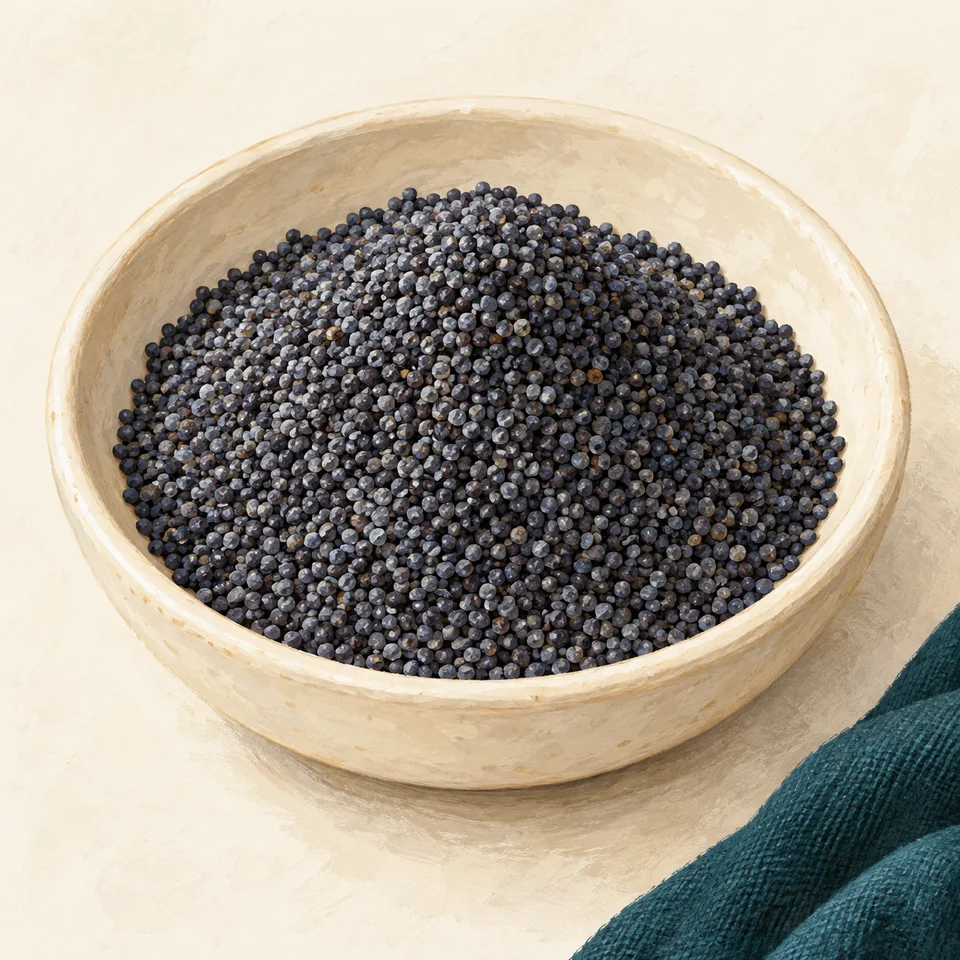
- Poppy seeds
Spices, poppy seed, exactly as identified by USDA.
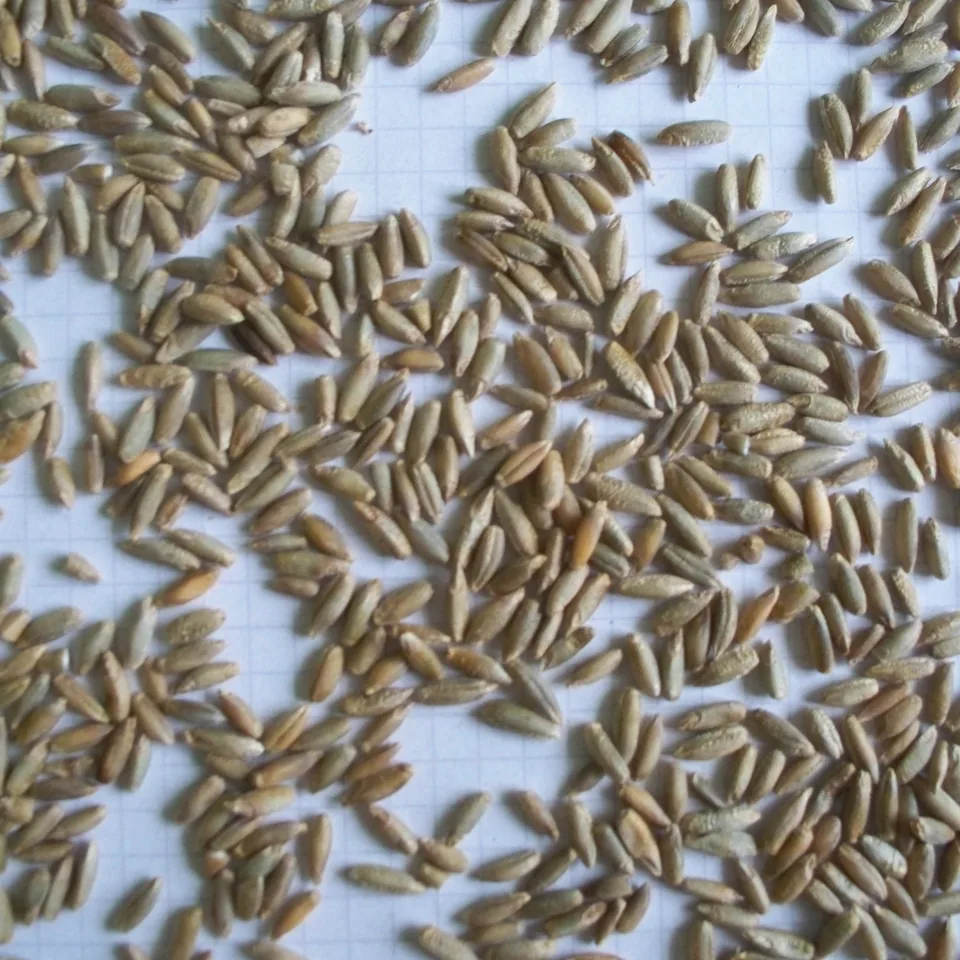
19.5 g - Rye grain
Rye grain, unprepared; not cooked rye bread.
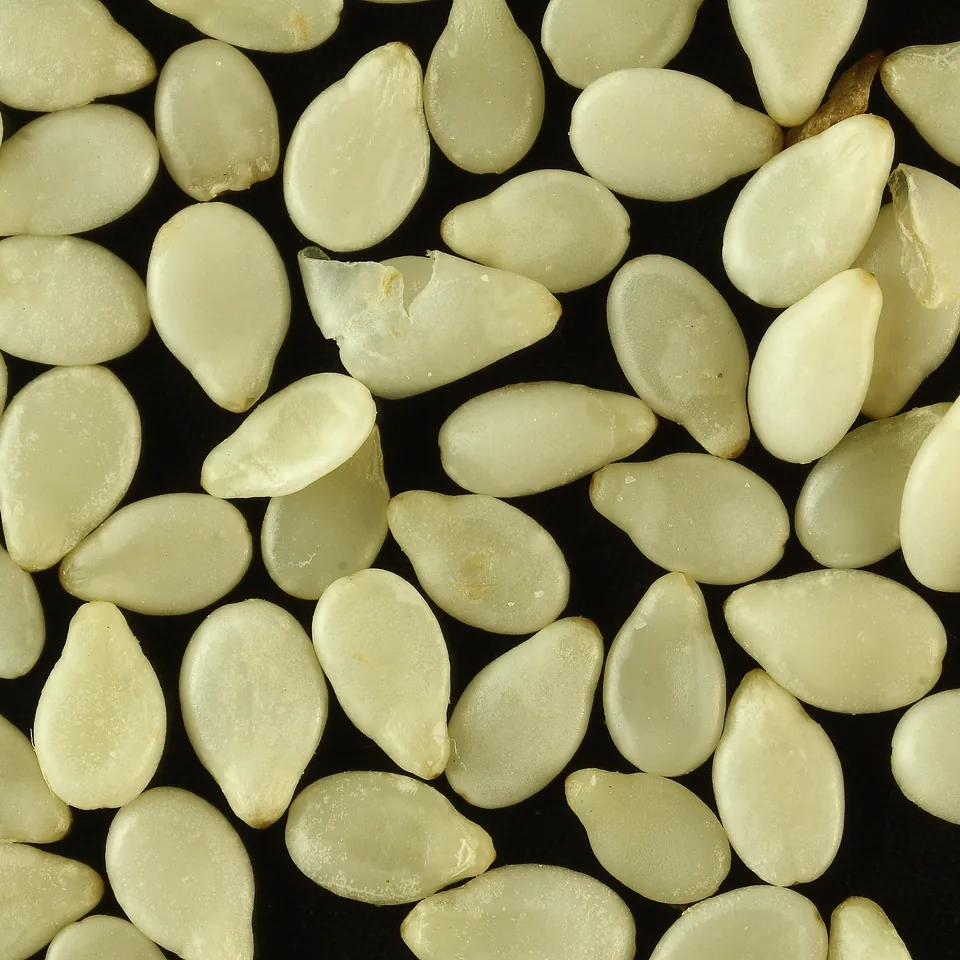
15.1 g - Sesame seeds
Whole dried sesame seeds.
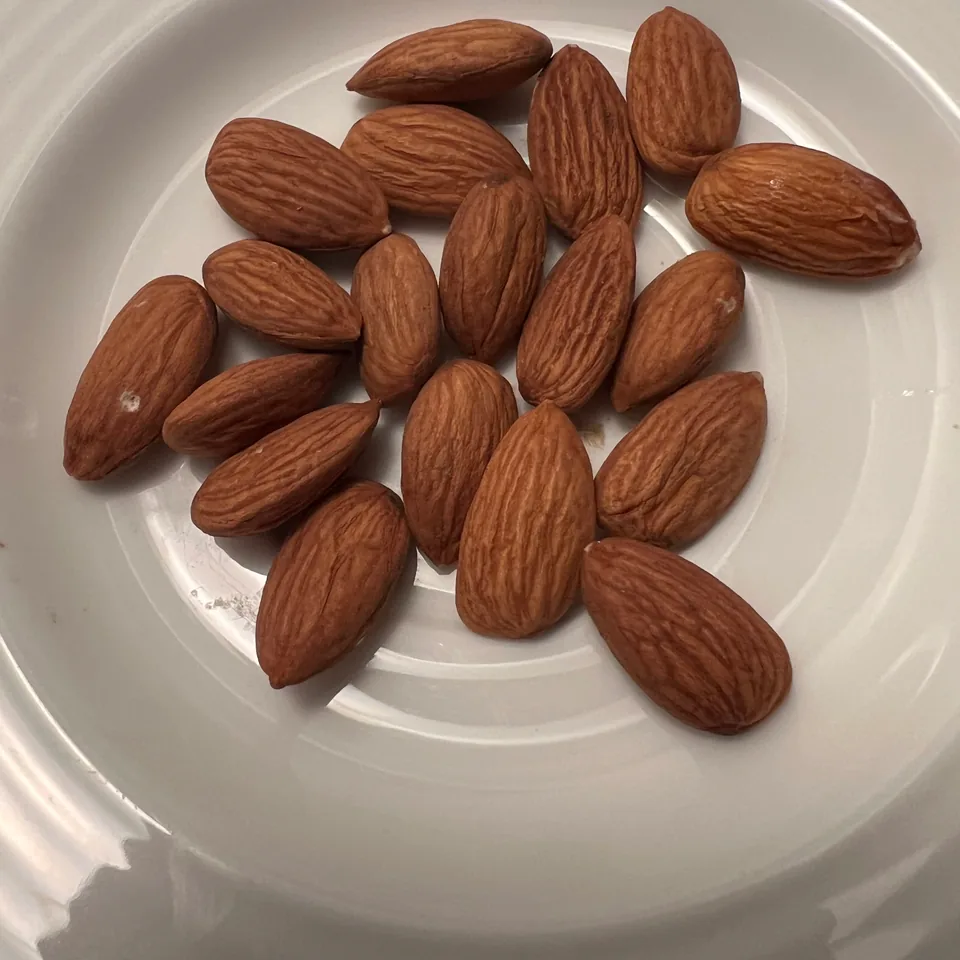
11.8 g - Almonds
Whole almonds, raw.
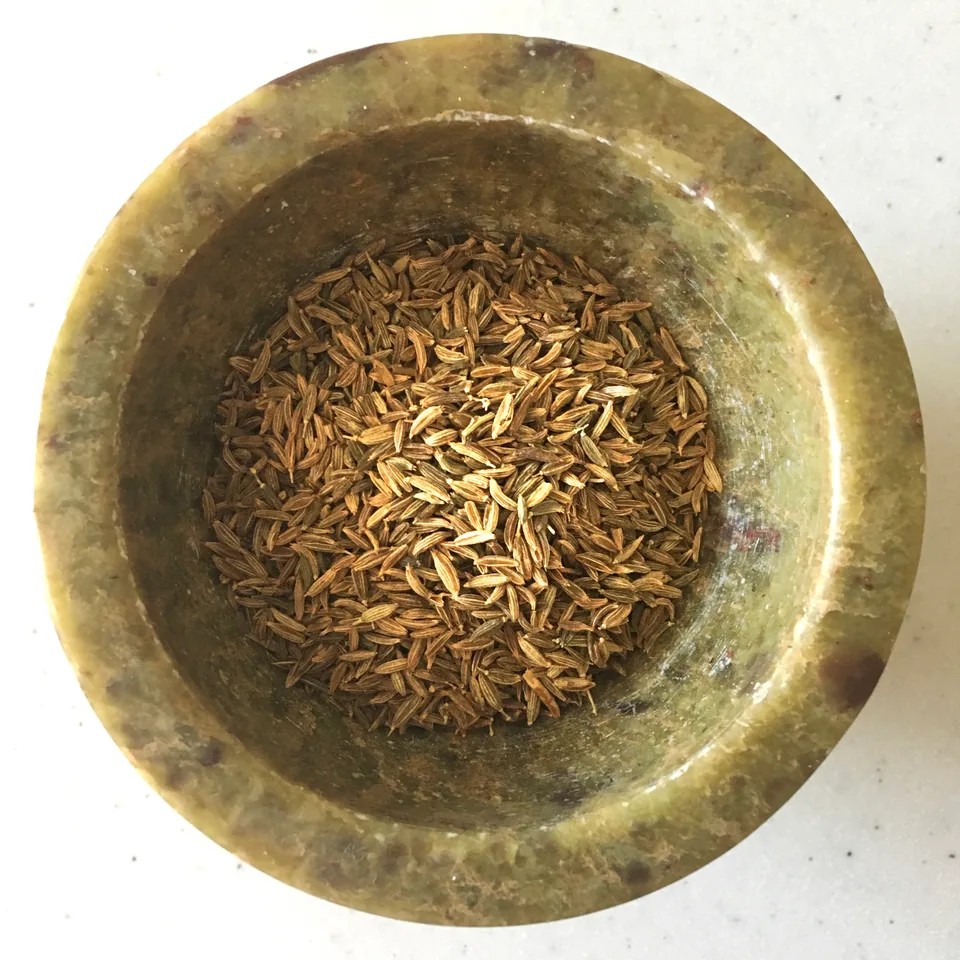
10.78 g - Cumin seed
Cumin seed spice.
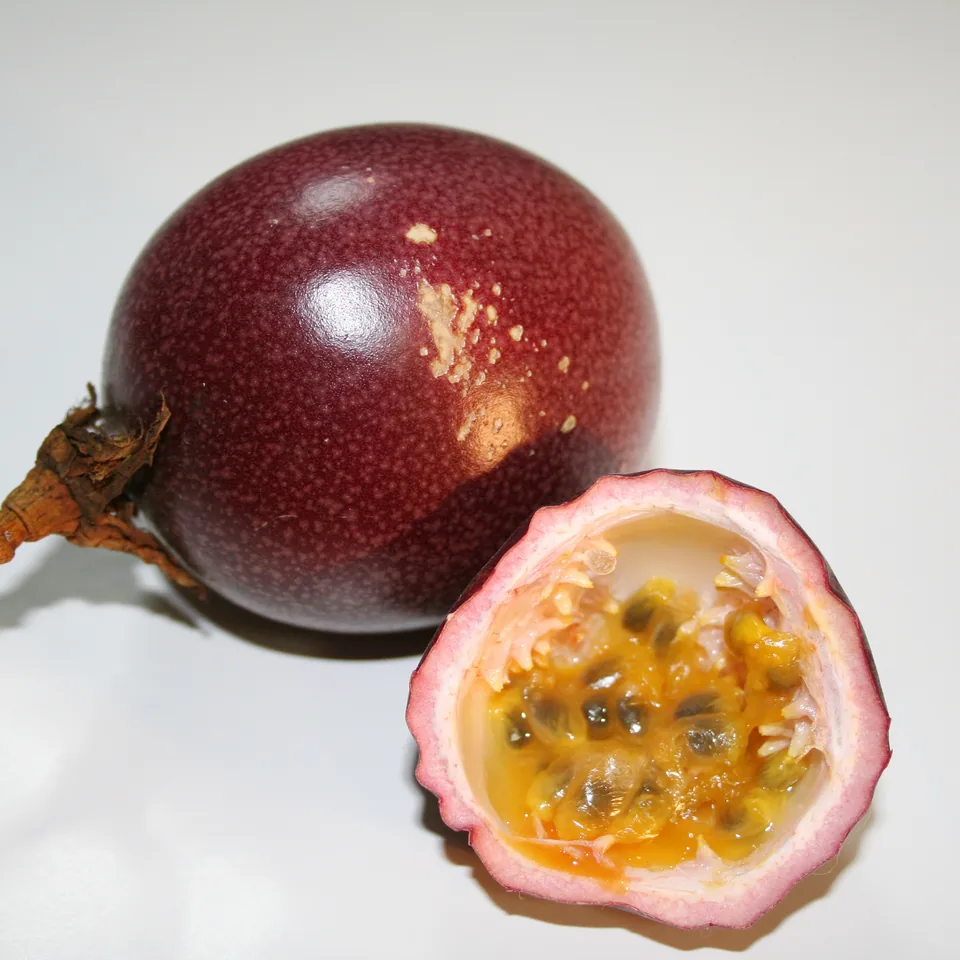
10.5 g - Purple passion fruit
Purple passion fruit, raw; not yellow passion-fruit juice or sweet granadilla.
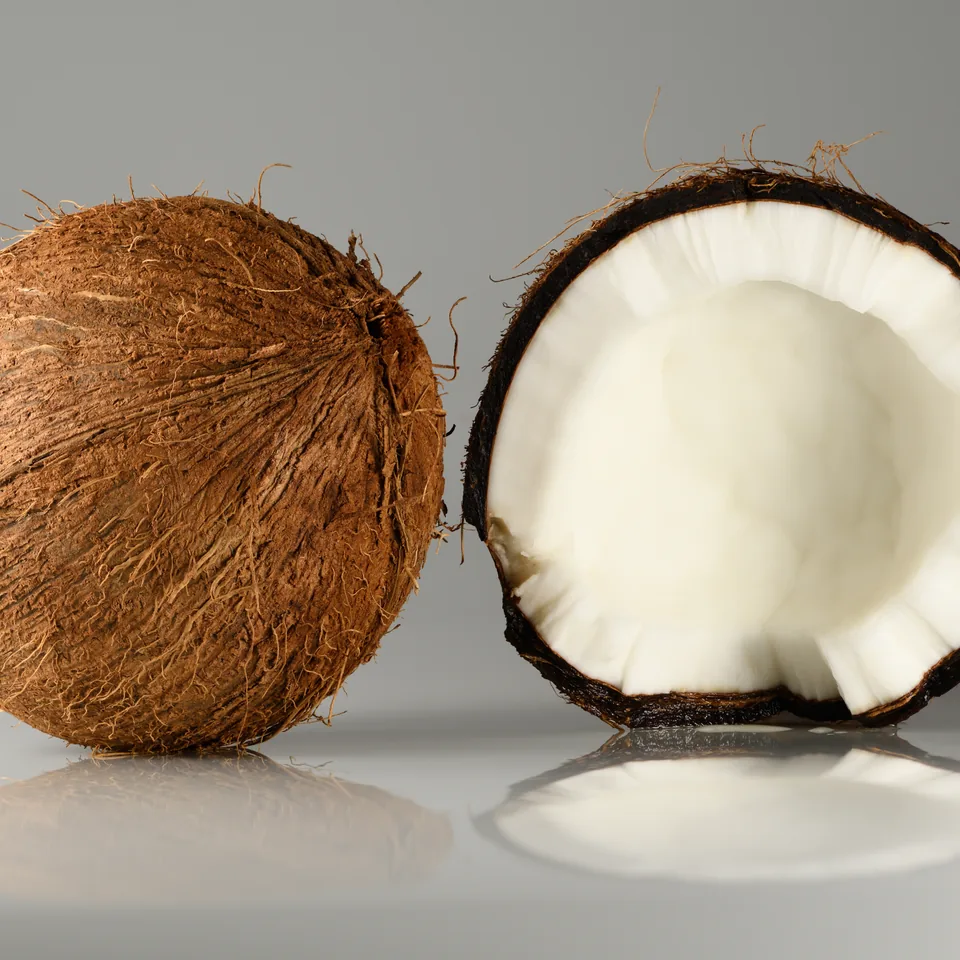
10.4 g - Coconut
Raw coconut flesh.
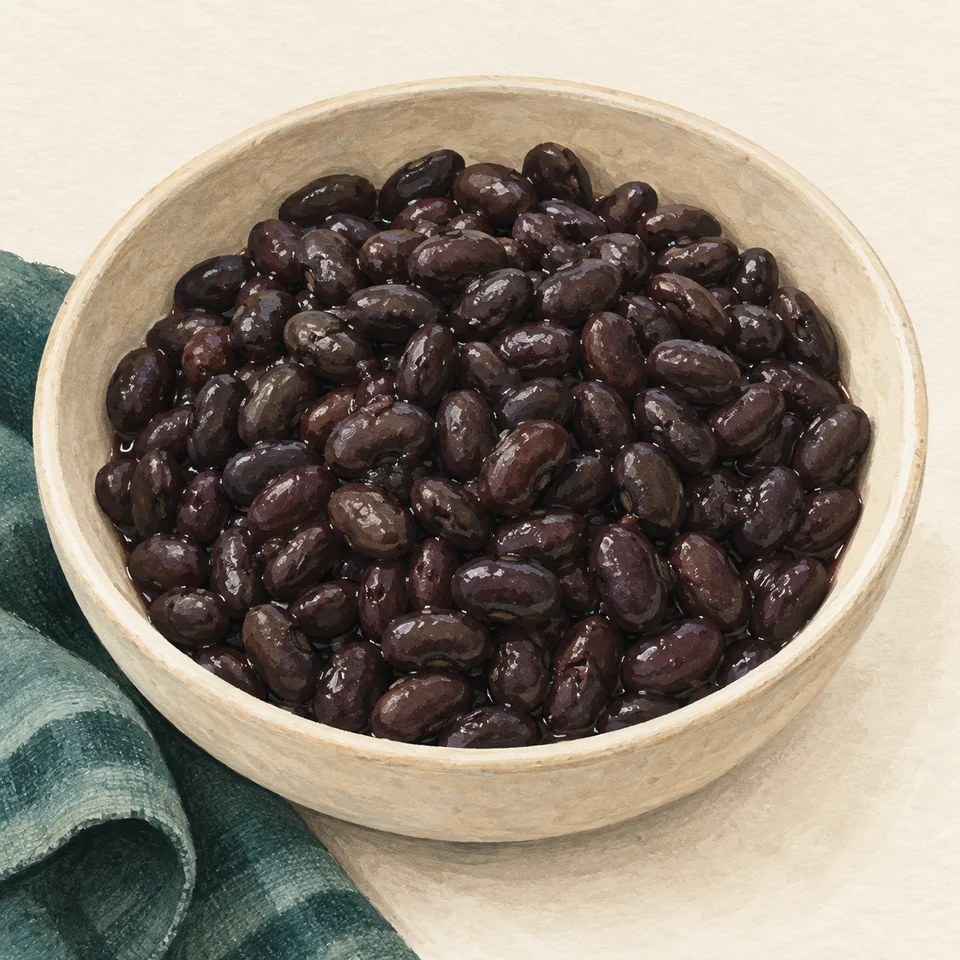
9 g - Black beans
Cooked; boiled; without salt, as stated in the USDA source description.
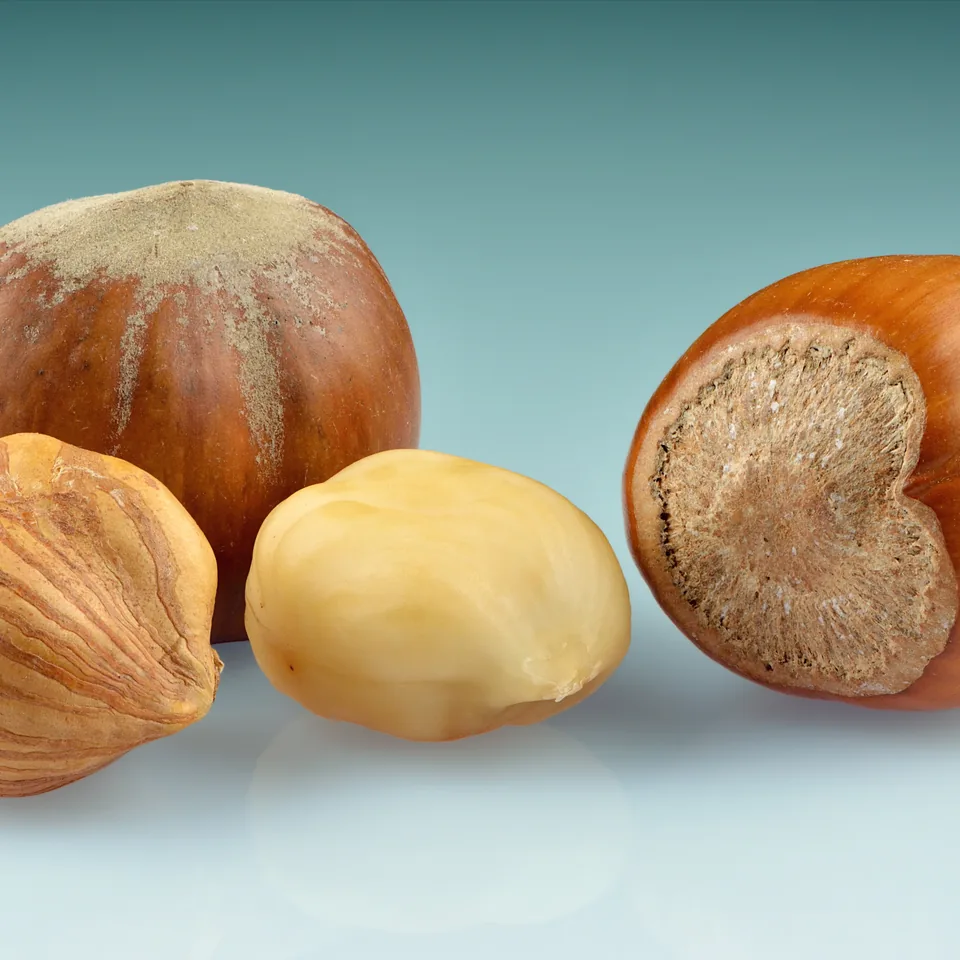
8.7 g - Hazelnuts
Raw hazelnuts (filberts).
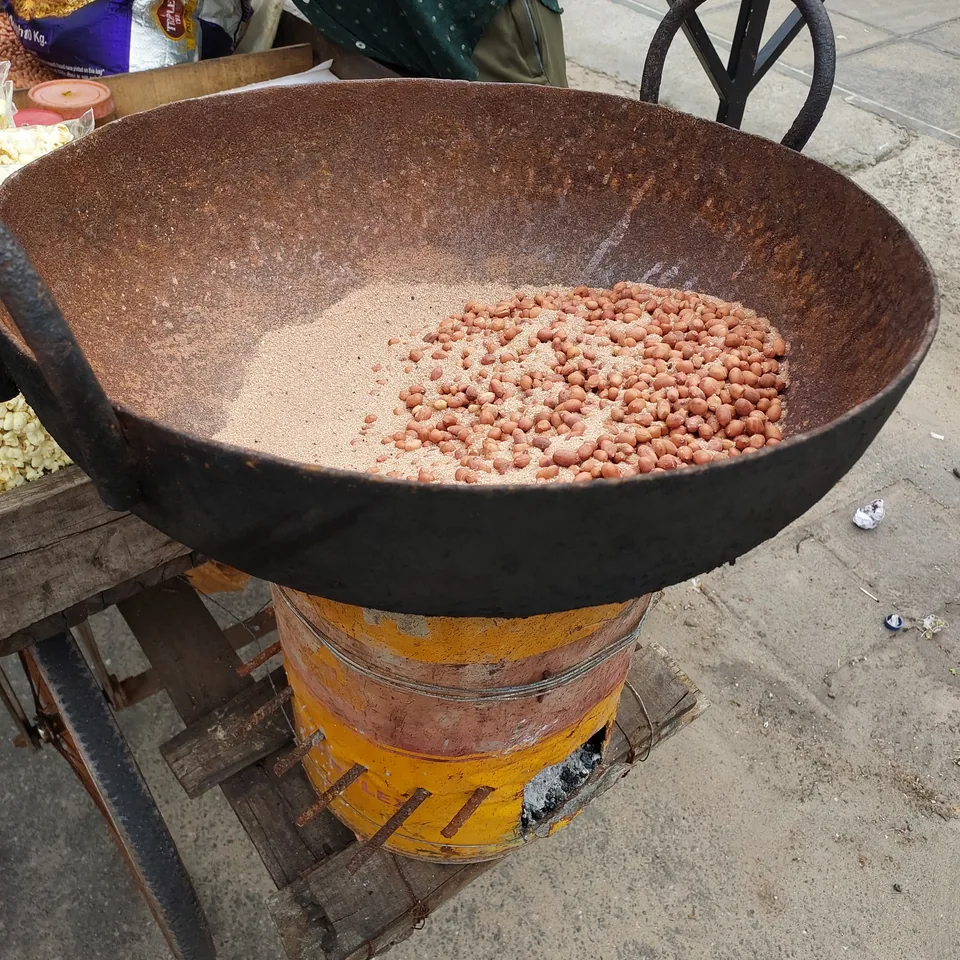
8.41 g - Peanuts
Peanuts, all types, dry-roasted without salt.
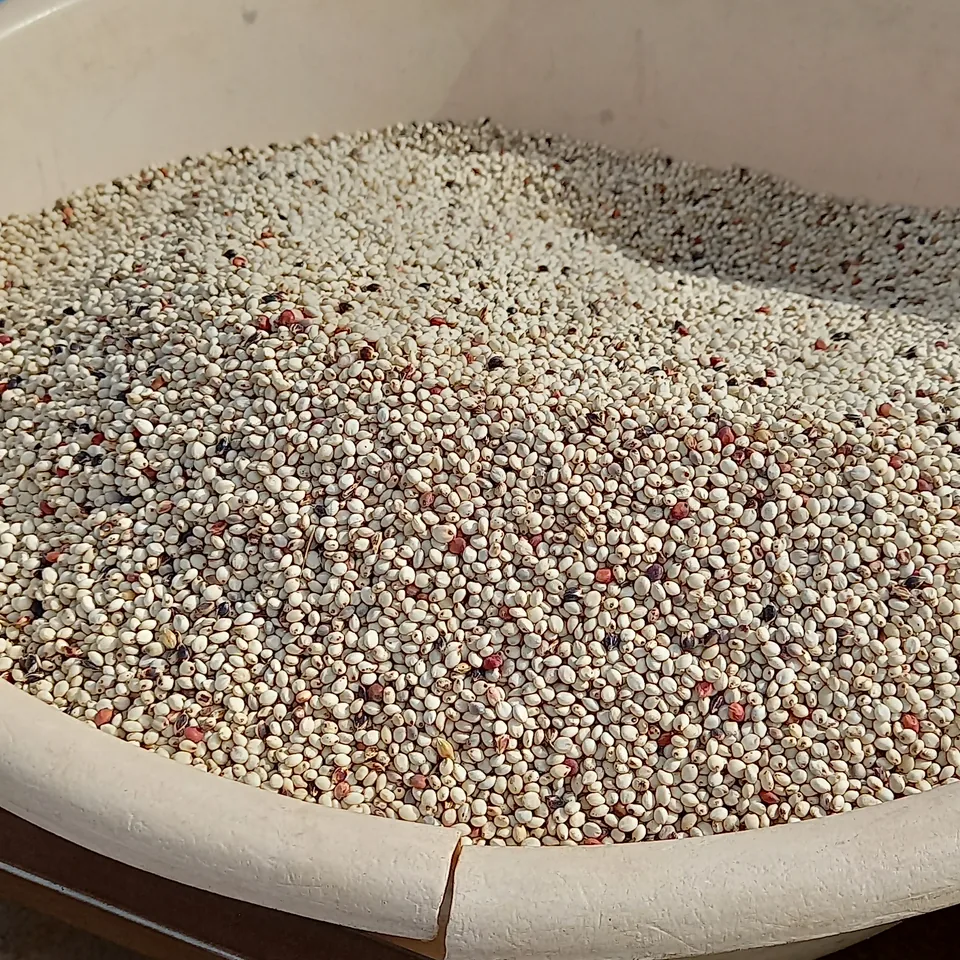
8.4 g - White whole-grain sorghum
White whole-grain sorghum, dry, raw.
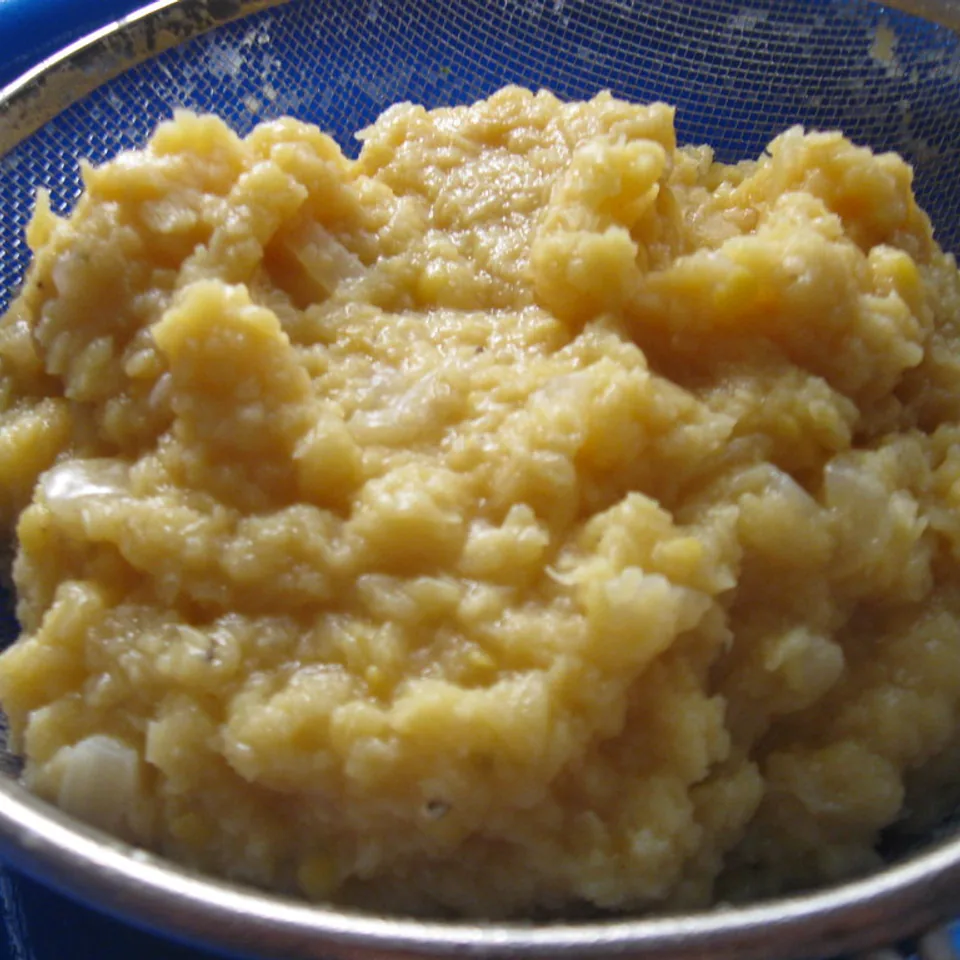
8.274 g - Lentils
Mature lentils, boiled without salt.
7.9 g
All results are sorted before pagination. Bars compare amounts within this search; they do not indicate health benefits. Not reported does not mean zero.
UNDERSTAND THE DATA
What it means for your diet
These sources explain dietary fiber and carbohydrate in foods. Soluble, insoluble, beta-glucan and analytical fiber fractions remain distinct; a benefit described for dietary fiber in general is not proof for every isolated fiber ingredient or dose.
Ranking amounts describe foods, not supplement doses. A high rank does not mean you should consume more. Source recommendations and cautions retain their original population and scope.
Dietary Fiber [1]
Source: MedlinePlus, National Library of Medicine. Original health-topic summary, reproduced with attribution.
Fiber is a substance in plants. Dietary fiber is the kind you eat. It's a type of carbohydrate. You may also see it listed on a food label as soluble fiber or insoluble fiber. Both types have important health benefits.
Good sources of dietary fiber include:
- Whole grains
- Nuts and seeds
- Fruit and vegetables
Dietary fiber adds bulk to your diet and makes you feel full faster, helping you control your weight. It helps digestion and helps prevent constipation. Most Americans don't eat enough dietary fiber. But add it to your diet slowly. Increasing dietary fiber too quickly can lead to gas, bloating, and cramps.
Centers for Disease Control and Prevention
Identity and structure sources
- USDA FoodData Central: Foundation Foods Documentation · Accessed 2026-09-13