EXPLORE A NUTRIENT
Alcohol, ethyl
Discover how amounts vary across foods, on a shared basis for comparison.
Understand this nutrient ↓What is it?
Chemical reference: ethanol (C2H6O). USDA reports Alcohol, ethyl separately. [1] [2]
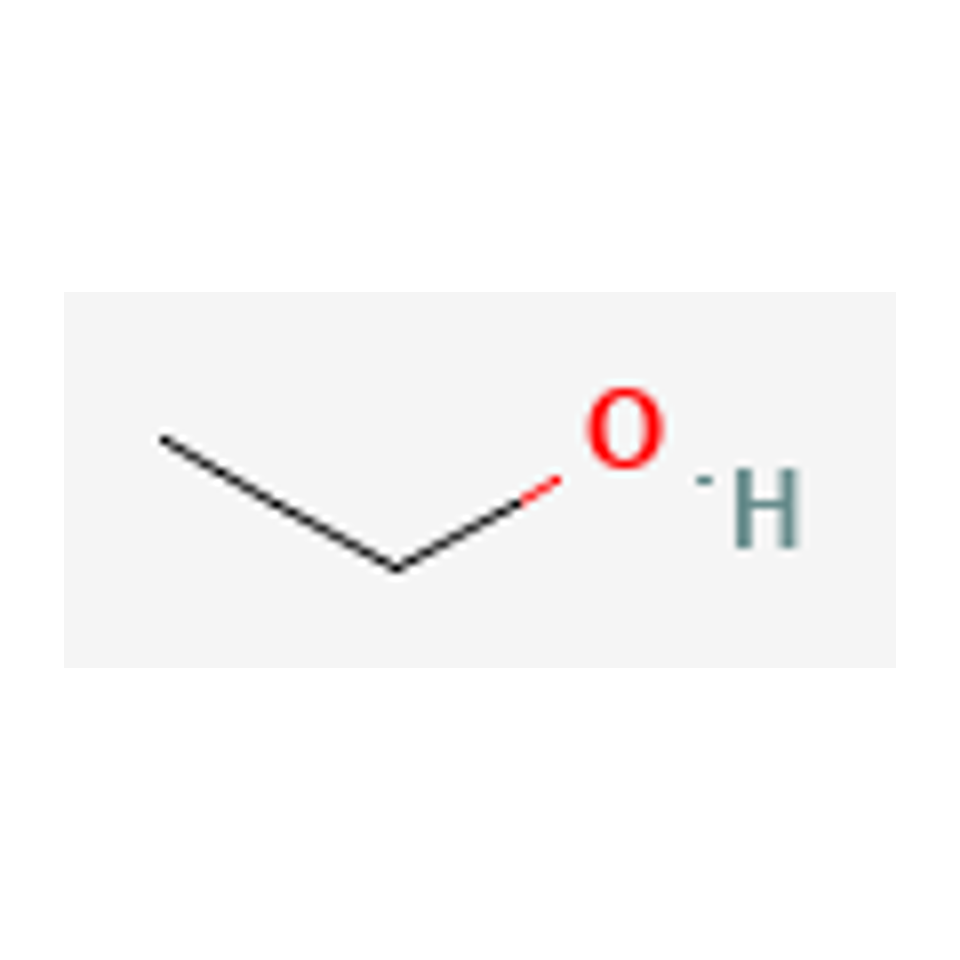
An identity reference, not the appearance of the food.
Description, source and attribution
Reference depiction: ethanol. Formula C2H6O; PubChem CID 702; charge 0. This is a chemical reference, not a depiction of its physical appearance in food.
PubChem Compound 702, 2D Structure. NCBI / National Library of Medicine. Source · Reuse terms
Source check:
A COMMON BASIS
Foods, per 100 g
139 foods with data 67 not reported, excluded from ranking
- Rice drink
Beverages, rice milk, unsweetened, exactly as identified by USDA.
0 g - Dried rosemary
Spices, rosemary, dried, exactly as identified by USDA.
0 g - Rutabaga
Rutabagas, cooked, boiled, drained, without salt, exactly as identified by USDA.
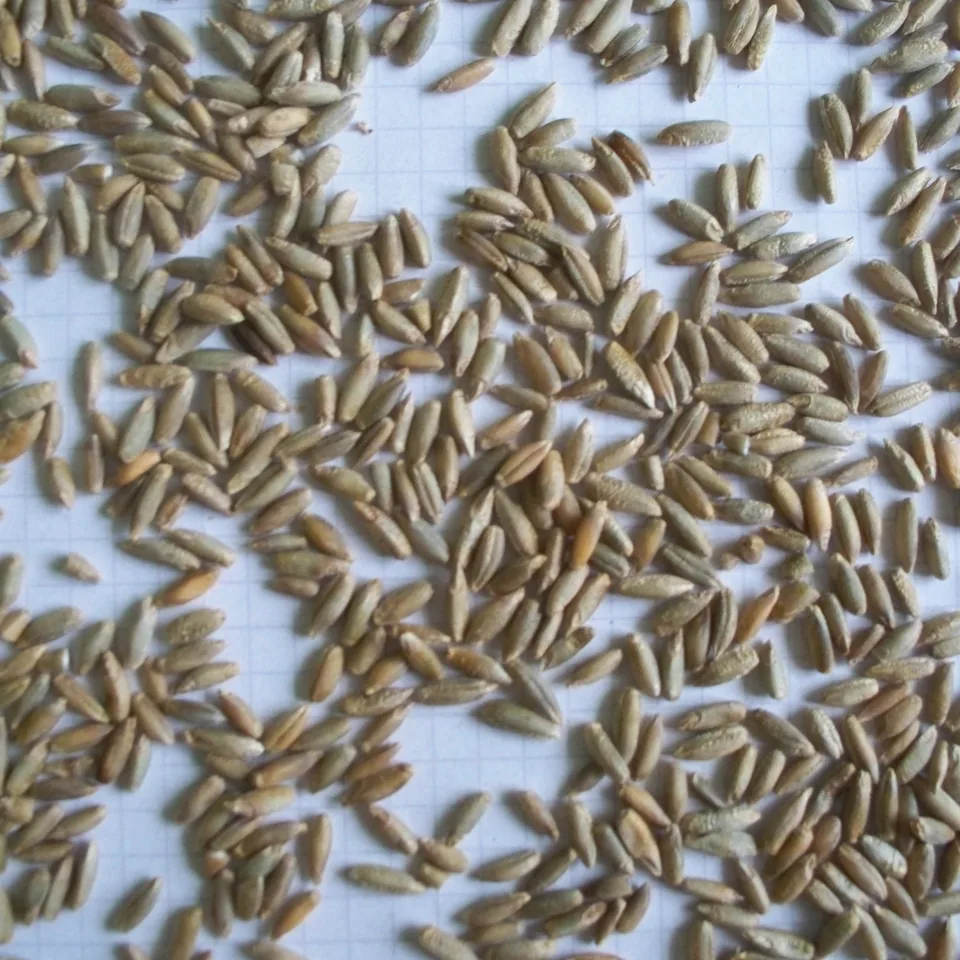
0 g - Rye grain
Rye grain, unprepared; not cooked rye bread.
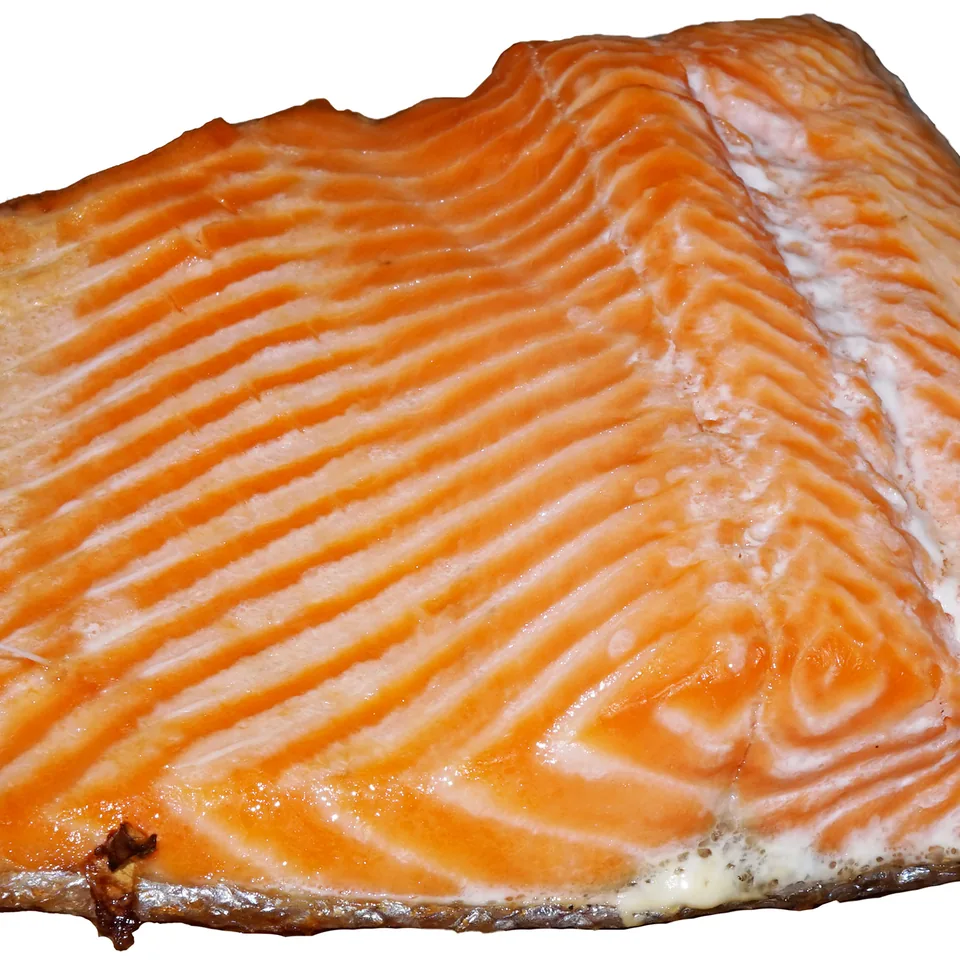
0 g - Atlantic salmon
Farmed Atlantic salmon, cooked with dry heat.
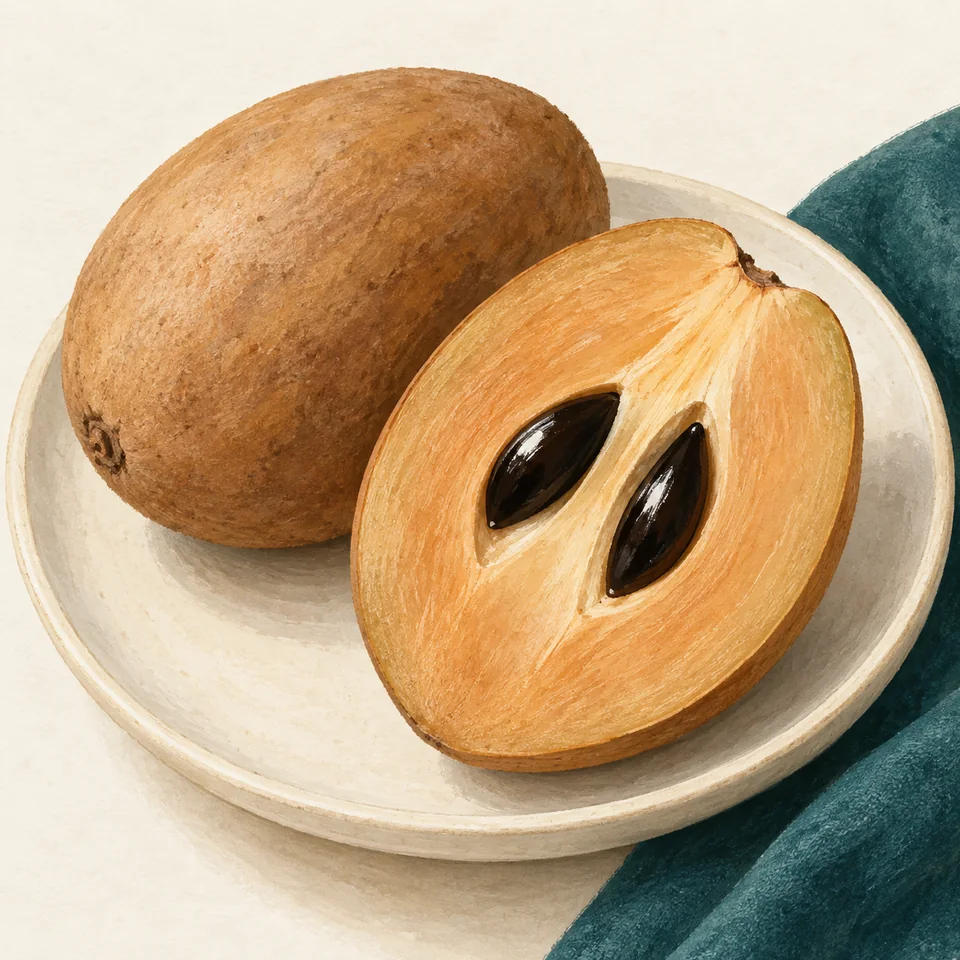
0 g - Sapodilla
Sapodilla, raw, exactly as identified by USDA.
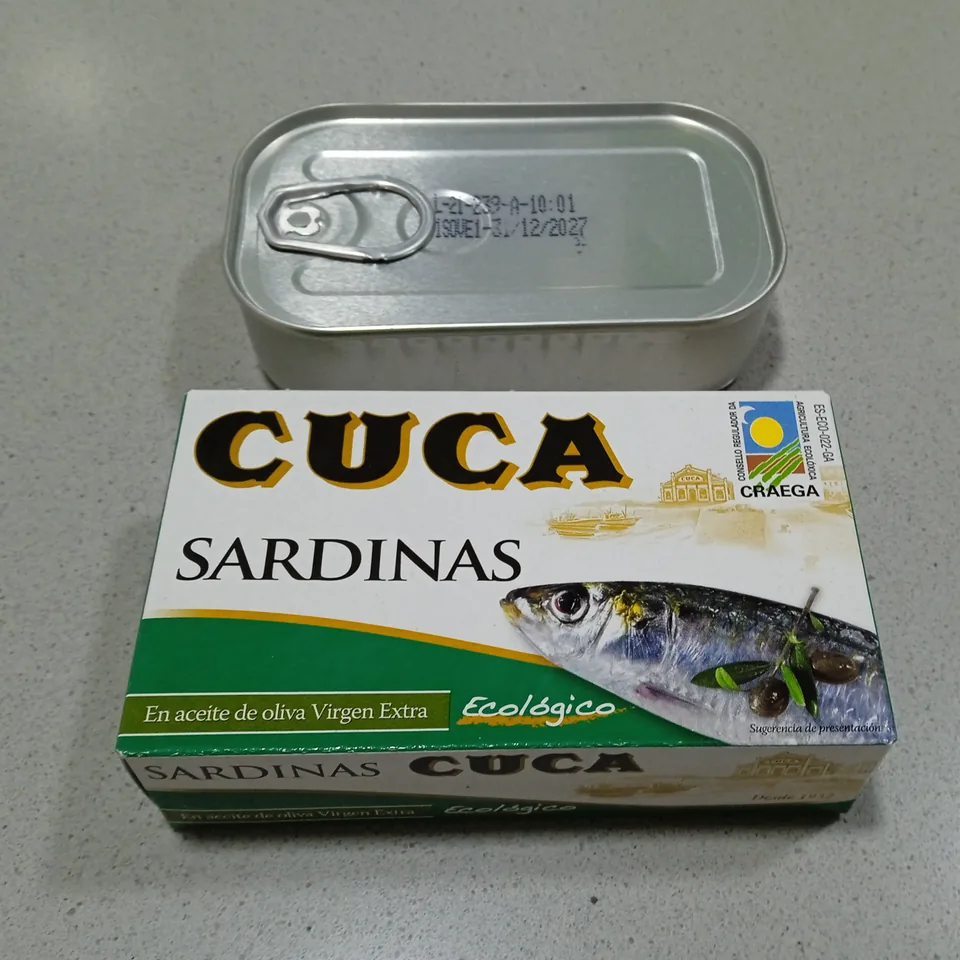
0 g - Canned sardines
Atlantic sardines canned in oil, drained solids with bone.
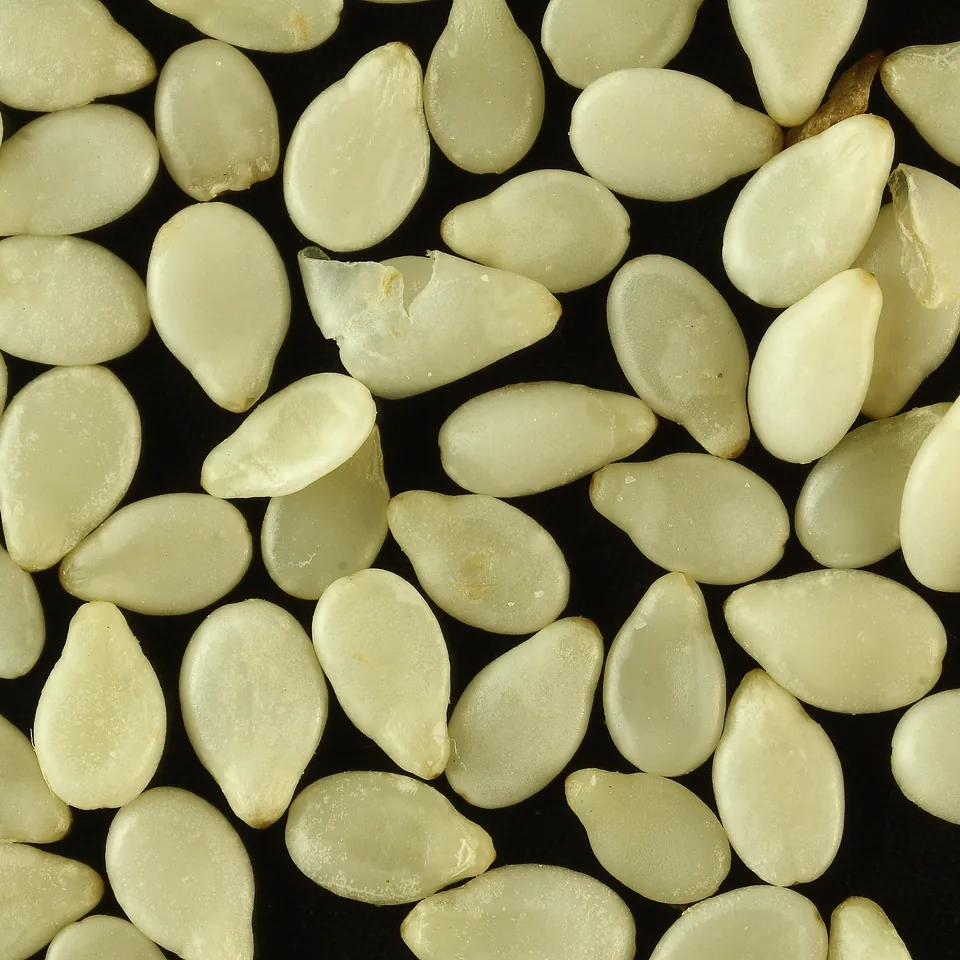
0 g - Sesame seeds
Whole dried sesame seeds.
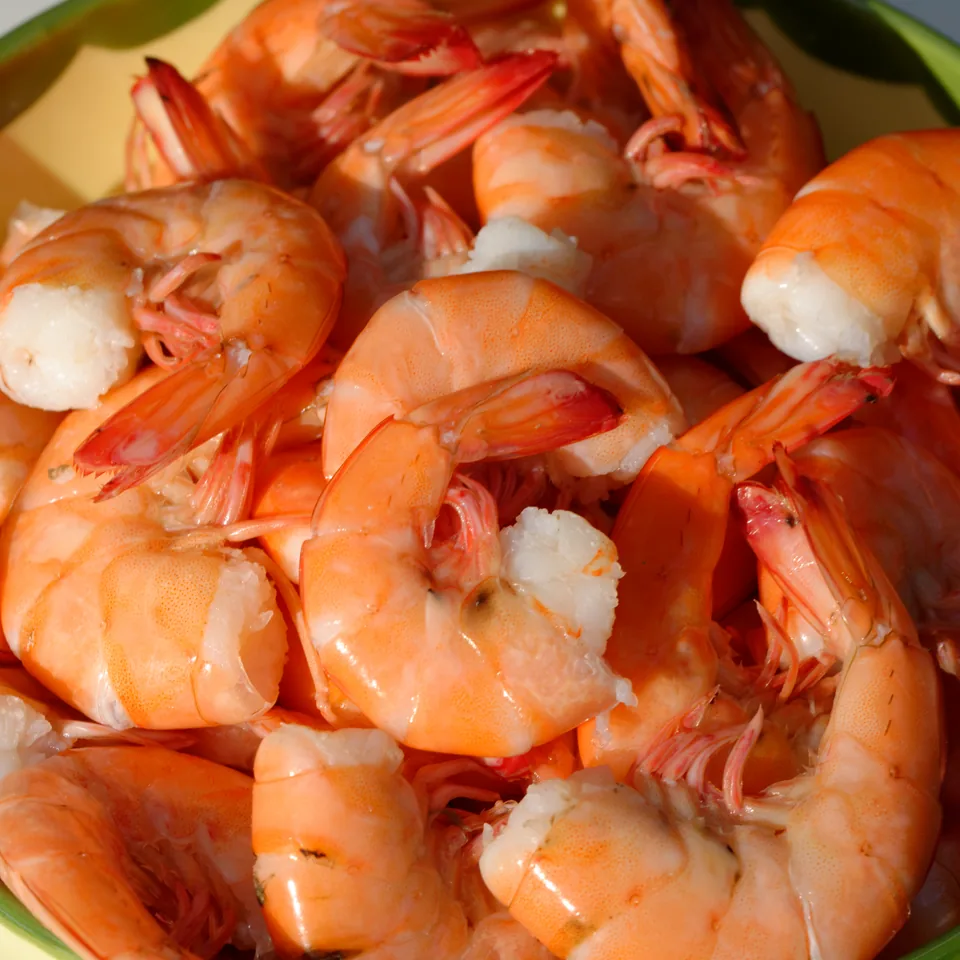
0 g - Shrimp
Mixed-species shrimp, cooked with moist heat; may contain moisture-retention additives.
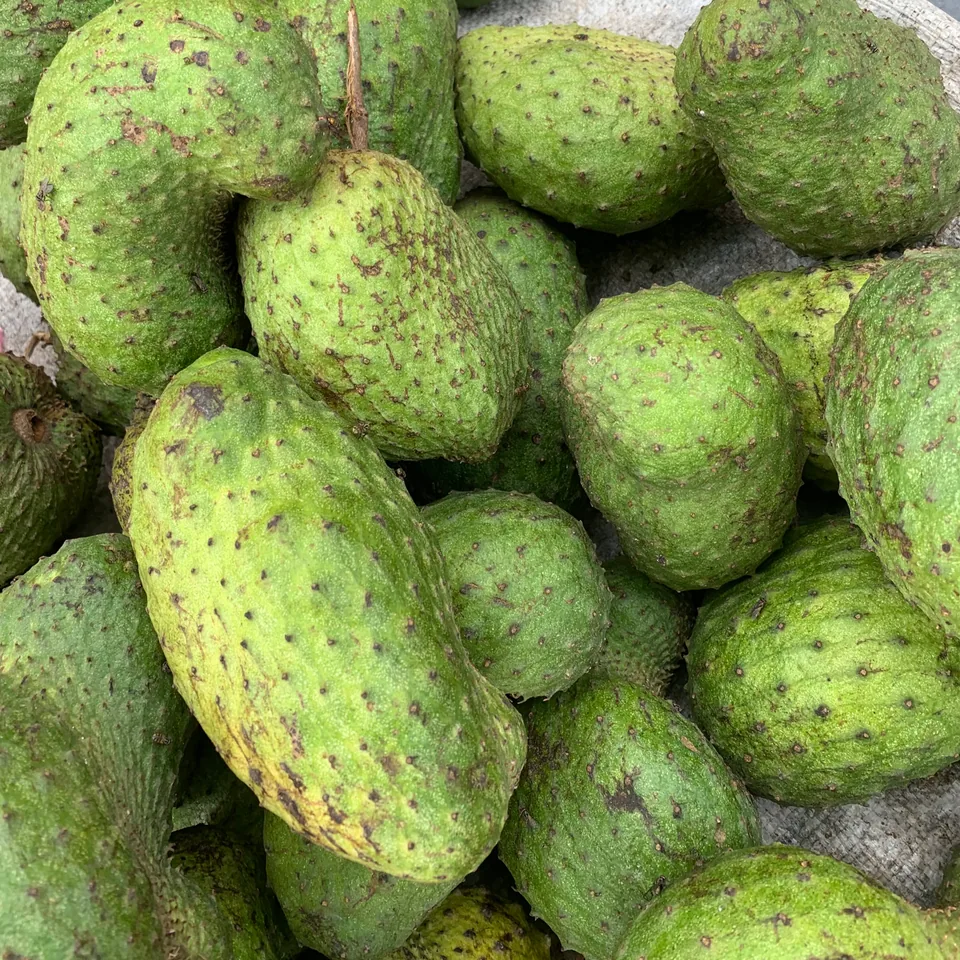
0 g - Soursop
Raw soursop, edible portion.
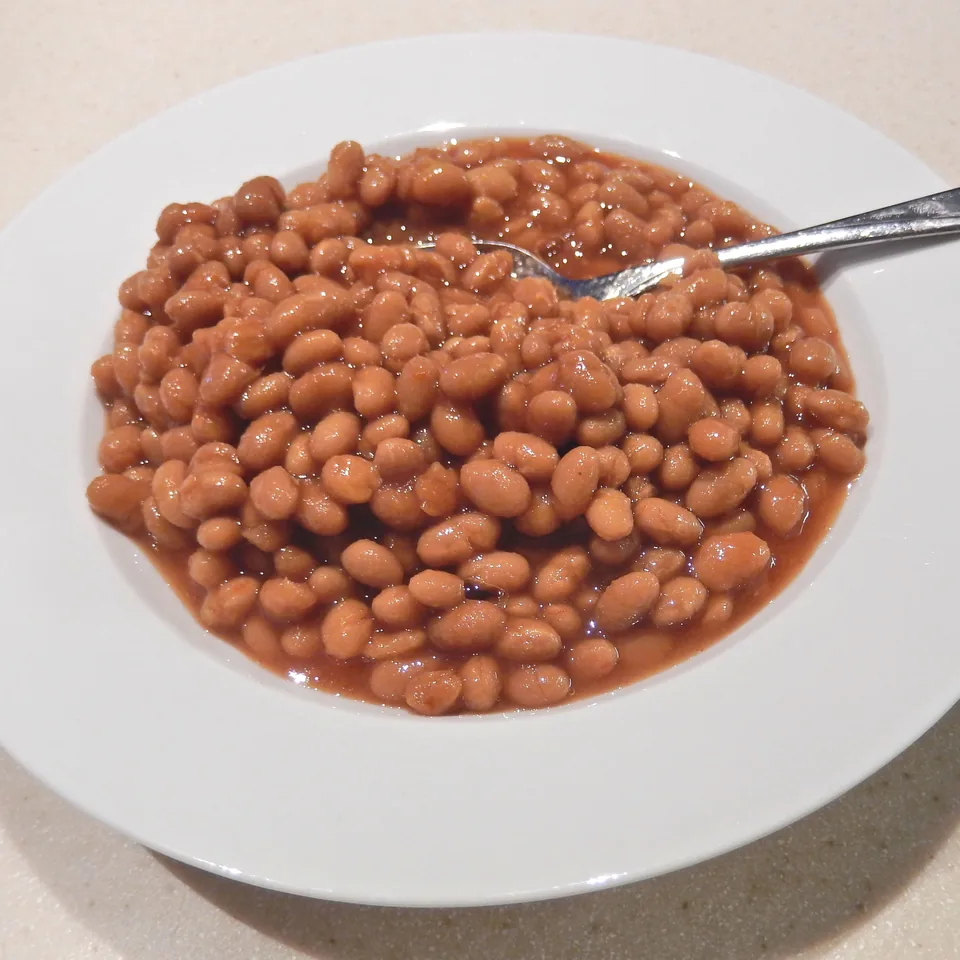
0 g - Soybeans
Mature soybeans, boiled without salt.
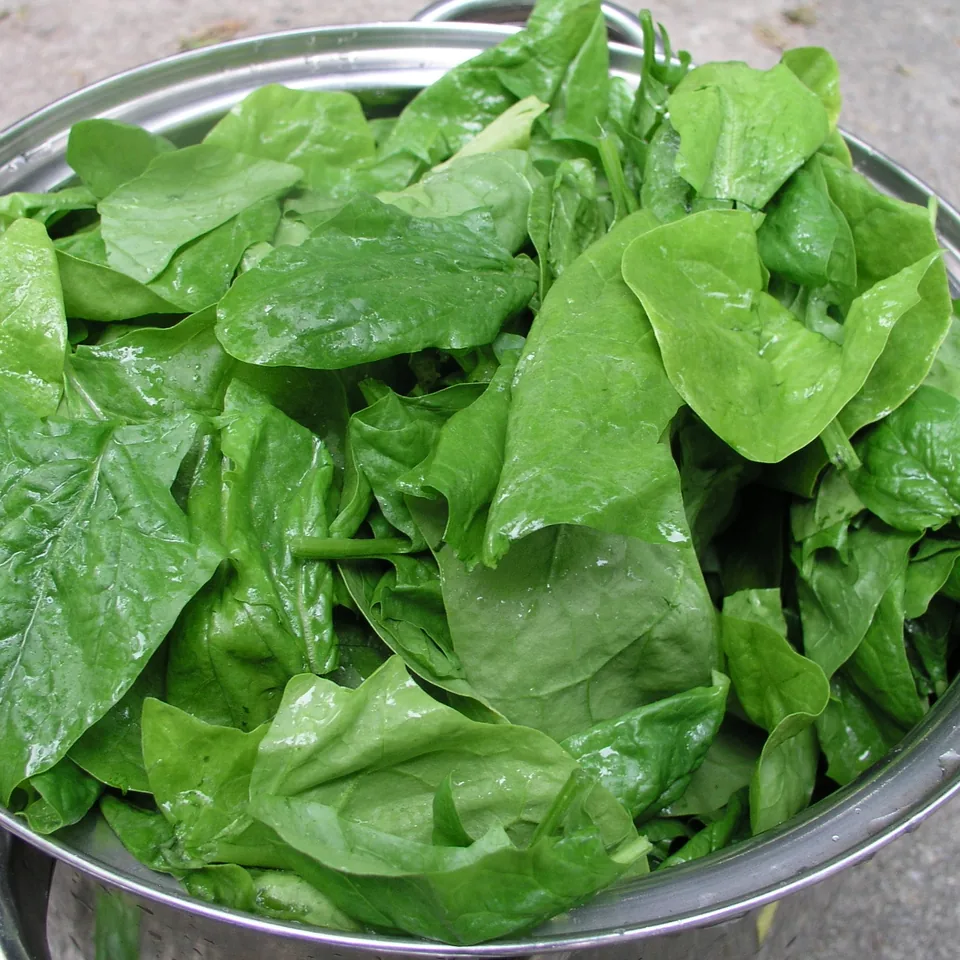
0 g - Spinach
Raw spinach.
0 g
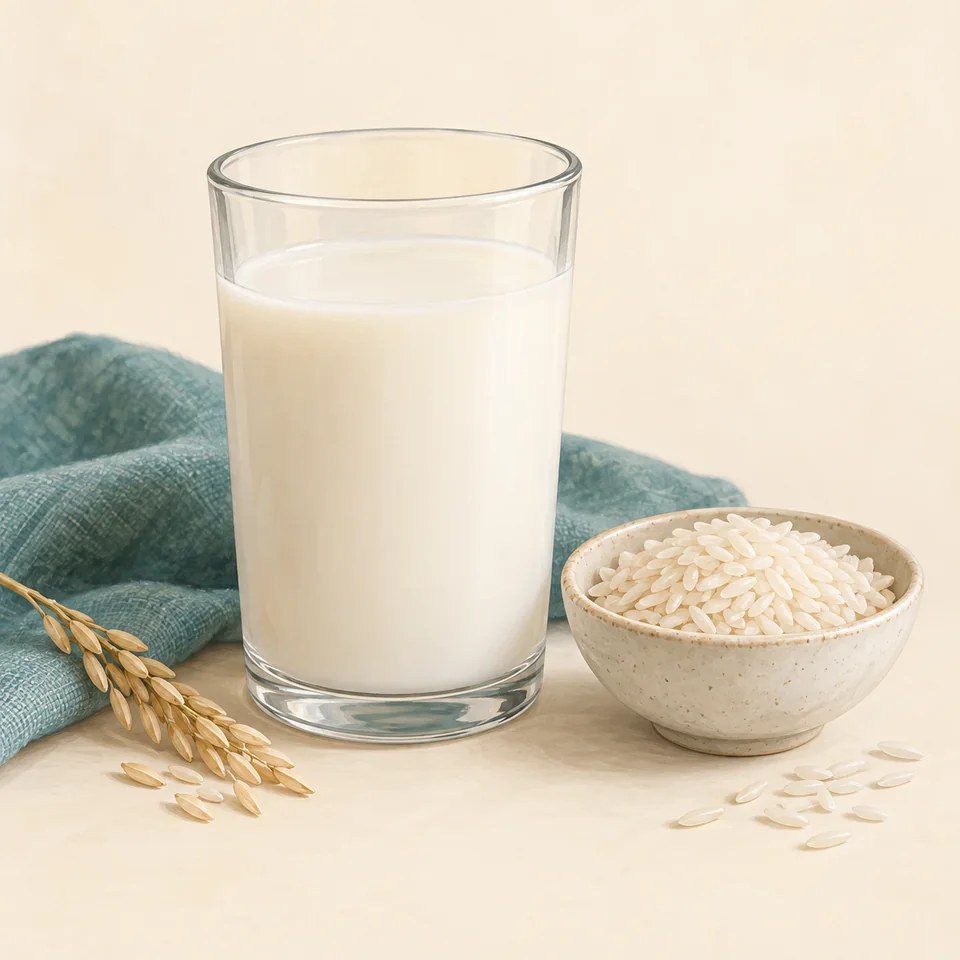
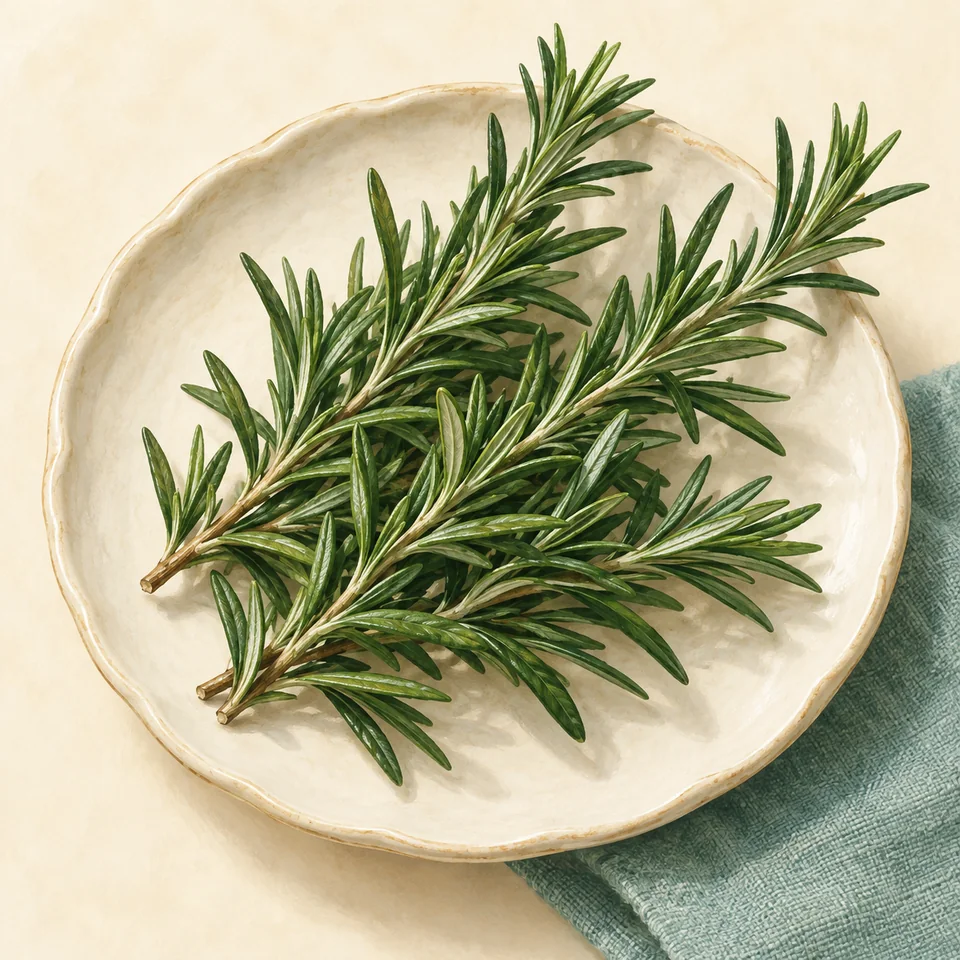
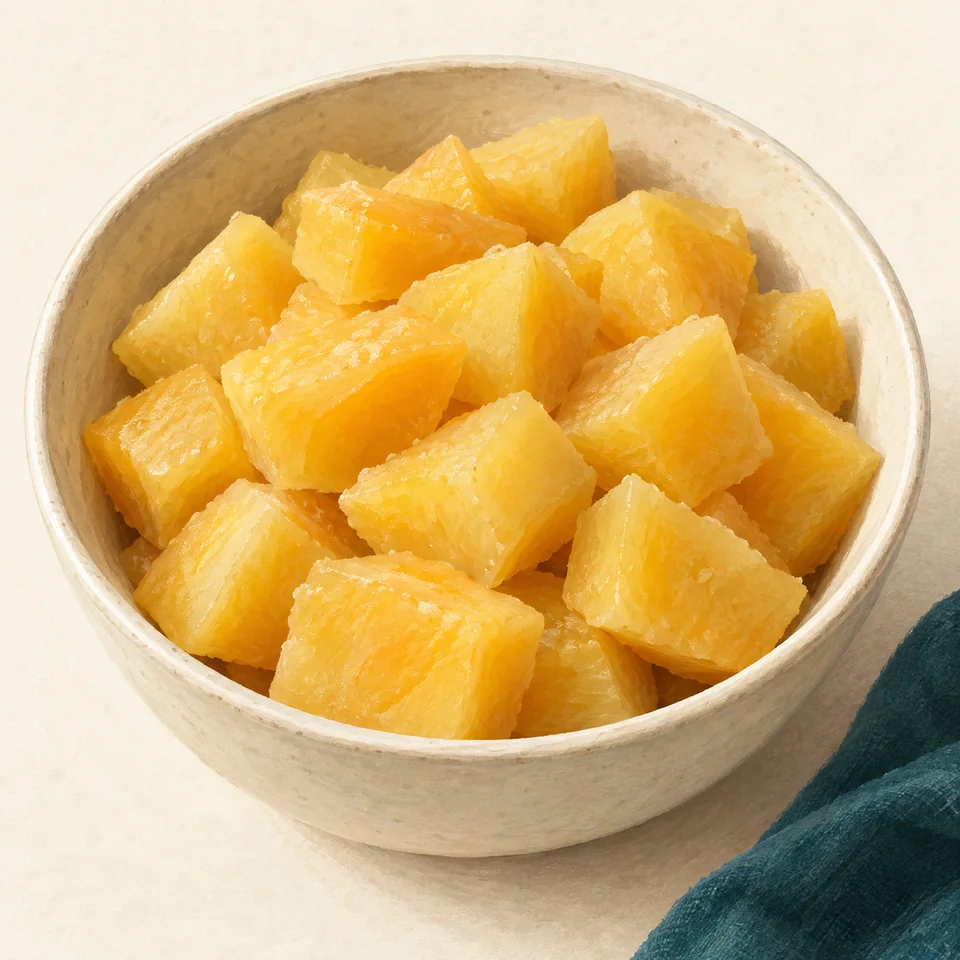
All results are sorted before pagination. Bars compare amounts within this search; they do not indicate health benefits. Not reported does not mean zero.
UNDERSTAND THE DATA
What it means for your diet
This source discusses alcohol exposure and its risks. Inclusion in a food-composition database is not a recommendation to drink alcohol, and a high ranking is not a nutritional advantage.
Ranking amounts describe foods, not supplement doses. A high rank does not mean you should consume more. Source recommendations and cautions retain their original population and scope.
Alcohol [1]
Source: MedlinePlus, National Library of Medicine. Original health-topic summary, reproduced with attribution.
Many Americans drink alcohol at least occasionally. The Dietary Guidelines for Americans say that adults of legal drinking age should either not drink or drink in moderation. Drinking less is better for your health than drinking more. Also, there are some people who should not drink at all.
If you are going to drink, it's important to know how alcohol affects you and how much is too much.
How does alcohol affect the body?
Alcohol is a central nervous system depressant. This means that it is a drug that slows down brain activity. It can change your mood, behavior, and self-control. It can cause problems with memory and thinking clearly. Alcohol can also affect your coordination and physical control.
Alcohol also has effects on the other organs in your body. For example, it can raise your blood pressure and heart rate. If you drink too much at once, it could make you throw up.
Why are the effects of alcohol different from person to person?
Alcohol's effects vary from person to person, depending on a variety of factors, including:
- How much you drink
- How often you drink
- Your age
- Your sex
- Your genetics
- Your overall health
Identity and structure sources
- PubChem Compound 702: Ethanol · Accessed 2026-09-13
- USDA FoodData Central: Foundation Foods Documentation · Accessed 2026-09-13