Food detail / Source: USDA
Feijoa
Category: Fruit
Preparation: Feijoa, raw, exactly as identified by USDA.
Commonly sold in: Latin America
Loading account…
Rank per 100 g · #1 = highest amount, not a health score. Ranks update with the published catalog.
61.0 kcal
0.7 g
15.2 g
0.4 g
6.4 g
83.3 g
17.0 mg
0.1 mg
9.0 mg
19.0 mg
172.0 mg
3.0 mg
32.9 mg
0.0 mg
0.0 mg
0.3 mg
0.1 mg
23.0 µg
0.0 µg
0.0 µg
0.2 mg
3.5 µg
0.0 µg
0.0 mg
USDA composition per 100 g for this preparation. Missing values and results below quantification limits remain unavailable for arithmetic; see USDA for the original limits. These data do not establish a food-specific health benefit.
Reported amino acids
Amounts follow the selected portion. Missing values are not reported, never assumed to be zero.
298 foods · per 100 g
Where does this food rank?
Position 1 has the highest amount. All published foods with data for the same nutrient form are compared using compatible units. Rankings refresh when catalog changes are published; a high position does not mean a food is healthier.
229 nutrients · page 1 of 20
- Not reported1 with comparable data
297 not reported · 0 incompatible units
- Not reported2 with comparable data
296 not reported · 0 incompatible units
Alanine
#1650.038 g198 with comparable data100 not reported · 0 incompatible units
- Not reported203 with comparable data
95 not reported · 0 incompatible units
- Not reported0 with comparable data
298 not reported · 0 incompatible units
Arginine
#1850.019 g203 with comparable data95 not reported · 0 incompatible units
Ash
#2580.38 g297 with comparable data1 not reported · 0 incompatible units
Aspartic acid
#1770.075 g199 with comparable data99 not reported · 0 incompatible units
- Not reported2 with comparable data
296 not reported · 0 incompatible units
- Not reported0 with comparable data
298 not reported · 0 incompatible units
- Not reported10 with comparable data
288 not reported · 0 incompatible units
- Not reported75 with comparable data
223 not reported · 0 incompatible units
Unreported values never count as zero. Ties use the stable food identifier. Bars show relative position, not a percentage of recommended intake.

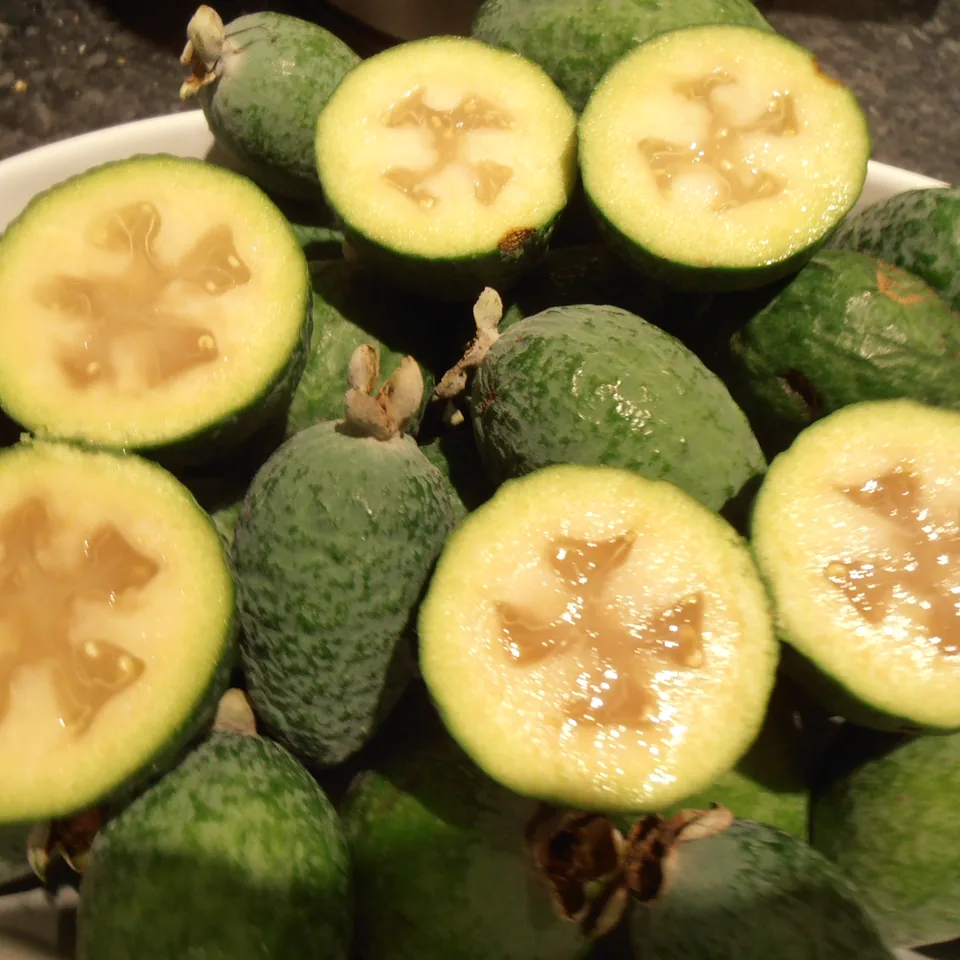
Reference photograph; not the sample analyzed by USDA.