EXPLORE UM NUTRIENTE
SFA 16:0
Veja como as quantidades variam entre alimentos, na mesma base de comparação.
Entenda este nutriente ↓O que é?
Fatty-acid notation 16:0 specifies 16 carbons and 0 double bonds. Listed forms remain separate. [1] [2]
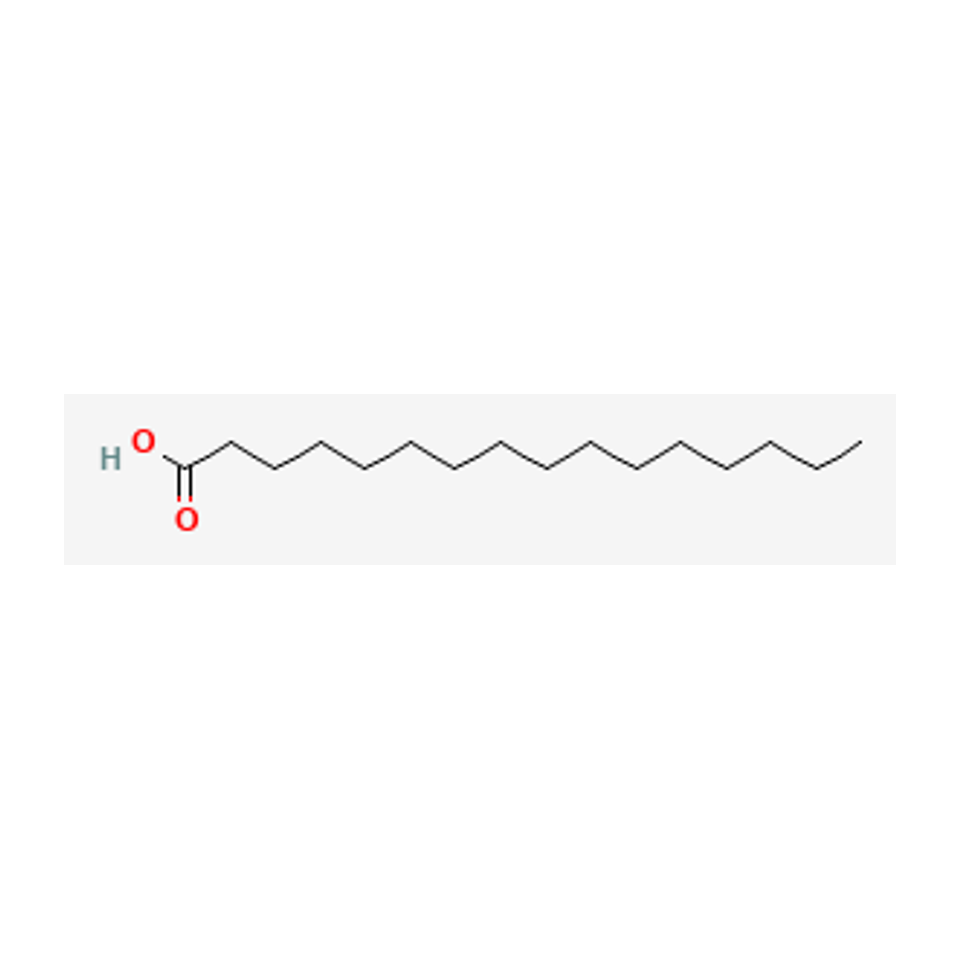
Esta forma de referência não representa todas as formas incluídas na quantidade do USDA.
Descrição, fonte e atribuição
Reference depiction: palmitic acid. Formula C16H32O2; PubChem CID 985; charge 0. This specified form does not represent every form or molecule included in the USDA quantity. The free-acid reference does not imply that food fatty acids are unesterified.
PubChem Compound 985, 2D Structure. NCBI / National Library of Medicine. Fonte · Condições de uso
Verificação da fonte:
A COMMON BASIS
Alimentos, por 100 g
167 foods with data 39 not reported, excluded from ranking
- Paprika
Spices, paprika, exactly as identified by USDA.
1,468 g - Atlantic mackerel
Fish, mackerel, Atlantic, cooked, dry heat, exactly as identified by USDA.
1,375 g - Channel catfish
Fish, catfish, channel, farmed, cooked, dry heat, exactly as identified by USDA.
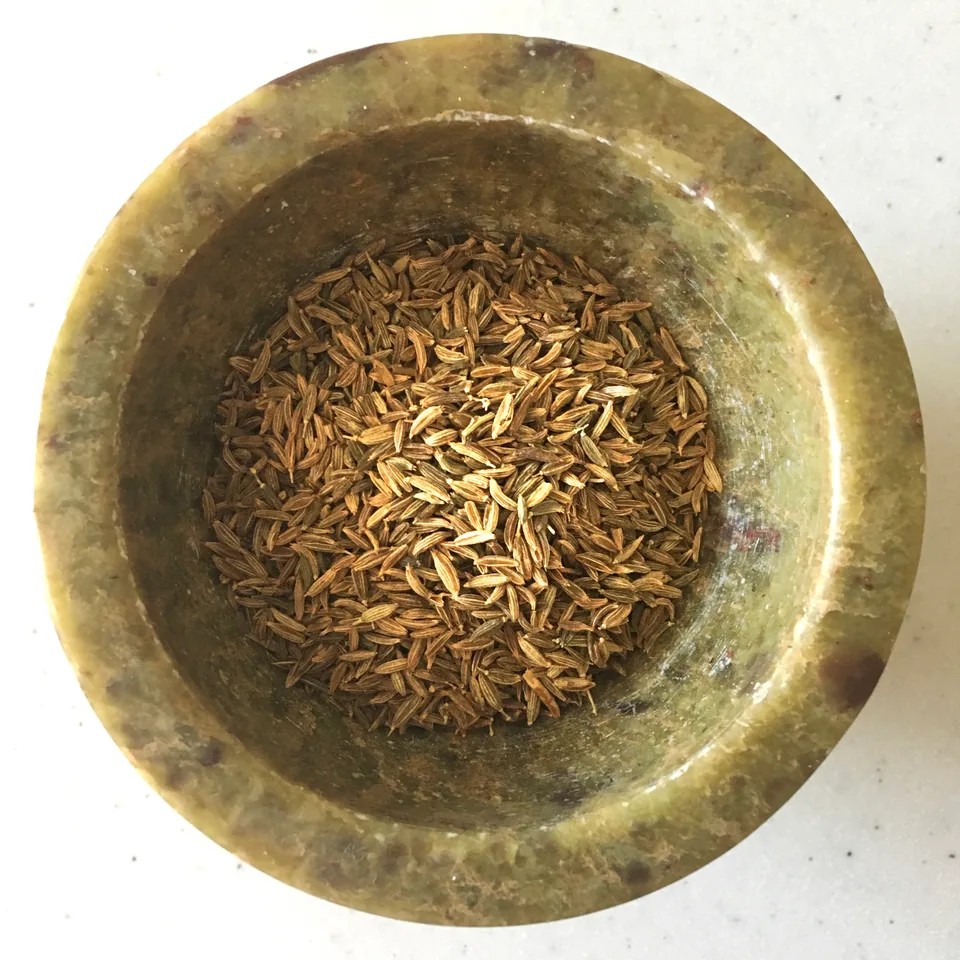
1,137 g - Cominho
Cumin seed spice.
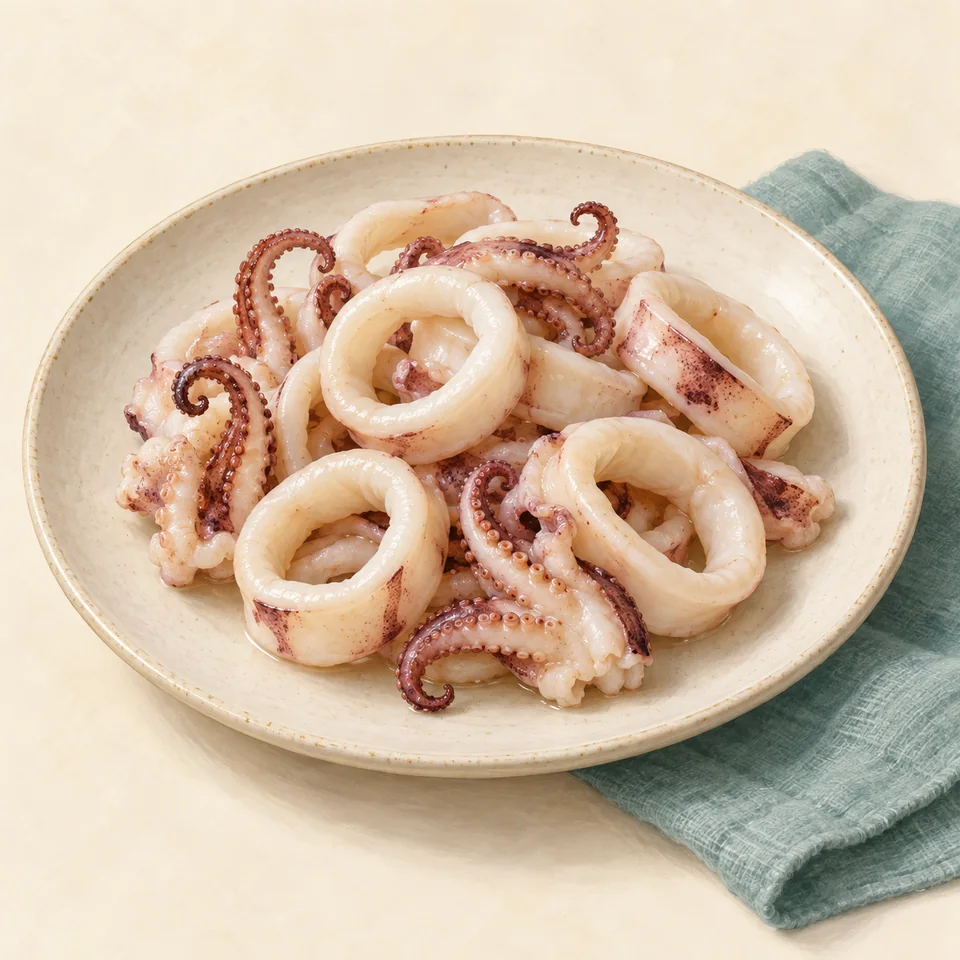
1,137 g - Squid
Mollusks, squid, mixed species, cooked, fried, exactly as identified by USDA.
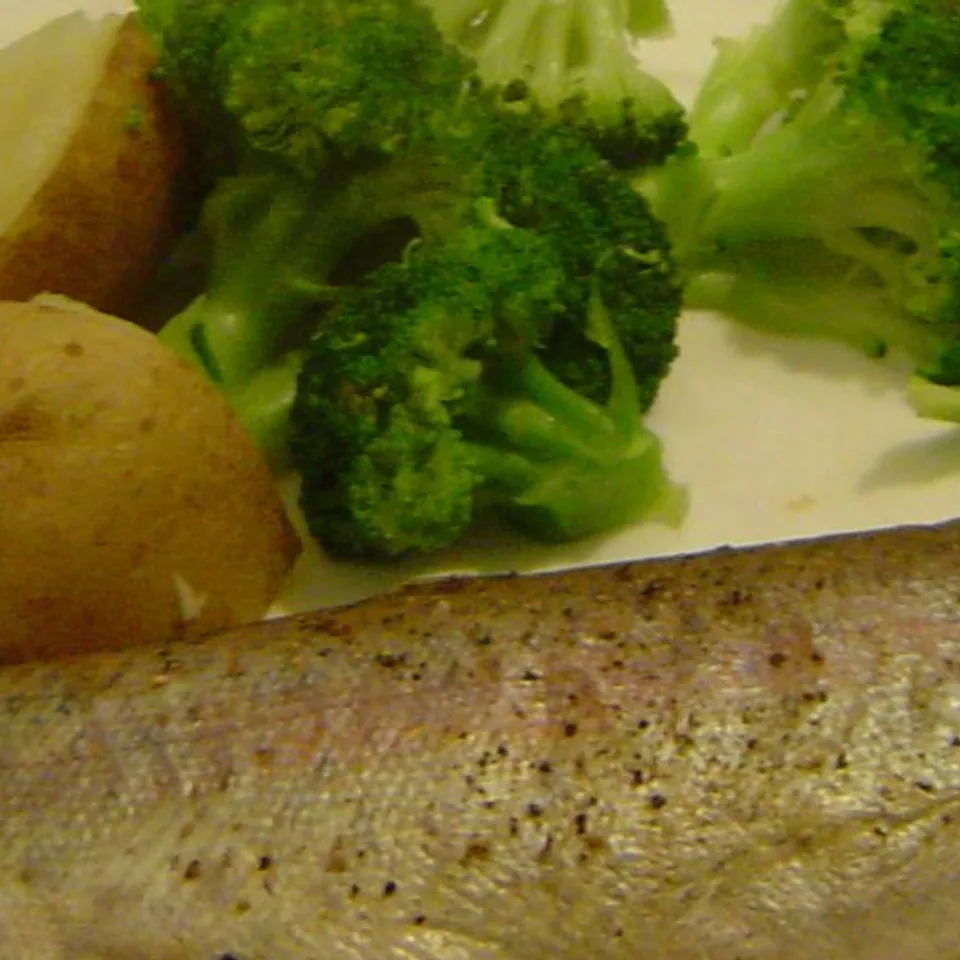
1,131 g - Truta-arco-íris
Farmed rainbow trout, cooked with dry heat.
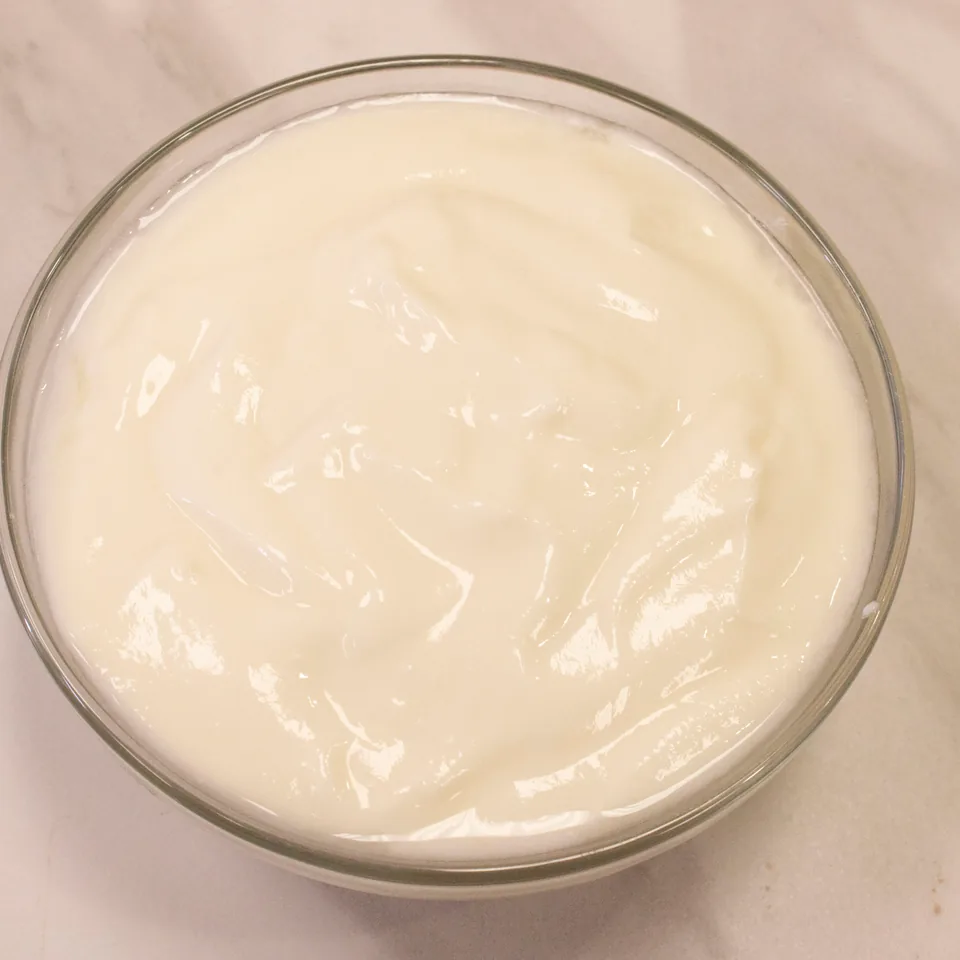
1,108 g - Iogurte natural
Plain whole-milk yogurt.
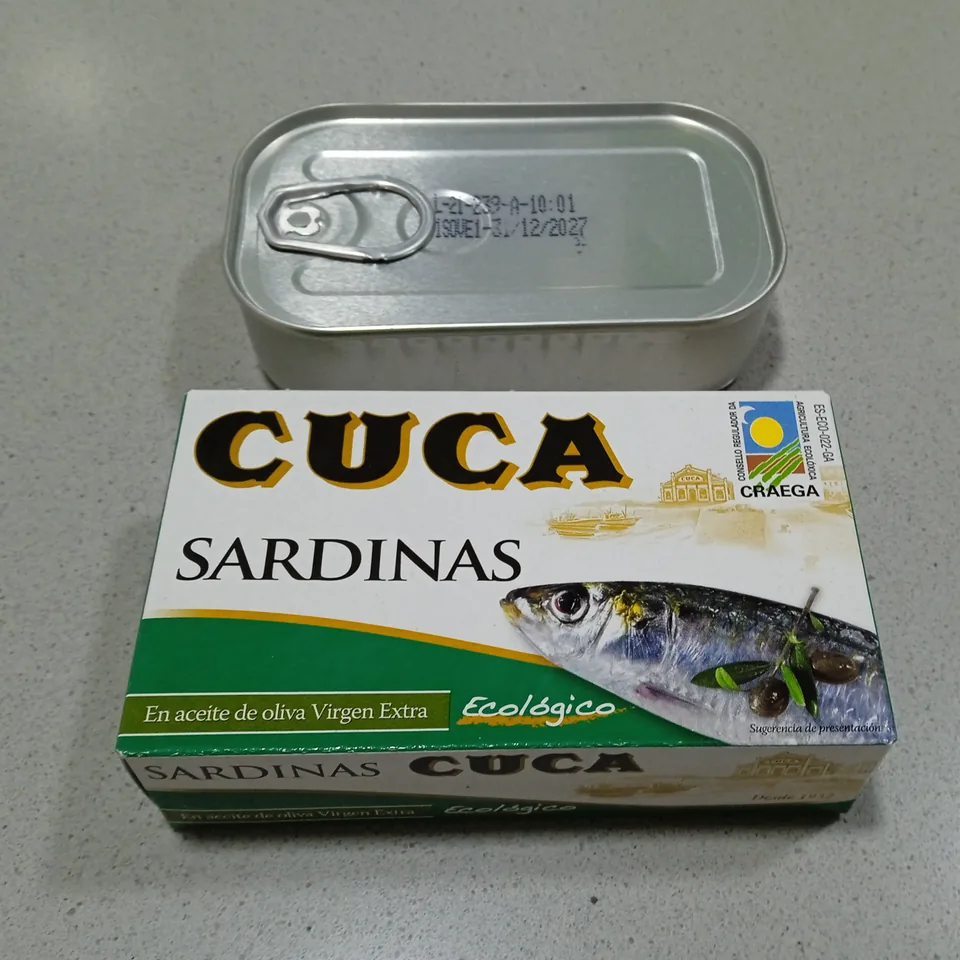
1,066 g - Sardinhas em lata
Atlantic sardines canned in oil, drained solids with bone.
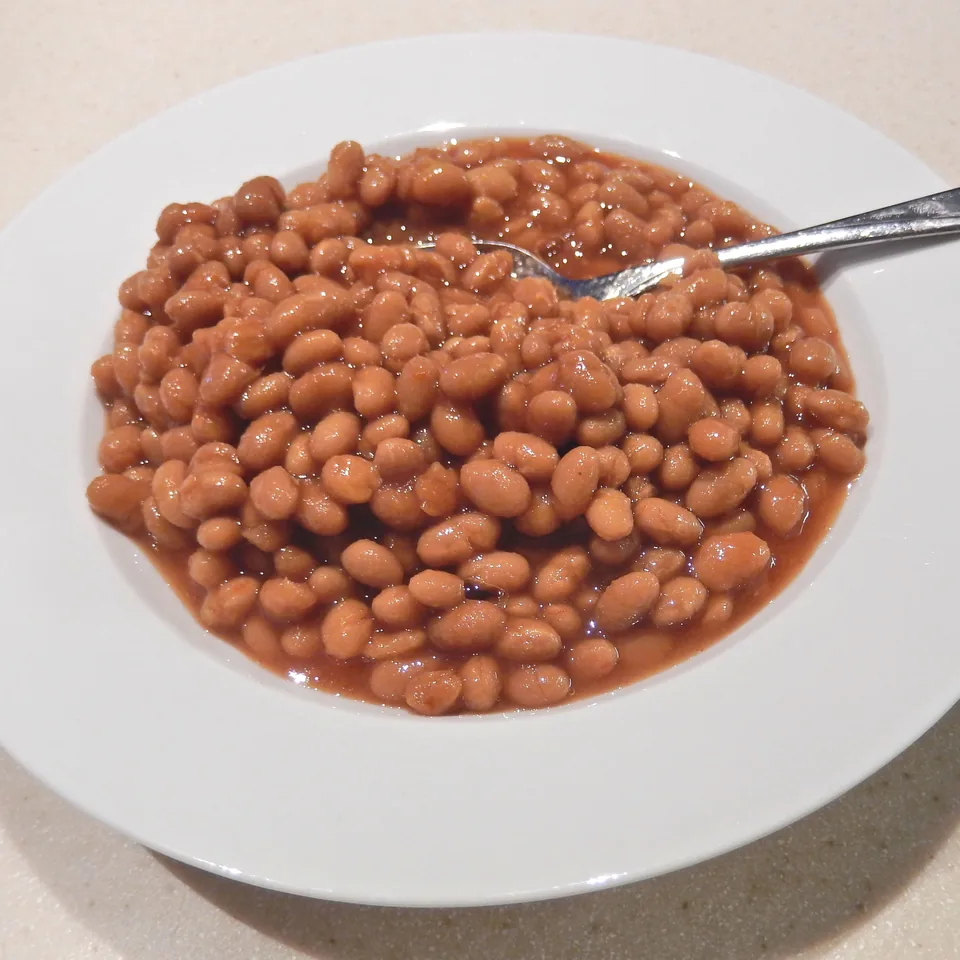
0,993 g - Soja em grão
Mature soybeans, boiled without salt.
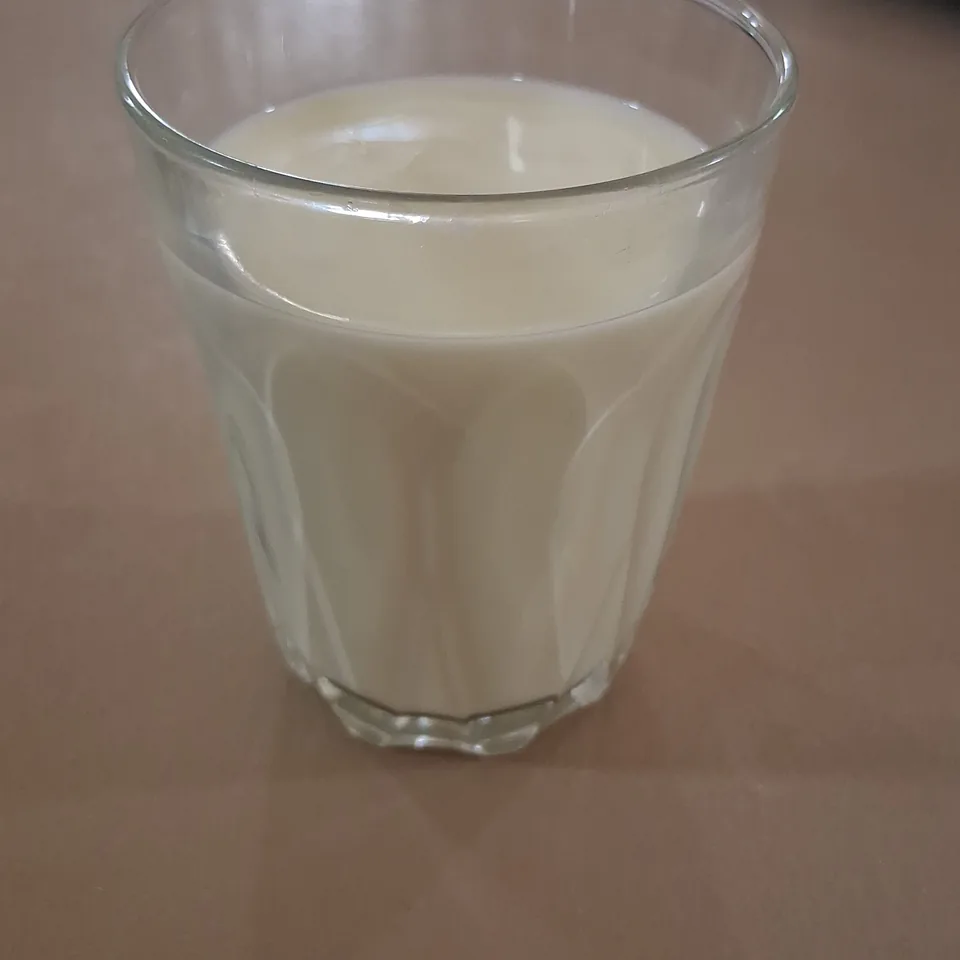
0,952 g - Leite integral
Whole cow's milk, 3.25% milkfat, with added vitamin D.
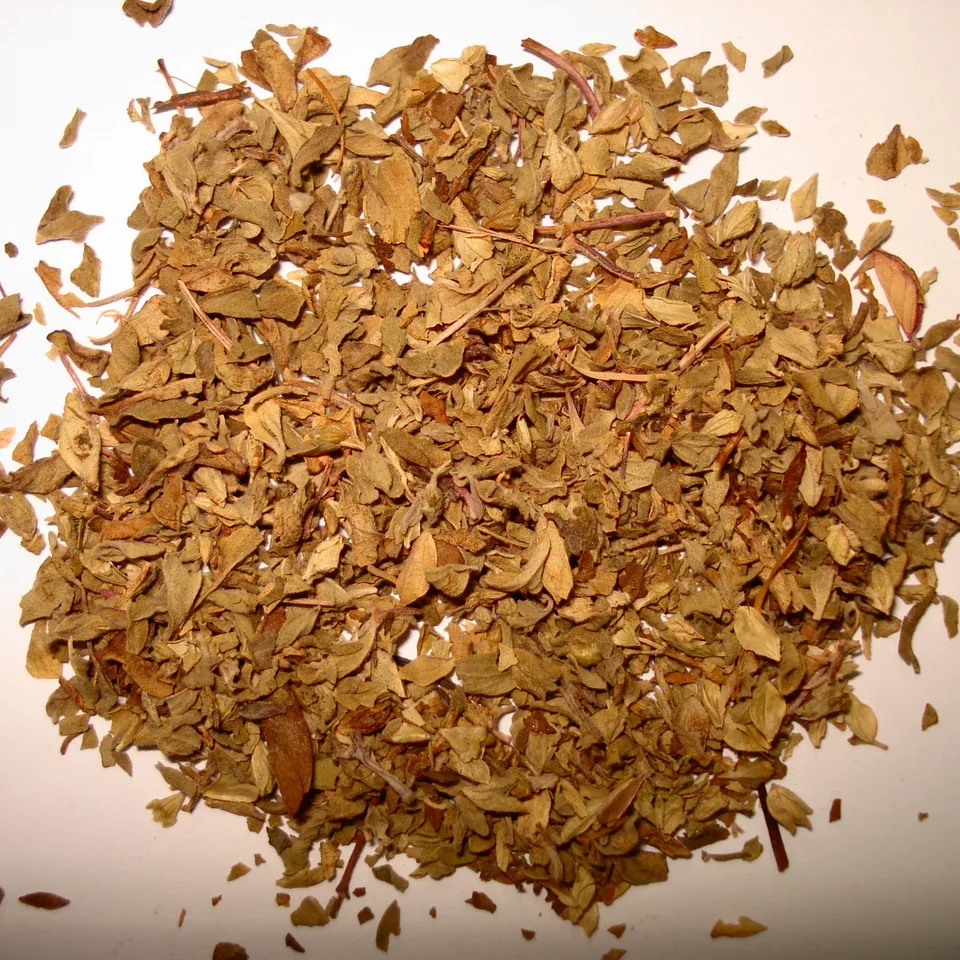
0,857 g - Orégano seco
Dried oregano.
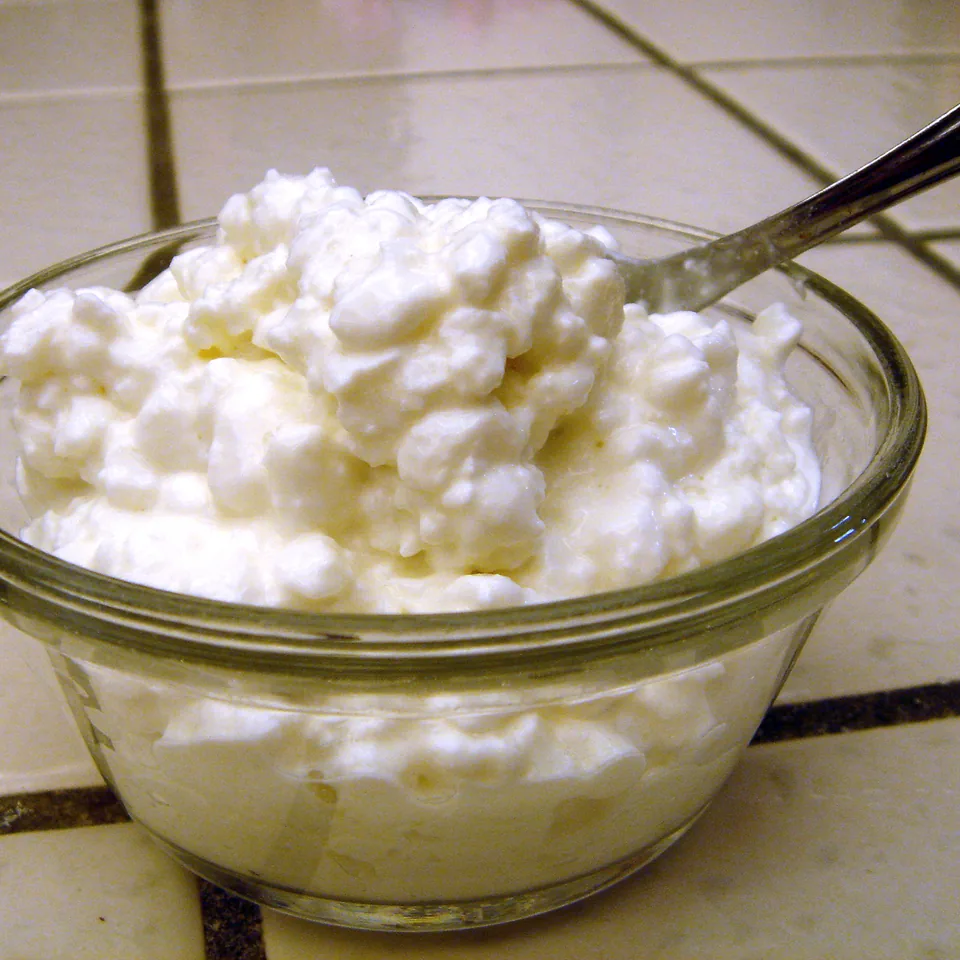
0,792 g - Queijo cottage
Creamed cottage cheese, large or small curd.
0,778 g
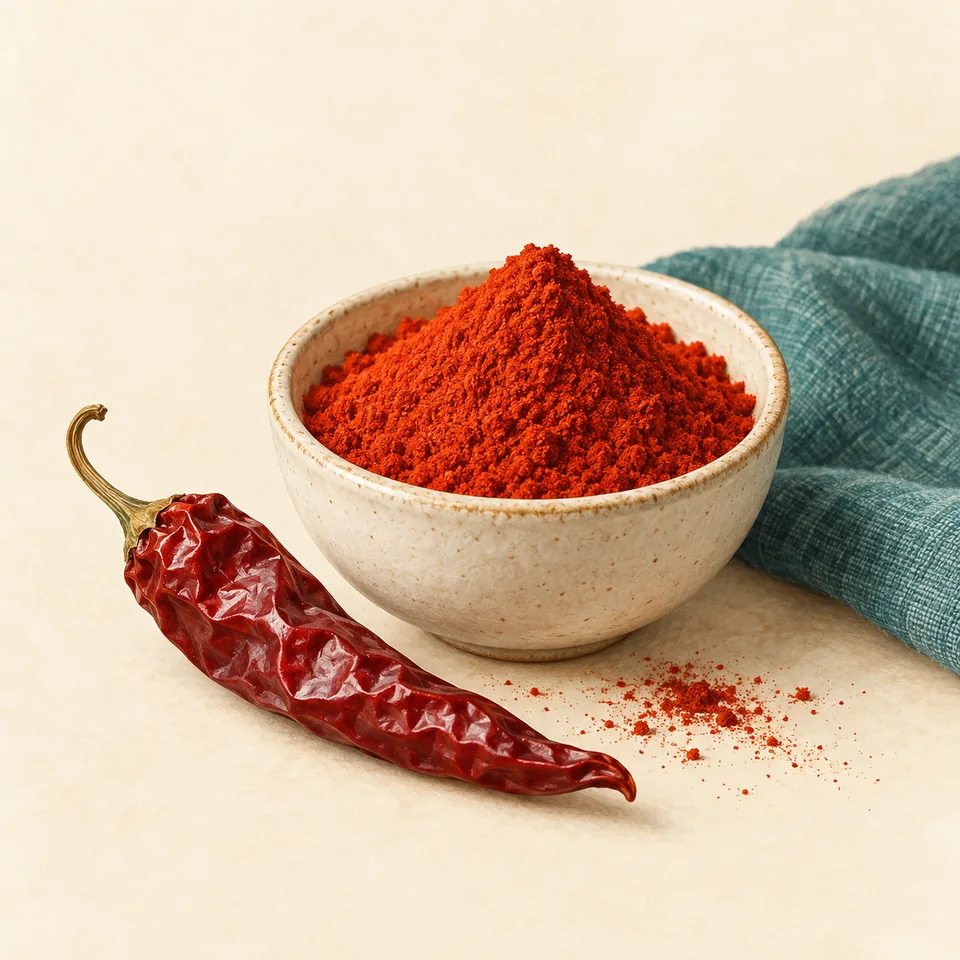
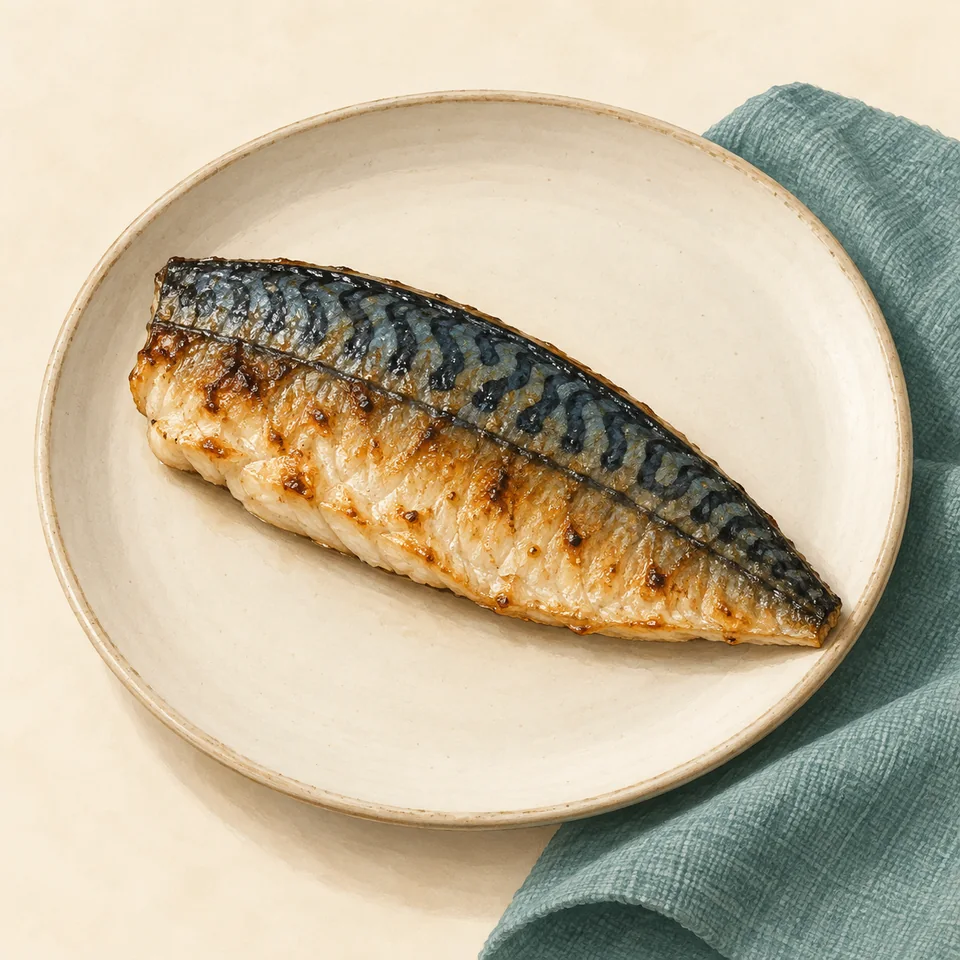
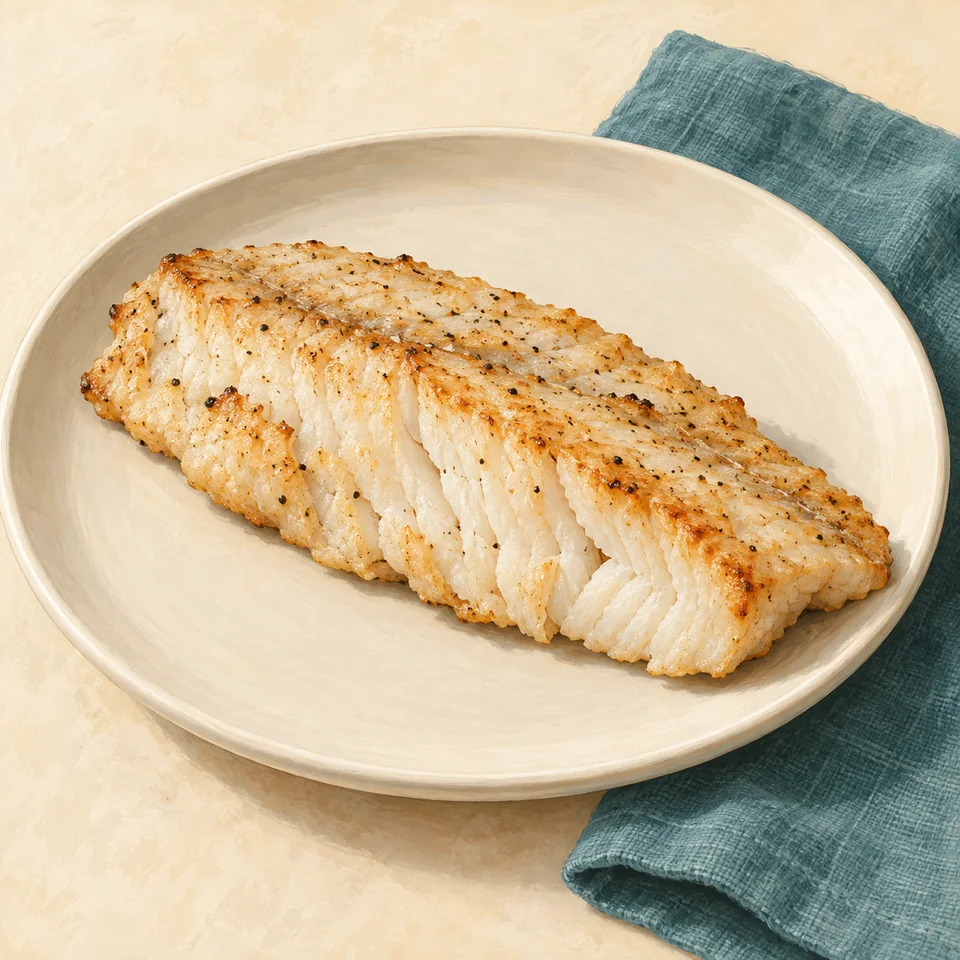
All results are sorted before pagination. Bars compare amounts within this search; they do not indicate health benefits. Not reported does not mean zero.
UNDERSTAND THE DATA
What it means for your diet
This source explains dietary fats and the distinction between saturated, unsaturated and trans fats. A family-level explanation does not establish the effects, an intake target or a supplement dose for every individual fatty-acid isomer. The original source contains a historical reference to the 2018 US partially hydrogenated oil rules; this is not a current regulatory update.
Ranking amounts describe foods, not supplement doses. A high rank does not mean you should consume more. Source recommendations and cautions retain their original population and scope.
Os textos da fonte abaixo estão em inglês. Não traduzimos automaticamente recomendações ou doses.
Dietary Fats [1]
Source: MedlinePlus, National Library of Medicine. Original health-topic summary, reproduced with attribution.
Fat is a type of nutrient. You need some fat in your diet but not too much. Fats give you energy and help your body absorb vitamins. Dietary fat also plays a major role in your cholesterol levels.
But not all fats are the same. You should try to avoid:
- Saturated fats such as butter, solid shortening, and lard
- Trans fats. These are found in vegetable shortenings, some margarines, crackers, cookies, snack foods, and other foods made with or fried in partially hydrogenated oils (PHOs). By 2018, most U.S. companies will not be allowed to add PHOs to food.
Try to replace them with oils such as canola, olive, safflower, sesame, or sunflower. Of course, eating too much fat will put on the pounds. Fat has twice as many calories as proteins or carbohydrates.
NIH: National Heart, Lung, and Blood Institute
Fontes de identidade e estrutura
- PubChem Compound 985: Palmitic Acid · Consultado 2026-09-13
- USDA FoodData Central: Foundation Foods Documentation · Consultado 2026-09-13