EXPLORE A NUTRIENT
Phytosterols
Discover how amounts vary across foods, on a shared basis for comparison.
Understand this nutrient ↓What is it?
USDA reporting category: Phytosterols. The category is not represented by a single verified structure. [1]

A conceptual representation, not a molecular structure.
Description, source and attribution
A conceptual grouping, not a molecular structure. This reporting category contains multiple components or represents a calculated quantity.
Original Bitameans conceptual/fallback artwork; not a chemical structure. Source · Reuse terms
Source check:
A COMMON BASIS
Foods, per 100 g
29 foods with data 177 not reported, excluded from ranking
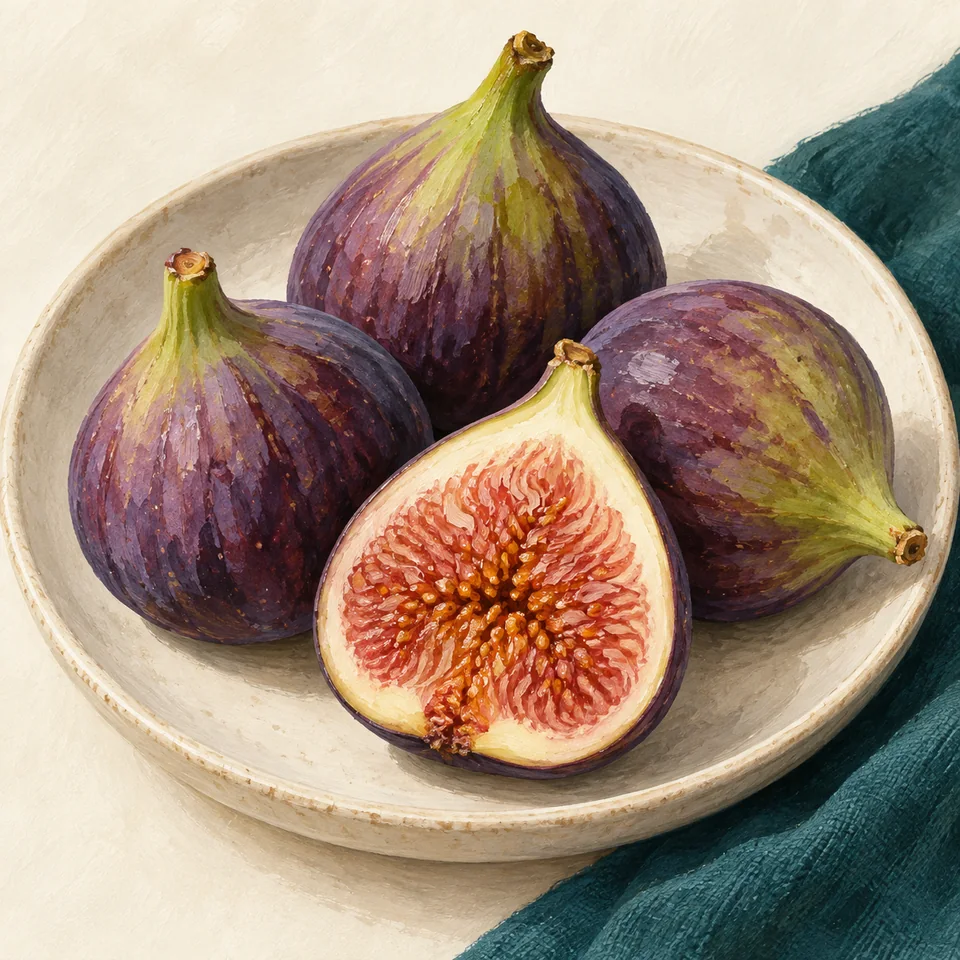
- Fig
Figs, raw, exactly as identified by USDA.
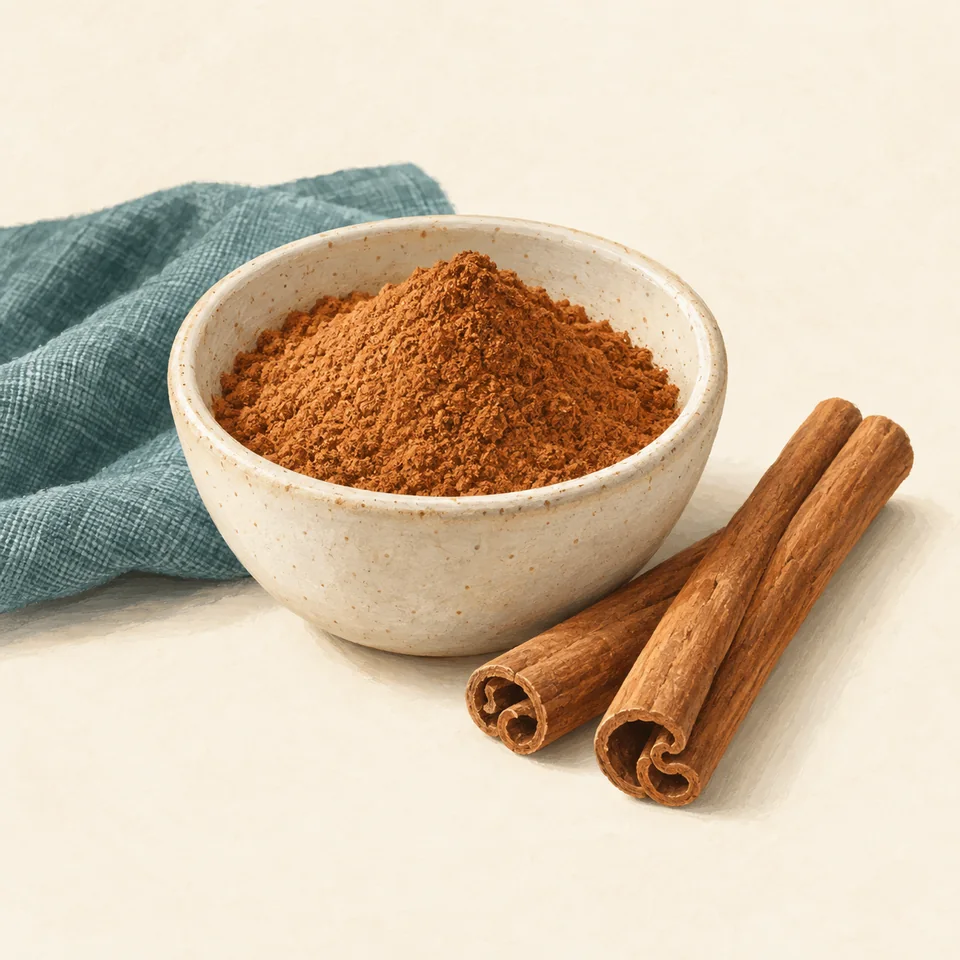
31 mg - Cinnamon
Spices, cinnamon, ground, exactly as identified by USDA.
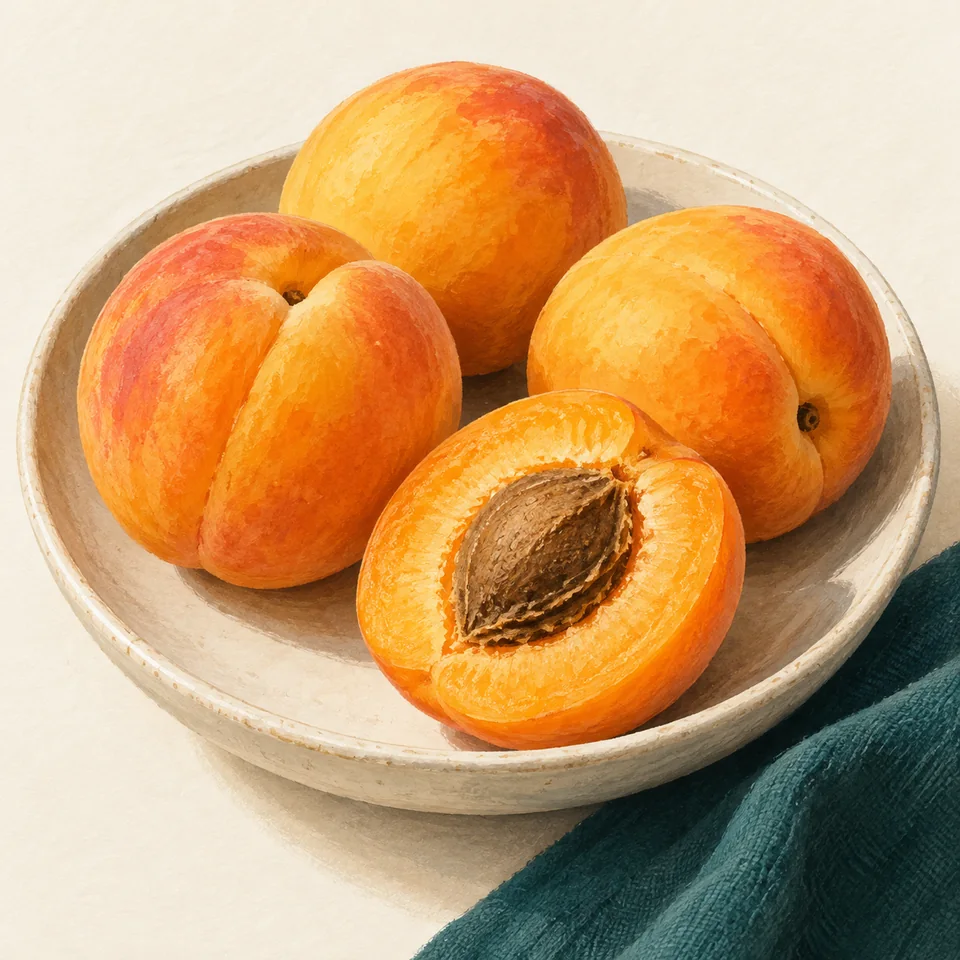
26 mg - Apricot
Apricots, raw, exactly as identified by USDA.
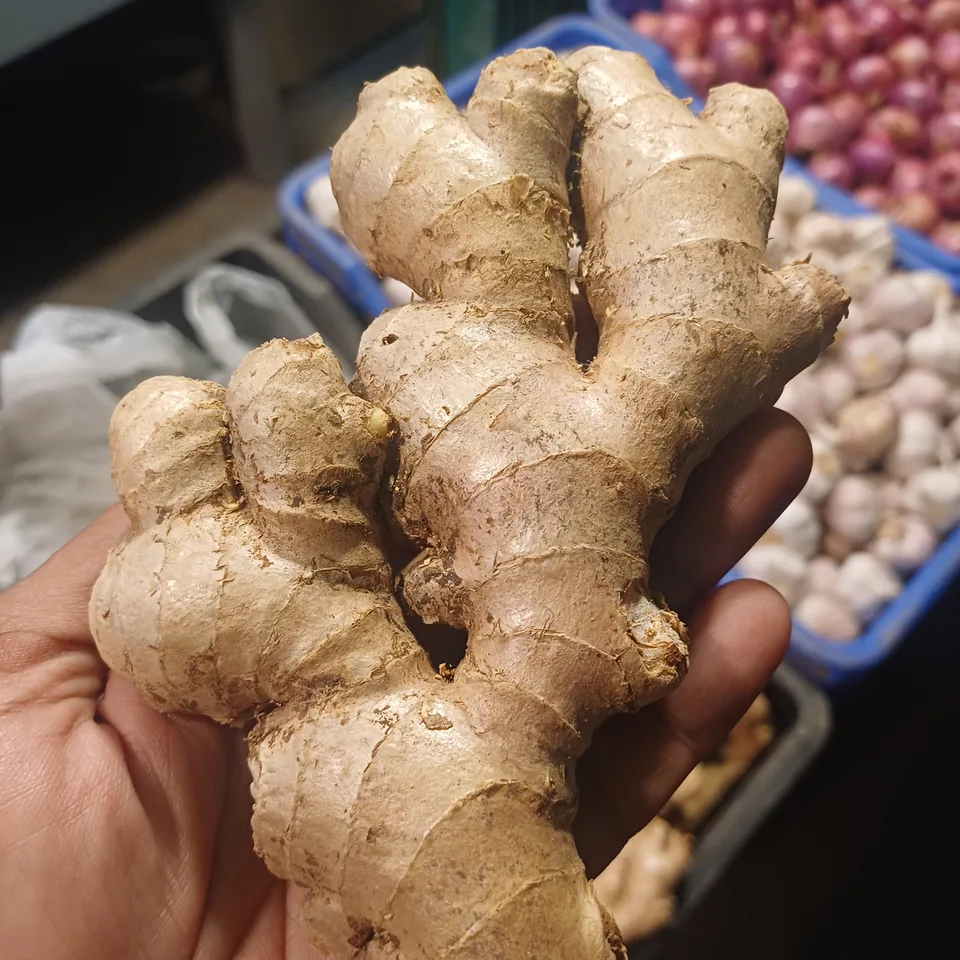
18 mg - Ginger
Raw ginger root.
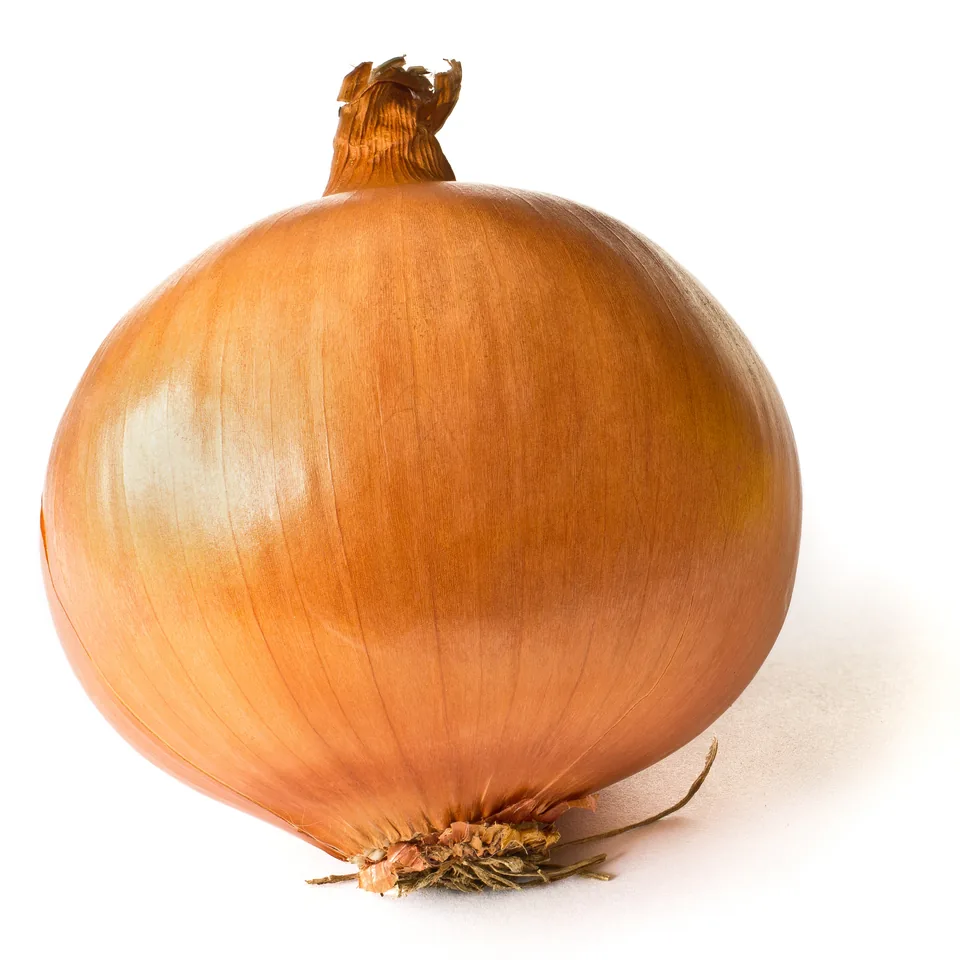
15 mg - Onion
Raw onion; variety not specified.
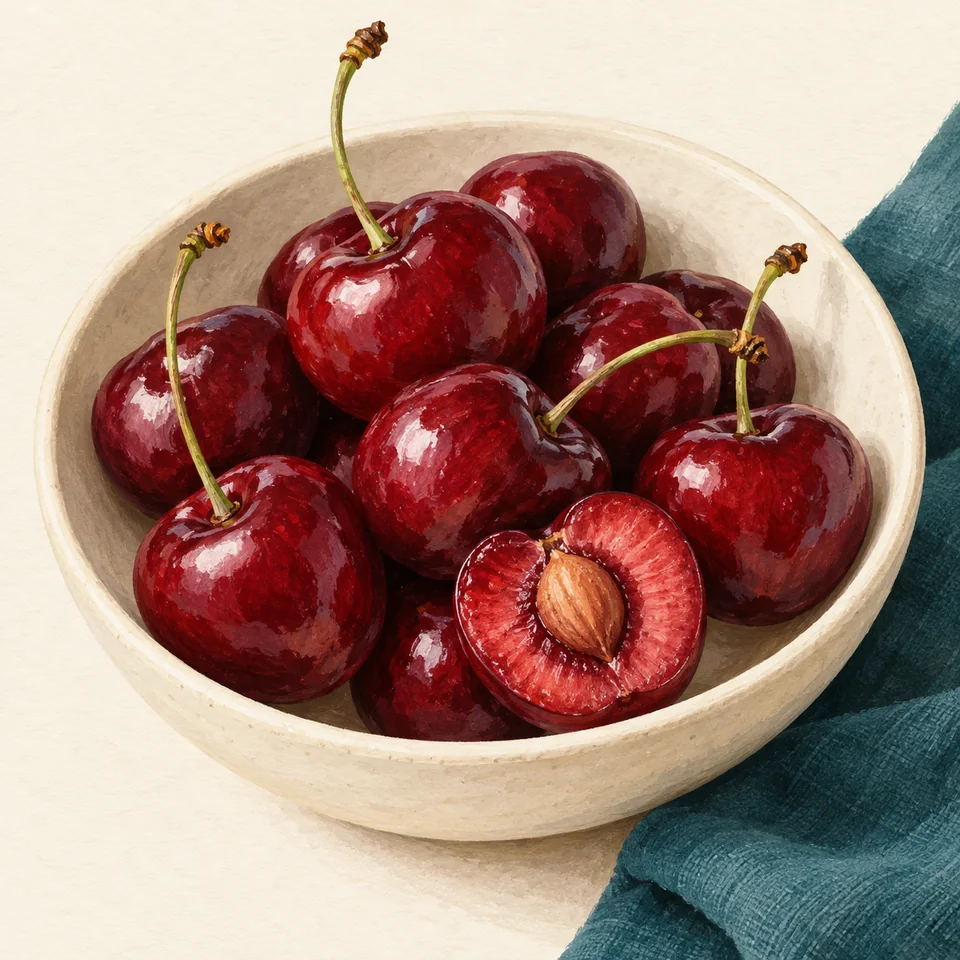
15 mg - Sweet cherries
Cherries, sweet, raw, exactly as identified by USDA.
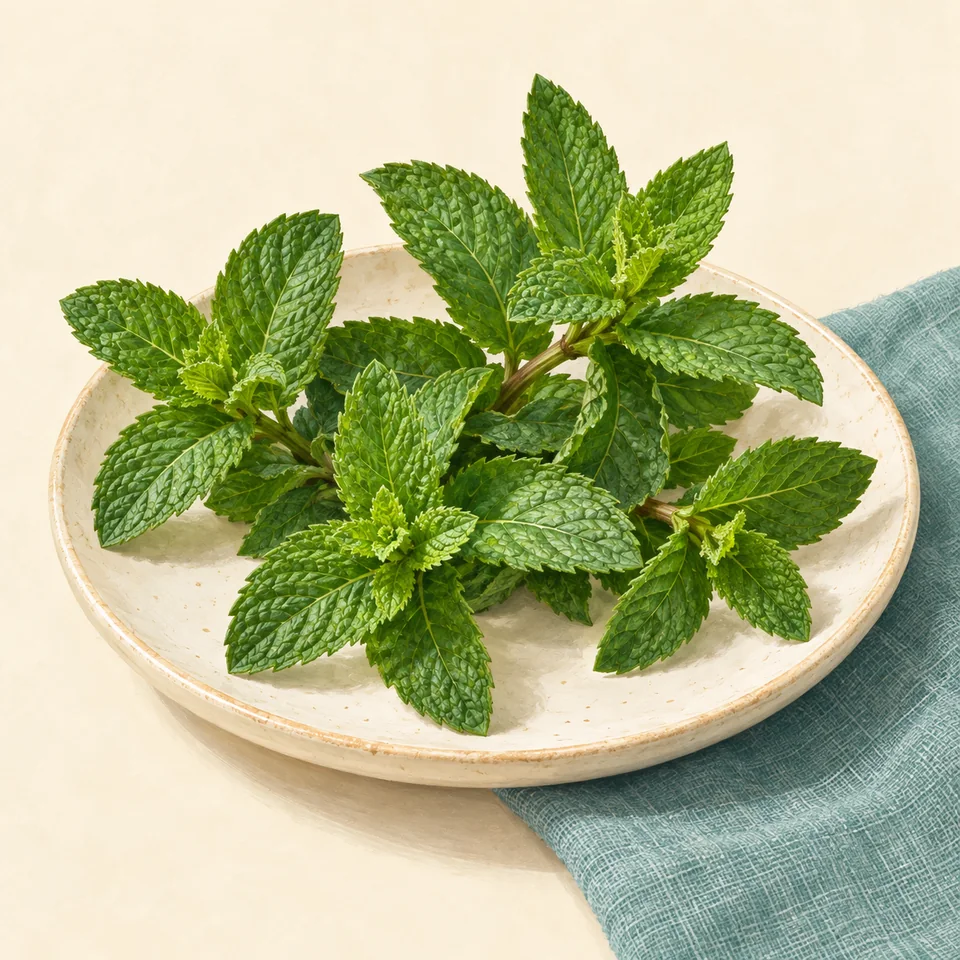
12 mg - Fresh spearmint
Spearmint, fresh, exactly as identified by USDA.
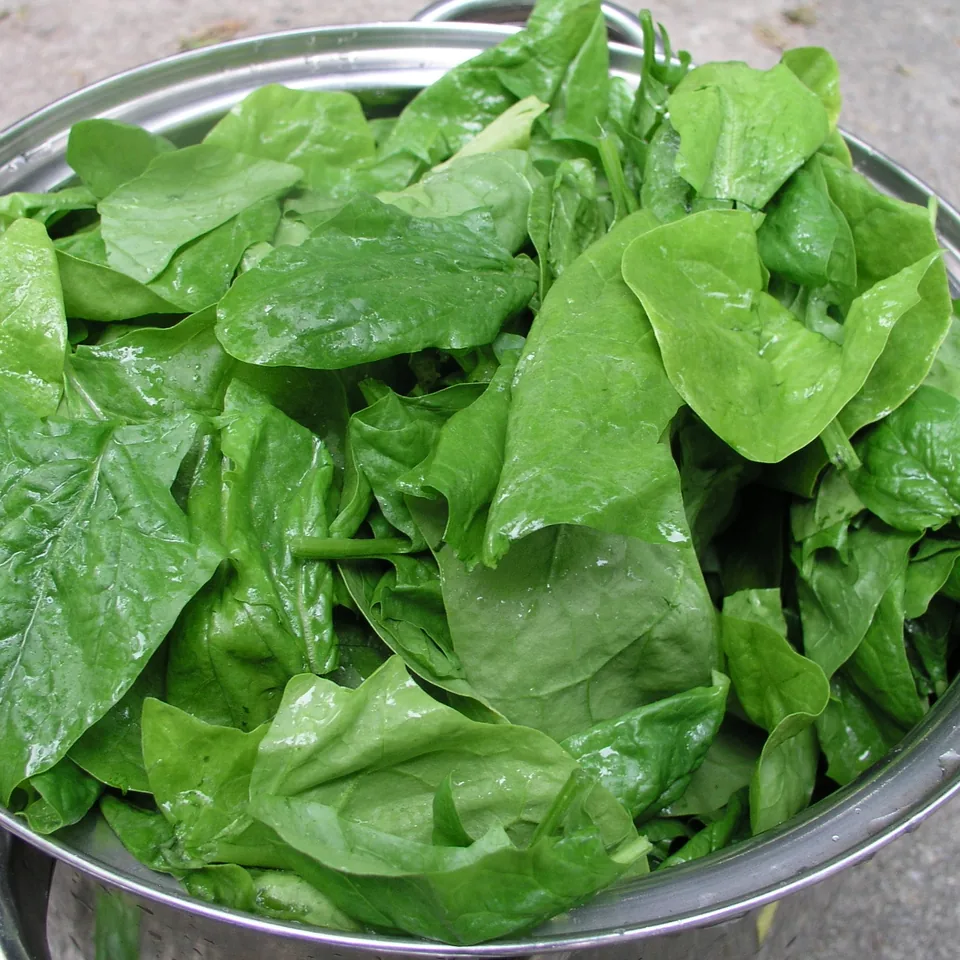
10 mg - Spinach
Raw spinach.
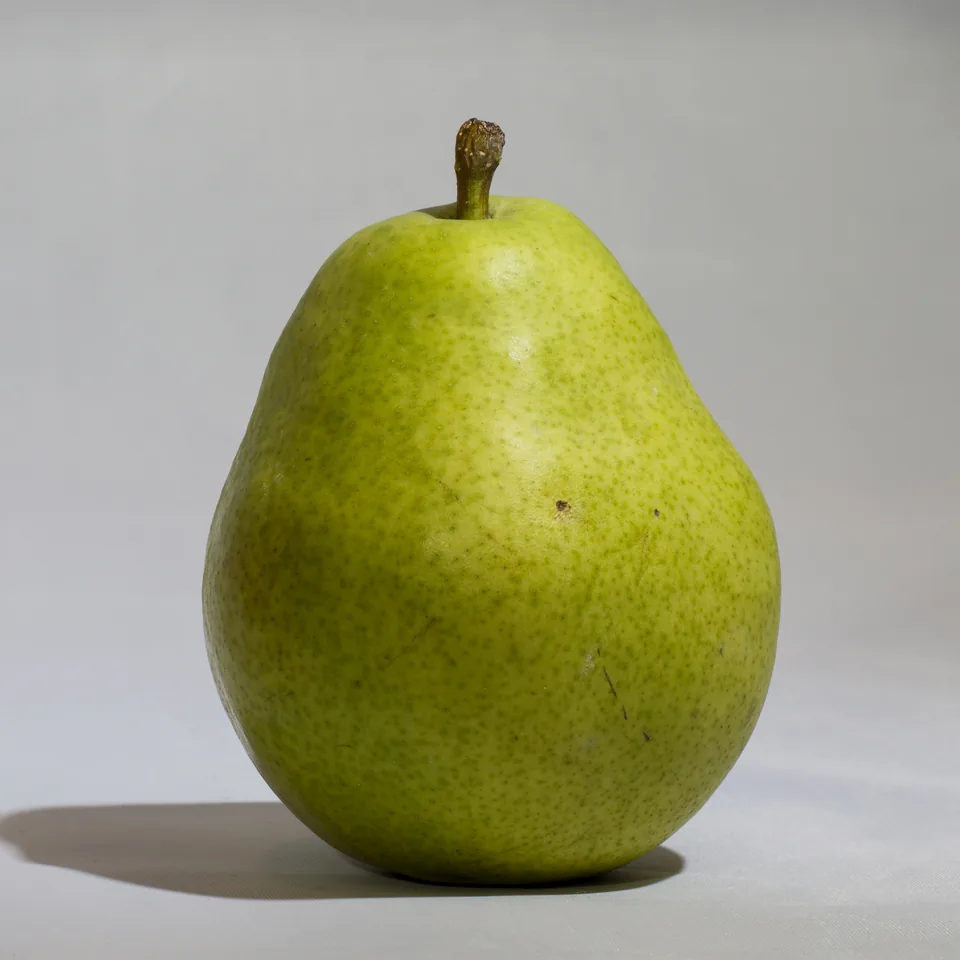
9 mg - Pear
Raw pear; variety not specified.
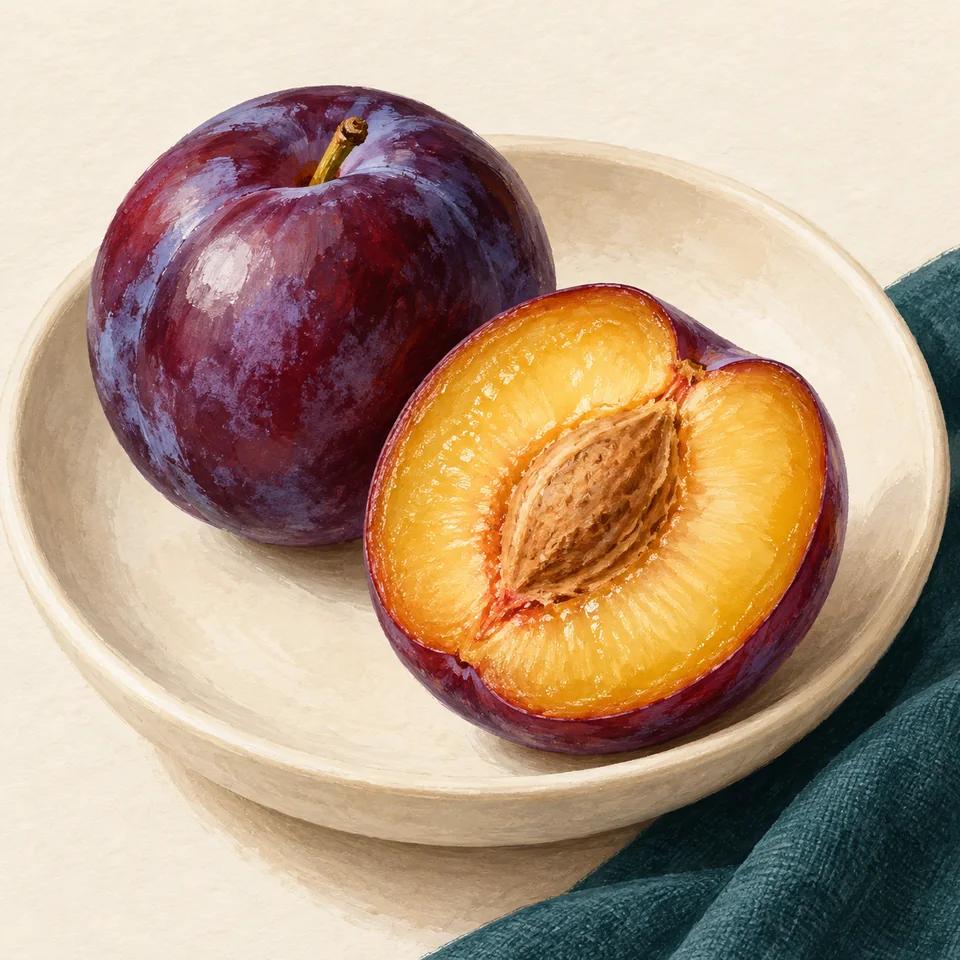
8 mg - Plum
Plums, raw, exactly as identified by USDA.
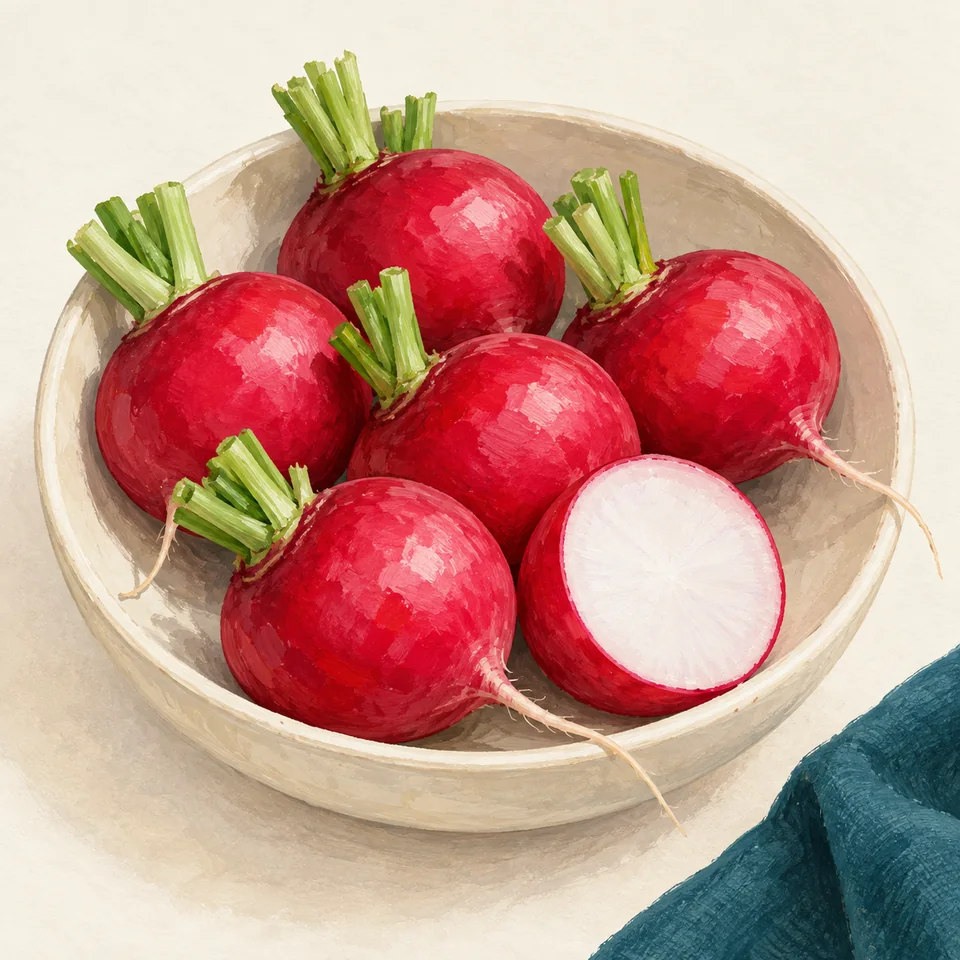
7 mg - Radish
Radishes, raw, exactly as identified by USDA.
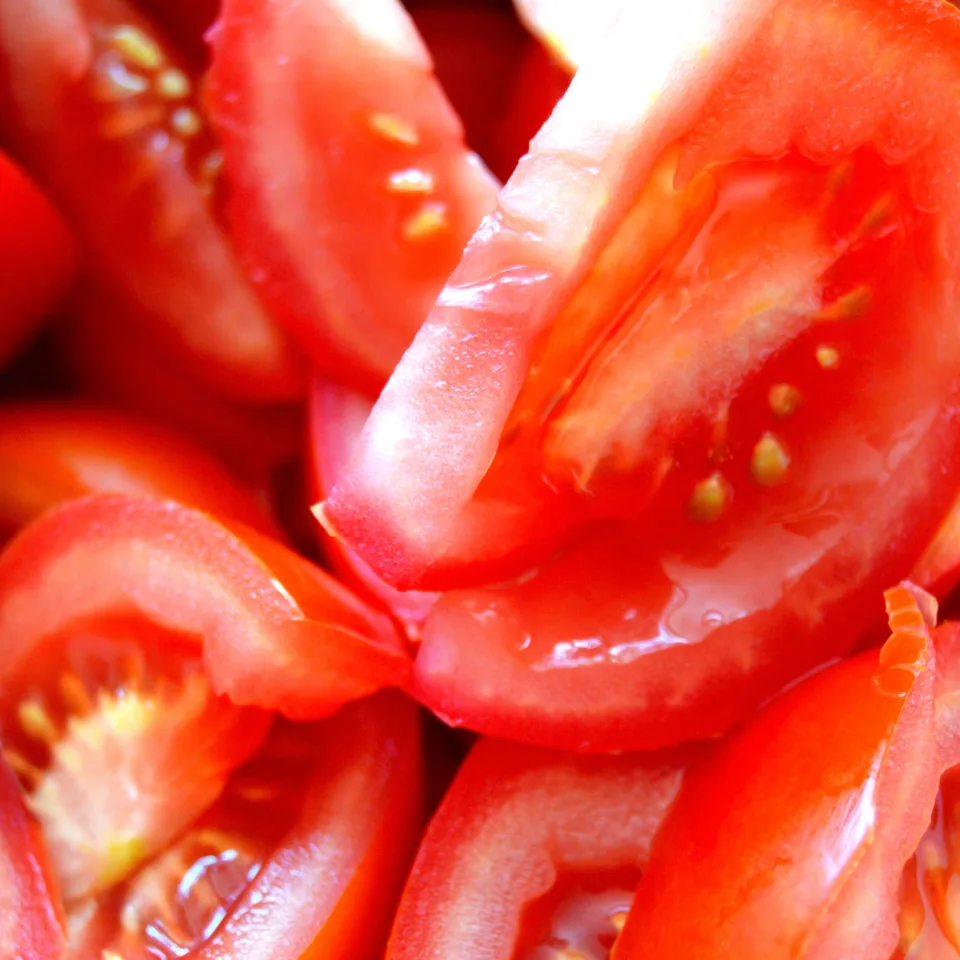
7 mg - Tomato
Red ripe tomato, raw, year-round average.
7 mg
All results are sorted before pagination. Bars compare amounts within this search; they do not indicate health benefits. Not reported does not mean zero.
UNDERSTAND THE DATA
What it means for your diet
The source explains cholesterol in the body, blood and diet. A food amount is not a blood test result. Plant sterols are separate USDA identities: cholesterol guidance must not be treated as a plant-sterol dose or a claim that one form has the same effects.
Ranking amounts describe foods, not supplement doses. A high rank does not mean you should consume more. Source recommendations and cautions retain their original population and scope.
Cholesterol [1]
Source: MedlinePlus, National Library of Medicine. Original health-topic summary, reproduced with attribution.
What is cholesterol?
Cholesterol is a waxy, fat-like substance that's found in all the cells in your body. Your body needs some cholesterol to make hormones, vitamin D, and substances that help you digest foods. Your body makes all the cholesterol it needs. Cholesterol is also found in foods from animal sources, such as egg yolks, meat, and cheese.
If you have too much cholesterol in your blood, it can combine with other substances in the blood to form plaque. Plaque sticks to the walls of your arteries. This buildup of plaque is known as atherosclerosis. It can lead to coronary artery disease, a condition in which your coronary arteries become narrow or even blocked.
What are HDL, LDL, and VLDL?
HDL, LDL, and VLDL are lipoproteins. They are a combination of fat (lipid) and protein. The lipids need to be attached to the proteins so they can move through the blood. Different types of lipoproteins have different purposes:
- HDL stands for high-density lipoprotein. It is sometimes called "good" cholesterol because it helps your body get rid of cholesterol. It carries cholesterol from other parts of your body back to your liver. Your liver then removes the cholesterol from your body.
Identity and structure sources
- USDA FoodData Central: Foundation Foods Documentation · Accessed 2026-09-13