EXPLORE A NUTRIENT
Valine
Discover how amounts vary across foods, on a shared basis for comparison.
Understand this nutrient ↓What is it?
An individually reported amino acid. The reference depicts L-valine. [1] [2]
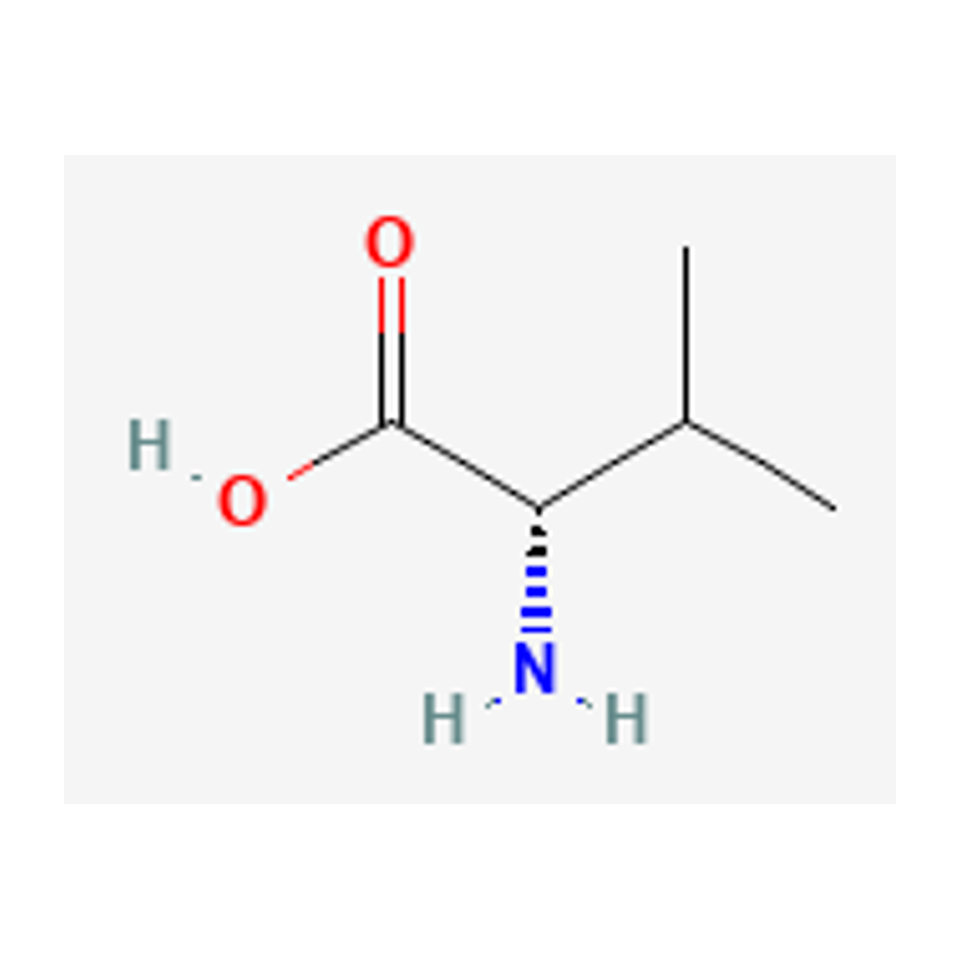
This reference form does not represent every form included in the USDA quantity.
Description, source and attribution
Reference depiction: L-valine. Formula C5H11NO2; PubChem CID 6287; charge 0. This specified form does not represent every form or molecule included in the USDA quantity.
PubChem Compound 6287, 2D Structure. NCBI / National Library of Medicine. Source · Reuse terms
Source check:
A COMMON BASIS
Foods, per 100 g
148 foods with data 58 not reported, excluded from ranking
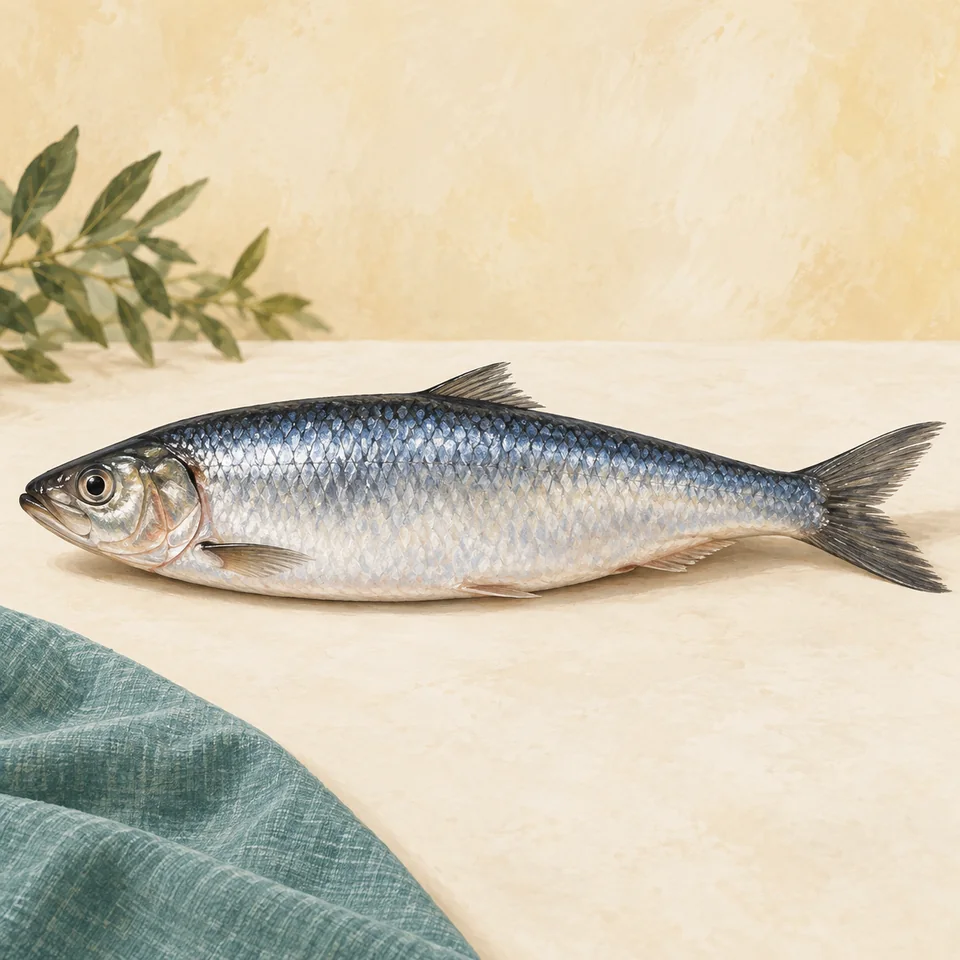
- Atlantic herring
Fish, herring, Atlantic, cooked, dry heat, exactly as identified by USDA.
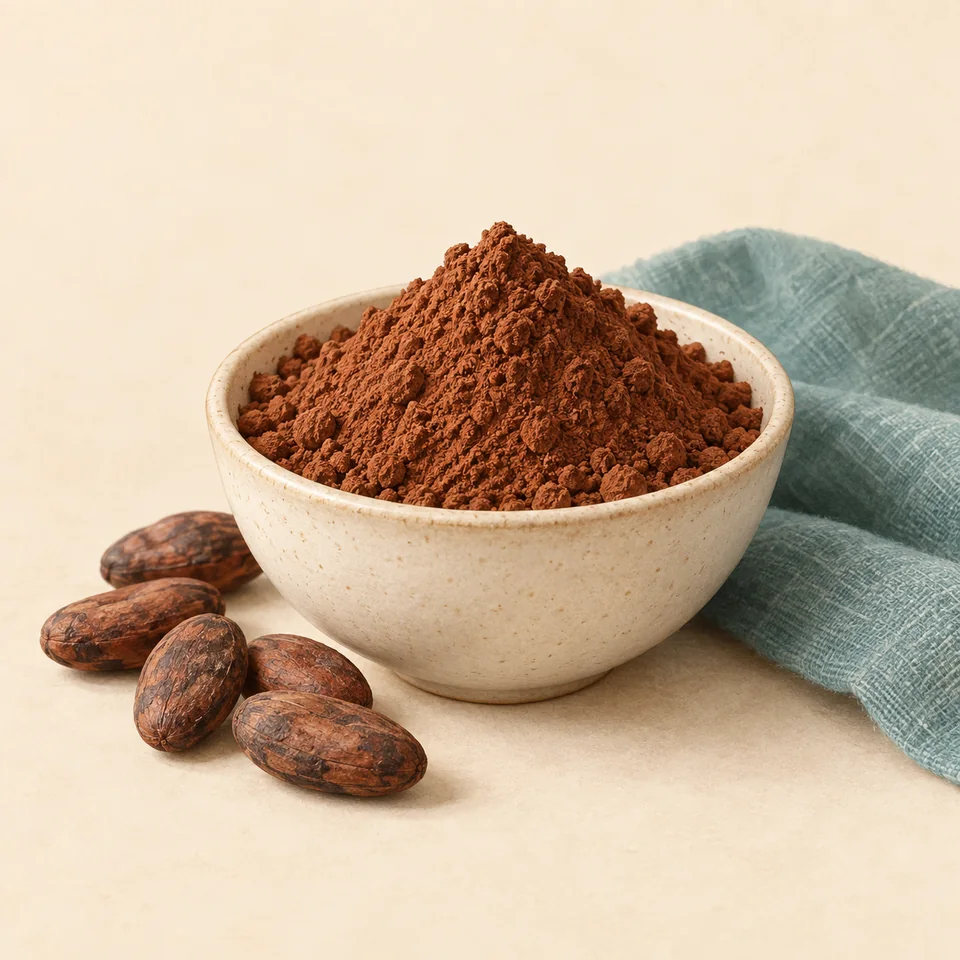
1.187 g - Unsweetened cocoa powder
Cocoa, dry powder, unsweetened, exactly as identified by USDA.
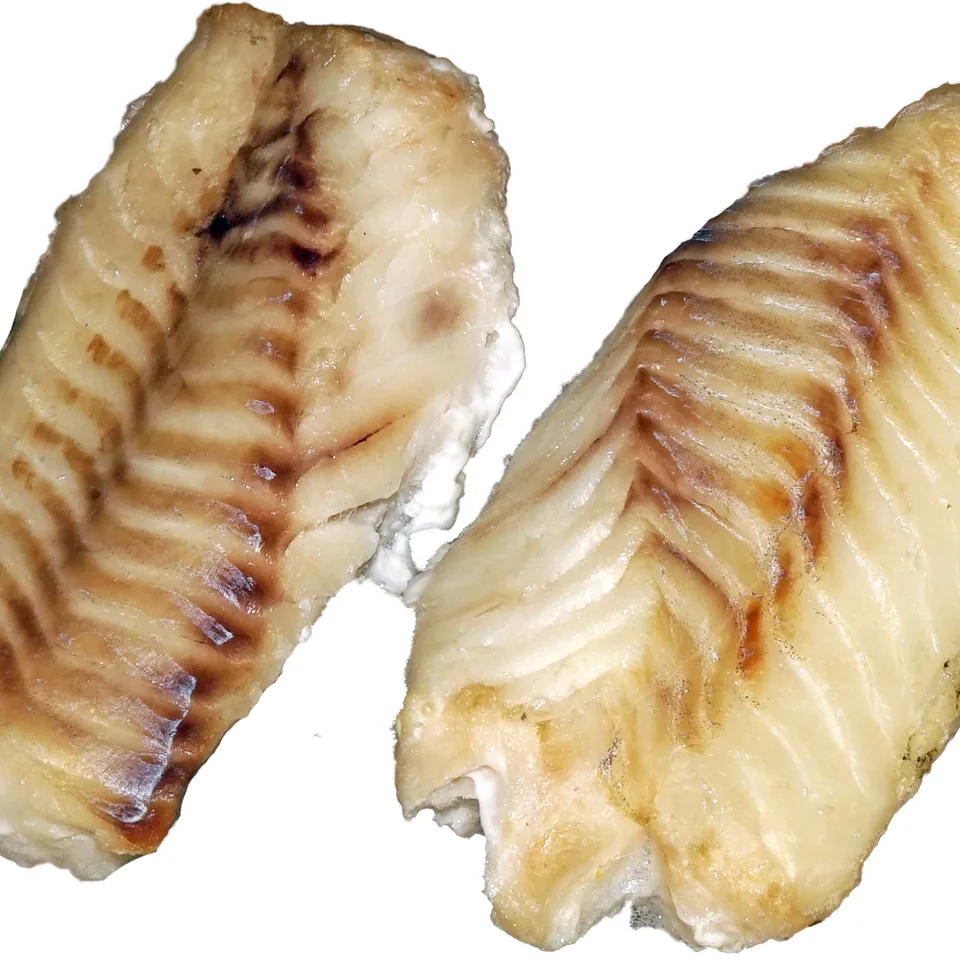
1.177 g - Atlantic cod
Atlantic cod, cooked with dry heat.
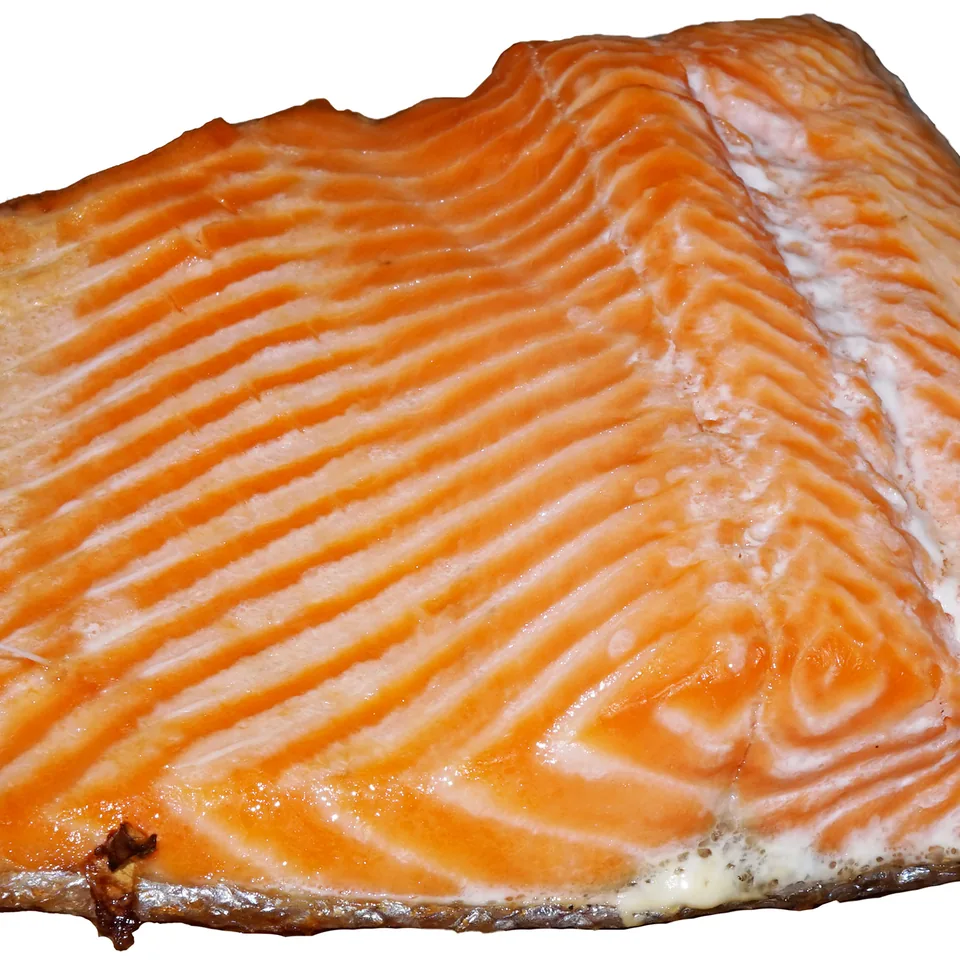
1.176 g - Atlantic salmon
Farmed Atlantic salmon, cooked with dry heat.
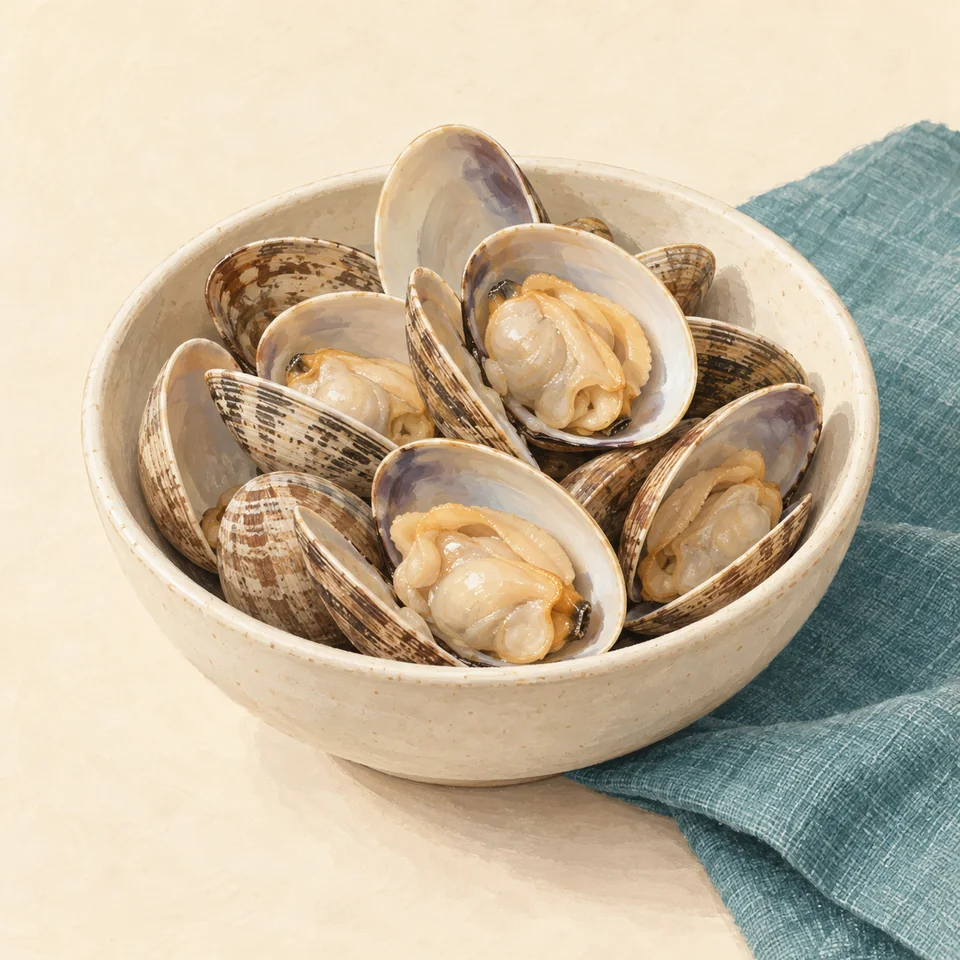
1.139 g - Clams
Mollusks, clam, mixed species, cooked, moist heat, exactly as identified by USDA.
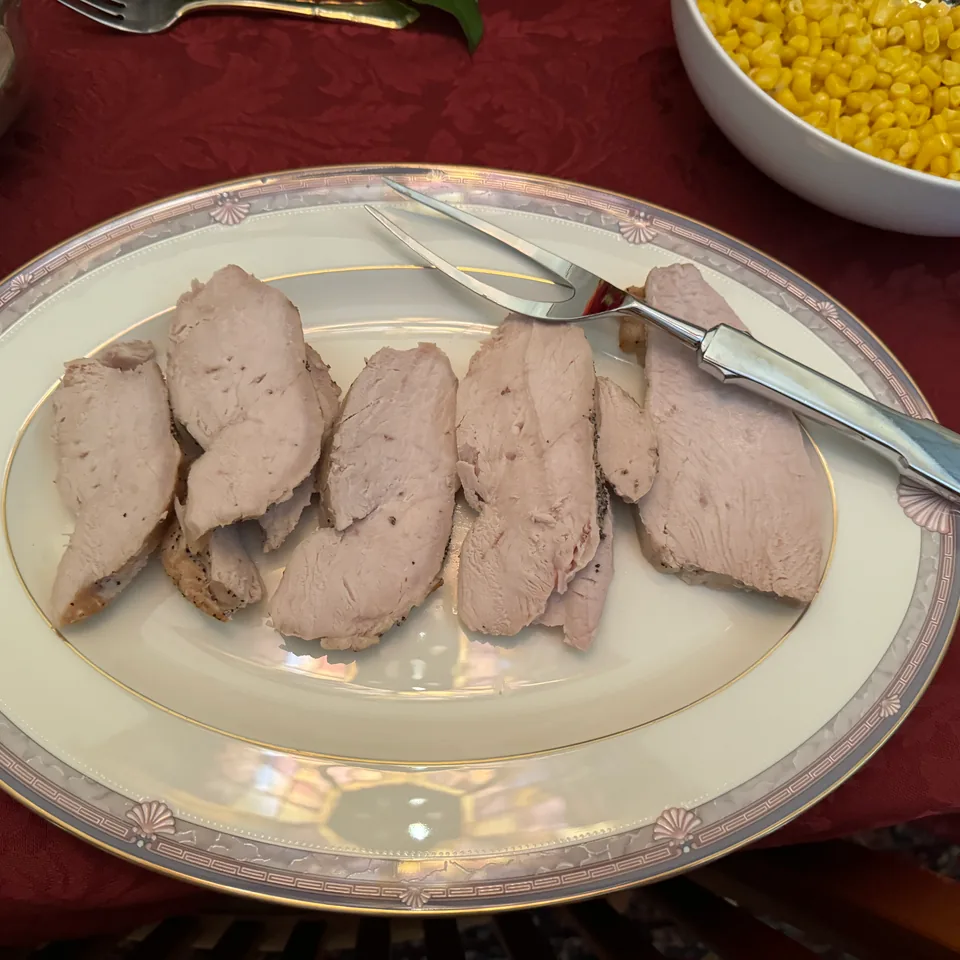
1.116 g - Turkey breast
Roasted turkey breast from retail parts, meat only; seasoning not specified.
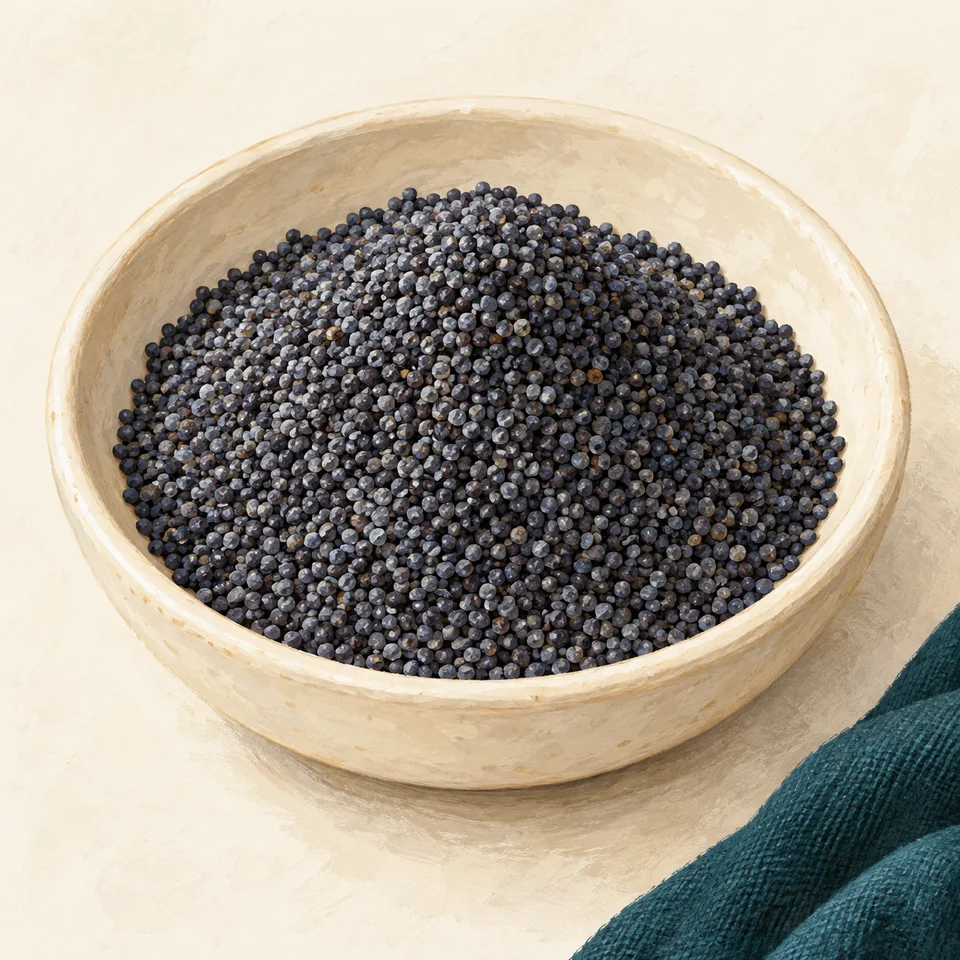
1.112 g - Poppy seeds
Spices, poppy seed, exactly as identified by USDA.
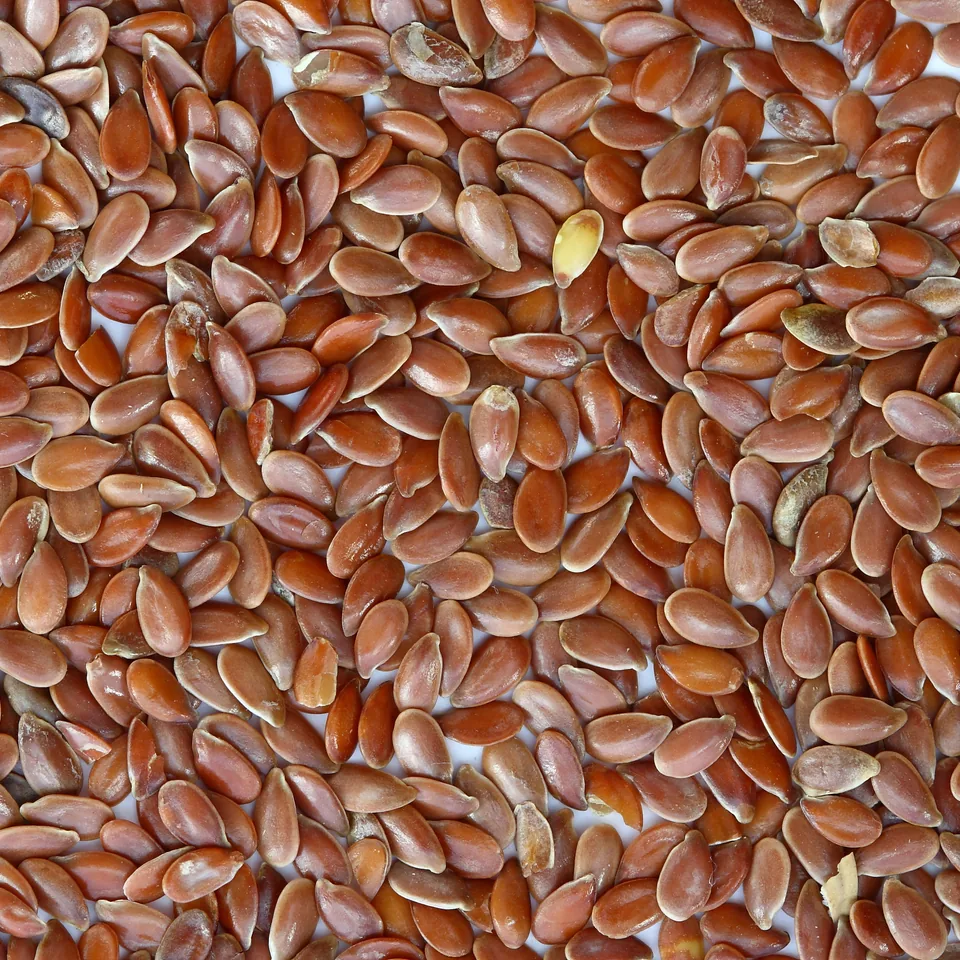
1.095 g - Flaxseed
Flaxseed; source does not specify grinding.
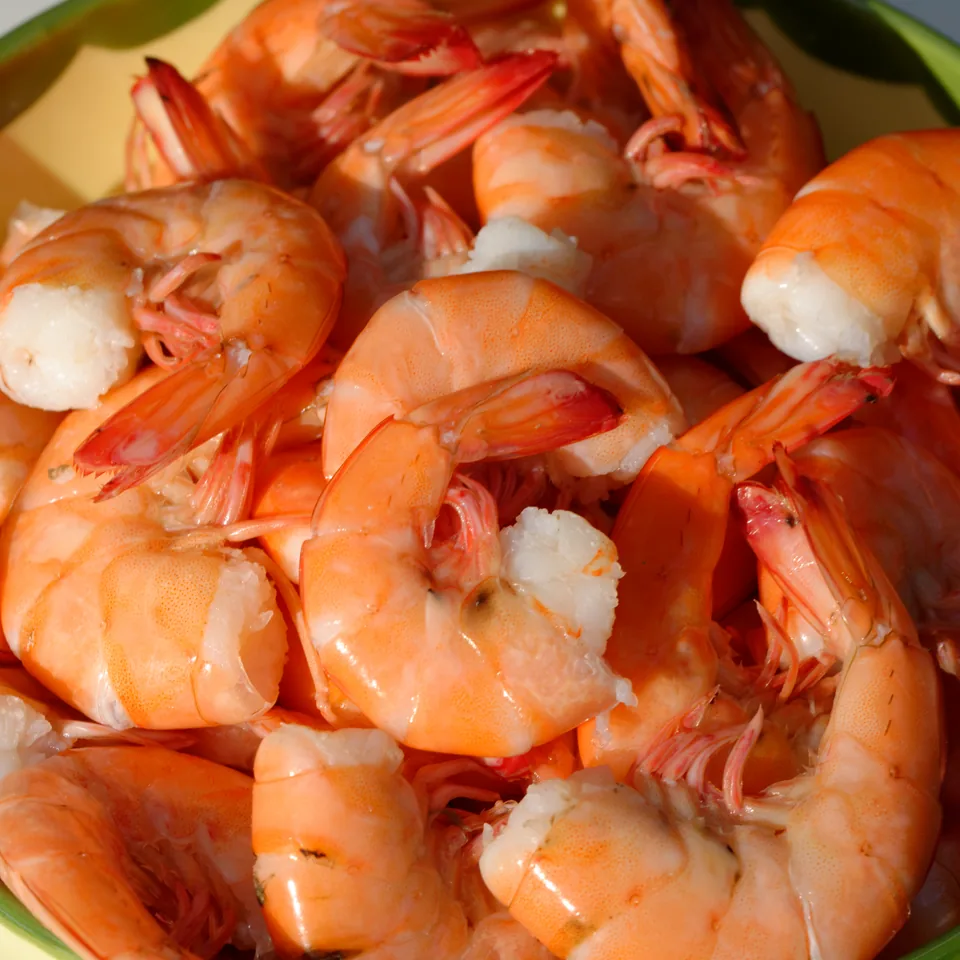
1.072 g - Shrimp
Mixed-species shrimp, cooked with moist heat; may contain moisture-retention additives.
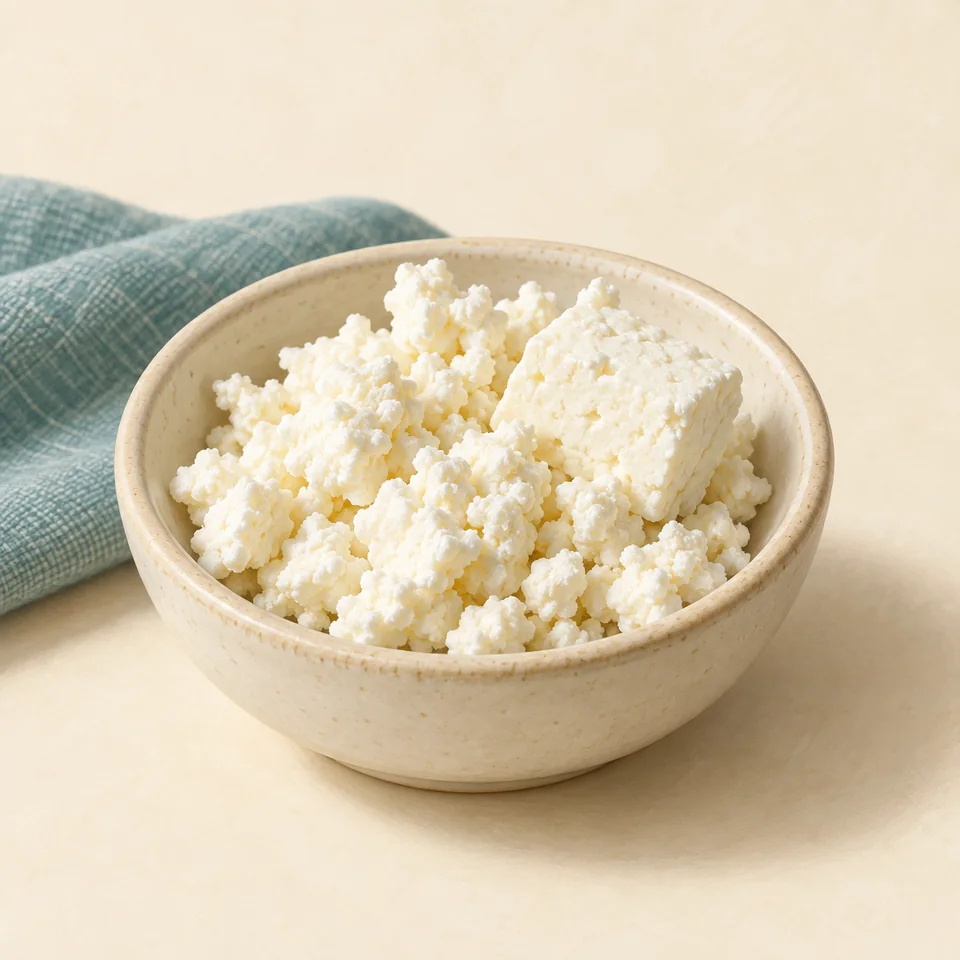
1.067 g - Feta cheese
Cheese, feta, exactly as identified by USDA.
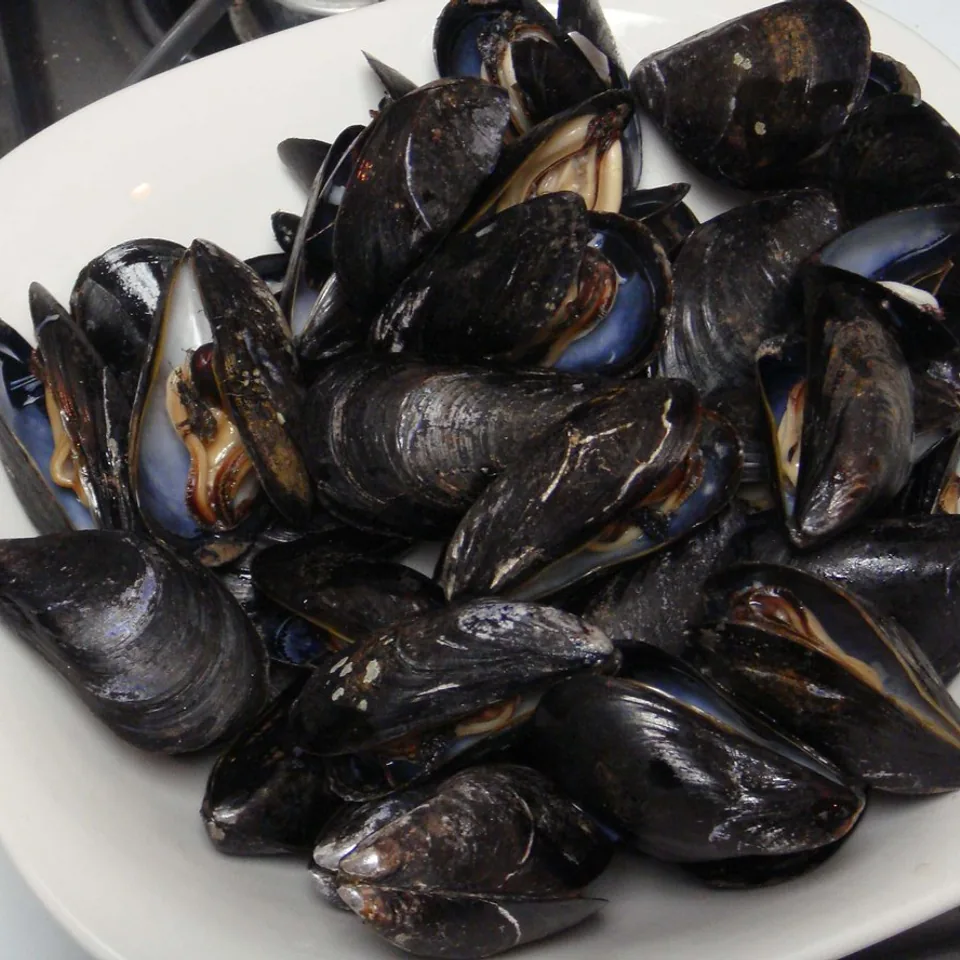
1.065 g - Blue mussels
Blue mussels, cooked with moist heat.
1.04 g - Peanuts
Peanuts, all types, dry-roasted without salt.
0.993 g
All results are sorted before pagination. Bars compare amounts within this search; they do not indicate health benefits. Not reported does not mean zero.
UNDERSTAND THE DATA
What it means for your diet
This source explains dietary protein and amino acids as a group. The specific USDA identity above remains separate; protein advice is not an intake target or supplement recommendation for an individual amino acid.
Ranking amounts describe foods, not supplement doses. A high rank does not mean you should consume more. Source recommendations and cautions retain their original population and scope.
Dietary Proteins [1]
Source: MedlinePlus, National Library of Medicine. Original health-topic summary, reproduced with attribution.
Protein is in every cell in the body. Our bodies need protein from the foods we eat to build and maintain bones, muscles and skin. We get proteins in our diet from meat, dairy products, nuts, and certain grains and beans. Proteins from meat and other animal products are complete proteins. This means they supply all of the amino acids the body can't make on its own. Most plant proteins are incomplete. You should eat different types of plant proteins every day to get all of the amino acids your body needs.
It is important to get enough dietary protein. You need to eat protein every day, because your body doesn't store it the way it stores fats or carbohydrates. How much you need depends on your age, sex, health, and level of physical activity. Most Americans eat enough protein in their diet.
Explanation bibliography
- . MedlinePlus, National Library of Medicine. Last updated July 17, 2024. Accessed: 2026-09-16. .
Identity and structure sources
- PubChem Compound 6287: L-Valine · Accessed 2026-09-13
- USDA FoodData Central: Foundation Foods Documentation · Accessed 2026-09-13