EXPLORE A NUTRIENT
Niacin
Discover how amounts vary across foods, on a shared basis for comparison.
Understand this nutrient ↓What is it?
Chemical reference: nicotinic acid (C6H5NO2). USDA reports Niacin separately. [1] [2]
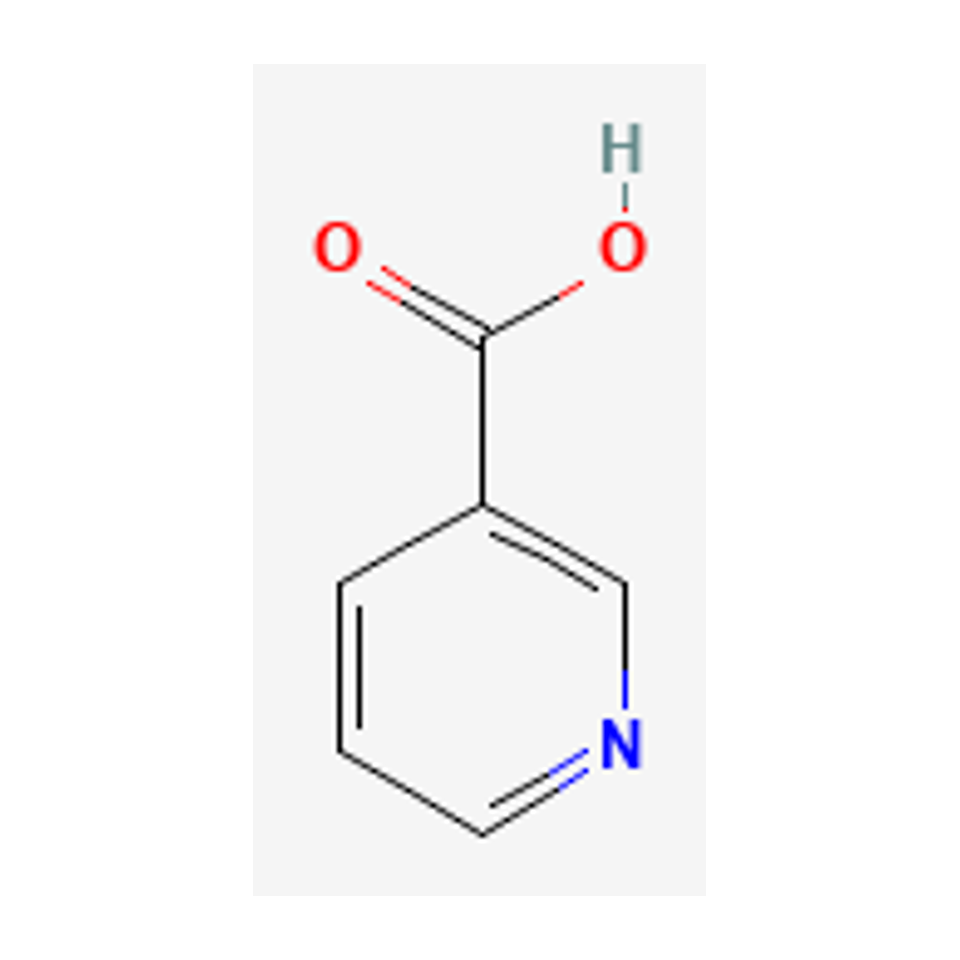
This reference form does not represent every form included in the USDA quantity.
Description, source and attribution
Reference depiction: nicotinic acid. Formula C6H5NO2; PubChem CID 938; charge 0. This specified form does not represent every form or molecule included in the USDA quantity.
PubChem Compound 938, 2D Structure. NCBI / National Library of Medicine. Source · Reuse terms
Source check:
A COMMON BASIS
Foods, per 100 g
188 foods with data 18 not reported, excluded from ranking
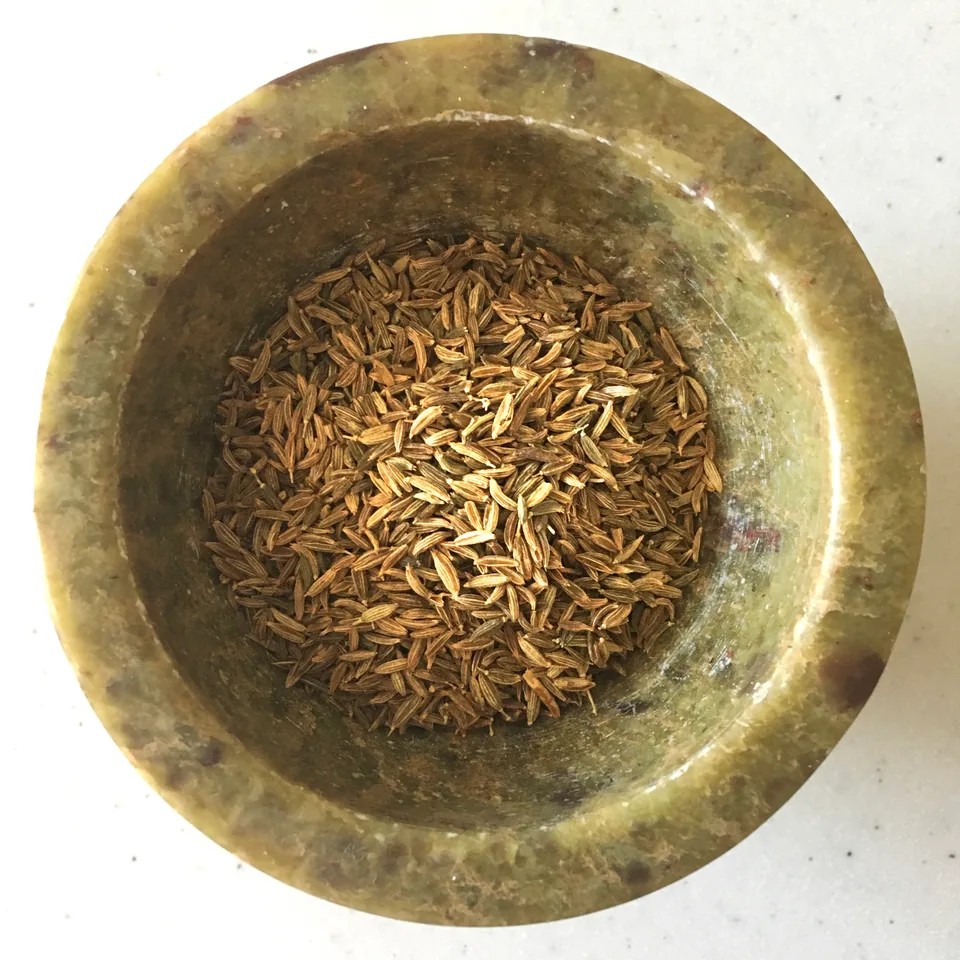
- Cumin seed
Cumin seed spice.
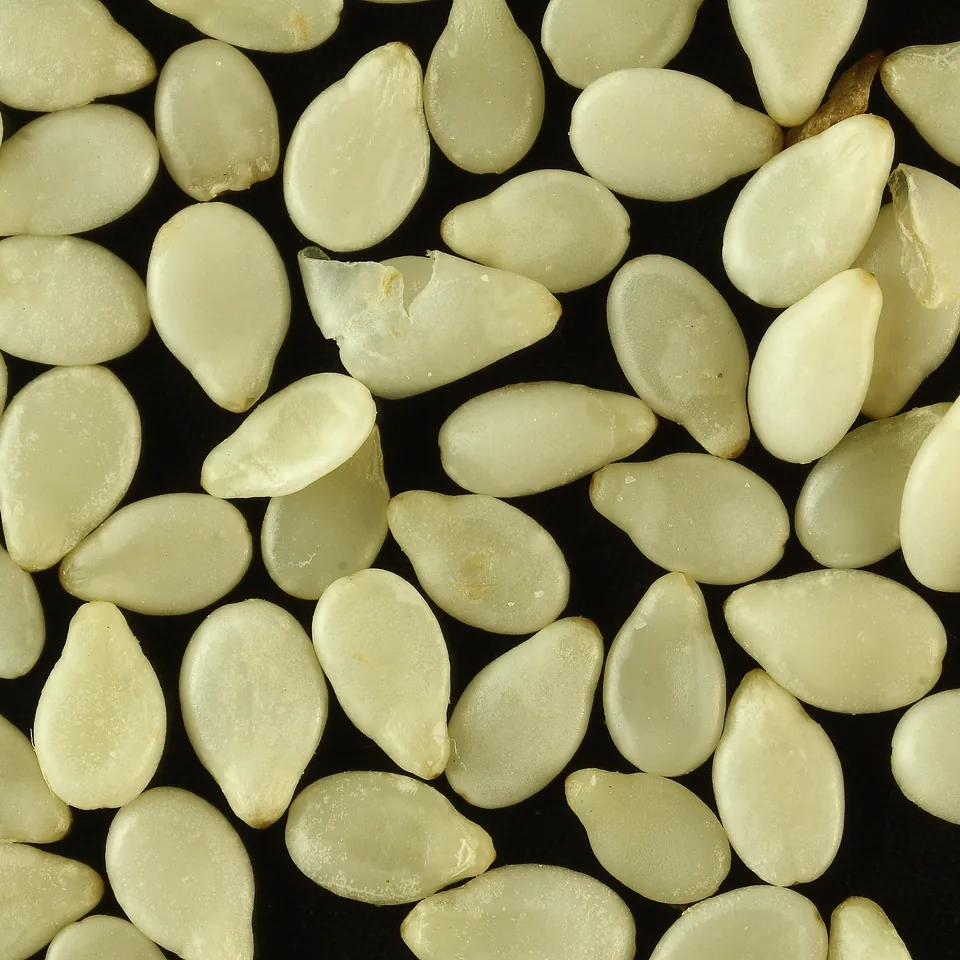
4.579 mg - Sesame seeds
Whole dried sesame seeds.
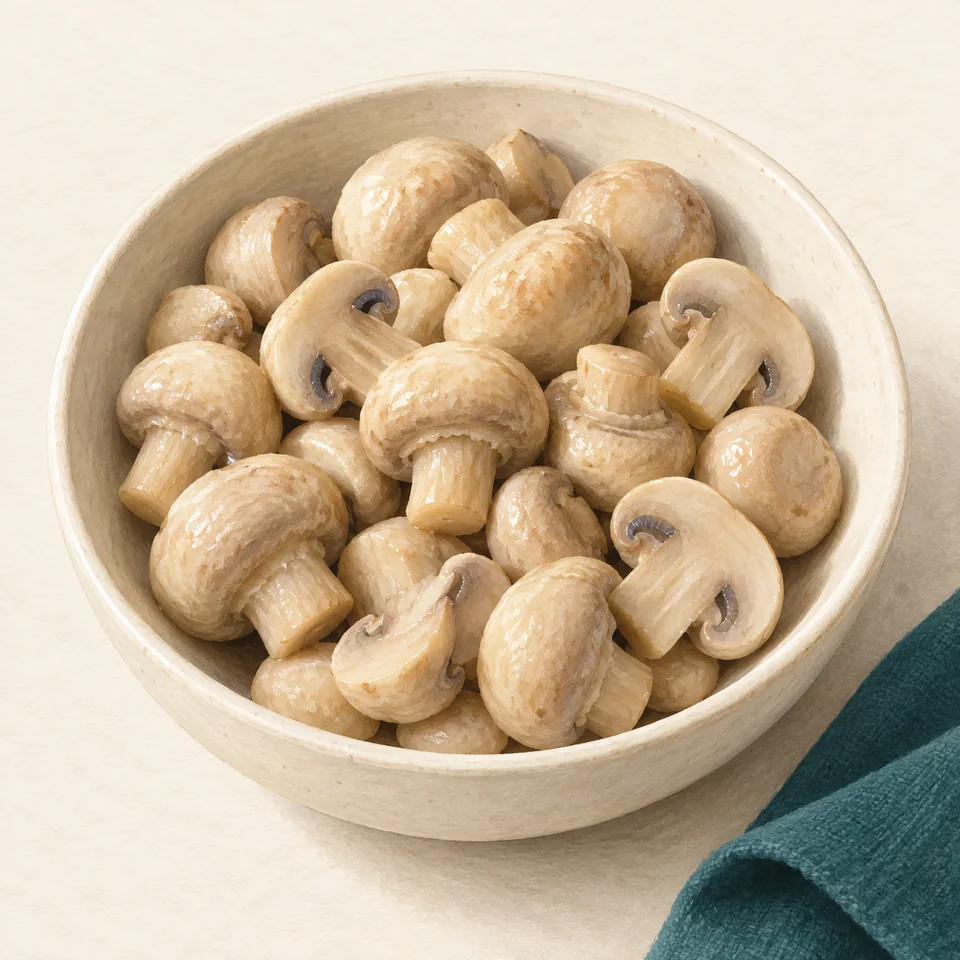
4.515 mg - White mushrooms
Mushrooms, white, cooked, boiled, drained, without salt, exactly as identified by USDA.
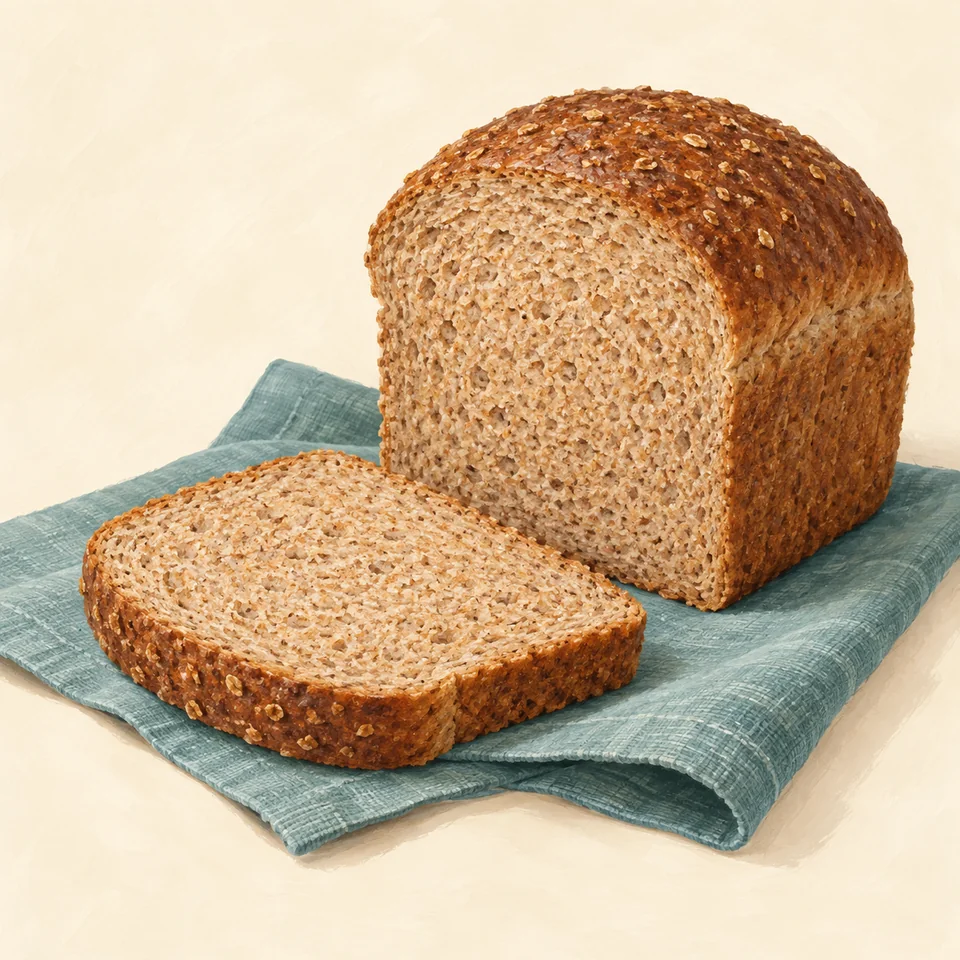
4.46 mg - Whole-wheat bread
Bread, whole-wheat, commercially prepared, exactly as identified by USDA.
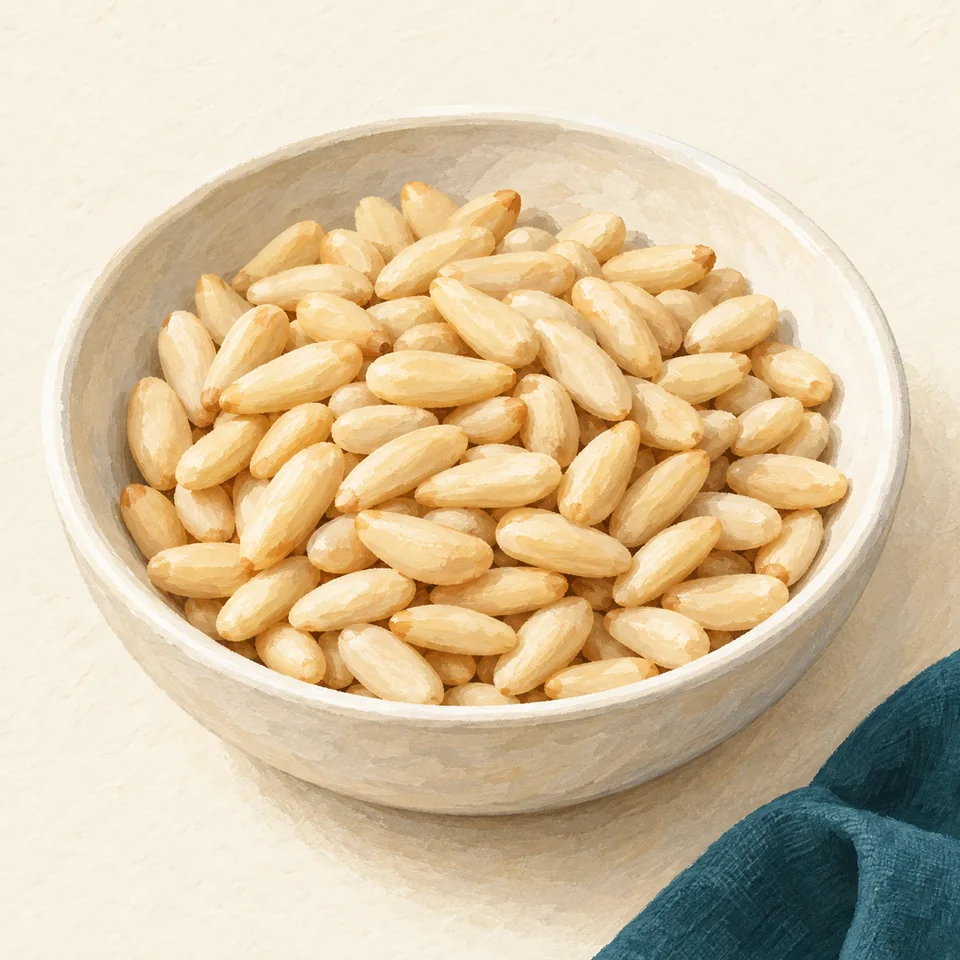
4.438 mg - Pine nuts
Nuts, pine nuts, dried, exactly as identified by USDA.
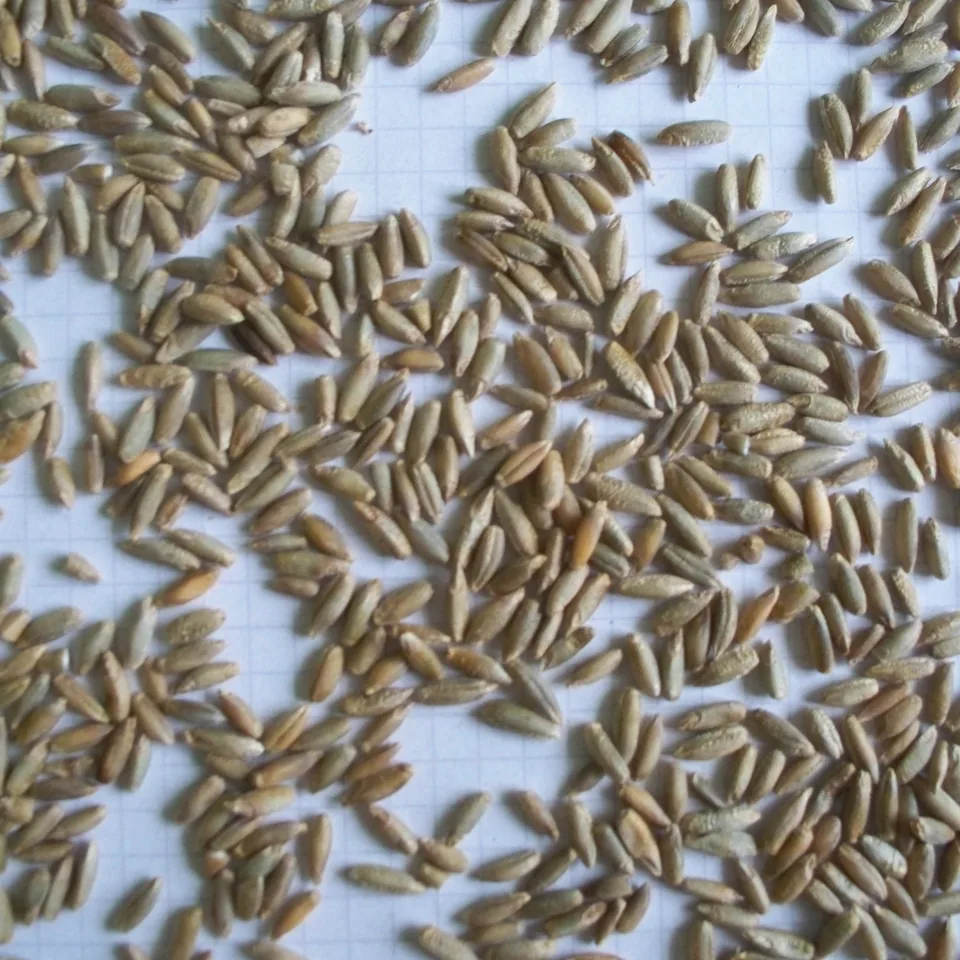
4.387 mg - Rye grain
Rye grain, unprepared; not cooked rye bread.
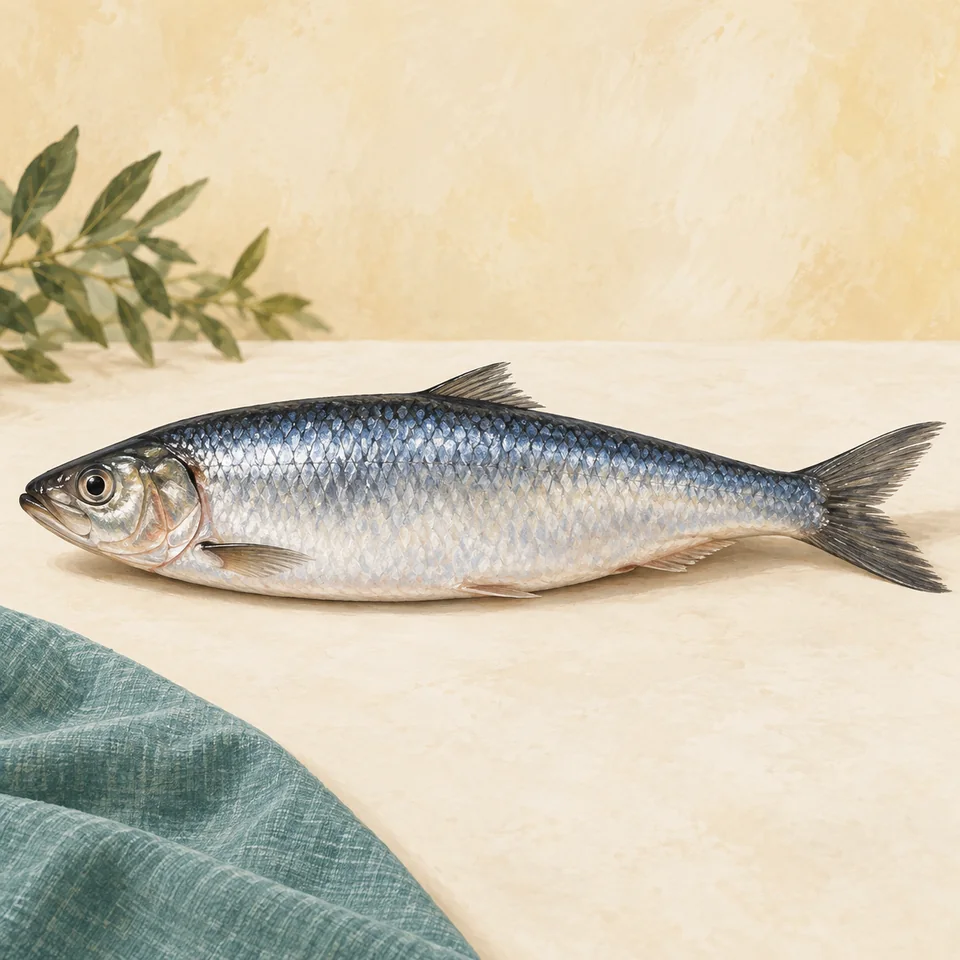
4.27 mg - Atlantic herring
Fish, herring, Atlantic, cooked, dry heat, exactly as identified by USDA.
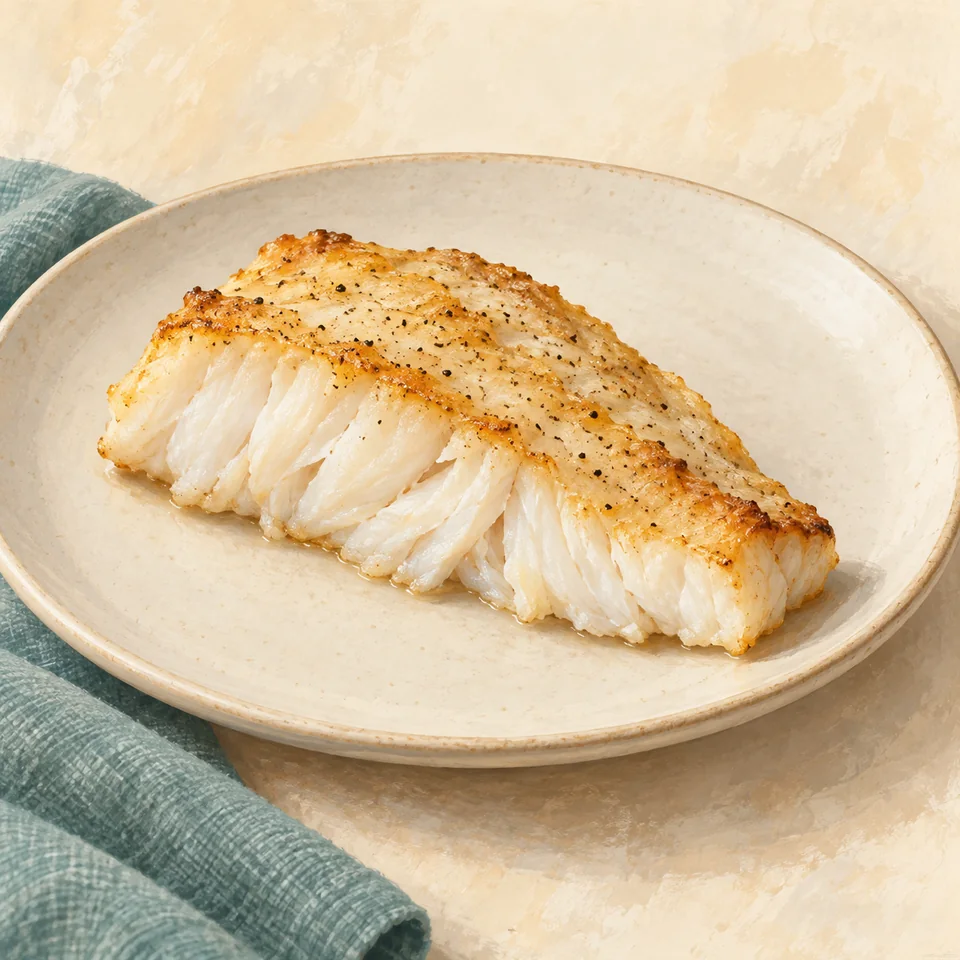
4.124 mg - Haddock
Fish, haddock, cooked, dry heat, exactly as identified by USDA.
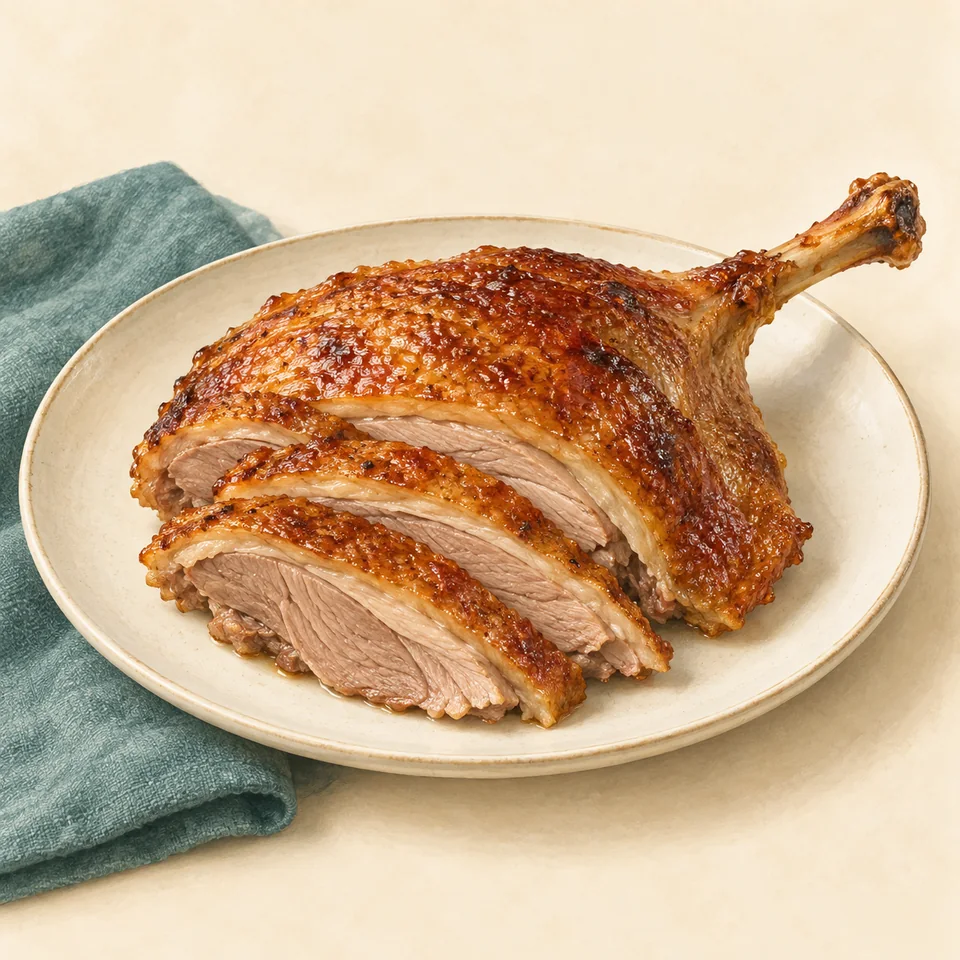
4.119 mg - Goose
Goose, domesticated, meat only, cooked, roasted, exactly as identified by USDA.
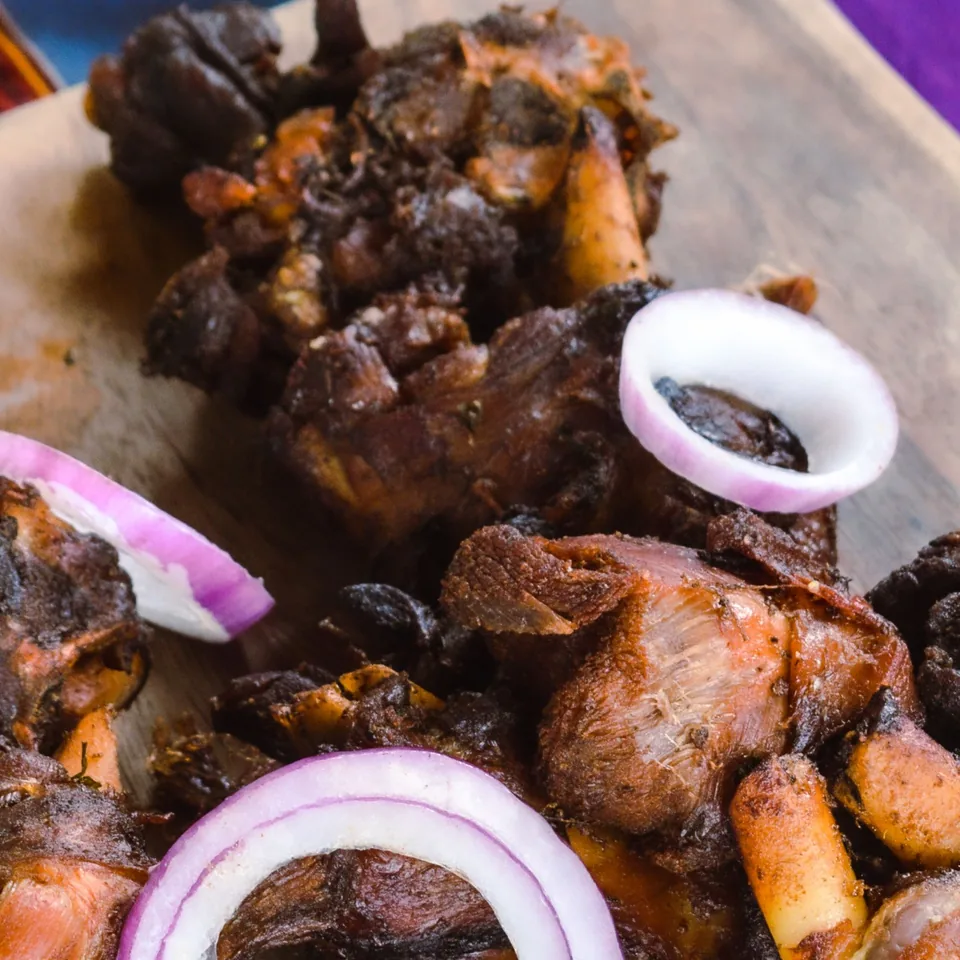
4.081 mg - Goat meat
Goat meat, roasted, as classified by USDA under game meat.
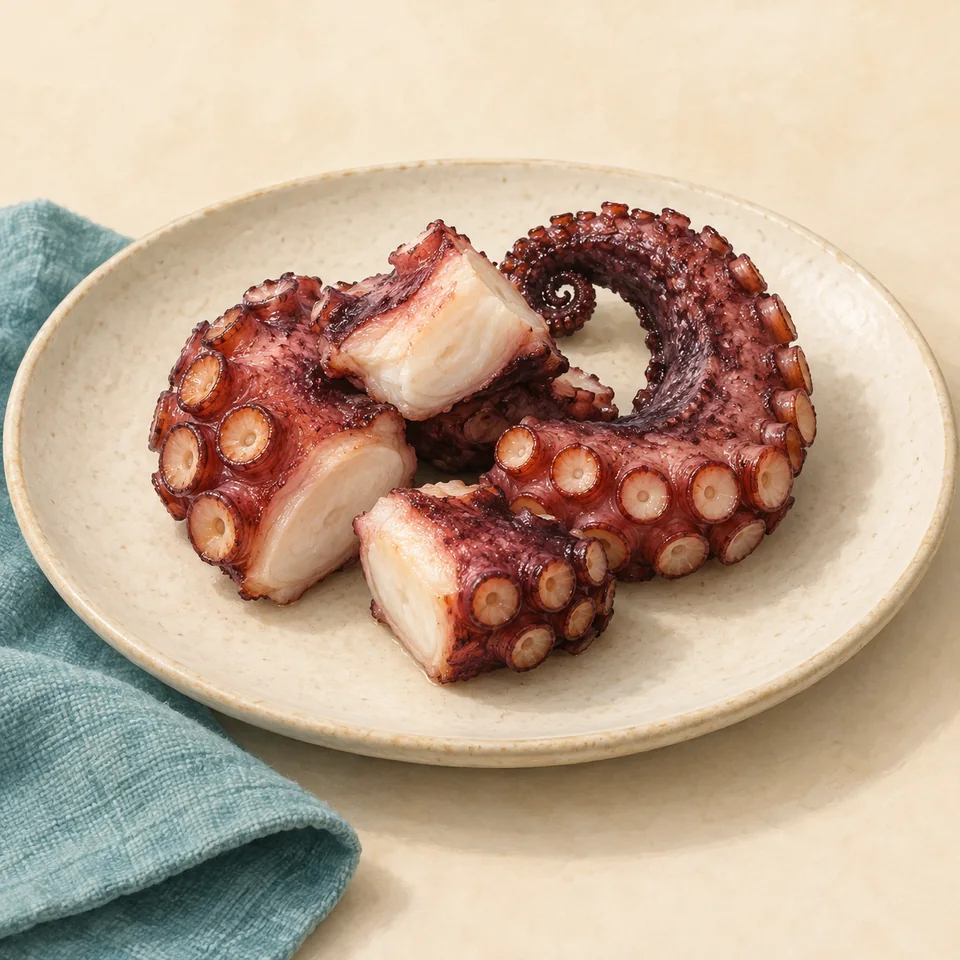
3.95 mg - Octopus
Mollusks, octopus, common, cooked, moist heat, exactly as identified by USDA.
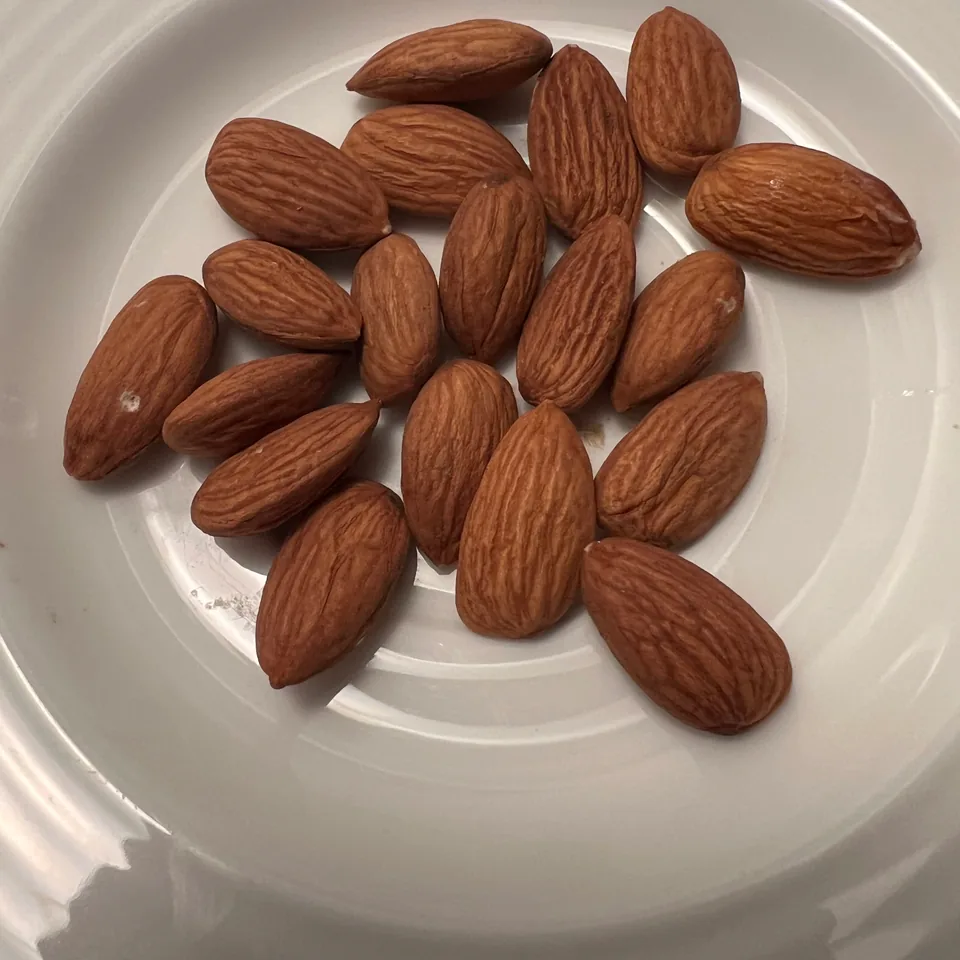
3.78 mg - Almonds
Whole almonds, raw.
3.77 mg
All results are sorted before pagination. Bars compare amounts within this search; they do not indicate health benefits. Not reported does not mean zero.
UNDERSTAND THE DATA
The nutrient, in context
How to read this ranking
This page compares Niacin (Niacin), in mg per 100 g of food.
Chemical forms and measurement methods remain separate. “Not reported” means a value is unavailable, not that the food contains zero. A food’s rank does not determine your individual needs or diagnose a deficiency.
This NIH fact sheet concerns this nutrient. Its recommended amounts describe daily intake for the stated population, not a 100 g food portion. Keep food and supplement exposure separate as the source specifies.
NIH · OFFICE OF DIETARY SUPPLEMENTS
Niacin: Fact Sheet for Consumers
Original text published by NIH, including intake tables by age and sex, cautions, and the population context the source states. Bitameans has not performed an independent medical review or adapted these recommendations to your personal circumstances.
What is niacin and what does it do?
Niacin (also called vitamin B3) helps turn the food you eat into the energy you need. Niacin is important for the development and function of the cells in your body.
How much niacin do I need?
The amount of niacin you need depends on your age and sex. Average daily recommended amounts are listed below in milligrams (mg) of niacin equivalents (NE) (except for infants in their first 6 months).
The mg NE measure is used because your body can also make niacin from tryptophan, an amino acid in proteins. For example, when you eat turkey, which is high in tryptophan, some of this amino acid is converted to niacin in your liver. Using mg NE accounts for both the niacin you consume and the niacin your body makes from tryptophan. Infants in their first 6 months do not make much niacin from tryptophan.
Identity and structure sources
- PubChem Compound 938: Nicotinic Acid · Accessed 2026-09-13
- USDA FoodData Central: Foundation Foods Documentation · Accessed 2026-09-13