EXPLORE A NUTRIENT
Retinol
Discover how amounts vary across foods, on a shared basis for comparison.
Understand this nutrient ↓What is it?
Chemical reference: all-trans-retinol (C20H30O). USDA reports Retinol separately. [1] [2]
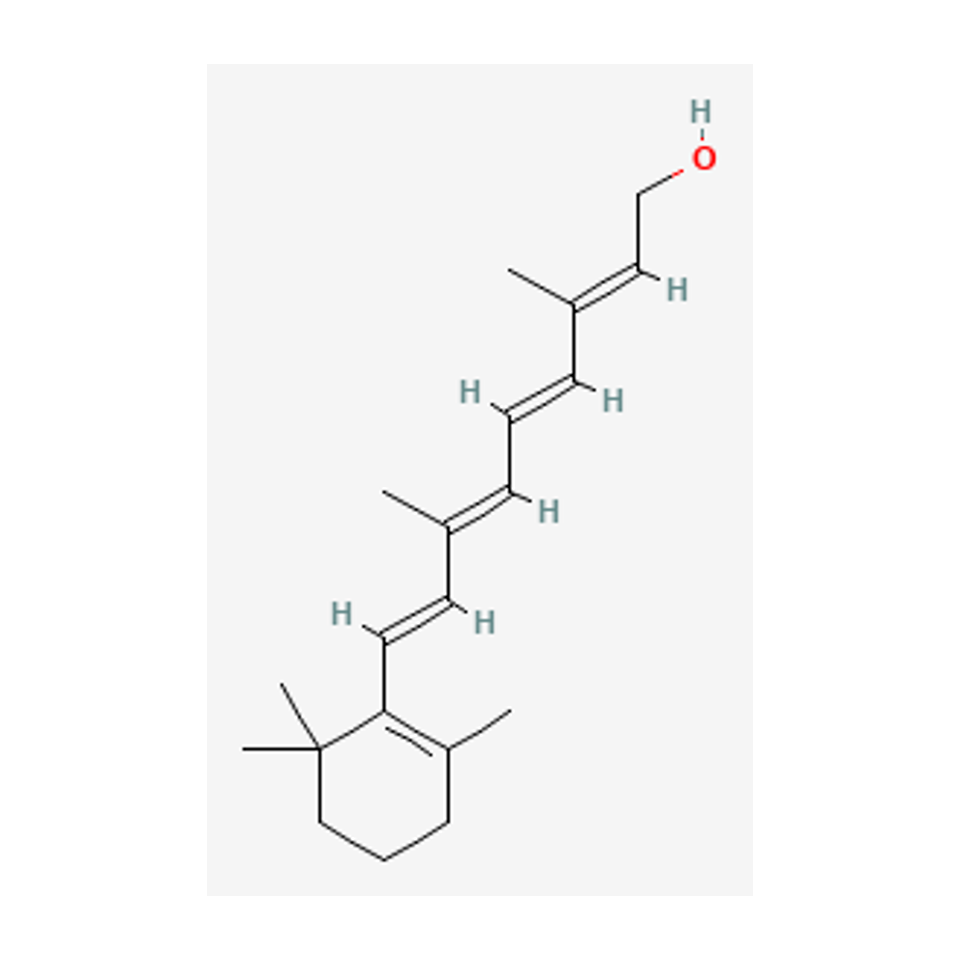
This reference form does not represent every form included in the USDA quantity.
Description, source and attribution
Reference depiction: all-trans-retinol. Formula C20H30O; PubChem CID 445354; charge 0. This specified form does not represent every form or molecule included in the USDA quantity.
PubChem Compound 445354, 2D Structure. NCBI / National Library of Medicine. Source · Reuse terms
Source check:
A COMMON BASIS
Foods, per 100 g
167 foods with data 39 not reported, excluded from ranking
- Feta cheese
Cheese, feta, exactly as identified by USDA.
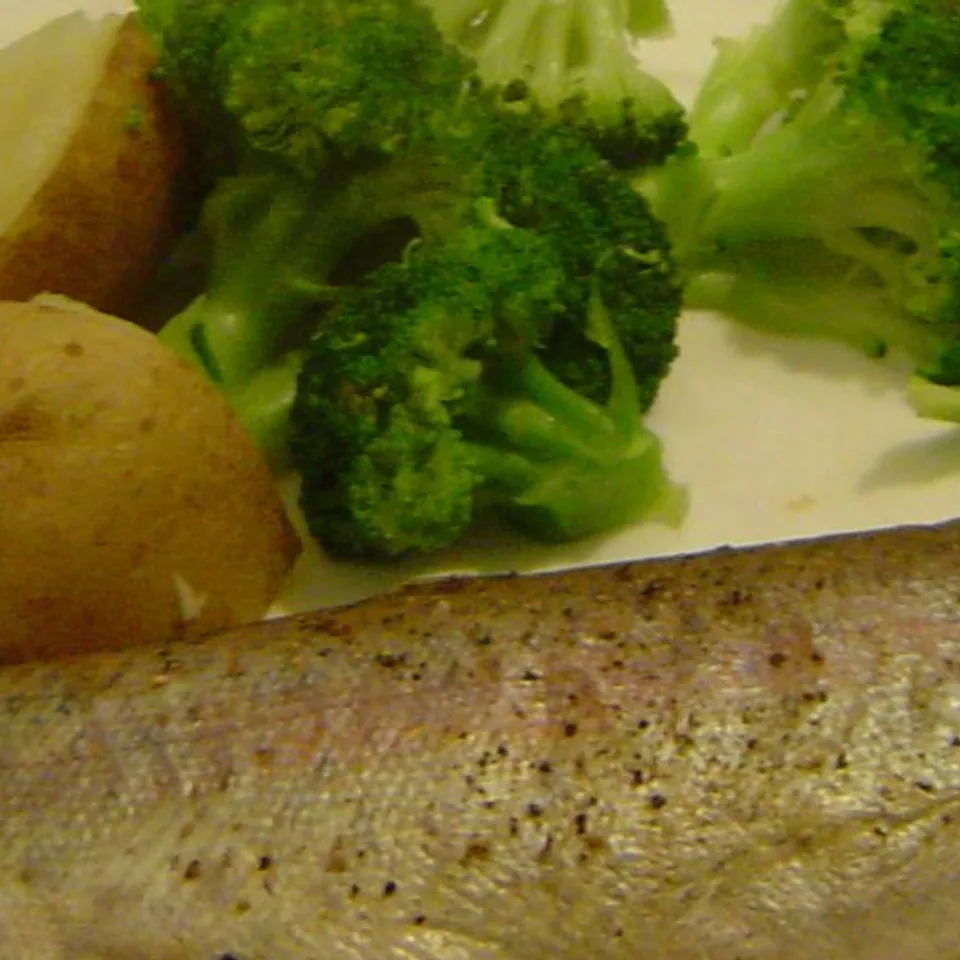
125 µg - Rainbow trout
Farmed rainbow trout, cooked with dry heat.
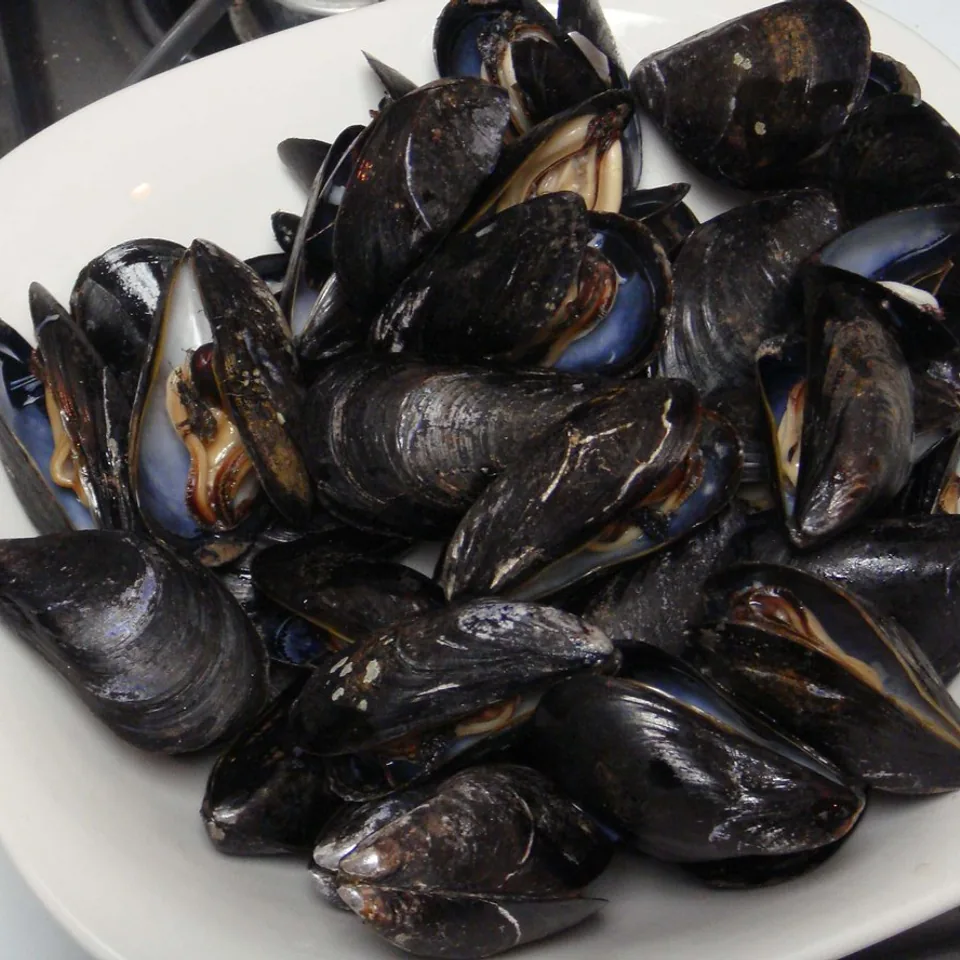
100 µg - Blue mussels
Blue mussels, cooked with moist heat.
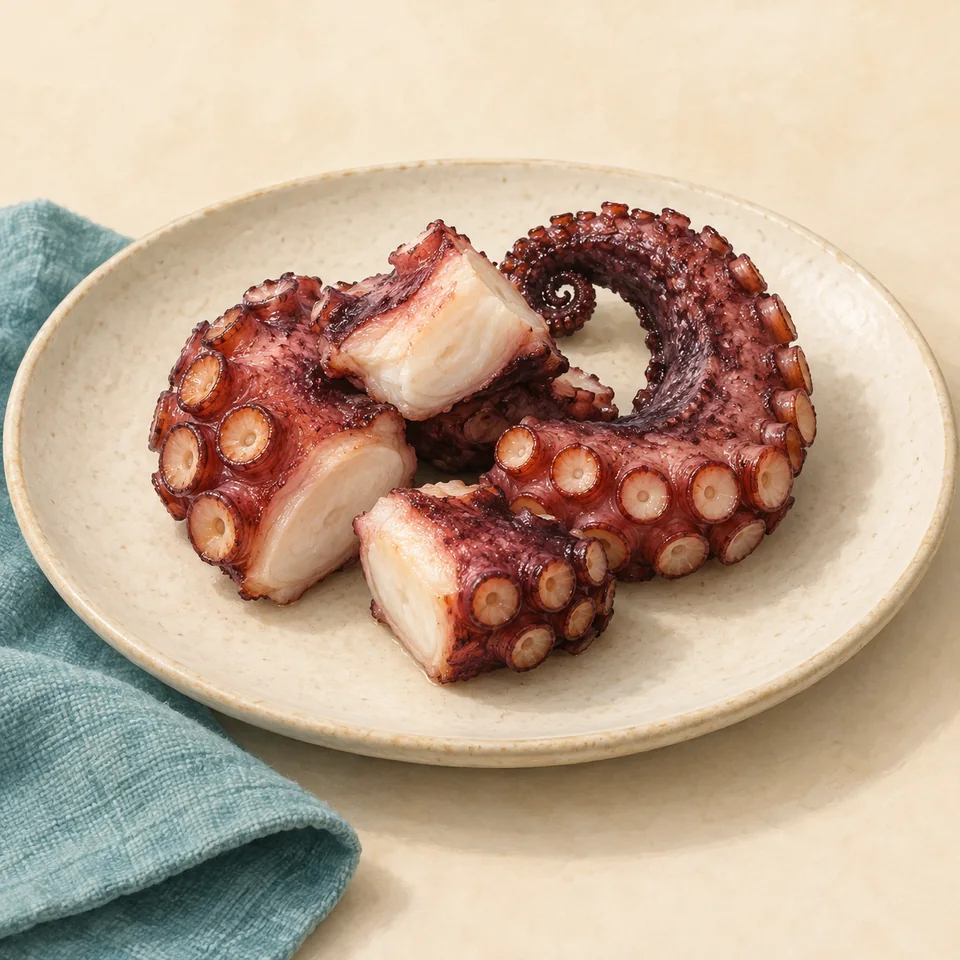
91 µg - Octopus
Mollusks, octopus, common, cooked, moist heat, exactly as identified by USDA.
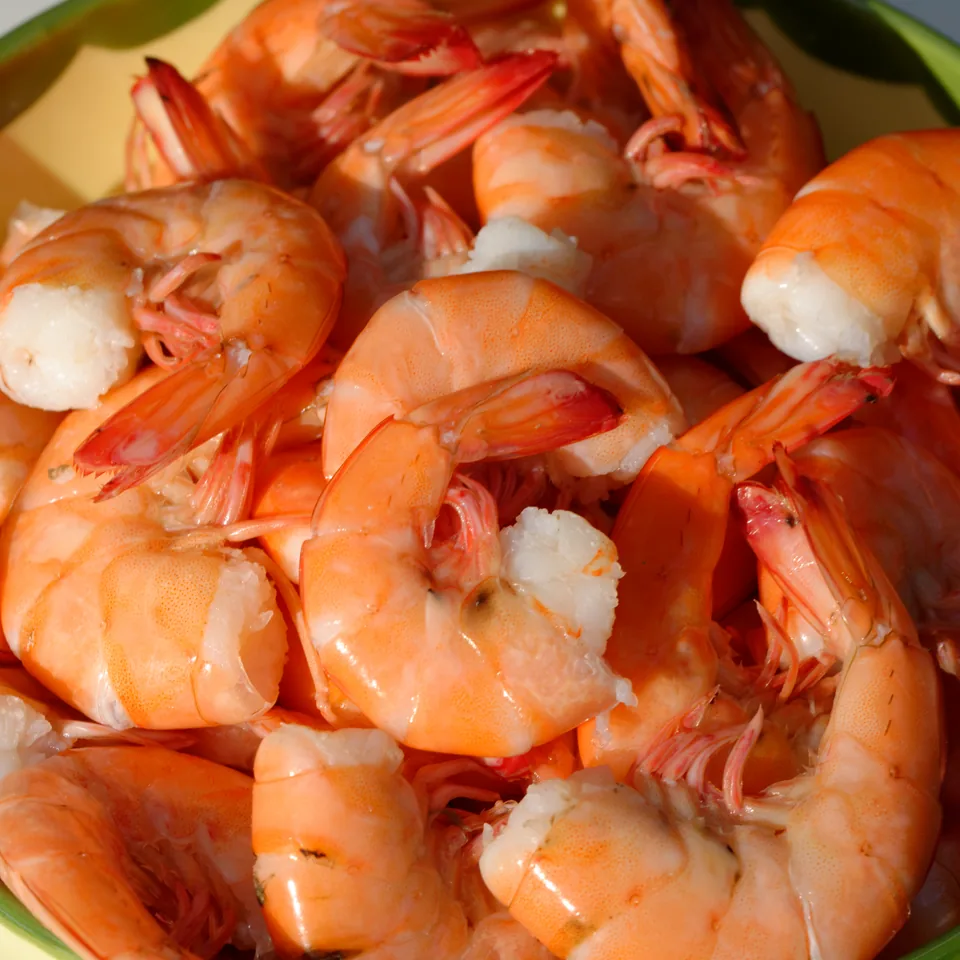
90 µg - Shrimp
Mixed-species shrimp, cooked with moist heat; may contain moisture-retention additives.
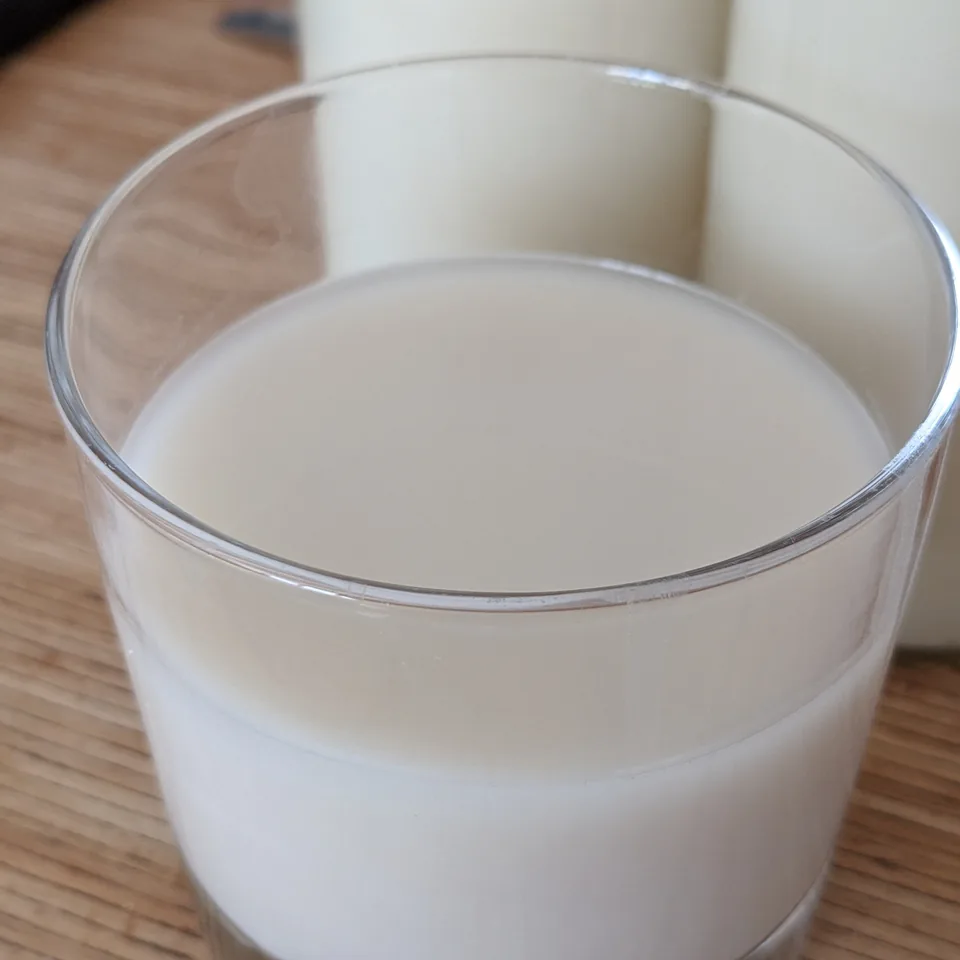
90 µg - Oat beverage
Unsweetened plain oat beverage, refrigerated.
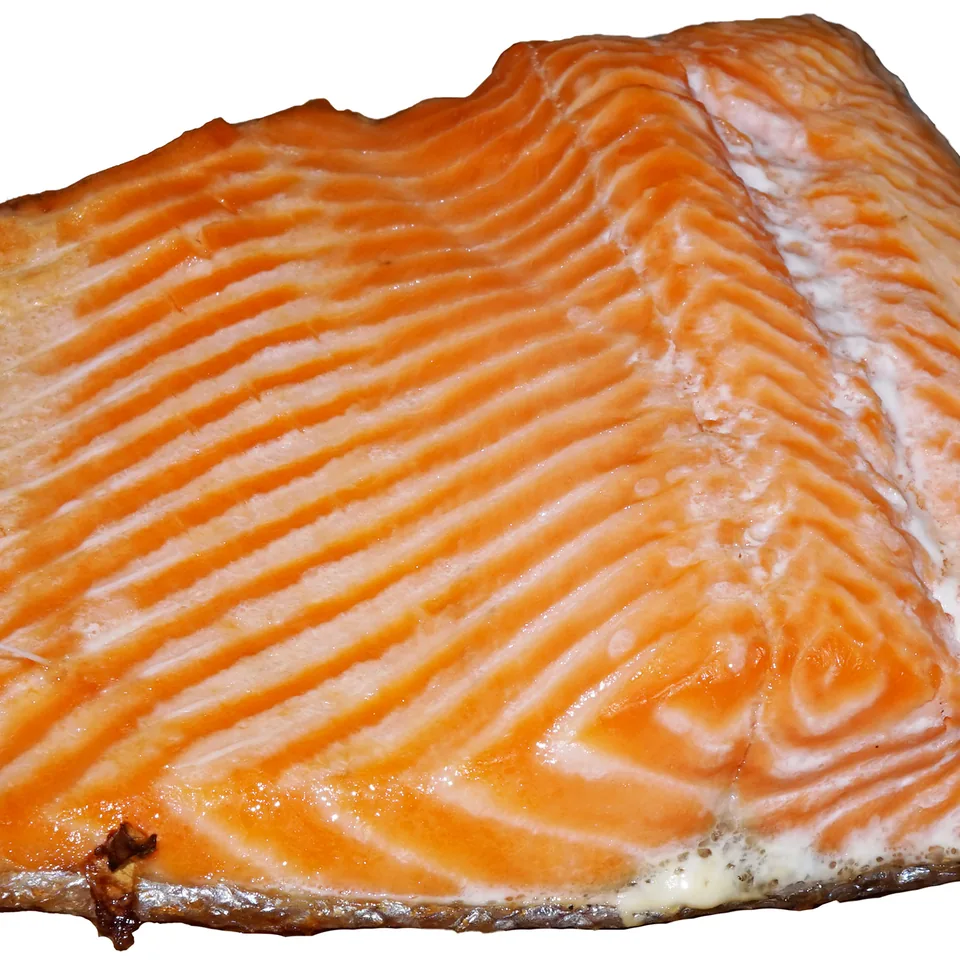
84.73 µg - Atlantic salmon
Farmed Atlantic salmon, cooked with dry heat.
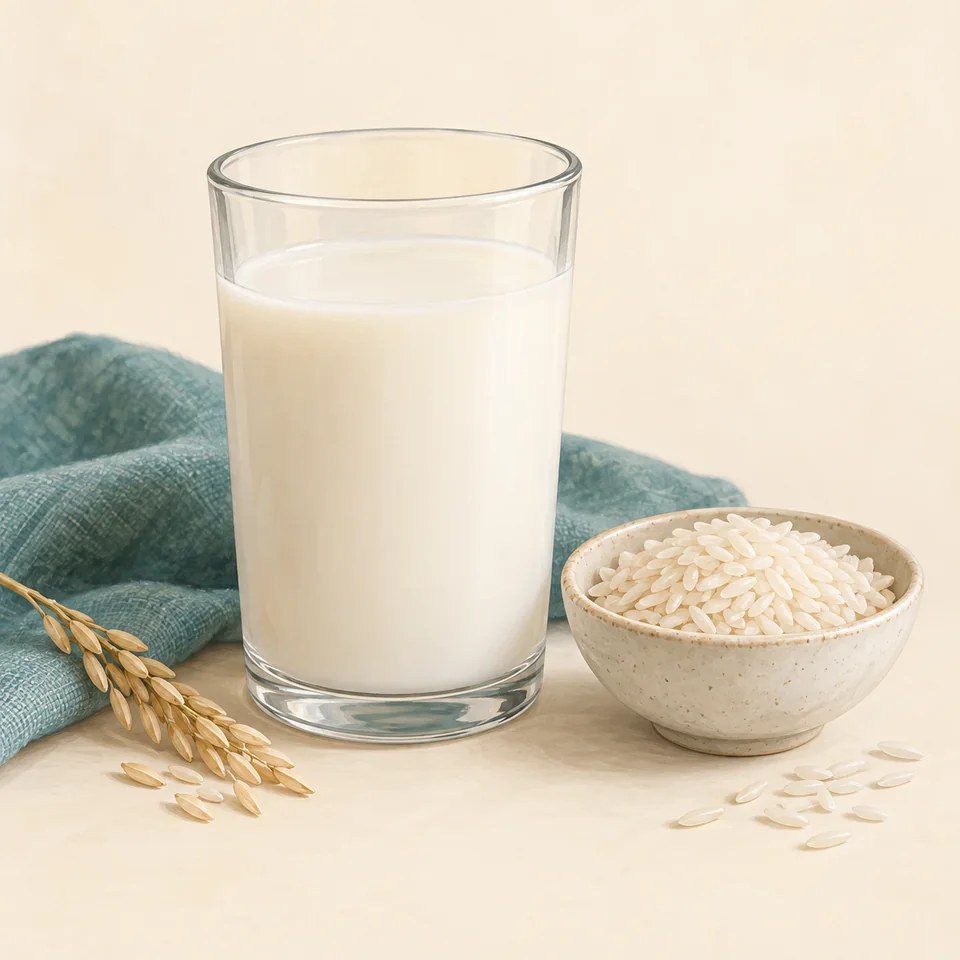
69 µg - Rice drink
Beverages, rice milk, unsweetened, exactly as identified by USDA.
63 µg - Almond beverage
Unsweetened plain almond beverage, refrigerated.
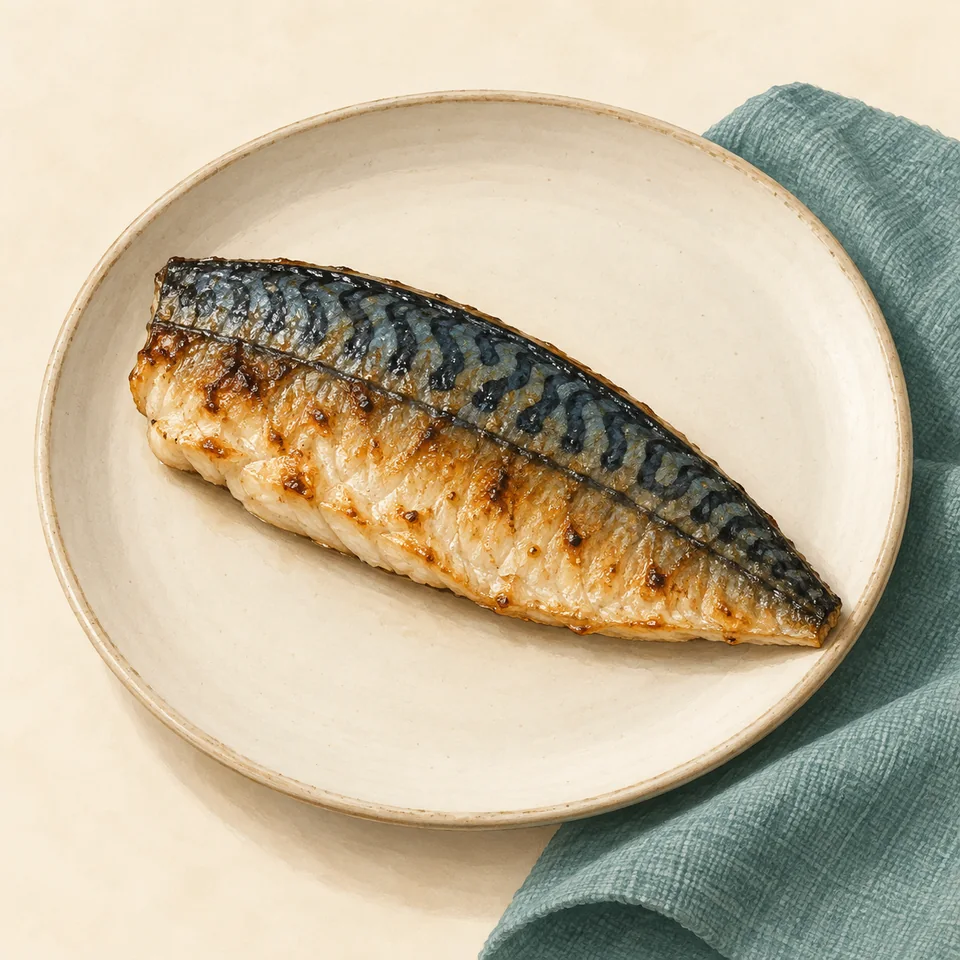
60.92 µg - Atlantic mackerel
Fish, mackerel, Atlantic, cooked, dry heat, exactly as identified by USDA.
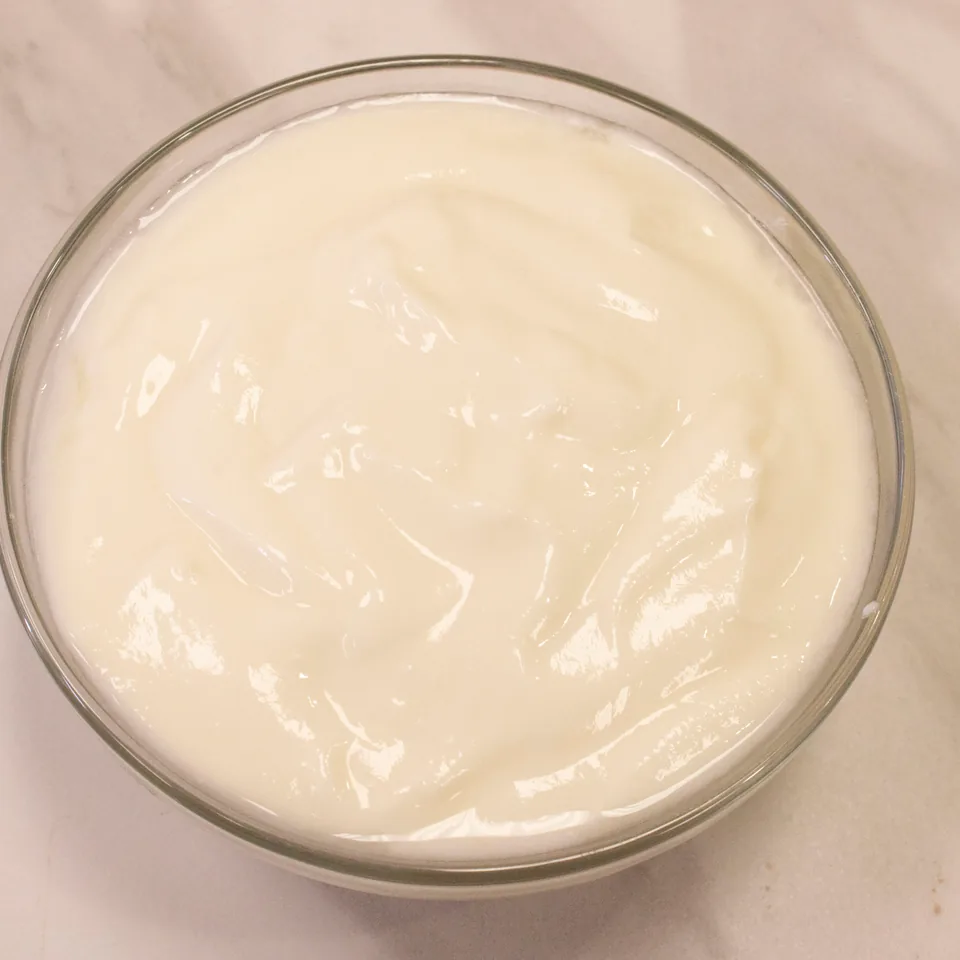
54 µg - Plain yogurt
Plain whole-milk yogurt.
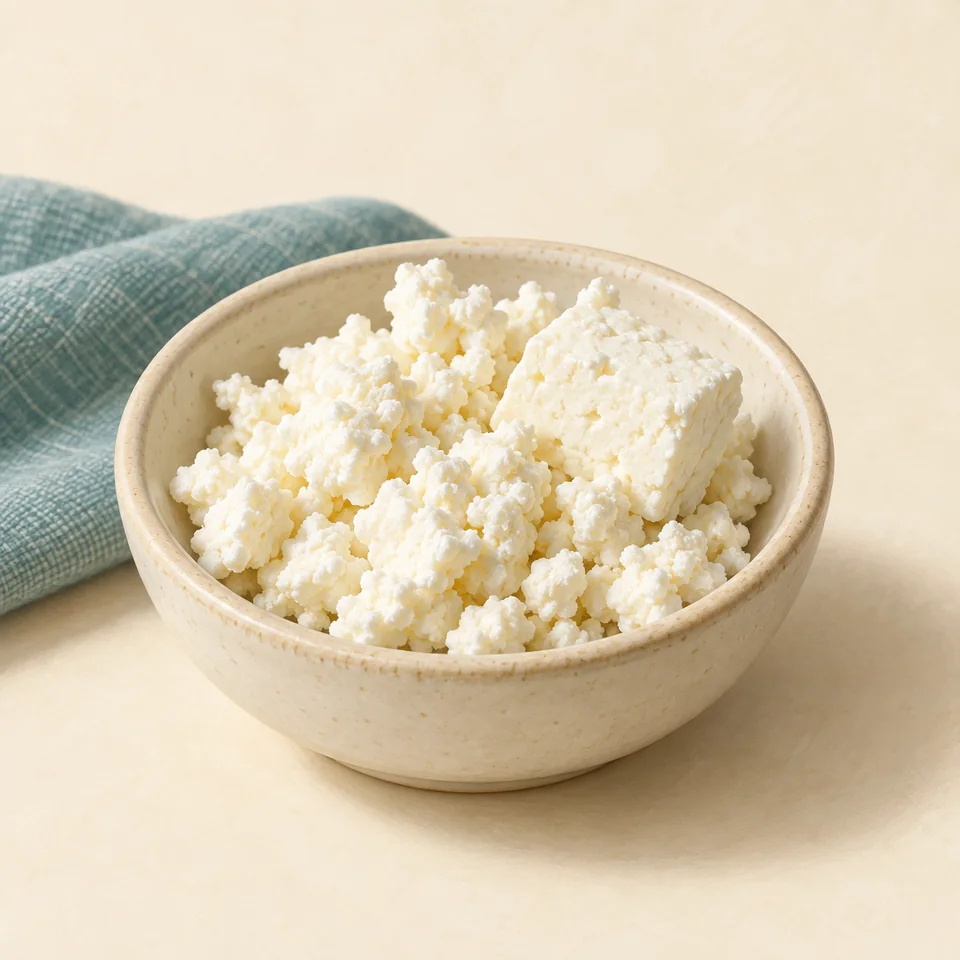
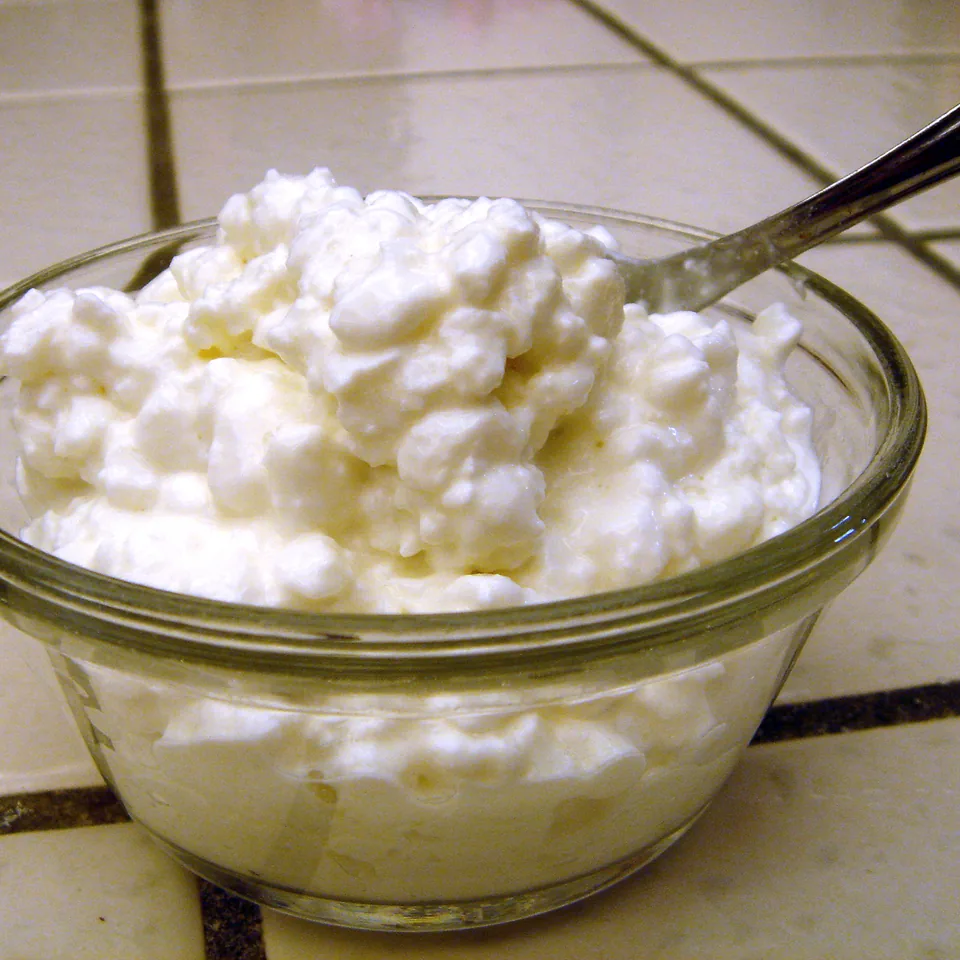
48.19 µg - Cottage cheese
Creamed cottage cheese, large or small curd.
36 µg
All results are sorted before pagination. Bars compare amounts within this search; they do not indicate health benefits. Not reported does not mean zero.
UNDERSTAND THE DATA
The nutrient, in context
How to read this ranking
This page compares Retinol (Retinol), in µg per 100 g of food.
Chemical forms and measurement methods remain separate. “Not reported” means a value is unavailable, not that the food contains zero. A food’s rank does not determine your individual needs or diagnose a deficiency.
This NIH fact sheet discusses the nutrient family. Retinol is the specific USDA measurement on this page. Do not apply family intake recommendations directly to this form or unit; use the definitions, population groups, and food/supplement distinctions in the source.
NIH · OFFICE OF DIETARY SUPPLEMENTS
Vitamin A and Carotenoids: Fact Sheet for Consumers
Original text published by NIH, including intake tables by age and sex, cautions, and the population context the source states. Bitameans has not performed an independent medical review or adapted these recommendations to your personal circumstances.
What are vitamin A and carotenoids and what do they do?
Vitamin A is a fat-soluble vitamin that is naturally present in many foods. Vitamin A is important for normal vision, the immune system, reproduction, and growth and development. Vitamin A also helps your heart, lungs, and other organs work properly. Carotenoids are pigments that give yellow, orange, and red fruits and vegetables their color. Your body is able to convert some carotenoids into vitamin A.
There are two different sources for vitamin A:
- Preformed vitamin A is found in fish, organ meats (such as liver), dairy products, and eggs.
- Provitamin A carotenoids are turned into vitamin A by your body. They are found in fruits, vegetables, and other plant-based products. The most common provitamin A carotenoid in foods and dietary supplements is beta-carotene.
Identity and structure sources
- PubChem Compound 445354: Retinol · Accessed 2026-09-13
- USDA FoodData Central: Foundation Foods Documentation · Accessed 2026-09-13