EXPLORE A NUTRIENT
Potassium
Discover how amounts vary across foods, on a shared basis for comparison.
Understand this nutrient ↓What is it?
The element K is reported in mg; its amount does not identify a particular compound. [1] [2]
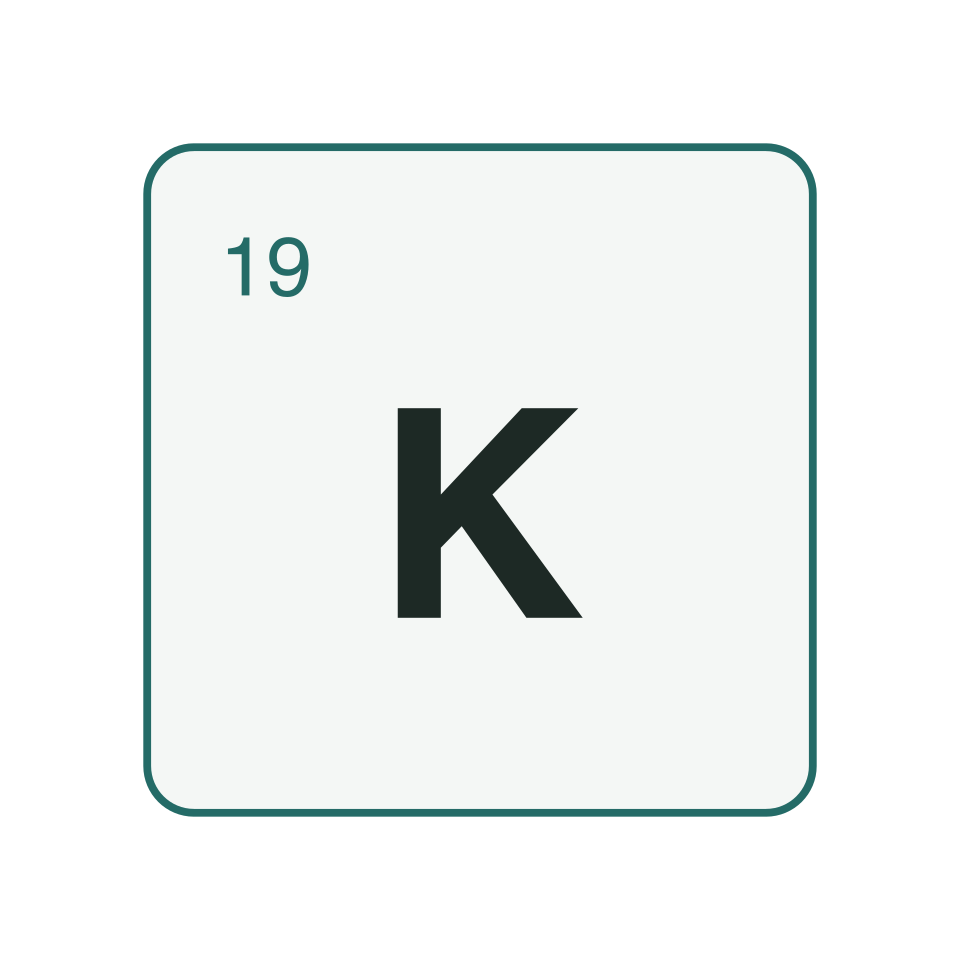
An identity reference, not the appearance of the food.
Description, source and attribution
Element K, atomic number 19. The graphic does not assign an oxidation state or compound to the food measurement.
Original Bitameans element graphic; symbol and atomic number from PubChem. Source · Reuse terms
Source check:
A COMMON BASIS
Foods, per 100 g
205 foods with data 1 not reported, excluded from ranking
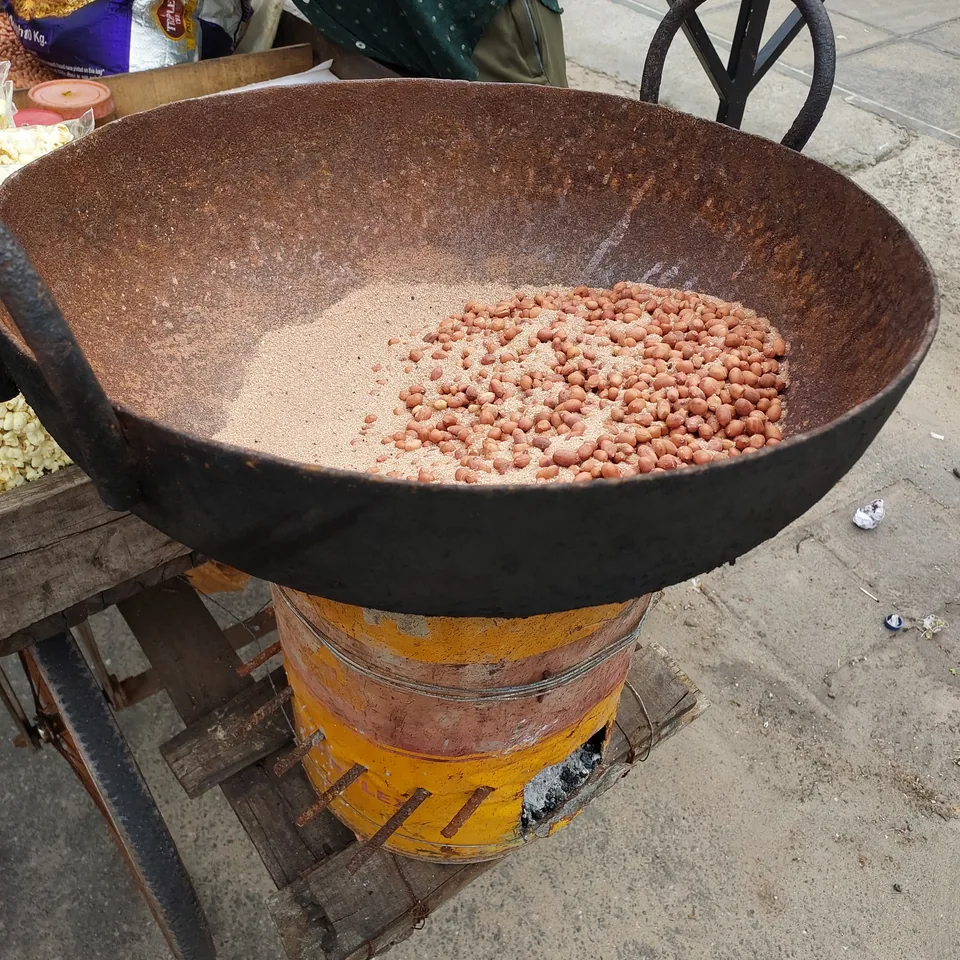
- Peanuts
Peanuts, all types, dry-roasted without salt.
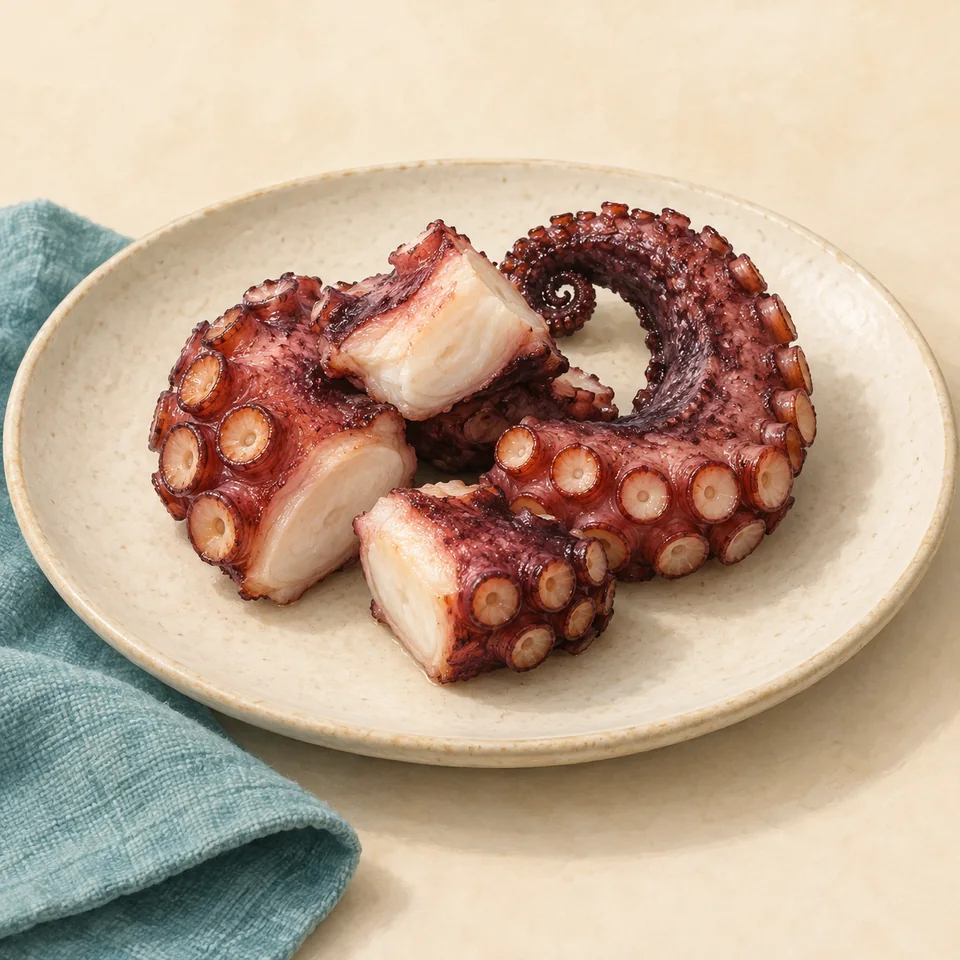
634 mg - Octopus
Mollusks, octopus, common, cooked, moist heat, exactly as identified by USDA.
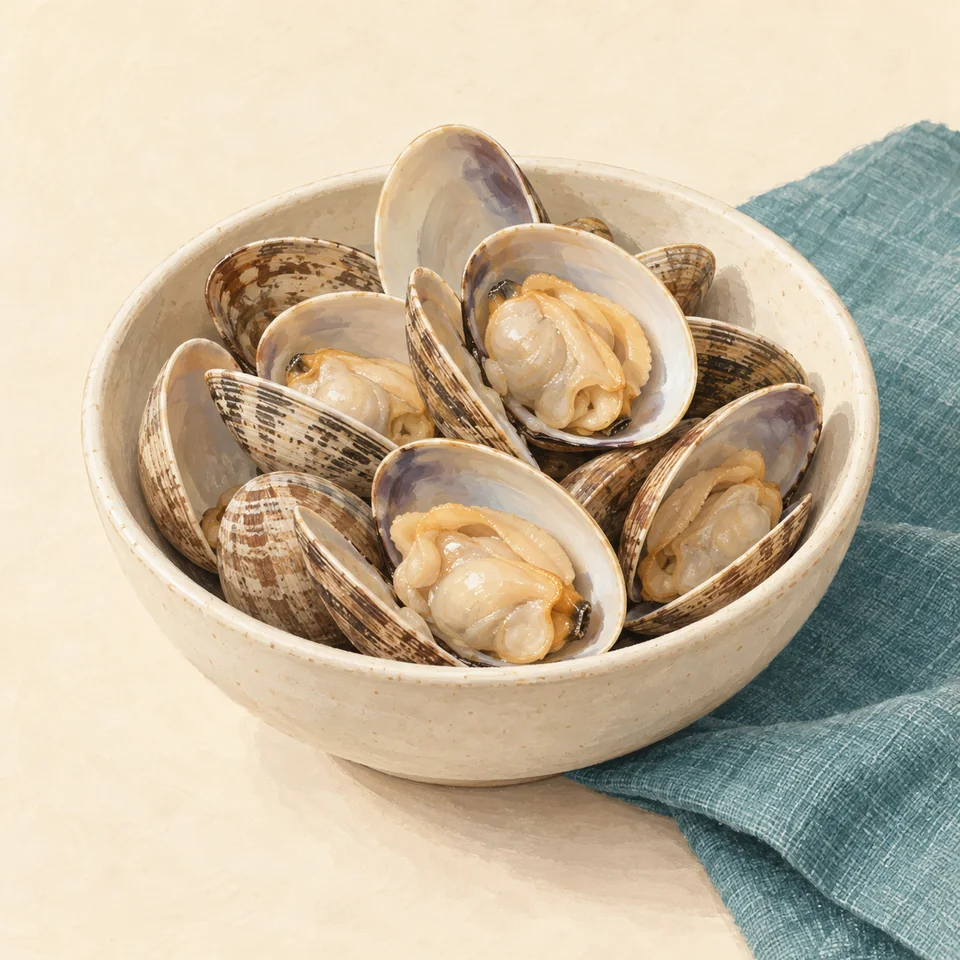
630 mg - Clams
Mollusks, clam, mixed species, cooked, moist heat, exactly as identified by USDA.
628 mg - Tamarind
Raw tamarind, edible pulp.
628 mg - Pine nuts
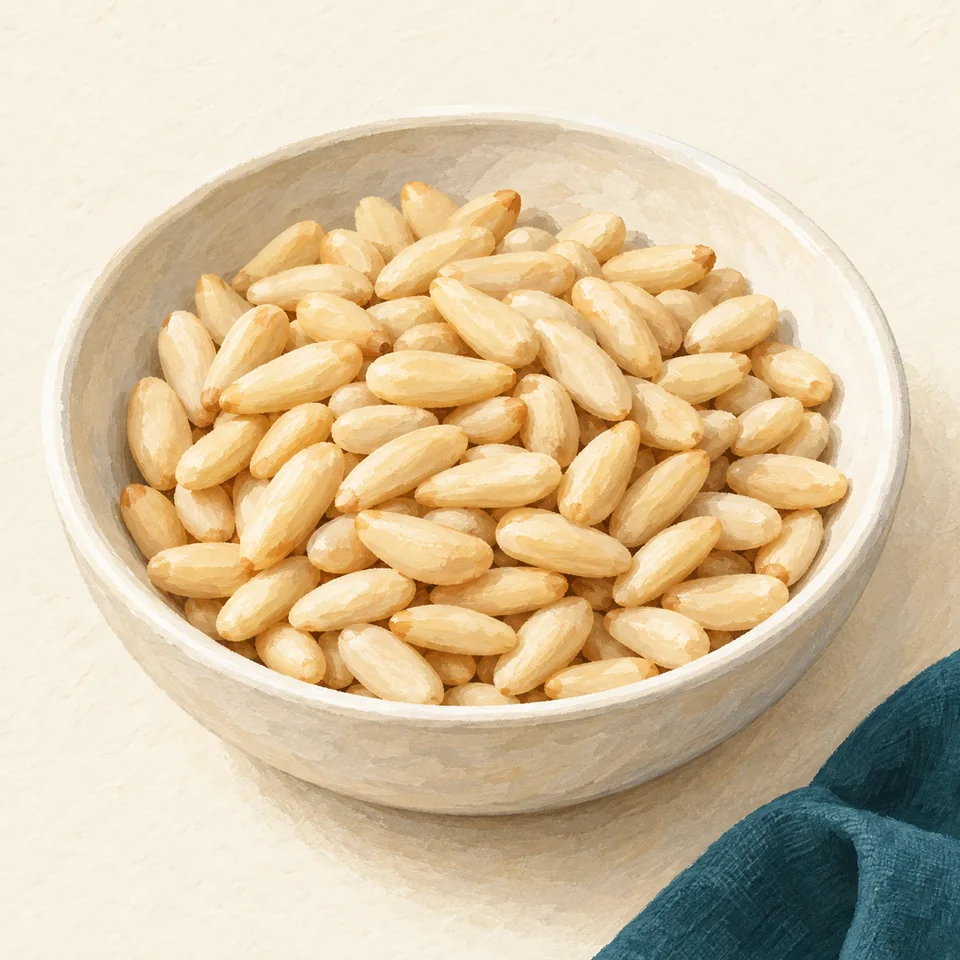
Nuts, pine nuts, dried, exactly as identified by USDA.
597 mg - Chestnuts
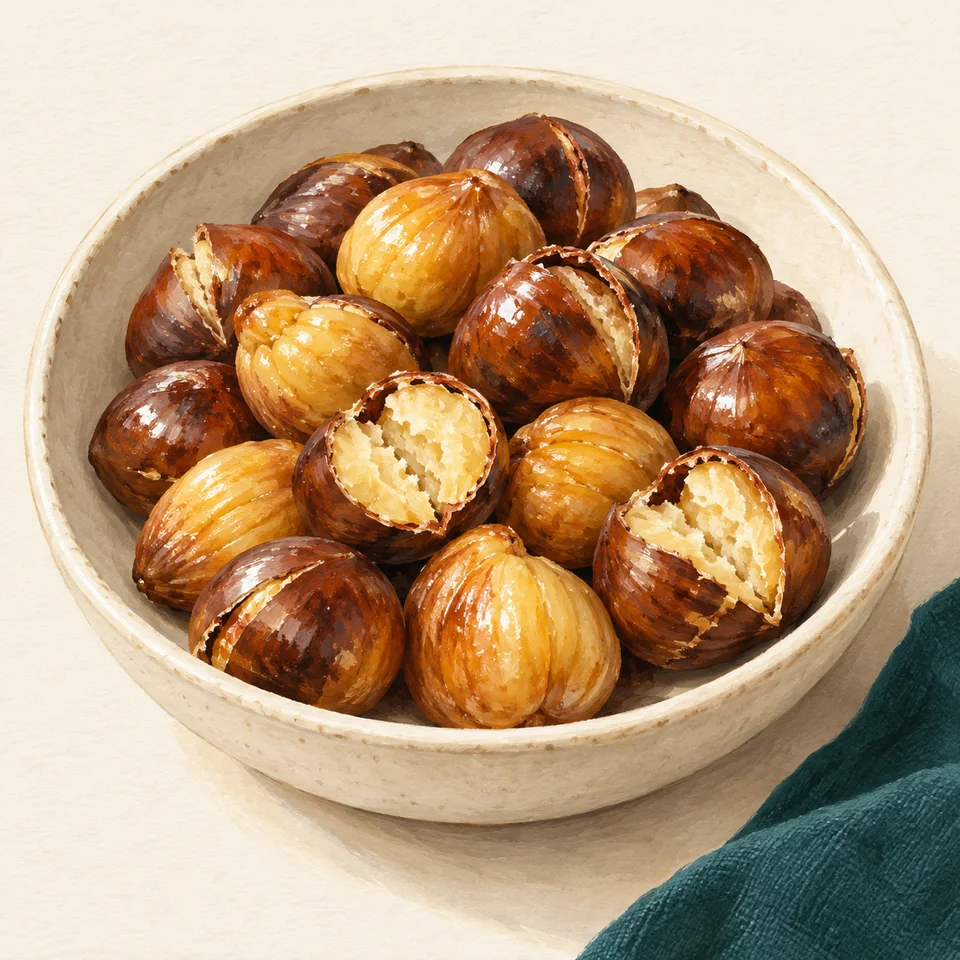
Nuts, chestnuts, european, roasted, exactly as identified by USDA.
592 mg - Hass avocado
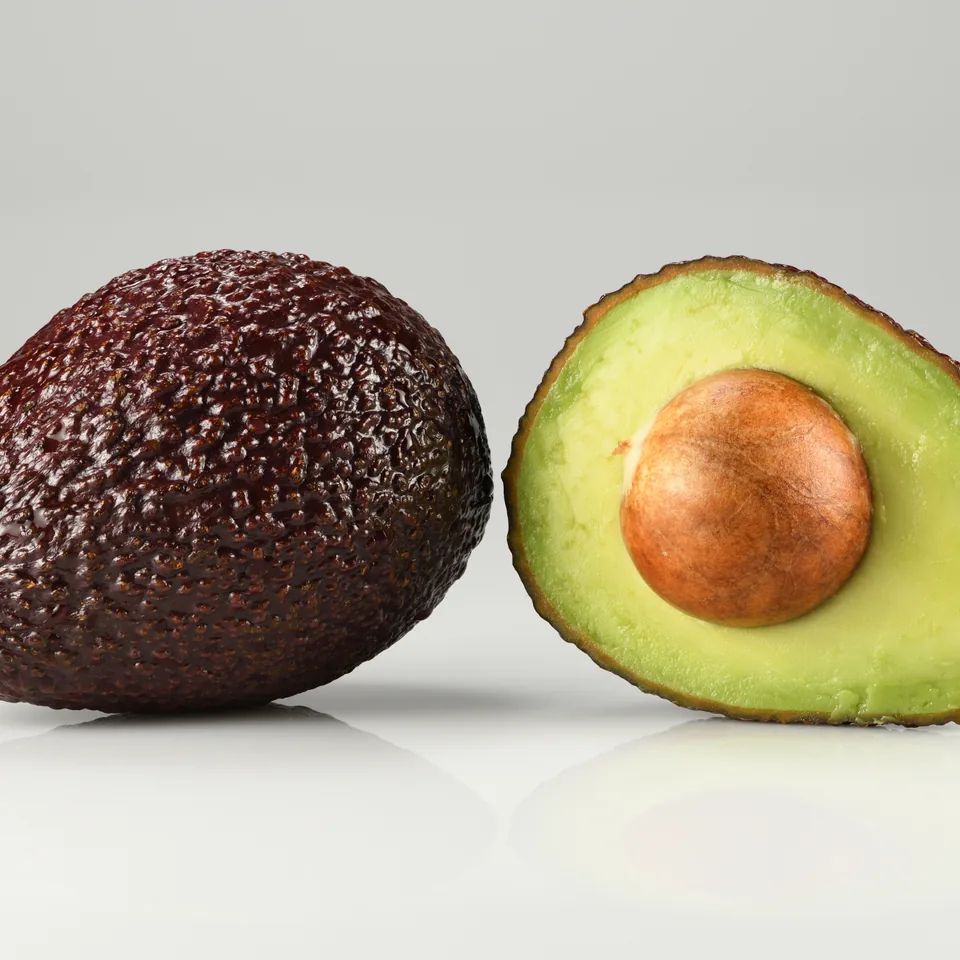
Hass avocado, peeled, raw.
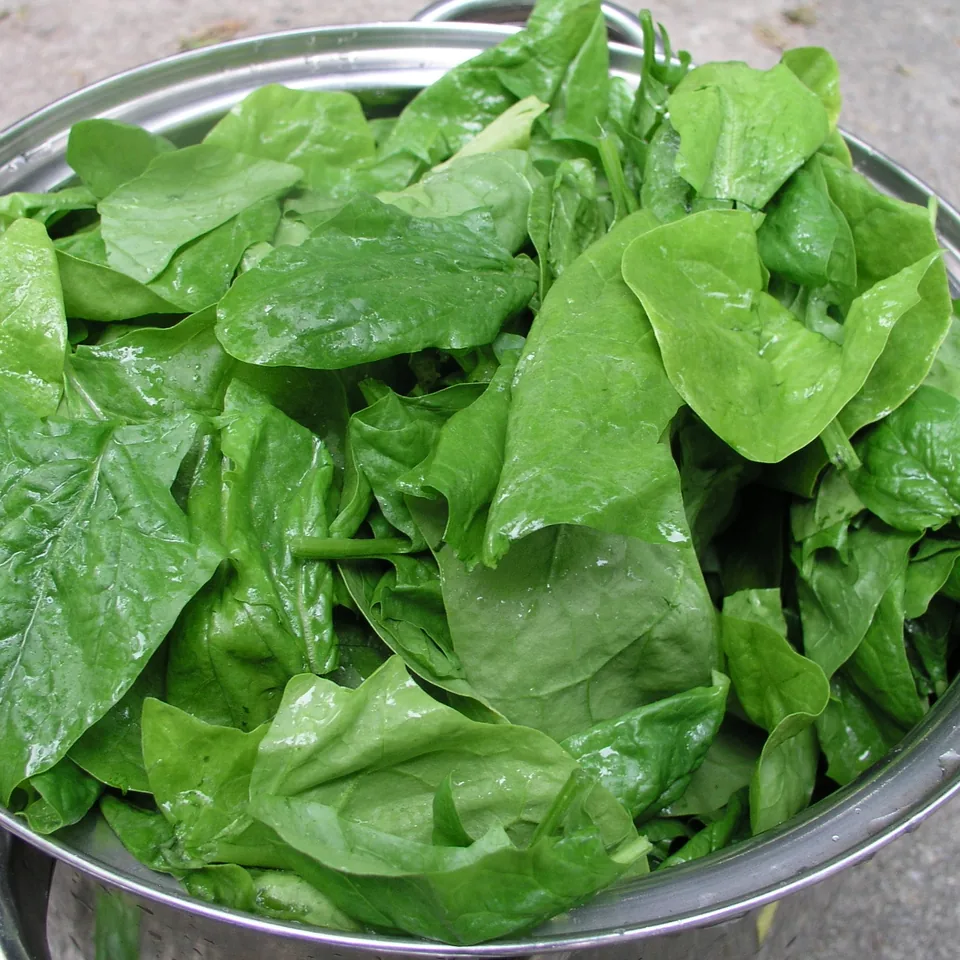
576.4 mg - Spinach
Raw spinach.
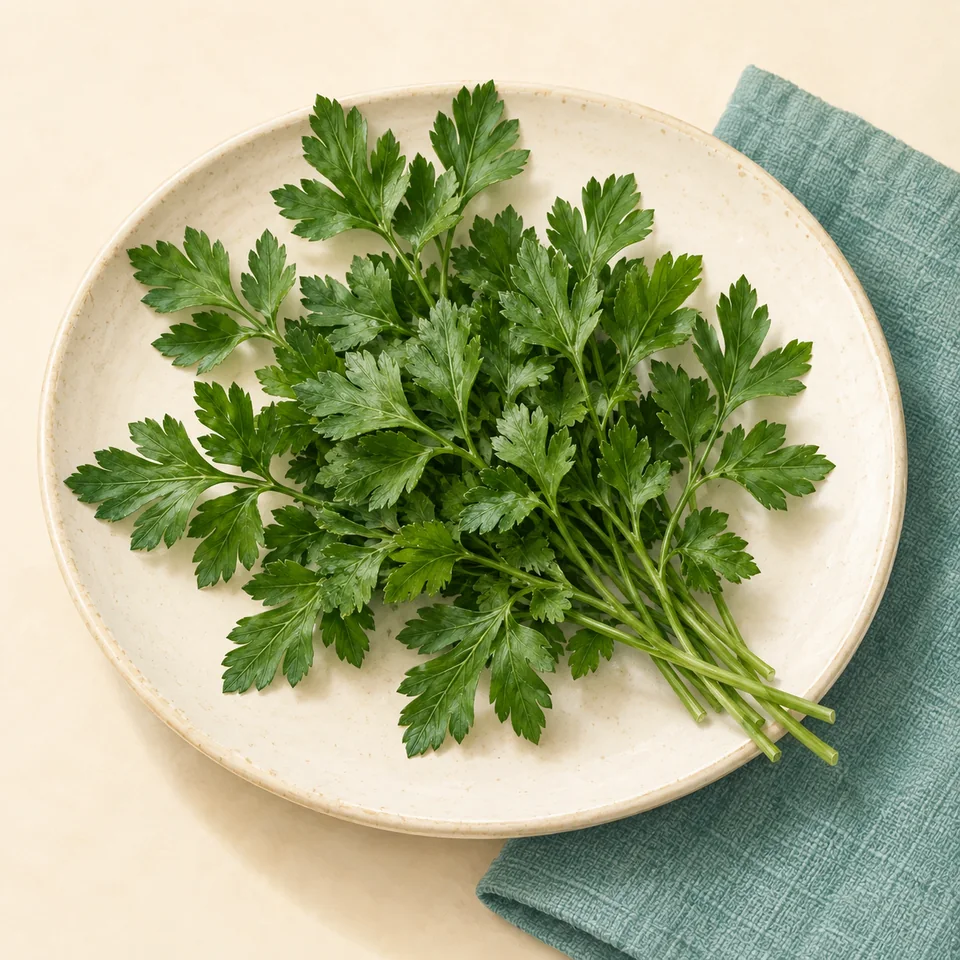
558 mg - Parsley
Parsley, fresh, exactly as identified by USDA.
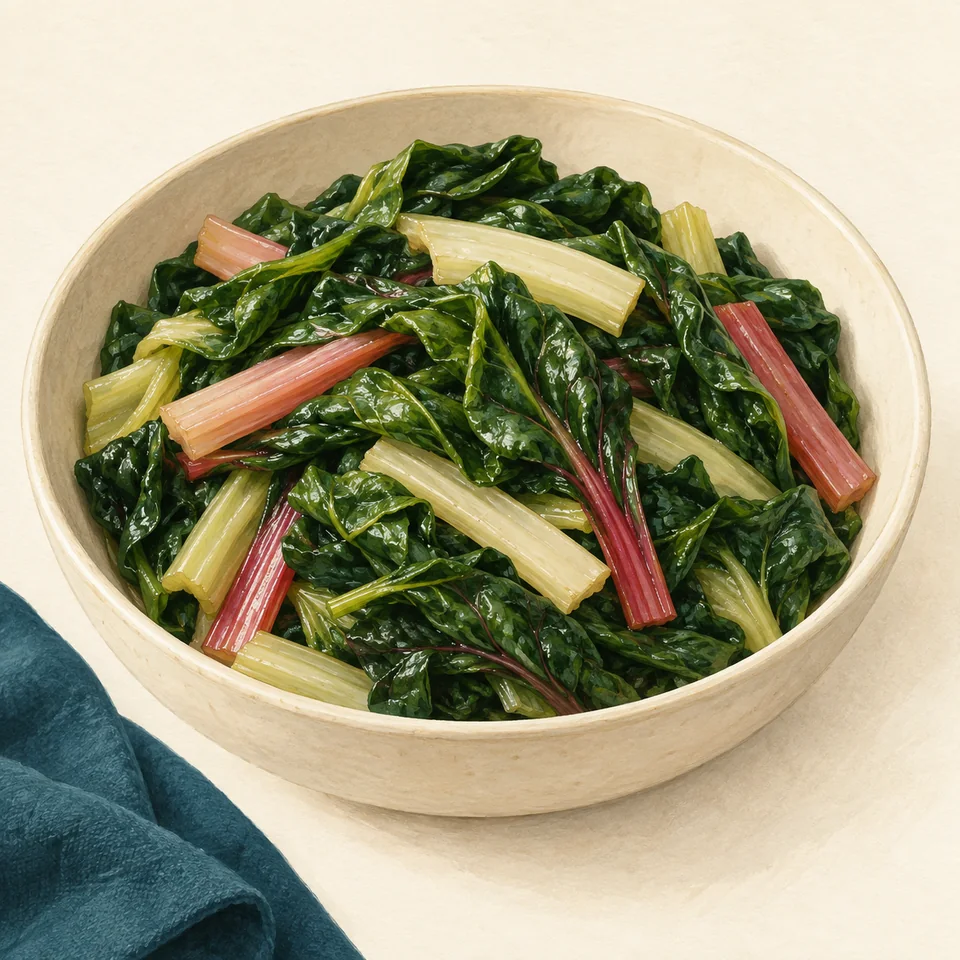
554 mg - Swiss chard
Chard, swiss, cooked, boiled, drained, without salt, exactly as identified by USDA.
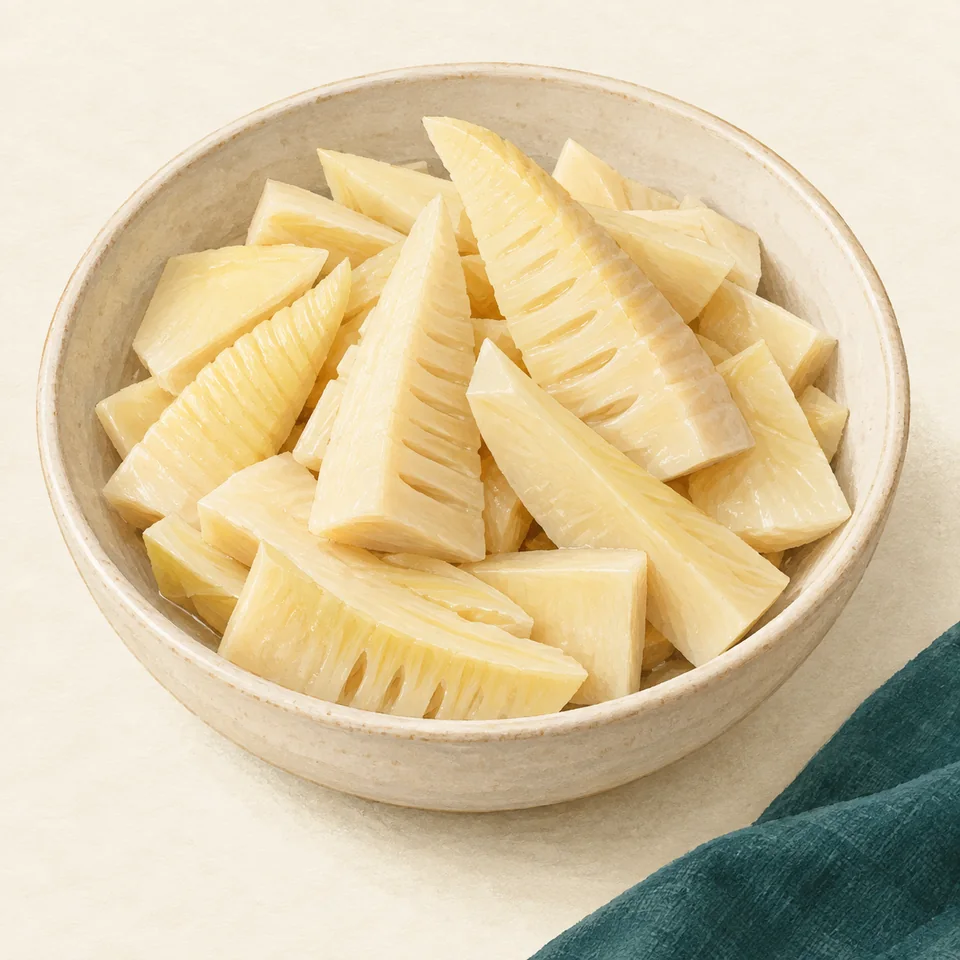
549 mg - Bamboo shoots
Bamboo shoots, cooked, boiled, drained, without salt, exactly as identified by USDA.
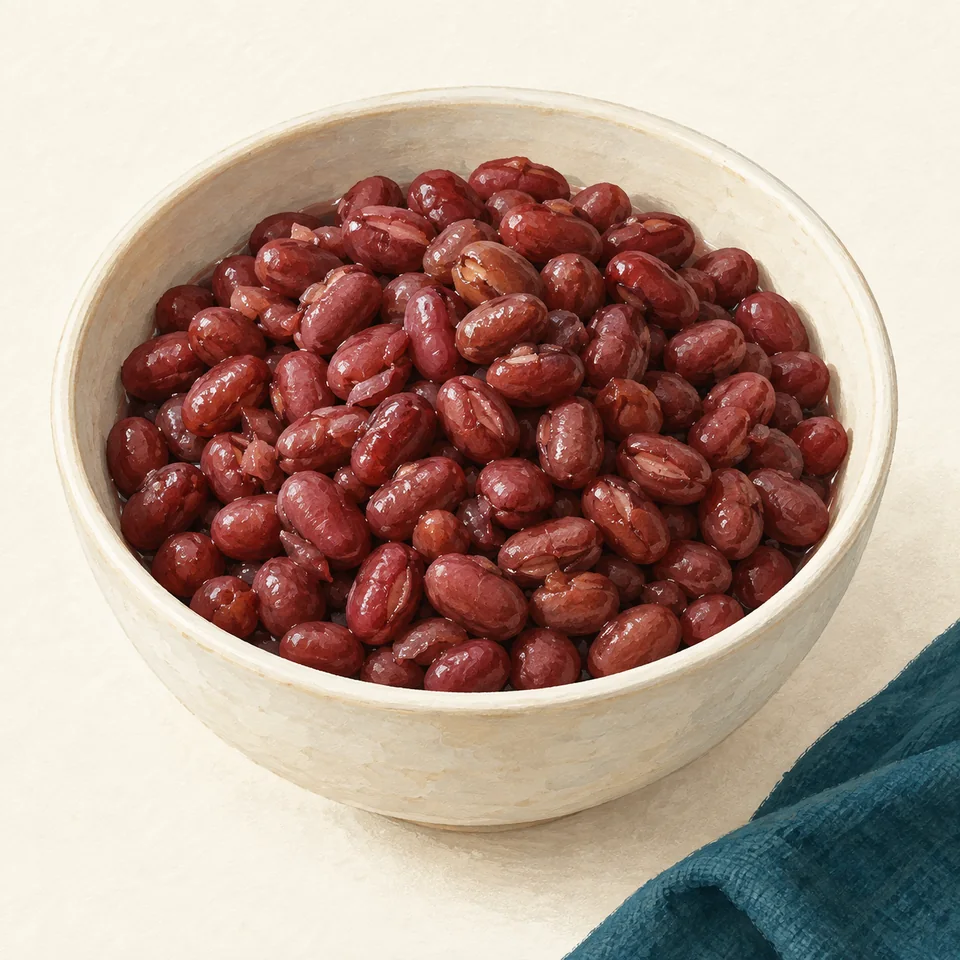
533 mg - Adzuki beans
Beans, adzuki, mature seeds, cooked, boiled, without salt, exactly as identified by USDA.
532 mg
All results are sorted before pagination. Bars compare amounts within this search; they do not indicate health benefits. Not reported does not mean zero.
UNDERSTAND THE DATA
The nutrient, in context
How to read this ranking
This page compares Potassium (Potassium, K), in mg per 100 g of food.
Chemical forms and measurement methods remain separate. “Not reported” means a value is unavailable, not that the food contains zero. A food’s rank does not determine your individual needs or diagnose a deficiency.
This NIH fact sheet concerns this nutrient. Its recommended amounts describe daily intake for the stated population, not a 100 g food portion. Keep food and supplement exposure separate as the source specifies.
NIH · OFFICE OF DIETARY SUPPLEMENTS
Potassium: Fact Sheet for Consumers
Original text published by NIH, including intake tables by age and sex, cautions, and the population context the source states. Bitameans has not performed an independent medical review or adapted these recommendations to your personal circumstances.
What is potassium and what does it do?
Potassium is a mineral found in many foods. Your body needs potassium for almost everything it does, including proper kidney and heart function, muscle contraction, and nerve transmission.
How much potassium do I need?
The amount of potassium you need each day depends on your age and sex. Average daily recommended amounts are listed below in milligrams (mg).
| Life Stage | Recommended Amount |
|---|---|
| Birth to 6 months | 400 mg |
| Infants 7–12 months |
Identity and structure sources
- PubChem Periodic Table of Elements · Accessed 2026-09-13
- USDA FoodData Central: Foundation Foods Documentation · Accessed 2026-09-13