EXPLORE A NUTRIENT
Ash
Discover how amounts vary across foods, on a shared basis for comparison.
Understand this nutrient ↓What is it?
Ash is the inorganic residue used in proximate food analysis, not a single compound. [1]

A conceptual representation, not a molecular structure.
Description, source and attribution
A conceptual grouping, not a molecular structure. This reporting category contains multiple components or represents a calculated quantity.
Original Bitameans conceptual/fallback artwork; not a chemical structure. Source · Reuse terms
Source check:
A COMMON BASIS
Foods, per 100 g
205 foods with data 1 not reported, excluded from ranking
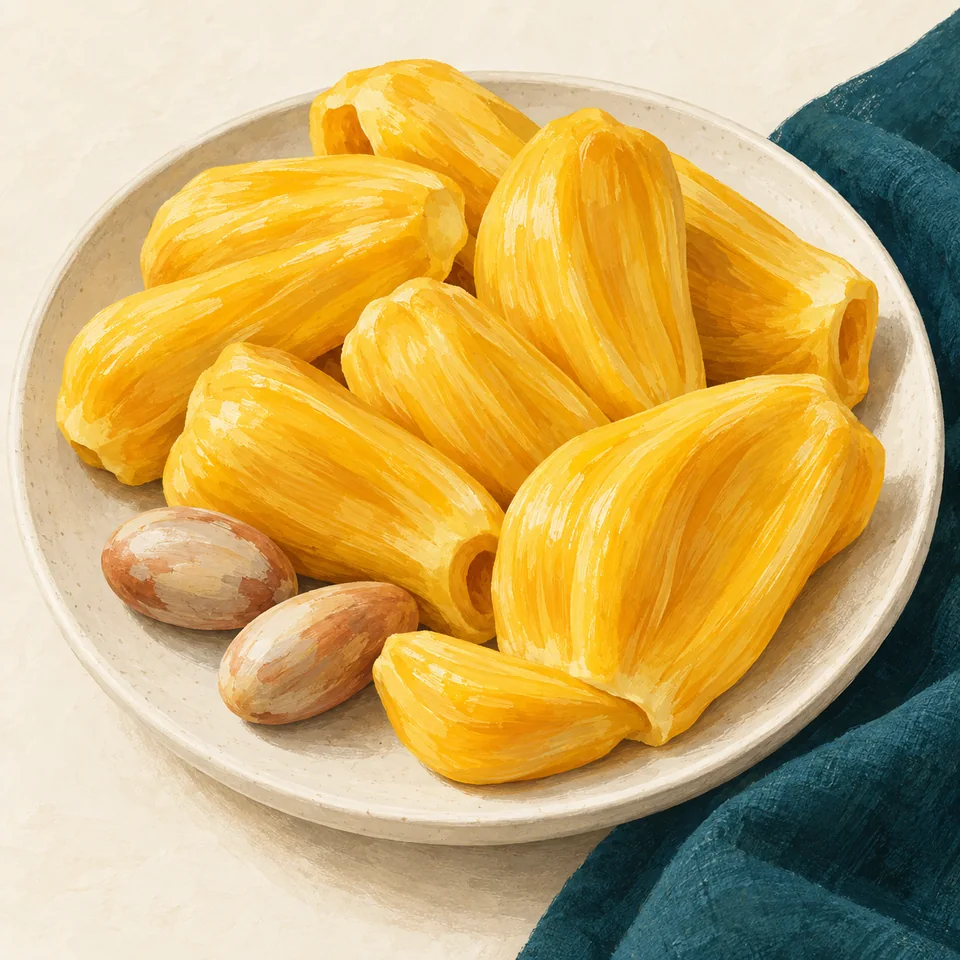
- Jackfruit
Jackfruit, raw, exactly as identified by USDA.
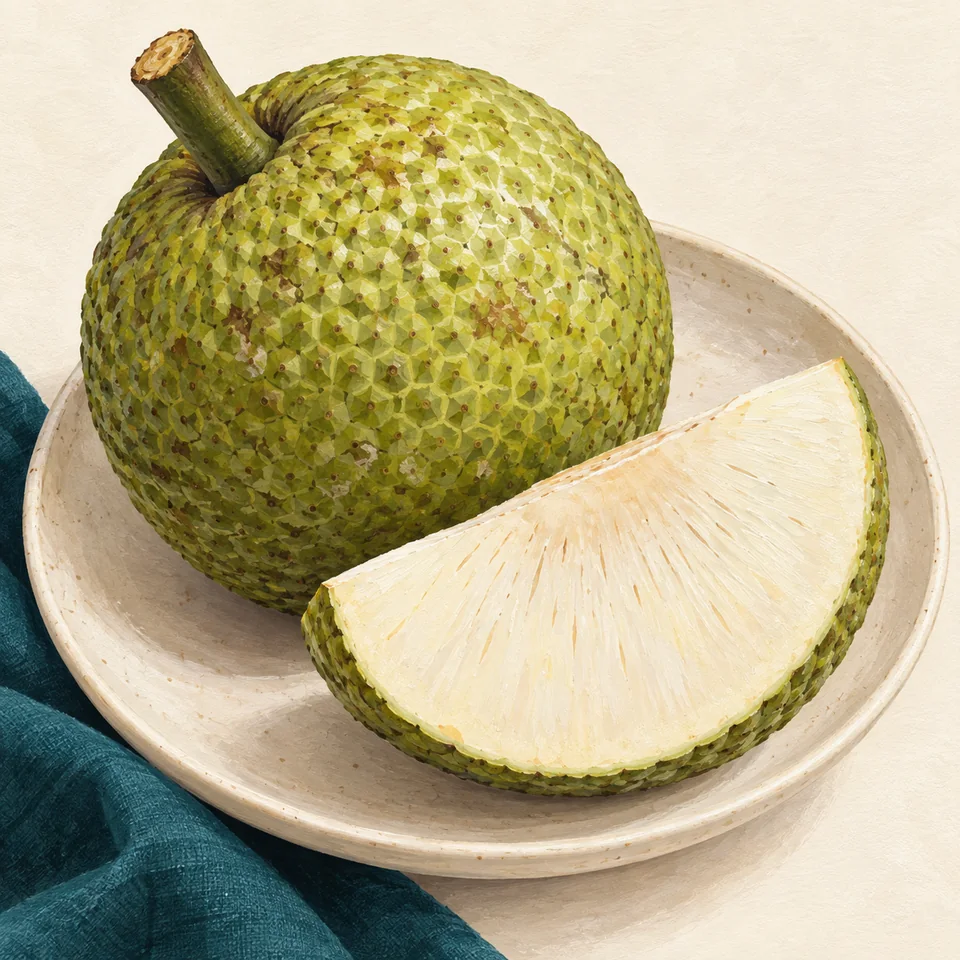
0.94 g - Breadfruit
Breadfruit, raw, exactly as identified by USDA.
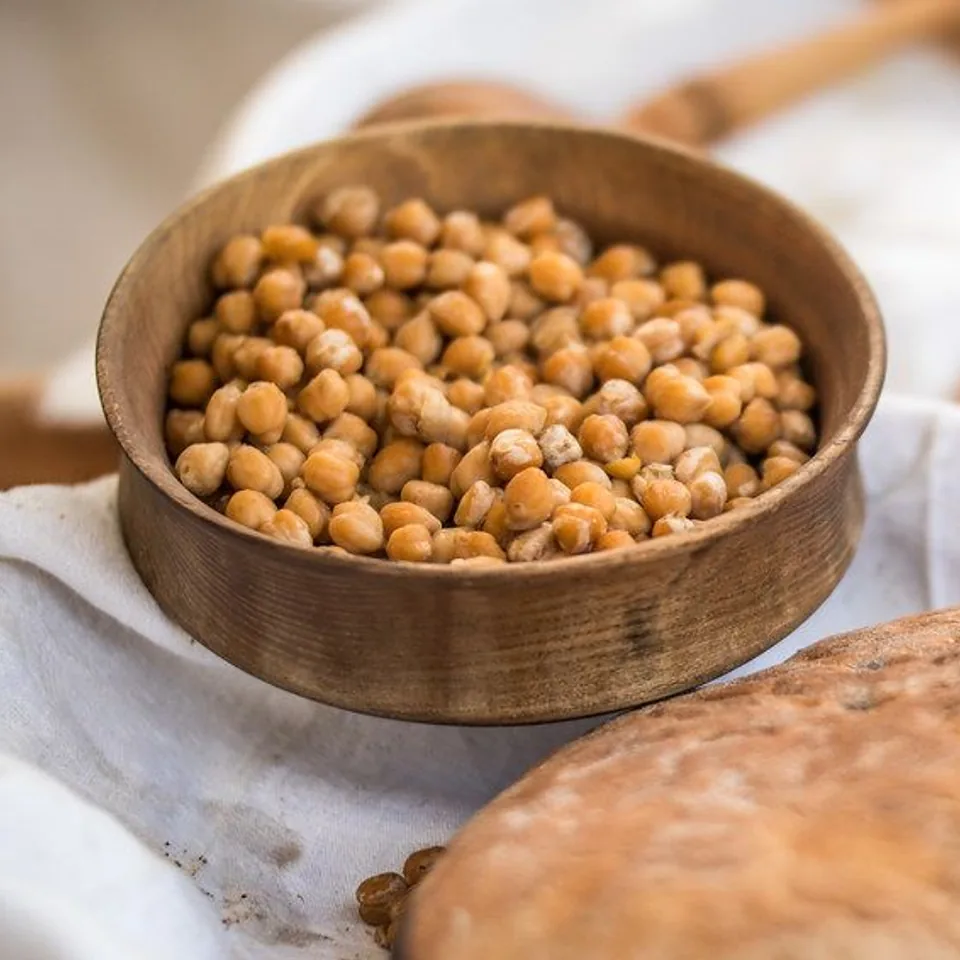
0.93 g - Chickpeas
Mature chickpeas, boiled without salt.
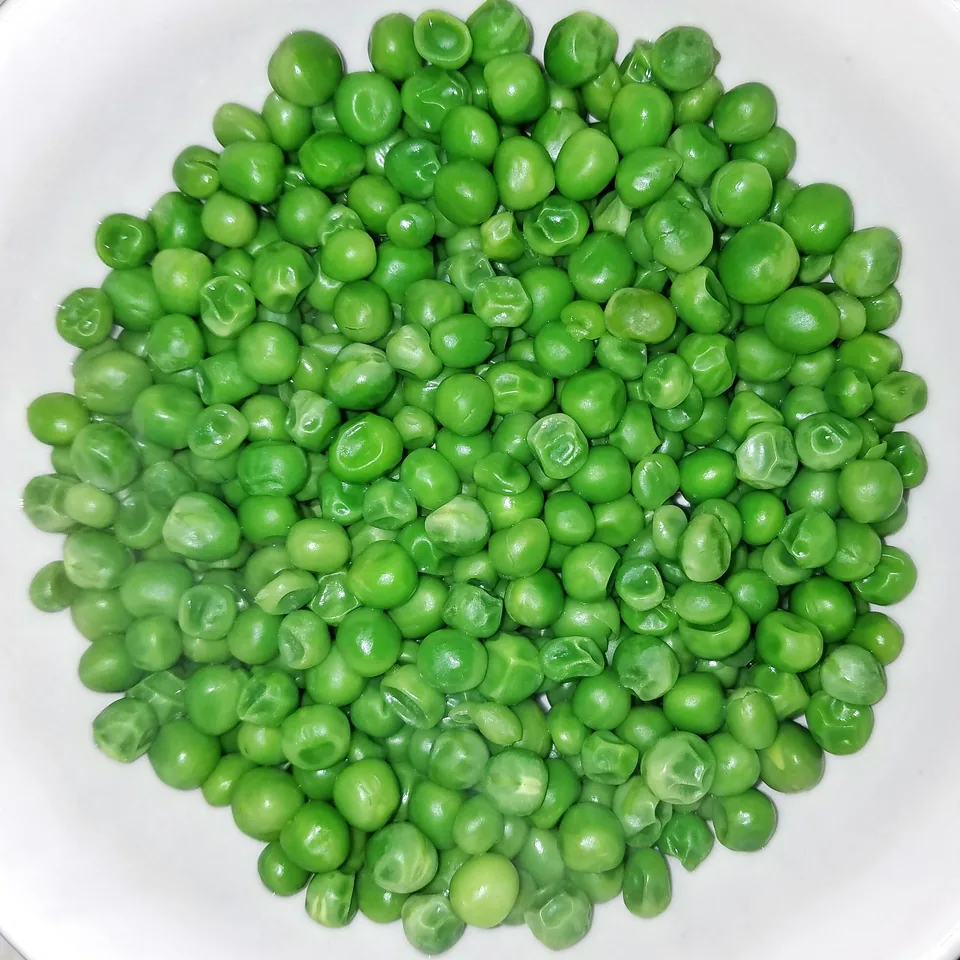
0.92 g - Green peas
Green peas, boiled, drained, without salt.
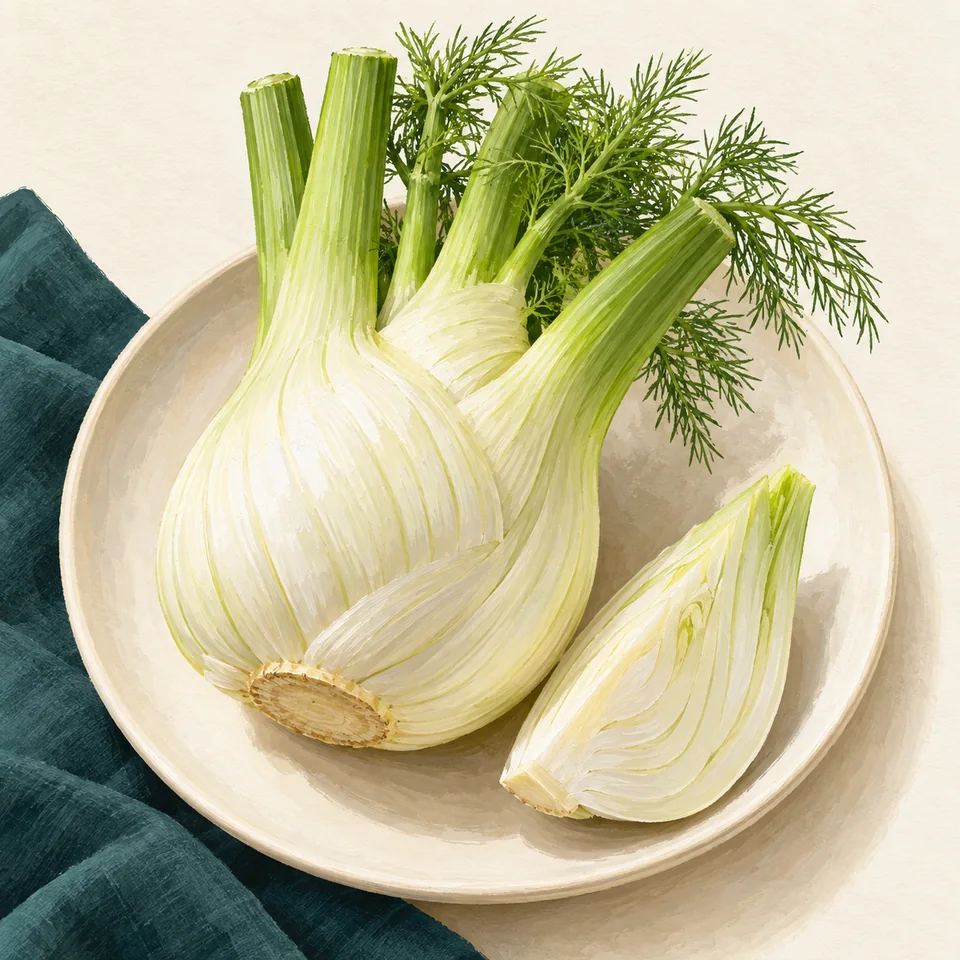
0.92 g - Fennel bulb
Fennel, bulb, raw, exactly as identified by USDA.
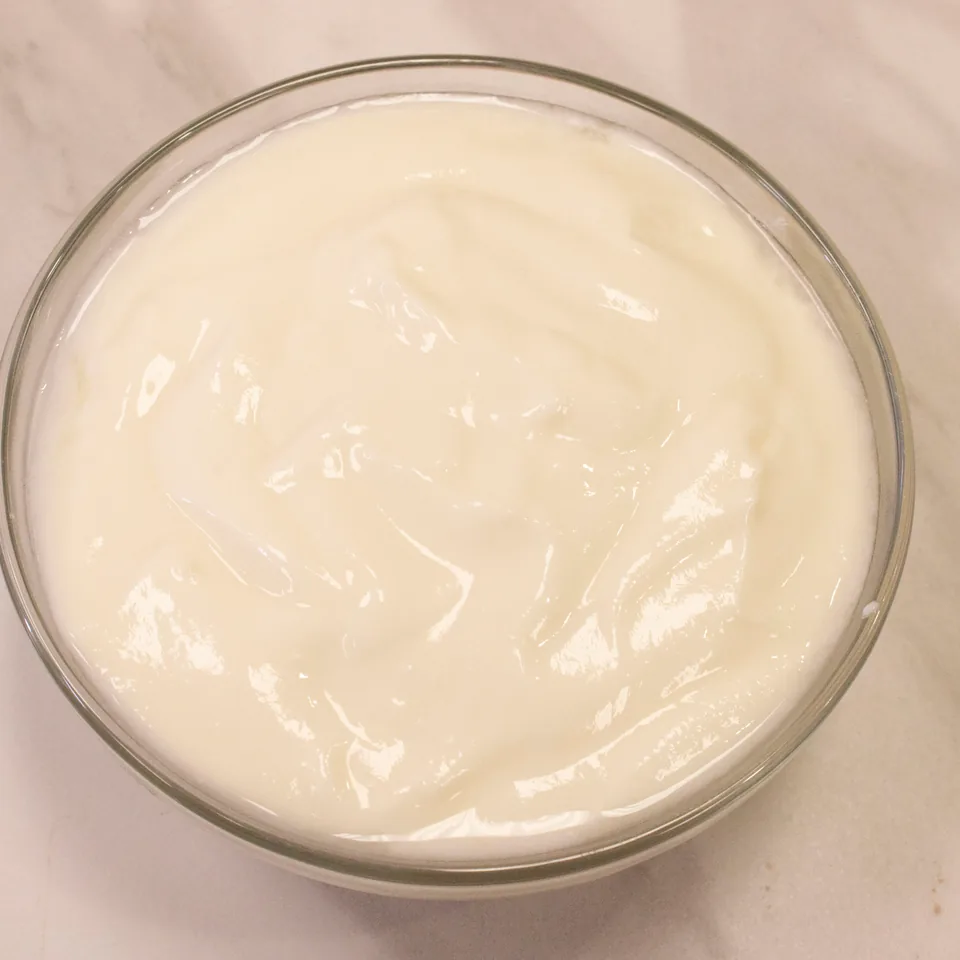
0.8619 g - Plain yogurt
Plain whole-milk yogurt.
0.8469 g - Okra
Okra, boiled, drained, without salt.
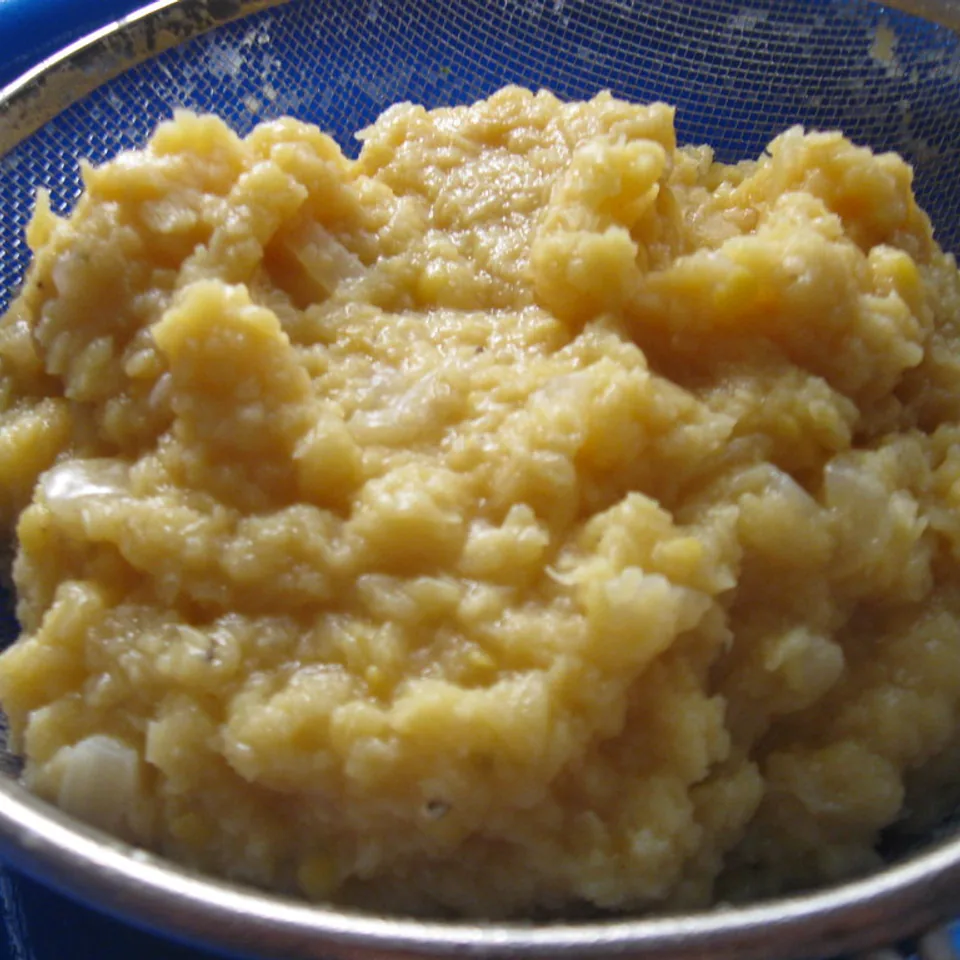
0.84 g - Lentils
Mature lentils, boiled without salt.
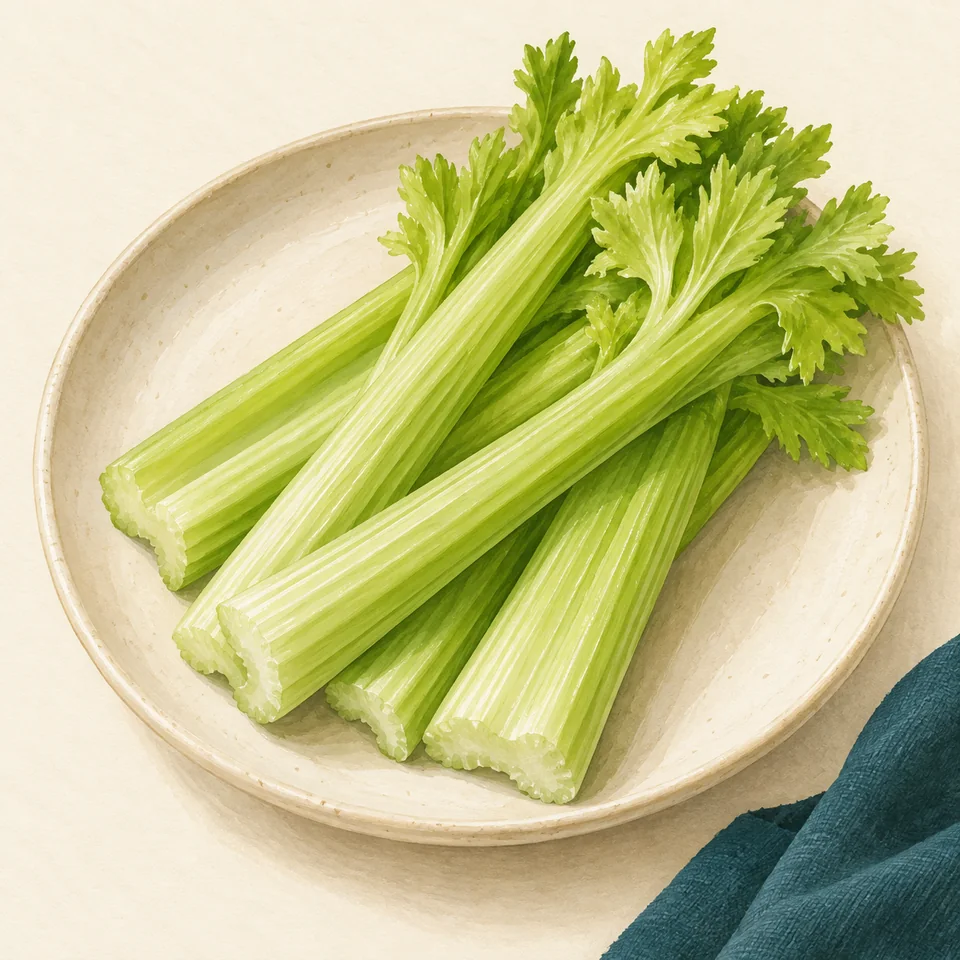
0.83 g - Celery
Celery, raw, exactly as identified by USDA.
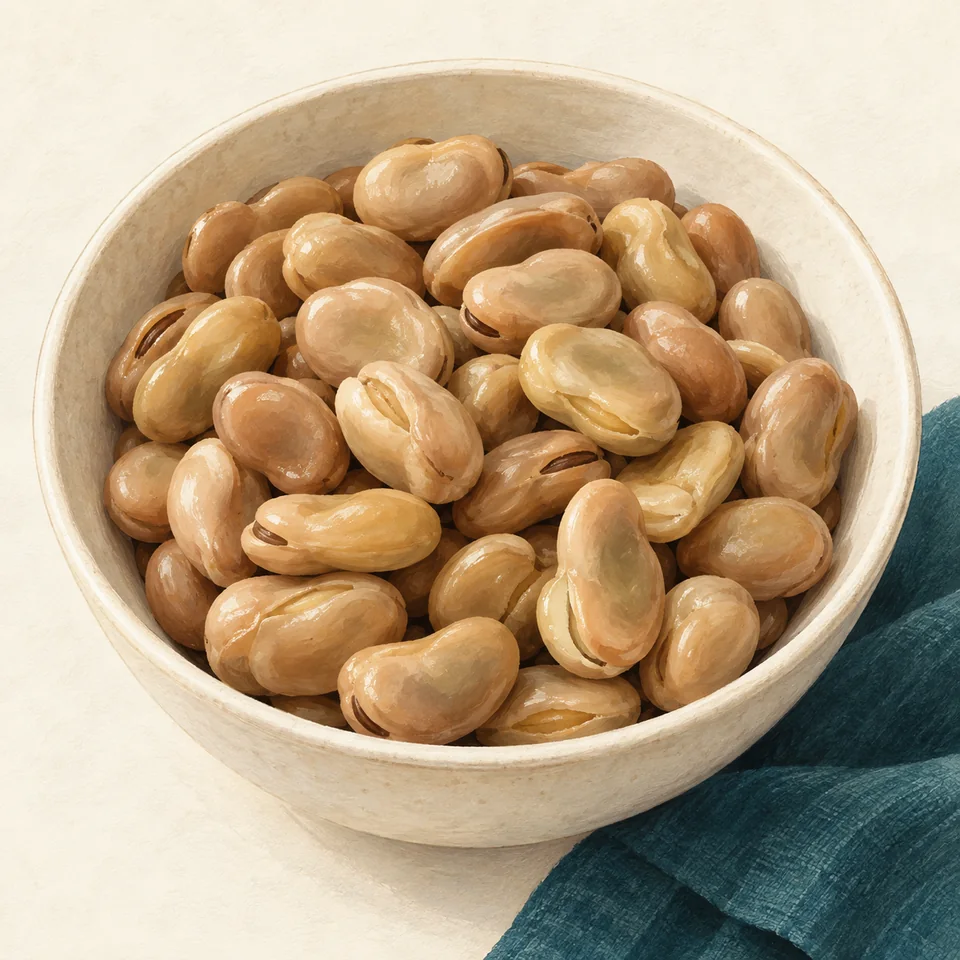
0.8288 g - Fava beans
Broadbeans (fava beans), mature seeds, cooked, boiled, without salt, exactly as identified by USDA.
0.81 g - Whole milk
Whole cow's milk, 3.25% milkfat, with added vitamin D.
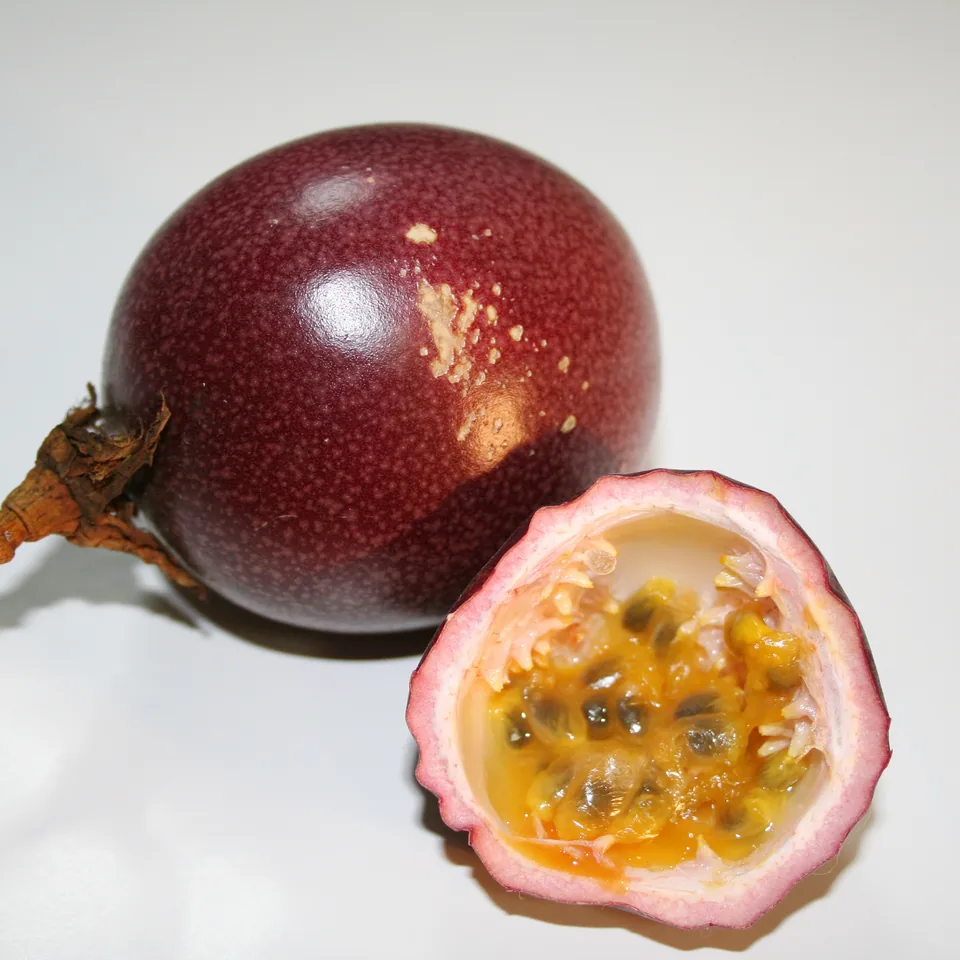
0.8 g - Purple passion fruit
Purple passion fruit, raw; not yellow passion-fruit juice or sweet granadilla.
0.8 g


All results are sorted before pagination. Bars compare amounts within this search; they do not indicate health benefits. Not reported does not mean zero.
UNDERSTAND THE DATA
What it means for your diet
This USDA analytical category is not a single nutrient with one intake target. Ash is the residue from food analysis, not a dose of a specific mineral. The source below explains minerals generally; individual mineral amounts must be assessed separately.
Ranking amounts describe foods, not supplement doses. A high rank does not mean you should consume more. Source recommendations and cautions retain their original population and scope.
Minerals [1]
Source: MedlinePlus, National Library of Medicine. Original health-topic summary, reproduced with attribution.
Minerals are important for your body to stay healthy. Your body uses minerals for many different jobs, including keeping your bones, muscles, heart, and brain working properly. Minerals are also important for making enzymes and hormones.
There are two kinds of minerals: macrominerals and trace minerals. You need larger amounts of macrominerals. They include calcium, phosphorus, magnesium, sodium, potassium, chloride and sulfur. You only need small amounts of trace minerals. They include iron, manganese, copper, iodine, zinc, cobalt, fluoride and selenium.
Most people get the amount of minerals they need by eating a wide variety of foods. In some cases, your doctor may recommend a mineral supplement. People who have certain health problems or take some medicines may need to get less of one of the minerals. For example, people with chronic kidney disease need to limit foods that are high in potassium.
Identity and structure sources
- USDA FoodData Central: Foundation Foods Documentation · Accessed 2026-09-13