EXPLORE A NUTRIENT
Iron
Discover how amounts vary across foods, on a shared basis for comparison.
Understand this nutrient ↓What is it?
The element Fe is reported in mg; its amount does not identify a particular compound. [1] [2]
An identity reference, not the appearance of the food.
Description, source and attribution
Element Fe, atomic number 26. The graphic does not assign an oxidation state or compound to the food measurement.
Original Bitameans element graphic; symbol and atomic number from PubChem. Source · Reuse terms
Source check:
A COMMON BASIS
Foods, per 100 g
187 foods with data 19 not reported, excluded from ranking
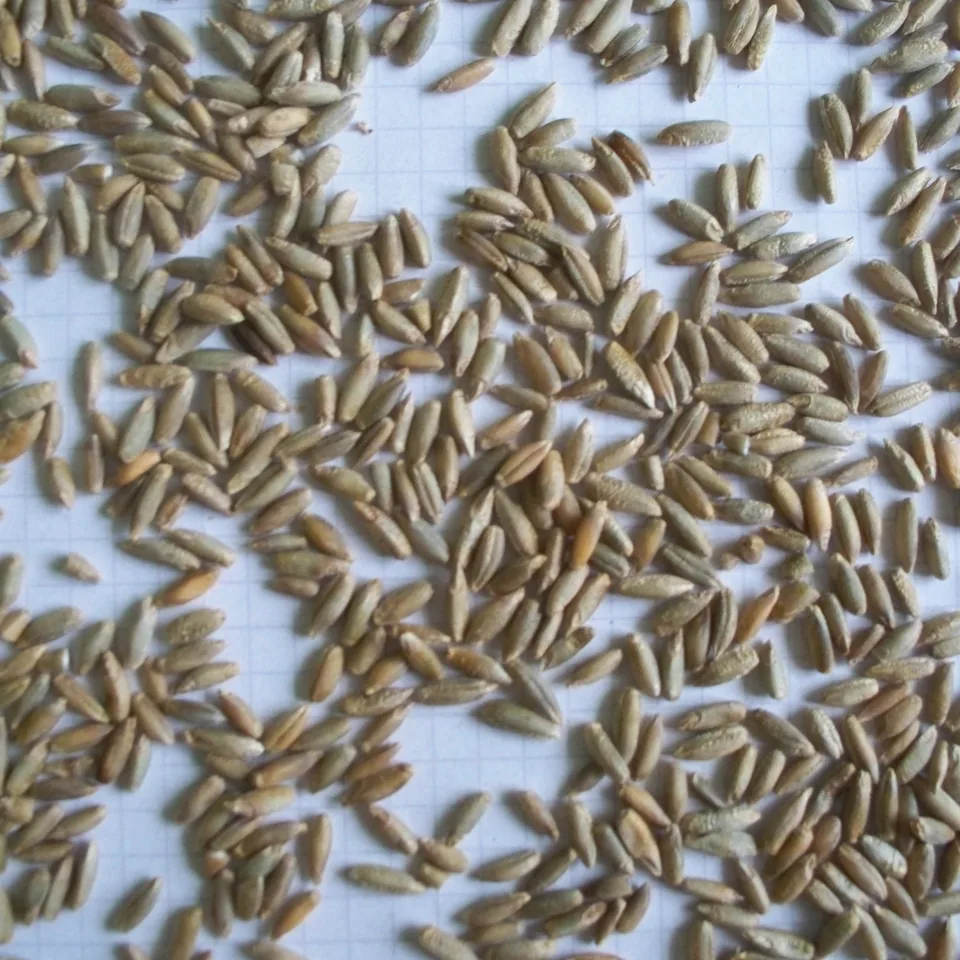
- Rye grain
Rye grain, unprepared; not cooked rye bread.
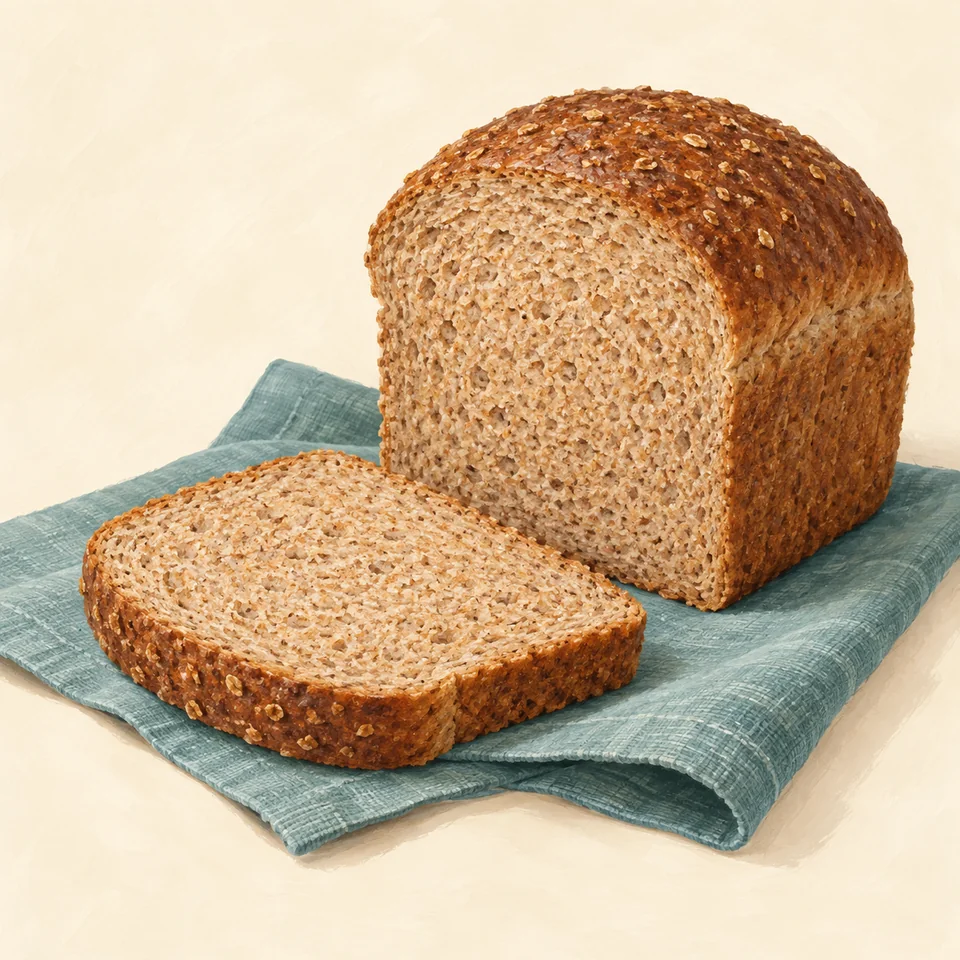
2.63 mg - Whole-wheat bread
Bread, whole-wheat, commercially prepared, exactly as identified by USDA.
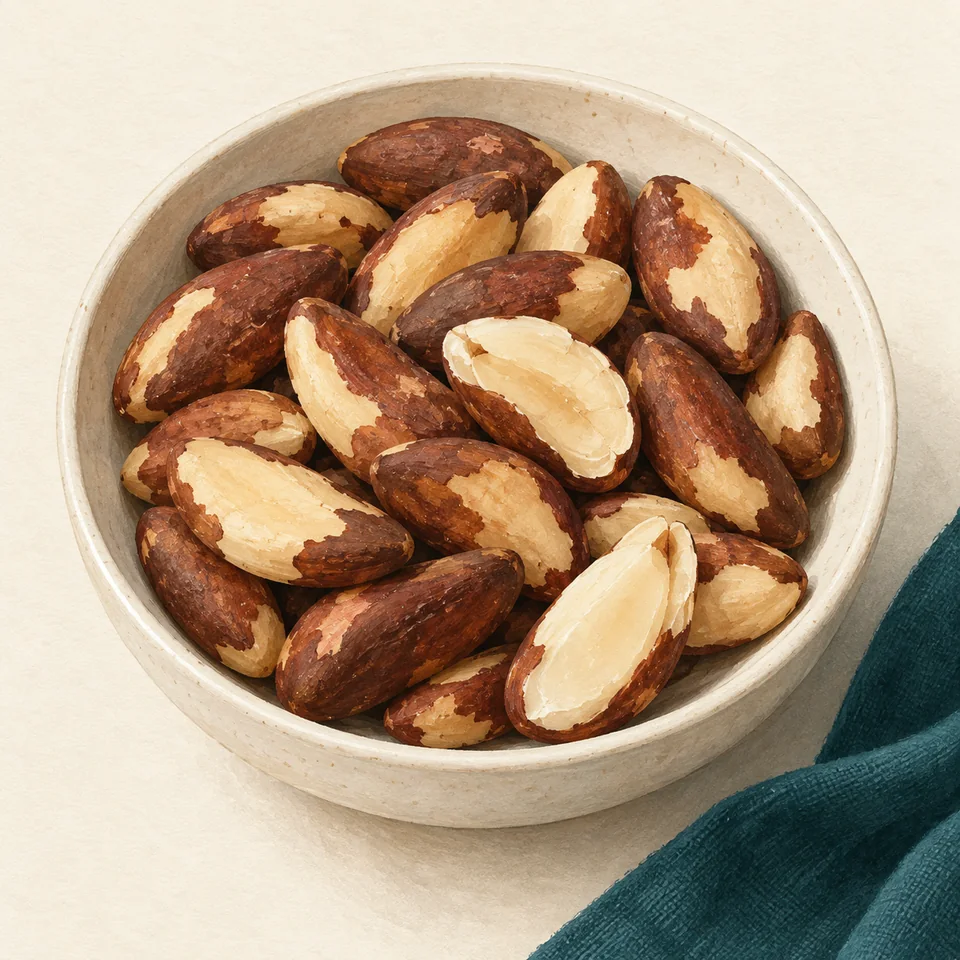
2.47 mg - Brazil nuts
Nuts, brazilnuts, dried, unblanched, exactly as identified by USDA.
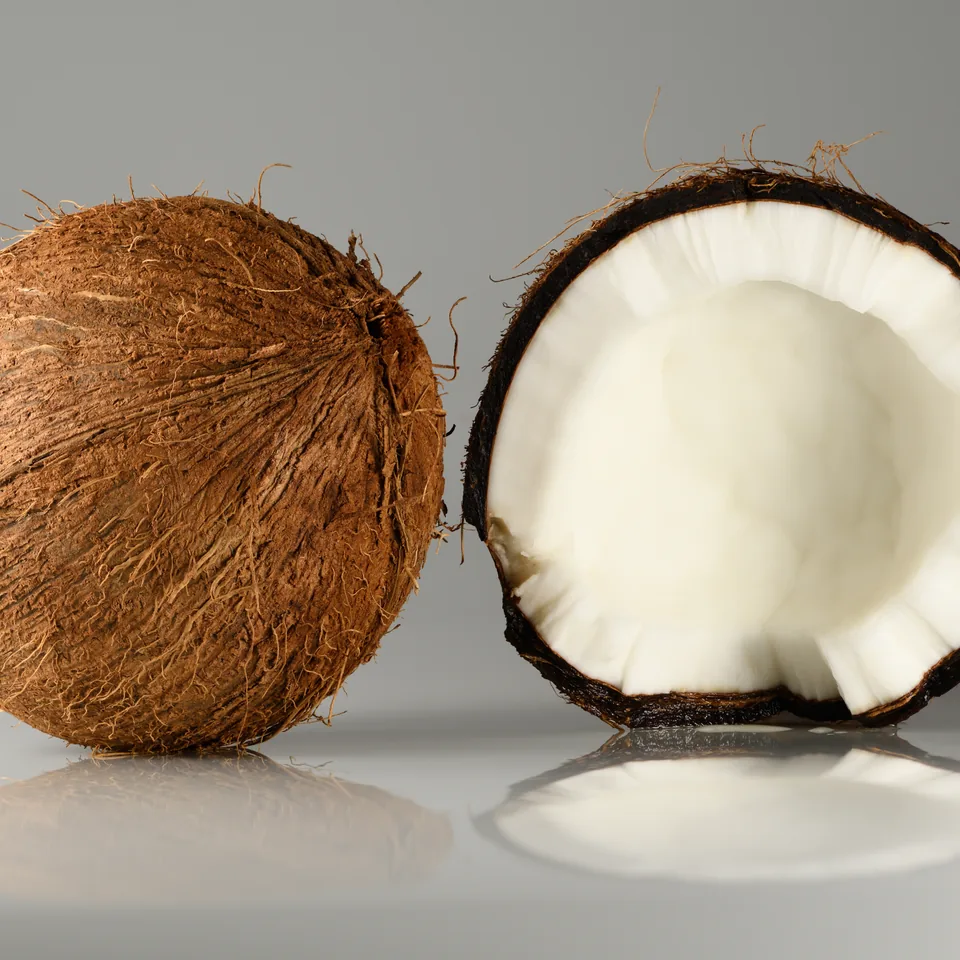
2.43 mg - Coconut
Raw coconut flesh.
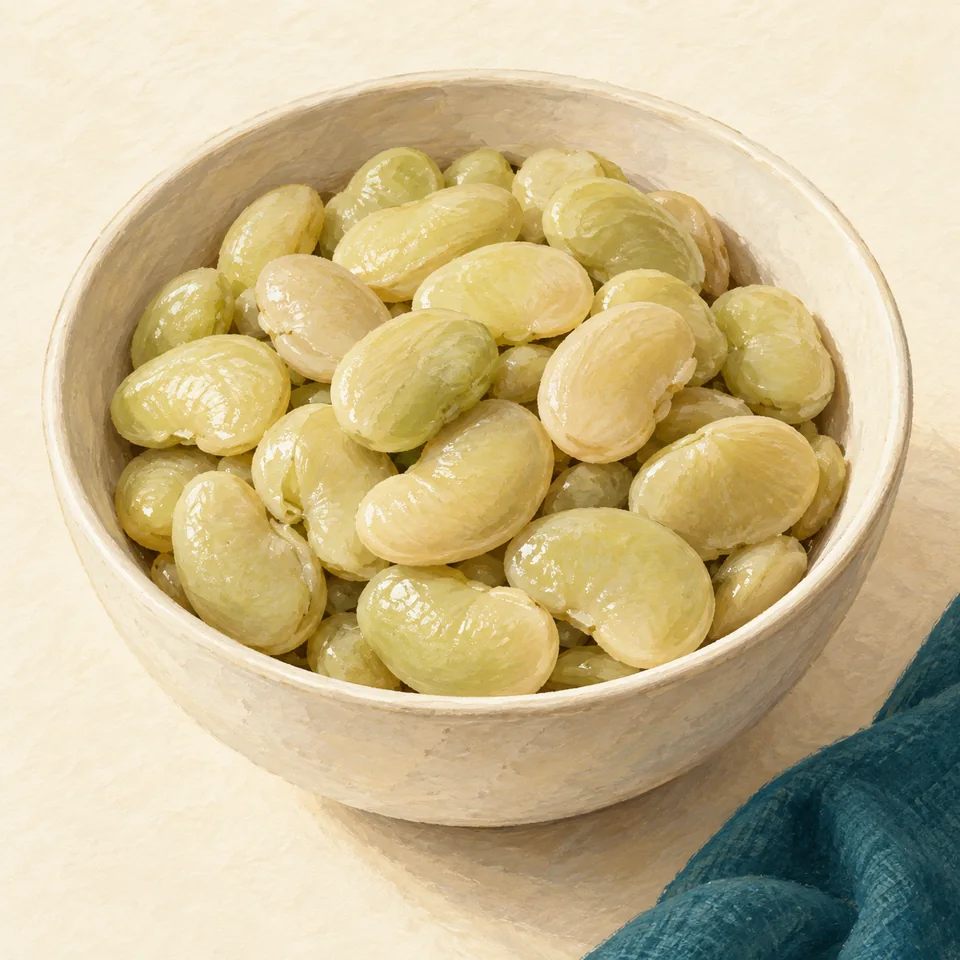
2.43 mg - Lima beans
Large mature lima beans, boiled without salt.
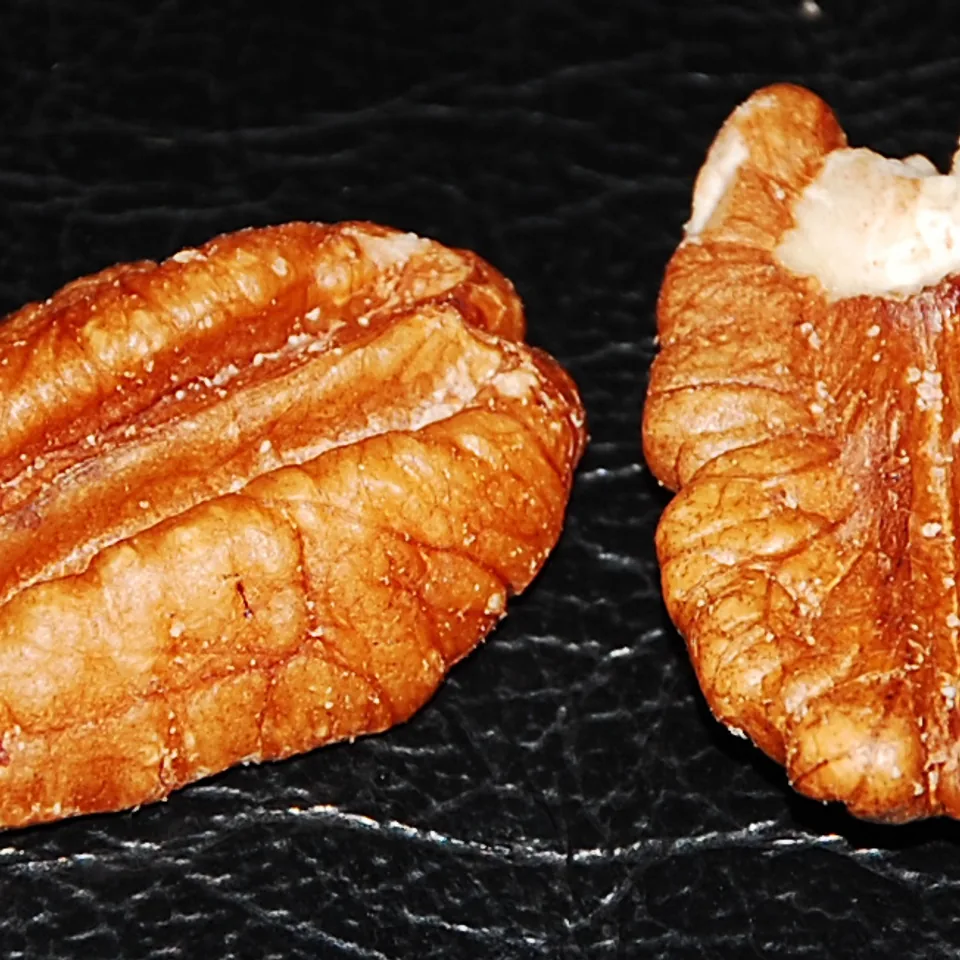
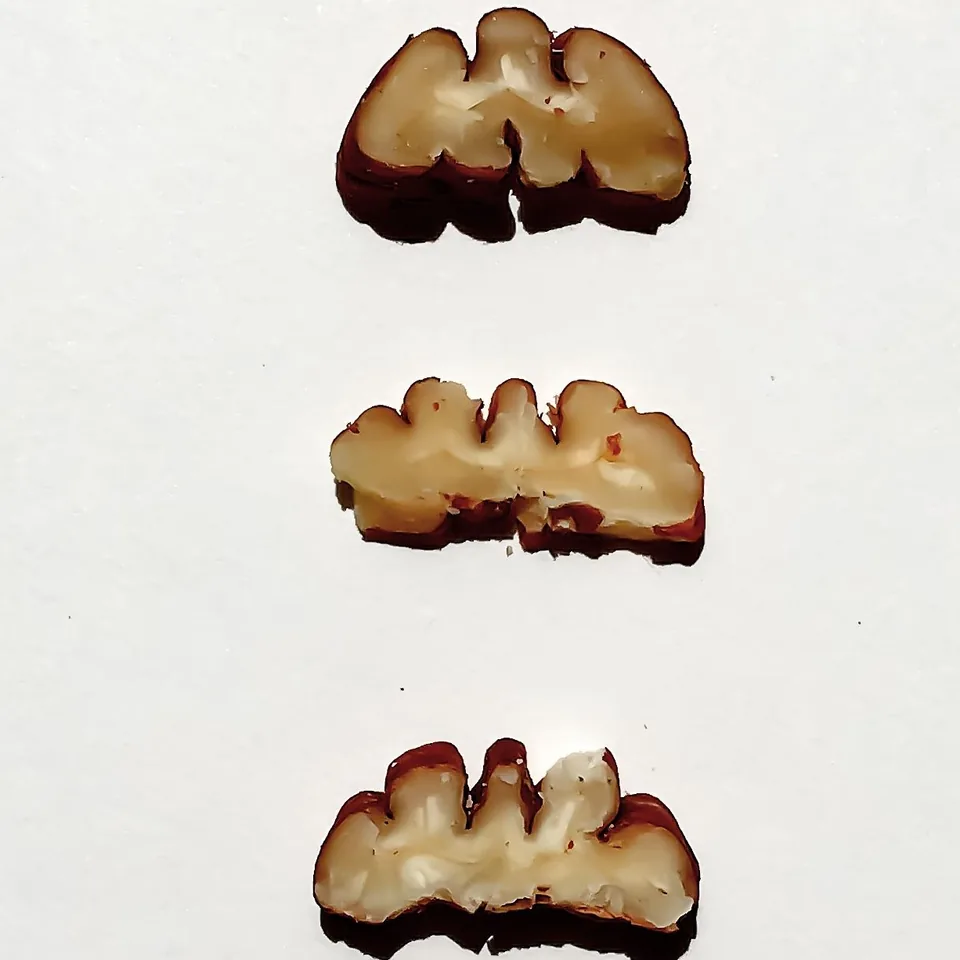
2.39 mg - Pecans
Pecan halves, raw.
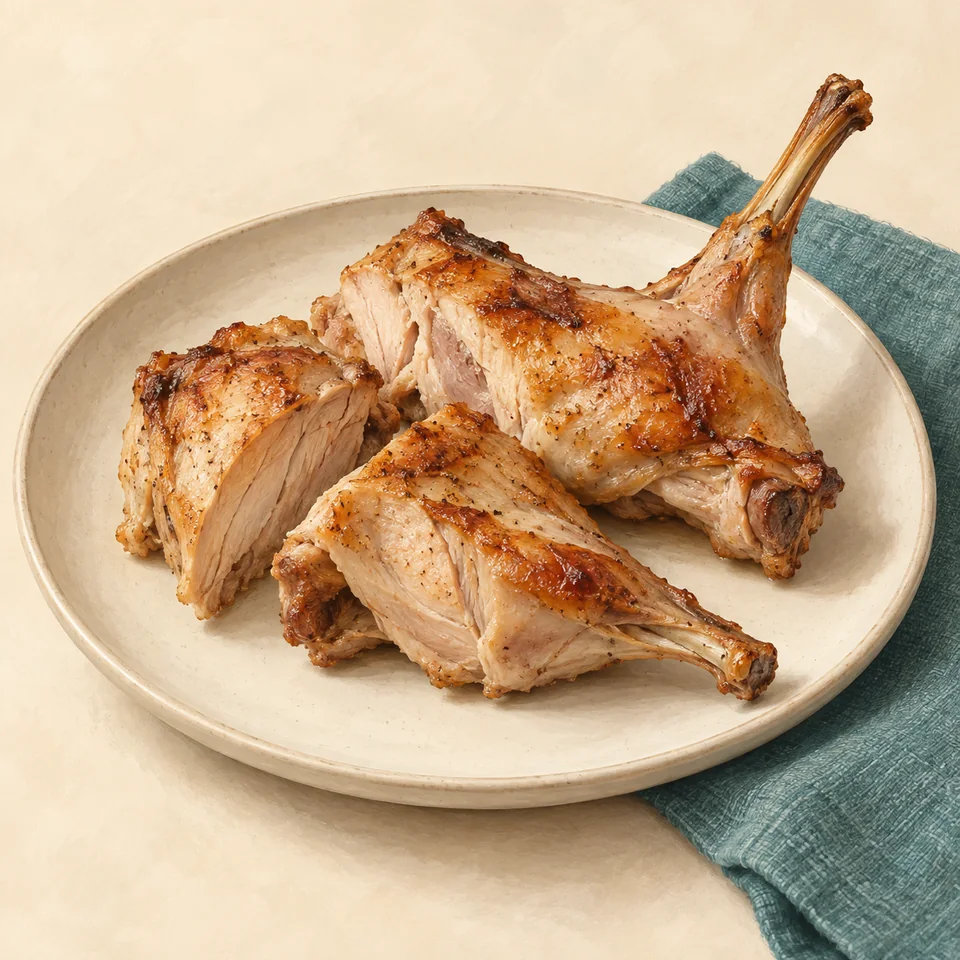
2.371 mg - Rabbit
Game meat, rabbit, domesticated, composite of cuts, cooked, roasted, exactly as identified by USDA.
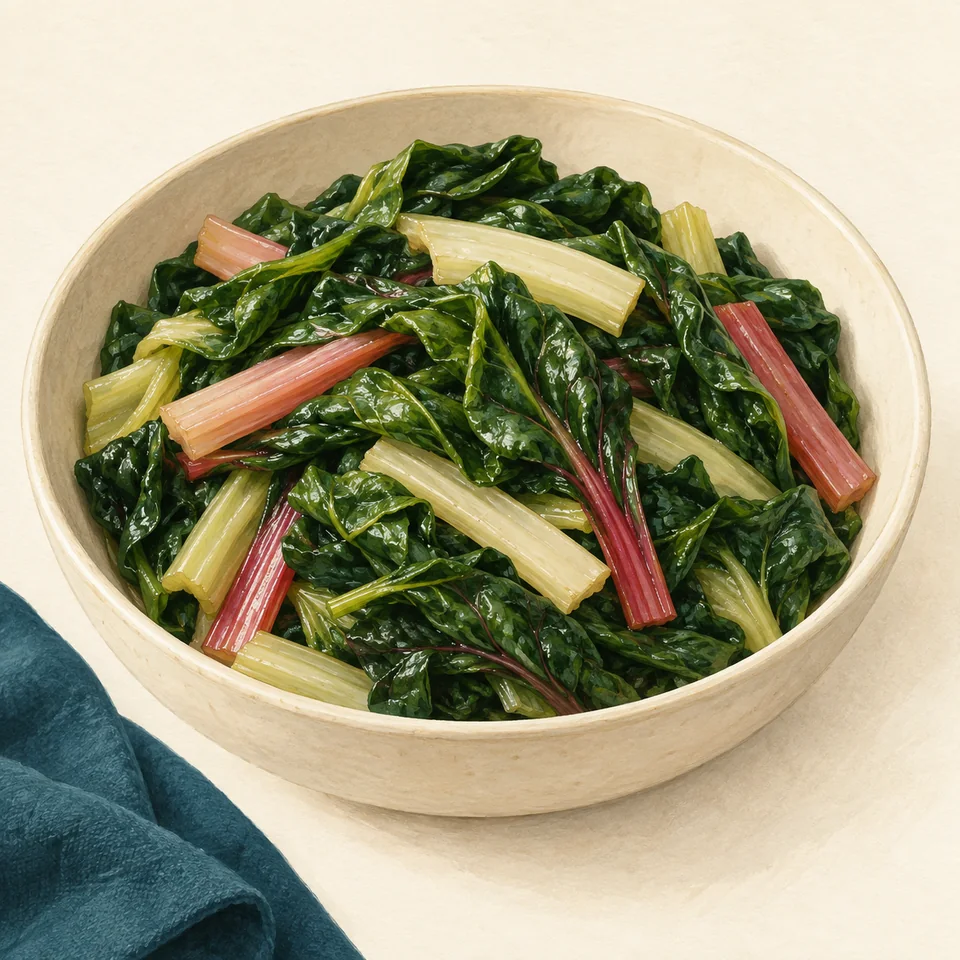
2.27 mg - Swiss chard
Chard, swiss, cooked, boiled, drained, without salt, exactly as identified by USDA.
2.26 mg - Walnuts
English walnut halves, raw.
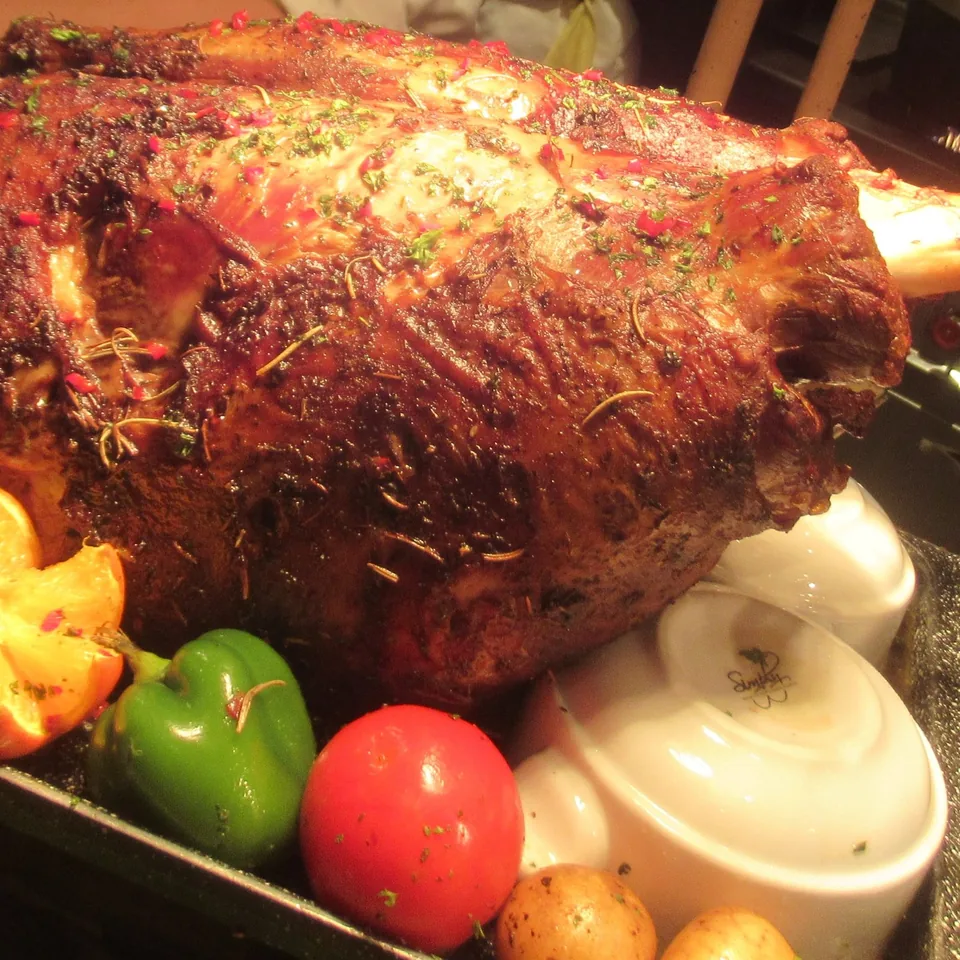
2.235 mg - Lamb leg
Roasted lamb whole leg, shank and sirloin, separable lean only, choice, trimmed to 1/4 inch fat.
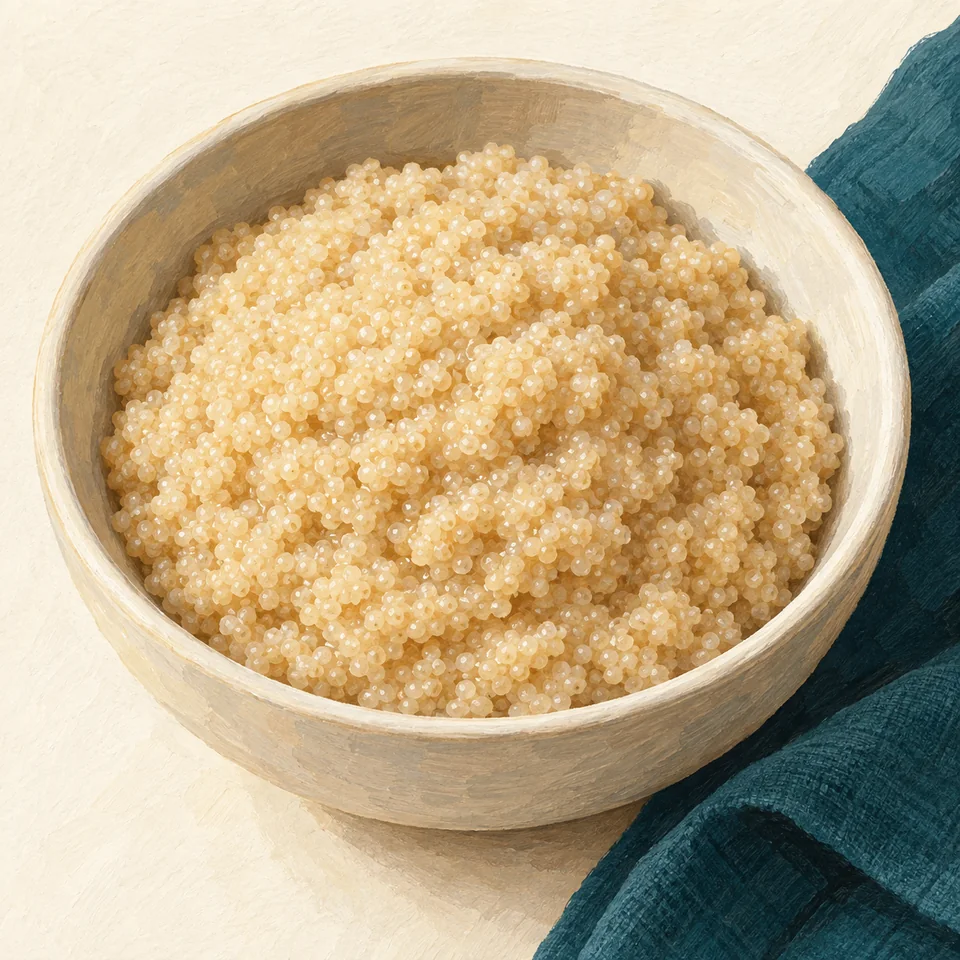
2.12 mg - Amaranth
Cooked amaranth grain.
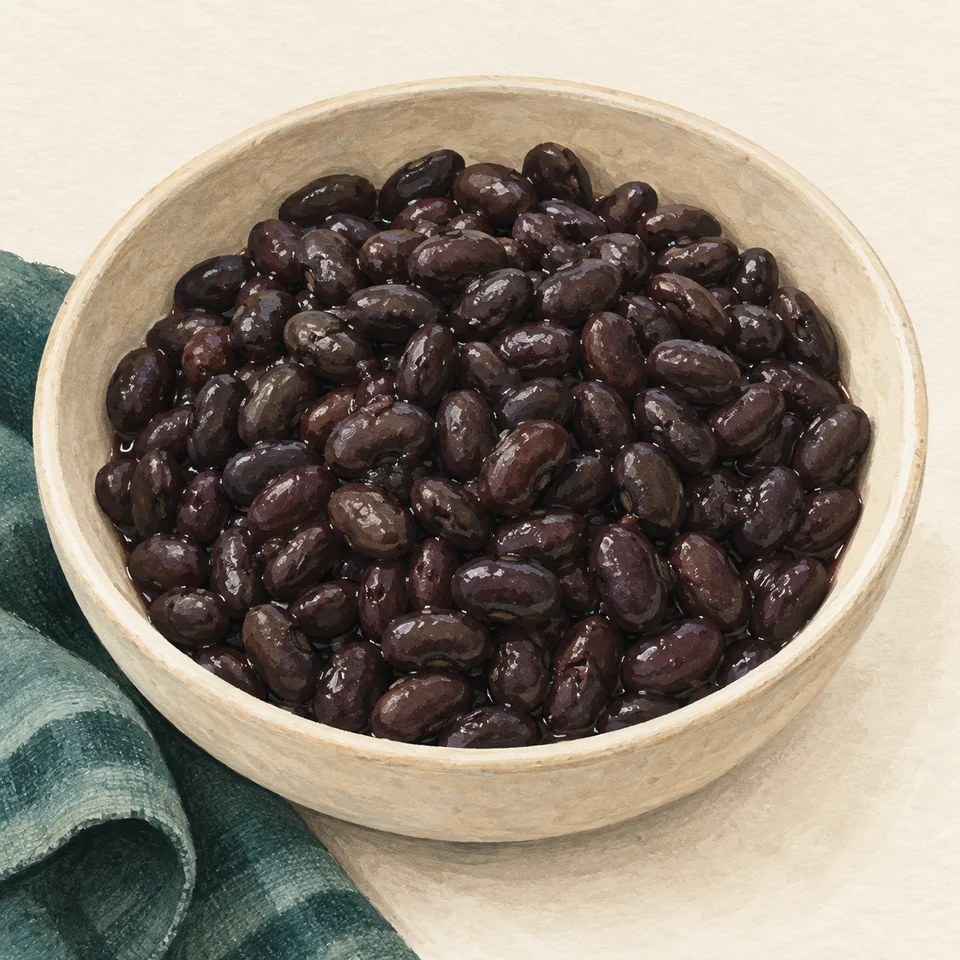
2.1 mg - Black beans
Cooked; boiled; without salt, as stated in the USDA source description.
2.1 mg
All results are sorted before pagination. Bars compare amounts within this search; they do not indicate health benefits. Not reported does not mean zero.
UNDERSTAND THE DATA
The nutrient, in context
How to read this ranking
This page compares Iron (Iron, Fe), in mg per 100 g of food.
Chemical forms and measurement methods remain separate. “Not reported” means a value is unavailable, not that the food contains zero. A food’s rank does not determine your individual needs or diagnose a deficiency.
This NIH fact sheet concerns this nutrient. Its recommended amounts describe daily intake for the stated population, not a 100 g food portion. Keep food and supplement exposure separate as the source specifies.
NIH · OFFICE OF DIETARY SUPPLEMENTS
Iron: Fact Sheet for Consumers
Original text published by NIH, including intake tables by age and sex, cautions, and the population context the source states. Bitameans has not performed an independent medical review or adapted these recommendations to your personal circumstances.
What is iron and what does it do?
Iron is a mineral that the body needs for growth and development. Your body uses iron to make hemoglobin, a protein in red blood cells that carries oxygen from the lungs to all parts of the body, and myoglobin, a protein that provides oxygen to muscles. Your body also needs iron to make some hormones.
How much iron do I need?
The amount of iron you need each day depends on your age, your sex, and whether you consume a mostly plant-based diet. Average daily recommended amounts are listed below in milligrams (mg). Vegetarians who do not eat meat, poultry, or seafood need almost twice as much iron as listed in the table because the body doesn’t absorb nonheme iron in plant foods as well as heme iron in animal foods.
| Life Stage |
|---|
Identity and structure sources
- PubChem Periodic Table of Elements · Accessed 2026-09-13
- USDA FoodData Central: Foundation Foods Documentation · Accessed 2026-09-13