EXPLORE UM NUTRIENTE
Vitamina D (IU)
Veja como as quantidades variam entre alimentos, na mesma base de comparação.
Entenda este nutriente ↓O que é?
Combined vitamin D2 and D3 reported in international units; both forms remain distinct. [1]
Representação conceitual; não é uma estrutura molecular.
Descrição, fonte e atribuição
A conceptual grouping, not a molecular structure. This reporting category contains multiple components or represents a calculated quantity.
Original Bitameans conceptual/fallback artwork; not a chemical structure. Fonte · Condições de uso
Verificação da fonte:
A COMMON BASIS
Alimentos, por 100 g
152 foods with data 54 not reported, excluded from ranking
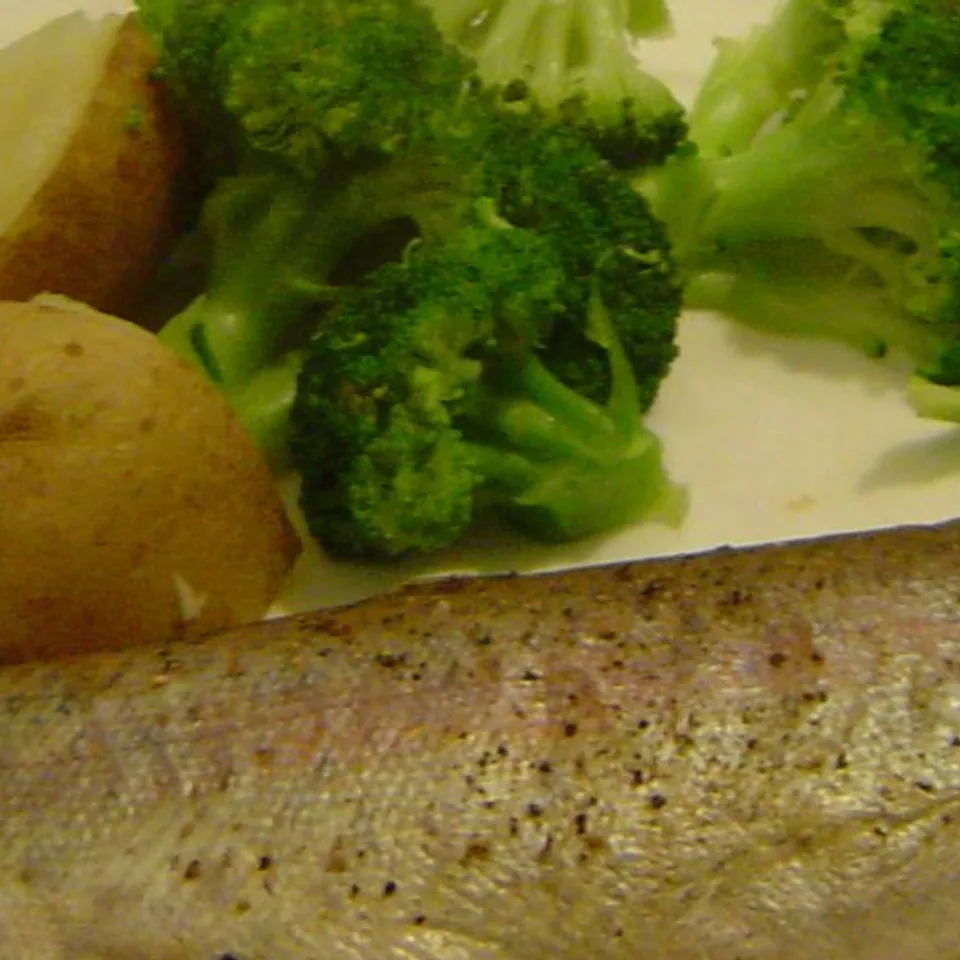
- Truta-arco-íris
Farmed rainbow trout, cooked with dry heat.
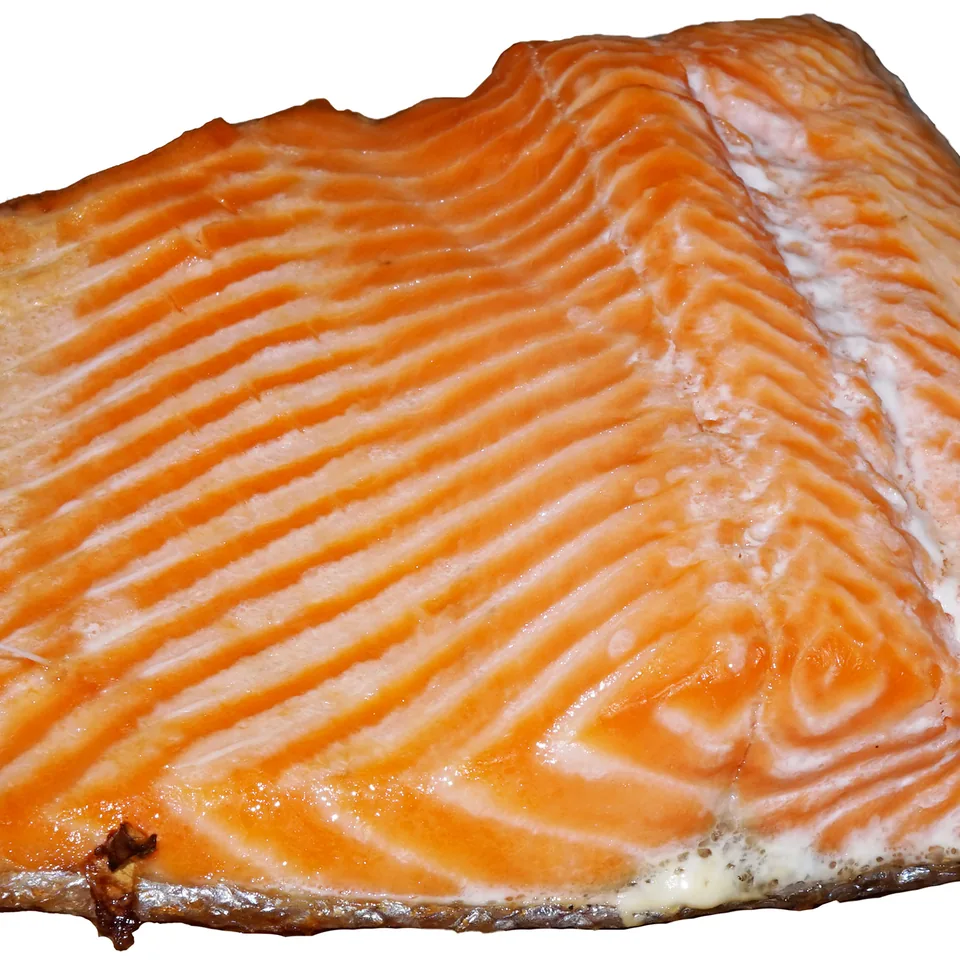
759 UI - Salmão do Atlântico
Farmed Atlantic salmon, cooked with dry heat.
526 UI - Halibut
Fish, halibut, Atlantic and Pacific, cooked, dry heat, exactly as identified by USDA.
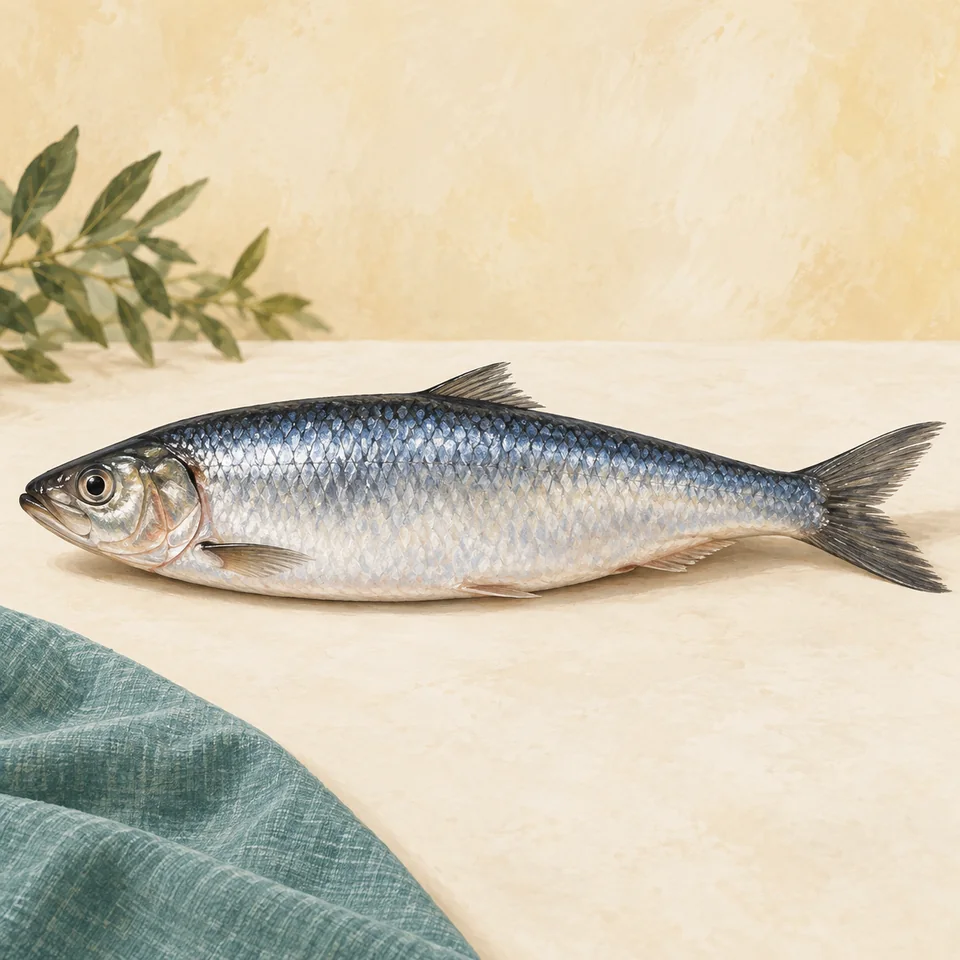
231 UI - Atlantic herring
Fish, herring, Atlantic, cooked, dry heat, exactly as identified by USDA.
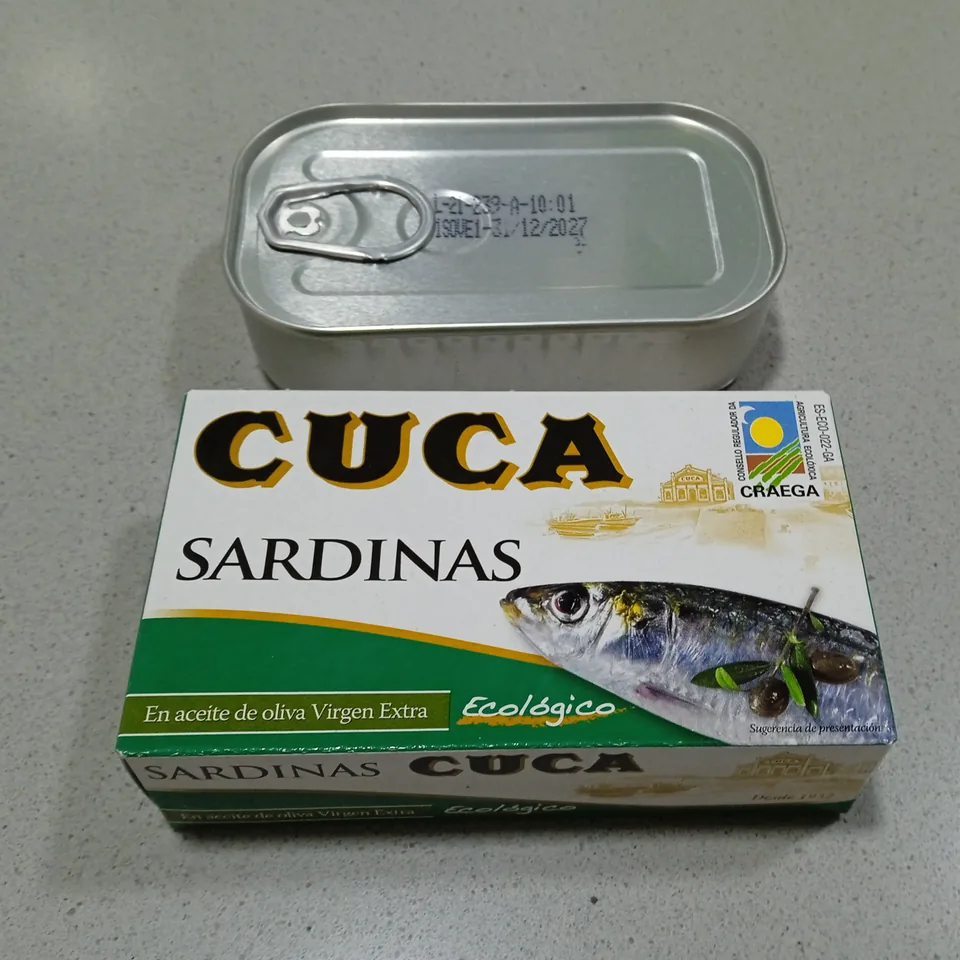
214 UI - Sardinhas em lata
Atlantic sardines canned in oil, drained solids with bone.
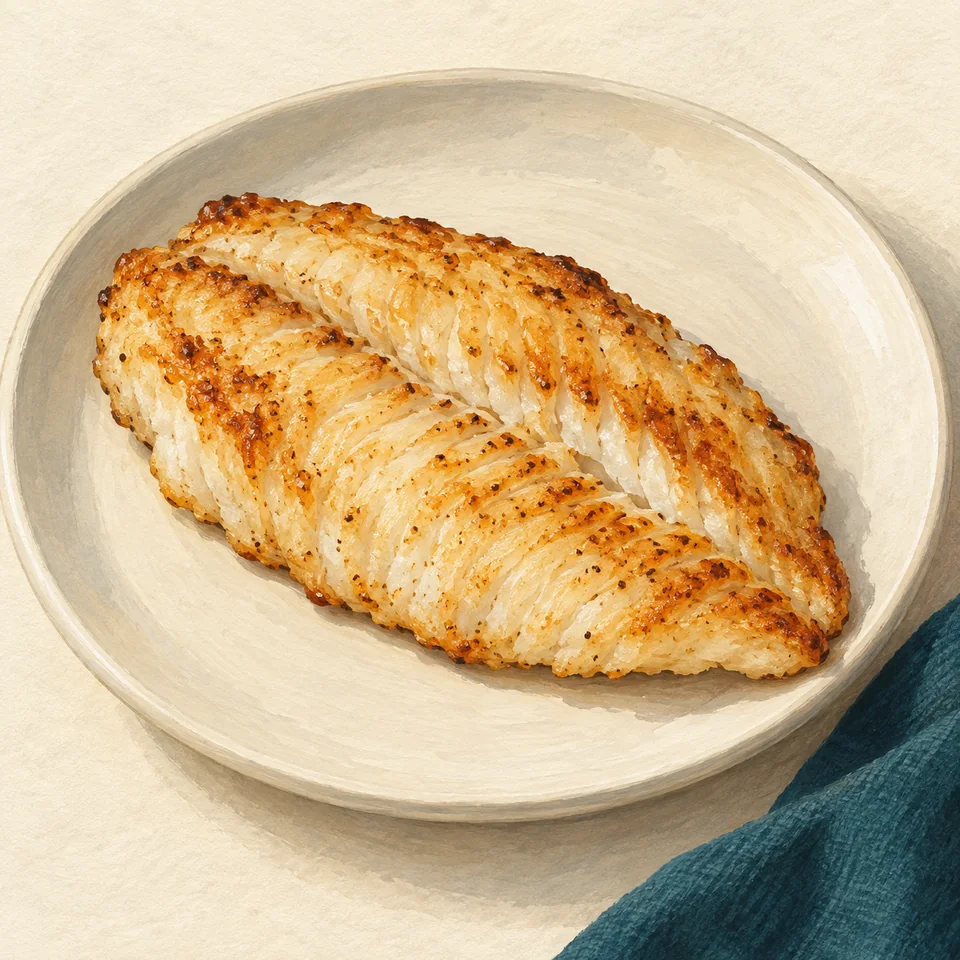
193 UI - Tilápia
Tilapia cooked with dry heat; added salt/fat not specified.
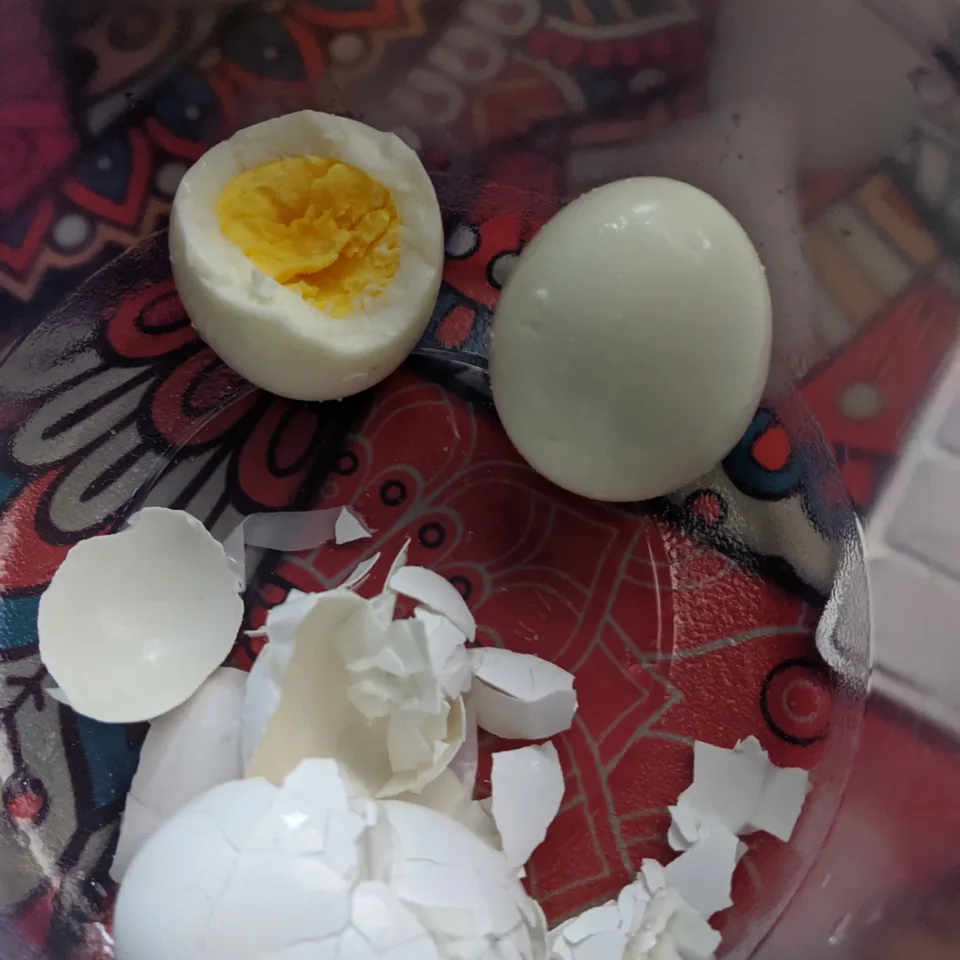
150 UI - Ovo
Whole egg, hard-boiled.
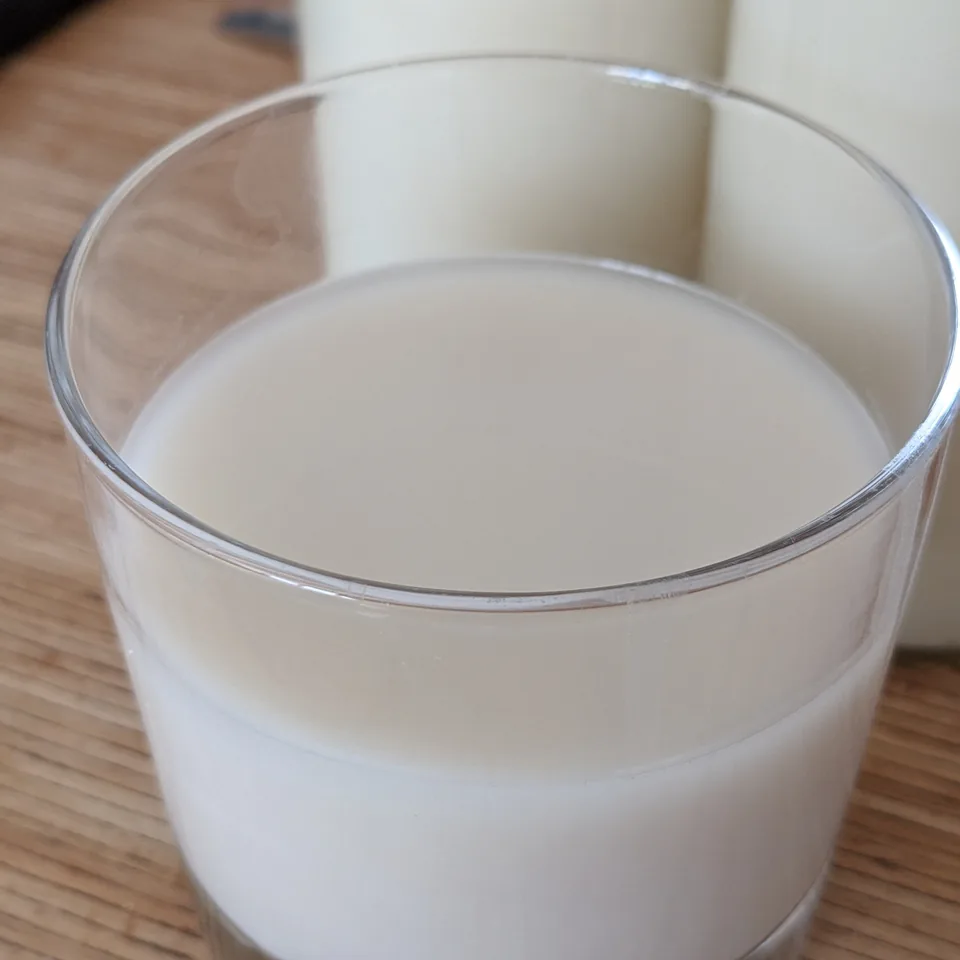
87 UI - Bebida de aveia
Unsweetened plain oat beverage, refrigerated.
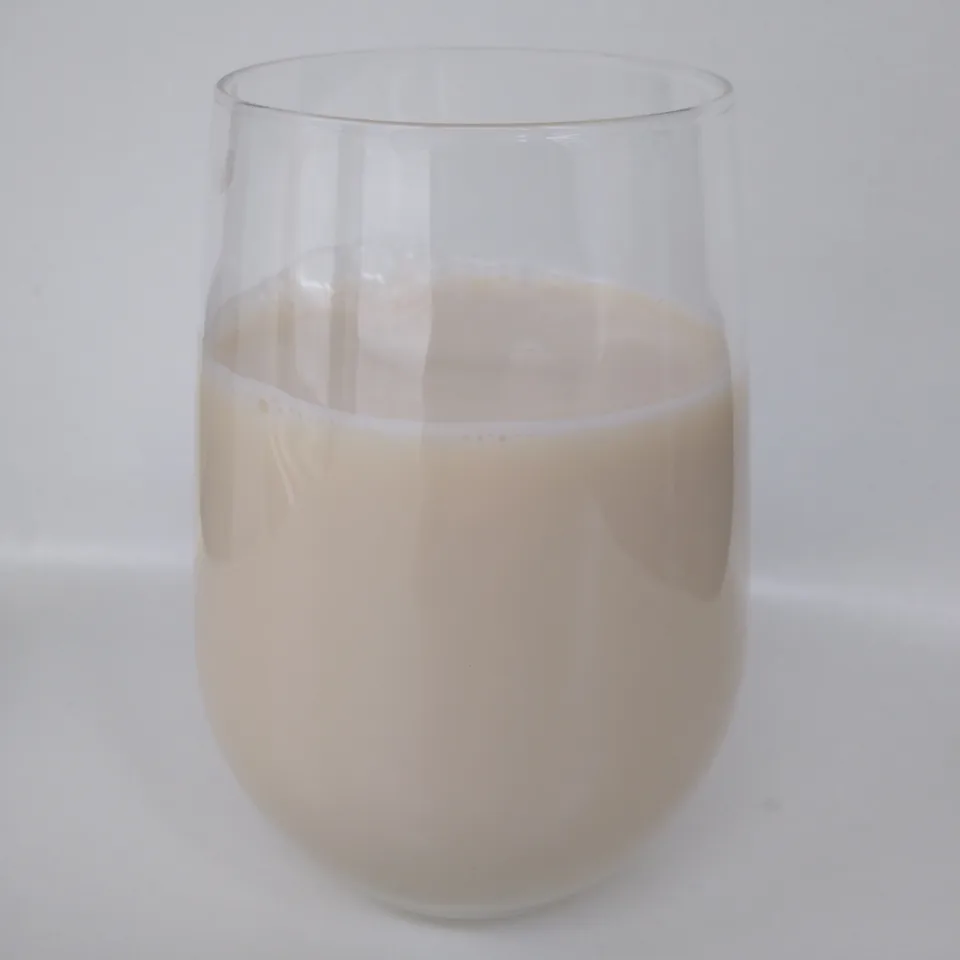
68 UI - Bebida de amêndoa
Unsweetened plain almond beverage, refrigerated.
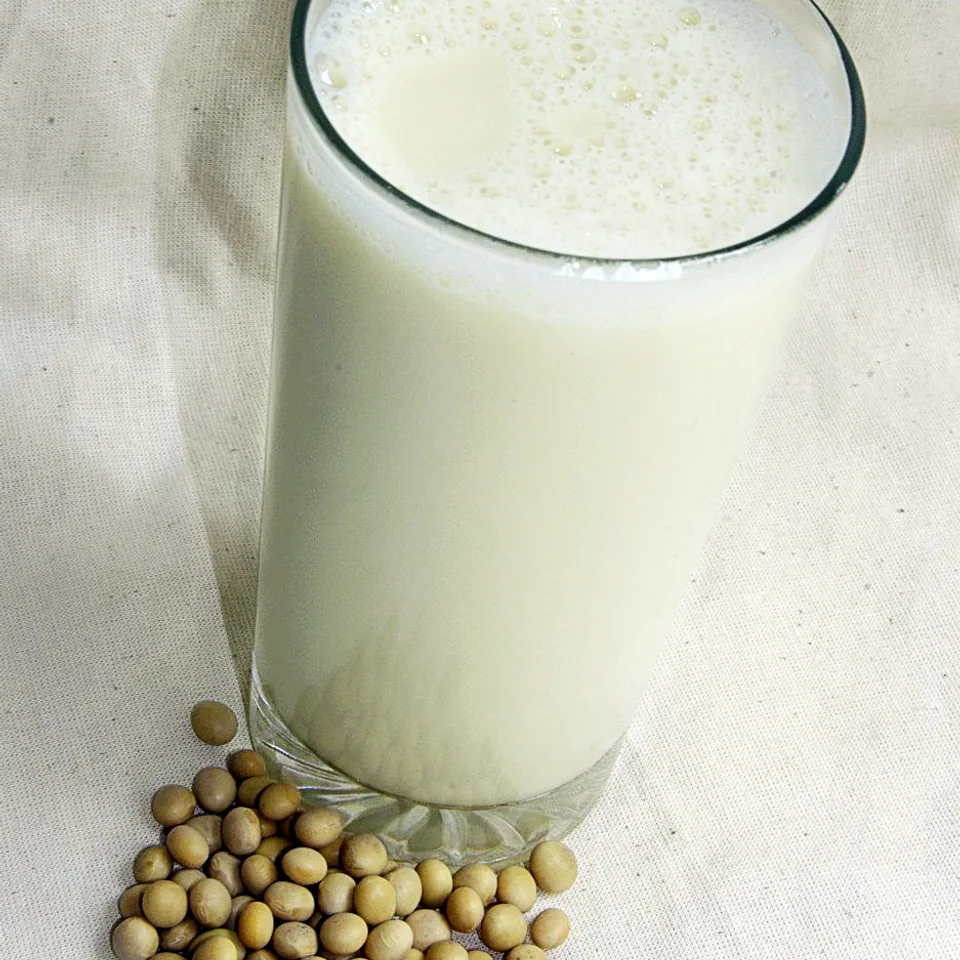
63,6 UI - Bebida de soja
Unsweetened soy beverage, all flavors, with added calcium and vitamins A and D.
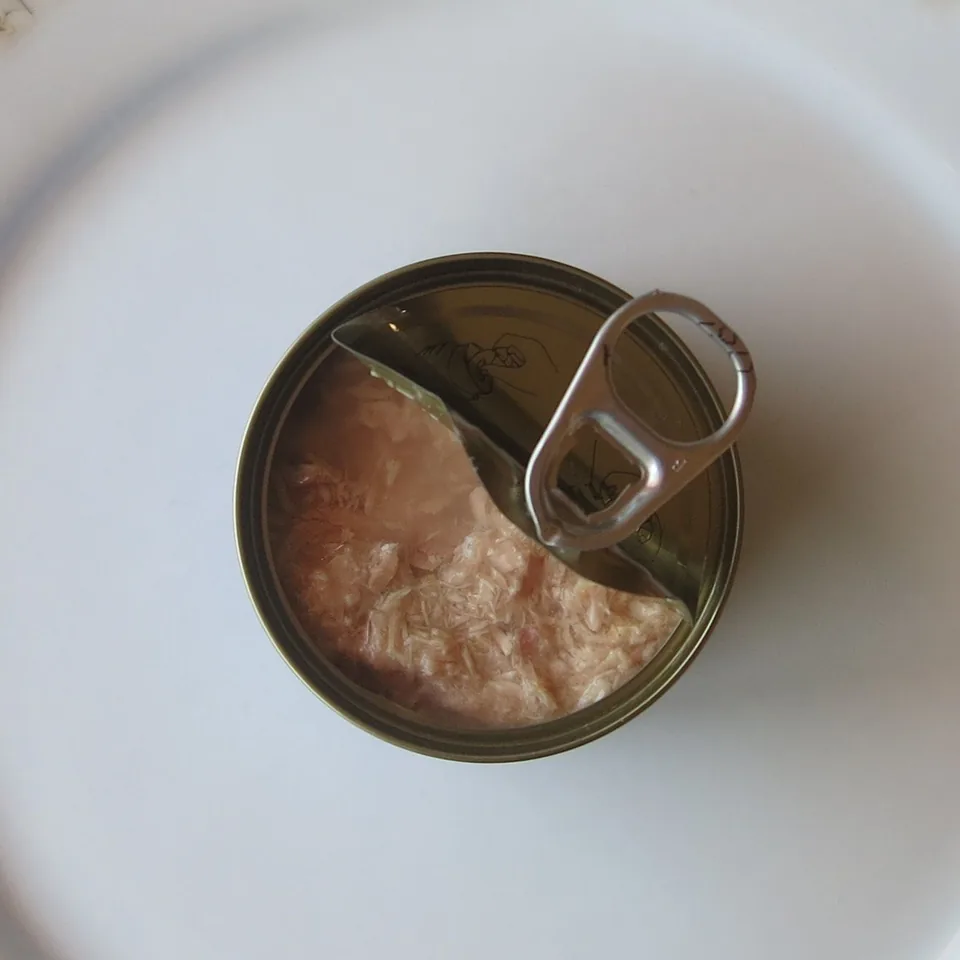
49 UI - Atum claro em lata
Light tuna canned in water, drained solids; not specified as no-salt-added.
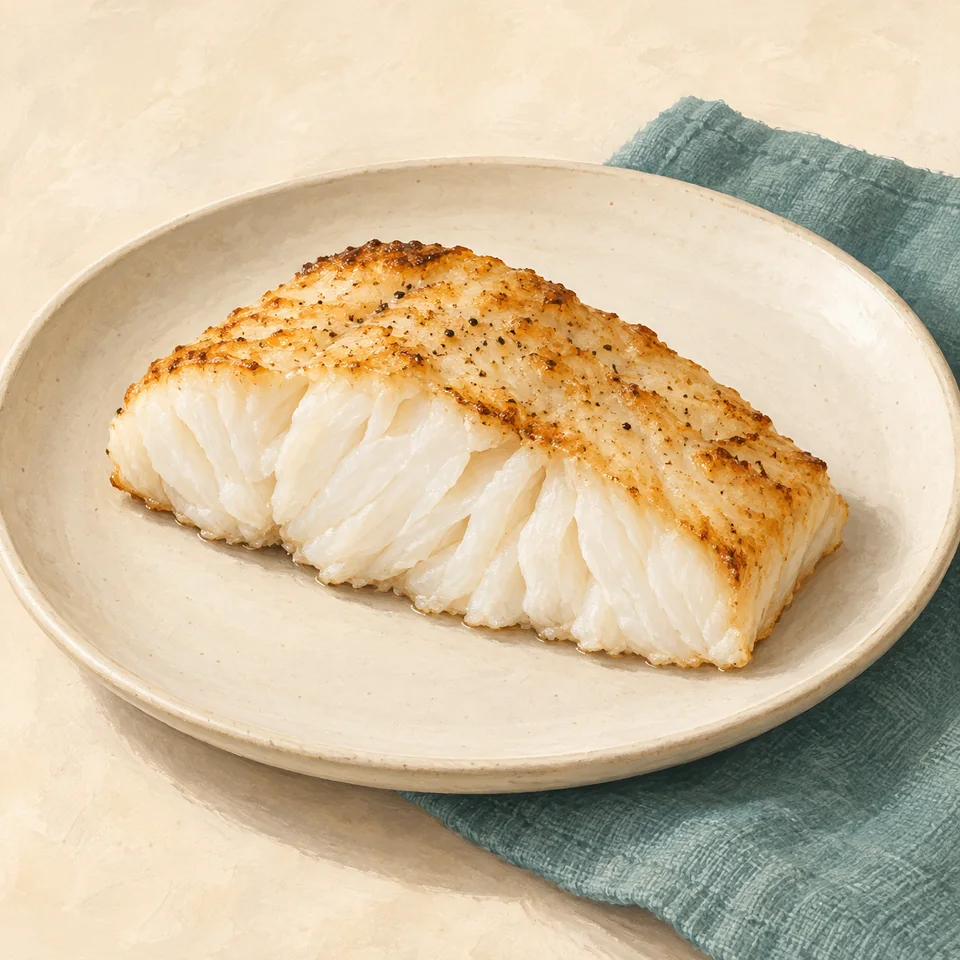
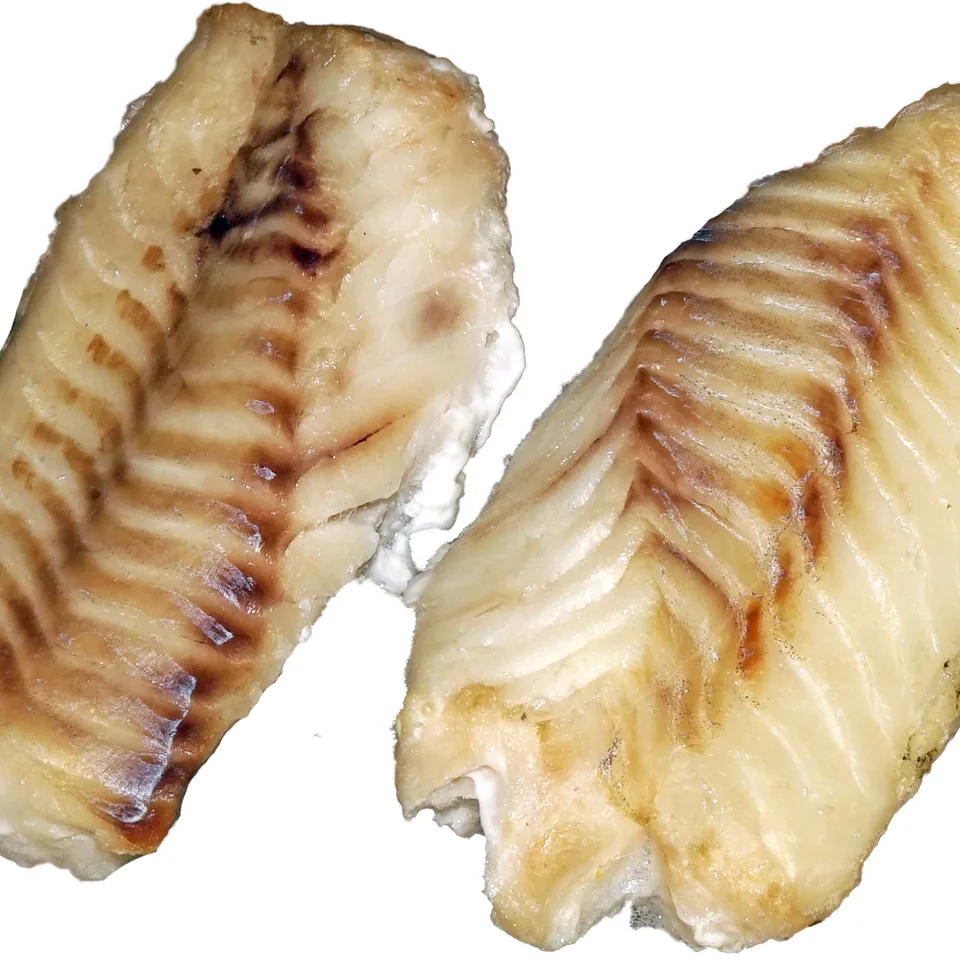
47 UI - Bacalhau do Atlântico
Atlantic cod, cooked with dry heat.
46 UI
All results are sorted before pagination. Bars compare amounts within this search; they do not indicate health benefits. Not reported does not mean zero.
ENTENDER OS DADOS
O nutriente, em contexto
Como ler esta classificação
Esta página compara Vitamin D (IU) (Vitamin D (D2 + D3), International Units), em IU por 100 g de alimento.
As formas químicas e os métodos de medição permanecem separados. “Não reportado” significa que não há um valor disponível, não que o alimento contenha zero. A posição na classificação não determina as suas necessidades individuais nem diagnostica uma deficiência.
This NIH fact sheet discusses the nutrient family. Vitamin D (D2 + D3), International Units is the specific USDA measurement on this page. Do not apply family intake recommendations directly to this form or unit; use the definitions, population groups, and food/supplement distinctions in the source.
A ficha da NIH ODS abaixo está no idioma original publicado pela fonte (inglês). A NIH não publica esta ficha em português brasileiro; não traduzimos doses nem recomendações.
NIH · OFFICE OF DIETARY SUPPLEMENTS
Vitamin D: Fact Sheet for Consumers
Texto original publicado pela NIH, com tabelas de ingestão por idade e sexo, precauções e o contexto de população indicado pela fonte. O Bitameans não fez uma revisão médica independente nem adapta estas recomendações à sua situação pessoal.
What is vitamin D and what does it do?
Vitamin D is a nutrient you need for good health. It helps your body absorb calcium, one of the main building blocks for strong bones. Together with calcium, vitamin D helps protect you from developing osteoporosis, a disease that thins and weakens the bones and makes them more likely to break. Your body needs vitamin D for other functions too. Your muscles need it to move, and your nerves need it to carry messages between your brain and your body. Your immune system needs vitamin D to fight off invading bacteria and viruses.
How much vitamin D do I need?
Fontes de identidade e estrutura
- USDA FoodData Central: Foundation Foods Documentation · Consultado 2026-09-13