EXPLORE UM NUTRIENTE
Cobre
Veja como as quantidades variam entre alimentos, na mesma base de comparação.
Entenda este nutriente ↓O que é?
The element Cu is reported in mg; its amount does not identify a particular compound. [1] [2]
Referência de identidade; não representa a aparência do alimento.
Descrição, fonte e atribuição
Element Cu, atomic number 29. The graphic does not assign an oxidation state or compound to the food measurement.
Original Bitameans element graphic; symbol and atomic number from PubChem. Fonte · Condições de uso
Verificação da fonte:
A COMMON BASIS
Alimentos, por 100 g
196 foods with data 10 not reported, excluded from ranking
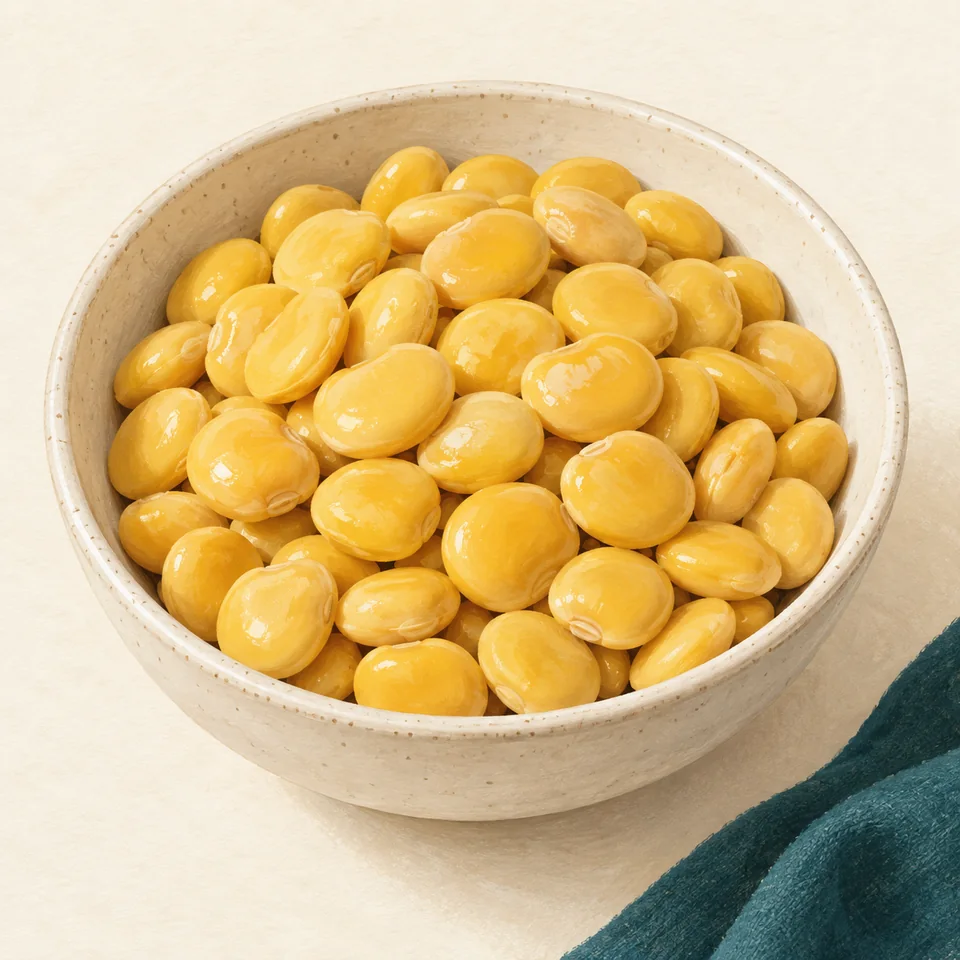
- Lupin beans
Lupins, mature seeds, cooked, boiled, without salt, exactly as identified by USDA.
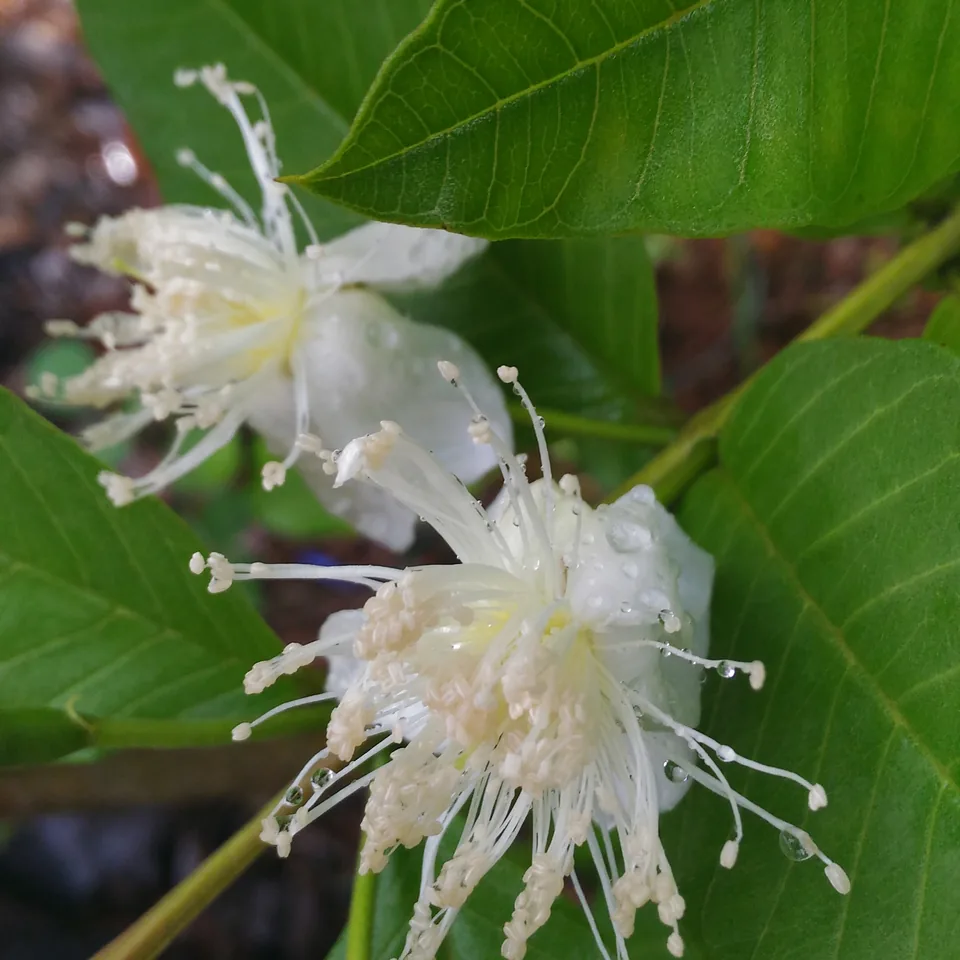
0,231 mg - Goiaba
Common guava, raw.
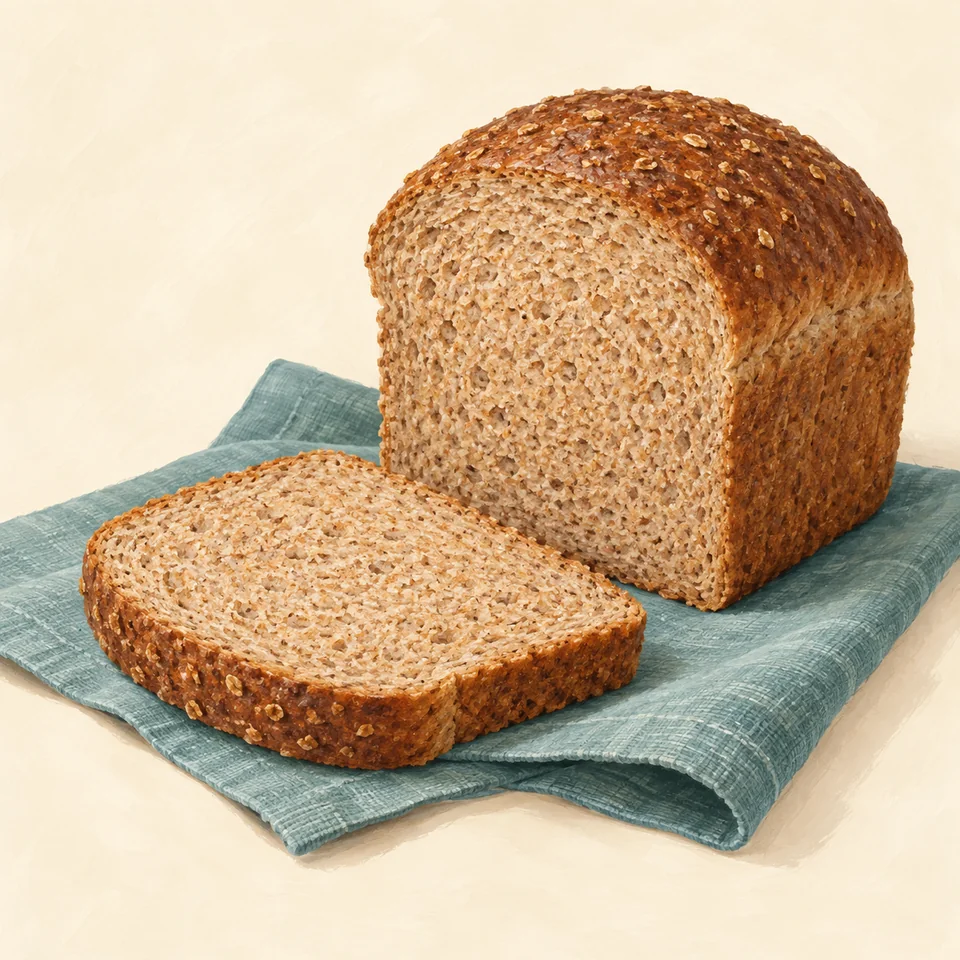
0,23 mg - Whole-wheat bread
Bread, whole-wheat, commercially prepared, exactly as identified by USDA.
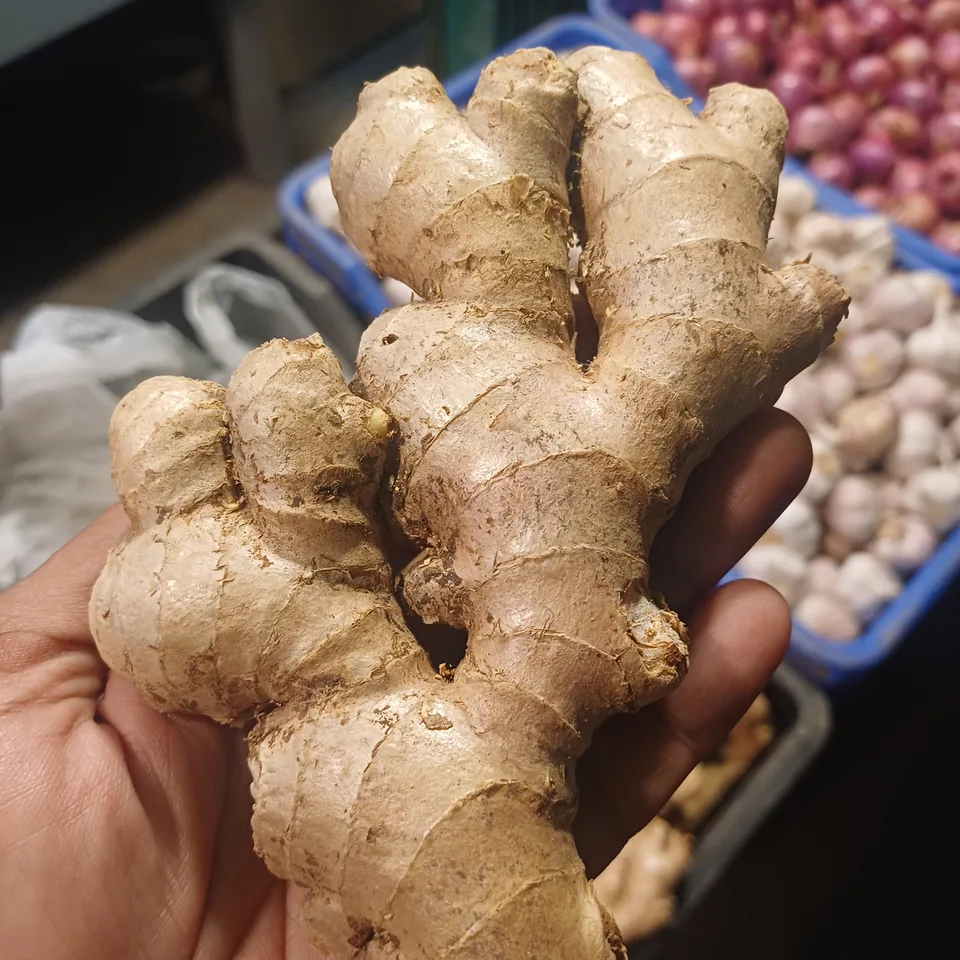
0,227 mg - Gengibre
Raw ginger root.
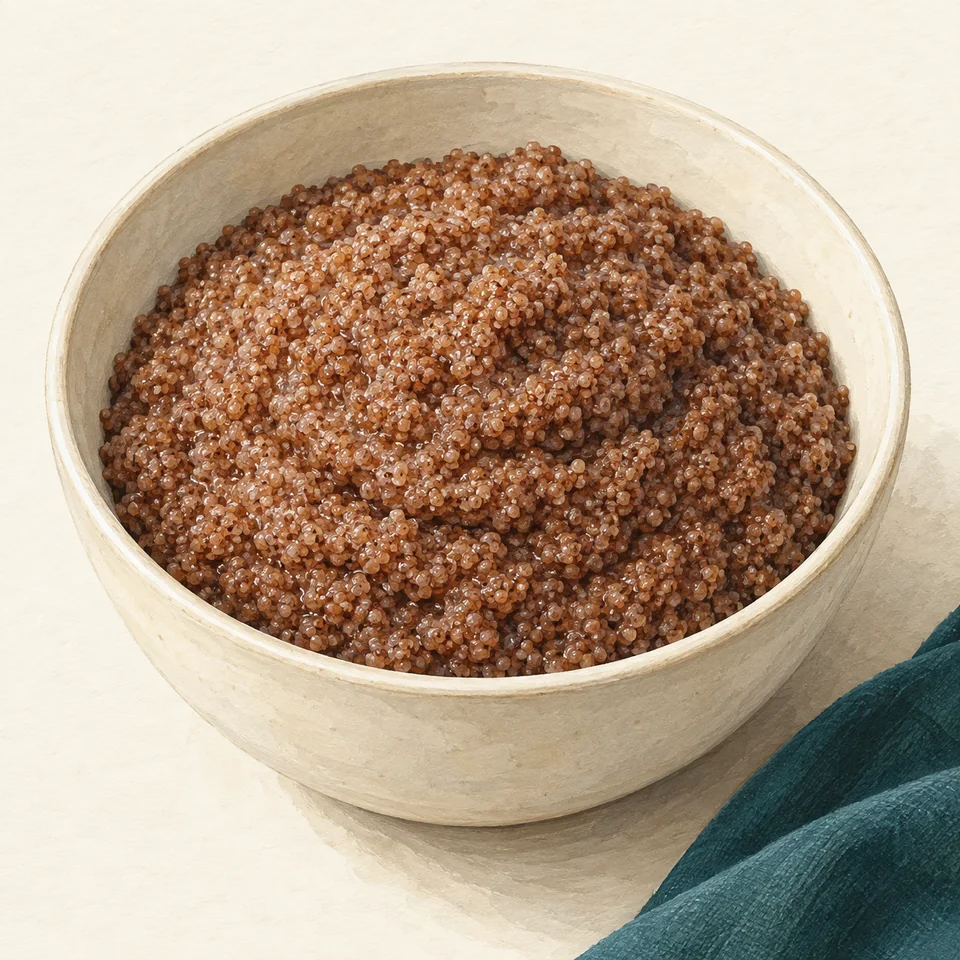
0,226 mg - Teff
Teff, cooked, exactly as identified by USDA.
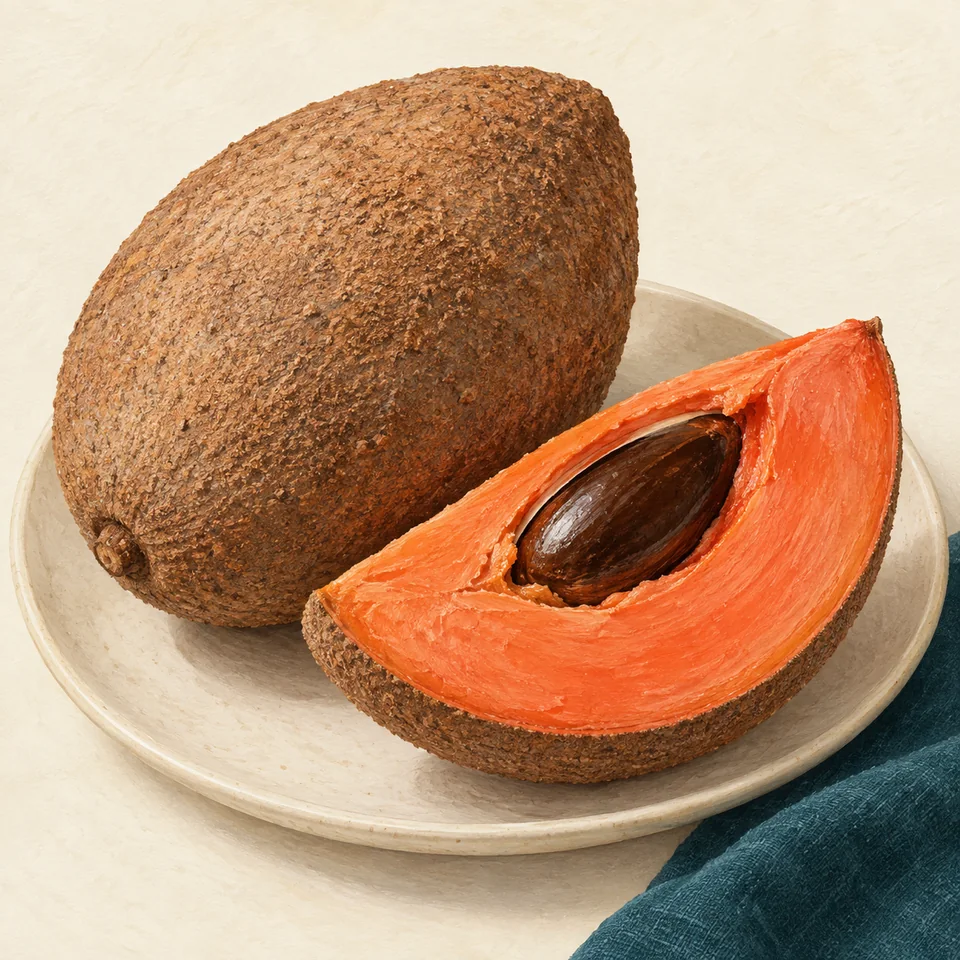
0,226 mg - Mamey sapote
Sapote, mamey, raw, exactly as identified by USDA.
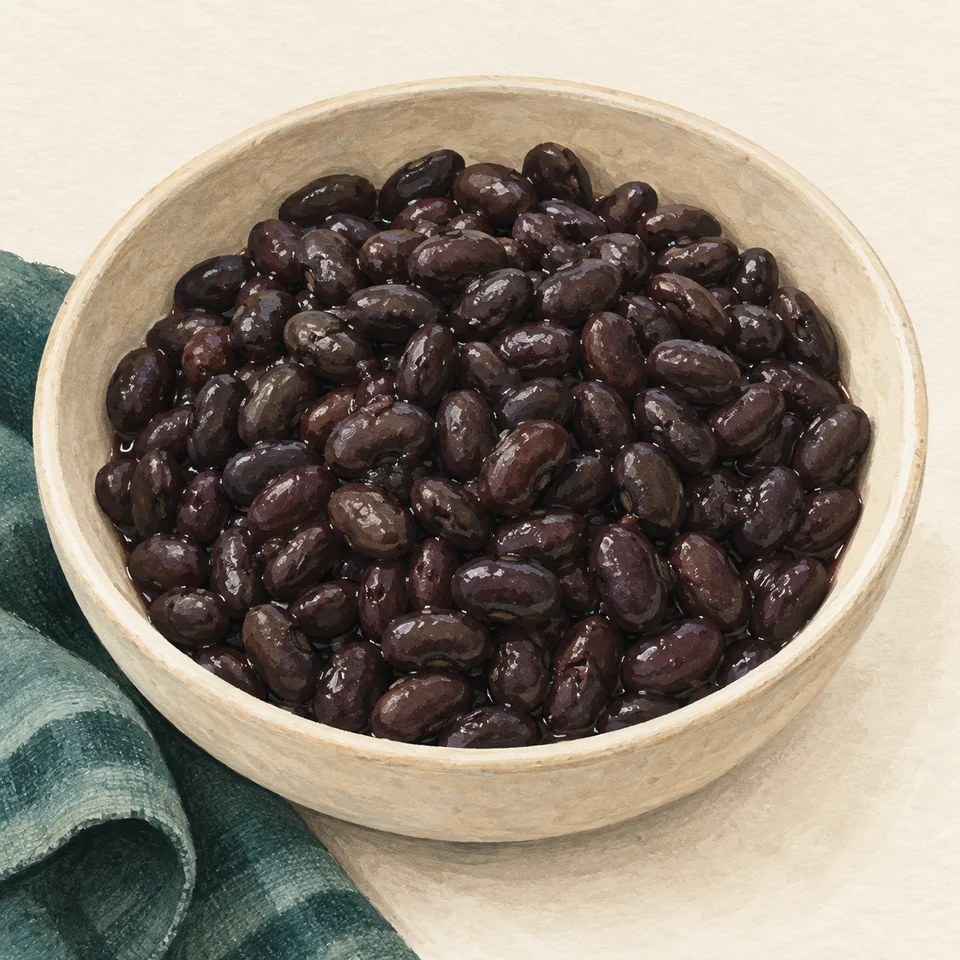
0,213 mg - Feijão-preto
Cooked; boiled; without salt, as stated in the USDA source description.
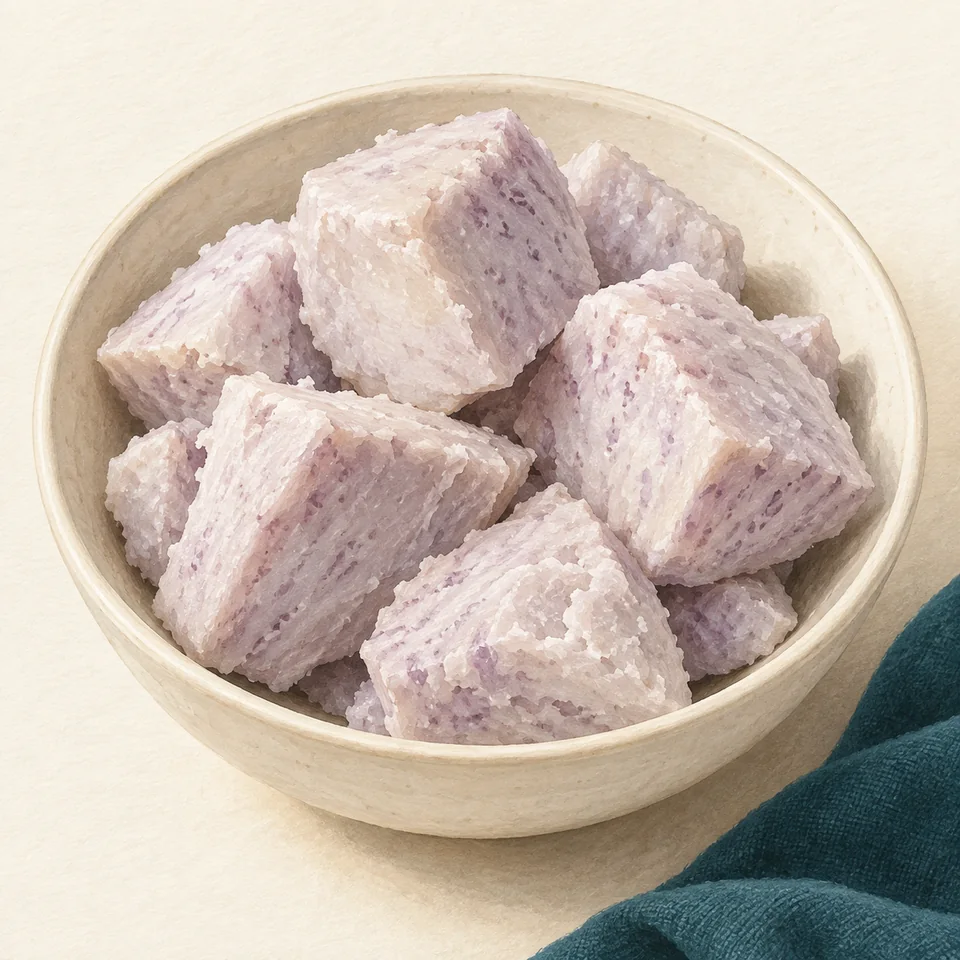
0,209 mg - Taro
Taro, cooked, without salt, exactly as identified by USDA.
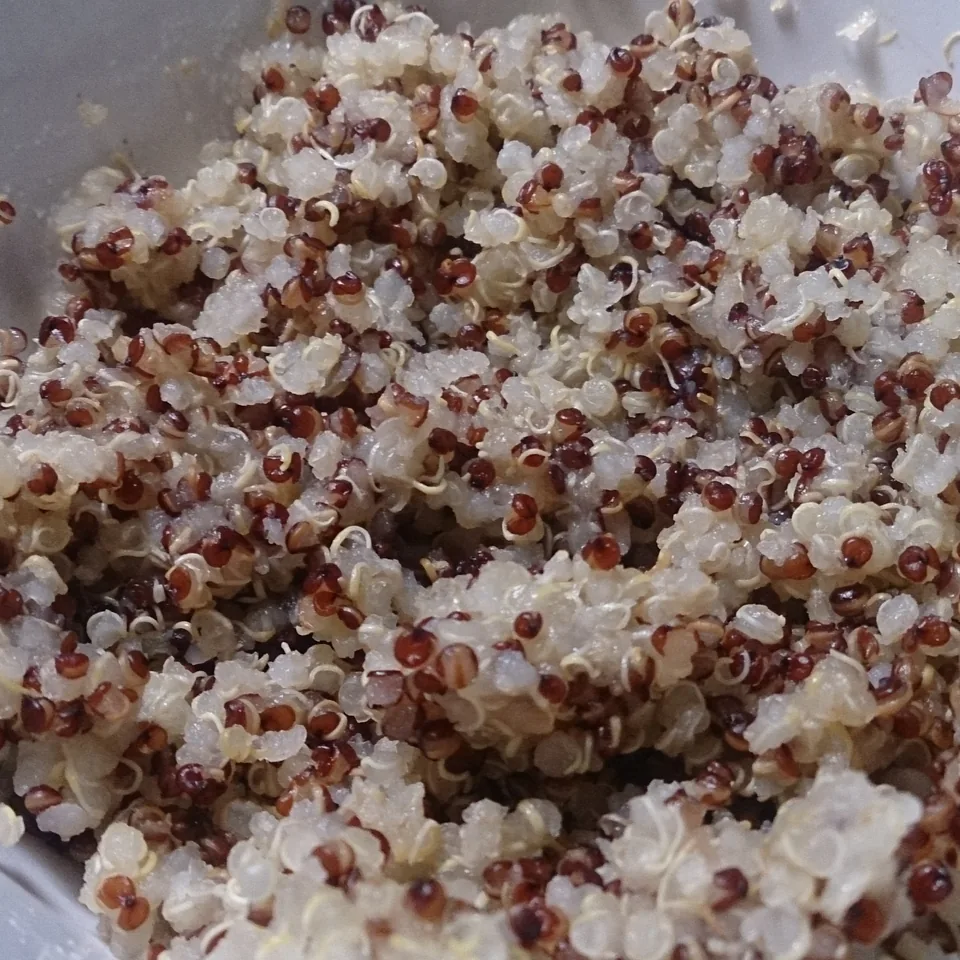
0,201 mg - Quinoa
Cooked quinoa; added salt/fat not specified in the source description.
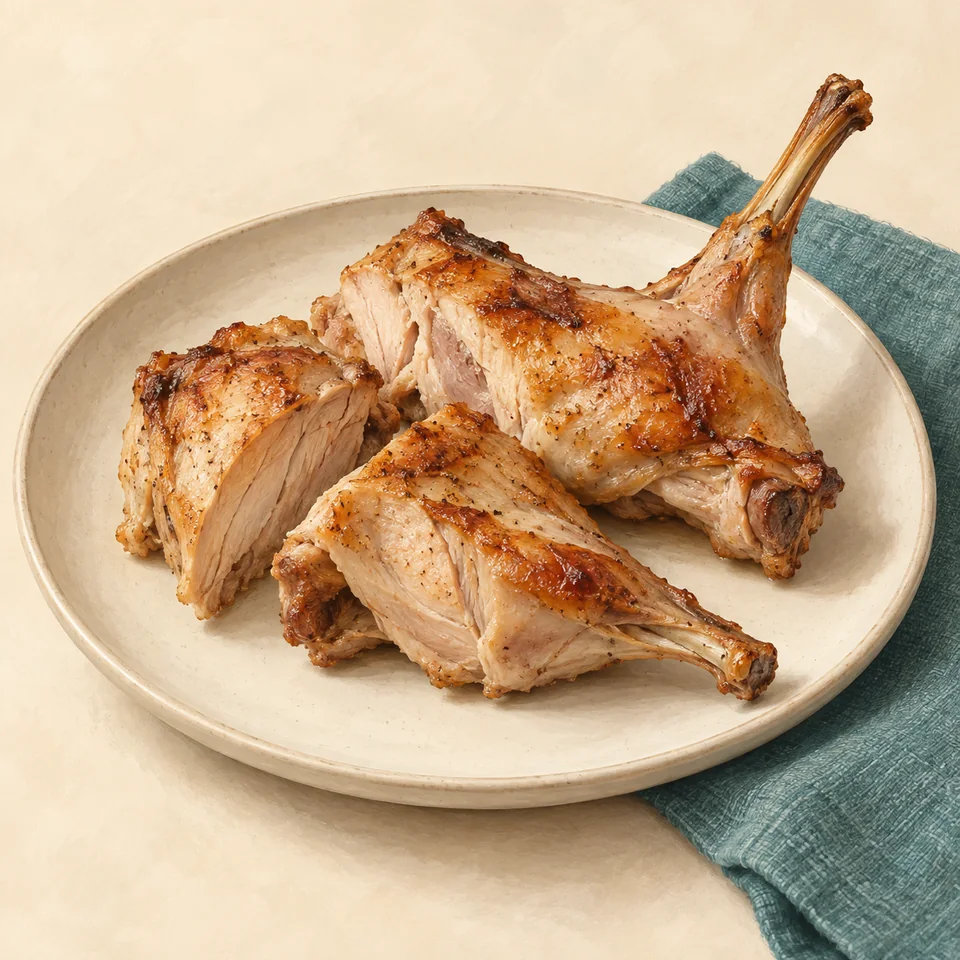
0,192 mg - Rabbit
Game meat, rabbit, domesticated, composite of cuts, cooked, roasted, exactly as identified by USDA.
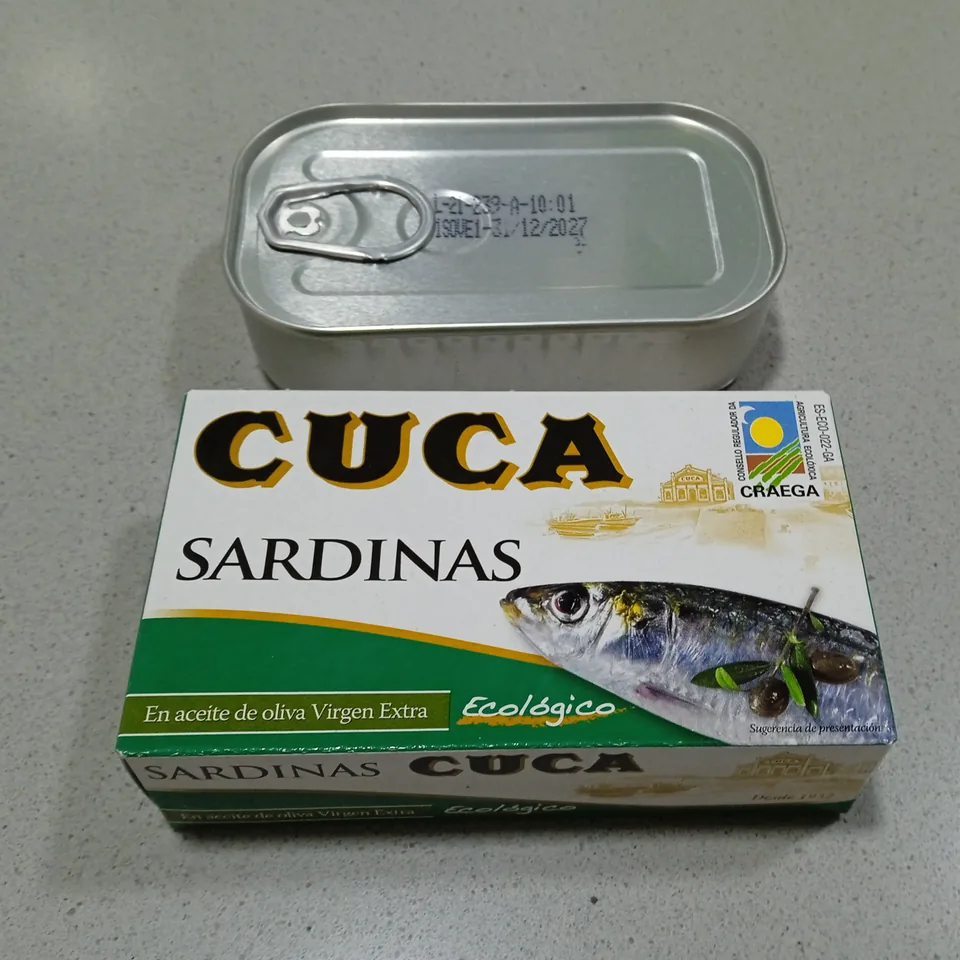
0,189 mg - Sardinhas em lata
Atlantic sardines canned in oil, drained solids with bone.
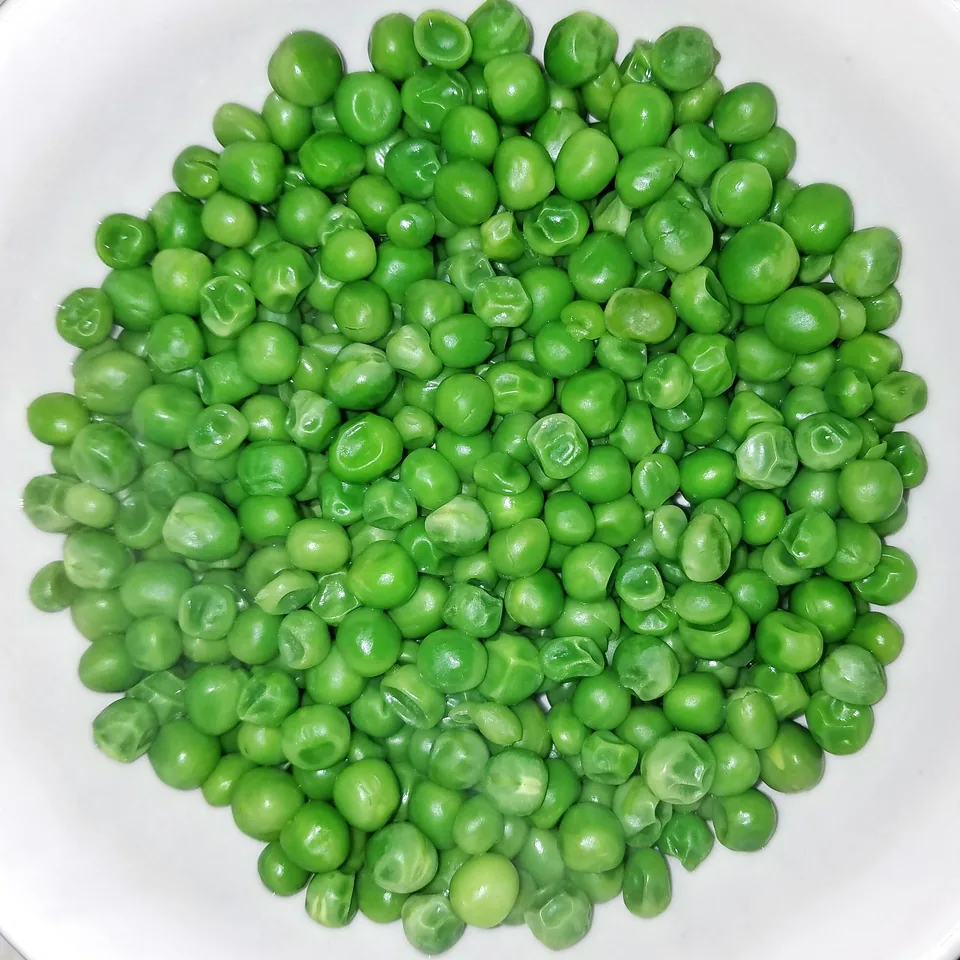
0,186 mg - Ervilhas verdes
Green peas, boiled, drained, without salt.
0,173 mg
All results are sorted before pagination. Bars compare amounts within this search; they do not indicate health benefits. Not reported does not mean zero.
ENTENDER OS DADOS
O nutriente, em contexto
Como ler esta classificação
Esta página compara Copper, Cu (Copper, Cu), em mg por 100 g de alimento.
As formas químicas e os métodos de medição permanecem separados. “Não reportado” significa que não há um valor disponível, não que o alimento contenha zero. A posição na classificação não determina as suas necessidades individuais nem diagnostica uma deficiência.
This NIH fact sheet concerns this nutrient. Its recommended amounts describe daily intake for the stated population, not a 100 g food portion. Keep food and supplement exposure separate as the source specifies.
A ficha da NIH ODS abaixo está no idioma original publicado pela fonte (inglês). A NIH não publica esta ficha em português brasileiro; não traduzimos doses nem recomendações.
NIH · OFFICE OF DIETARY SUPPLEMENTS
Copper: Fact Sheet for Consumers
Texto original publicado pela NIH, com tabelas de ingestão por idade e sexo, precauções e o contexto de população indicado pela fonte. O Bitameans não fez uma revisão médica independente nem adapta estas recomendações à sua situação pessoal.
What is copper and what does it do?
Copper is a mineral that you need to stay healthy. Your body uses copper to carry out many important functions, including making energy, connective tissues, and blood vessels. Copper also helps maintain the nervous and immune systems and activates genes. Your body also needs copper for brain development.
How much copper do I need?
The amount of copper you need each day depends on your age. Average daily recommended amounts are listed below in micrograms (mcg).
Fontes de identidade e estrutura
- PubChem Periodic Table of Elements · Consultado 2026-09-13
- USDA FoodData Central: Foundation Foods Documentation · Consultado 2026-09-13