EXPLORE A NUTRIENT
Pantothenic acid
Discover how amounts vary across foods, on a shared basis for comparison.
Understand this nutrient ↓What is it?
Chemical reference: D-pantothenic acid (C9H17NO5). USDA reports Pantothenic acid separately. [1] [2]
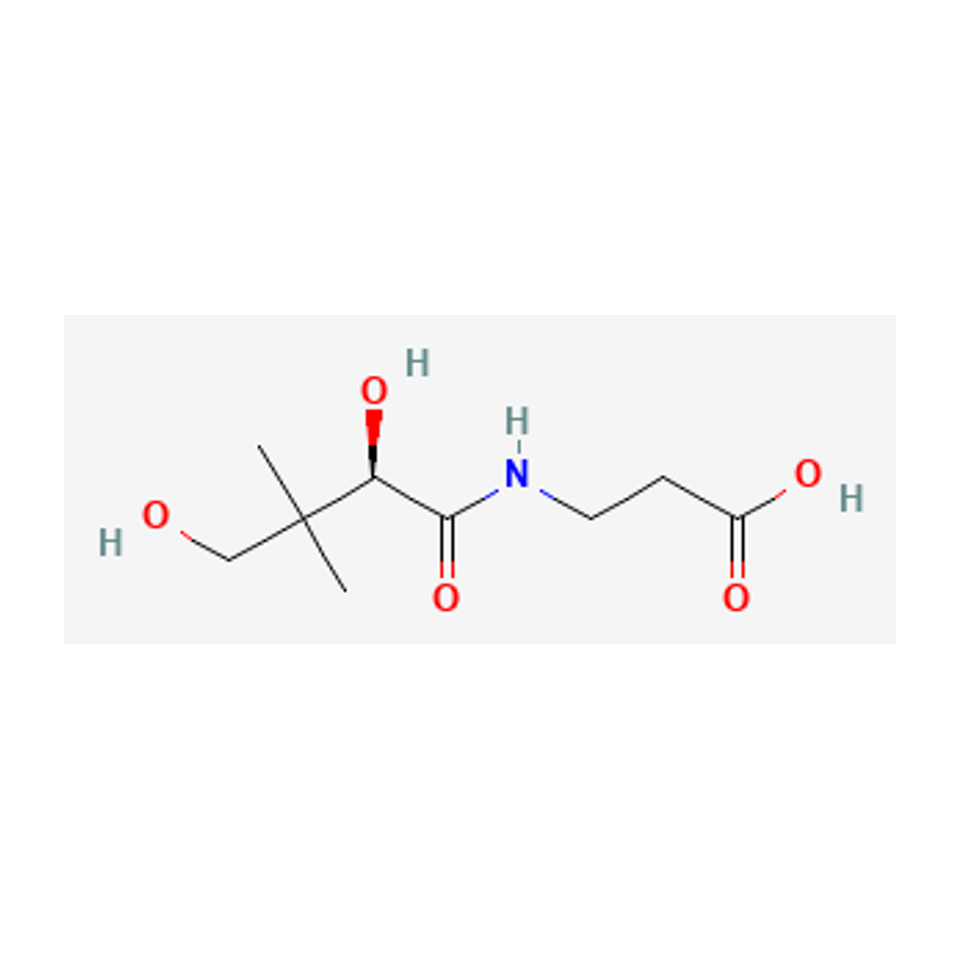
This reference form does not represent every form included in the USDA quantity.
Description, source and attribution
Reference depiction: D-pantothenic acid. Formula C9H17NO5; PubChem CID 6613; charge 0. This specified form does not represent every form or molecule included in the USDA quantity.
PubChem Compound 6613, 2D Structure. NCBI / National Library of Medicine. Source · Reuse terms
Source check:
A COMMON BASIS
Foods, per 100 g
155 foods with data 51 not reported, excluded from ranking
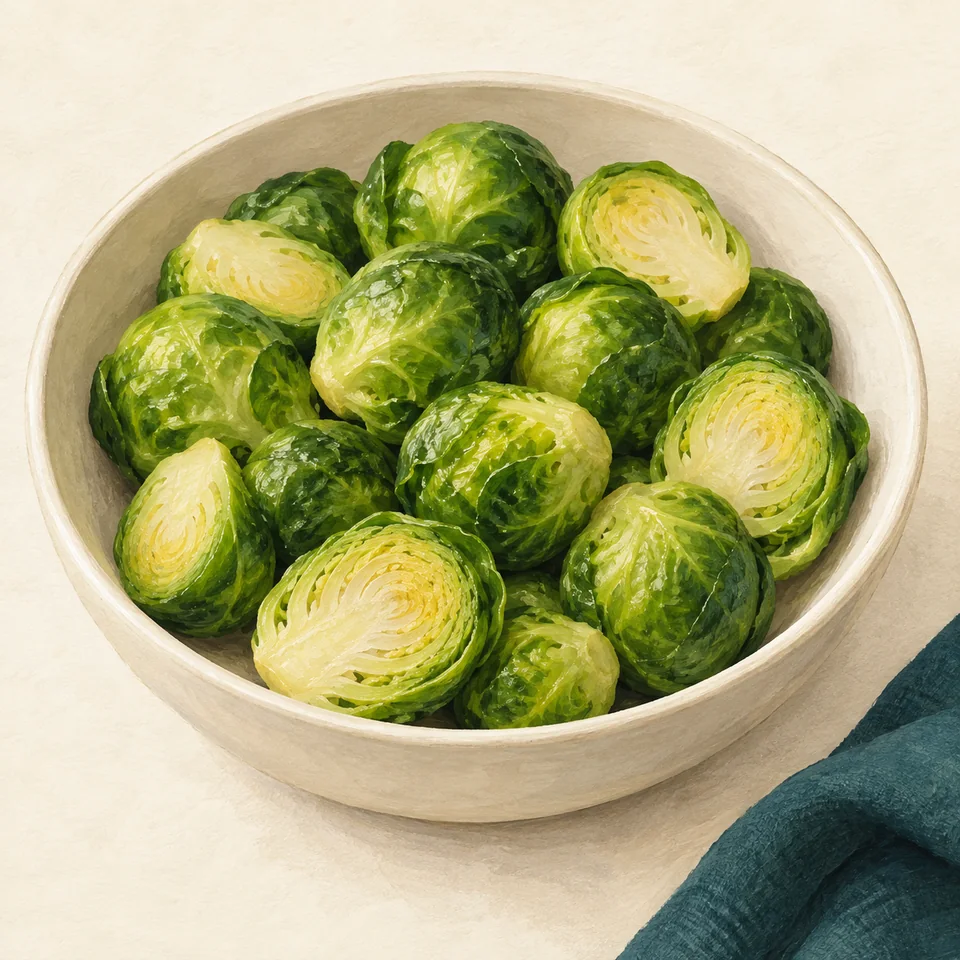
- Brussels sprouts
Brussels sprouts, cooked, boiled, drained, without salt, exactly as identified by USDA.
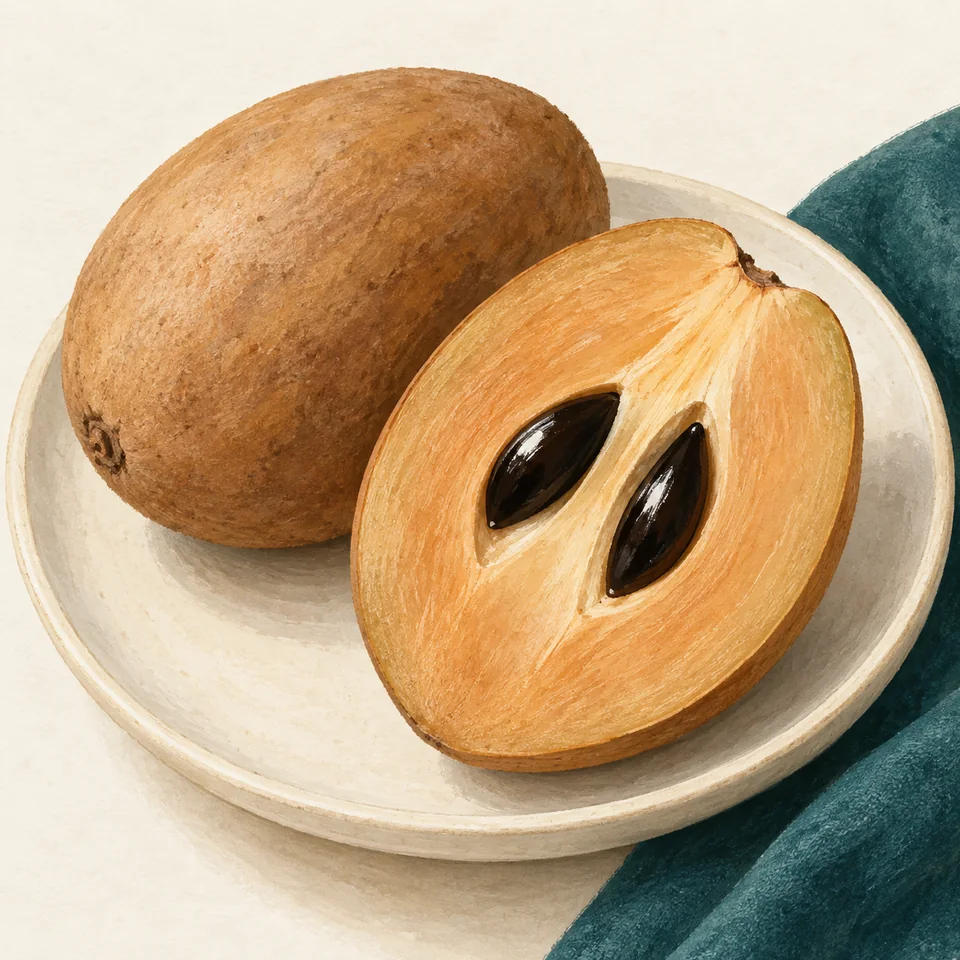
0.252 mg - Sapodilla
Sapodilla, raw, exactly as identified by USDA.
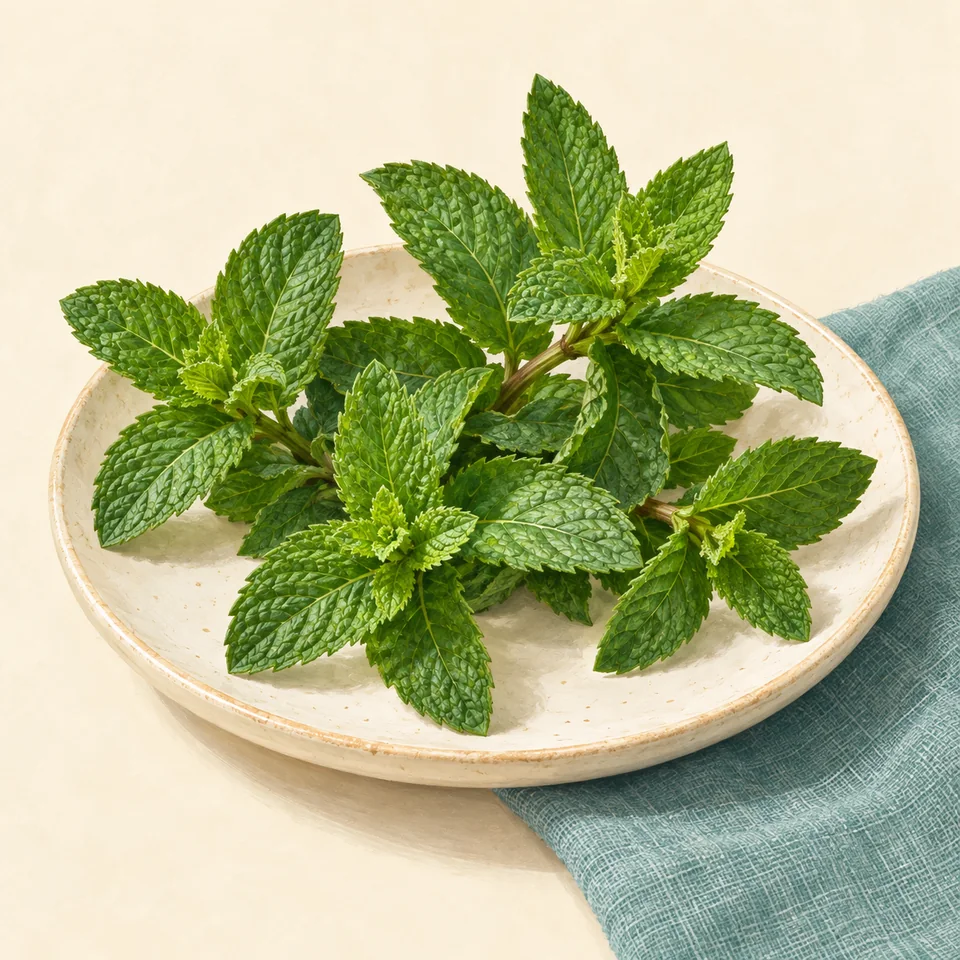
0.252 mg - Fresh spearmint
Spearmint, fresh, exactly as identified by USDA.
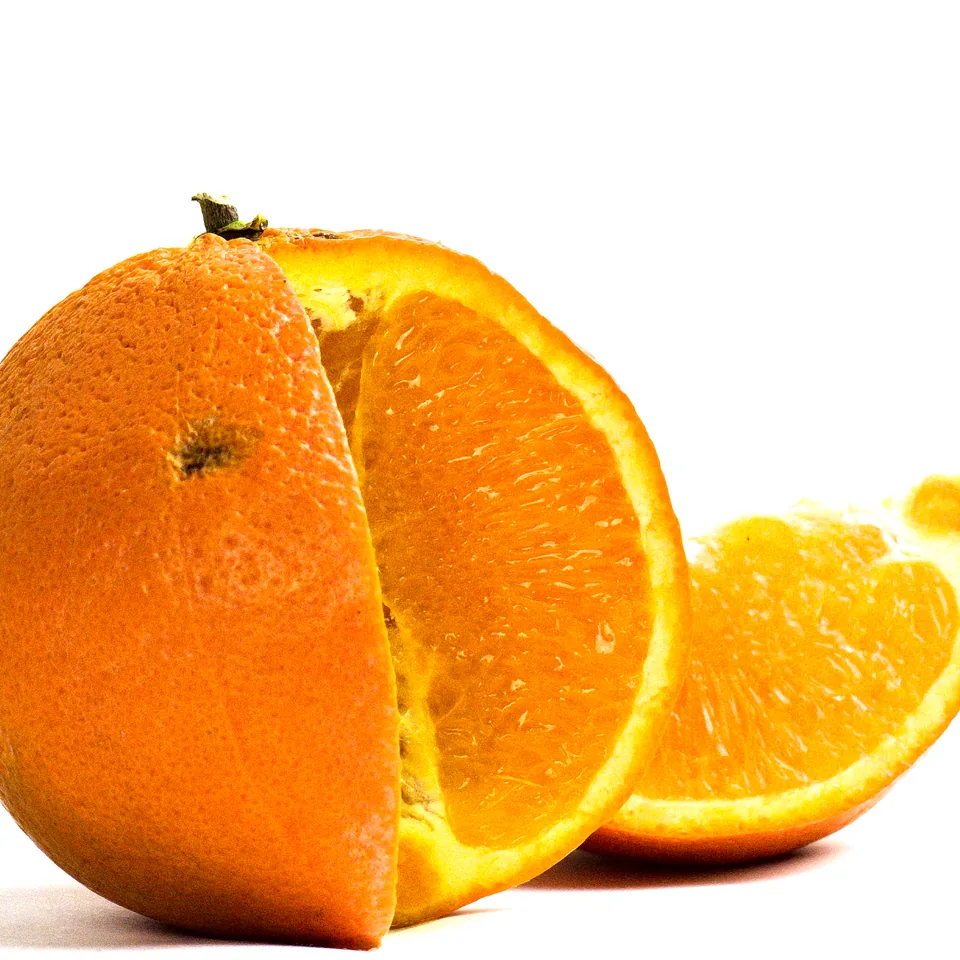
0.25 mg - Orange
Raw orange, all commercial varieties; edible flesh.
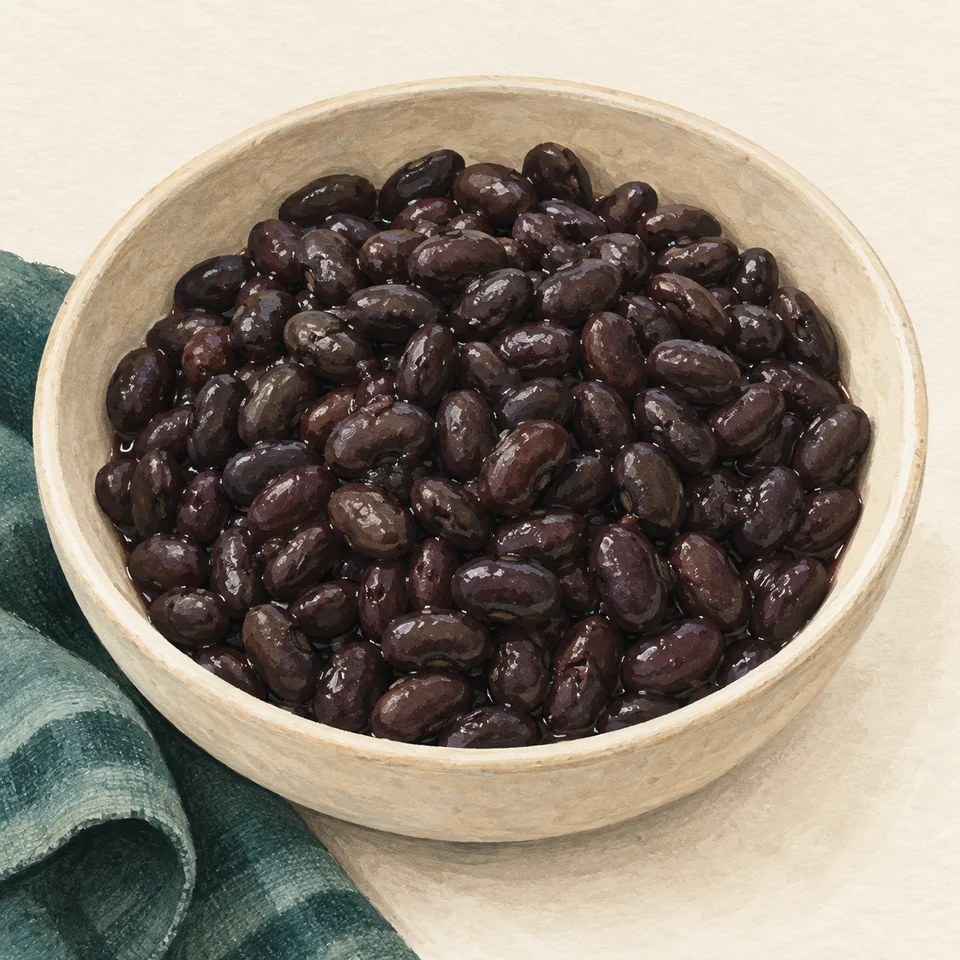
0.25 mg - Black beans
Cooked; boiled; without salt, as stated in the USDA source description.
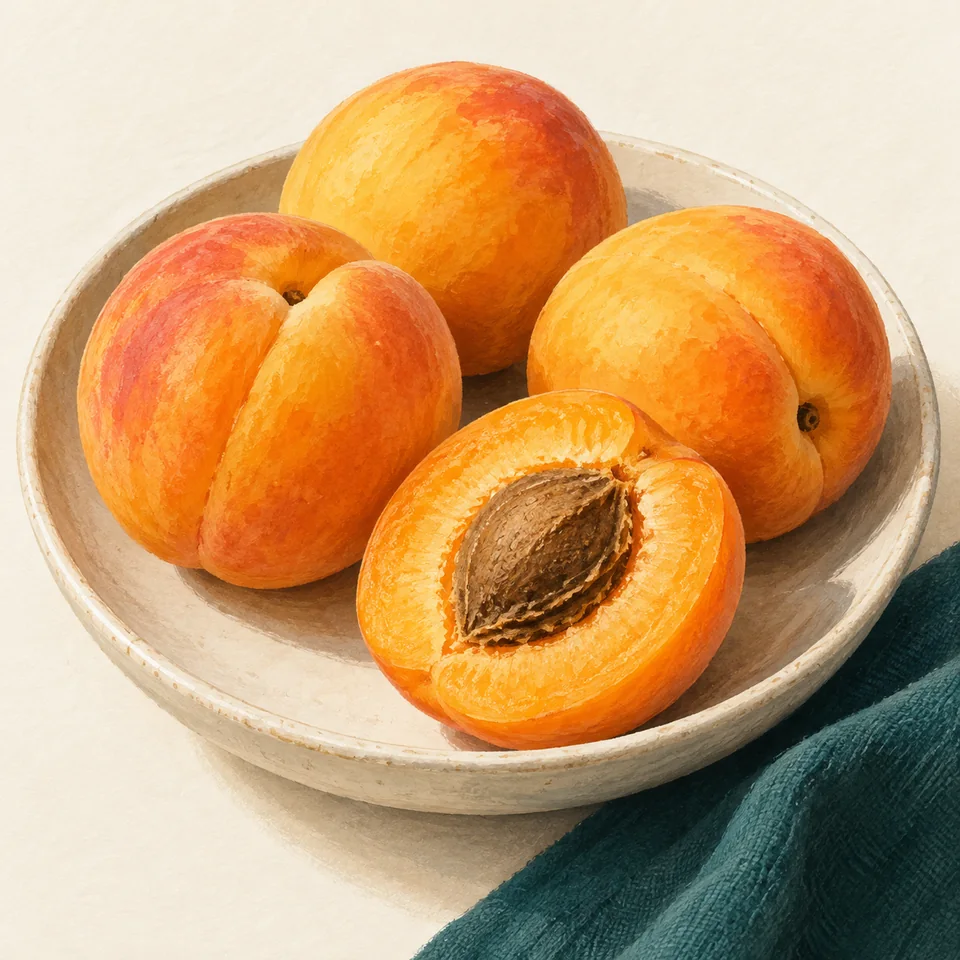
0.242 mg - Apricot
Apricots, raw, exactly as identified by USDA.
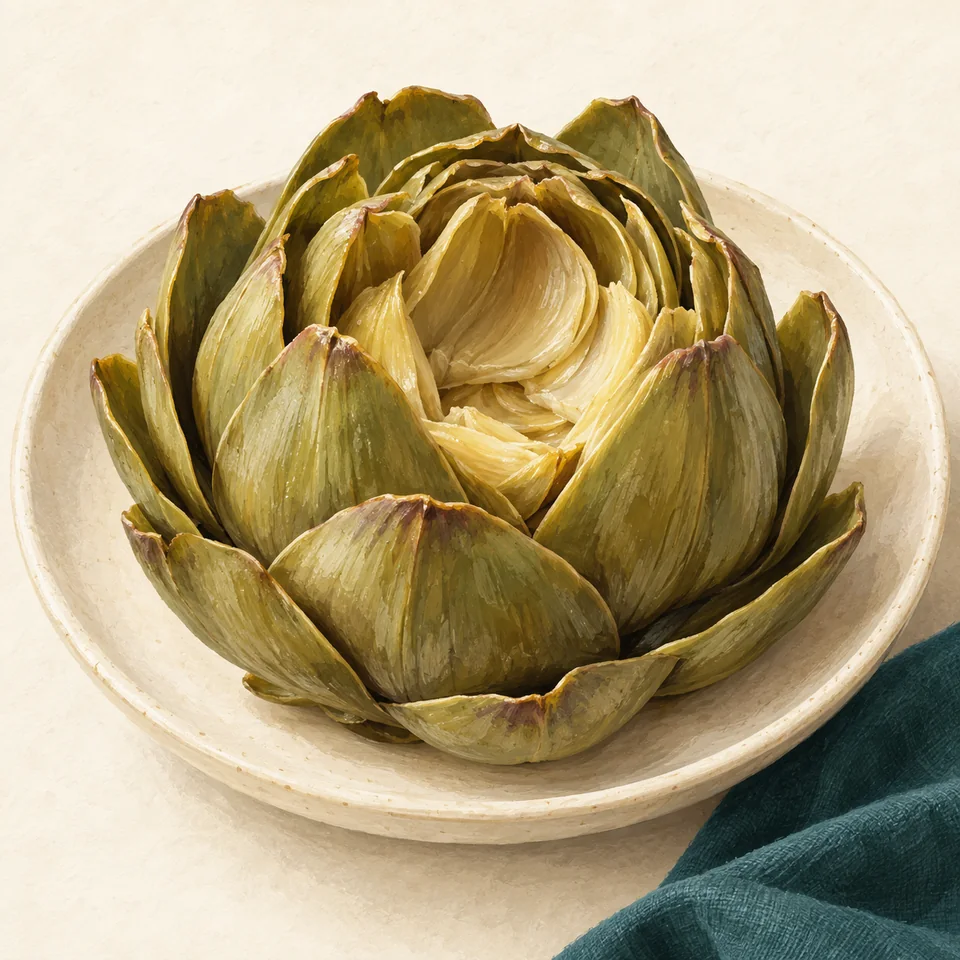
0.24 mg - Artichoke
Artichokes, (globe or french), cooked, boiled, drained, without salt, exactly as identified by USDA.
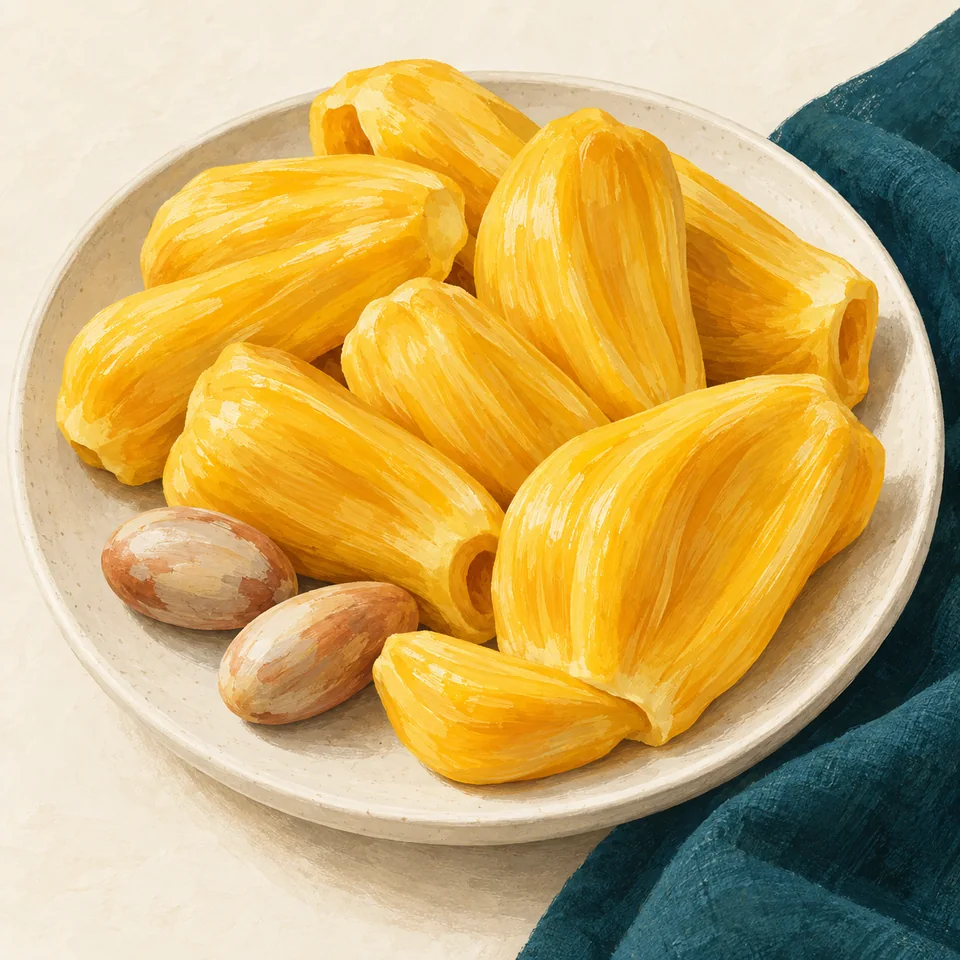
0.24 mg - Jackfruit
Jackfruit, raw, exactly as identified by USDA.
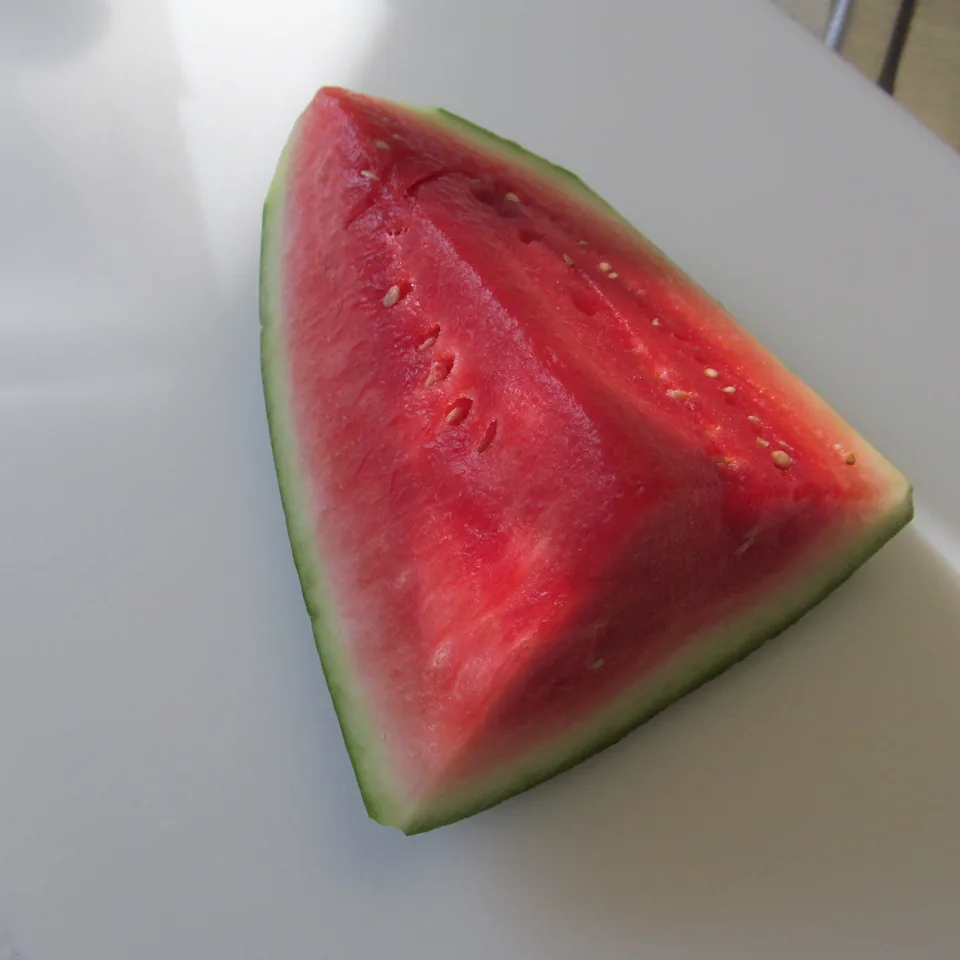
0.235 mg - Watermelon
Raw watermelon, edible portion; seedless status not specified.
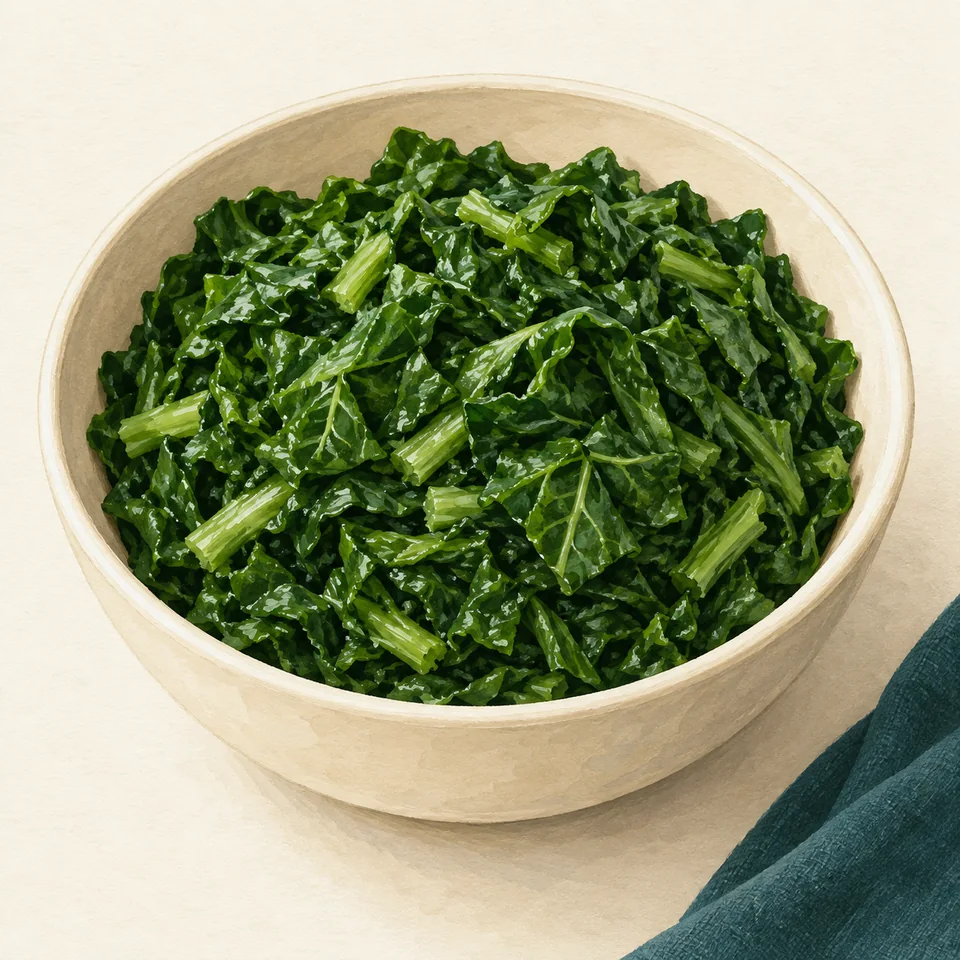
0.221 mg - Collard greens
Collards, cooked, boiled, drained, without salt, exactly as identified by USDA.
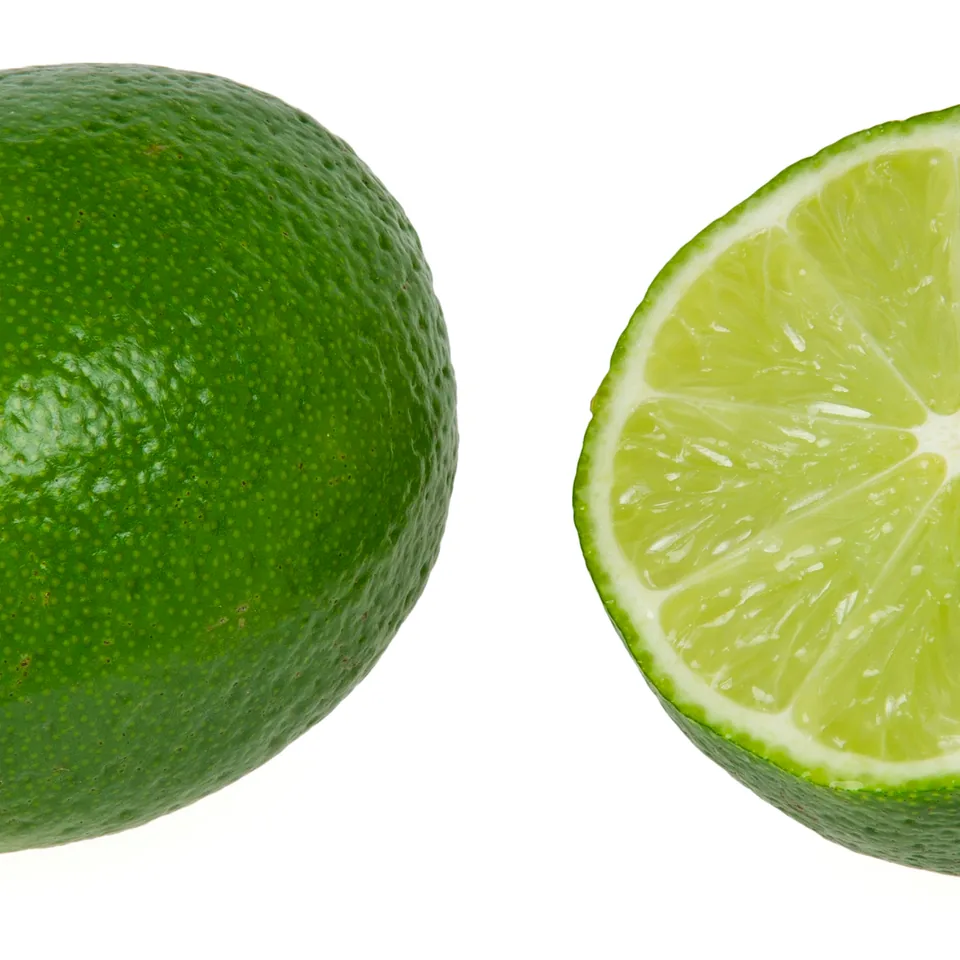
0.218 mg - Lime
Raw lime, edible portion.
0.217 mg - Mandarin
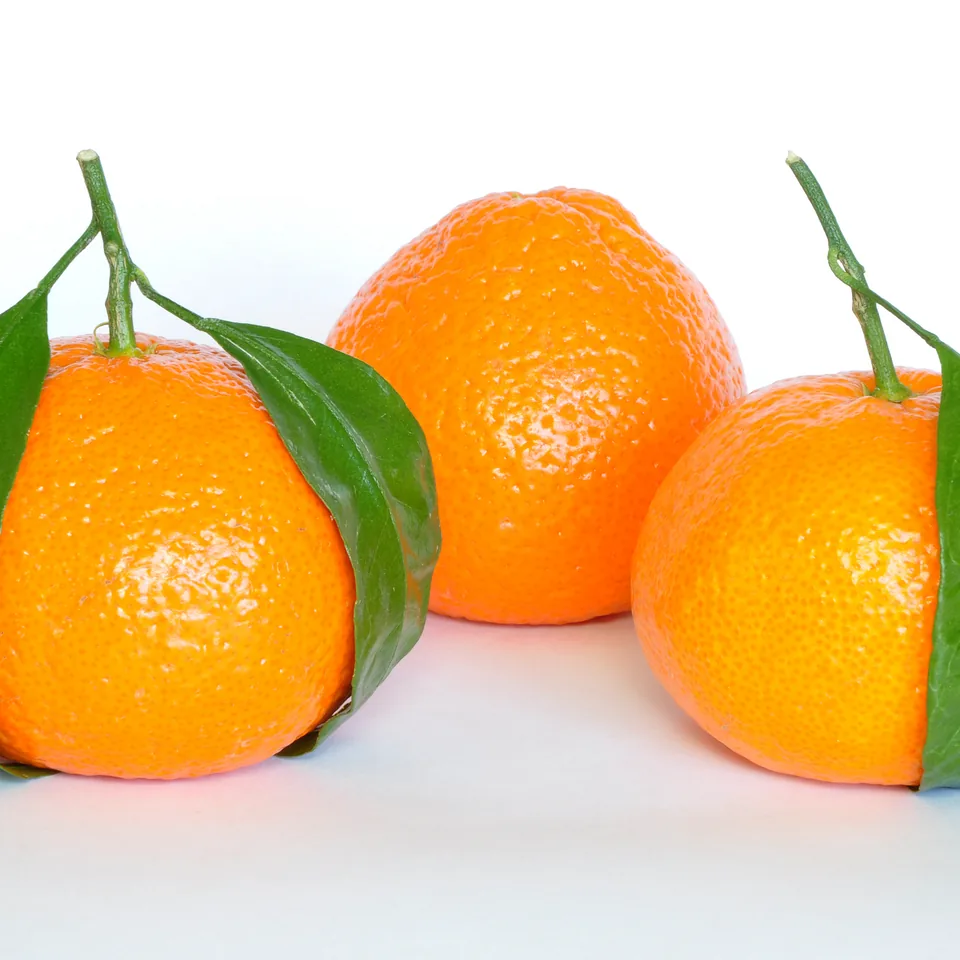
Raw mandarin/tangerine, edible portion.
0.216 mg
All results are sorted before pagination. Bars compare amounts within this search; they do not indicate health benefits. Not reported does not mean zero.
UNDERSTAND THE DATA
The nutrient, in context
How to read this ranking
This page compares Pantothenic acid (Pantothenic acid), in mg per 100 g of food.
Chemical forms and measurement methods remain separate. “Not reported” means a value is unavailable, not that the food contains zero. A food’s rank does not determine your individual needs or diagnose a deficiency.
This NIH fact sheet concerns this nutrient. Its recommended amounts describe daily intake for the stated population, not a 100 g food portion. Keep food and supplement exposure separate as the source specifies.
NIH · OFFICE OF DIETARY SUPPLEMENTS
Pantothenic Acid: Fact Sheet for Consumers
Original text published by NIH, including intake tables by age and sex, cautions, and the population context the source states. Bitameans has not performed an independent medical review or adapted these recommendations to your personal circumstances.
What is pantothenic acid and what does it do?
Pantothenic acid (also called vitamin B5) helps turn the food you eat into the energy you need. It’s important for many functions in the body, especially making and breaking down fats.
How much pantothenic acid do I need?
The amount of pantothenic acid you need depends on your age and sex. Average daily recommended amounts are listed below in milligrams (mg).
| Life Stage | Recommended Amount |
|---|---|
| Birth to 6 months | 1.7 mg |
| Infants 7–12 months |
Identity and structure sources
- PubChem Compound 6613: Pantothenic Acid · Accessed 2026-09-13
- USDA FoodData Central: Foundation Foods Documentation · Accessed 2026-09-13