EXPLORE A NUTRIENT
Lutein + zeaxanthin
Discover how amounts vary across foods, on a shared basis for comparison.
Understand this nutrient ↓What is it?
USDA reporting category: Lutein + zeaxanthin. The category is not represented by a single verified structure. [1]

A conceptual representation, not a molecular structure.
Description, source and attribution
A conceptual grouping, not a molecular structure. This reporting category contains multiple components or represents a calculated quantity.
Original Bitameans conceptual/fallback artwork; not a chemical structure. Source · Reuse terms
Source check:
A COMMON BASIS
Foods, per 100 g
140 foods with data 66 not reported, excluded from ranking
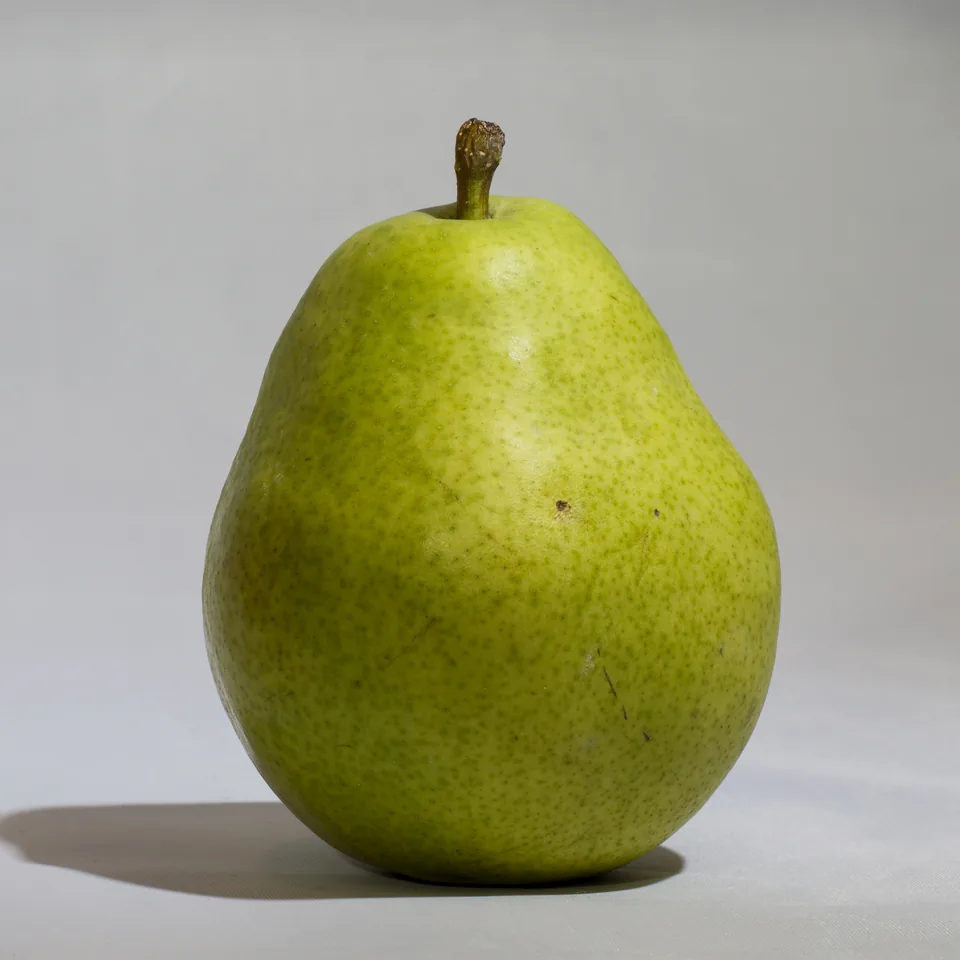
- Pear
Raw pear; variety not specified.
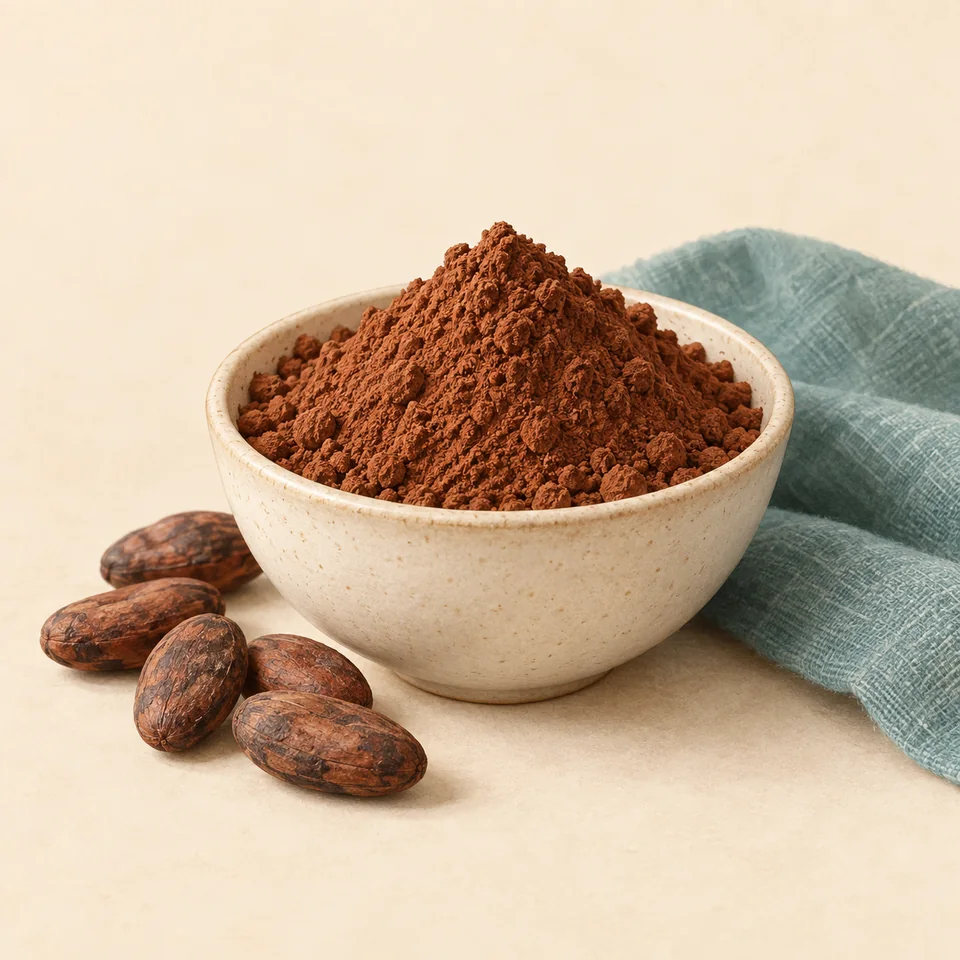
44 µg - Unsweetened cocoa powder
Cocoa, dry powder, unsweetened, exactly as identified by USDA.
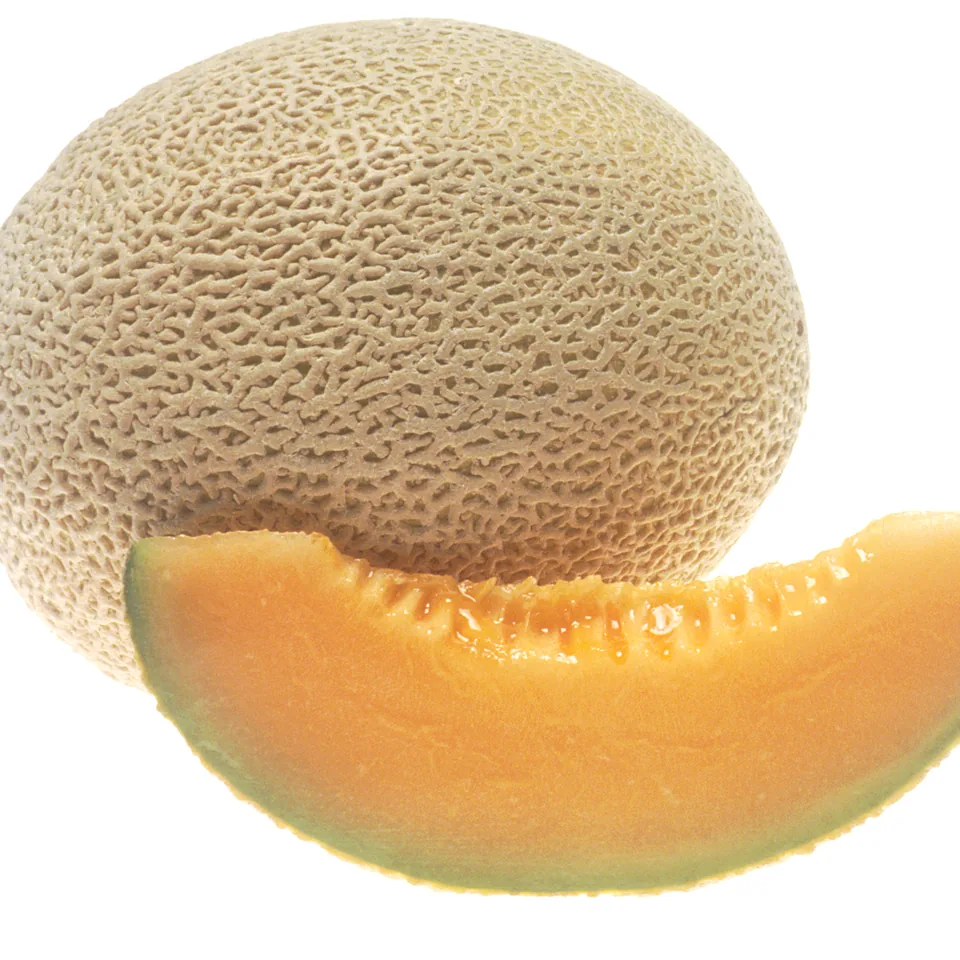
38 µg - Cantaloupe
Raw cantaloupe melon, edible portion.
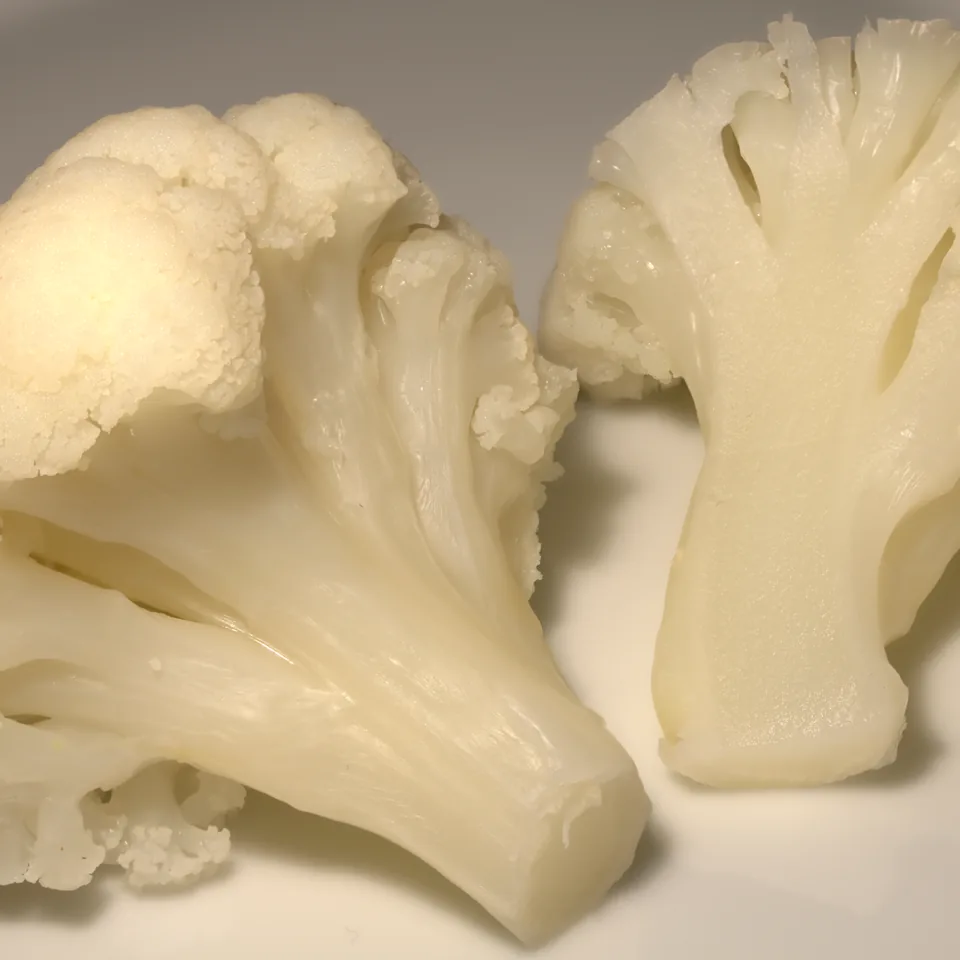
32 µg - Cauliflower
Cauliflower, boiled, drained, without salt.
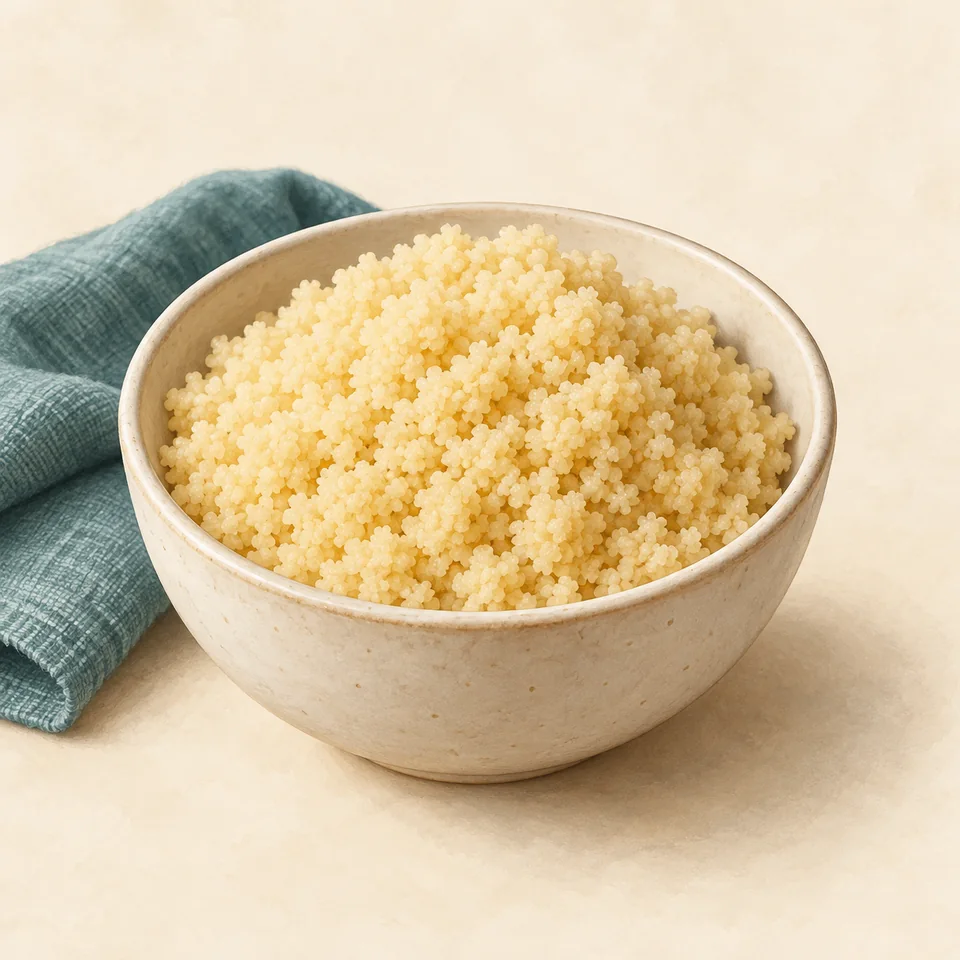
29 µg - Couscous
Couscous, cooked, exactly as identified by USDA.
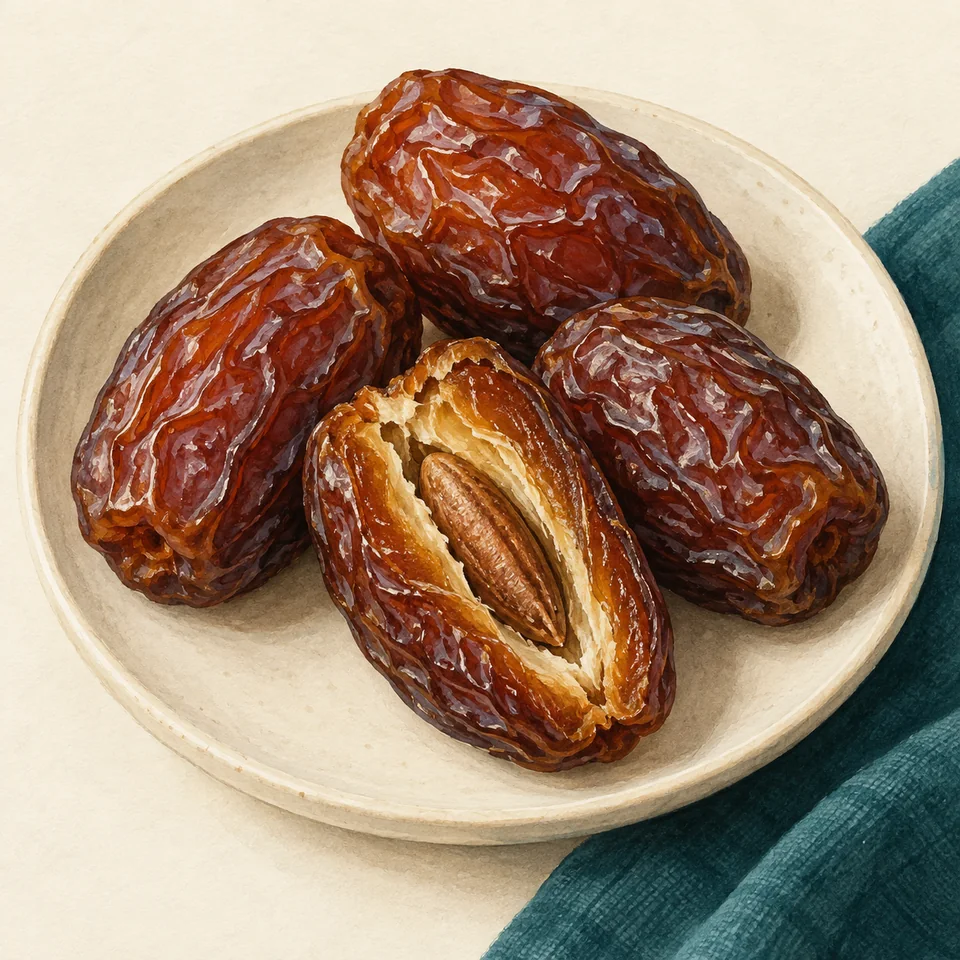
25 µg - Dates
Dates, medjool, exactly as identified by USDA.
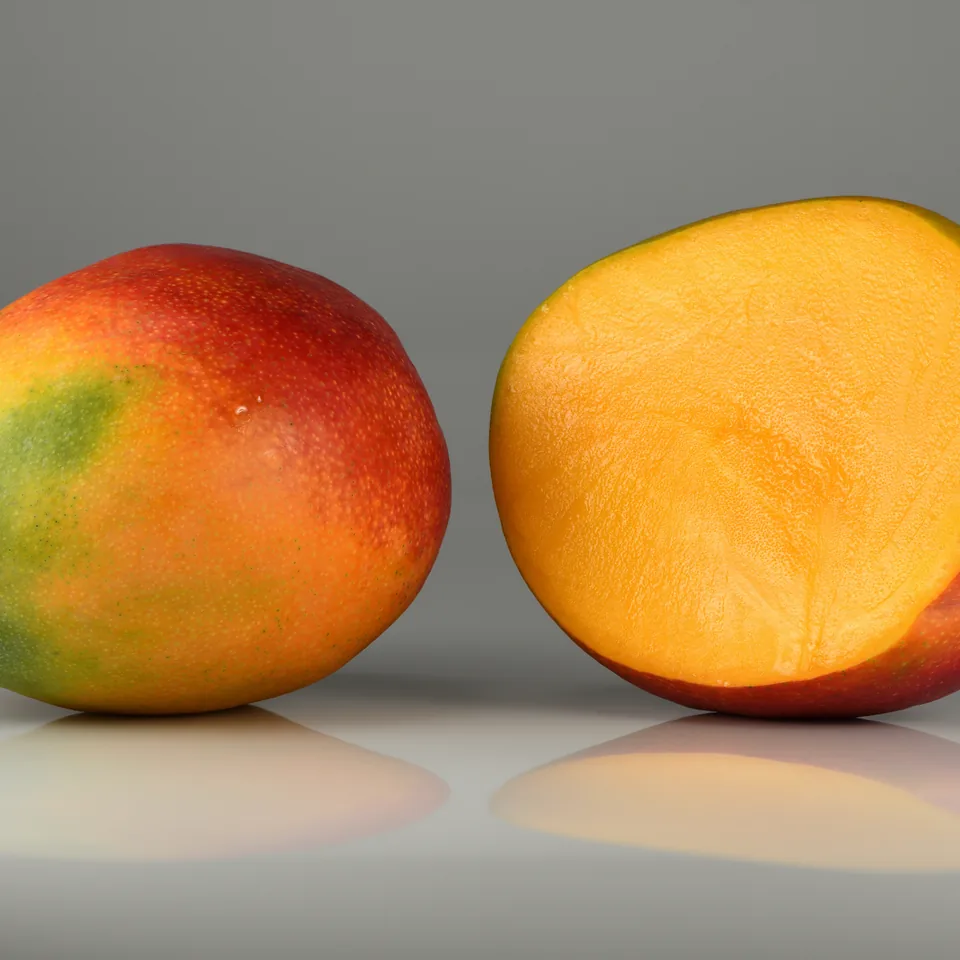
23 µg - Mango
Raw mango; variety not specified.
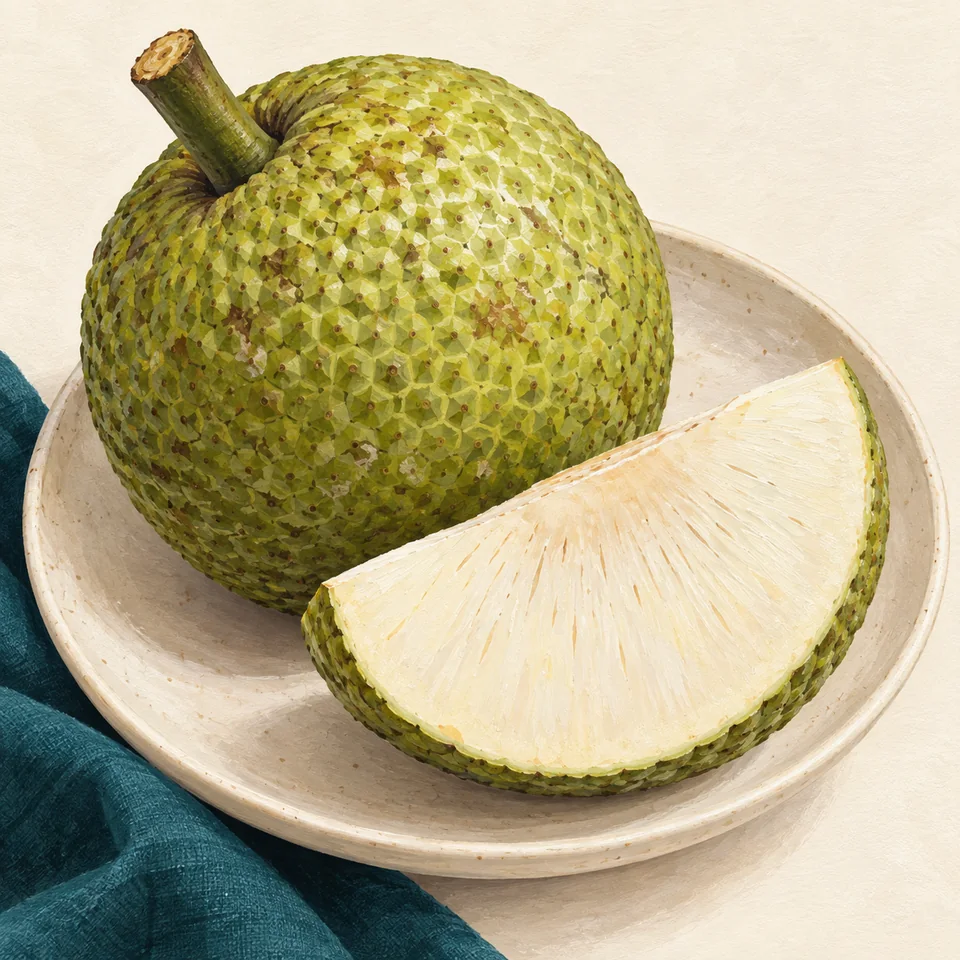
23 µg - Breadfruit
Breadfruit, raw, exactly as identified by USDA.
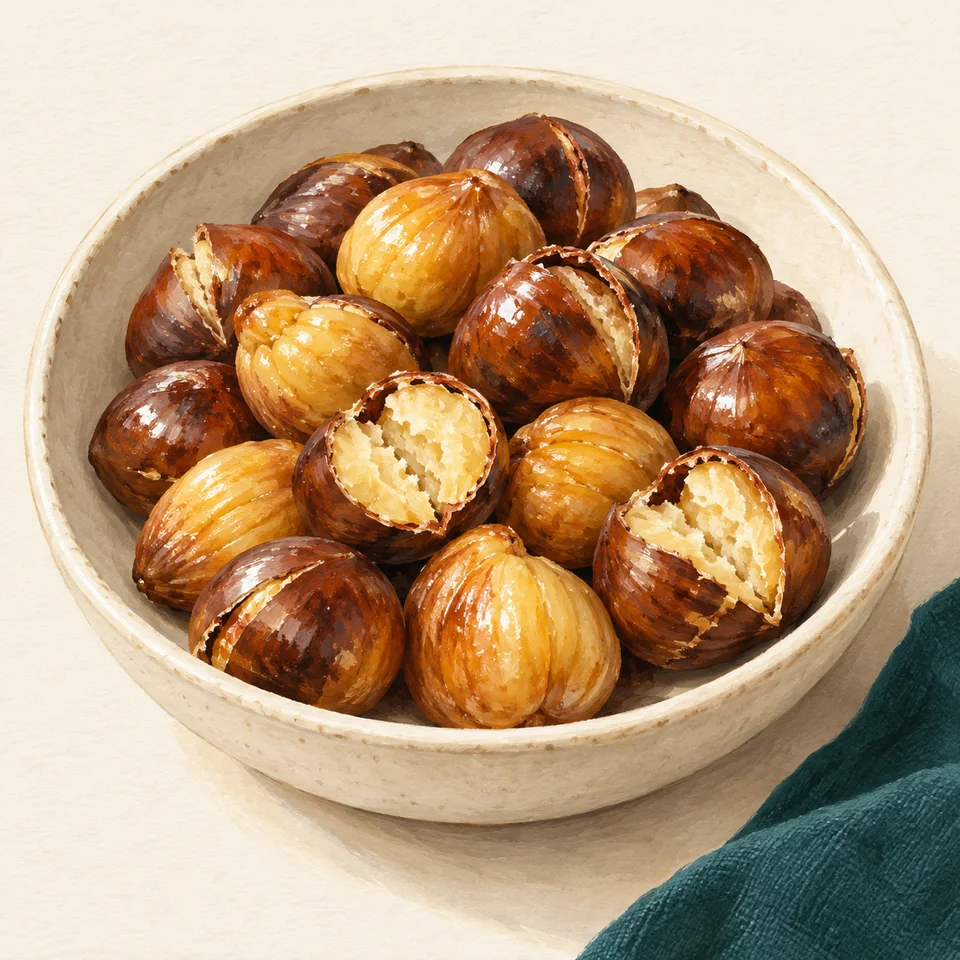
22 µg - Chestnuts
Nuts, chestnuts, european, roasted, exactly as identified by USDA.
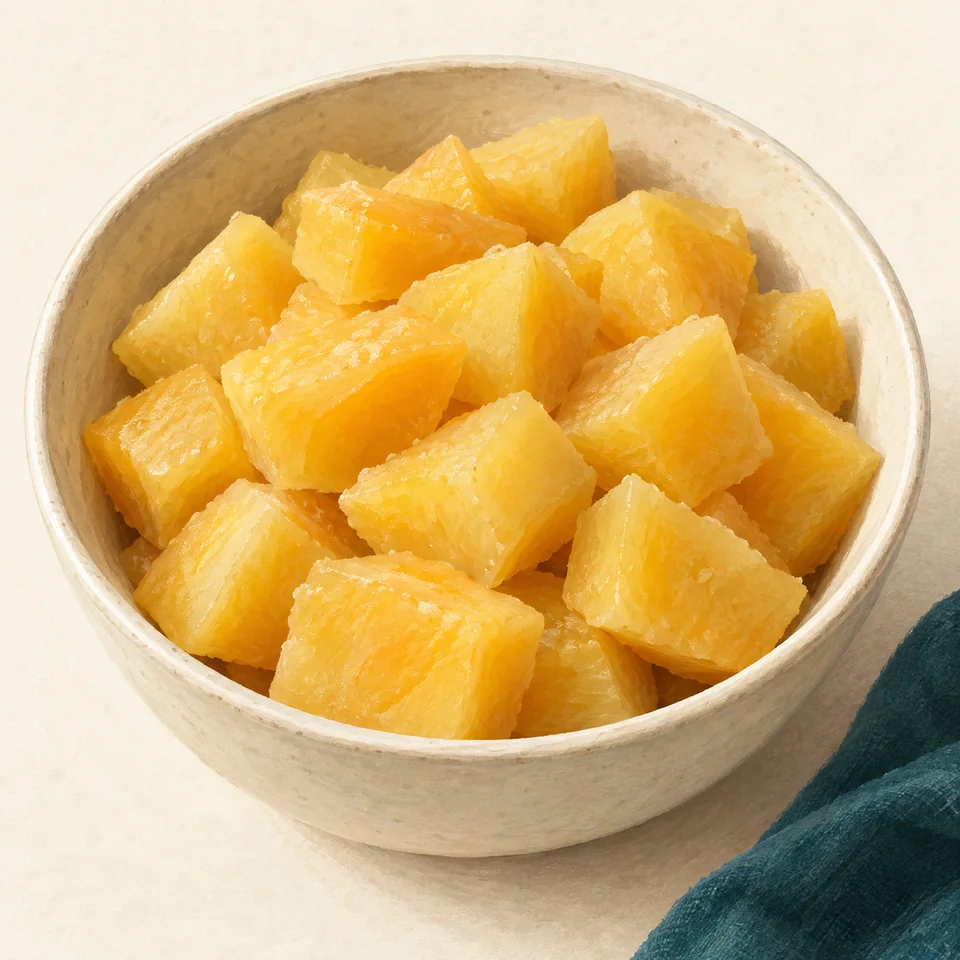
13 µg - Rutabaga
Rutabagas, cooked, boiled, drained, without salt, exactly as identified by USDA.
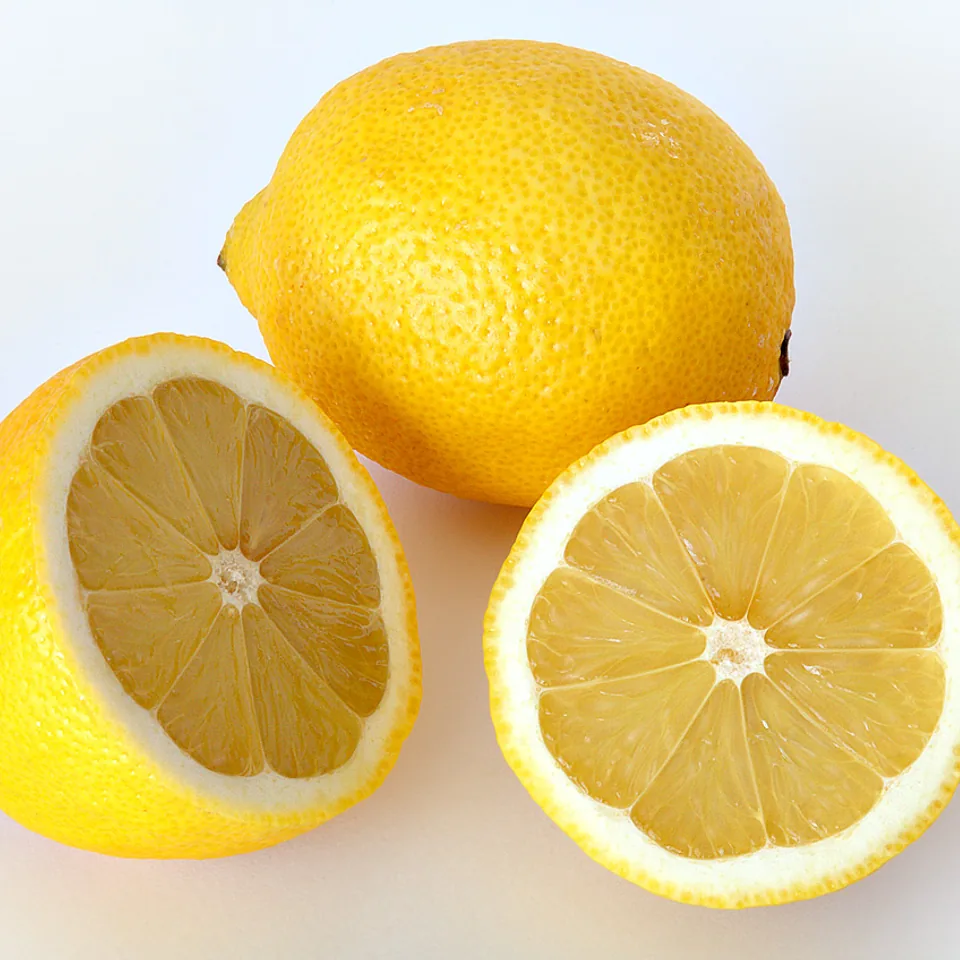
13 µg - Lemon
Raw lemon without peel.
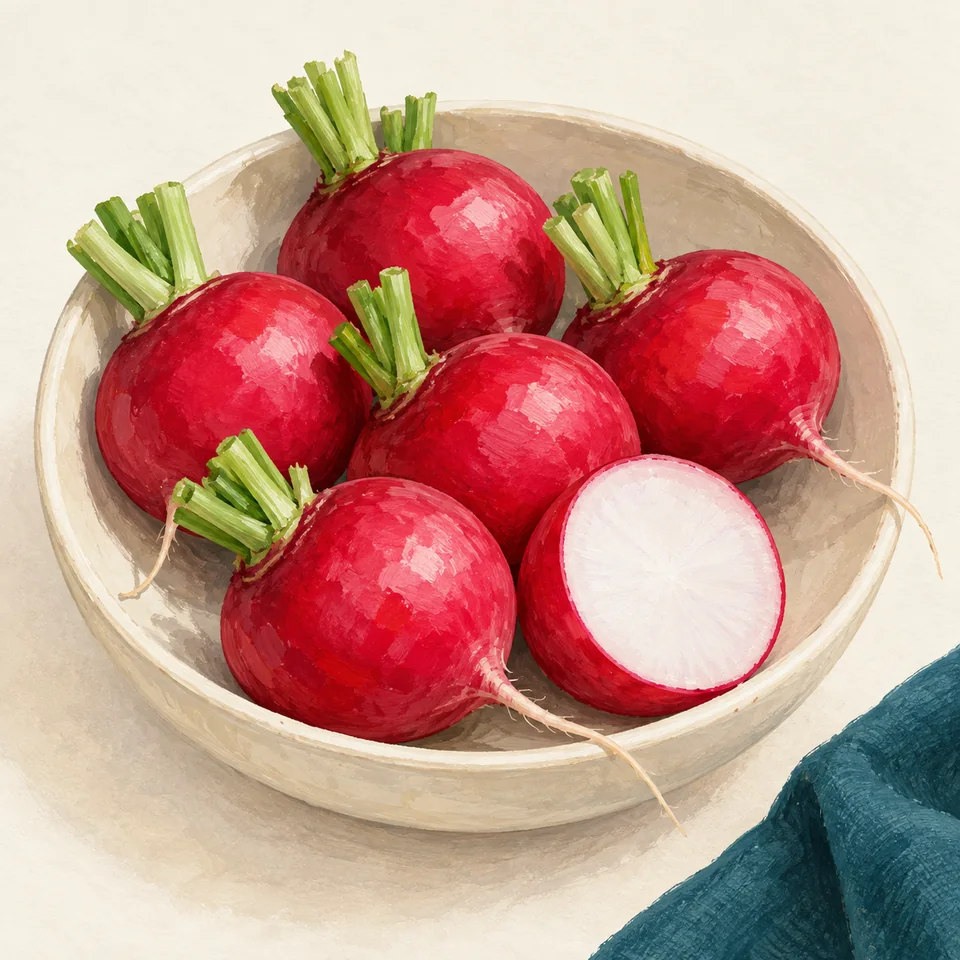
11 µg - Radish
Radishes, raw, exactly as identified by USDA.
10 µg
All results are sorted before pagination. Bars compare amounts within this search; they do not indicate health benefits. Not reported does not mean zero.
UNDERSTAND THE DATA
What it means for your diet
This source discusses antioxidants as a broad group and distinguishes foods from high-dose supplements. It does not establish the same benefit, dose or safety limit for each carotenoid or cis/trans form; those identities stay separate in this ranking.
Ranking amounts describe foods, not supplement doses. A high rank does not mean you should consume more. Source recommendations and cautions retain their original population and scope.
Antioxidants [1]
Source: MedlinePlus, National Library of Medicine. Original health-topic summary, reproduced with attribution.
Antioxidants are man-made or natural substances that may prevent or delay some types of cell damage. Antioxidants are found in many foods, including fruits and vegetables. They are also available as dietary supplements. Examples of antioxidants include:
Vegetables and fruits are rich sources of antioxidants. There is good evidence that eating a diet with lots of vegetables and fruits is healthy and lowers risks of certain diseases. But it isn't clear whether this is because of the antioxidants, something else in the foods, or other factors.
High-dose supplements of antioxidants may be linked to health risks in some cases. For example, high doses of beta-carotene may increase the risk of lung cancer in smokers. High doses of vitamin E may increase risks of prostate cancer and one type of stroke. Antioxidant supplements may also interact with some medicines. To minimize risk, tell your health care providers about any antioxidants you use.
Identity and structure sources
- USDA FoodData Central: Foundation Foods Documentation · Accessed 2026-09-13