EXPLORE A NUTRIENT
Sodium
Discover how amounts vary across foods, on a shared basis for comparison.
Understand this nutrient ↓What is it?
The element Na is reported in mg; its amount does not identify a particular compound. [1] [2]
An identity reference, not the appearance of the food.
Description, source and attribution
Element Na, atomic number 11. The graphic does not assign an oxidation state or compound to the food measurement.
Original Bitameans element graphic; symbol and atomic number from PubChem. Source · Reuse terms
Source check:
A COMMON BASIS
Foods, per 100 g
183 foods with data 23 not reported, excluded from ranking
- Rabbit
Game meat, rabbit, domesticated, composite of cuts, cooked, roasted, exactly as identified by USDA.
47 mg - Oat beverage
Unsweetened plain oat beverage, refrigerated.
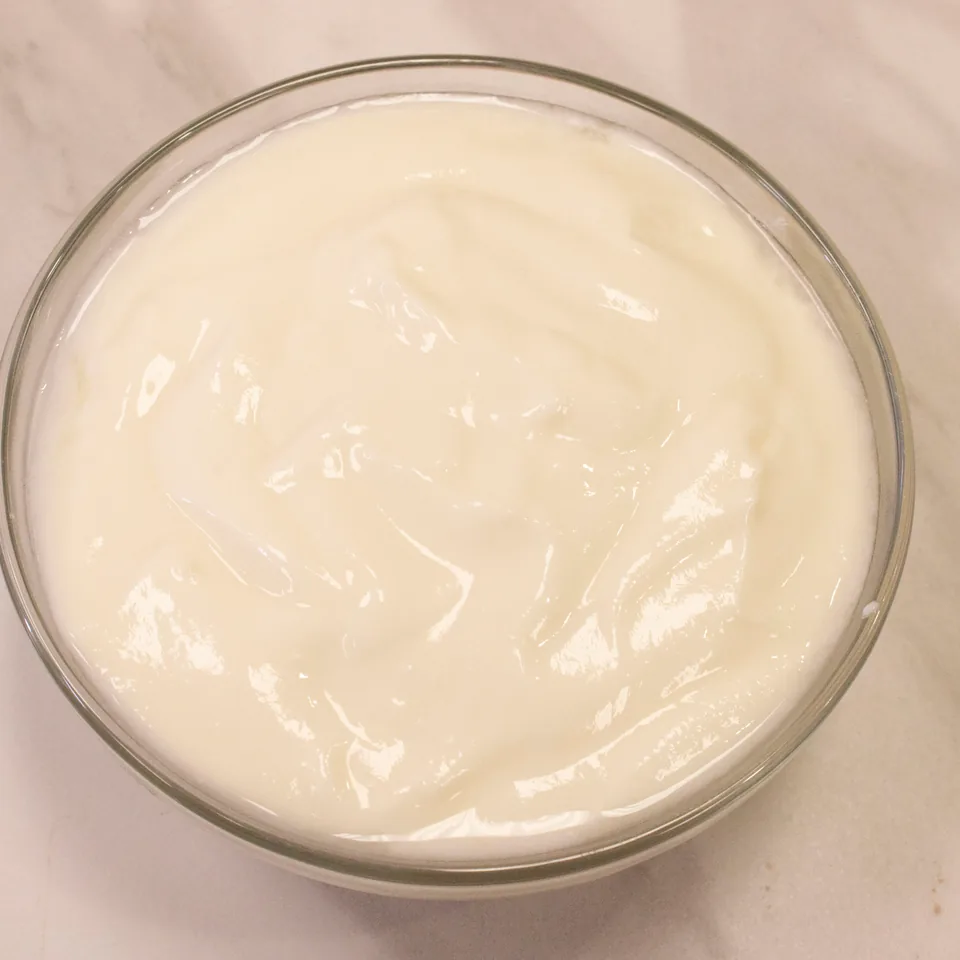
41.98 mg - Plain yogurt
Plain whole-milk yogurt.
41.78 mg - Broccoli
Broccoli, boiled, drained, without salt.
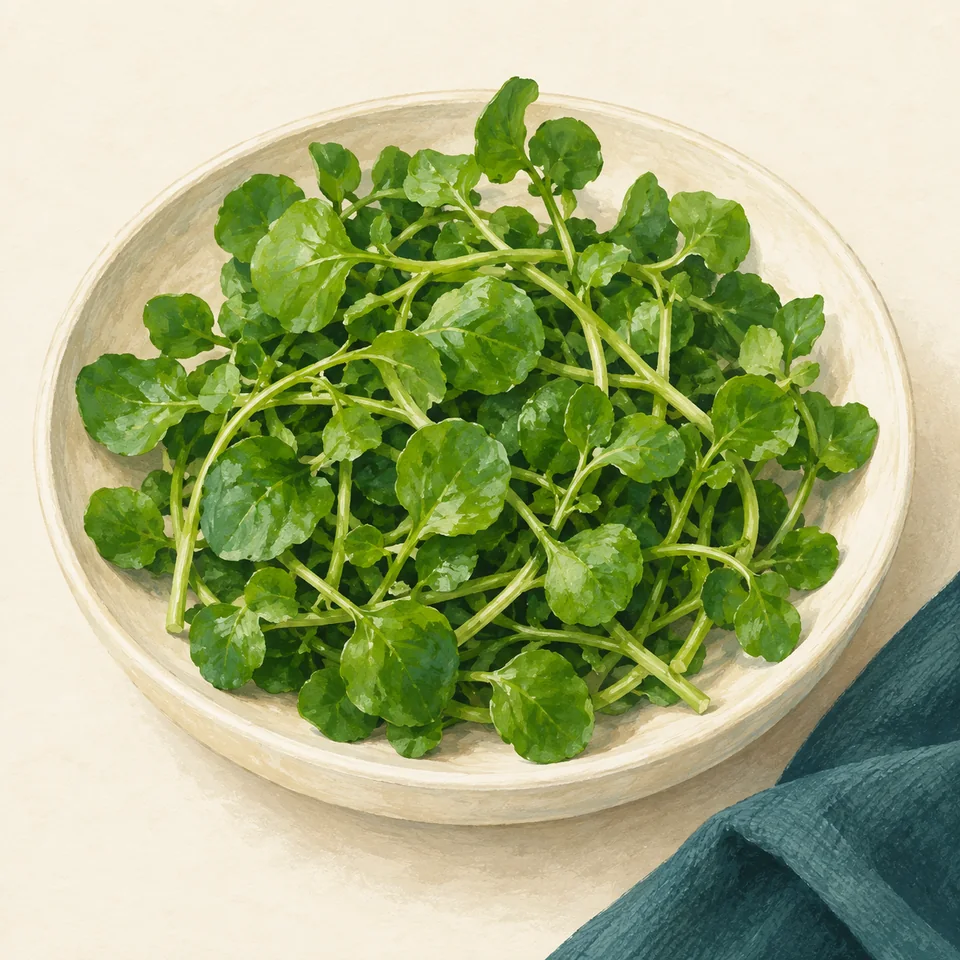
41 mg - Watercress
Watercress, raw, exactly as identified by USDA.
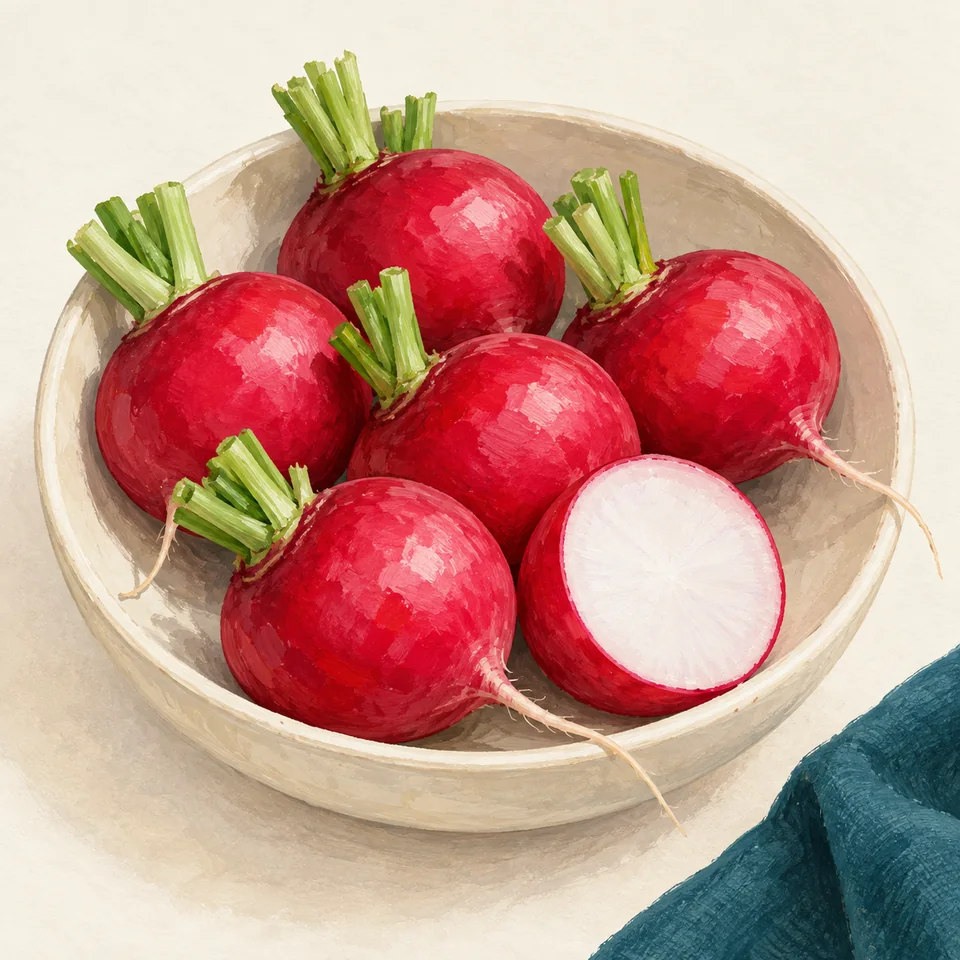
41 mg - Radish
Radishes, raw, exactly as identified by USDA.
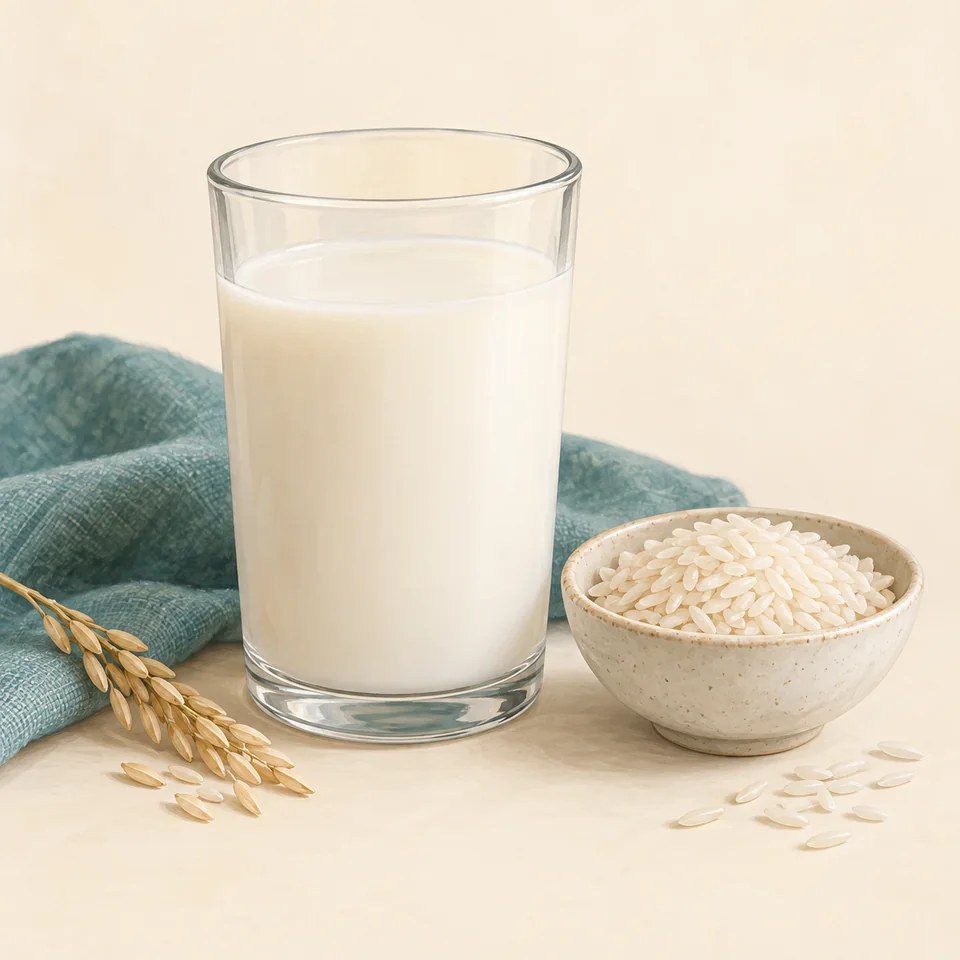
39 mg - Rice drink
Beverages, rice milk, unsweetened, exactly as identified by USDA.
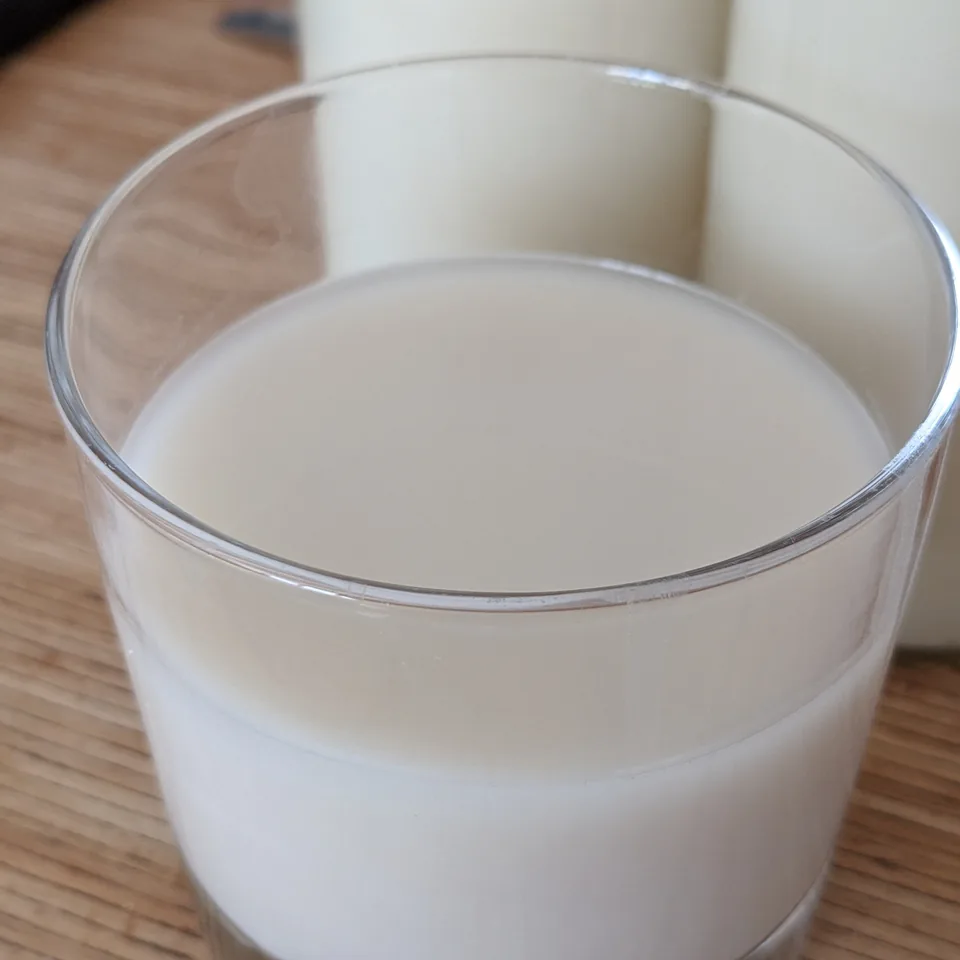
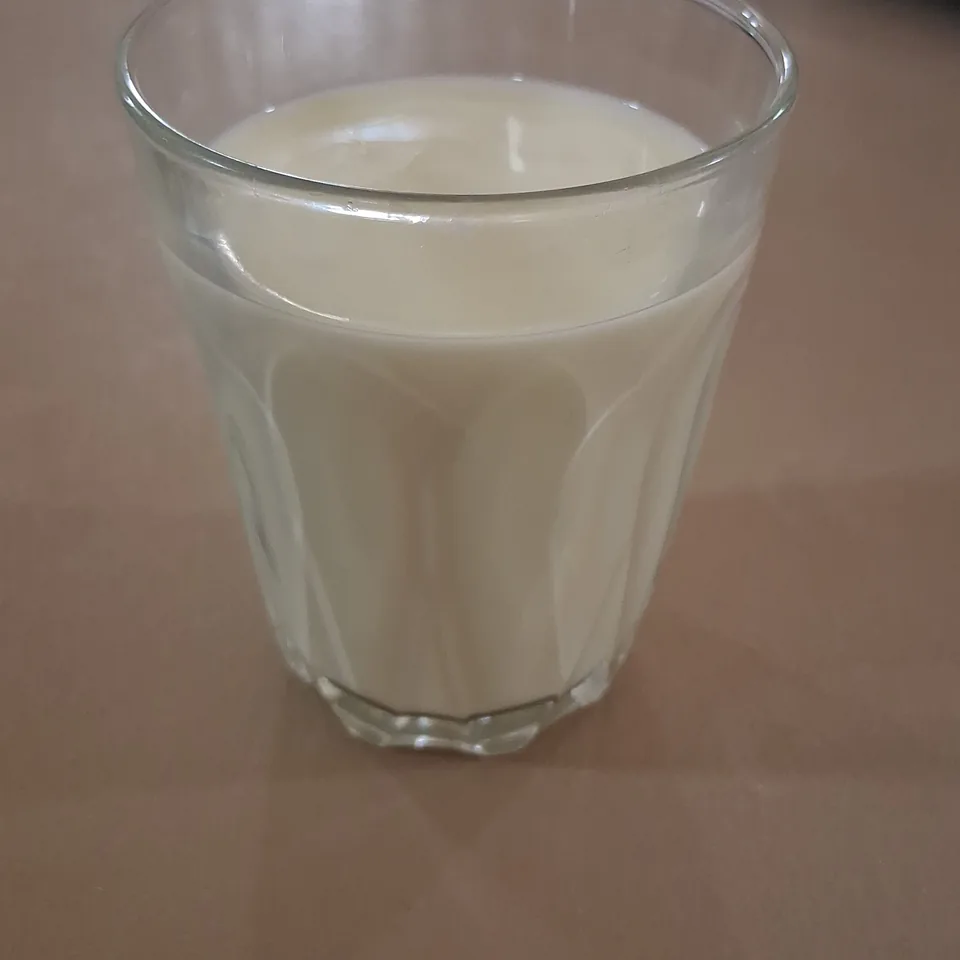
39 mg - Whole milk
Whole cow's milk, 3.25% milkfat, with added vitamin D.
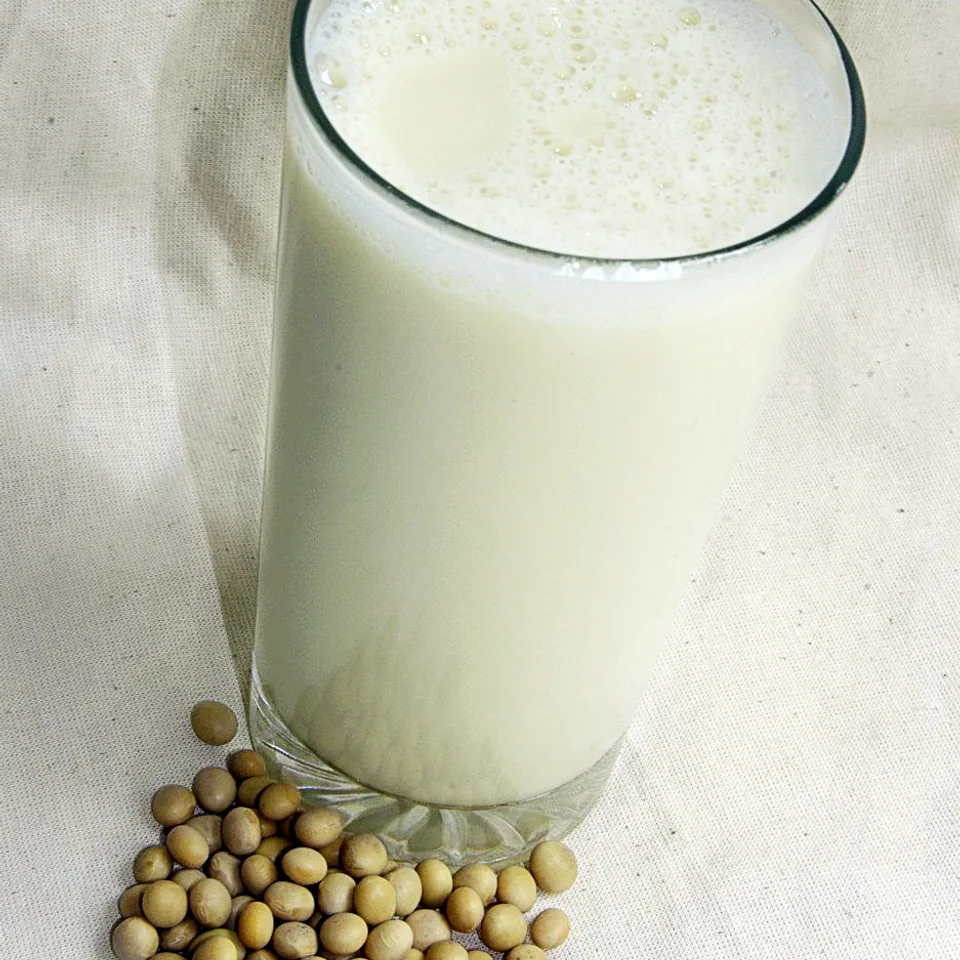
38 mg - Soy beverage
Unsweetened soy beverage, all flavors, with added calcium and vitamins A and D.
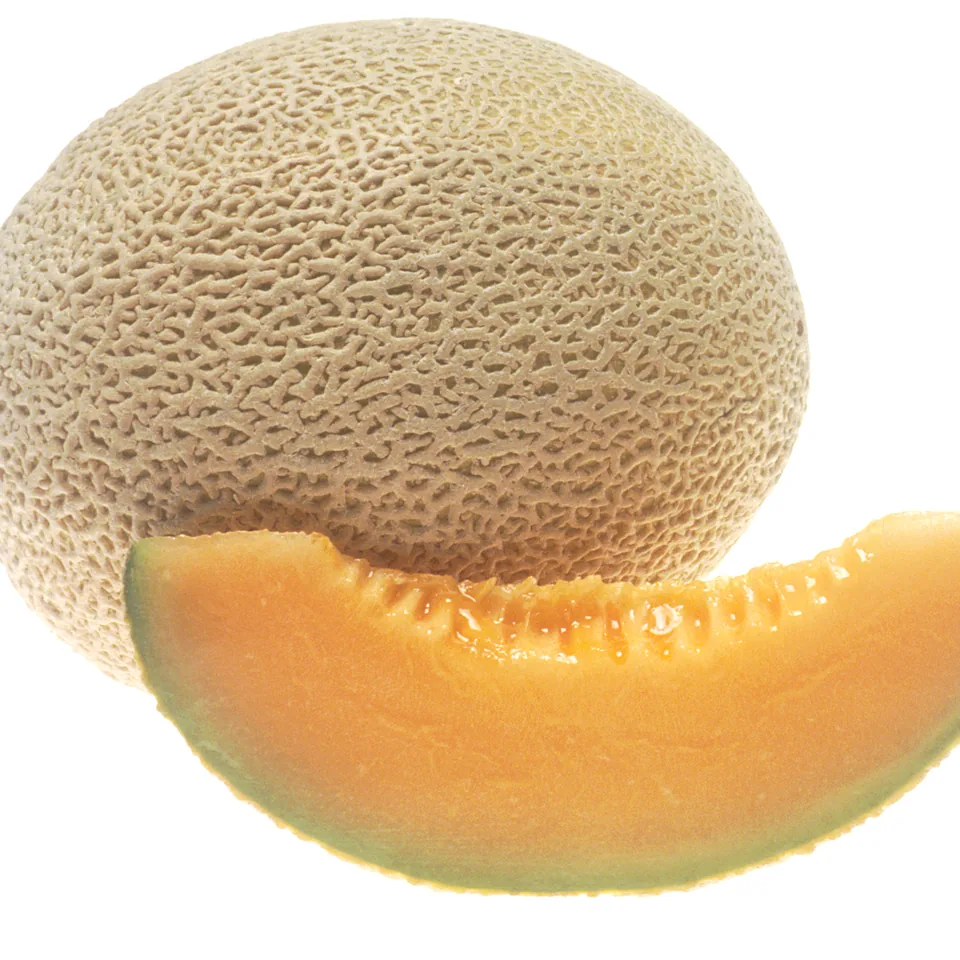
37 mg - Cantaloupe
Raw cantaloupe melon, edible portion.
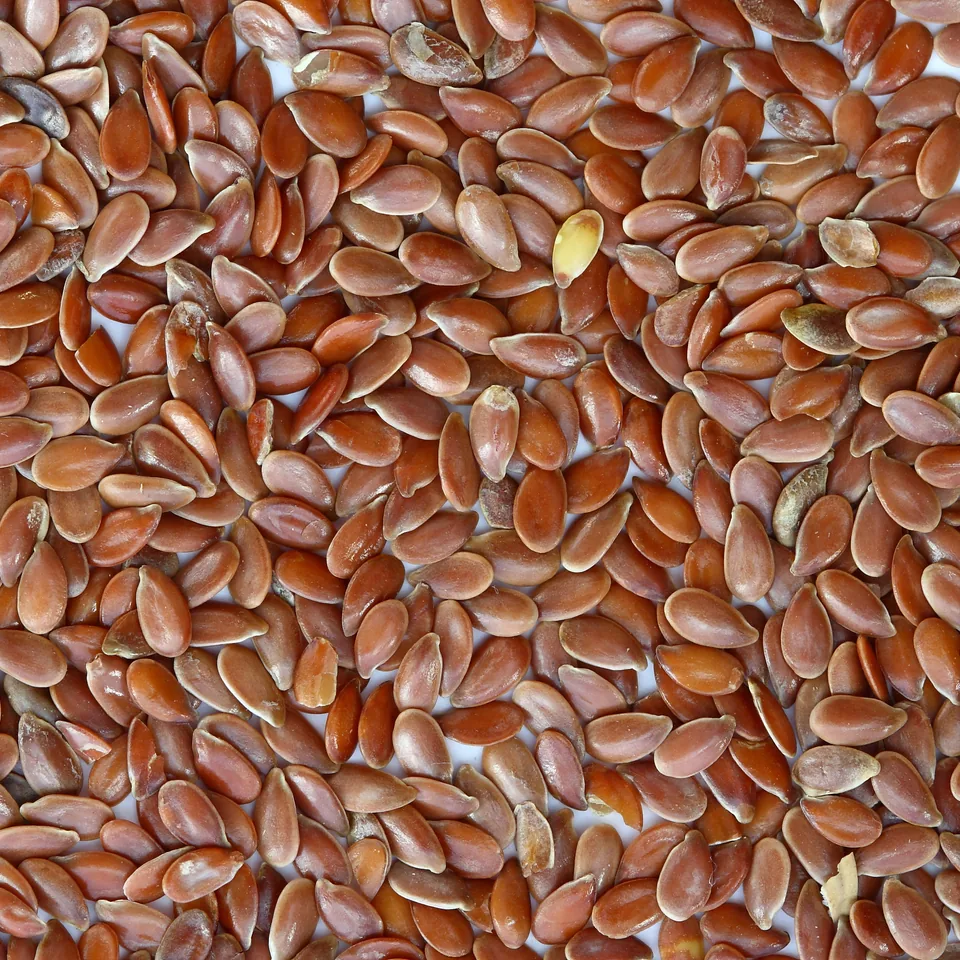
30 mg - Flaxseed
Flaxseed; source does not specify grinding.
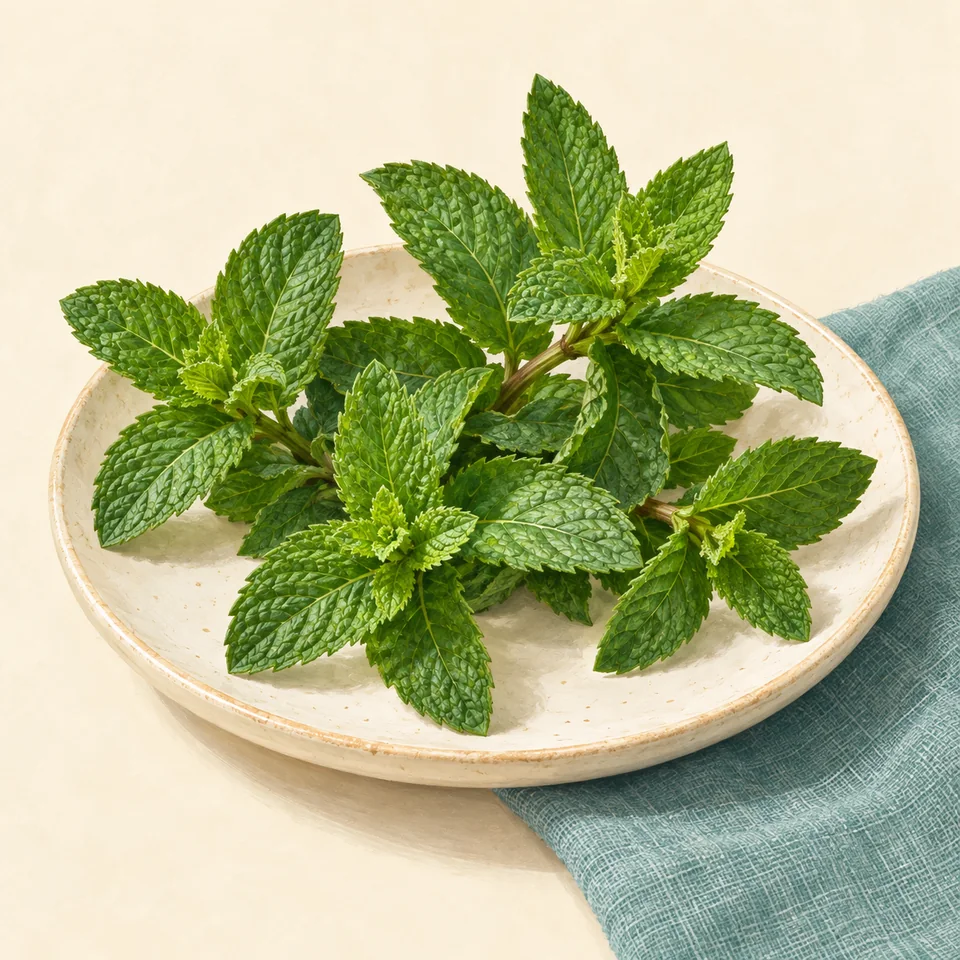
30 mg - Fresh spearmint
Spearmint, fresh, exactly as identified by USDA.
30 mg


All results are sorted before pagination. Bars compare amounts within this search; they do not indicate health benefits. Not reported does not mean zero.
UNDERSTAND THE DATA
What it means for your diet
The ranking measures sodium, not the weight of table salt or a blood sodium concentration. These sources discuss dietary sodium and fluid balance; the source population and clinical context matter. A high food ranking is not a reason to increase salt for low blood pressure.
Ranking amounts describe foods, not supplement doses. A high rank does not mean you should consume more. Source recommendations and cautions retain their original population and scope.
Sodium [1]
Source: MedlinePlus, National Library of Medicine. Original health-topic summary, reproduced with attribution.
Table salt is a combination of two minerals - sodium and chloride Your body needs some sodium to work properly. It helps with the function of nerves and muscles. It also helps to keep the right balance of fluids in your body. Your kidneys control how much sodium is in your body. If you have too much and your kidneys can't get rid it, sodium builds up in your blood. This can lead to high blood pressure. High blood pressure can lead to other health problems.
Most people in the U.S. get more sodium in their diets than they need. A key to healthy eating is choosing foods low in sodium. The Dietary Guidelines recommend that most adults eat less than 2.3 grams per day. That equals about 1 teaspoon of table salt a day. Some people are more sensitive to the effects of salt than others and should eat less. This includes people who have high blood pressure, diabetes, or kidney problems, or are African American or over age 50. Reading food labels can help you see how much sodium is in prepared foods.
NIH: National Heart, Lung, and Blood Institute
Identity and structure sources
- PubChem Periodic Table of Elements · Accessed 2026-09-13
- USDA FoodData Central: Foundation Foods Documentation · Accessed 2026-09-13