EXPLORE A NUTRIENT
Water
Discover how amounts vary across foods, on a shared basis for comparison.
Understand this nutrient ↓What is it?
Water content is the moisture component reported in food composition. [1] [2]
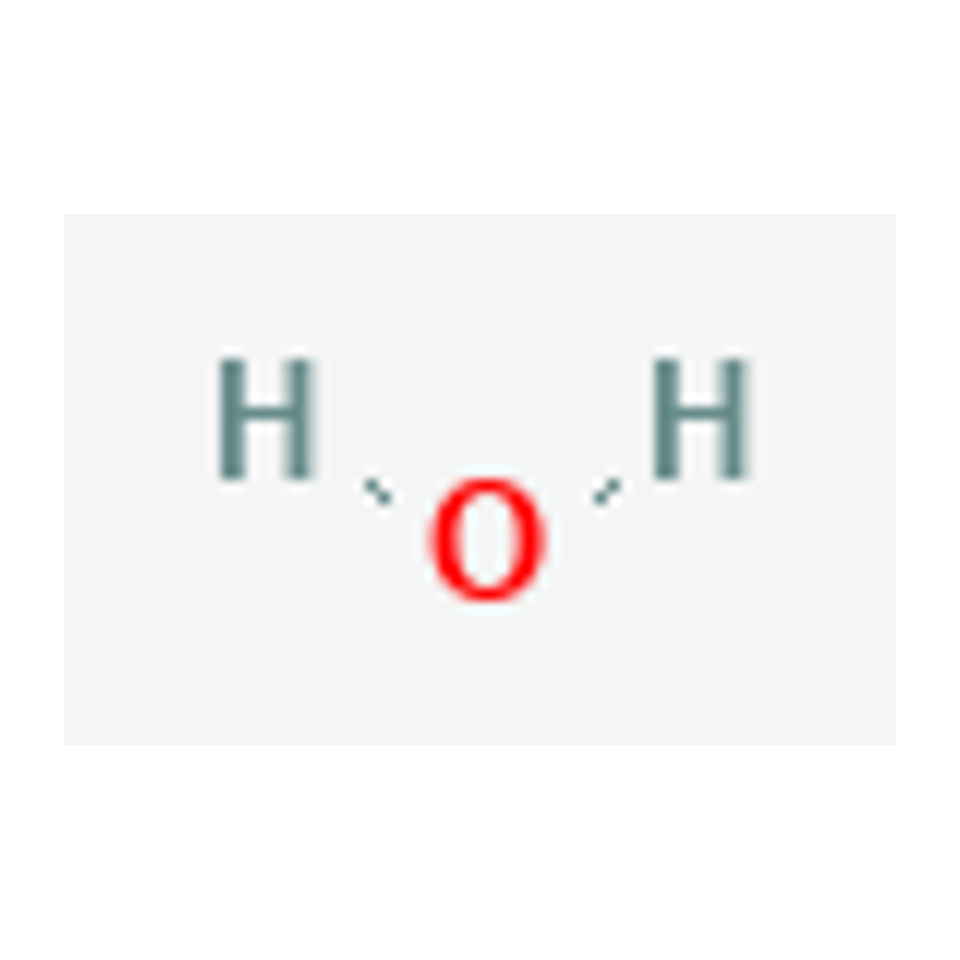
An identity reference, not the appearance of the food.
Description, source and attribution
Reference depiction: water. Formula H2O; PubChem CID 962; charge 0. This is a chemical reference, not a depiction of its physical appearance in food.
PubChem Compound 962, 2D Structure. NCBI / National Library of Medicine. Source · Reuse terms
Source check:
A COMMON BASIS
Foods, per 100 g
206 foods with data 0 not reported, excluded from ranking
- Apricot
Apricots, raw, exactly as identified by USDA.
86.35 g - Dill
Dill weed, fresh, exactly as identified by USDA.
85.95 g - Fresh spearmint
Spearmint, fresh, exactly as identified by USDA.
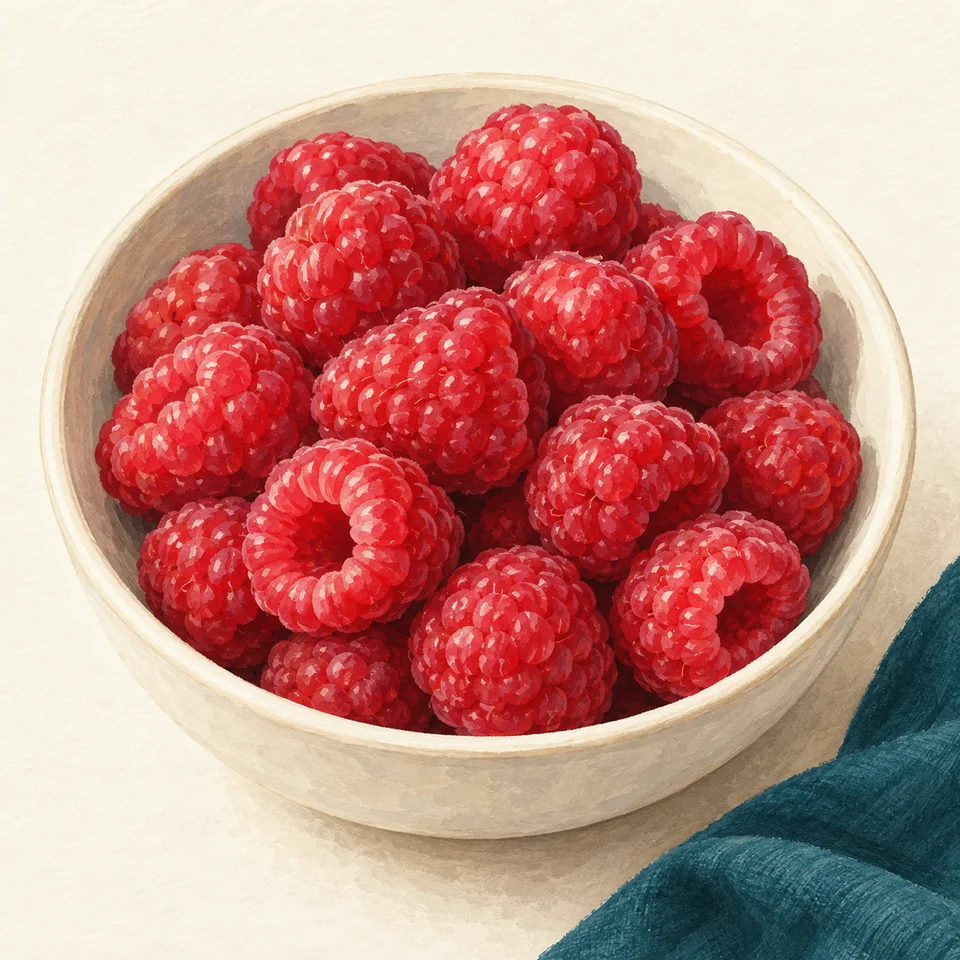
85.55 g - Raspberries
Raspberries, raw, exactly as identified by USDA.
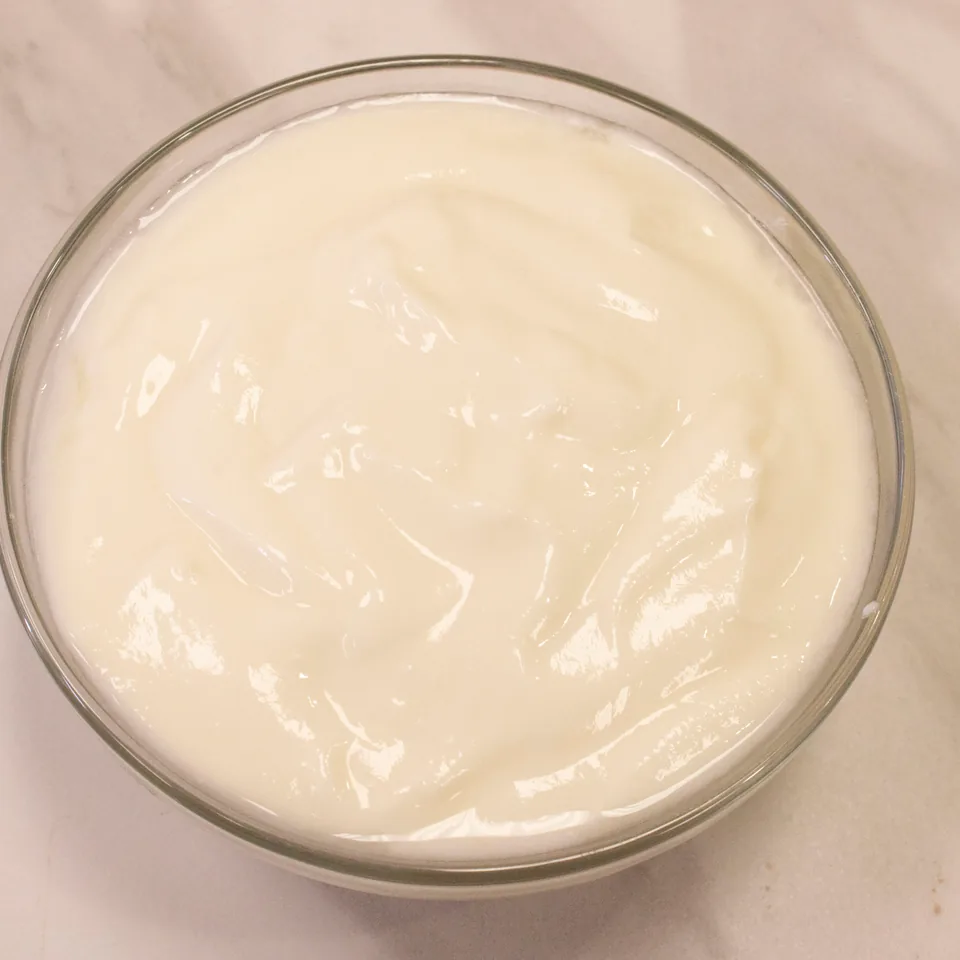
85.55 g - Plain yogurt
Plain whole-milk yogurt.
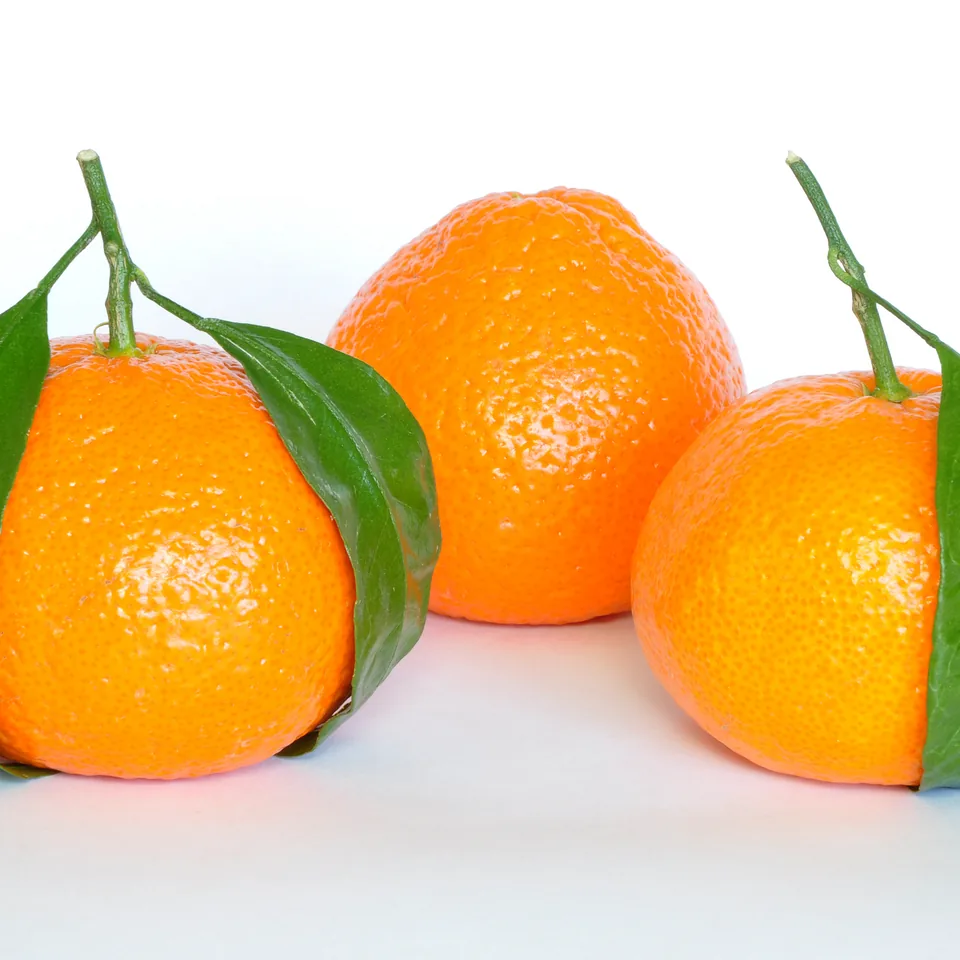
85.27 g - Mandarin
Raw mandarin/tangerine, edible portion.
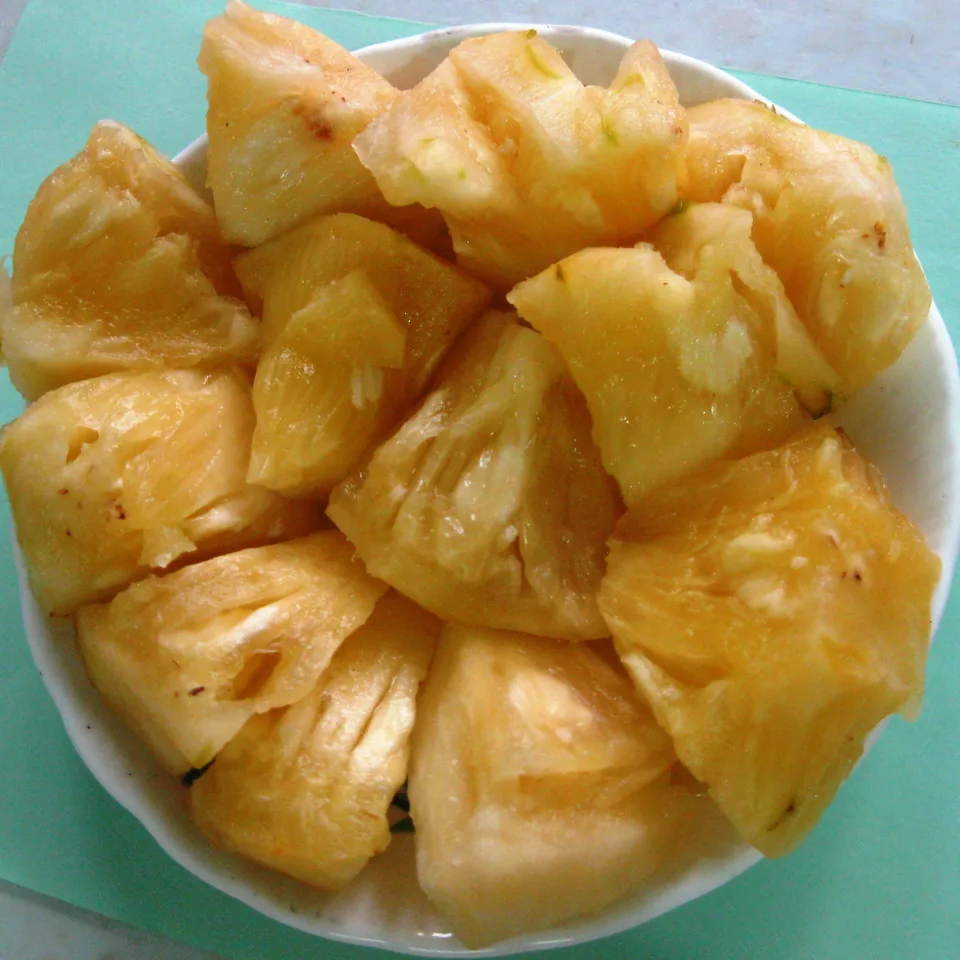
85.17 g - Pineapple
Raw pineapple, edible portion.
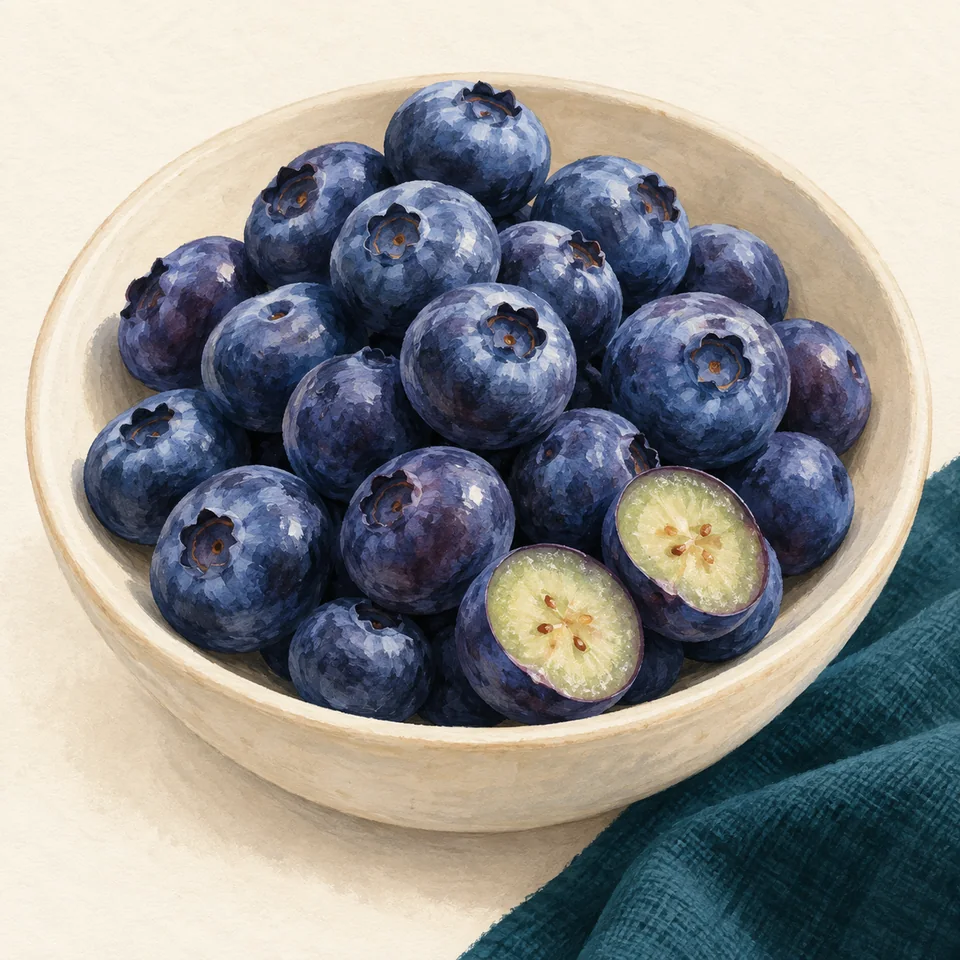
84.99 g - Blueberries
Blueberries, raw, exactly as identified by USDA.
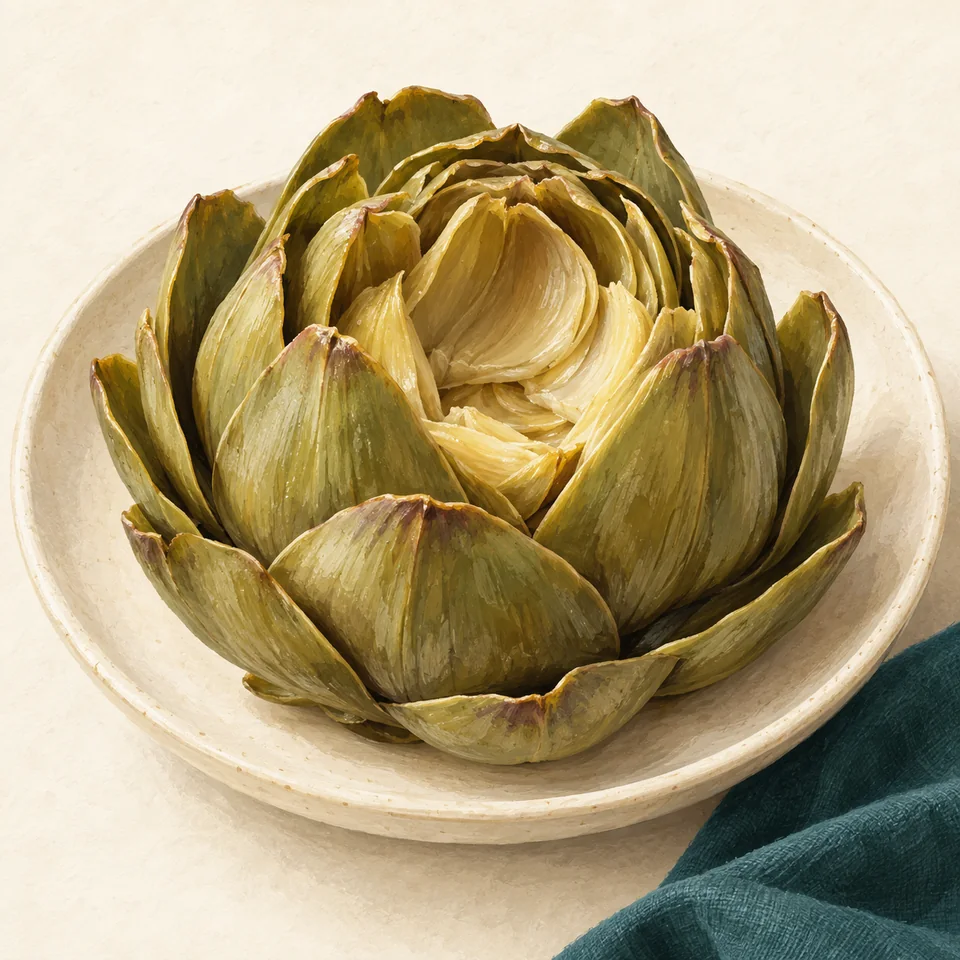
84.19 g - Artichoke
Artichokes, (globe or french), cooked, boiled, drained, without salt, exactly as identified by USDA.
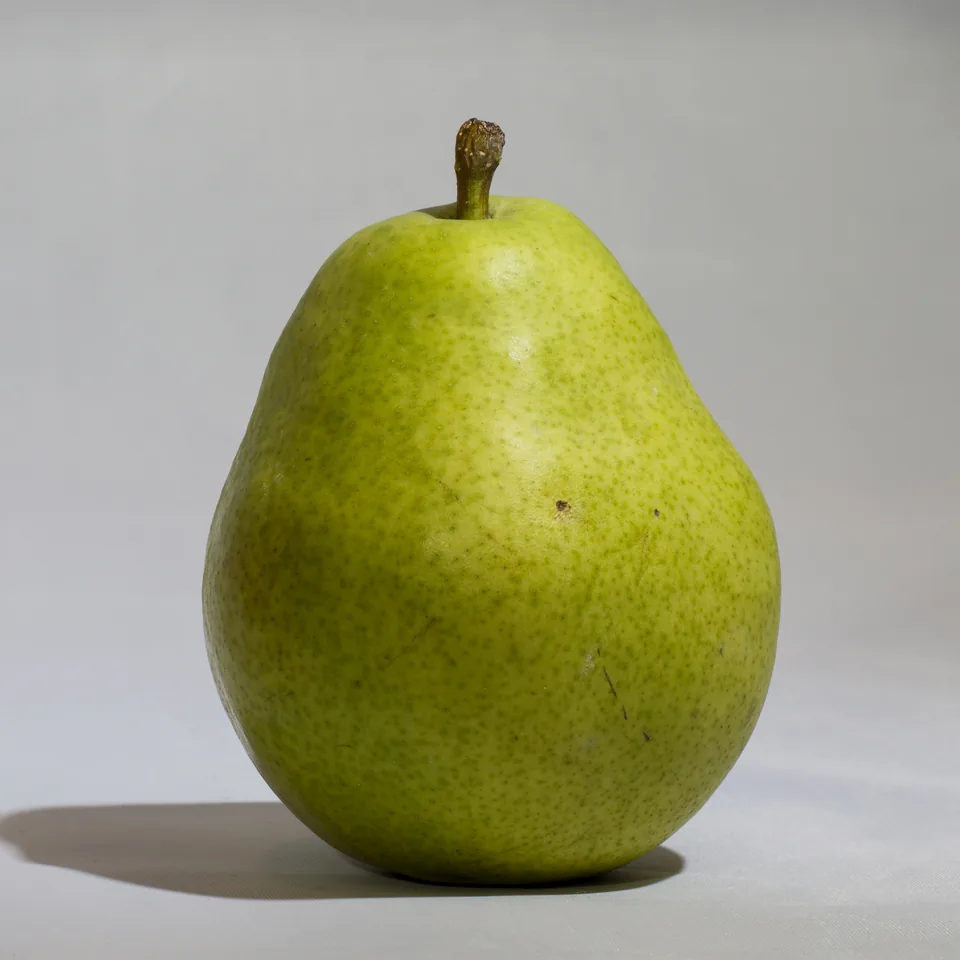
84.08 g - Pear
Raw pear; variety not specified.
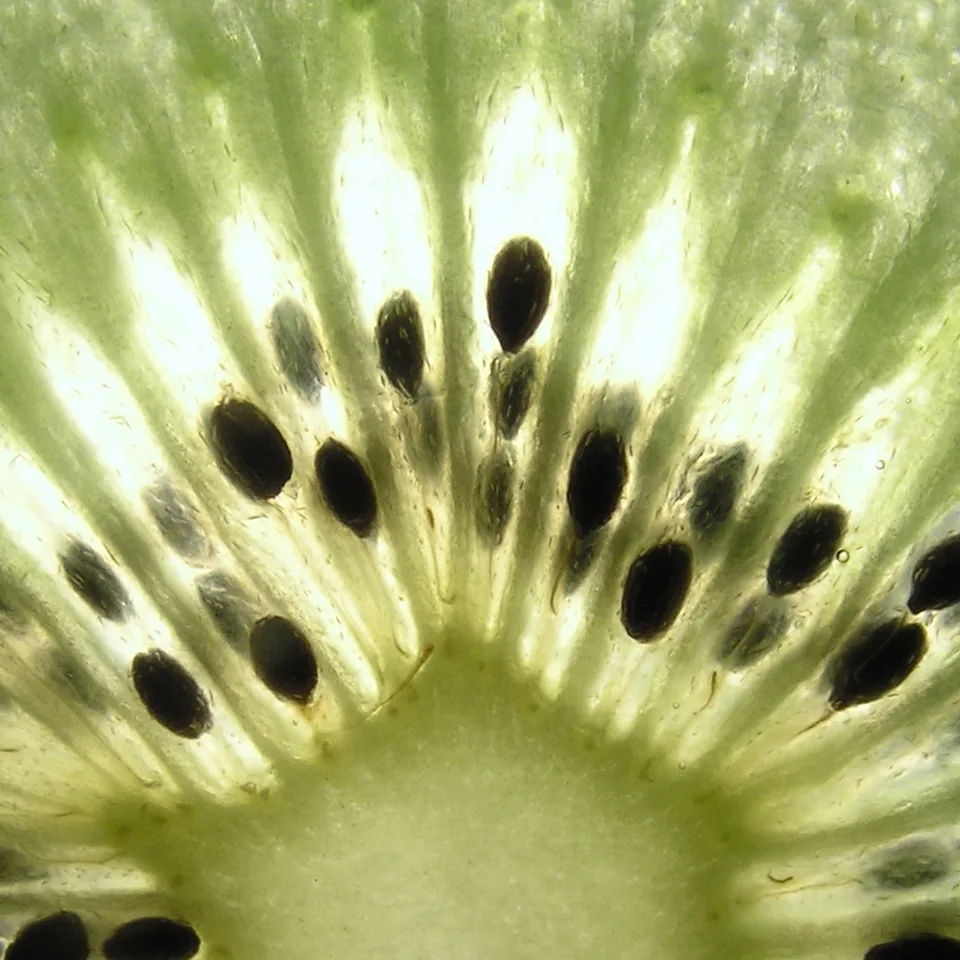
83.96 g - Kiwi
Green kiwi, peeled, raw.
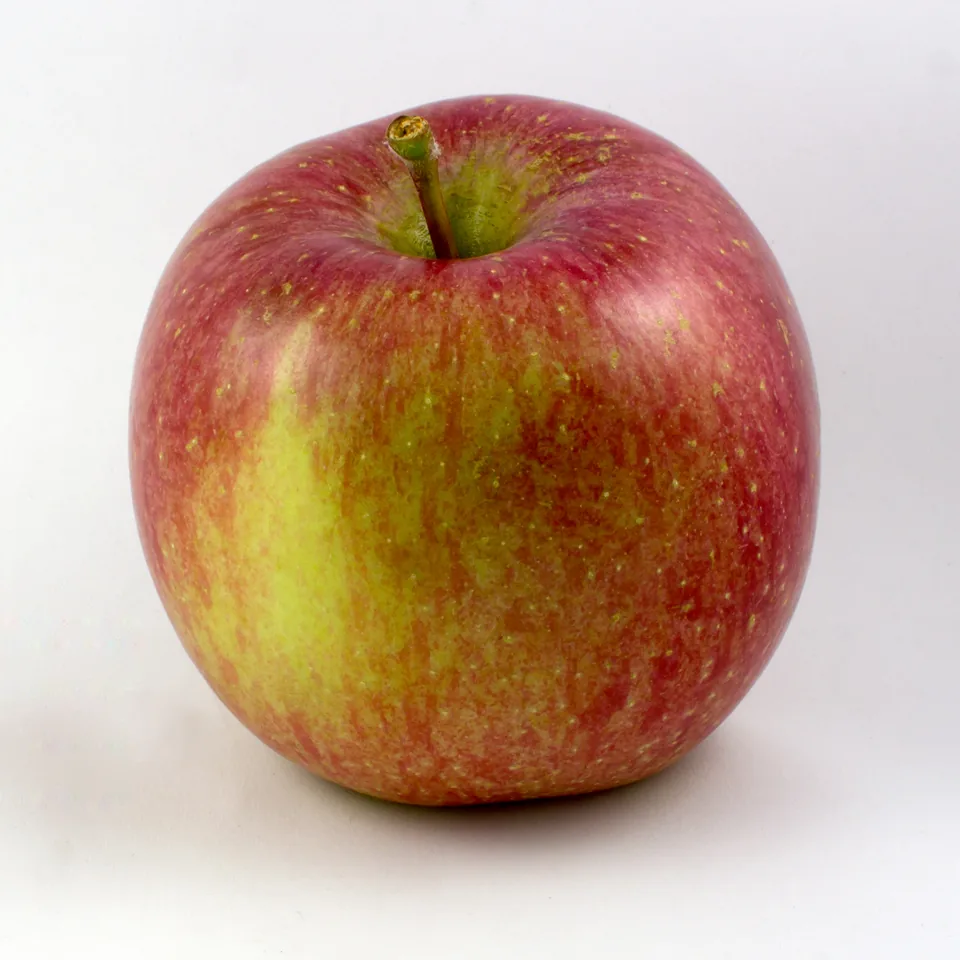
83.83 g - Fuji apple
Fuji apple, with skin, raw.
83.61 g
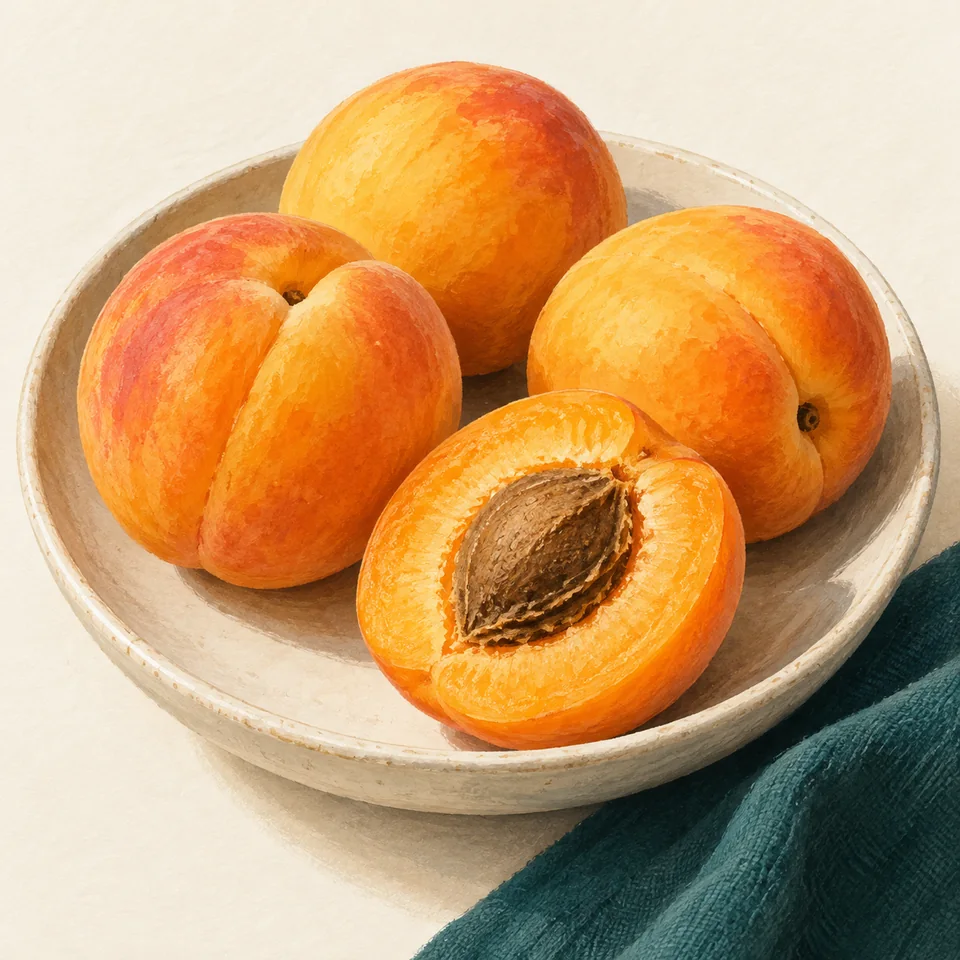
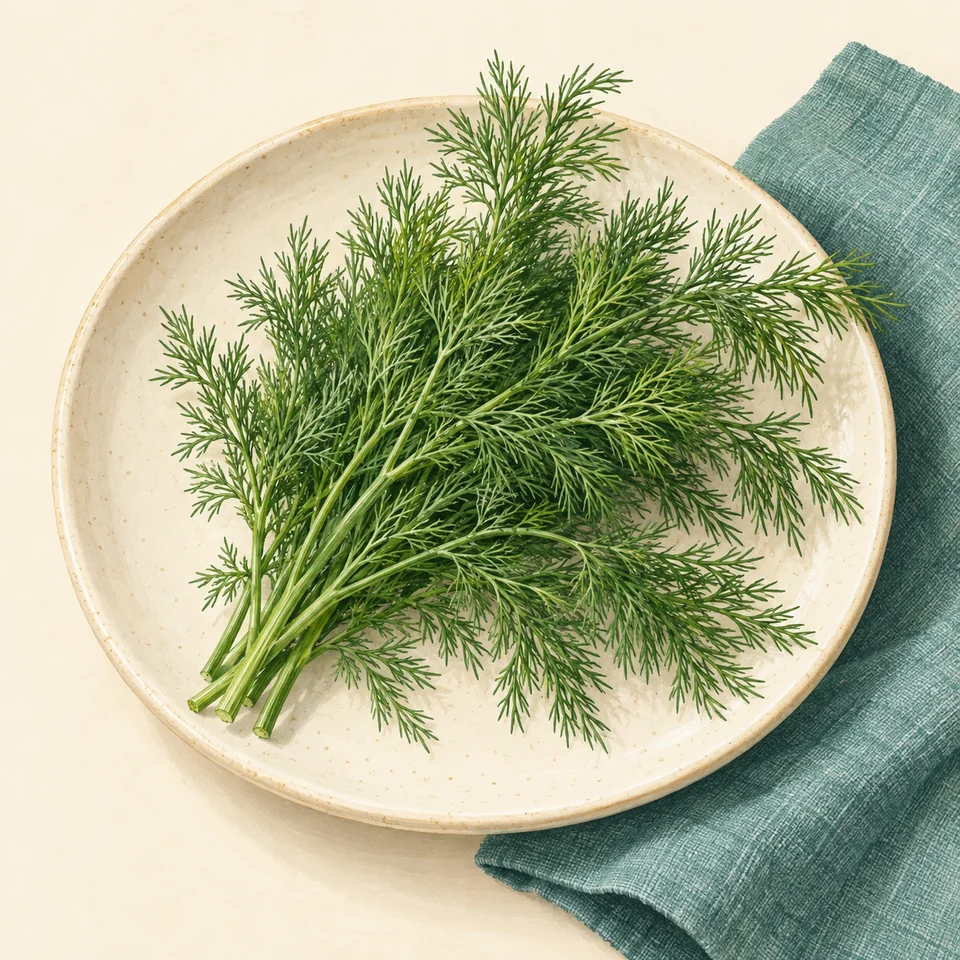
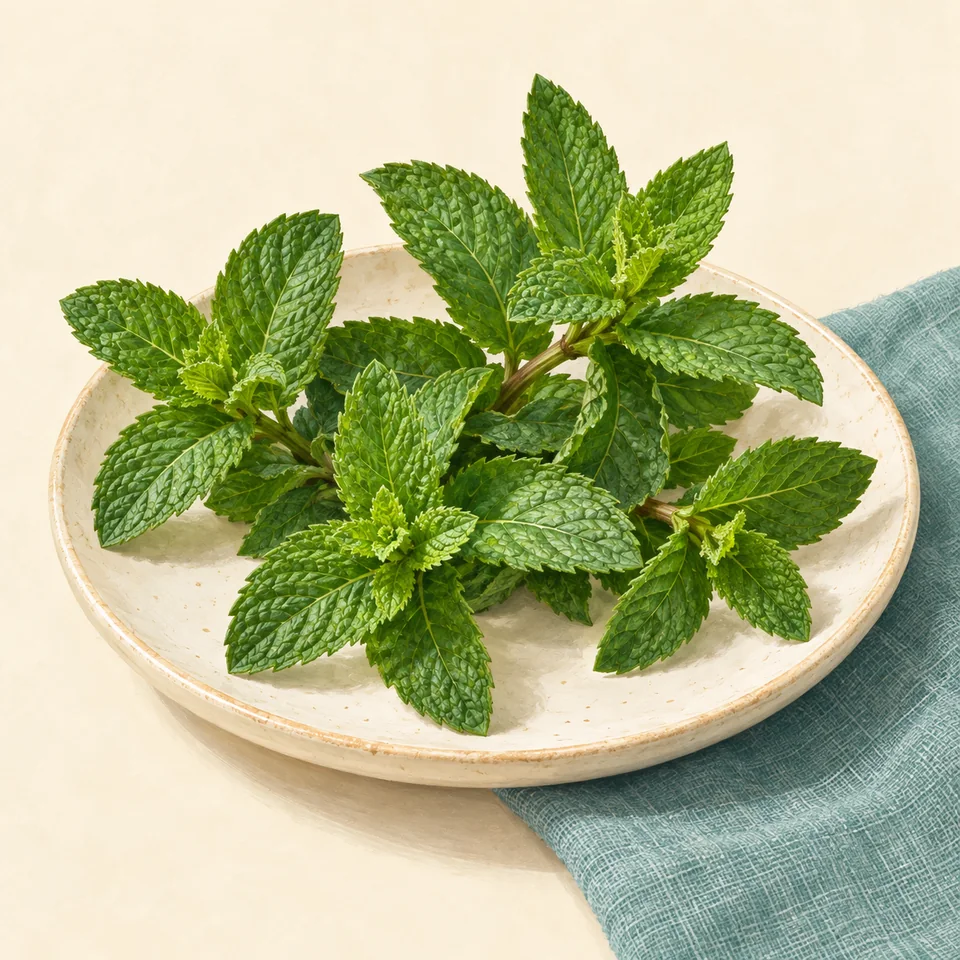
All results are sorted before pagination. Bars compare amounts within this search; they do not indicate health benefits. Not reported does not mean zero.
UNDERSTAND THE DATA
What it means for your diet
The ranking measures water already present in foods. The source explains fluid balance, including too little and too much fluid; it does not give everyone the same plain-water target. Food water, total fluids and blood electrolyte measurements are different quantities. Follow any prescribed fluid restriction.
Ranking amounts describe foods, not supplement doses. A high rank does not mean you should consume more. Source recommendations and cautions retain their original population and scope.
Fluid and Electrolyte Balance [1]
Source: MedlinePlus, National Library of Medicine. Original health-topic summary, reproduced with attribution.
What are electrolytes?
Electrolytes are minerals that have an electric charge when they are dissolved in water or body fluids, including blood. The electric charge can be positive or negative. You have electrolytes in your blood, urine (pee), tissues, and other body fluids.
Electrolytes are important because they help:
- Balance the amount of water in your body
- Balance your body's acid/base (pH) level
- Move nutrients into your cells
- Move wastes out of your cells
- Support your muscle and nerve function
- Keep your heart rate and rhythm steady
- Keep your blood pressure stable
- Keep your bones and teeth healthy
What are the different types of electrolytes in your body?
The main electrolytes in your body include:
Identity and structure sources
- PubChem Compound 962: Water · Accessed 2026-09-13
- USDA FoodData Central: Foundation Foods Documentation · Accessed 2026-09-13