EXPLORE UM NUTRIENTE
Vitamina B6
Veja como as quantidades variam entre alimentos, na mesma base de comparação.
Entenda este nutriente ↓O que é?
Chemical reference: pyridoxine (C8H11NO3). USDA reports Vitamin B6 separately. [1] [2]
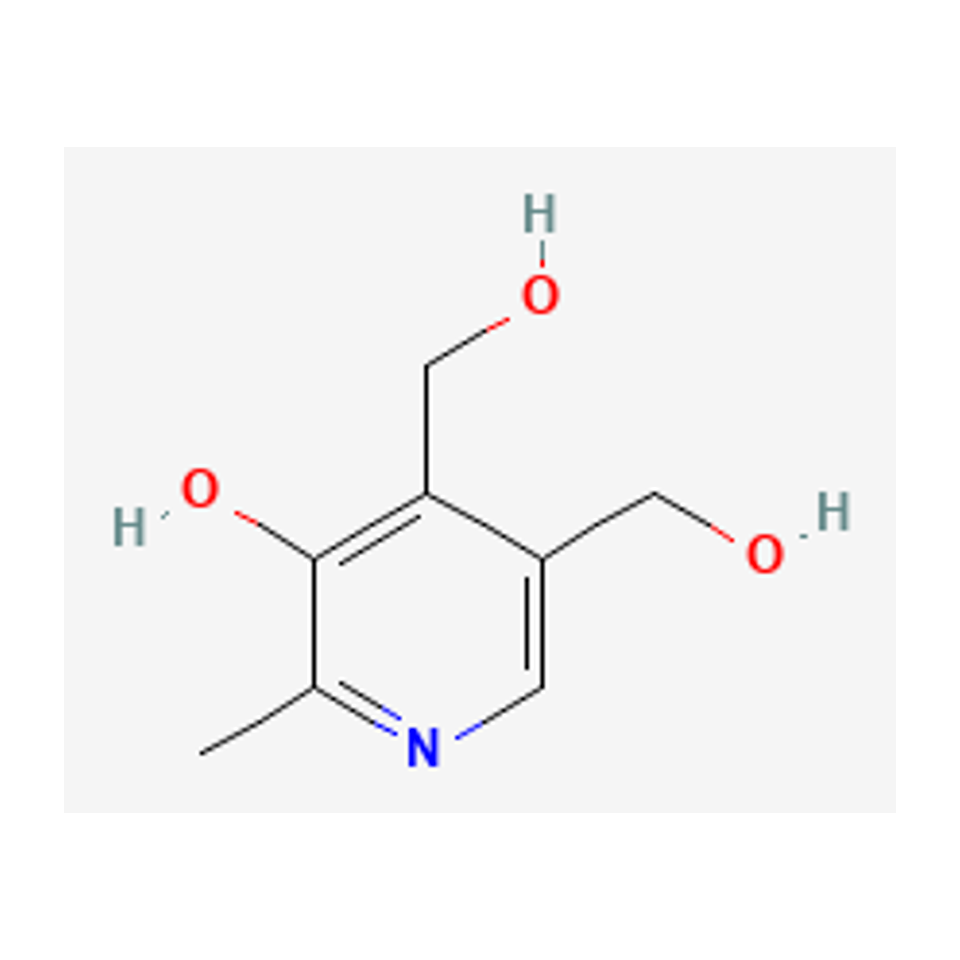
Esta forma de referência não representa todas as formas incluídas na quantidade do USDA.
Descrição, fonte e atribuição
Reference depiction: pyridoxine. Formula C8H11NO3; PubChem CID 1054; charge 0. This specified form does not represent every form or molecule included in the USDA quantity.
PubChem Compound 1054, 2D Structure. NCBI / National Library of Medicine. Fonte · Condições de uso
Verificação da fonte:
A COMMON BASIS
Alimentos, por 100 g
187 foods with data 19 not reported, excluded from ranking
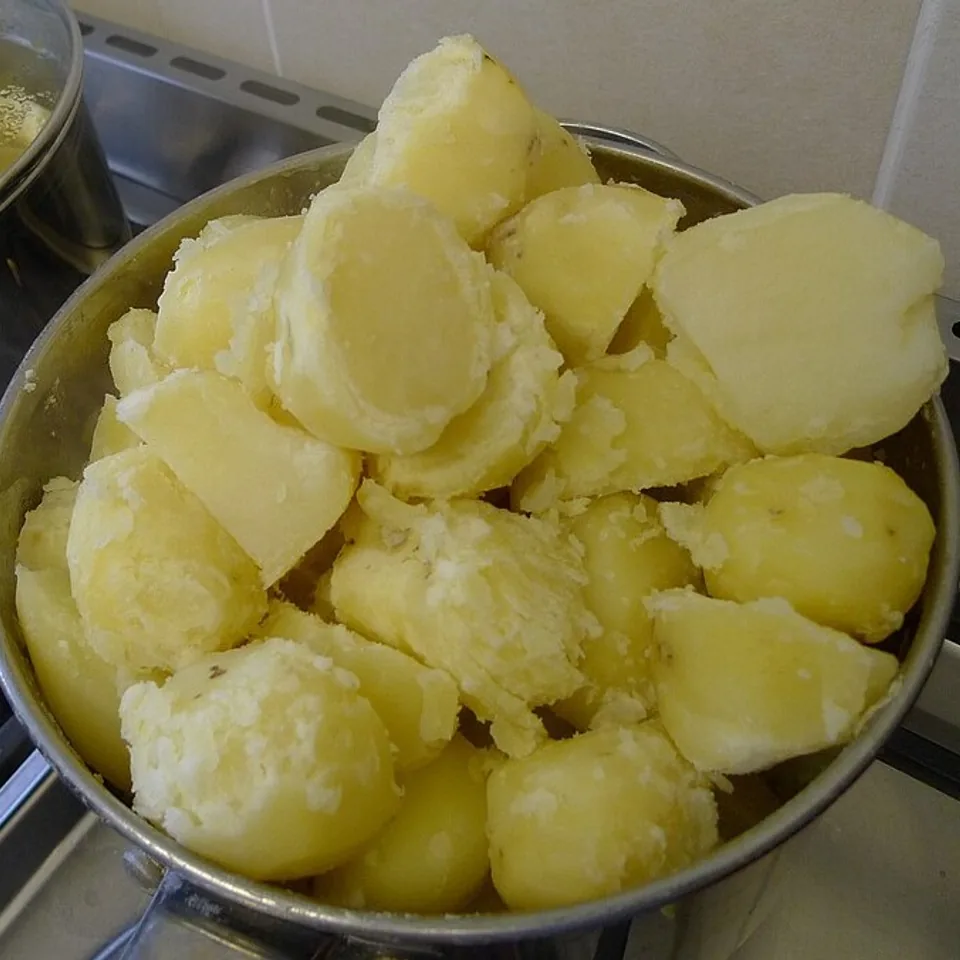
- Batata
Boiled potato flesh, cooked without skin, without salt.
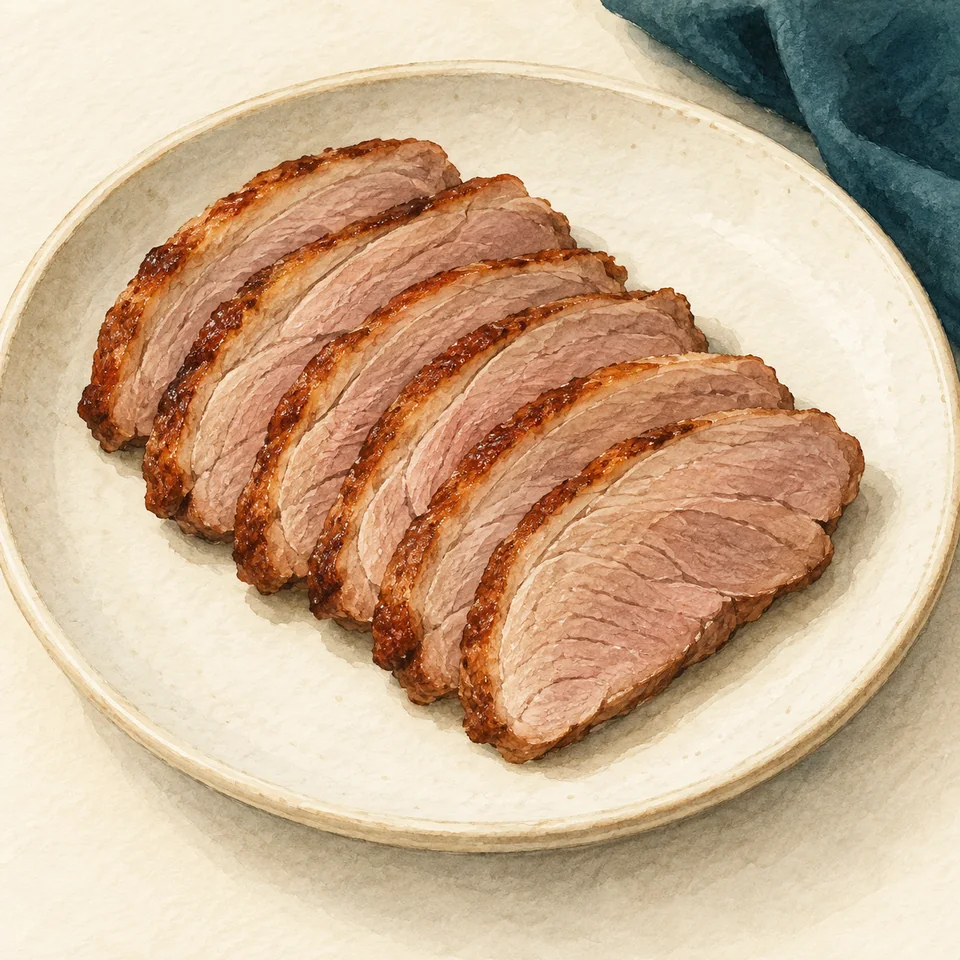
0,269 mg - Carne de pato
Domesticated duck, roasted, meat only, without skin.
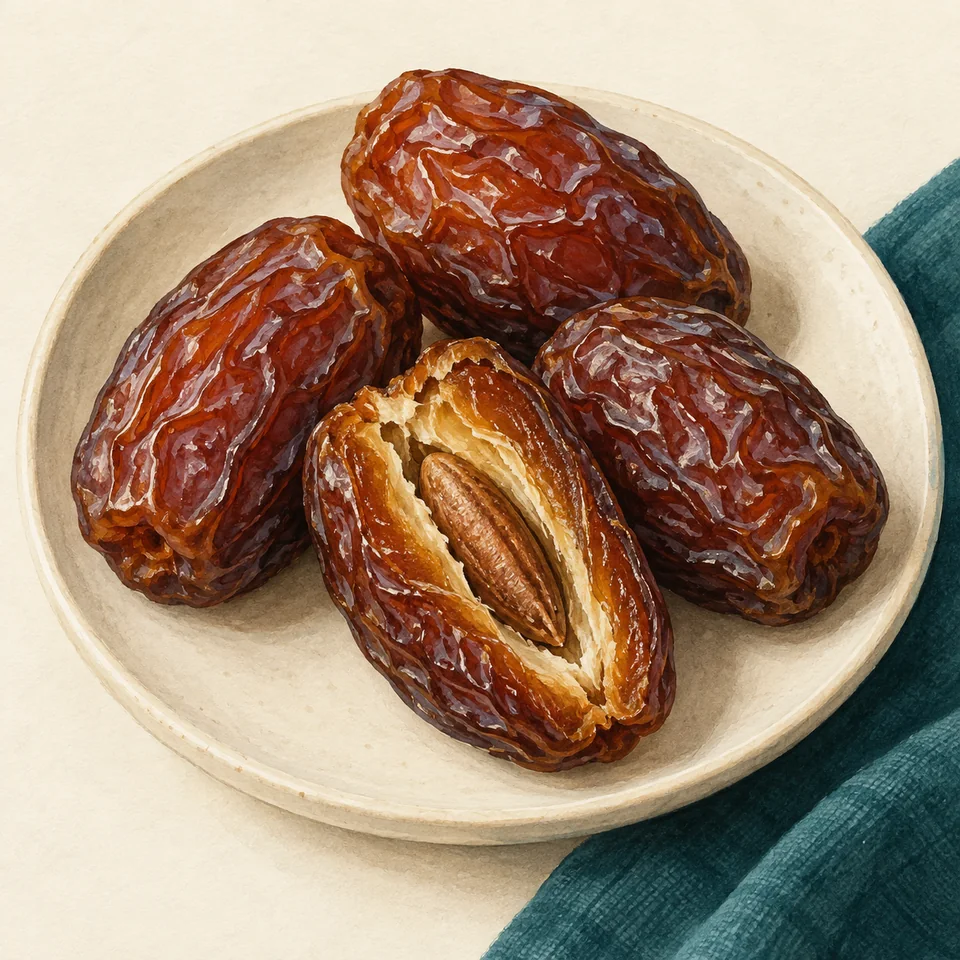
0,25 mg - Dates
Dates, medjool, exactly as identified by USDA.
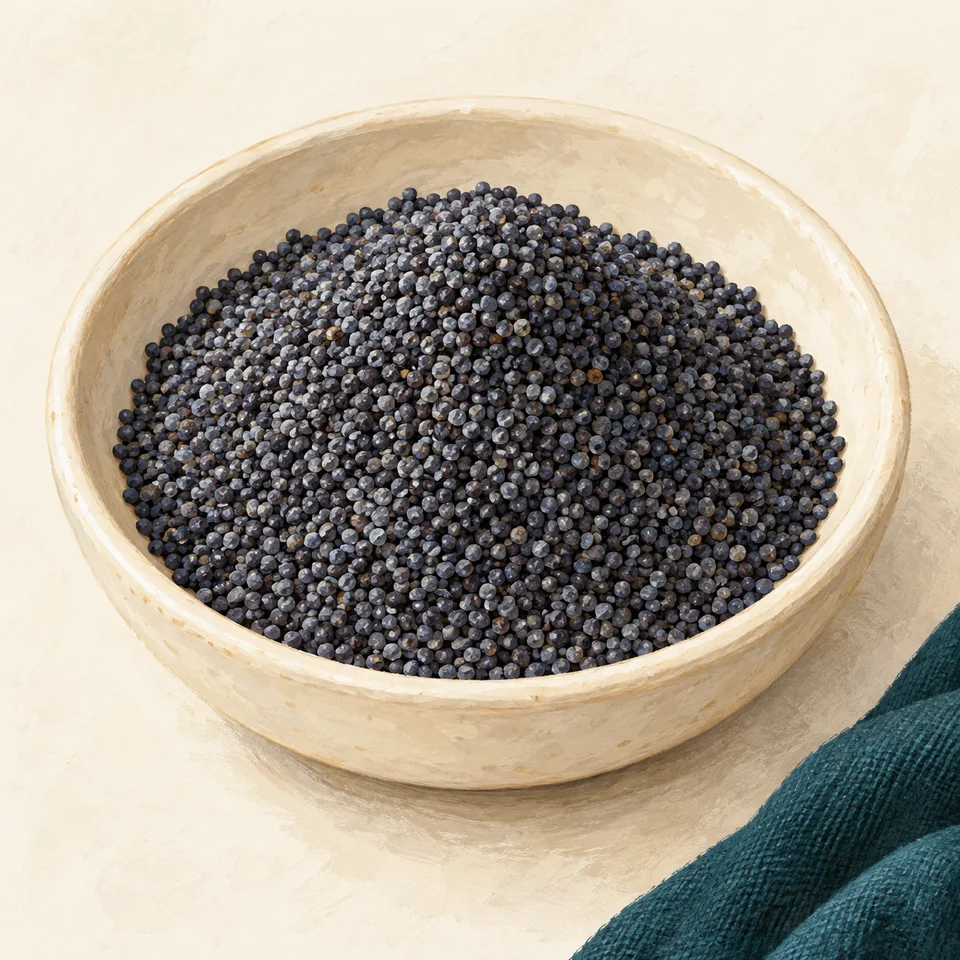
0,249 mg - Poppy seeds
Spices, poppy seed, exactly as identified by USDA.
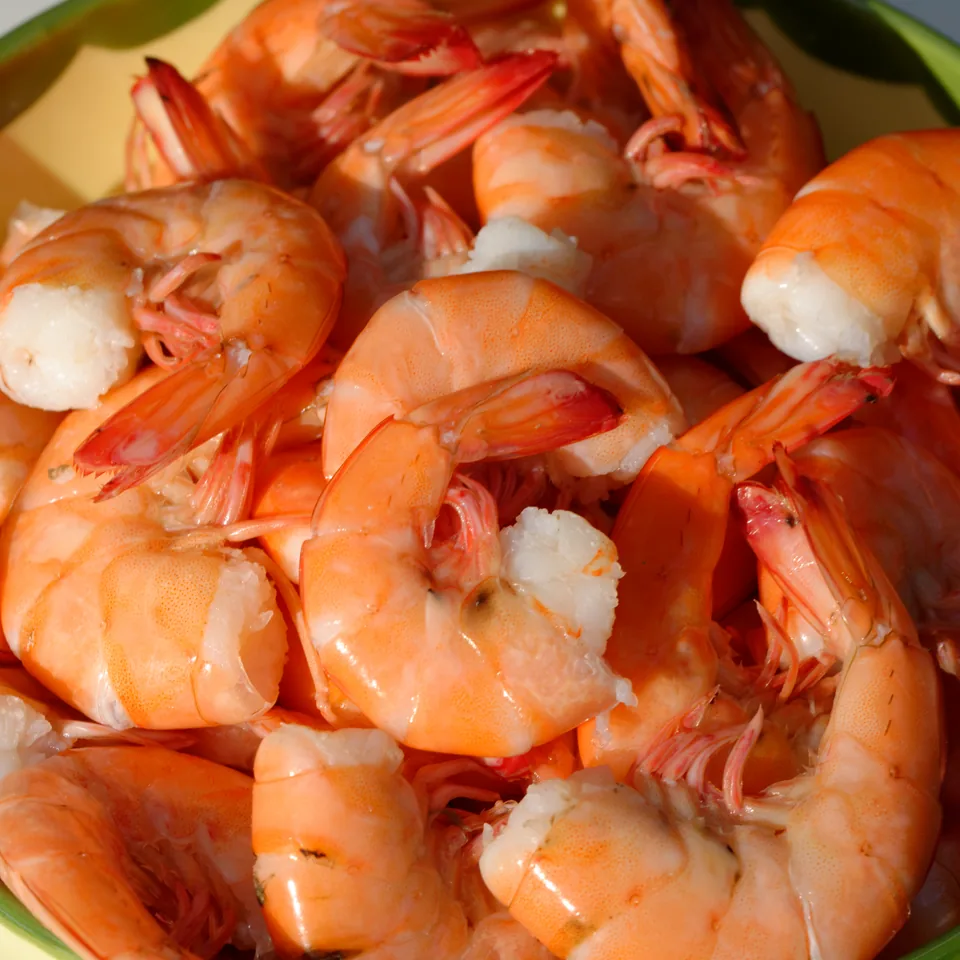
0,247 mg - Camarão
Mixed-species shrimp, cooked with moist heat; may contain moisture-retention additives.
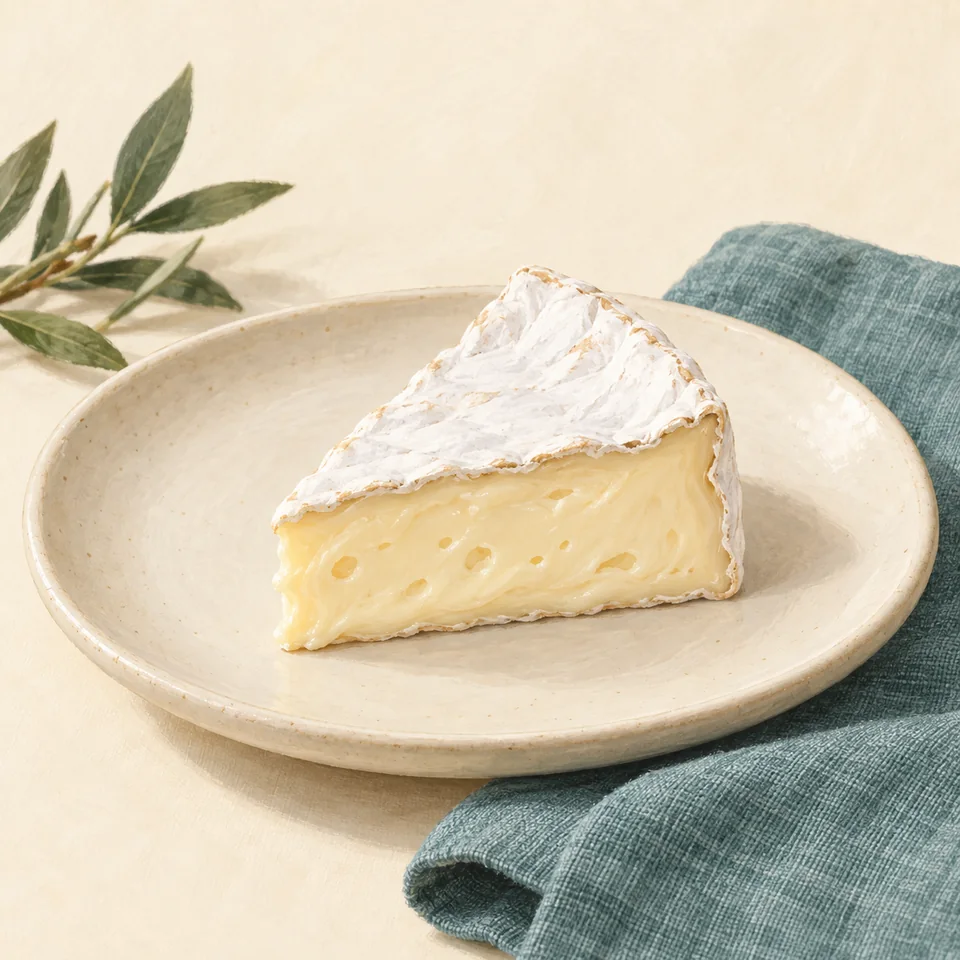
0,242 mg - Brie cheese
Cheese, brie, exactly as identified by USDA.
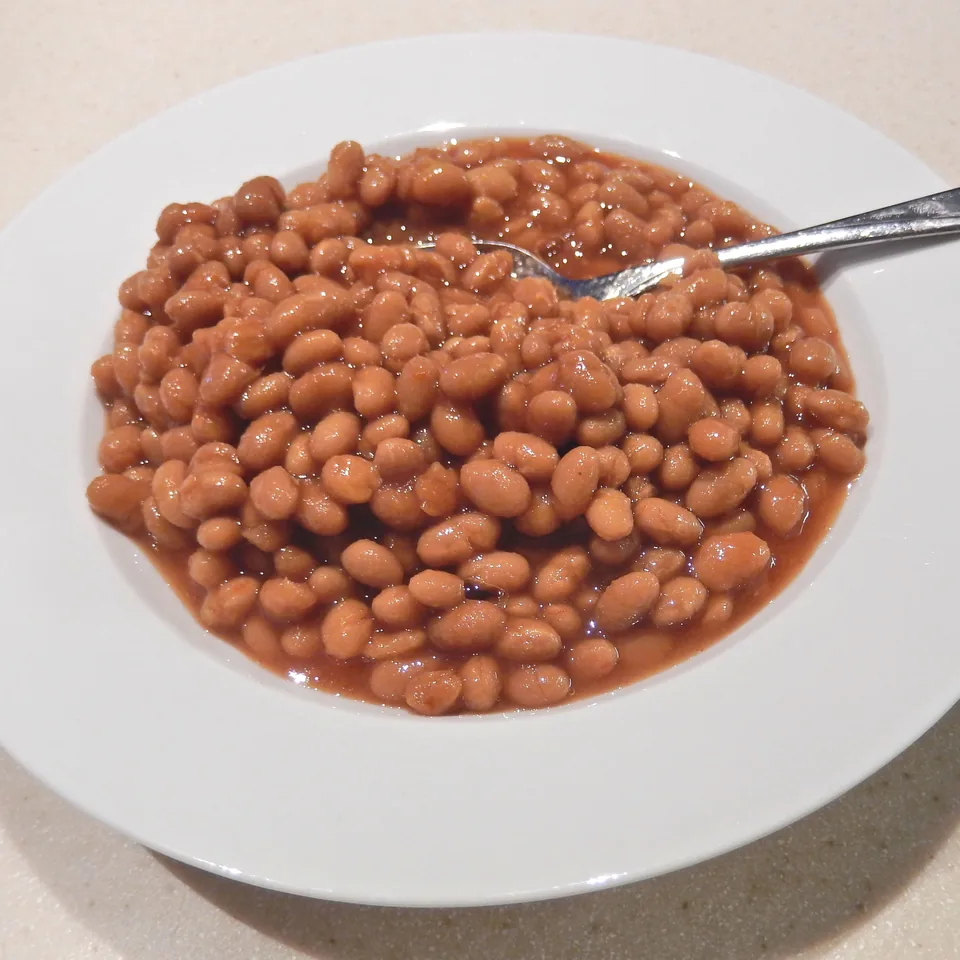
0,235 mg - Soja em grão
Mature soybeans, boiled without salt.
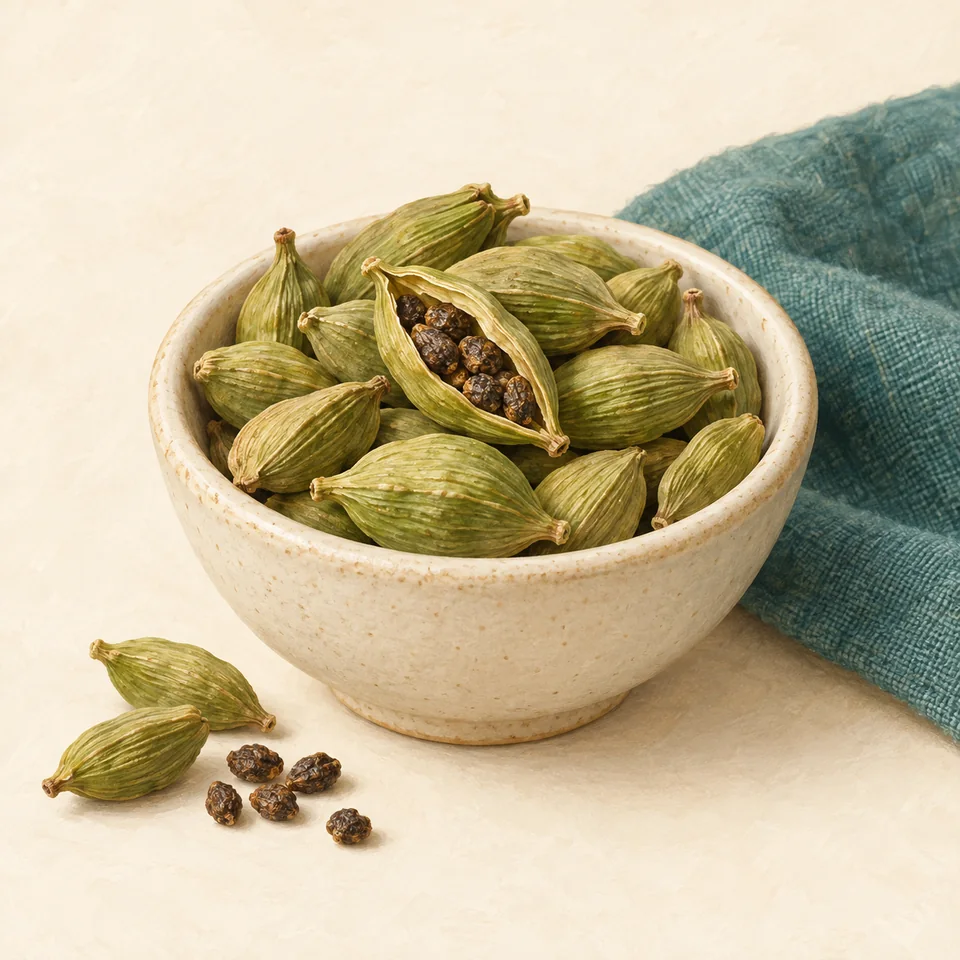
0,234 mg - Cardamom
Spices, cardamom, exactly as identified by USDA.
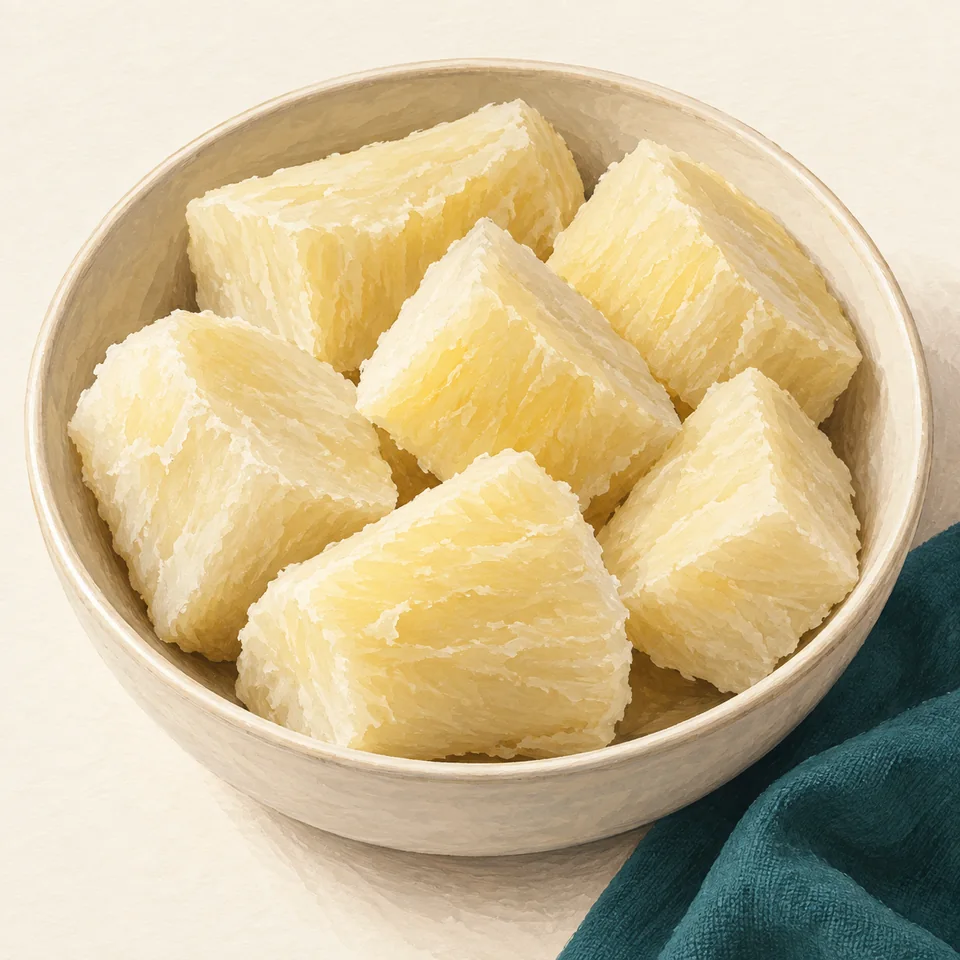
0,23 mg - Yam
Yam, cooked, boiled, drained, or baked, without salt, exactly as identified by USDA.
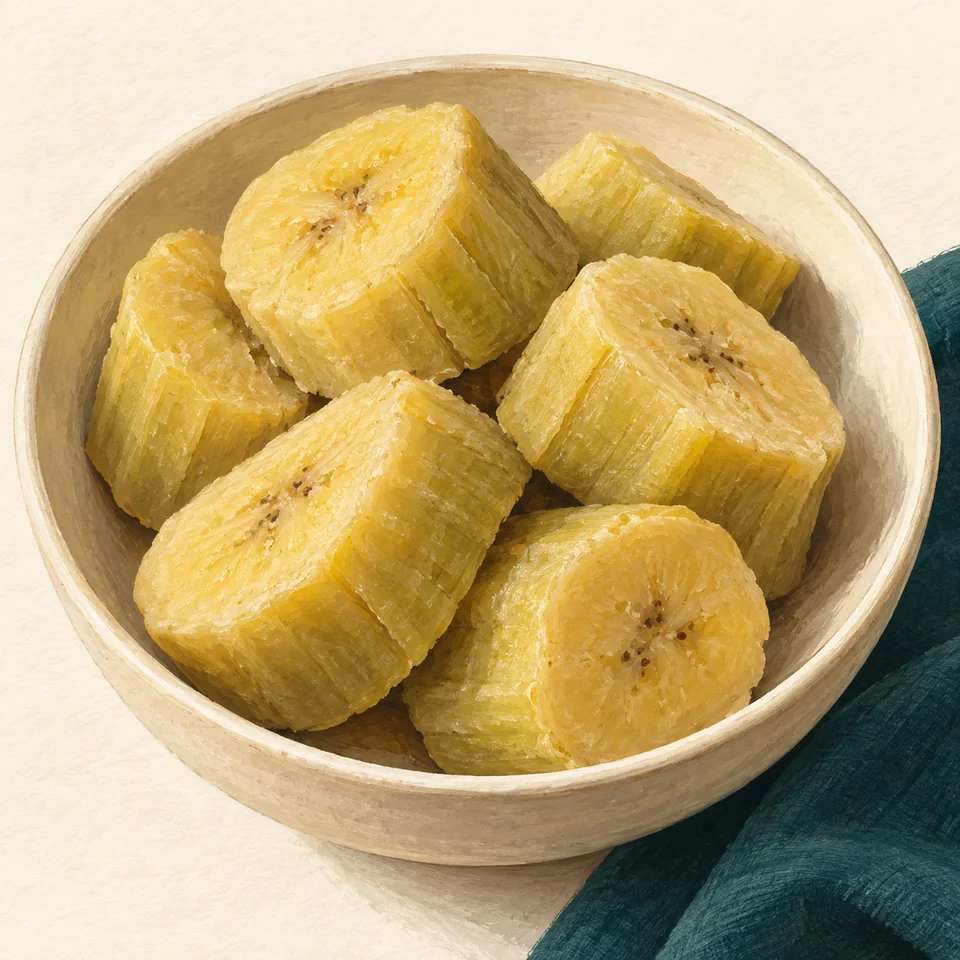
0,228 mg - Banana-da-terra verde
Green plantain, boiled; added salt is not stated in the source description.
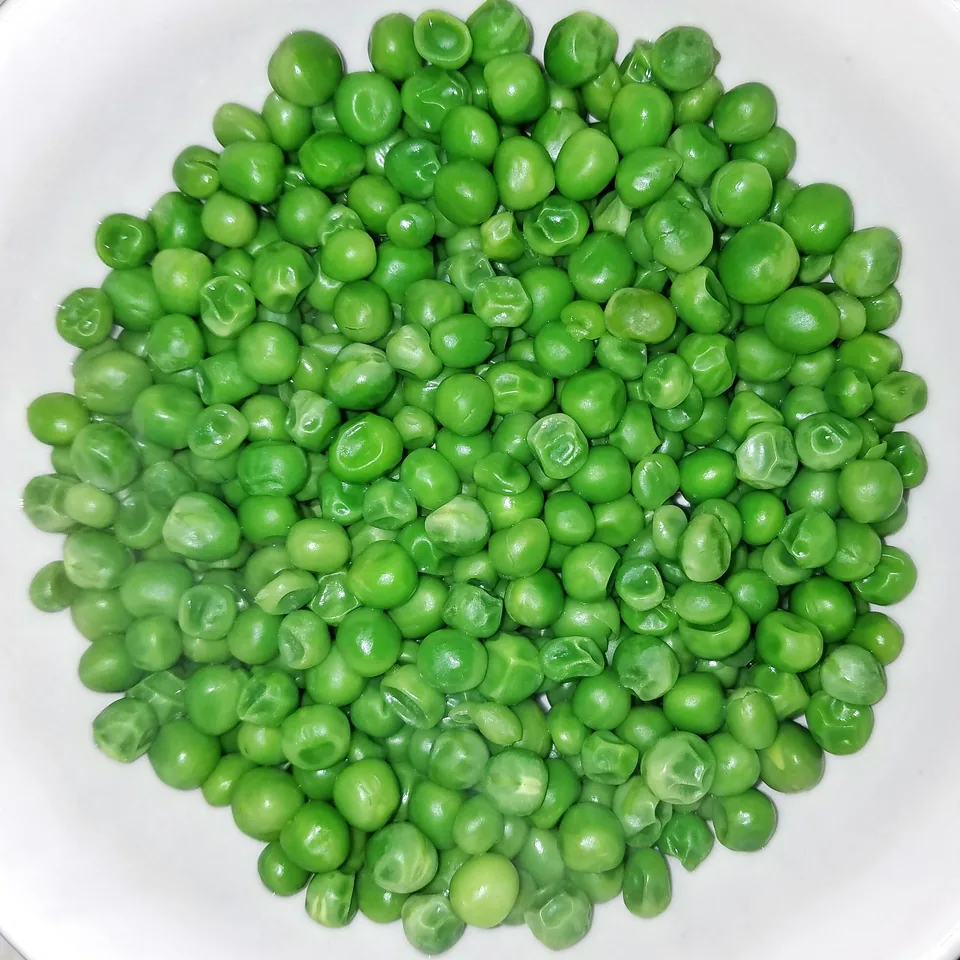
0,22 mg - Ervilhas verdes
Green peas, boiled, drained, without salt.
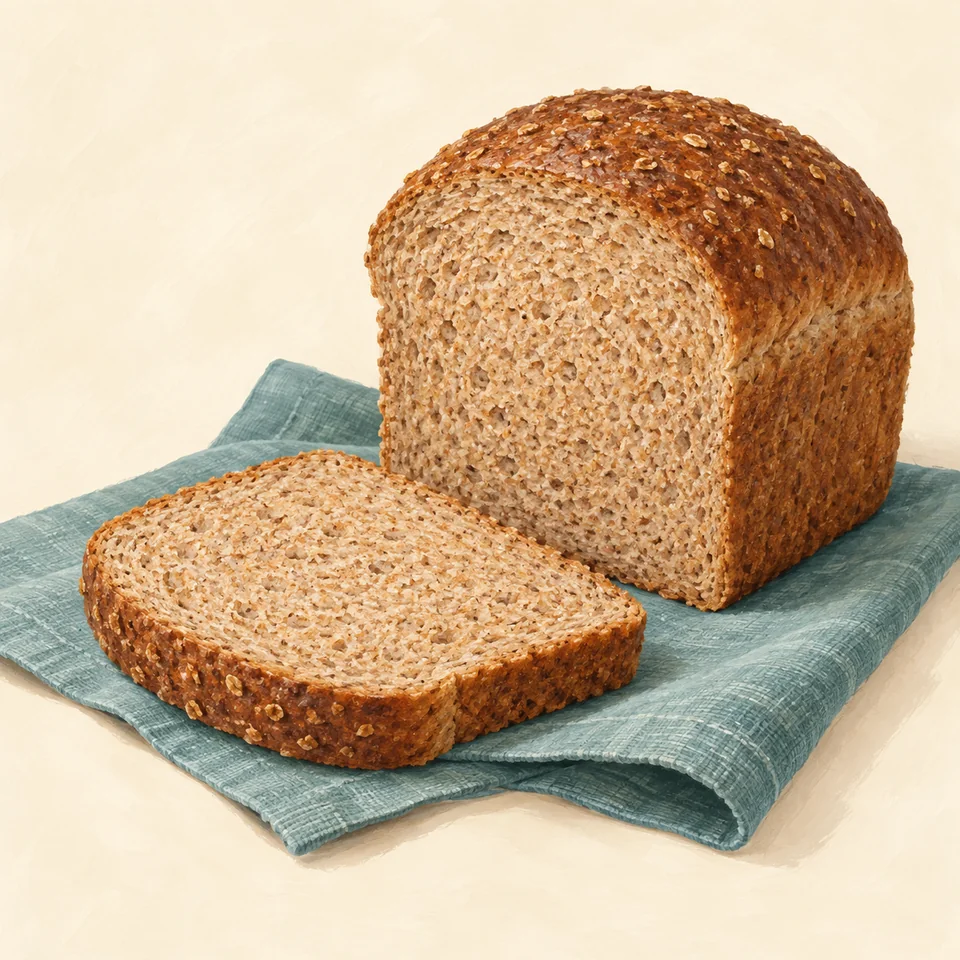
0,216 mg - Whole-wheat bread
Bread, whole-wheat, commercially prepared, exactly as identified by USDA.
0,215 mg
All results are sorted before pagination. Bars compare amounts within this search; they do not indicate health benefits. Not reported does not mean zero.
ENTENDER OS DADOS
O nutriente, em contexto
Como ler esta classificação
Esta página compara Vitamin B6 (Vitamin B-6), em mg por 100 g de alimento.
As formas químicas e os métodos de medição permanecem separados. “Não reportado” significa que não há um valor disponível, não que o alimento contenha zero. A posição na classificação não determina as suas necessidades individuais nem diagnostica uma deficiência.
This NIH fact sheet concerns this nutrient. Its recommended amounts describe daily intake for the stated population, not a 100 g food portion. Keep food and supplement exposure separate as the source specifies.
A ficha da NIH ODS abaixo está no idioma original publicado pela fonte (inglês). A NIH não publica esta ficha em português brasileiro; não traduzimos doses nem recomendações.
NIH · OFFICE OF DIETARY SUPPLEMENTS
Vitamin B6: Fact Sheet for Consumers
Texto original publicado pela NIH, com tabelas de ingestão por idade e sexo, precauções e o contexto de população indicado pela fonte. O Bitameans não fez uma revisão médica independente nem adapta estas recomendações à sua situação pessoal.
What is vitamin B6 and what does it do?
Vitamin B6 is a vitamin that is naturally present in many foods. The body needs vitamin B6 for more than 100 enzyme reactions involved in metabolism. Vitamin B6 is also involved in brain development during pregnancy and infancy as well as immune function.
How much vitamin B6 do I need?
The amount of vitamin B6 you need depends on your age. Average daily recommended amounts are listed below in milligrams (mg).
| Life Stage |
|---|
Fontes de identidade e estrutura
- PubChem Compound 1054: Pyridoxine · Consultado 2026-09-13
- USDA FoodData Central: Foundation Foods Documentation · Consultado 2026-09-13