EXPLORE UM NUTRIENTE
Proteína
Veja como as quantidades variam entre alimentos, na mesma base de comparação.
Entenda este nutriente ↓O que é?
A total protein estimate, commonly calculated from nitrogen; it is not one molecule. [1]

Representação conceitual; não é uma estrutura molecular.
Descrição, fonte e atribuição
A conceptual grouping, not a molecular structure. This reporting category contains multiple components or represents a calculated quantity.
Original Bitameans conceptual/fallback artwork; not a chemical structure. Fonte · Condições de uso
Verificação da fonte:
A COMMON BASIS
Alimentos, por 100 g
206 foods with data 0 not reported, excluded from ranking
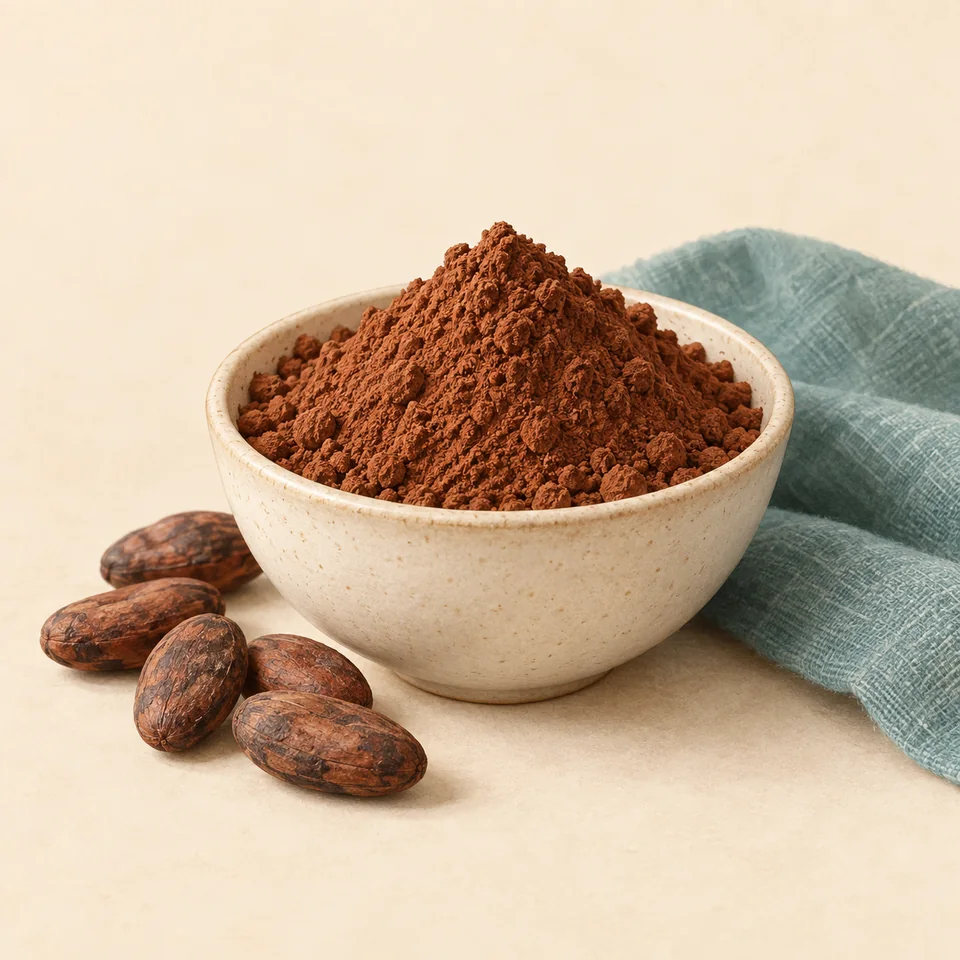
- Unsweetened cocoa powder
Cocoa, dry powder, unsweetened, exactly as identified by USDA.
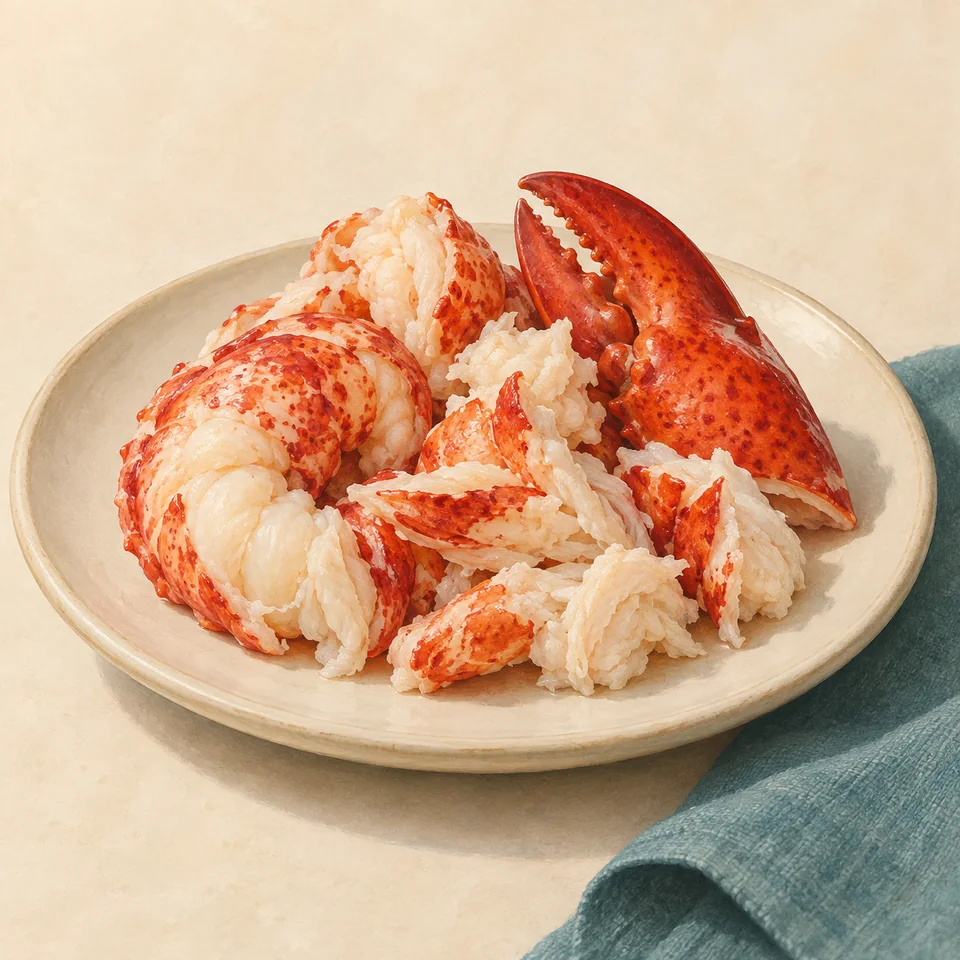
19,6 g - Northern lobster
Crustaceans, lobster, northern, cooked, moist heat, exactly as identified by USDA.
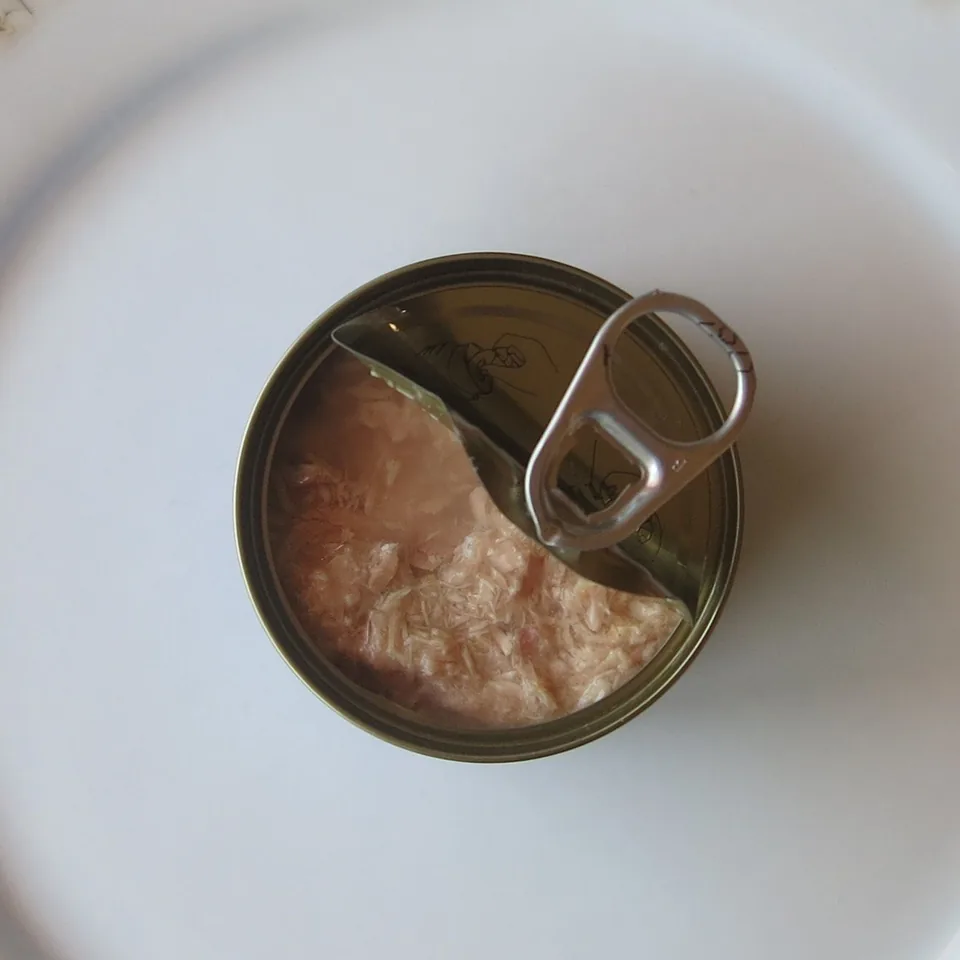
19 g - Atum claro em lata
Light tuna canned in water, drained solids; not specified as no-salt-added.
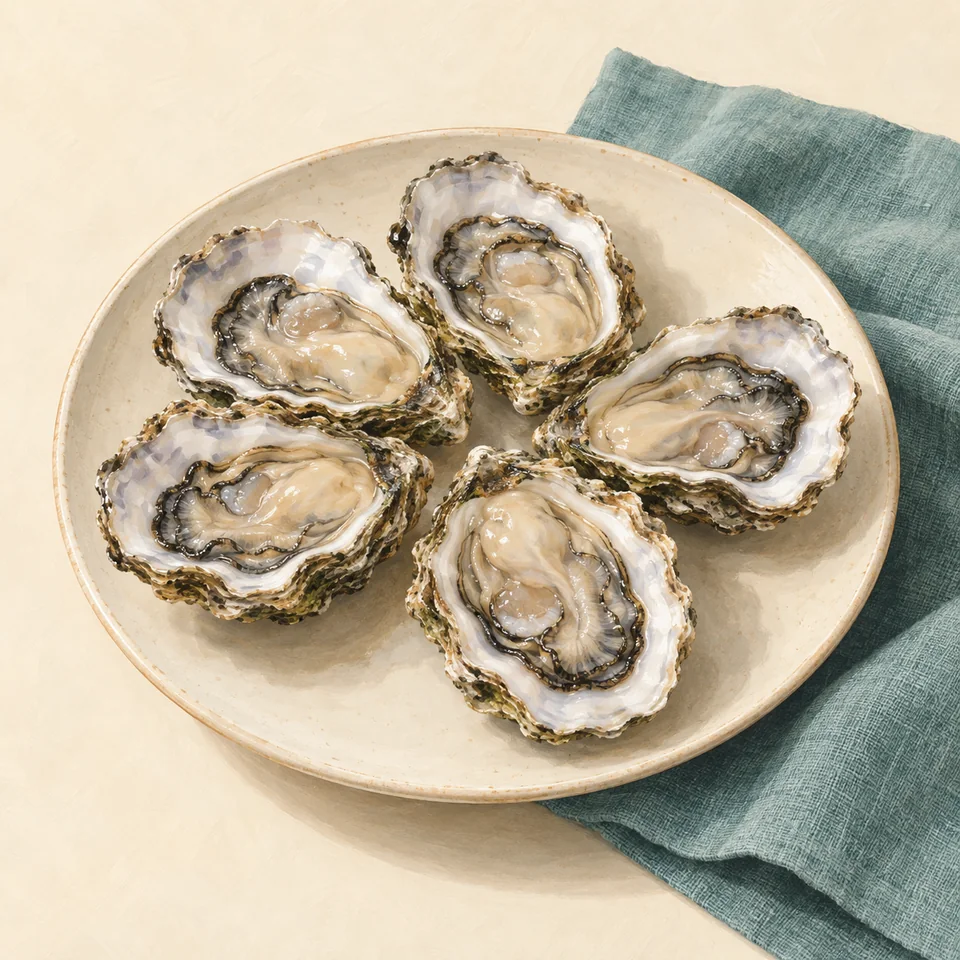
19 g - Oysters
Mollusks, oyster, Pacific, cooked, moist heat, exactly as identified by USDA.
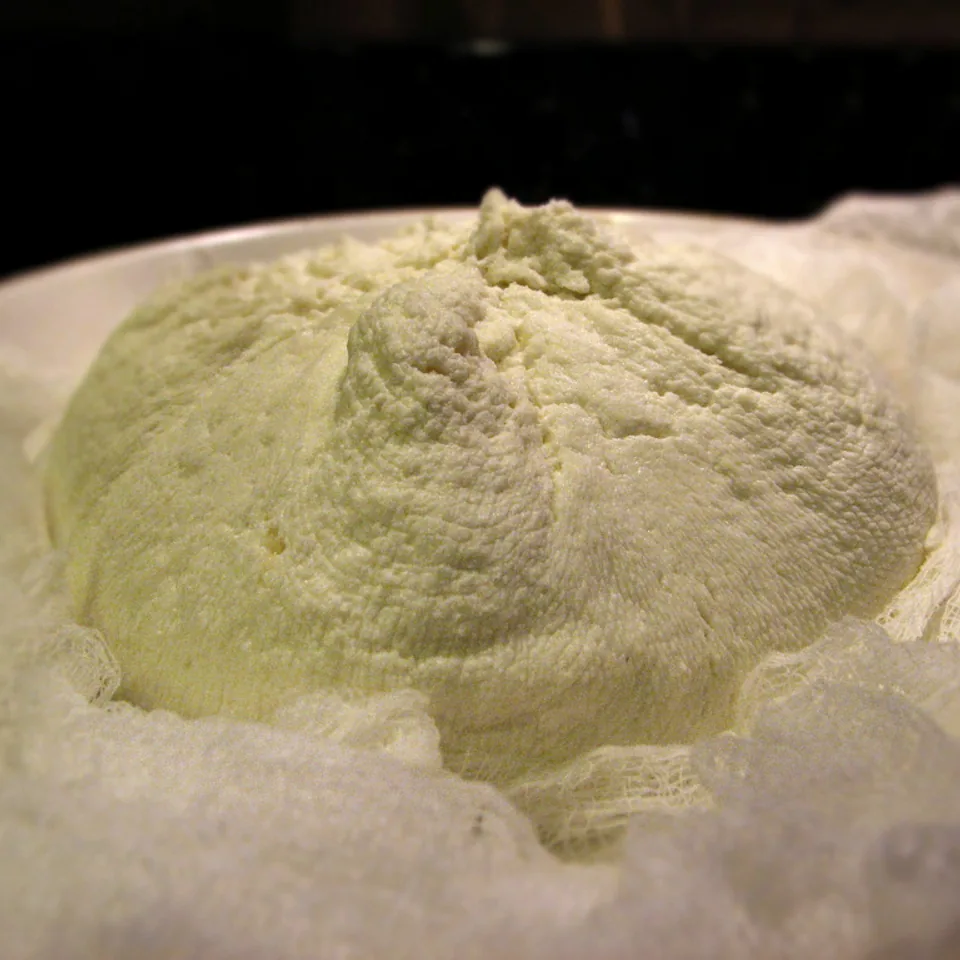
18,9 g - Queijo fresco
Solid queso fresco cheese, USDA record; not a measurement of every Costa Rican fresh cheese.
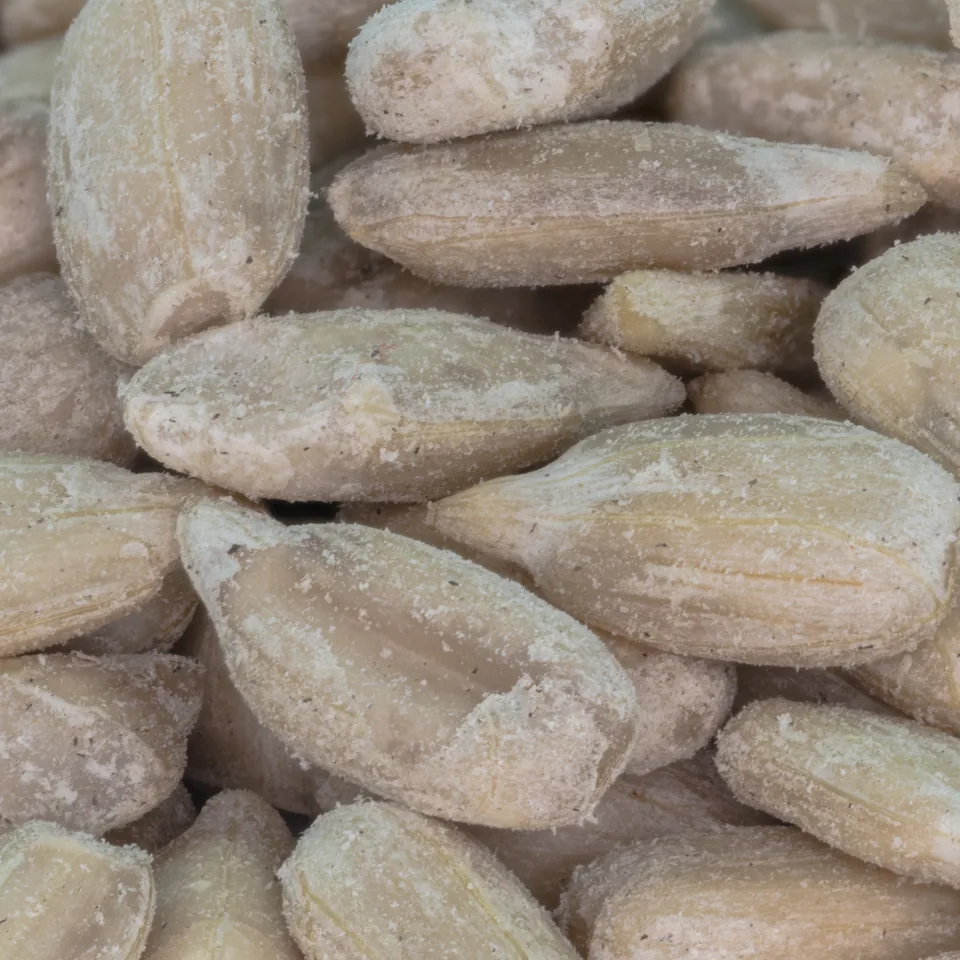
18,885 g - Sementes de girassol
Raw sunflower seed kernels.
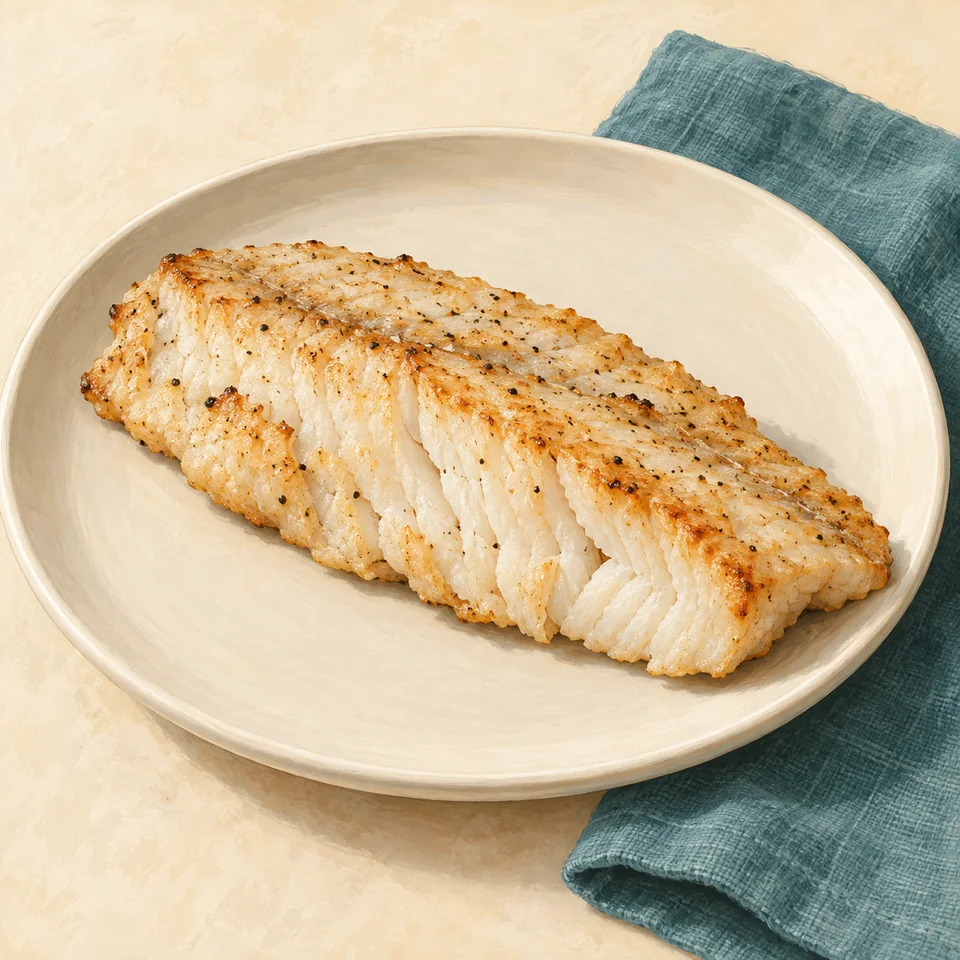
18,873 g - Channel catfish
Fish, catfish, channel, farmed, cooked, dry heat, exactly as identified by USDA.
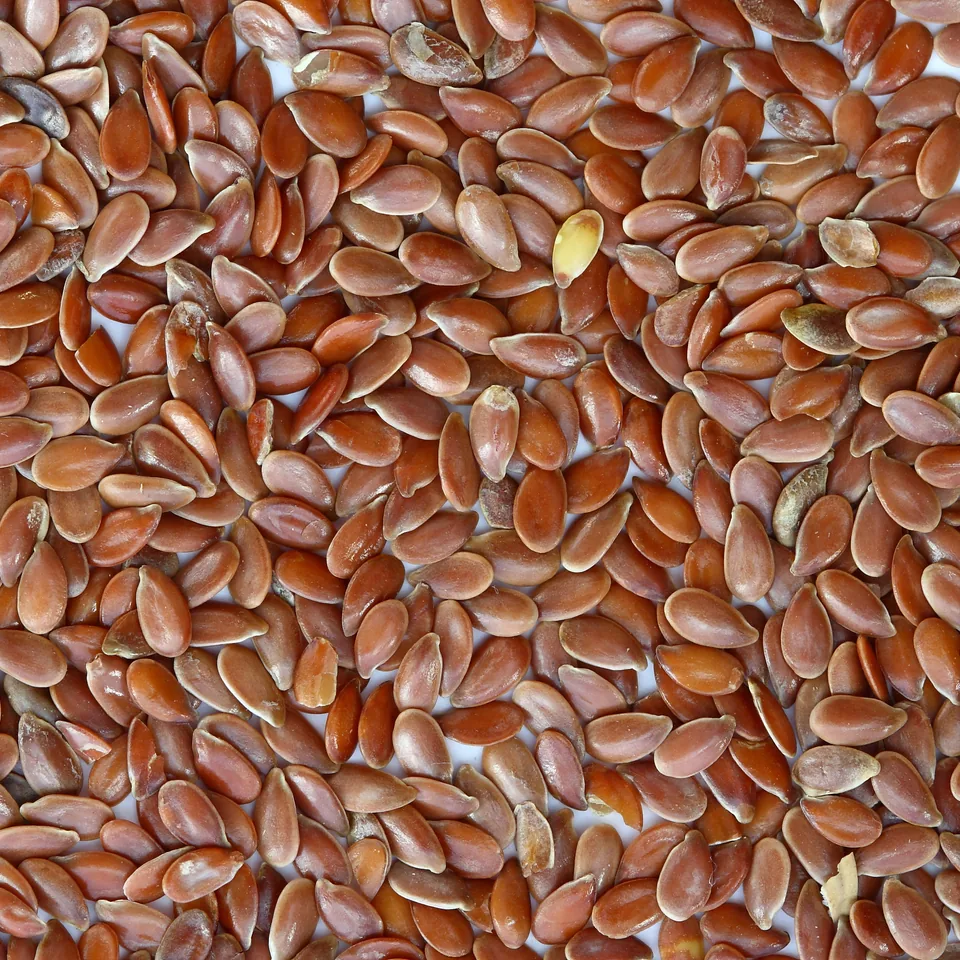
18,44 g - Linhaça
Flaxseed; source does not specify grinding.
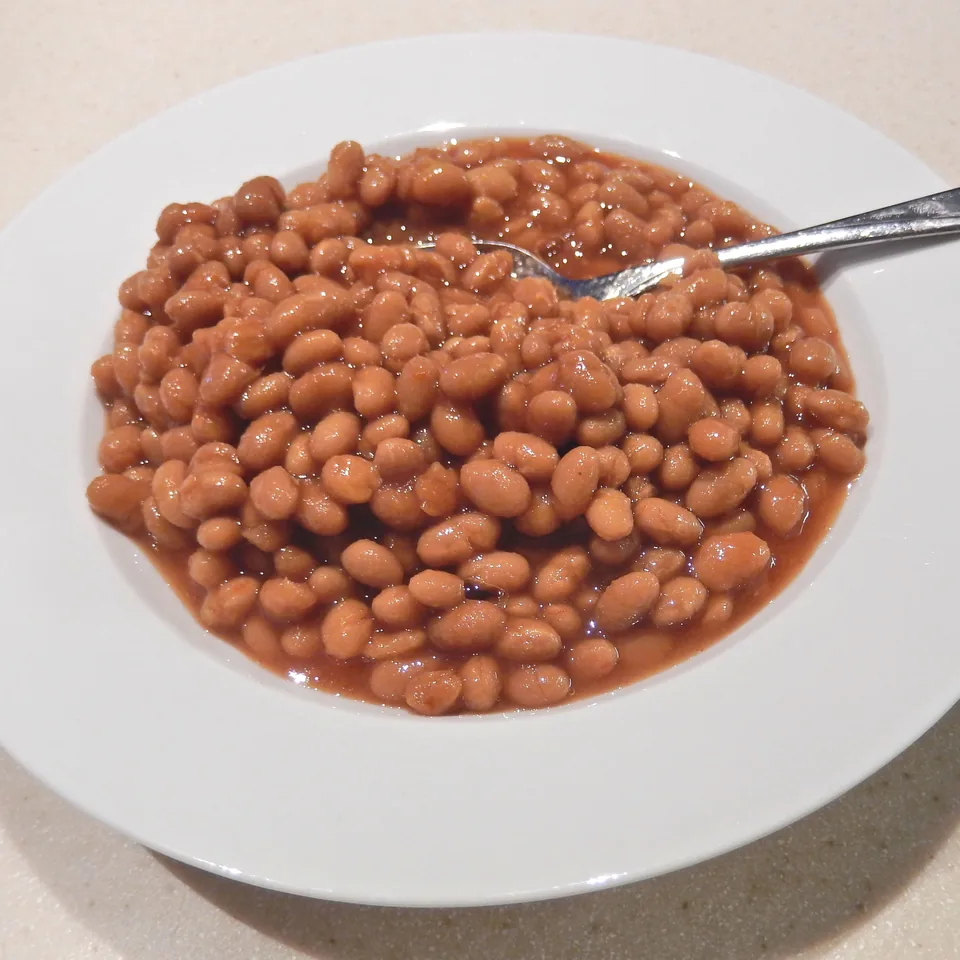
18,29 g - Soja em grão
Mature soybeans, boiled without salt.
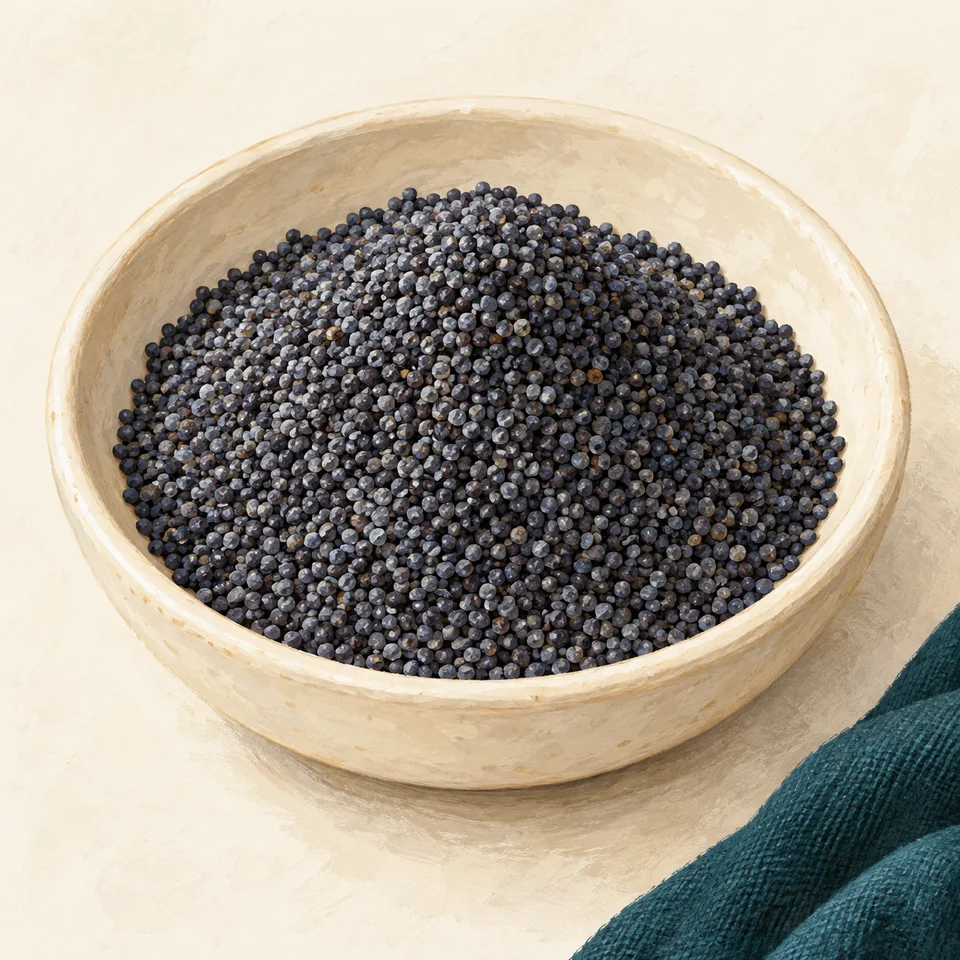
18,21 g - Poppy seeds
Spices, poppy seed, exactly as identified by USDA.
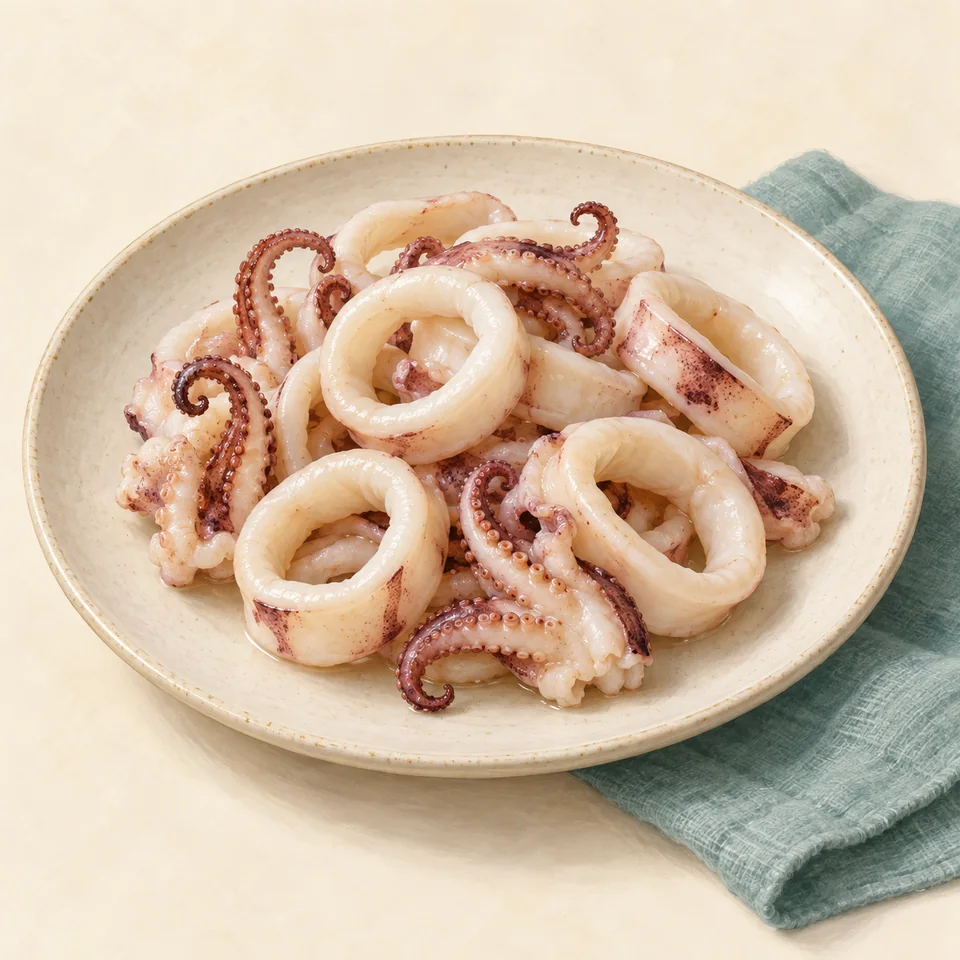
17,99 g - Squid
Mollusks, squid, mixed species, cooked, fried, exactly as identified by USDA.
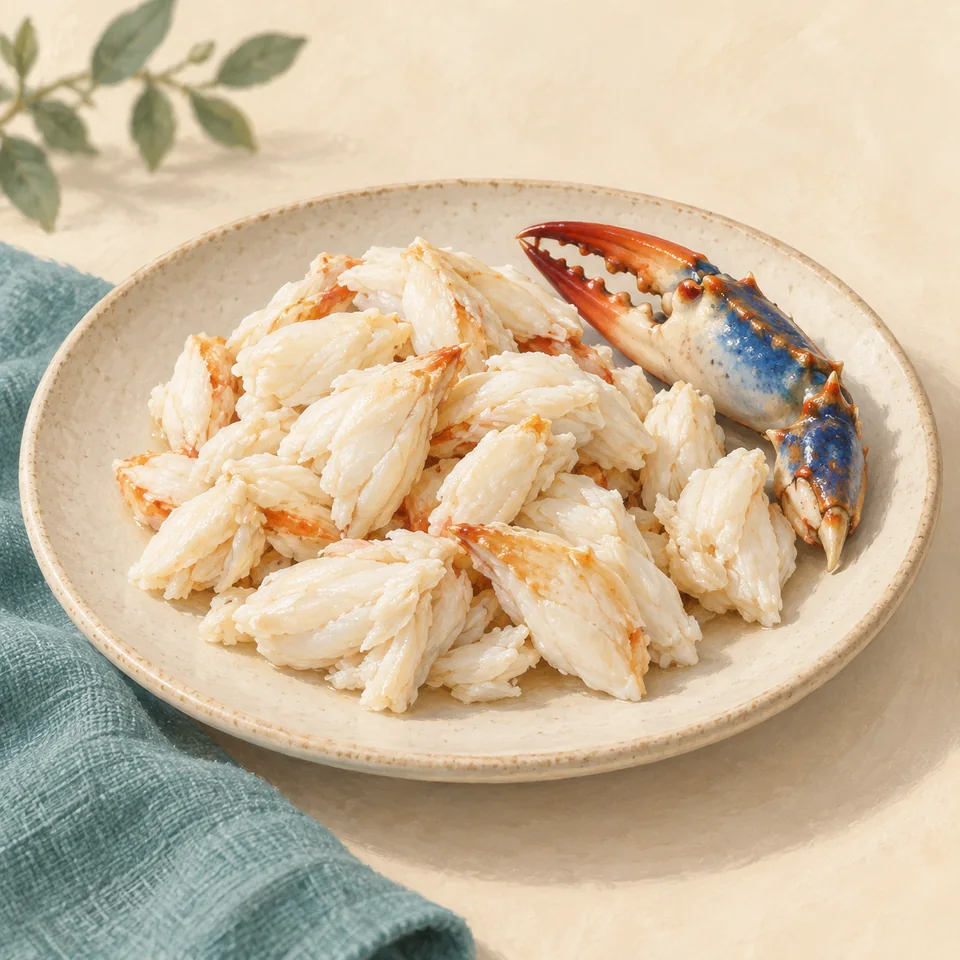
17,94 g - Blue crab
Crustaceans, crab, blue, cooked, moist heat, exactly as identified by USDA.
17,88 g
All results are sorted before pagination. Bars compare amounts within this search; they do not indicate health benefits. Not reported does not mean zero.
UNDERSTAND THE DATA
What it means for your diet
This source explains dietary protein. The ranking reports protein in this food preparation; it does not measure protein quality, digestibility or your individual requirement.
Ranking amounts describe foods, not supplement doses. A high rank does not mean you should consume more. Source recommendations and cautions retain their original population and scope.
Os textos da fonte abaixo estão em inglês. Não traduzimos automaticamente recomendações ou doses.
Dietary Proteins [1]
Source: MedlinePlus, National Library of Medicine. Original health-topic summary, reproduced with attribution.
Protein is in every cell in the body. Our bodies need protein from the foods we eat to build and maintain bones, muscles and skin. We get proteins in our diet from meat, dairy products, nuts, and certain grains and beans. Proteins from meat and other animal products are complete proteins. This means they supply all of the amino acids the body can't make on its own. Most plant proteins are incomplete. You should eat different types of plant proteins every day to get all of the amino acids your body needs.
It is important to get enough dietary protein. You need to eat protein every day, because your body doesn't store it the way it stores fats or carbohydrates. How much you need depends on your age, sex, health, and level of physical activity. Most Americans eat enough protein in their diet.
Explanation bibliography
Fontes de identidade e estrutura
- USDA FoodData Central: Foundation Foods Documentation · Consultado 2026-09-13