EXPLORE A NUTRIENT
Energy (Atwater General Factors)
Discover how amounts vary across foods, on a shared basis for comparison.
Understand this nutrient ↓What is it?
Food energy calculated using general Atwater factors, kept separate from other energy methods. [1]

A conceptual representation, not a molecular structure.
Description, source and attribution
A conceptual grouping, not a molecular structure. This reporting category contains multiple components or represents a calculated quantity.
Original Bitameans conceptual/fallback artwork; not a chemical structure. Source · Reuse terms
Source check:
A COMMON BASIS
Foods, per 100 g
31 foods with data 175 not reported, excluded from ranking
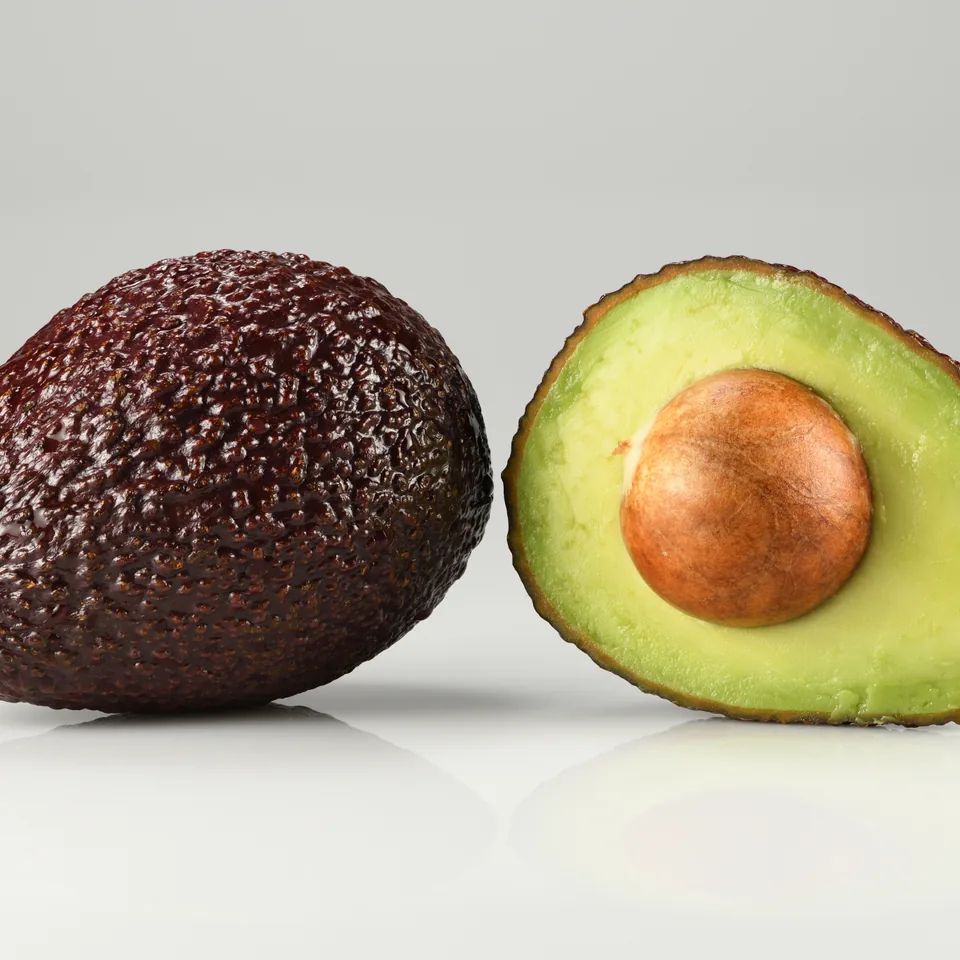
- Hass avocado
Hass avocado, peeled, raw.
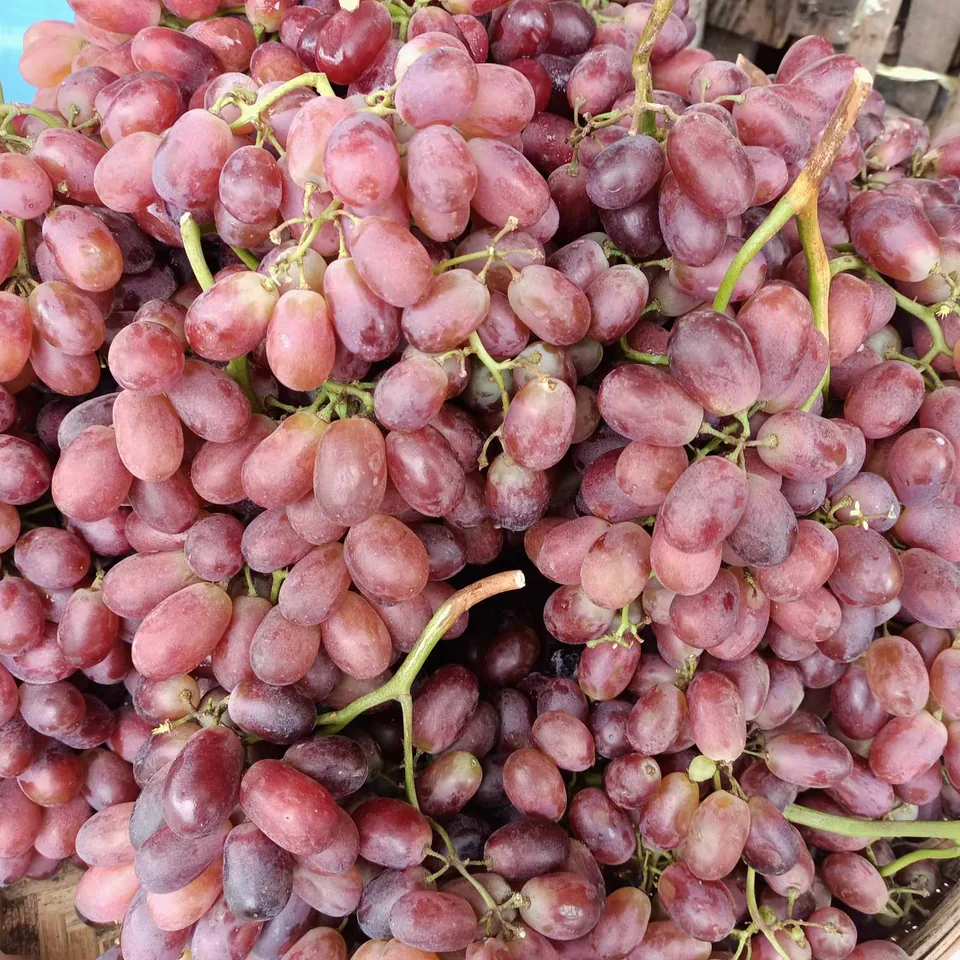
223.33 kcal - Red seedless grapes
Red seedless grapes, raw.
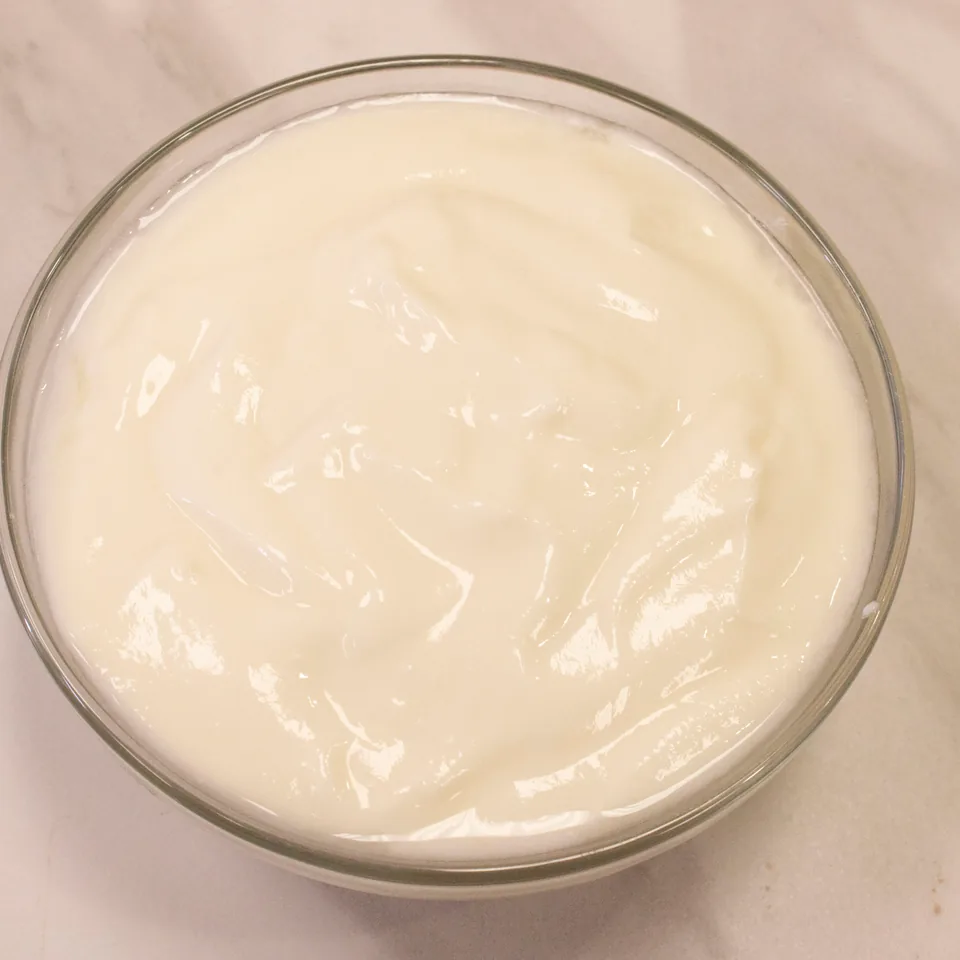
85.919 kcal - Plain yogurt
Plain whole-milk yogurt.
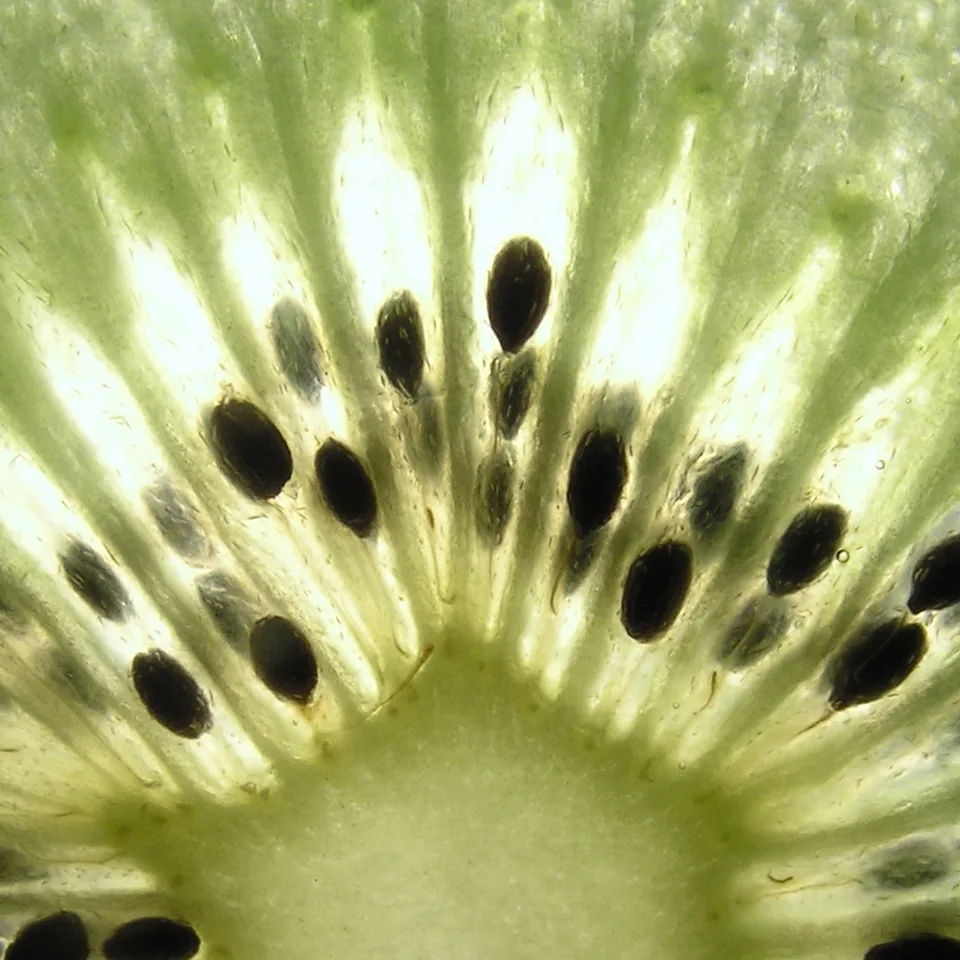
77.952 kcal - Kiwi
Green kiwi, peeled, raw.
65.065 kcal - Fuji apple
Fuji apple, with skin, raw.
64.661 kcal - Blueberries
Blueberries, raw, exactly as identified by USDA.
63.856 kcal - Pineapple
Raw pineapple, edible portion.
60.111 kcal - Raspberries
Raspberries, raw, exactly as identified by USDA.
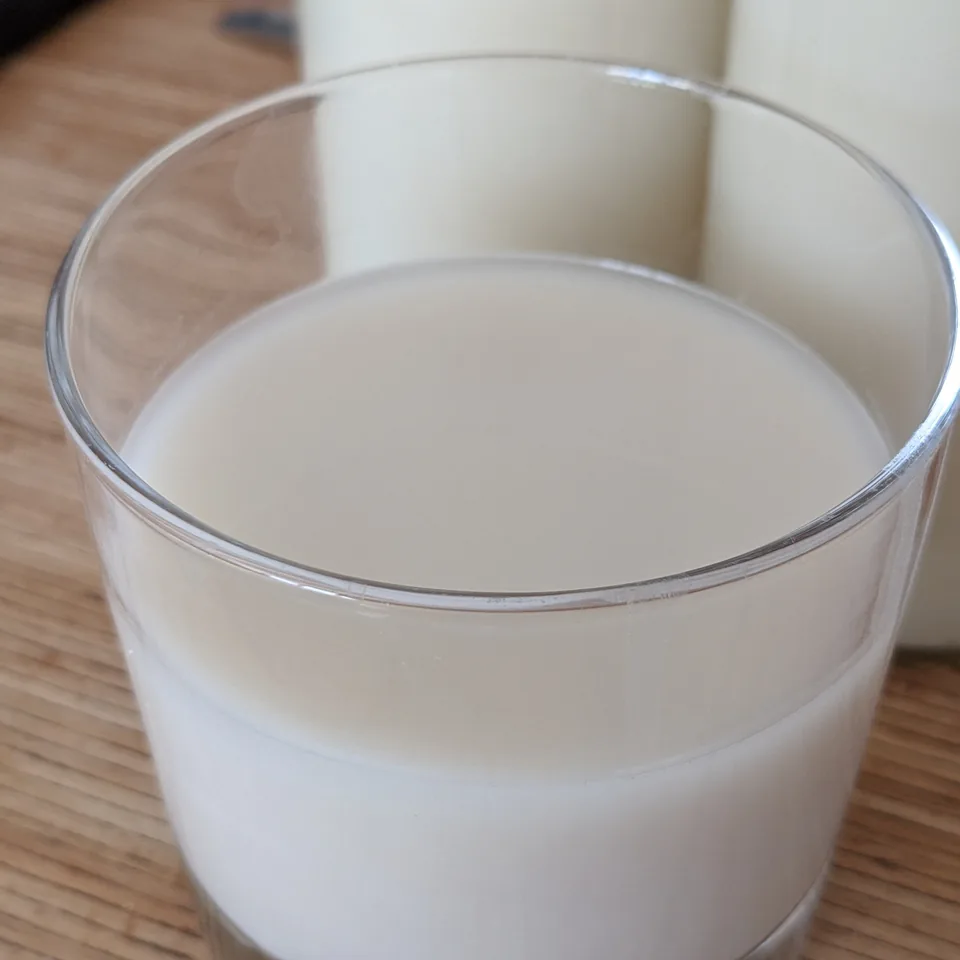
57.338 kcal - Oat beverage
Unsweetened plain oat beverage, refrigerated.
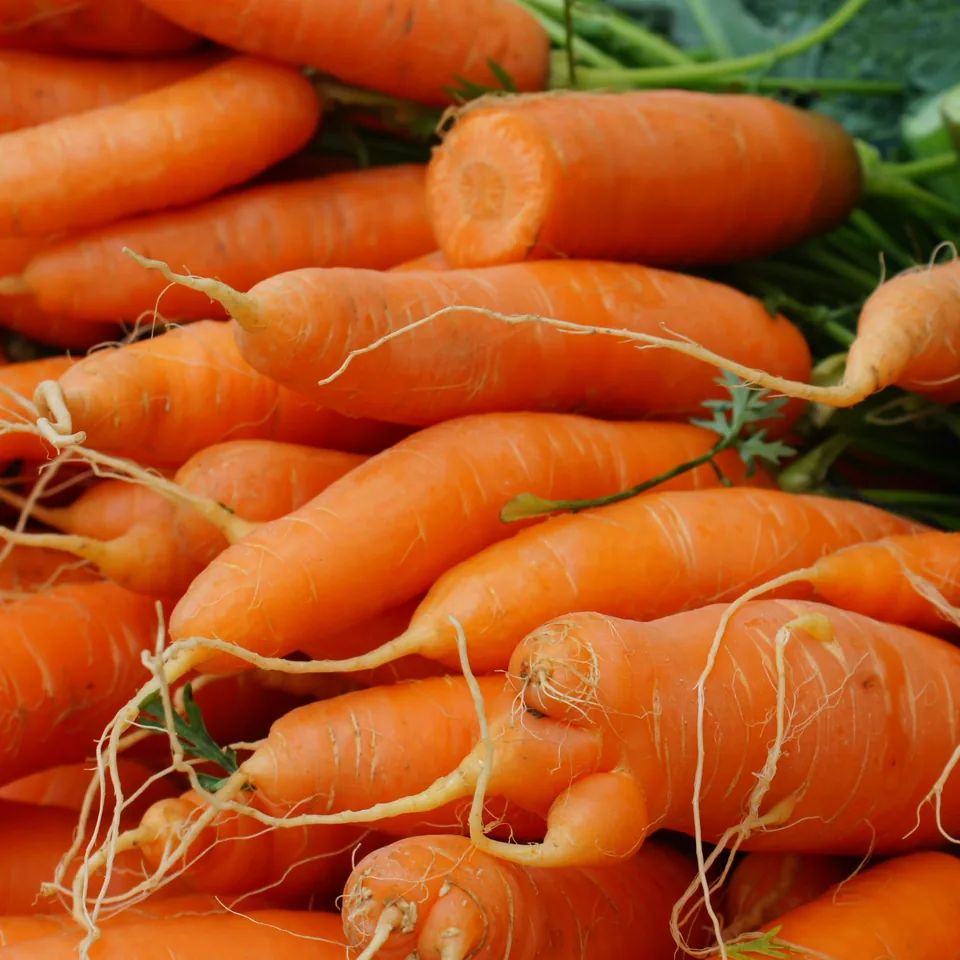
48.33 kcal - Carrot
Mature carrot, raw.
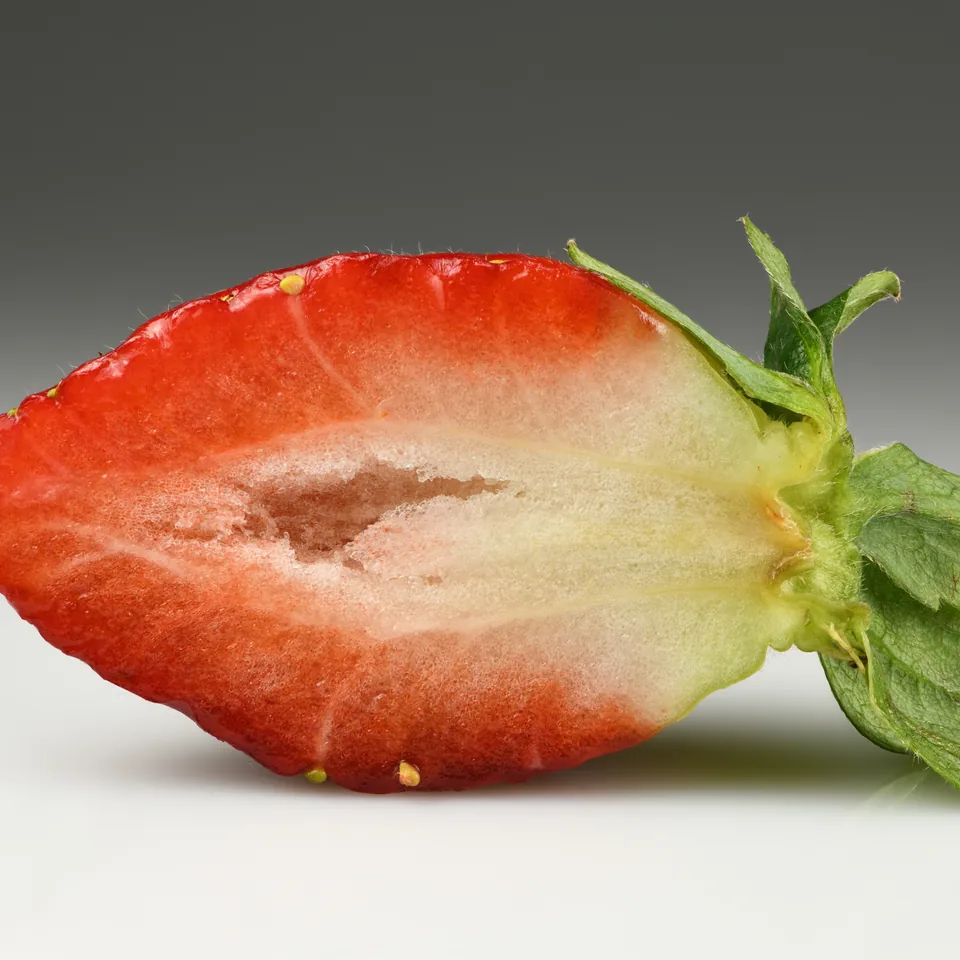
47.991 kcal - Strawberry
Raw strawberries.
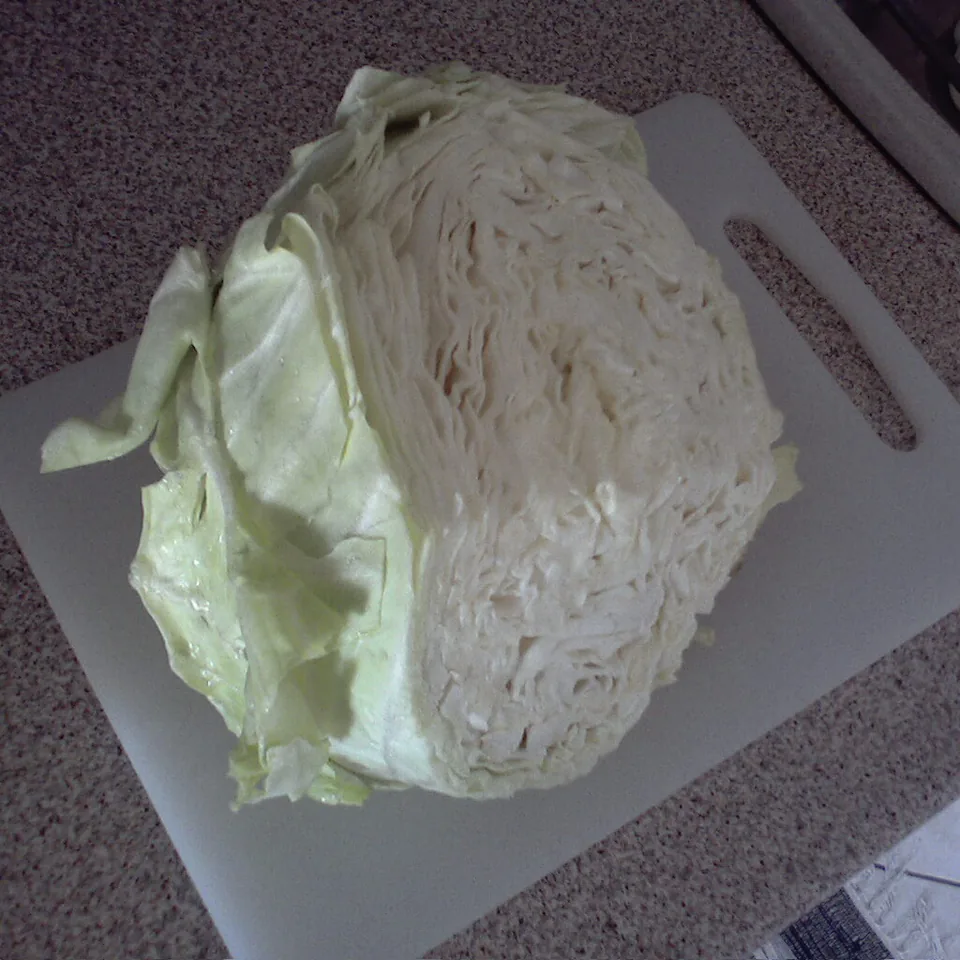
36.4 kcal - Green cabbage
Green cabbage, raw.
31.428 kcal
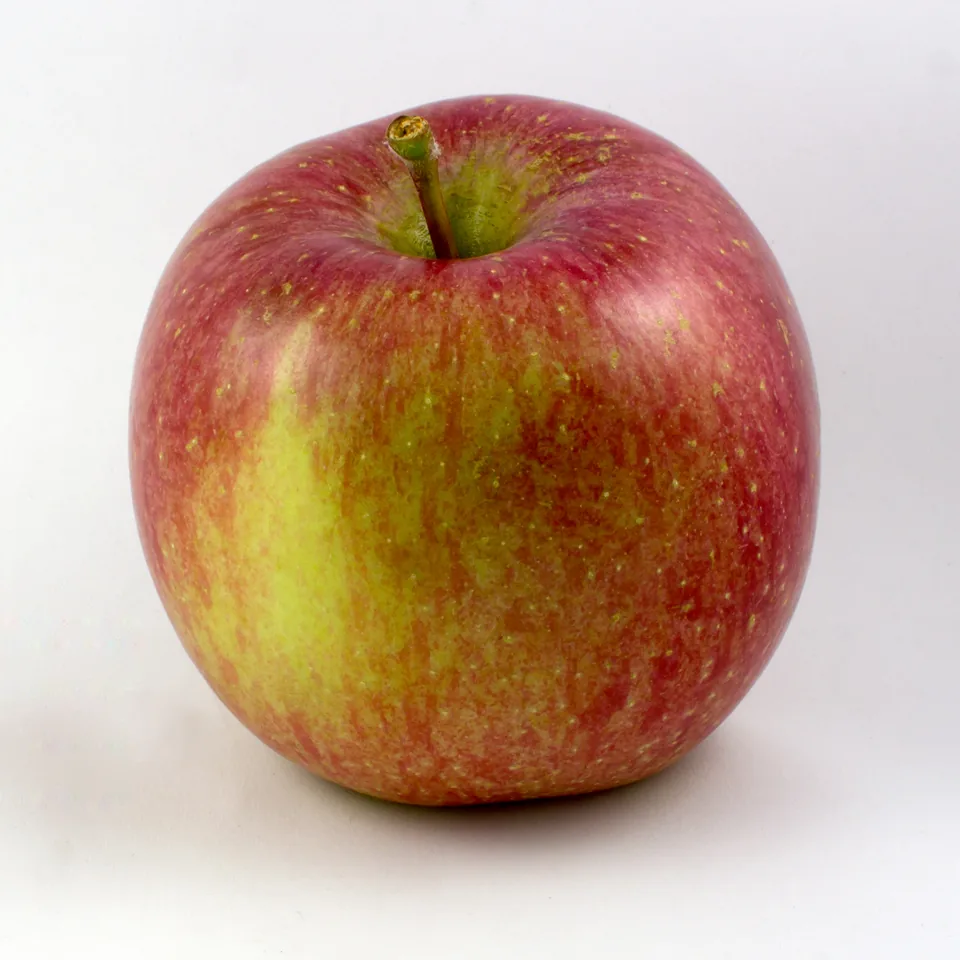
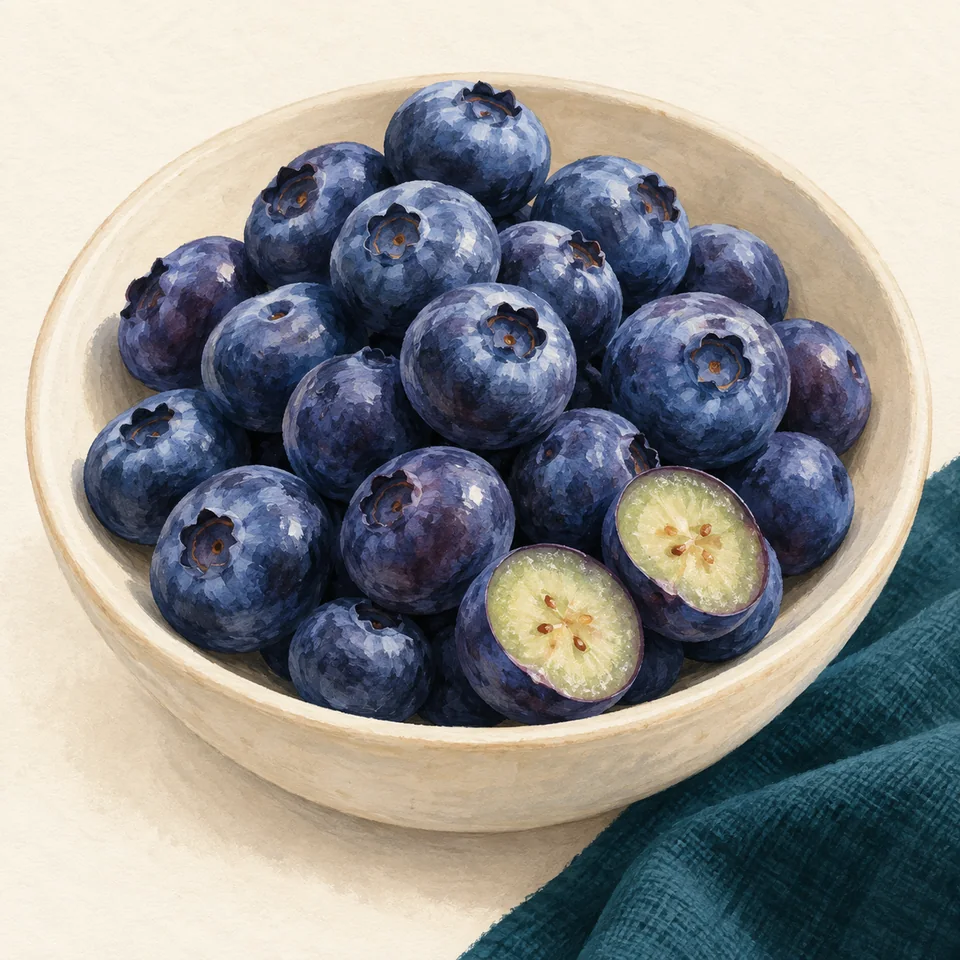
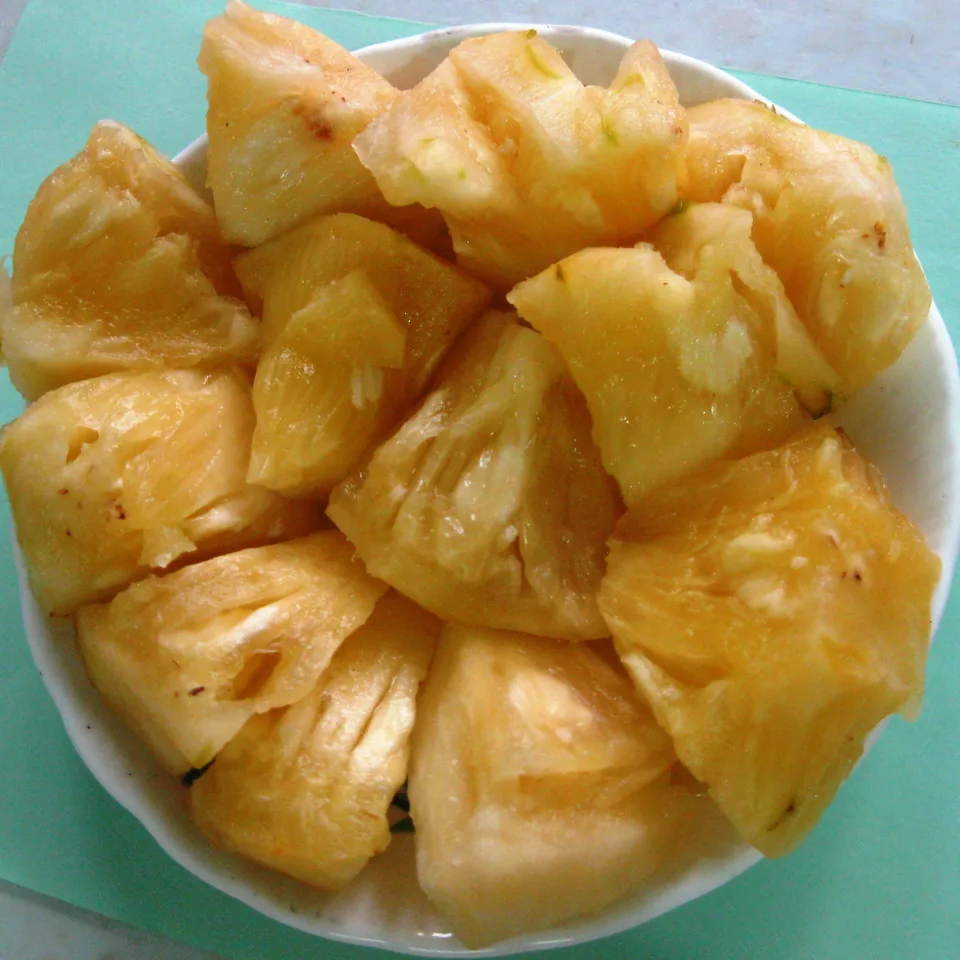
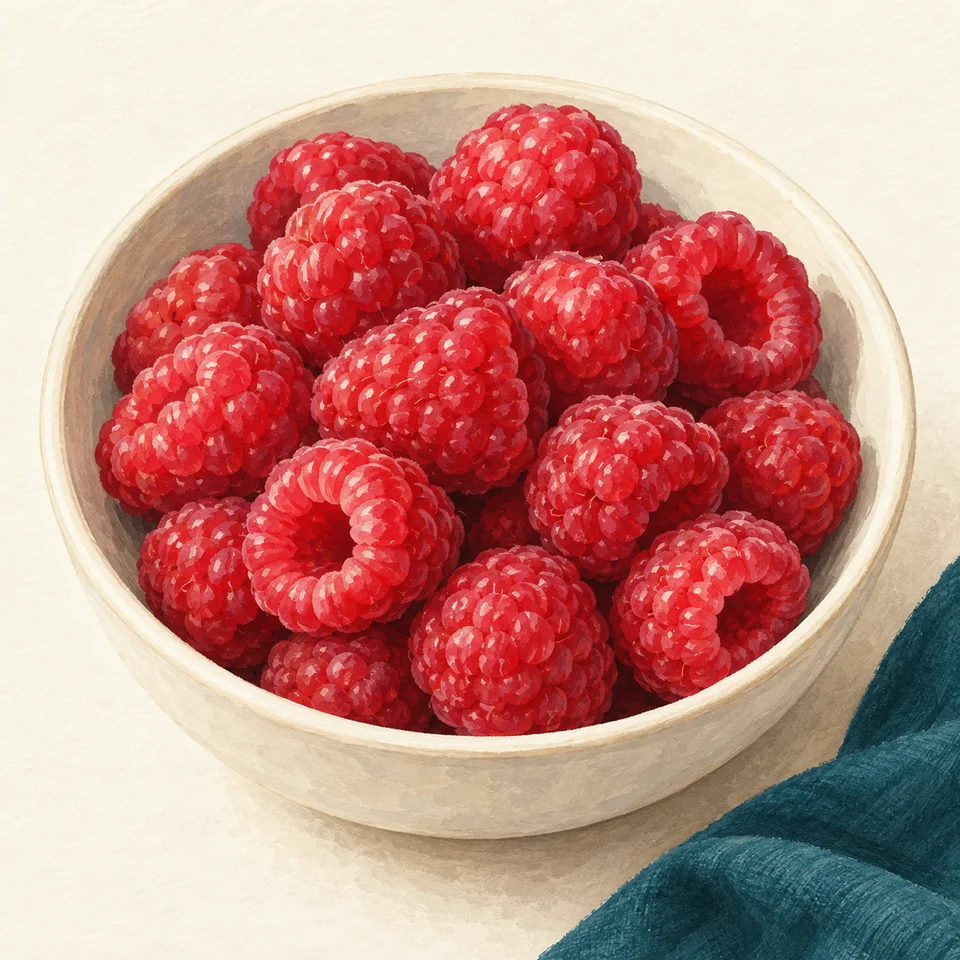
All results are sorted before pagination. Bars compare amounts within this search; they do not indicate health benefits. Not reported does not mean zero.
UNDERSTAND THE DATA
What it means for your diet
The exact USDA entry here is Energy (Atwater General Factors). The source below gives general nutrition context only; it does not establish a deficiency syndrome, benefit, supplement dose or safe upper limit for this individual measurement. Energy methods, organic acids and other analytical components must not be treated as interchangeable nutrients.
Ranking amounts describe foods, not supplement doses. A high rank does not mean you should consume more. Source recommendations and cautions retain their original population and scope.
Nutrition [1]
Source: MedlinePlus, National Library of Medicine. Original health-topic summary, reproduced with attribution.
Good nutrition is important in keeping people healthy throughout their lives - when they are babies, toddlers, children, adults, and then older adults. It can help people live longer and lower their risk of health problems like heart disease, type 2 diabetes, obesity, and more.
Good nutrition is about healthy eating. This means regularly choosing healthy foods and beverages. A healthy eating plan should give your body the energy and nutrients that you need every day. Nutrients include proteins, carbohydrates, fats, , , and . The plan should also take into account your preferences, cultural traditions, and budget.
Identity and structure sources
- USDA FoodData Central: Foundation Foods Documentation · Accessed 2026-09-13