EXPLORE A NUTRIENT
Maltose
Discover how amounts vary across foods, on a shared basis for comparison.
Understand this nutrient ↓What is it?
Chemical reference: alpha-maltose (C12H22O11). USDA reports Maltose separately. [1] [2]
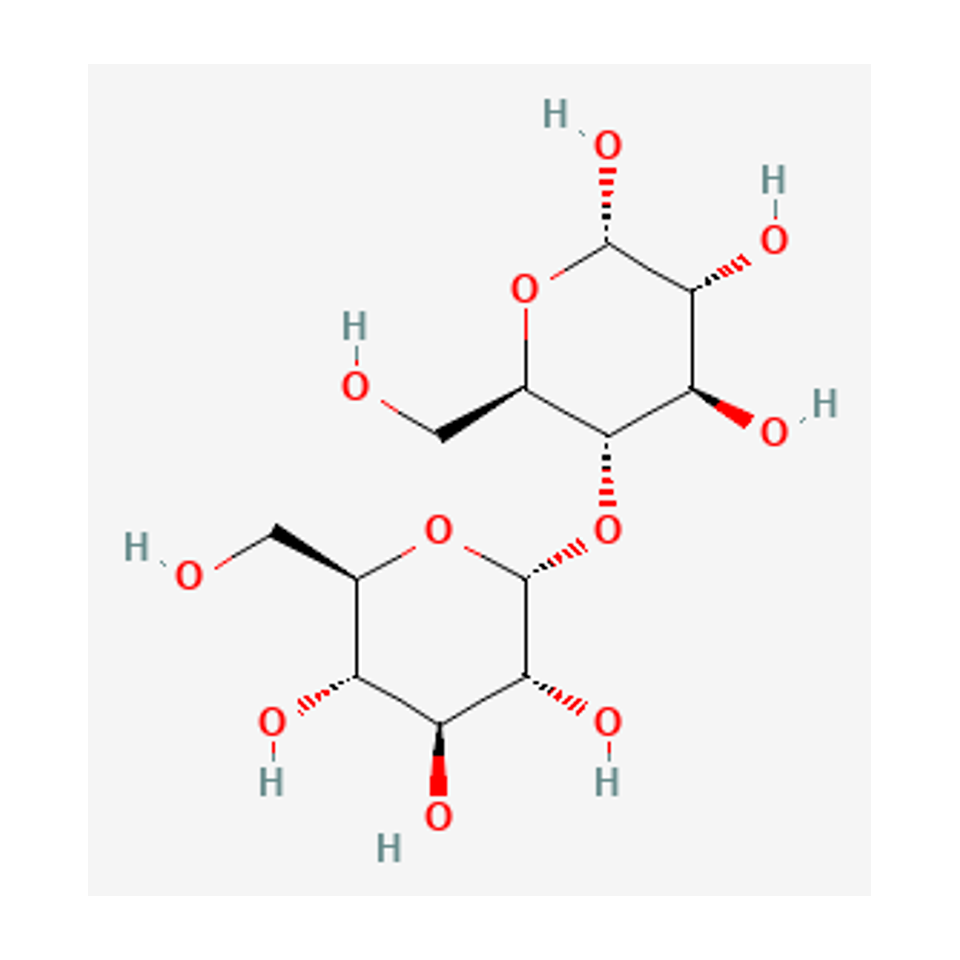
This reference form does not represent every form included in the USDA quantity.
Description, source and attribution
Reference depiction: alpha-maltose. Formula C12H22O11; PubChem CID 439341; charge 0. This specified form does not represent every form or molecule included in the USDA quantity.
PubChem Compound 439341, 2D Structure. NCBI / National Library of Medicine. Source · Reuse terms
Source check:
A COMMON BASIS
Foods, per 100 g
61 foods with data 145 not reported, excluded from ranking
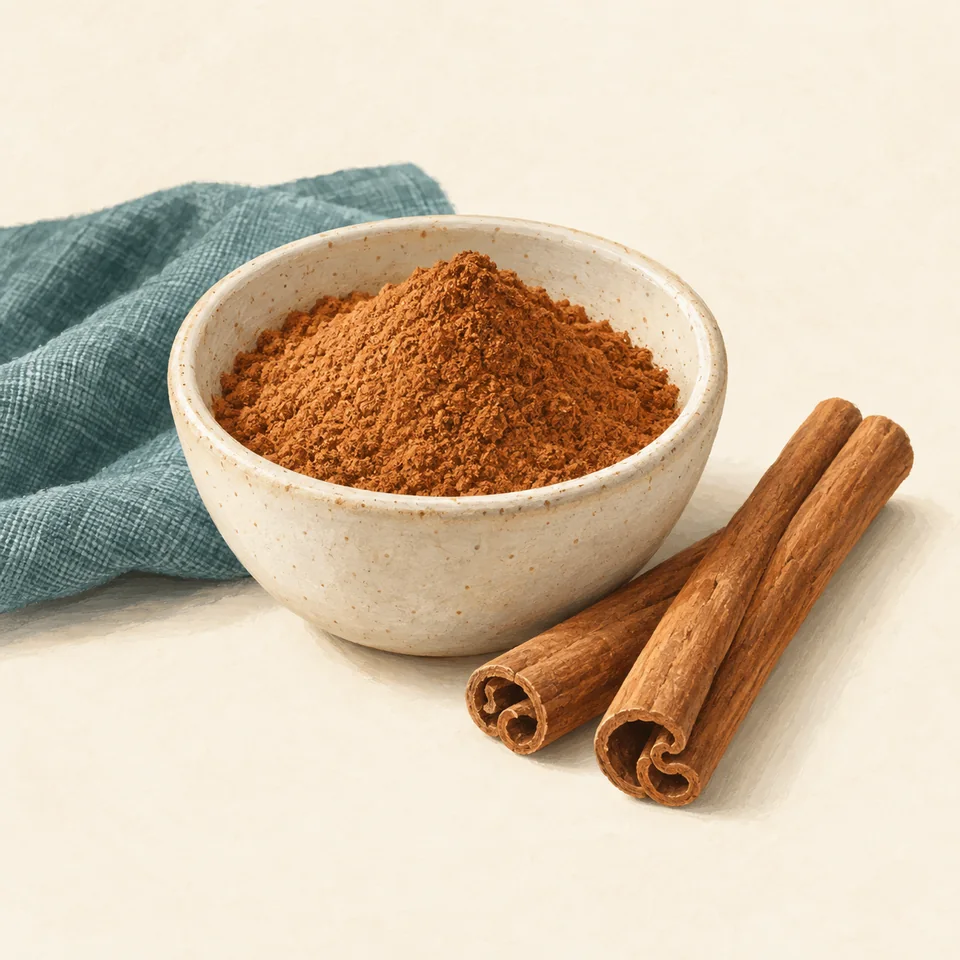
- Cinnamon
Spices, cinnamon, ground, exactly as identified by USDA.
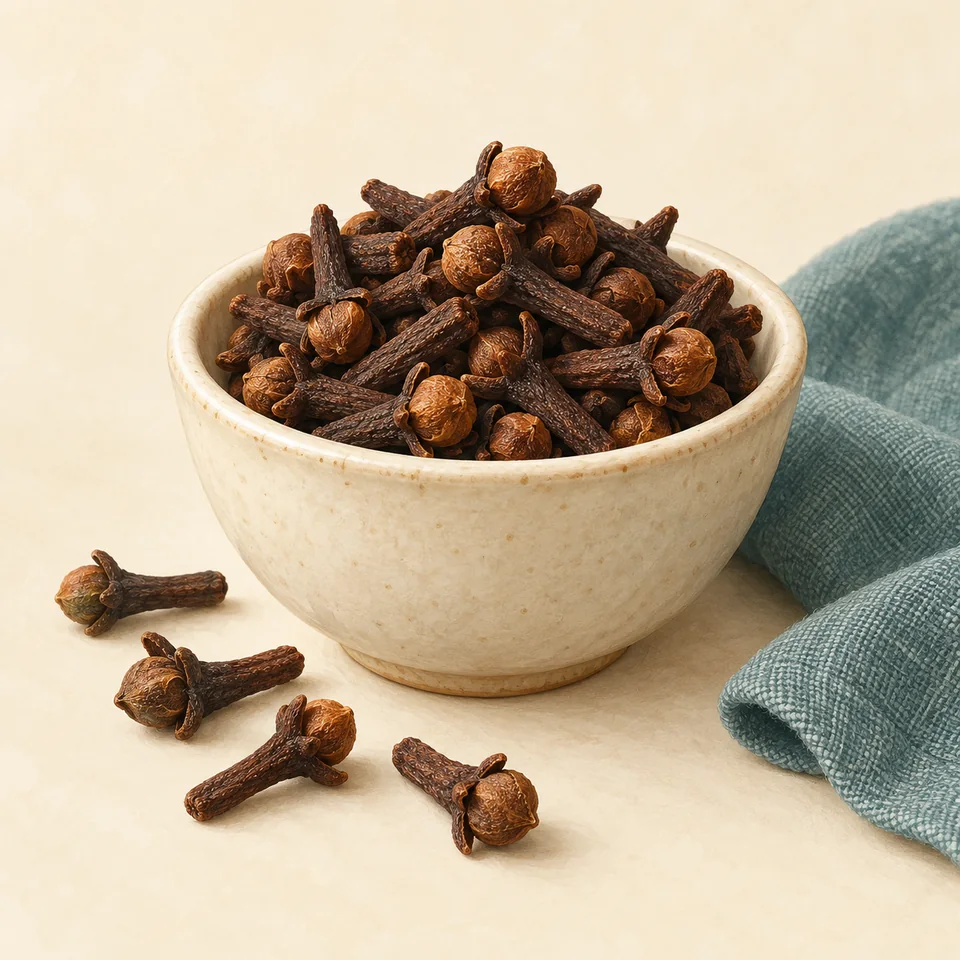
0 g - Cloves
Spices, cloves, ground, exactly as identified by USDA.
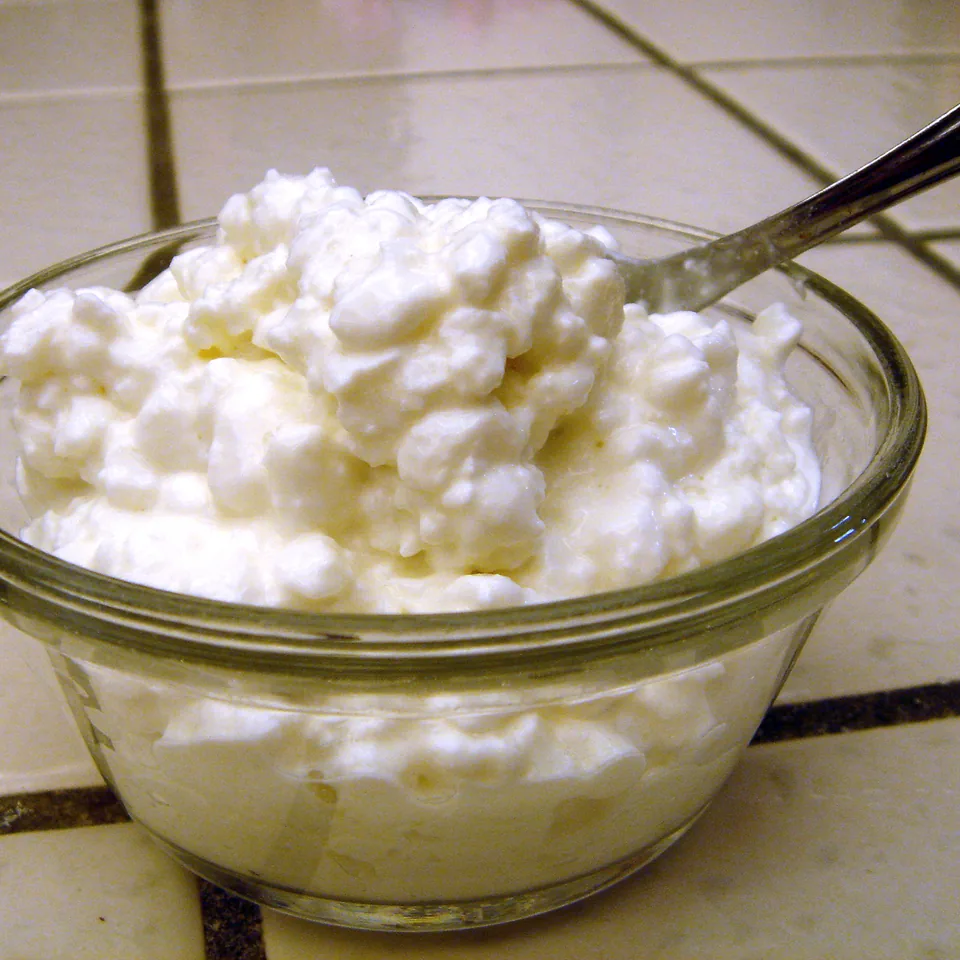
0 g - Cottage cheese
Creamed cottage cheese, large or small curd.
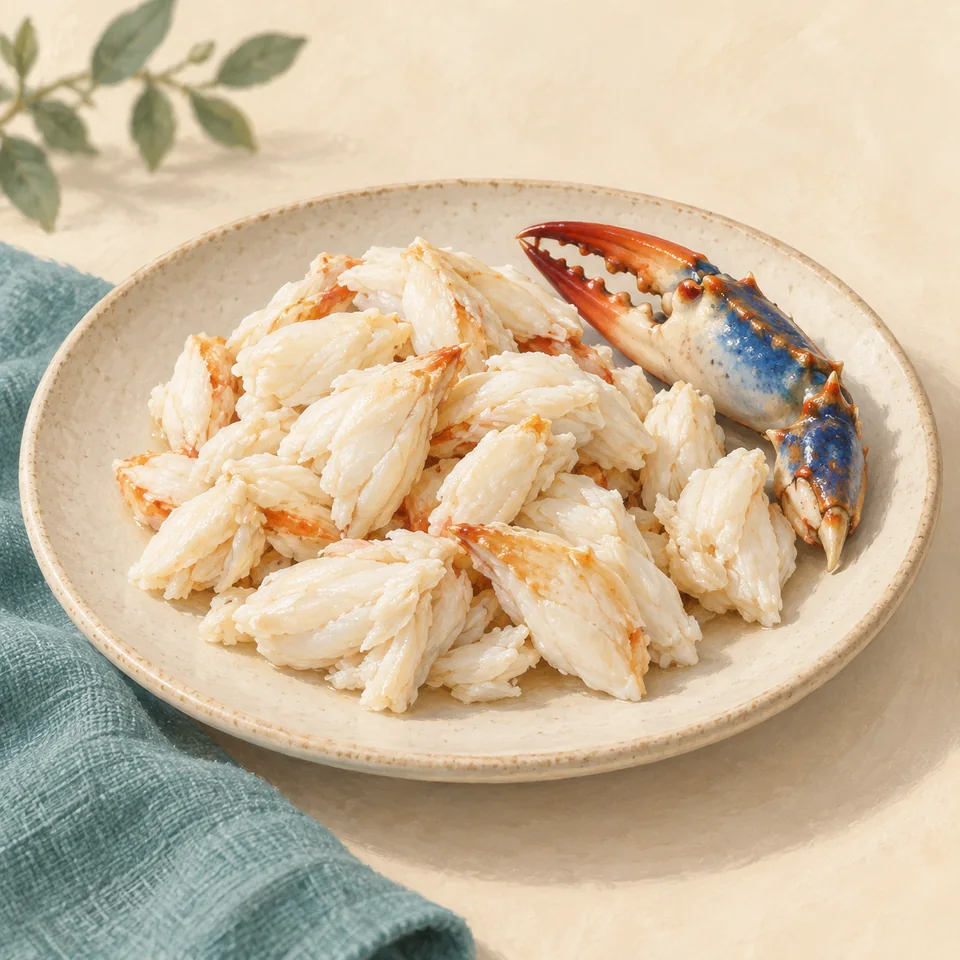
0 g - Blue crab
Crustaceans, crab, blue, cooked, moist heat, exactly as identified by USDA.
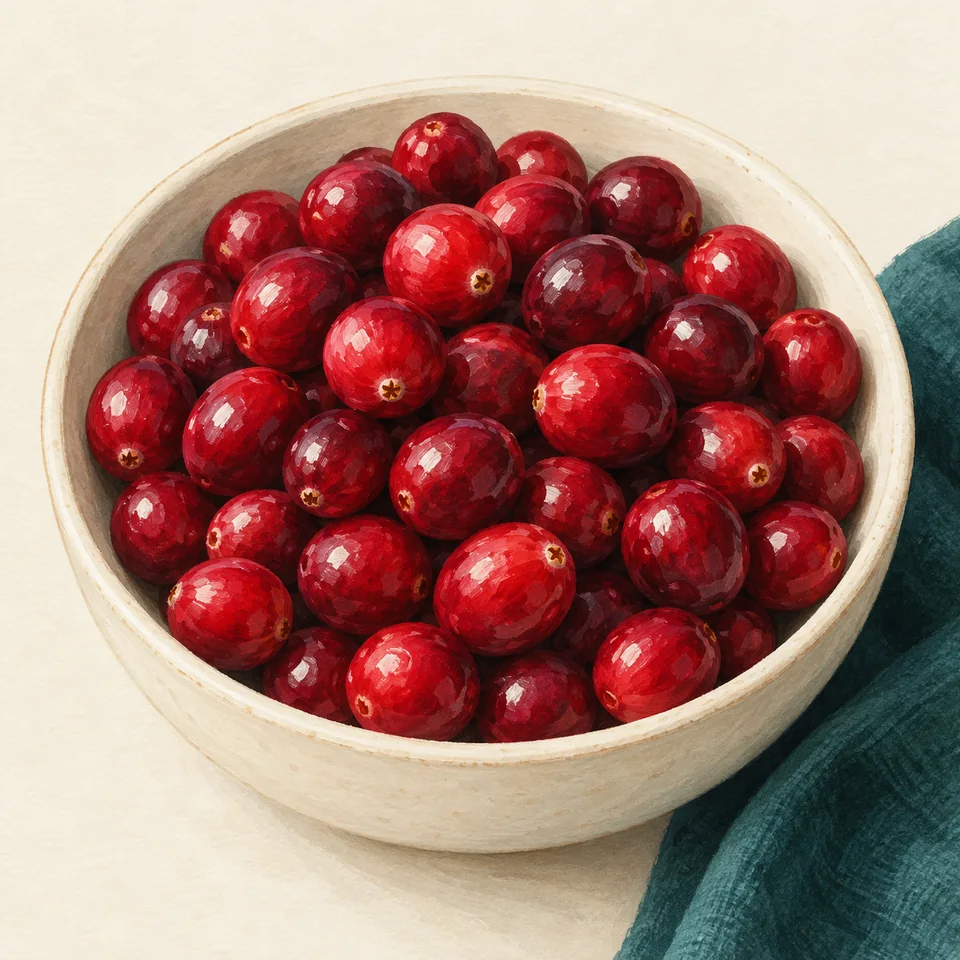
0 g - Cranberries
Cranberries, raw, exactly as identified by USDA.
0 g - Cream cheese
Cheese, cream, exactly as identified by USDA.
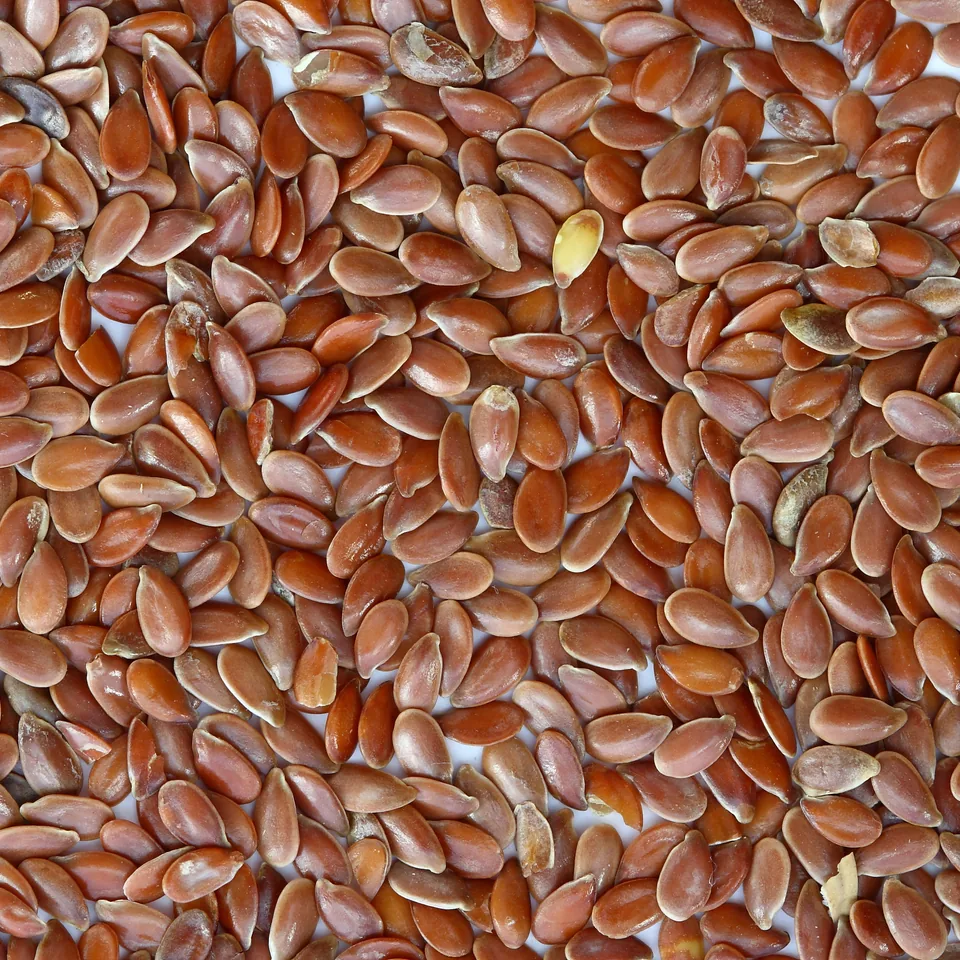
0 g - Flaxseed
Flaxseed; source does not specify grinding.
0 g - Pink and red grapefruit
Raw pink and red grapefruit, all areas.
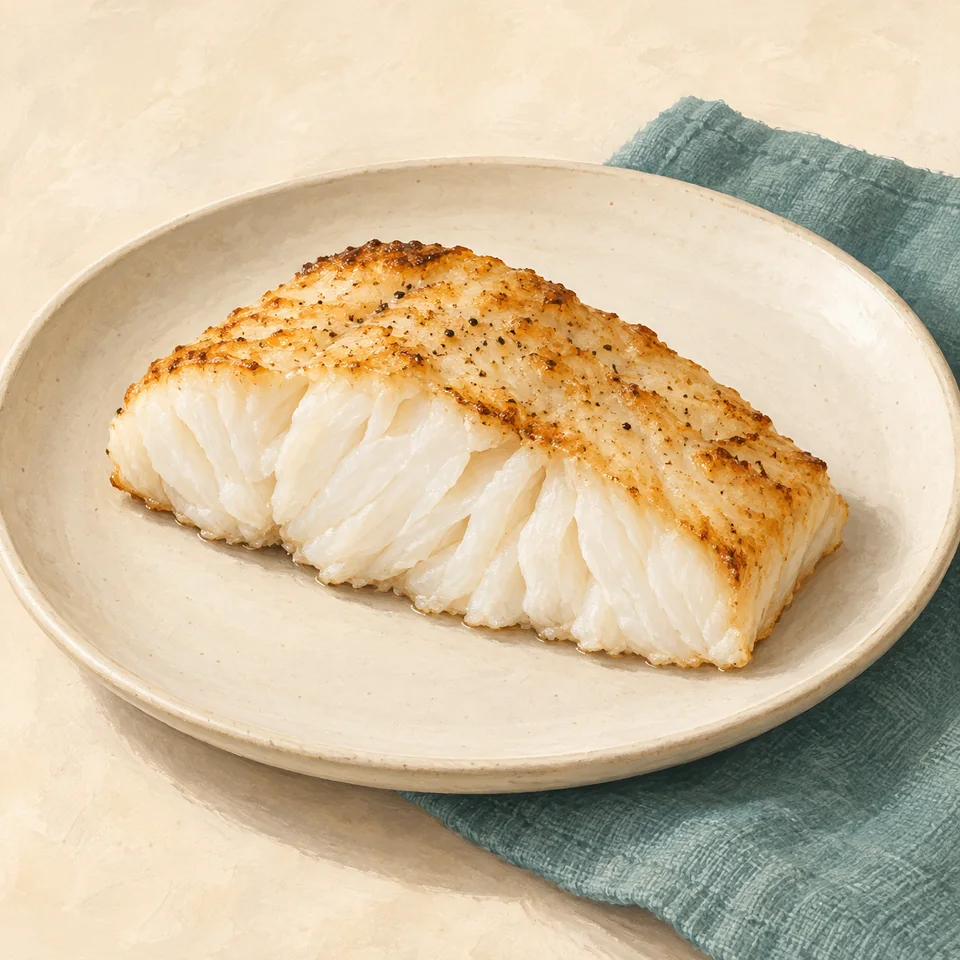
0 g - Halibut
Fish, halibut, Atlantic and Pacific, cooked, dry heat, exactly as identified by USDA.
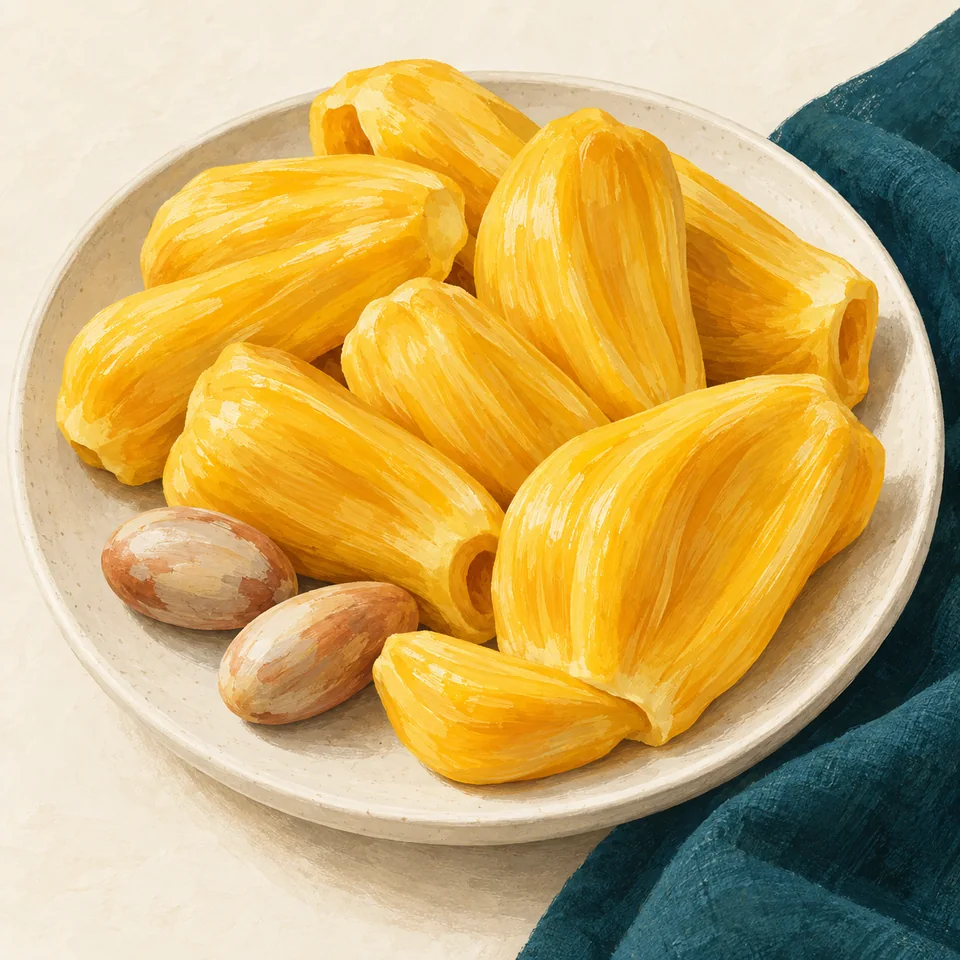
0 g - Jackfruit
Jackfruit, raw, exactly as identified by USDA.
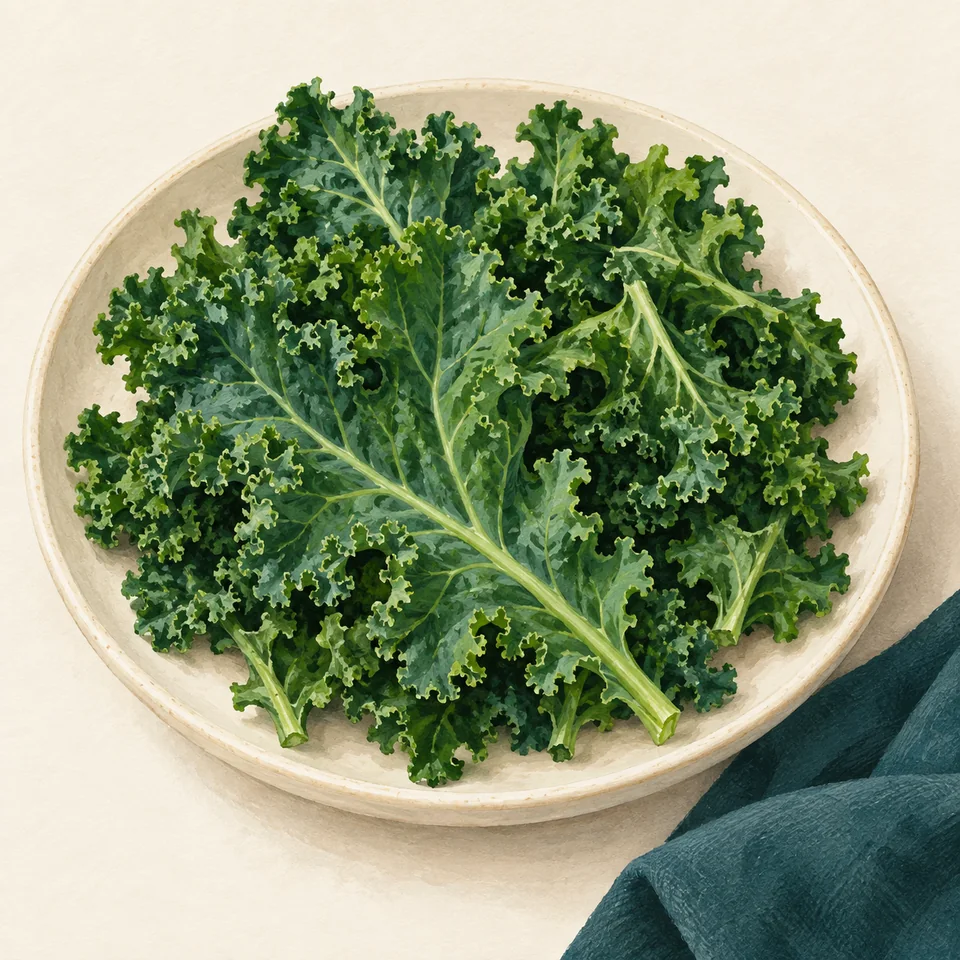
0 g - Kale
Kale, raw, exactly as identified by USDA.
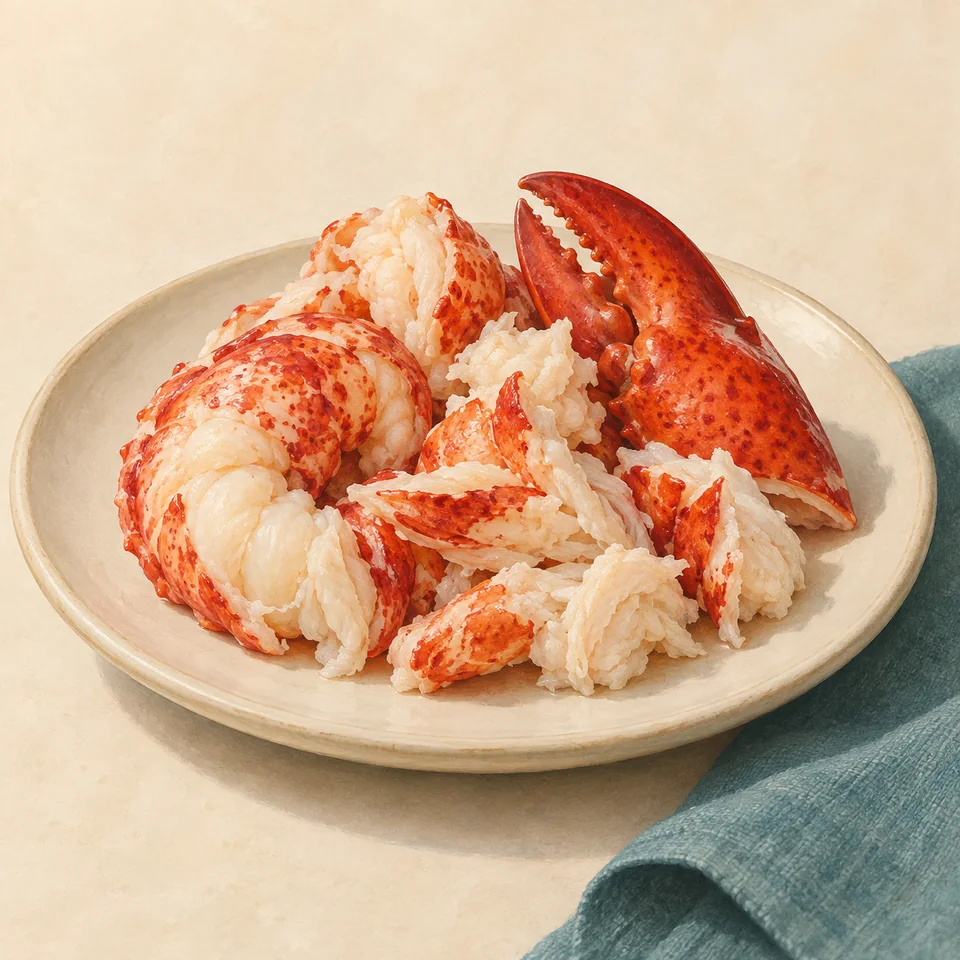
0 g - Northern lobster
Crustaceans, lobster, northern, cooked, moist heat, exactly as identified by USDA.
0 g


All results are sorted before pagination. Bars compare amounts within this search; they do not indicate health benefits. Not reported does not mean zero.
UNDERSTAND THE DATA
What it means for your diet
This source explains carbohydrates, sugars, starch and fiber as a group. Total sugars are not the same measurement as added sugars, and recommendations for total carbohydrate must not be assigned to one sugar. The ranking keeps the USDA measurement method separate.
Ranking amounts describe foods, not supplement doses. A high rank does not mean you should consume more. Source recommendations and cautions retain their original population and scope.
Carbohydrates [1]
Source: MedlinePlus, National Library of Medicine. Original health-topic summary, reproduced with attribution.
What are carbohydrates?
Carbohydrates, or carbs, are sugar molecules. Along with proteins and fats, carbohydrates are one of three main nutrients found in foods and drinks.
Your body breaks down carbohydrates into glucose. Glucose, or blood sugar, is the main source of energy for your body's cells, tissues, and organs. Glucose can be used immediately or stored in the liver and muscles for later use.
What are the different types of carbohydrates?
There are three main types of carbohydrates:
- Sugars. They are also called simple carbohydrates because they are in the most basic form. They can be added to foods, such as the sugar in candy, desserts, processed foods, and regular soda. They also include the kinds of sugar that are found naturally in fruits, vegetables, and milk.
- Starches. They are complex carbohydrates, which are made of lots of simple sugars strung together. Your body needs to break starches down into sugars to use them for energy. Starches include bread, cereal, and pasta. They also include certain vegetables, like potatoes, peas, and corn.
Identity and structure sources
- PubChem Compound 439341: Amylodextrin · Accessed 2026-09-13
- USDA FoodData Central: Foundation Foods Documentation · Accessed 2026-09-13