EXPLORE UM NUTRIENTE
Colesterol
Veja como as quantidades variam entre alimentos, na mesma base de comparação.
Entenda este nutriente ↓O que é?
Chemical reference: cholesterol (C27H46O). USDA reports Cholesterol separately. [1] [2]
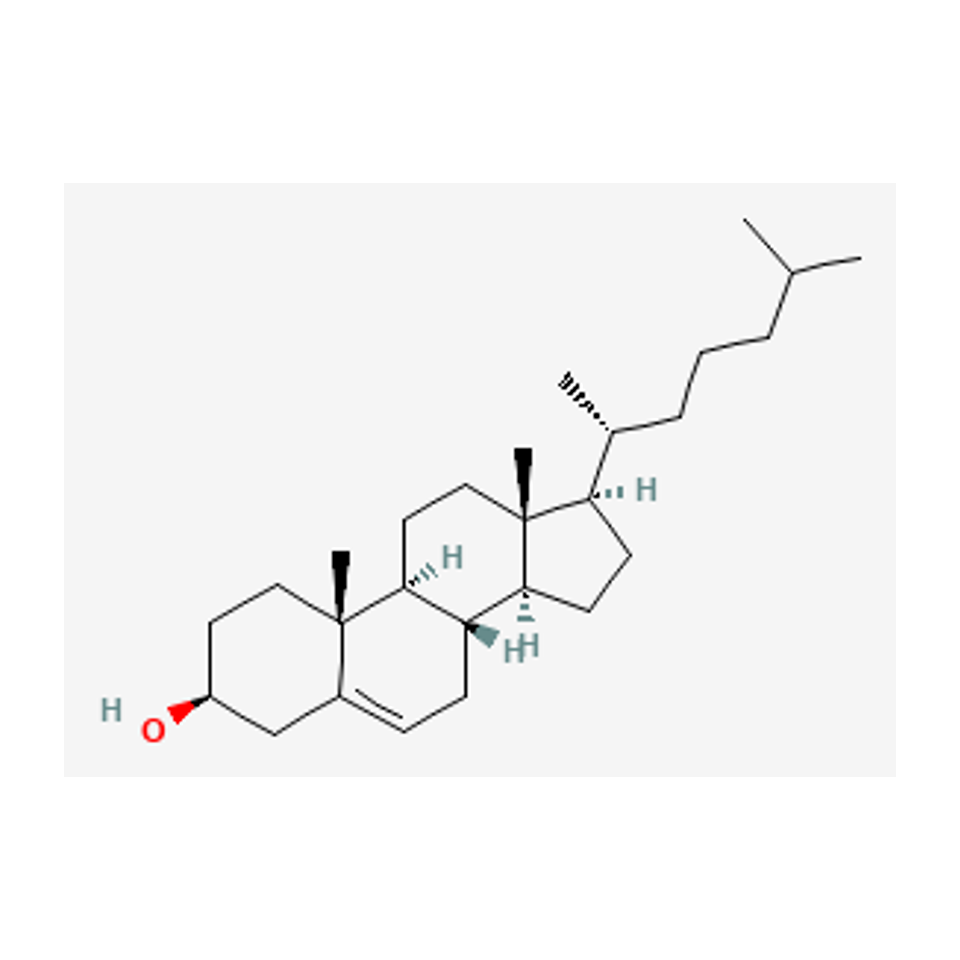
Referência de identidade; não representa a aparência do alimento.
Descrição, fonte e atribuição
Reference depiction: cholesterol. Formula C27H46O; PubChem CID 5997; charge 0. This is a chemical reference, not a depiction of its physical appearance in food.
PubChem Compound 5997, 2D Structure. NCBI / National Library of Medicine. Fonte · Condições de uso
Verificação da fonte:
A COMMON BASIS
Alimentos, por 100 g
170 foods with data 36 not reported, excluded from ranking
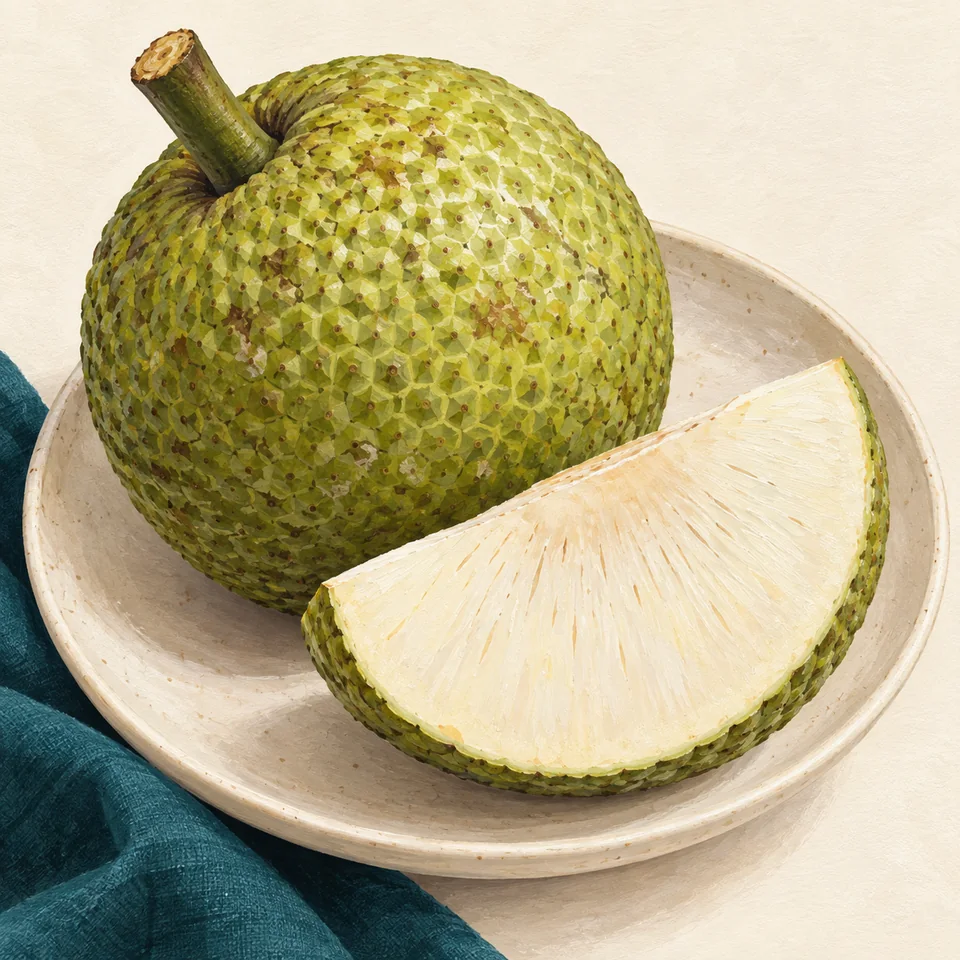
- Breadfruit
Breadfruit, raw, exactly as identified by USDA.
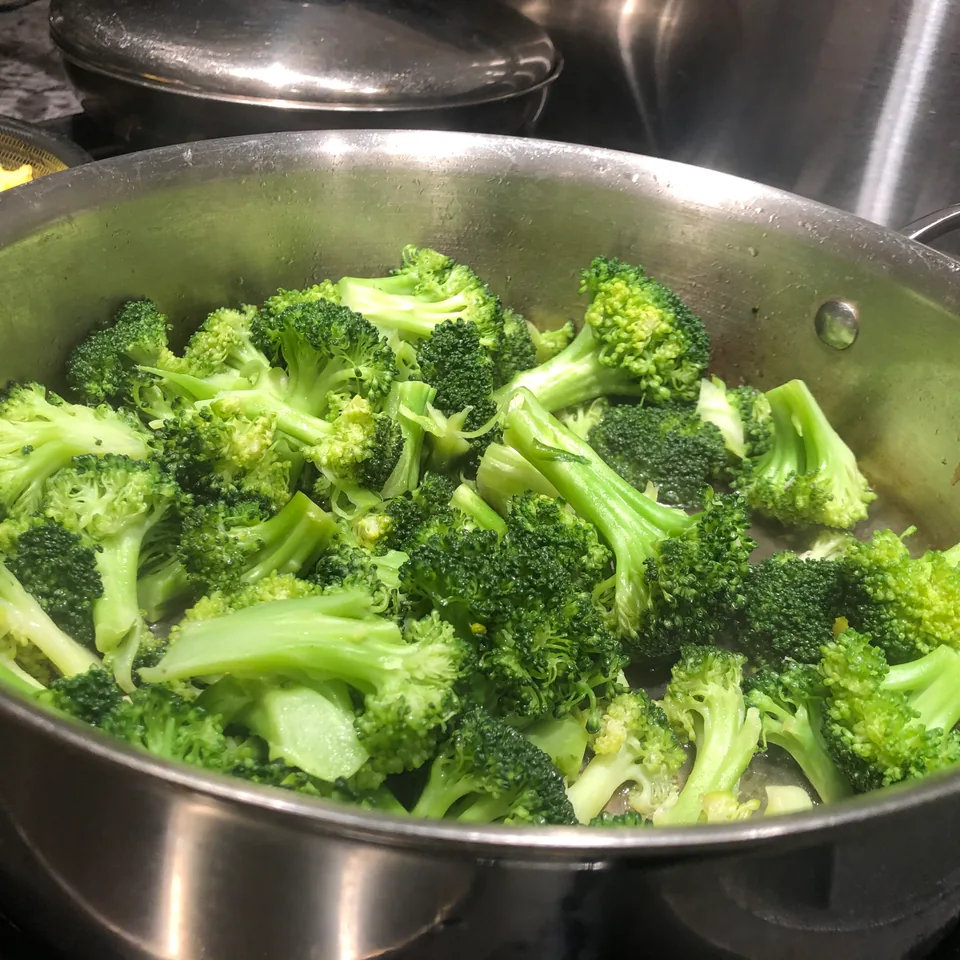
0 mg - Brócolis
Broccoli, boiled, drained, without salt.
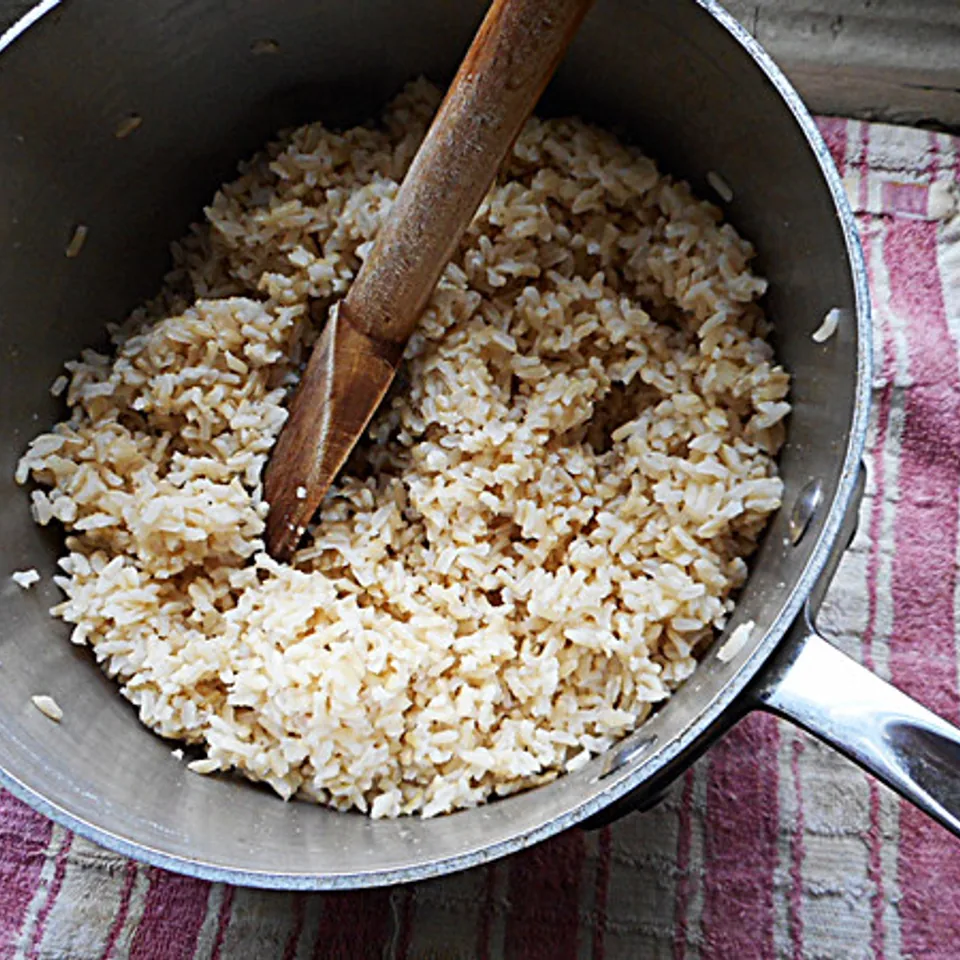
0 mg - Arroz integral
Cooked, long-grain. The USDA source description does not state added salt.
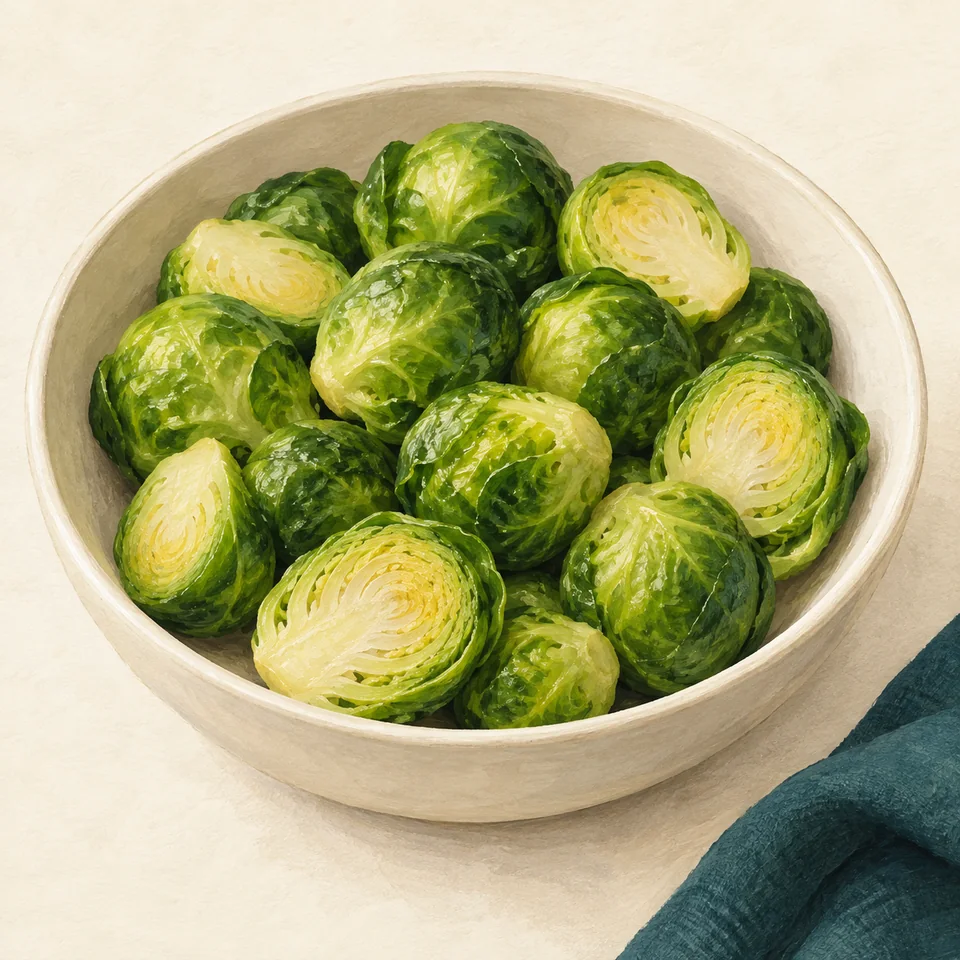
0 mg - Brussels sprouts
Brussels sprouts, cooked, boiled, drained, without salt, exactly as identified by USDA.
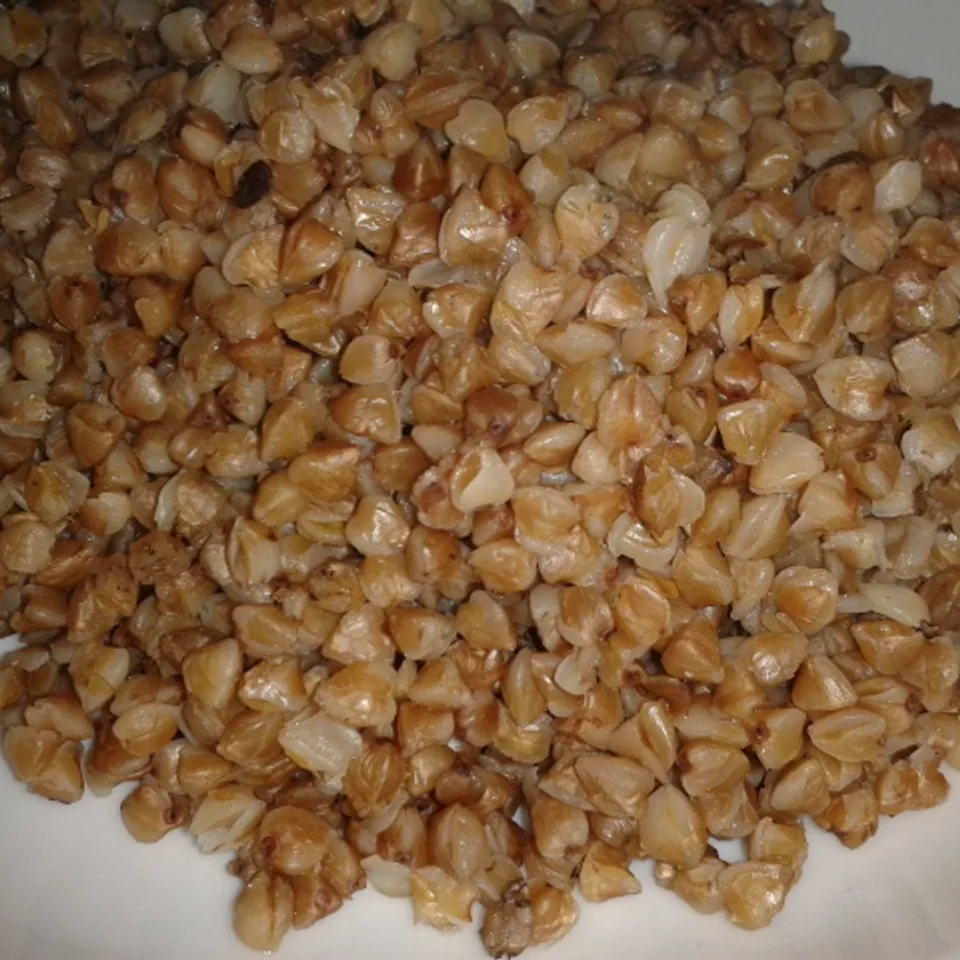
0 mg - Trigo-sarraceno
Roasted buckwheat groats, cooked.
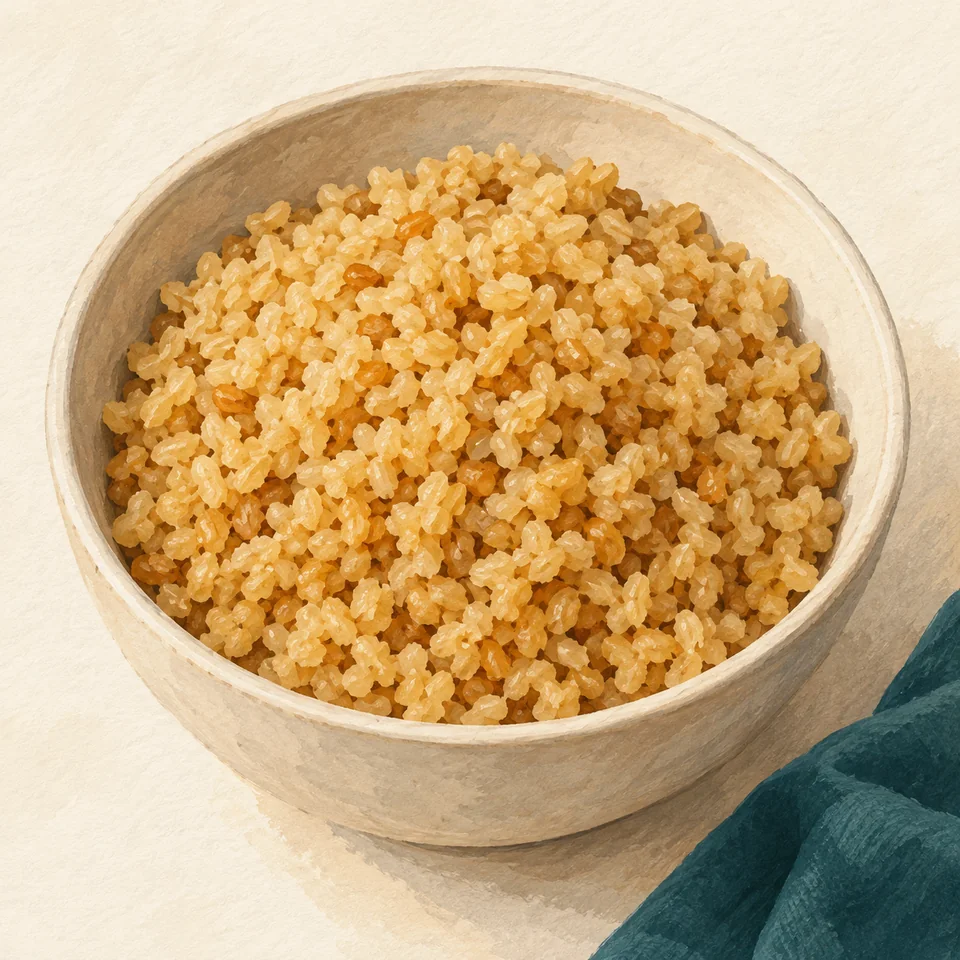
0 mg - Trigo para kibe
Cooked bulgur; added salt/fat not specified in the source description.
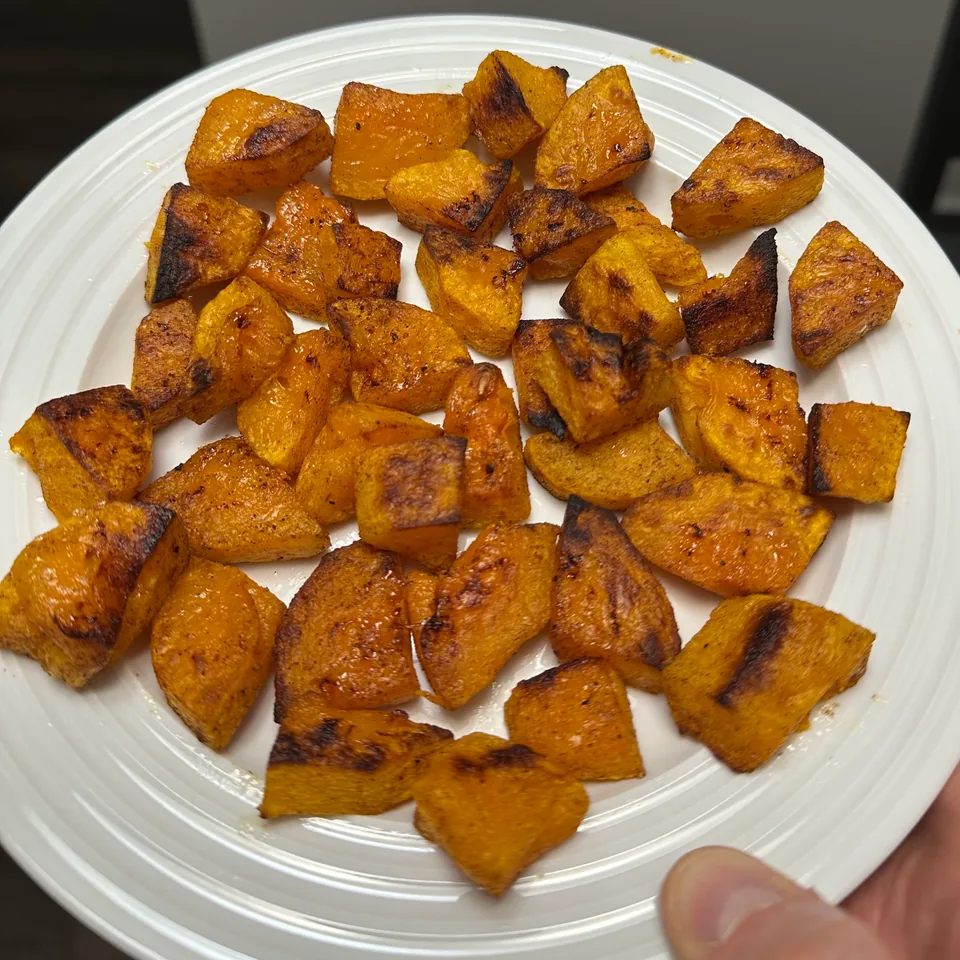
0 mg - Abóbora butternut
Butternut winter squash, baked without salt.
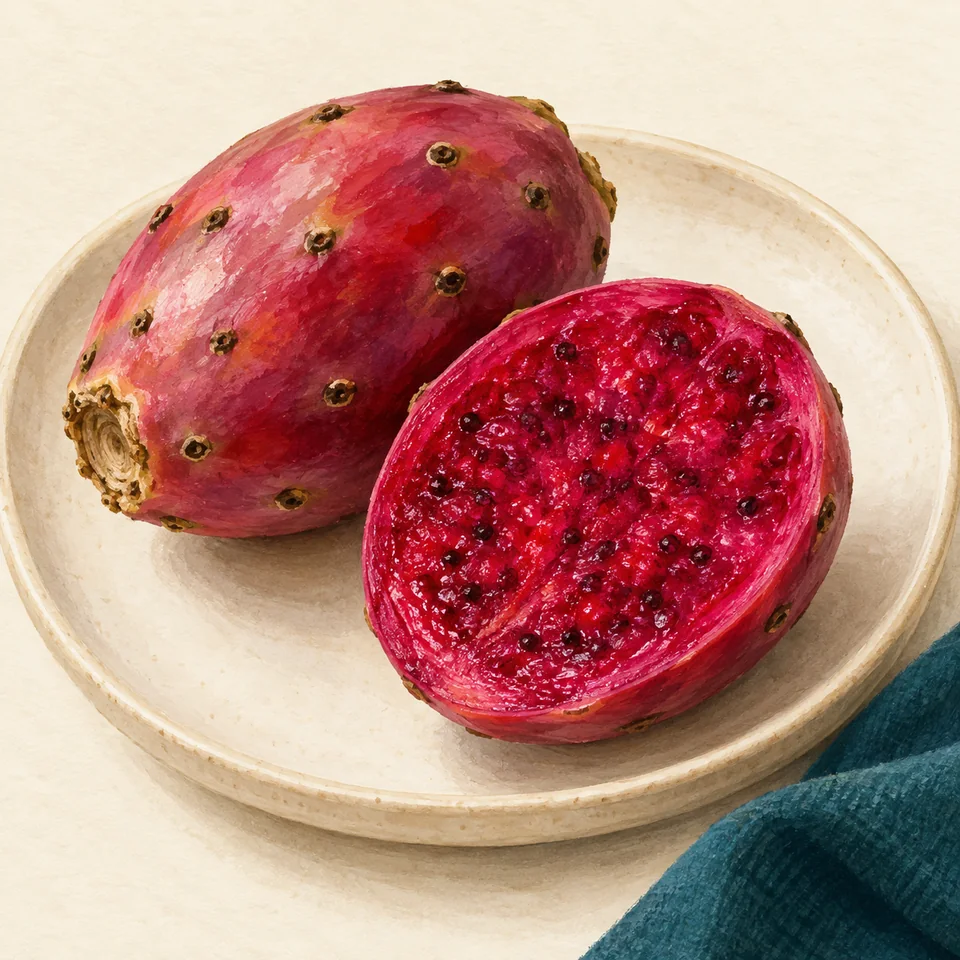
0 mg - Prickly pear
Prickly pears, raw, exactly as identified by USDA.
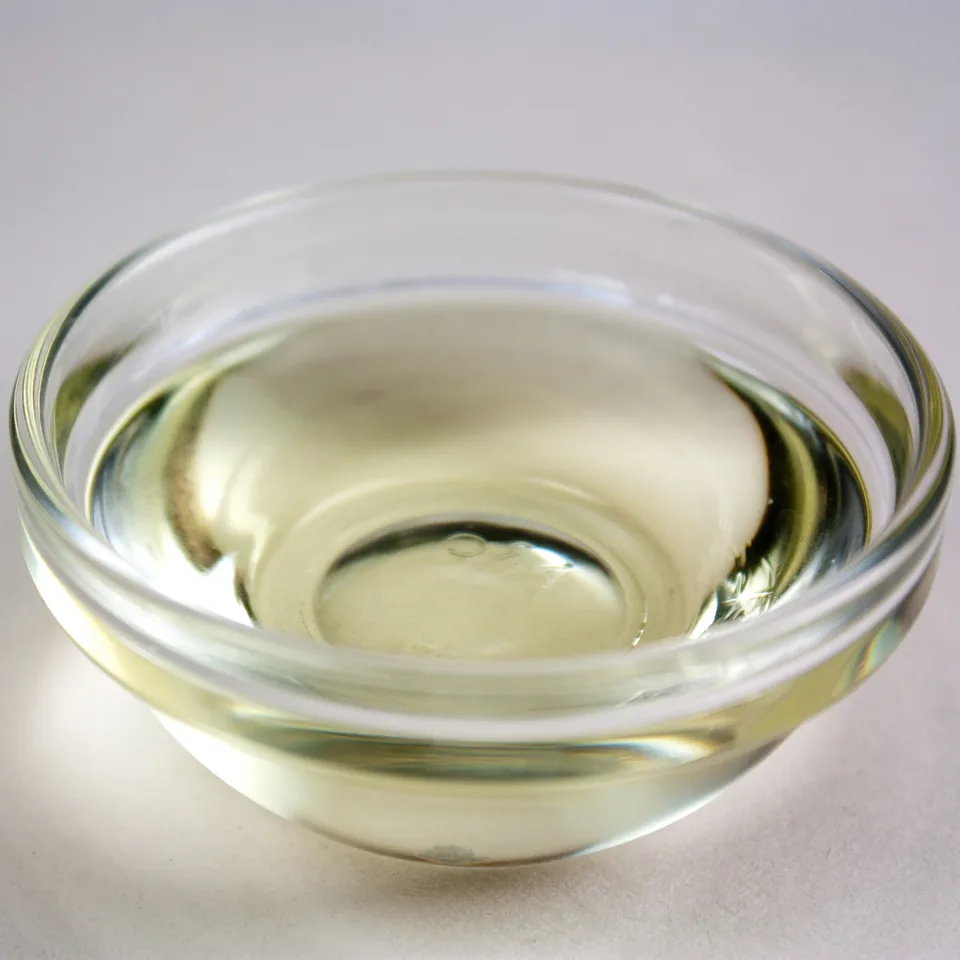
0 mg - Óleo de canola
Canola oil.
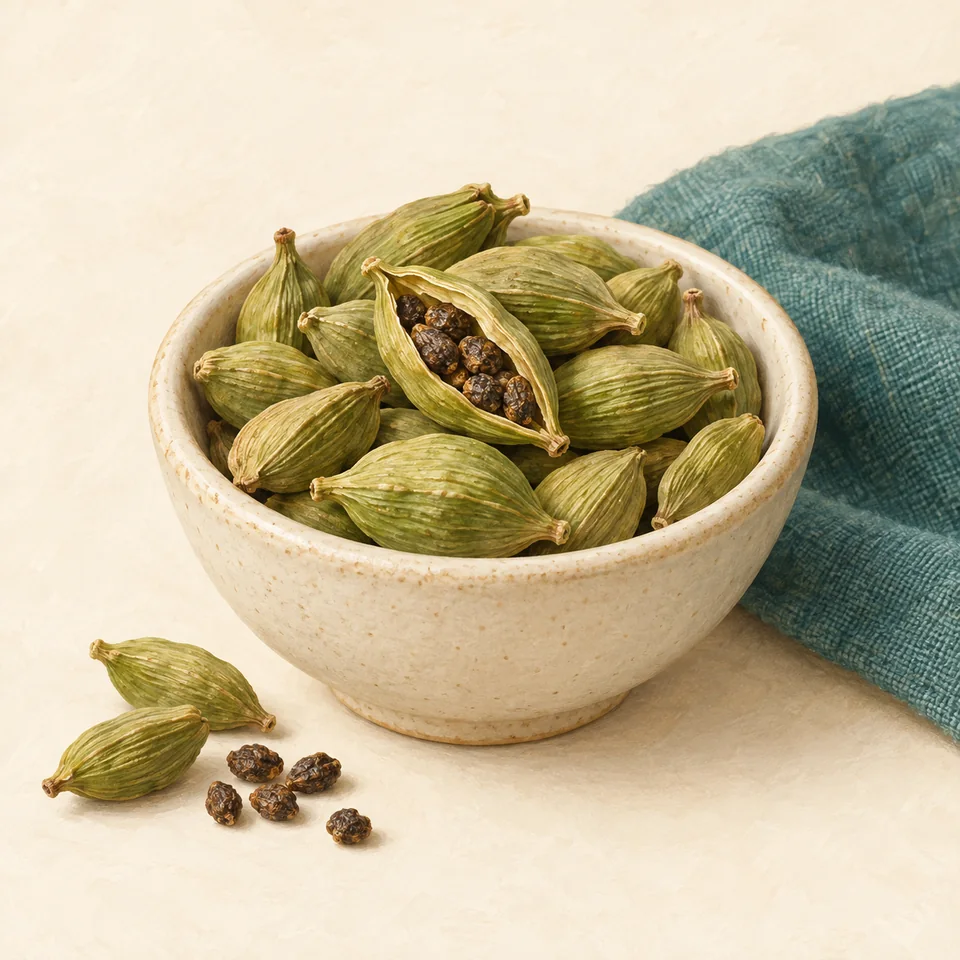
0 mg - Cardamom
Spices, cardamom, exactly as identified by USDA.
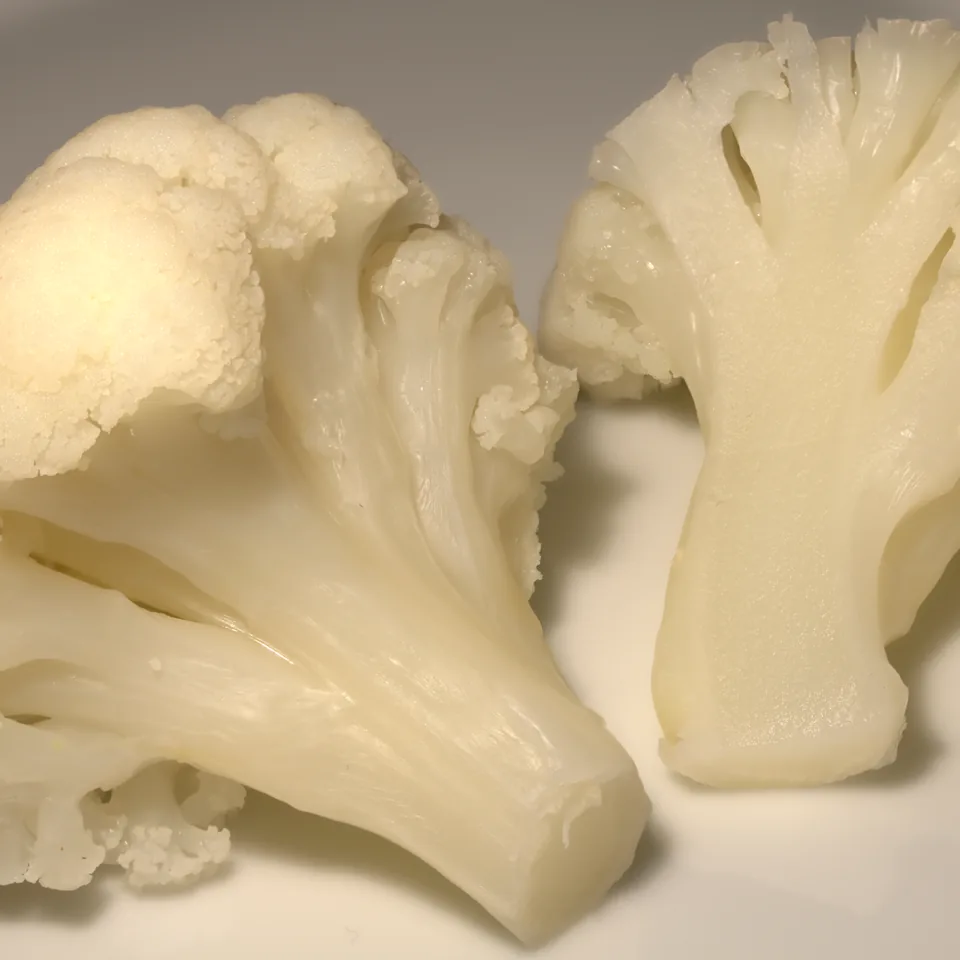
0 mg - Couve-flor
Cauliflower, boiled, drained, without salt.
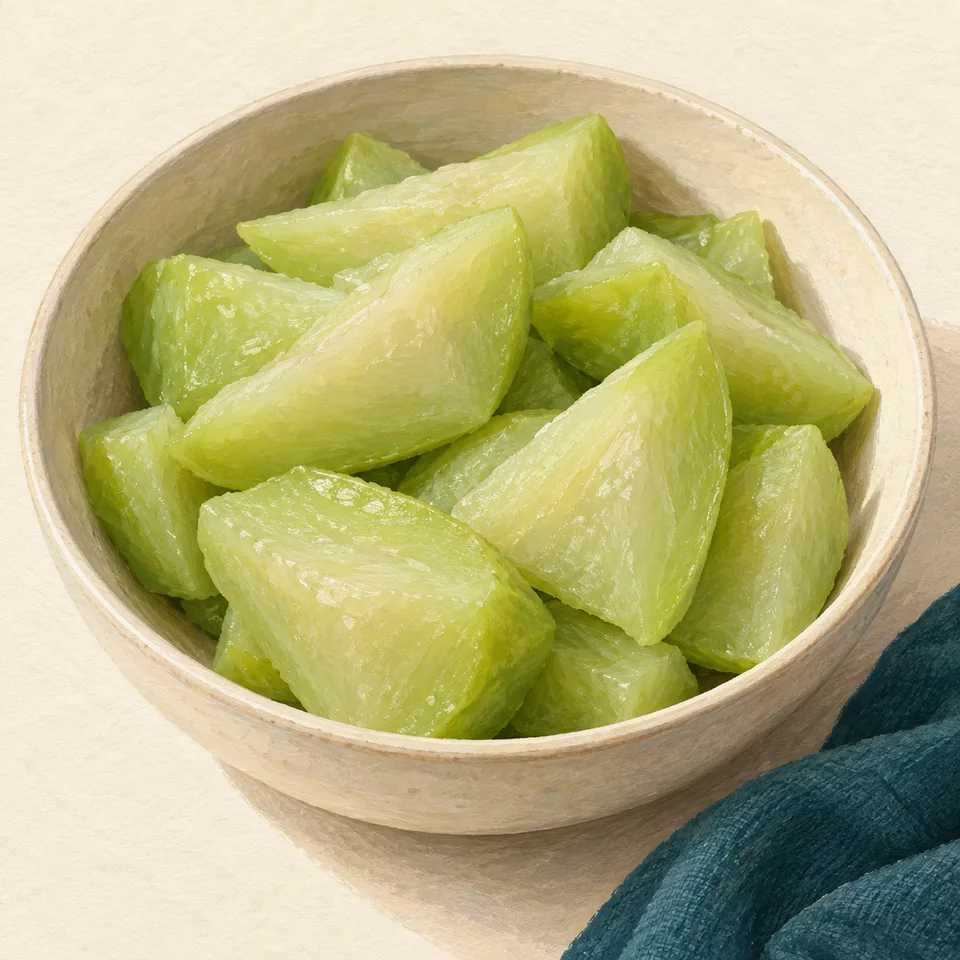
0 mg - Chuchu
Chayote fruit, boiled, drained, without salt.
0 mg
All results are sorted before pagination. Bars compare amounts within this search; they do not indicate health benefits. Not reported does not mean zero.
UNDERSTAND THE DATA
What it means for your diet
The source explains cholesterol in the body, blood and diet. A food amount is not a blood test result. Plant sterols are separate USDA identities: cholesterol guidance must not be treated as a plant-sterol dose or a claim that one form has the same effects.
Ranking amounts describe foods, not supplement doses. A high rank does not mean you should consume more. Source recommendations and cautions retain their original population and scope.
Os textos da fonte abaixo estão em inglês. Não traduzimos automaticamente recomendações ou doses.
Cholesterol [1]
Source: MedlinePlus, National Library of Medicine. Original health-topic summary, reproduced with attribution.
What is cholesterol?
Cholesterol is a waxy, fat-like substance that's found in all the cells in your body. Your body needs some cholesterol to make hormones, vitamin D, and substances that help you digest foods. Your body makes all the cholesterol it needs. Cholesterol is also found in foods from animal sources, such as egg yolks, meat, and cheese.
If you have too much cholesterol in your blood, it can combine with other substances in the blood to form plaque. Plaque sticks to the walls of your arteries. This buildup of plaque is known as atherosclerosis. It can lead to coronary artery disease, a condition in which your coronary arteries become narrow or even blocked.
What are HDL, LDL, and VLDL?
HDL, LDL, and VLDL are lipoproteins. They are a combination of fat (lipid) and protein. The lipids need to be attached to the proteins so they can move through the blood. Different types of lipoproteins have different purposes:
Fontes de identidade e estrutura
- PubChem Compound 5997: Cholesterol · Consultado 2026-09-13
- USDA FoodData Central: Foundation Foods Documentation · Consultado 2026-09-13