EXPLORE UM NUTRIENTE
Caffeine
Veja como as quantidades variam entre alimentos, na mesma base de comparação.
Entenda este nutriente ↓O que é?
Chemical reference: caffeine (C8H10N4O2). USDA reports Caffeine separately. [1] [2]
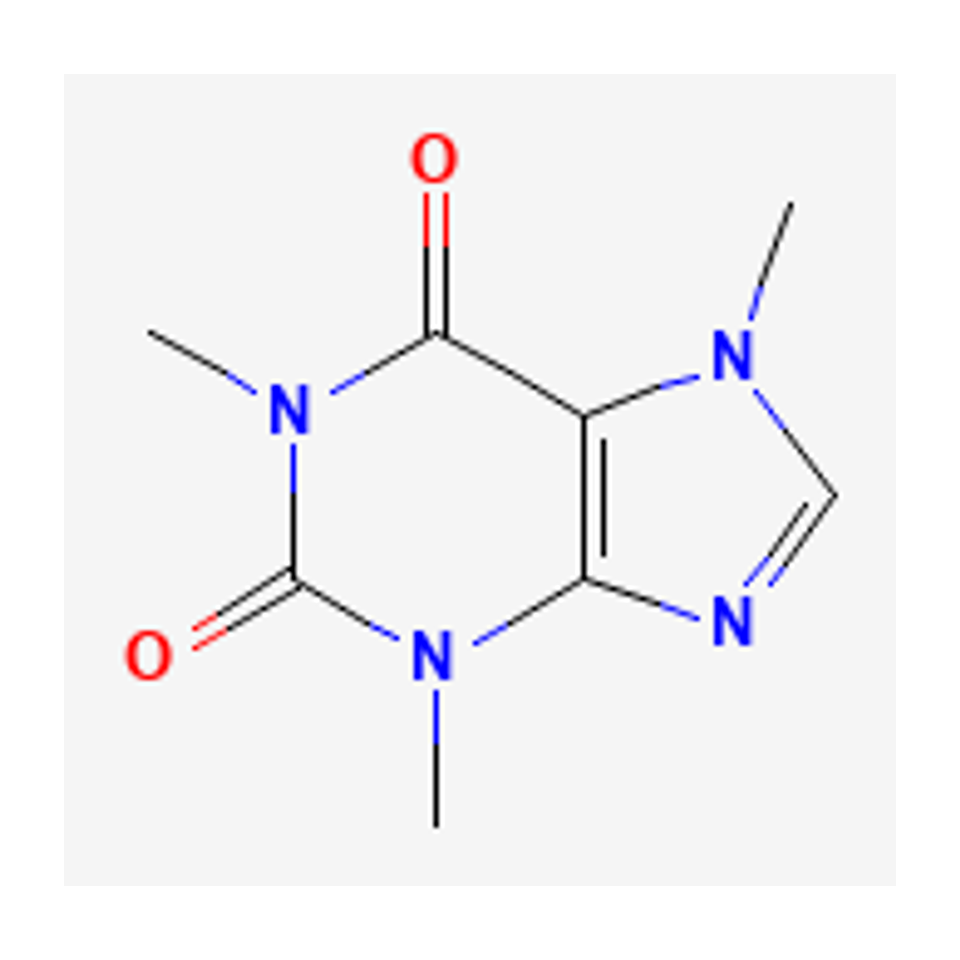
Referência de identidade; não representa a aparência do alimento.
Descrição, fonte e atribuição
Reference depiction: caffeine. Formula C8H10N4O2; PubChem CID 2519; charge 0. This is a chemical reference, not a depiction of its physical appearance in food.
PubChem Compound 2519, 2D Structure. NCBI / National Library of Medicine. Fonte · Condições de uso
Verificação da fonte:
A COMMON BASIS
Alimentos, por 100 g
132 foods with data 74 not reported, excluded from ranking
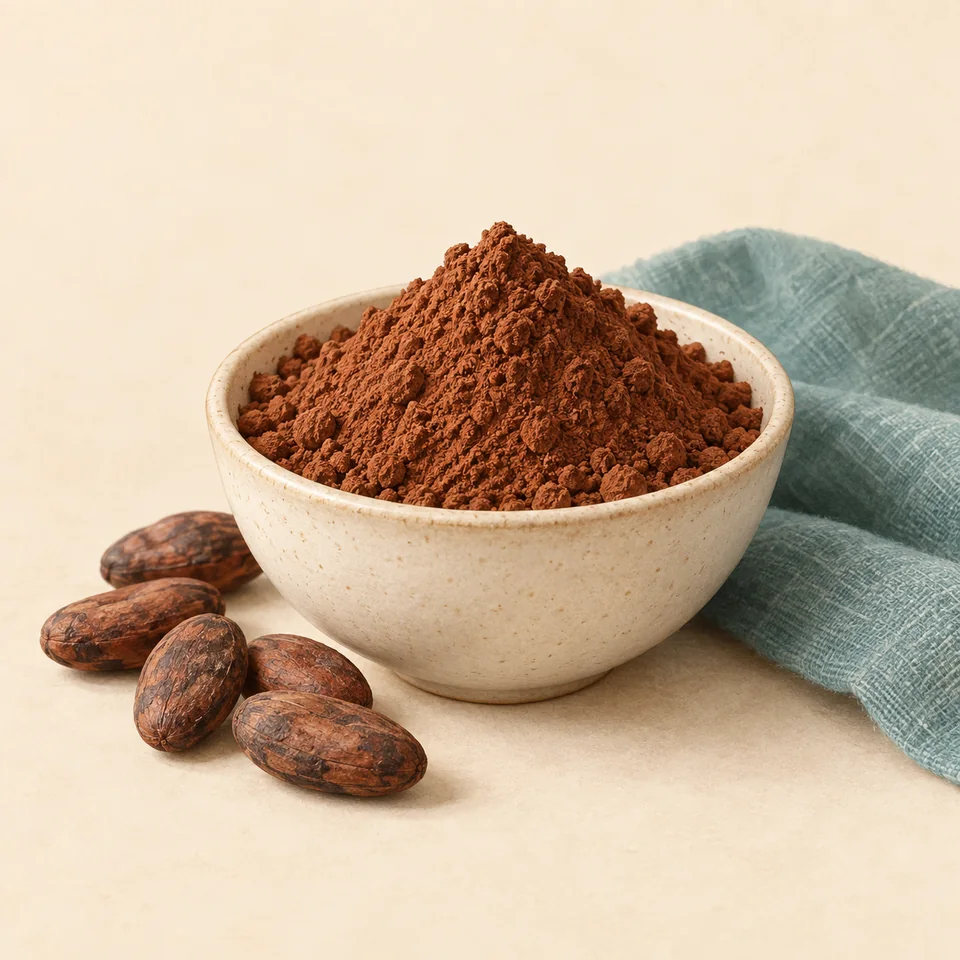
- Unsweetened cocoa powder
Cocoa, dry powder, unsweetened, exactly as identified by USDA.
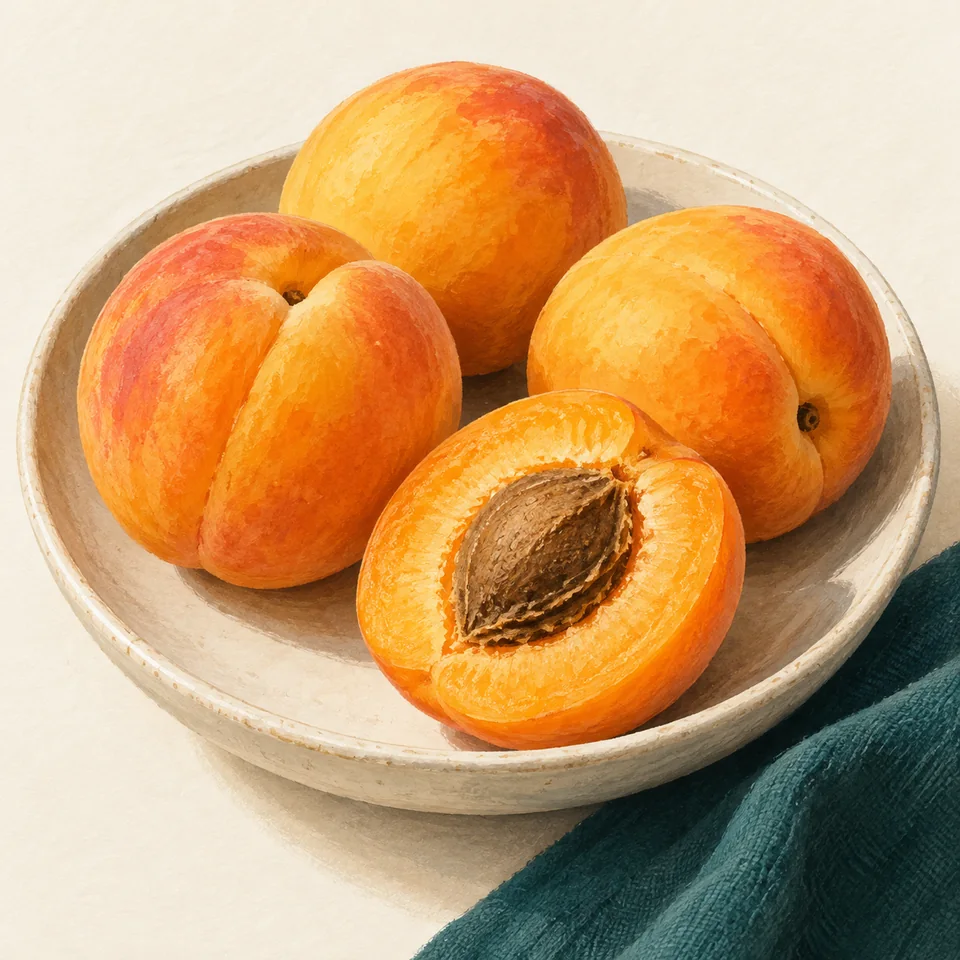
230 mg - Apricot
Apricots, raw, exactly as identified by USDA.
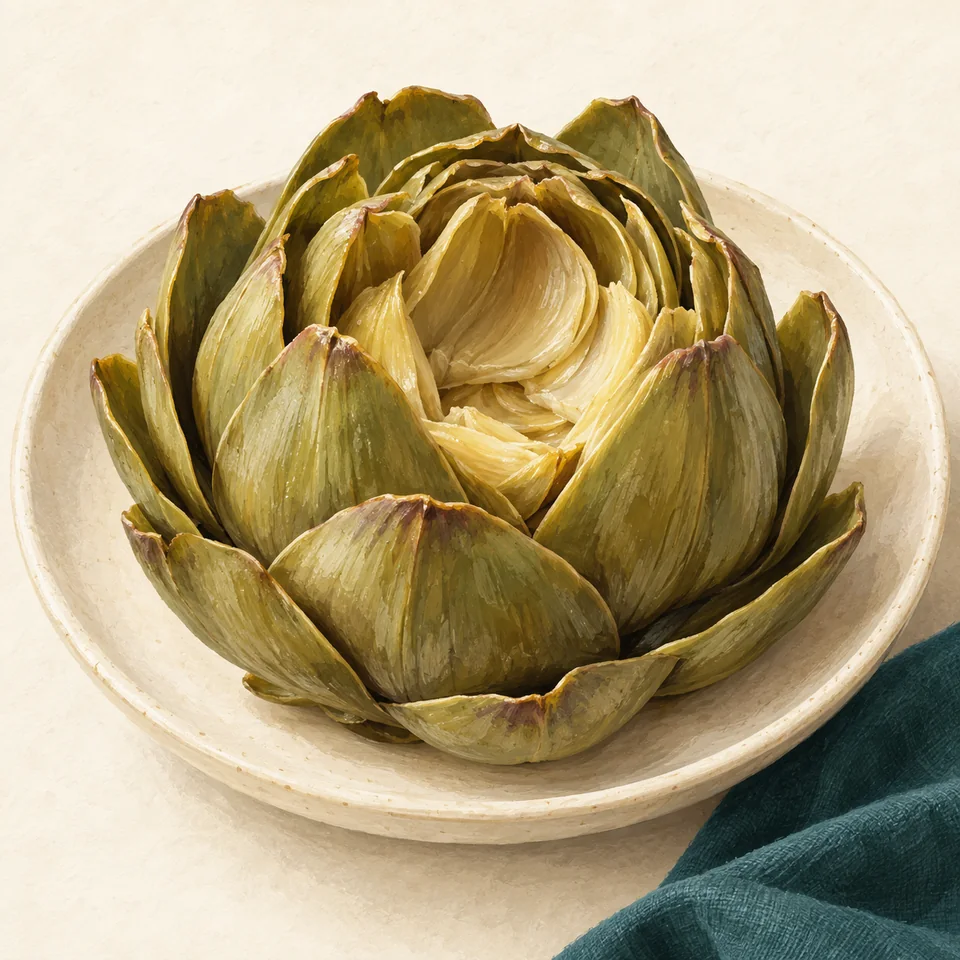
0 mg - Artichoke
Artichokes, (globe or french), cooked, boiled, drained, without salt, exactly as identified by USDA.
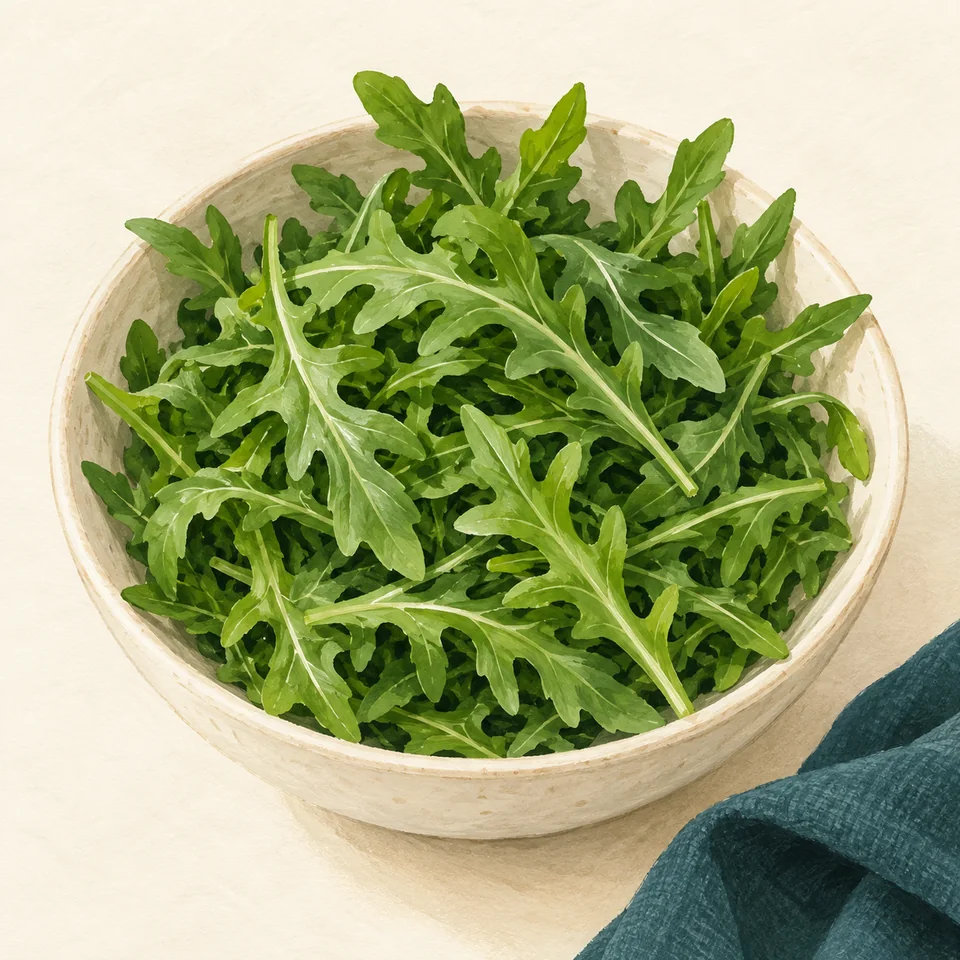
0 mg - Arugula
Arugula, raw, exactly as identified by USDA.
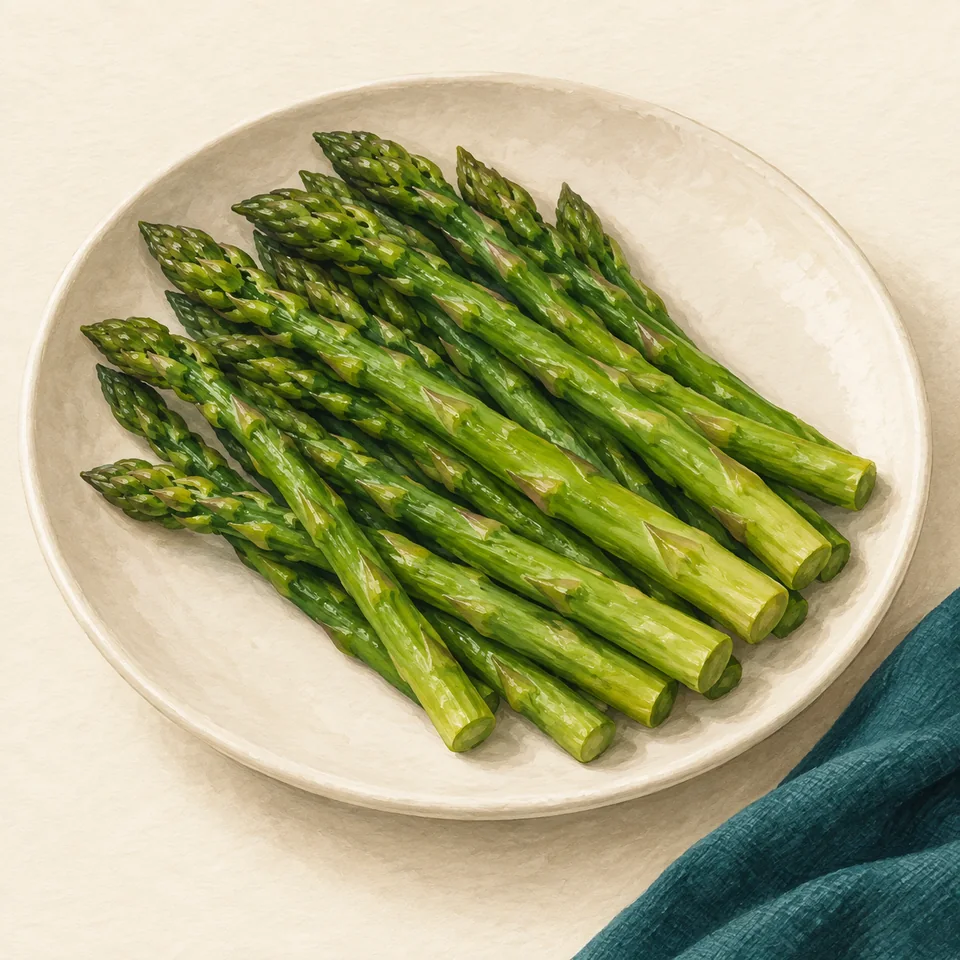
0 mg - Asparagus
Asparagus, frozen, cooked, boiled, drained, without salt, exactly as identified by USDA.
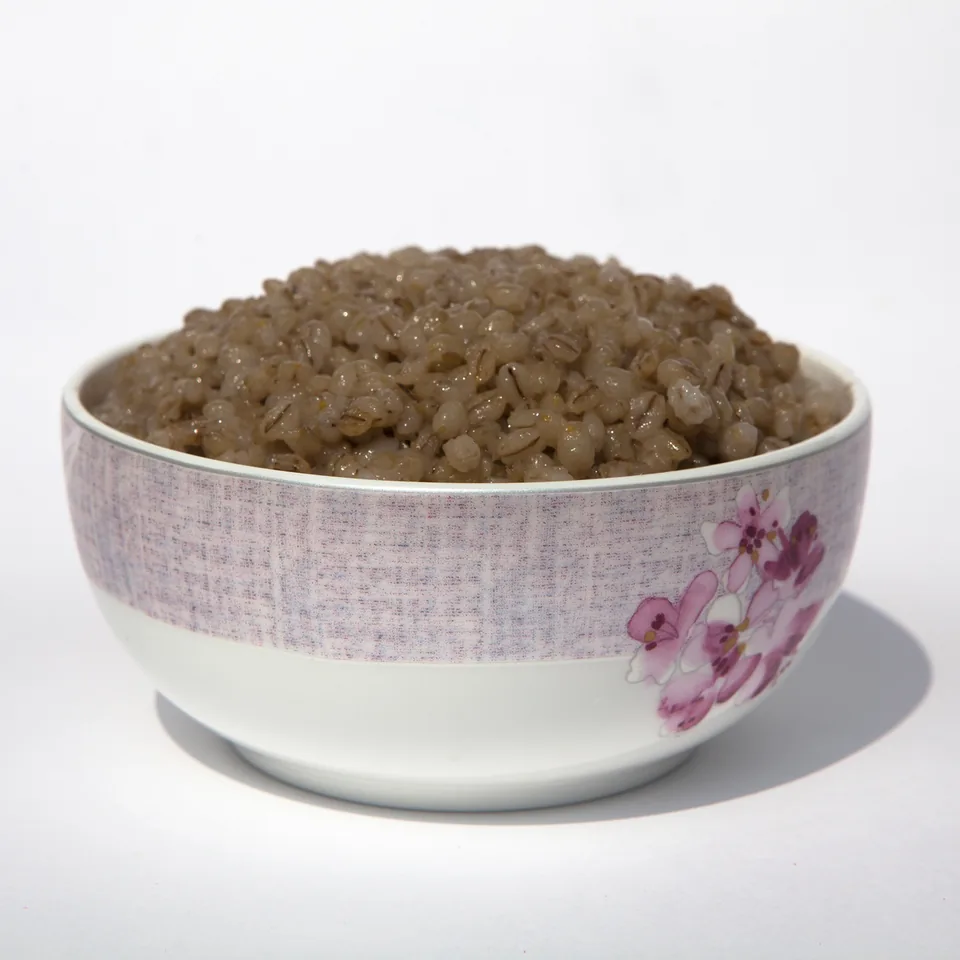
0 mg - Cevada perlada
Cooked pearled barley; added salt/fat not specified in the source description.
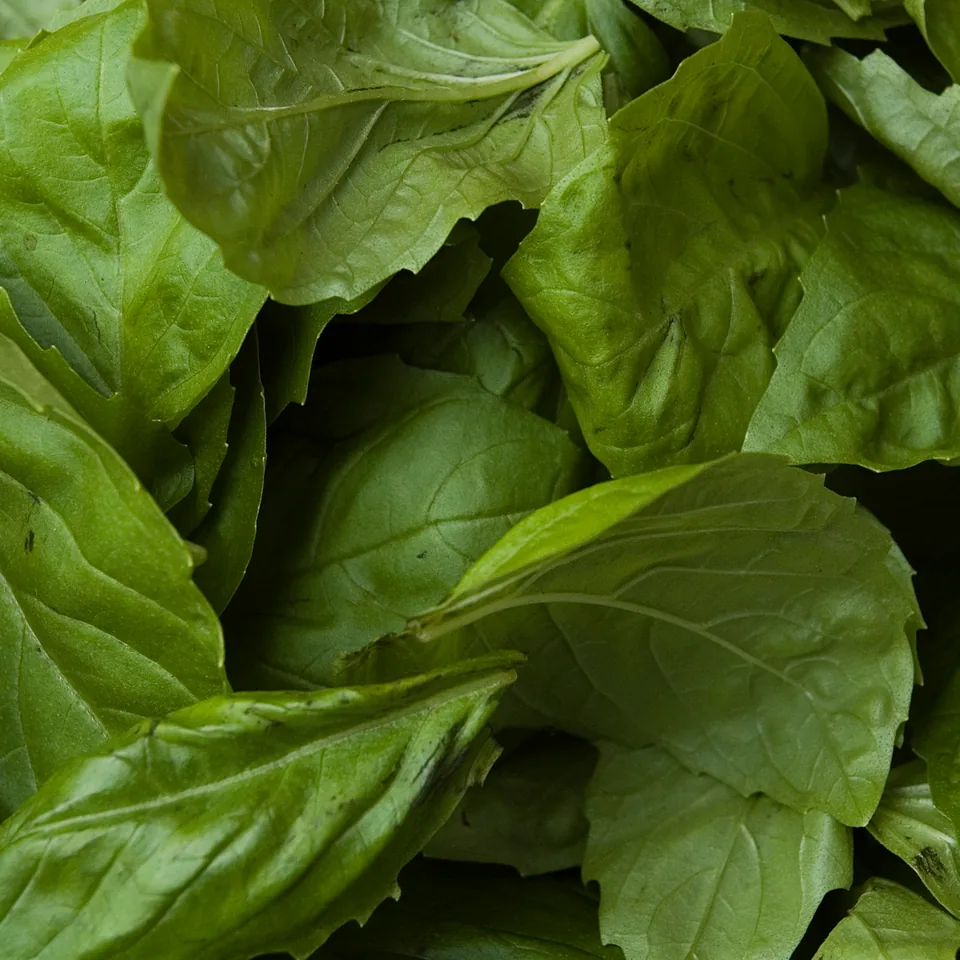
0 mg - Manjericão fresco
Fresh basil leaves.
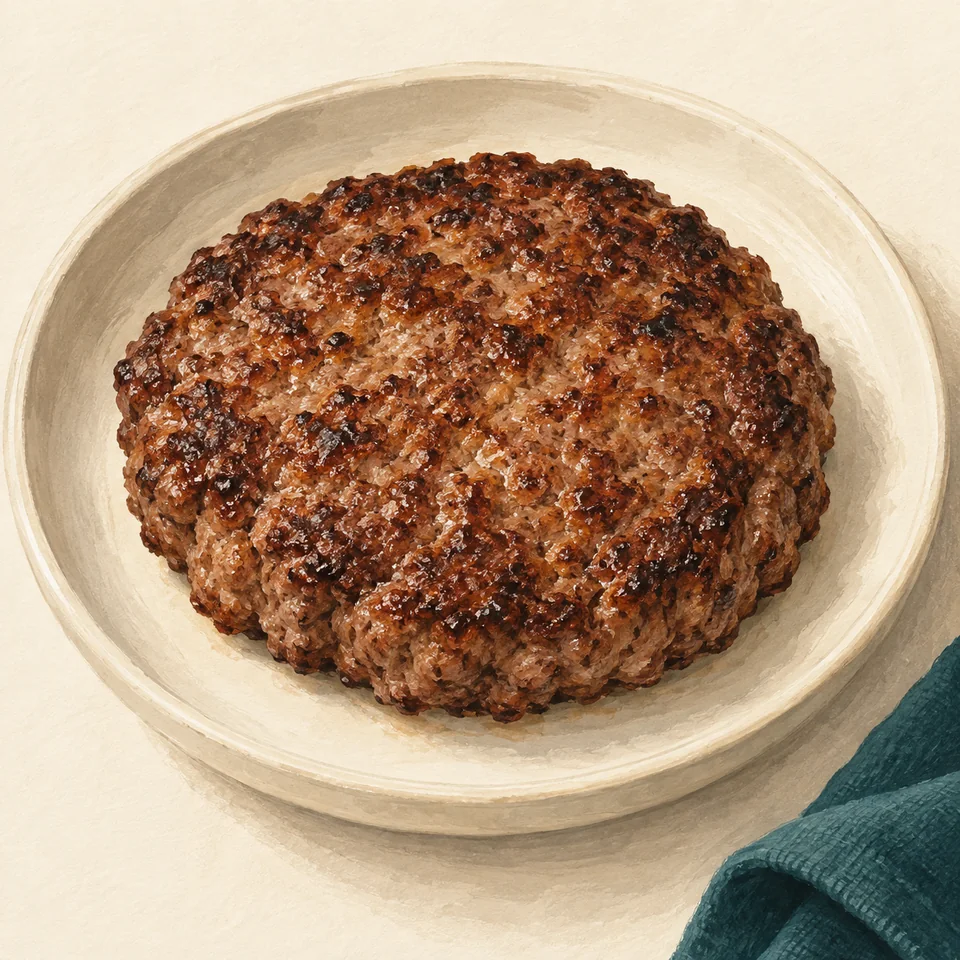
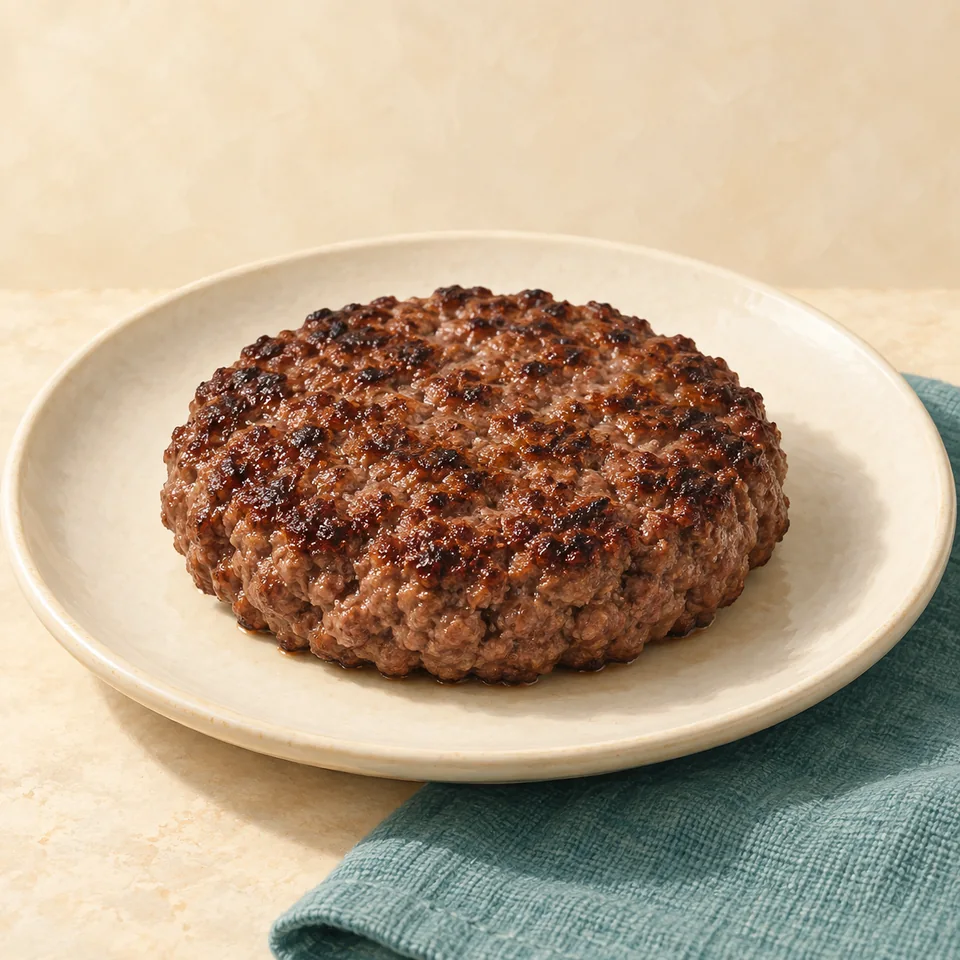
0 mg - Carne moída bovina 90% magra
Ground beef, 90% lean / 10% fat, cooked as a pan-broiled patty.
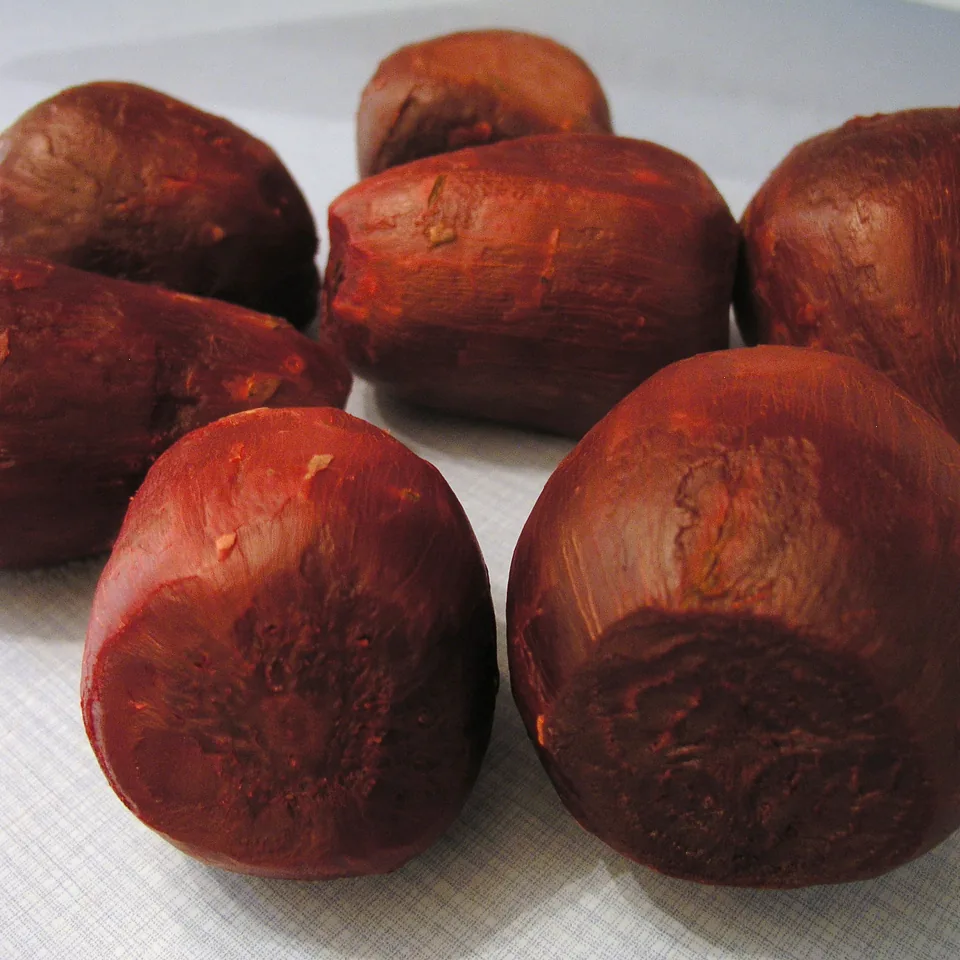
0 mg - Beterraba
Beet, boiled and drained; added salt is not stated in the source description.
0 mg - Bison
Game meat, bison, separable lean only, cooked, roasted, exactly as identified by USDA.
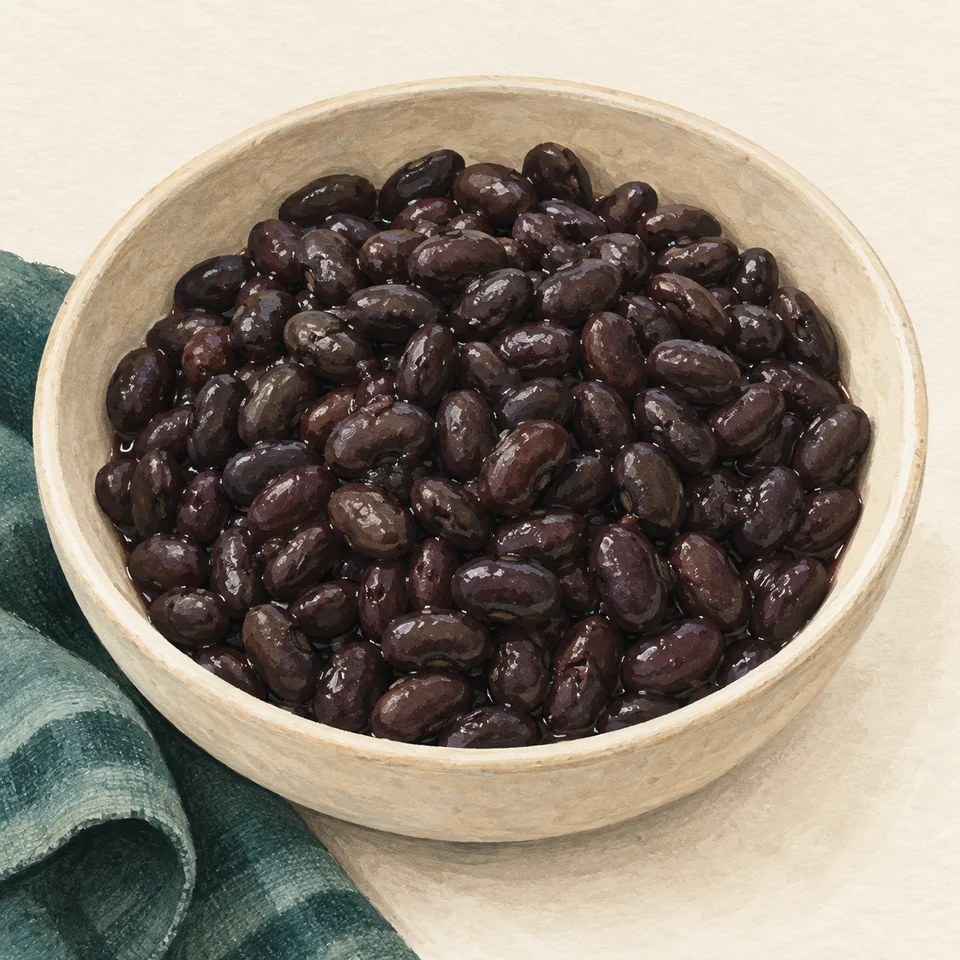
0 mg - Feijão-preto
Cooked; boiled; without salt, as stated in the USDA source description.
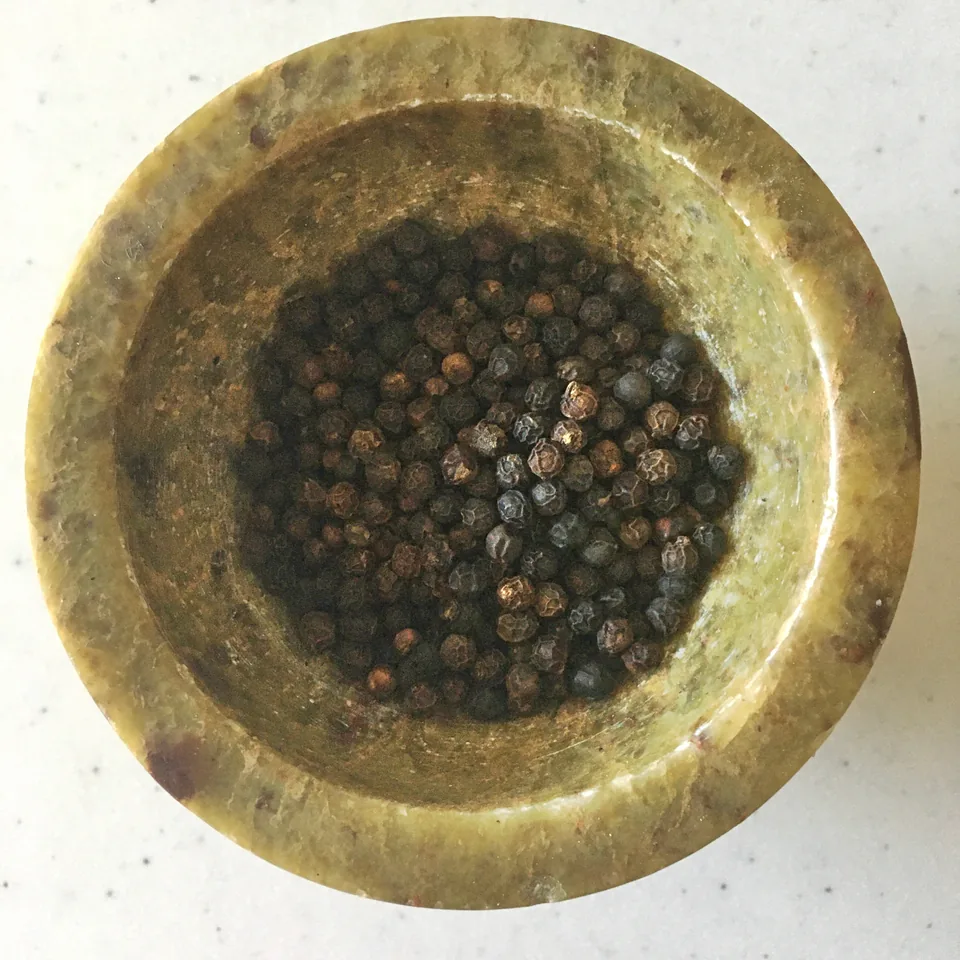
0 mg - Pimenta-do-reino
Black pepper spice.
0 mg
All results are sorted before pagination. Bars compare amounts within this search; they do not indicate health benefits. Not reported does not mean zero.
UNDERSTAND THE DATA
What it means for your diet
This source discusses caffeine from drinks, foods, medicines and energy products, including groups who should limit or avoid it. Its amounts are not a universal safe dose, a formal nutrient upper limit or a recommendation to use concentrated caffeine.
Ranking amounts describe foods, not supplement doses. A high rank does not mean you should consume more. Source recommendations and cautions retain their original population and scope.
Os textos da fonte abaixo estão em inglês. Não traduzimos automaticamente recomendações ou doses.
Caffeine [1]
Source: MedlinePlus, National Library of Medicine. Original health-topic summary, reproduced with attribution.
What is caffeine?
Caffeine is a bitter substance that occurs naturally in more than 60 plants including:
- Coffee beans
- Tea leaves
- Kola nuts, which are used to flavor soft drink colas
- Cacao pods, which are used to make chocolate products
There is also synthetic (man-made) caffeine, which is added to some medicines, foods, and drinks. For example, some pain relievers, cold medicines, and over-the-counter medicines for alertness contain synthetic caffeine. So do energy drinks and "energy-boosting" gums and snacks.
Most people consume caffeine from drinks. The amount of caffeine in different drinks can vary a lot, but it is generally:
- An 8-ounce cup of coffee: 95-200 mg
- A 12-ounce can of cola: 35-45 mg
- An 8-ounce energy drink: 70-100 mg
- An 8-ounce cup of tea: 14-60 mg
What are caffeine's effects on the body?
Caffeine has many effects on your body's metabolism. It:
- Stimulates your central nervous system, which can make you feel more awake and give you a boost of energy
Fontes de identidade e estrutura
- PubChem Compound 2519: Caffeine · Consultado 2026-09-13
- USDA FoodData Central: Foundation Foods Documentation · Consultado 2026-09-13