EXPLORE UM NUTRIENTE
Carboidratos
Veja como as quantidades variam entre alimentos, na mesma base de comparação.
Entenda este nutriente ↓O que é?
Carbohydrate by difference is a calculated remainder that includes dietary fiber. [1]

Representação conceitual; não é uma estrutura molecular.
Descrição, fonte e atribuição
A conceptual grouping, not a molecular structure. This reporting category contains multiple components or represents a calculated quantity.
Original Bitameans conceptual/fallback artwork; not a chemical structure. Fonte · Condições de uso
Verificação da fonte:
A COMMON BASIS
Alimentos, por 100 g
206 foods with data 0 not reported, excluded from ranking
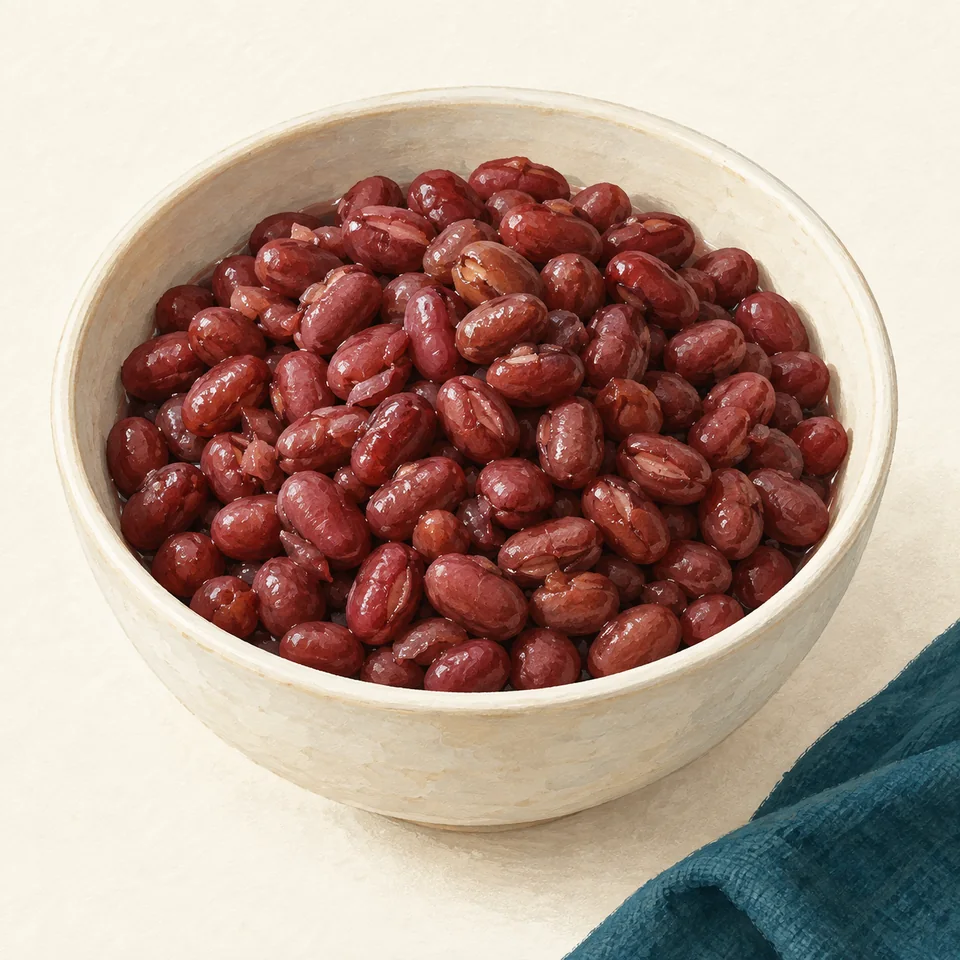
- Adzuki beans
Beans, adzuki, mature seeds, cooked, boiled, without salt, exactly as identified by USDA.
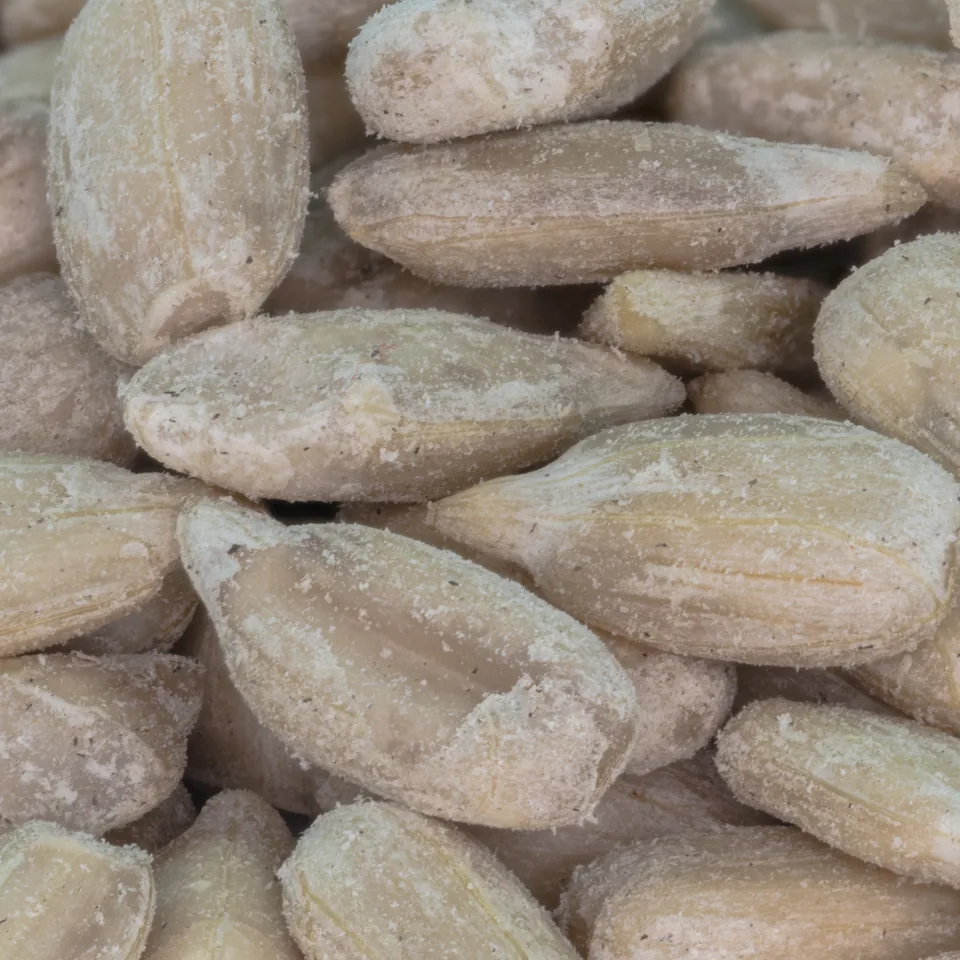
24,77 g - Sementes de girassol
Raw sunflower seed kernels.
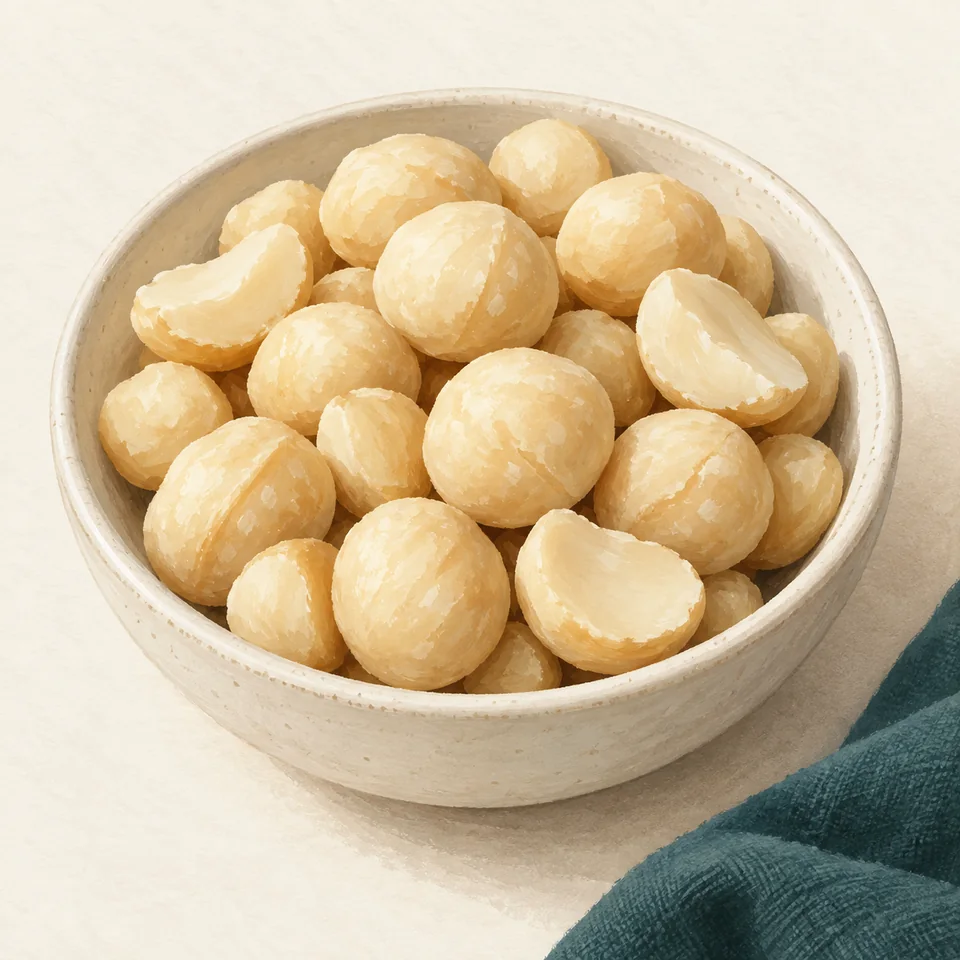
24,501 g - Macadamia nuts
Nuts, macadamia nuts, raw, exactly as identified by USDA.
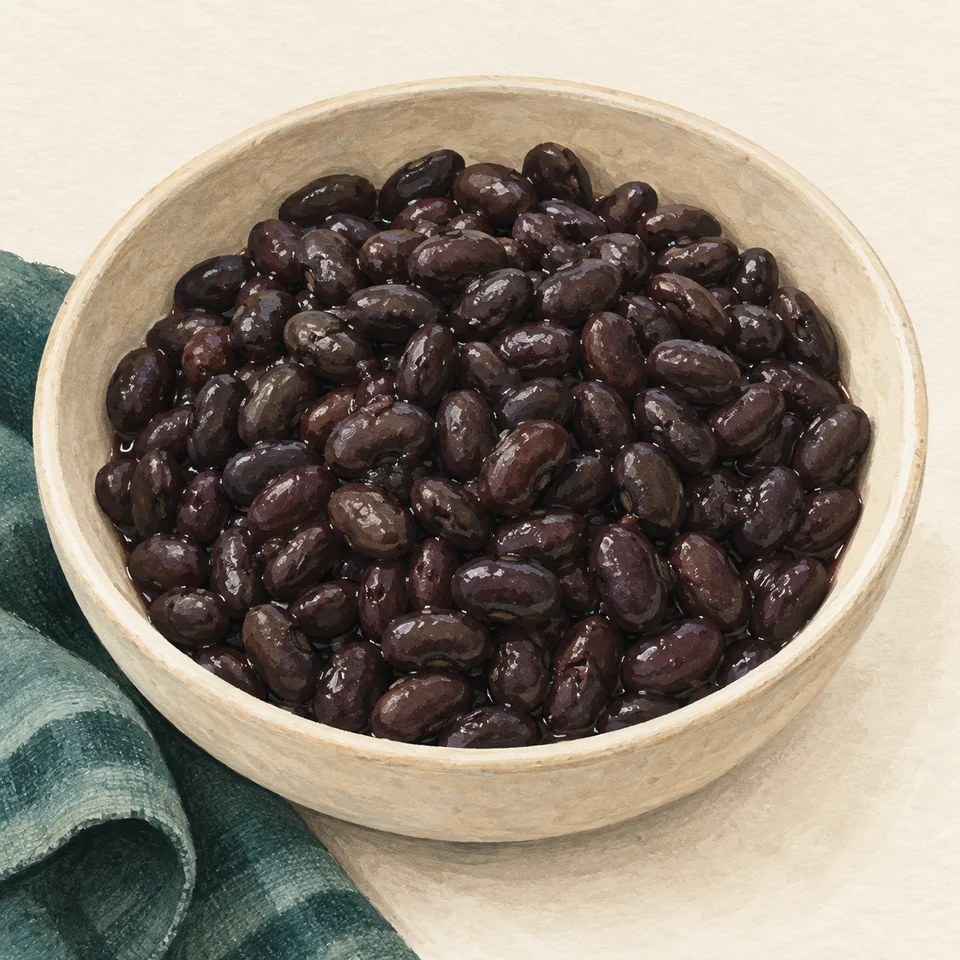
24,094 g - Feijão-preto
Cooked; boiled; without salt, as stated in the USDA source description.
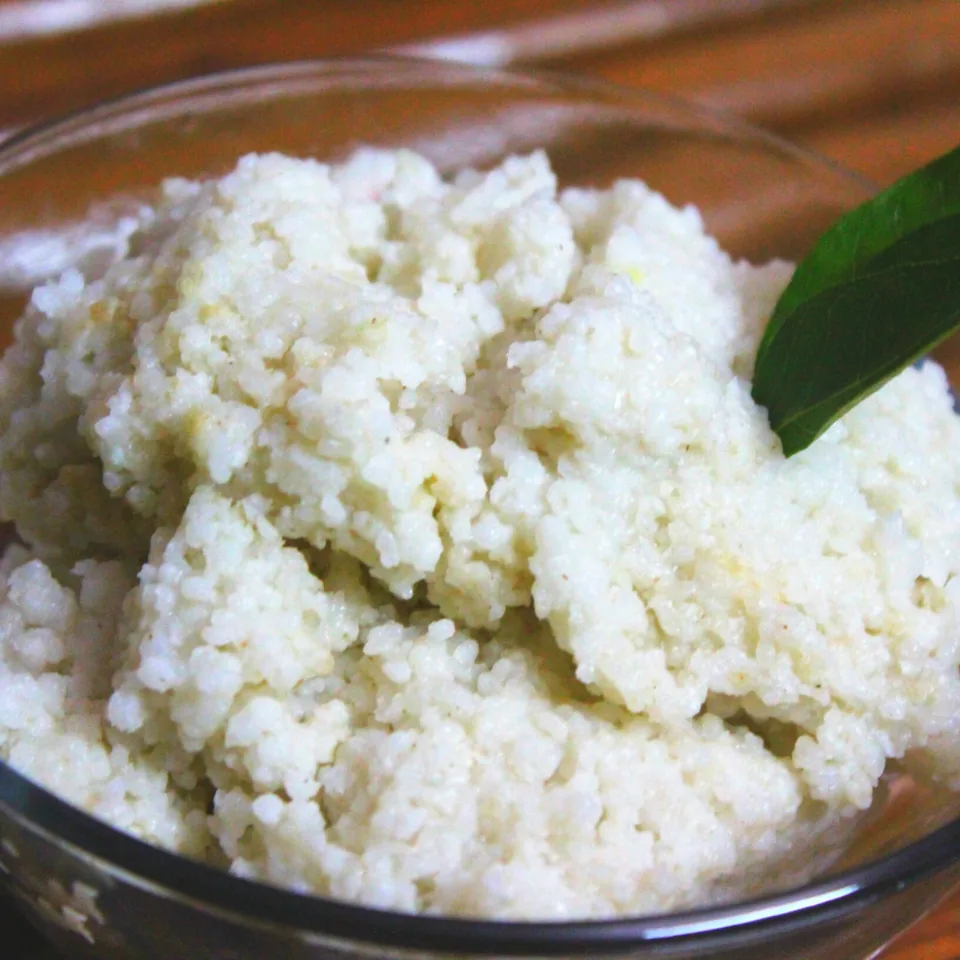
23,71 g - Painço
Cooked millet; added salt/fat not specified in the source description.
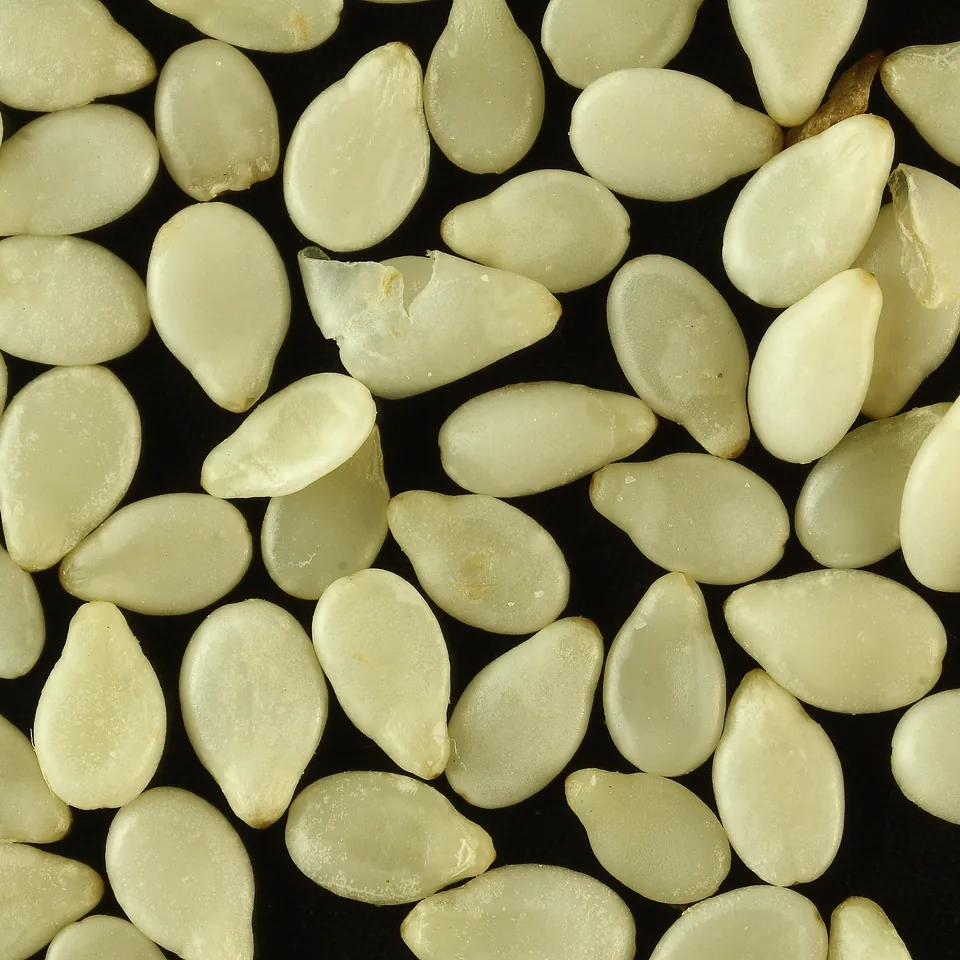
23,67 g - Gergelim
Whole dried sesame seeds.
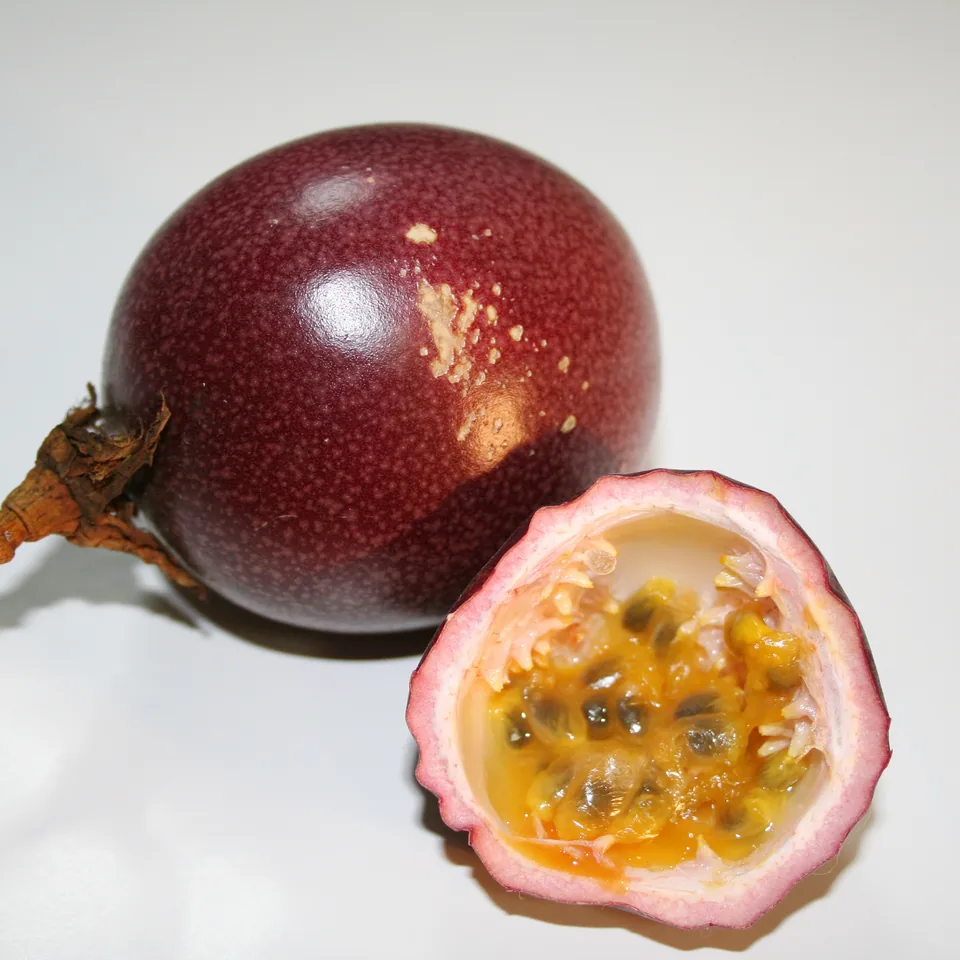
23,45 g - Maracujá-roxo
Purple passion fruit, raw; not yellow passion-fruit juice or sweet granadilla.
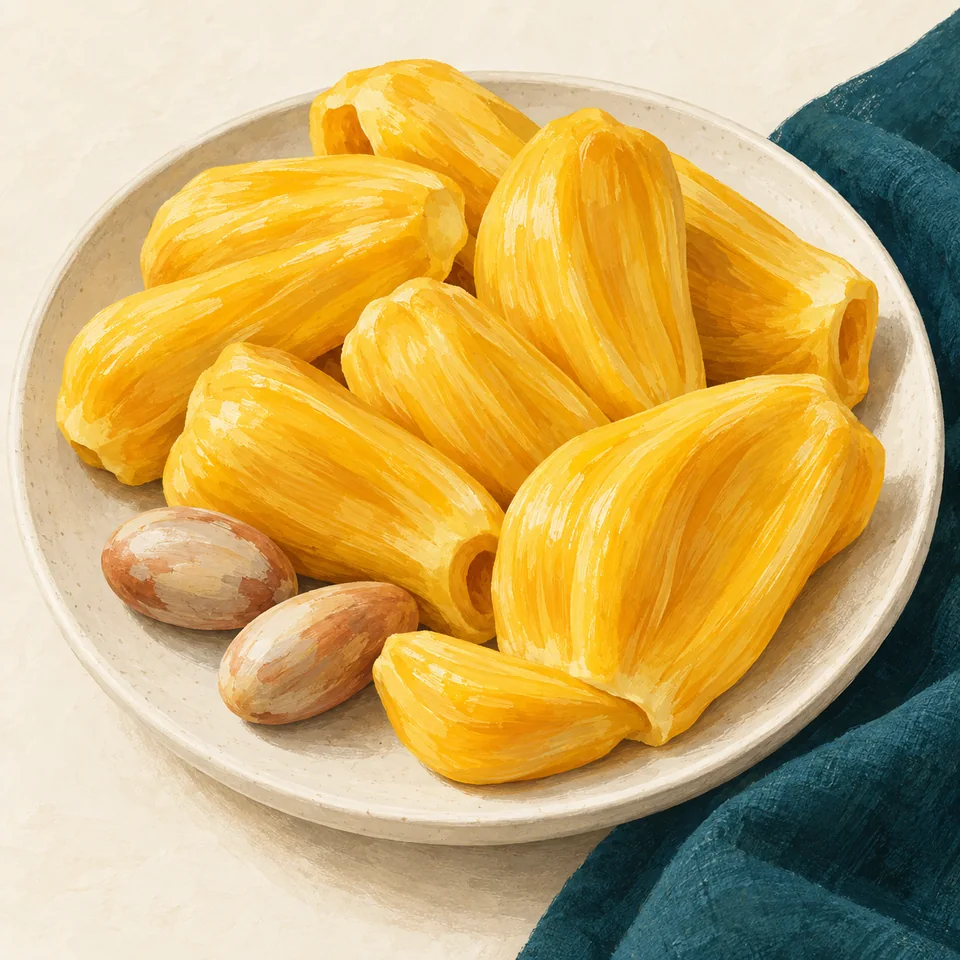
23,38 g - Jackfruit
Jackfruit, raw, exactly as identified by USDA.
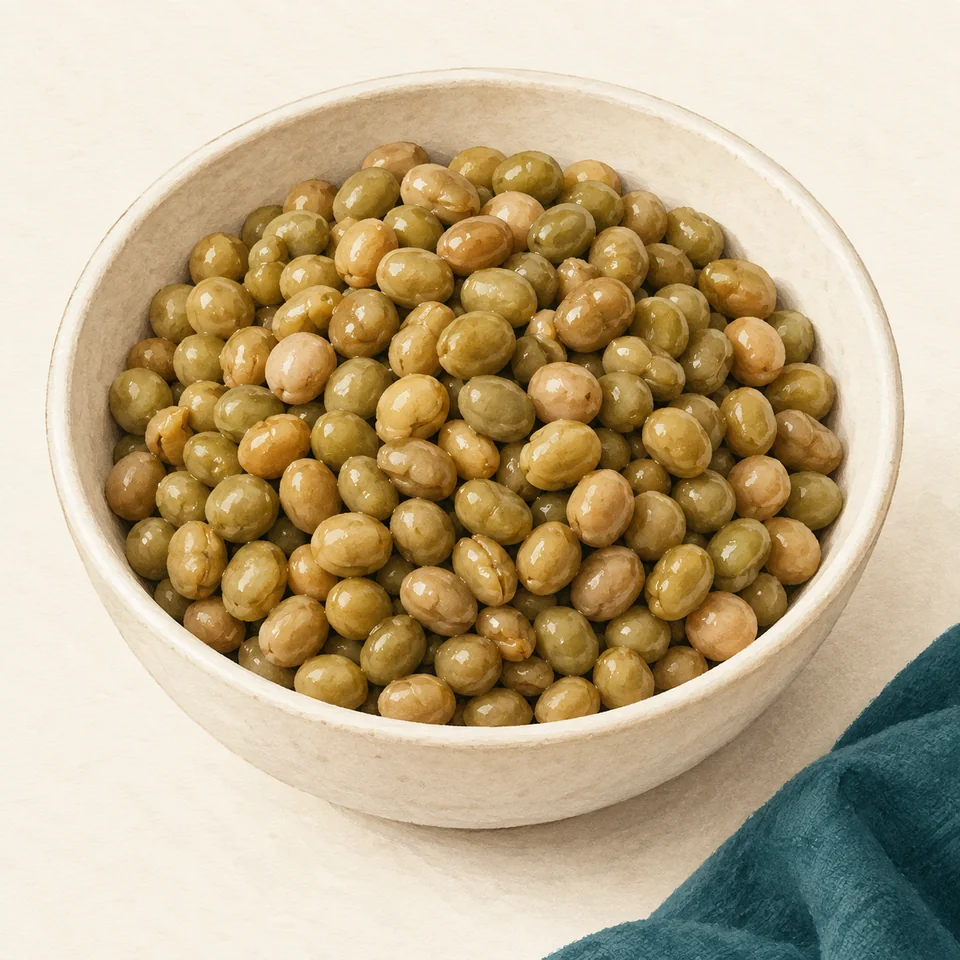
23,25 g - Pigeon peas
Pigeon peas (red gram), mature seeds, cooked, boiled, without salt, exactly as identified by USDA.
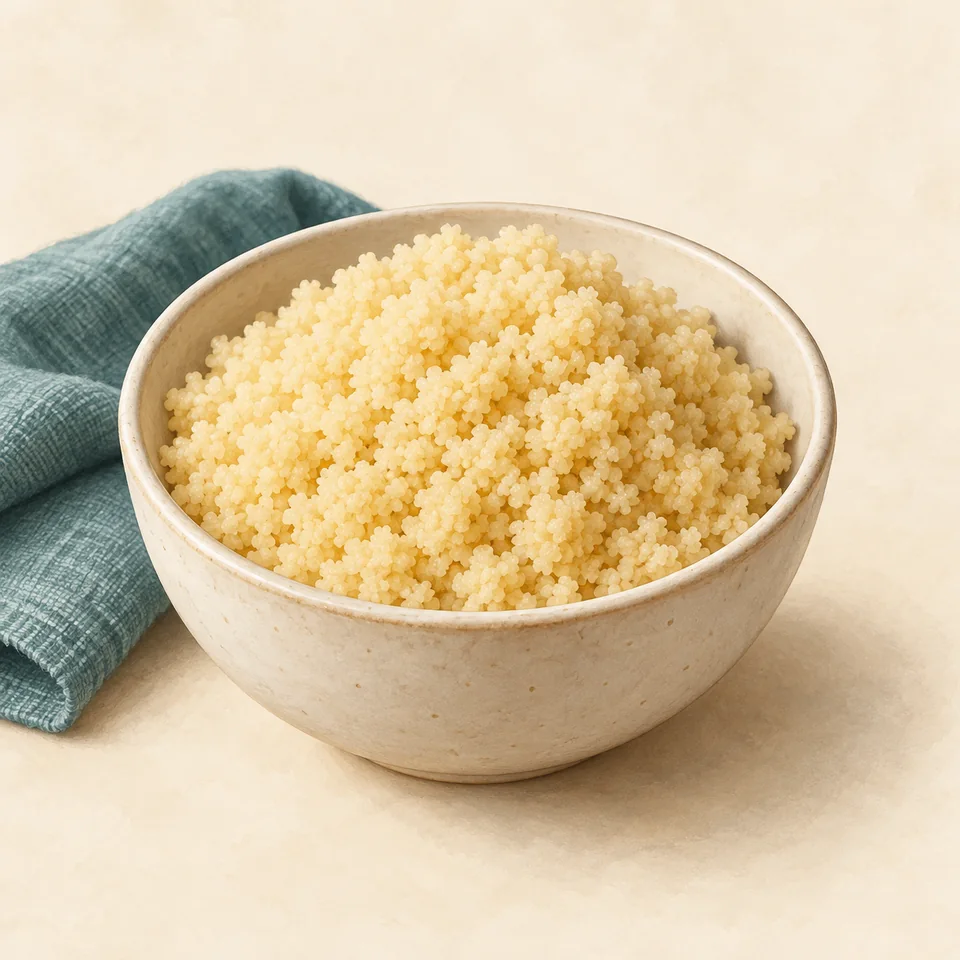
23,25 g - Couscous
Couscous, cooked, exactly as identified by USDA.
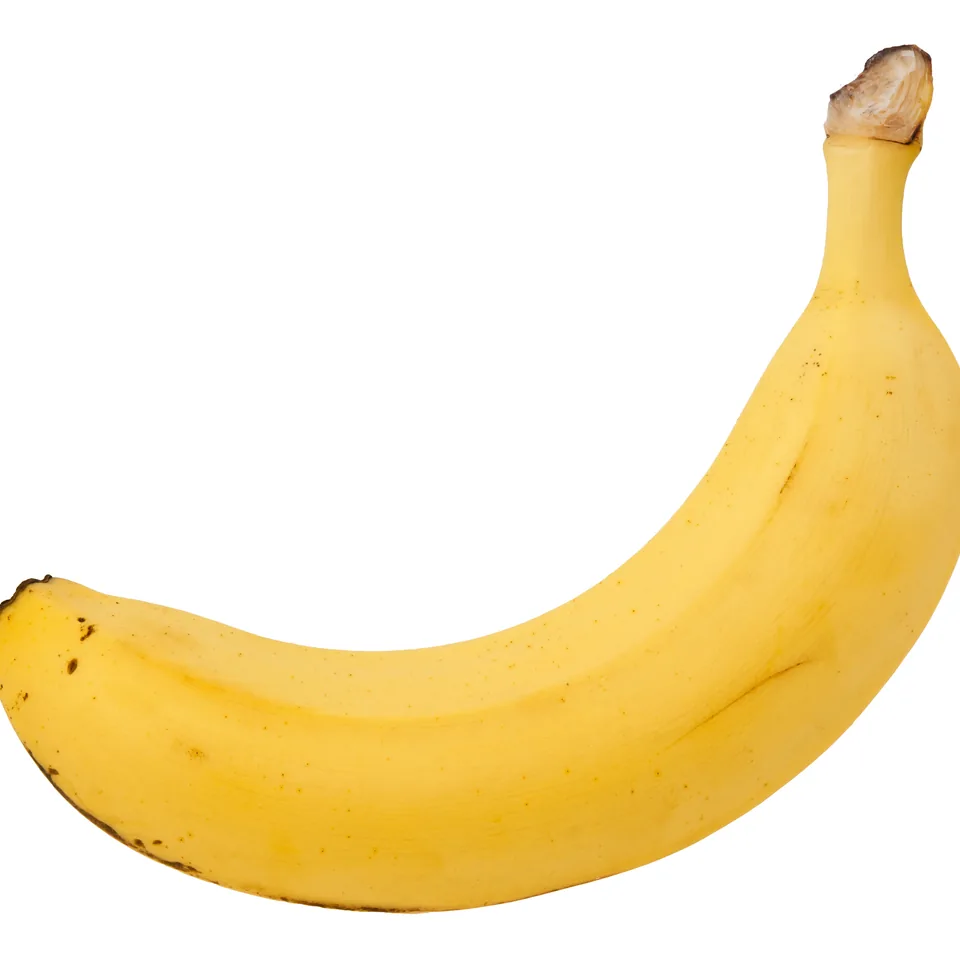
23,22 g - Banana
Ripe or slightly ripe, raw edible banana.
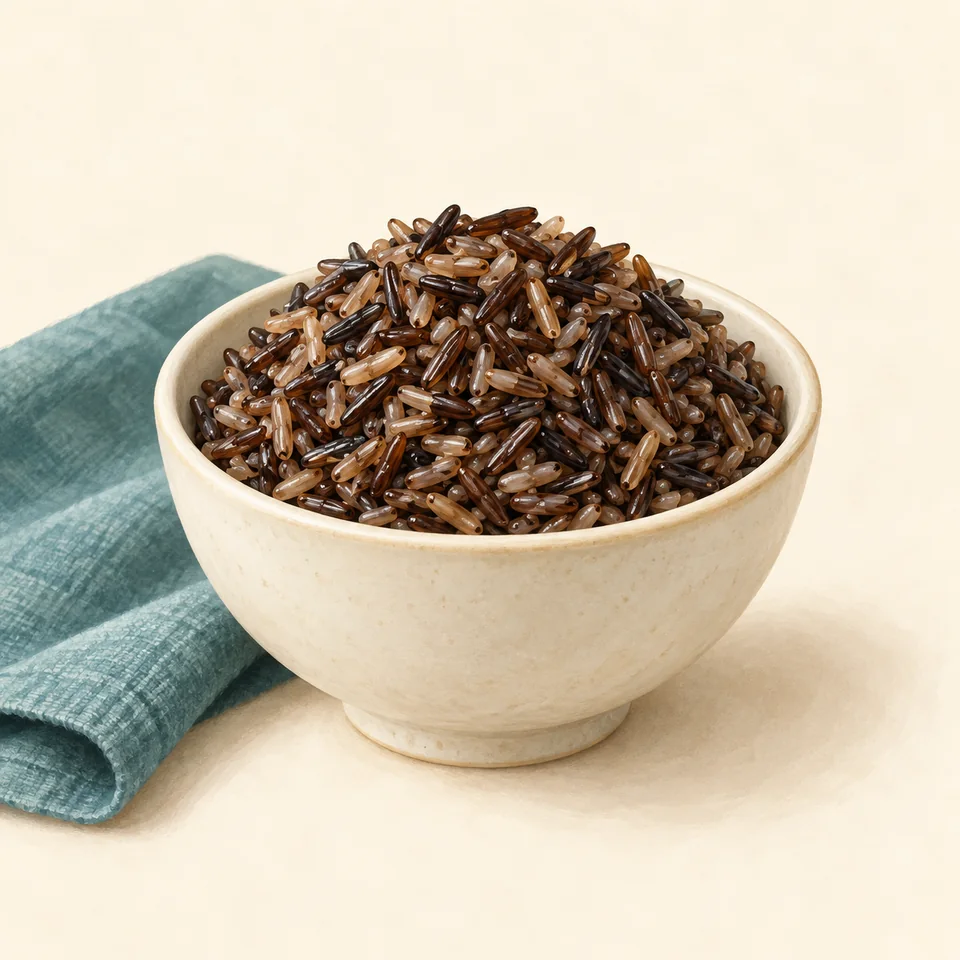
23 g - Wild rice
Wild rice, cooked, exactly as identified by USDA.
21,34 g
All results are sorted before pagination. Bars compare amounts within this search; they do not indicate health benefits. Not reported does not mean zero.
UNDERSTAND THE DATA
What it means for your diet
This source explains carbohydrates, sugars, starch and fiber as a group. Total sugars are not the same measurement as added sugars, and recommendations for total carbohydrate must not be assigned to one sugar. The ranking keeps the USDA measurement method separate.
Ranking amounts describe foods, not supplement doses. A high rank does not mean you should consume more. Source recommendations and cautions retain their original population and scope.
Os textos da fonte abaixo estão em inglês. Não traduzimos automaticamente recomendações ou doses.
Carbohydrates [1]
Source: MedlinePlus, National Library of Medicine. Original health-topic summary, reproduced with attribution.
What are carbohydrates?
Carbohydrates, or carbs, are sugar molecules. Along with proteins and fats, carbohydrates are one of three main nutrients found in foods and drinks.
Your body breaks down carbohydrates into glucose. Glucose, or blood sugar, is the main source of energy for your body's cells, tissues, and organs. Glucose can be used immediately or stored in the liver and muscles for later use.
What are the different types of carbohydrates?
There are three main types of carbohydrates:
- Sugars. They are also called simple carbohydrates because they are in the most basic form. They can be added to foods, such as the sugar in candy, desserts, processed foods, and regular soda. They also include the kinds of sugar that are found naturally in fruits, vegetables, and milk.
- Starches. They are complex carbohydrates, which are made of lots of simple sugars strung together. Your body needs to break starches down into sugars to use them for energy. Starches include bread, cereal, and pasta. They also include certain vegetables, like potatoes, peas, and corn.
Fontes de identidade e estrutura
- USDA FoodData Central: Foundation Foods Documentation · Consultado 2026-09-13