EXPLORE A NUTRIENT
Riboflavin
Discover how amounts vary across foods, on a shared basis for comparison.
Understand this nutrient ↓What is it?
Chemical reference: riboflavin (C17H20N4O6). USDA reports Riboflavin separately. [1] [2]
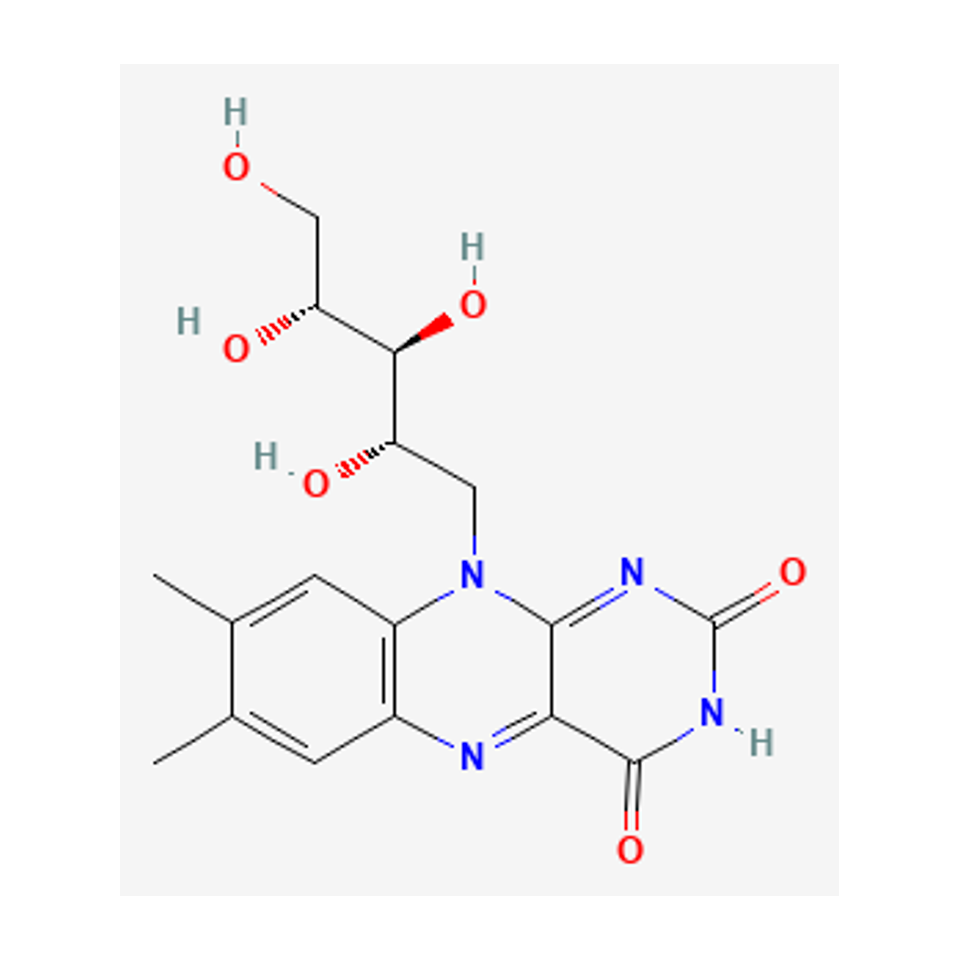
An identity reference, not the appearance of the food.
Description, source and attribution
Reference depiction: riboflavin. Formula C17H20N4O6; PubChem CID 493570; charge 0. This is a chemical reference, not a depiction of its physical appearance in food.
PubChem Compound 493570, 2D Structure. NCBI / National Library of Medicine. Source · Reuse terms
Source check:
A COMMON BASIS
Foods, per 100 g
179 foods with data 27 not reported, excluded from ranking
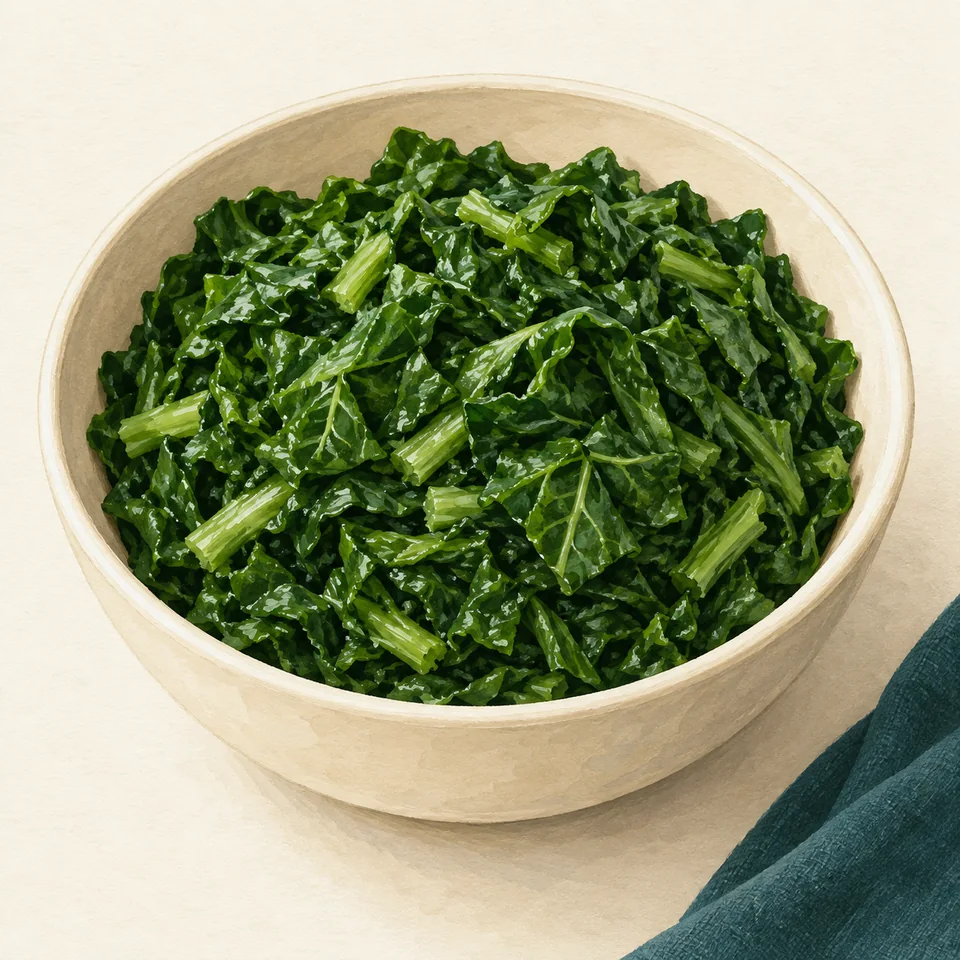
- Collard greens
Collards, cooked, boiled, drained, without salt, exactly as identified by USDA.
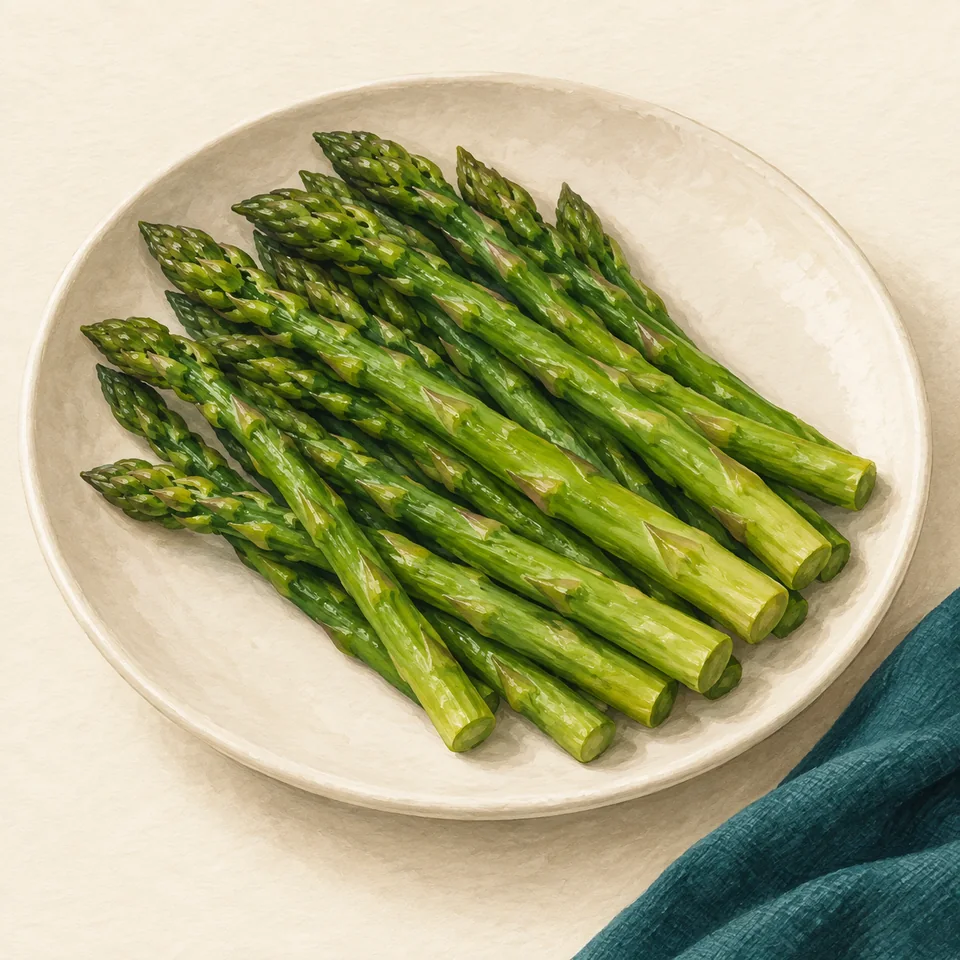
0.106 mg - Asparagus
Asparagus, frozen, cooked, boiled, drained, without salt, exactly as identified by USDA.
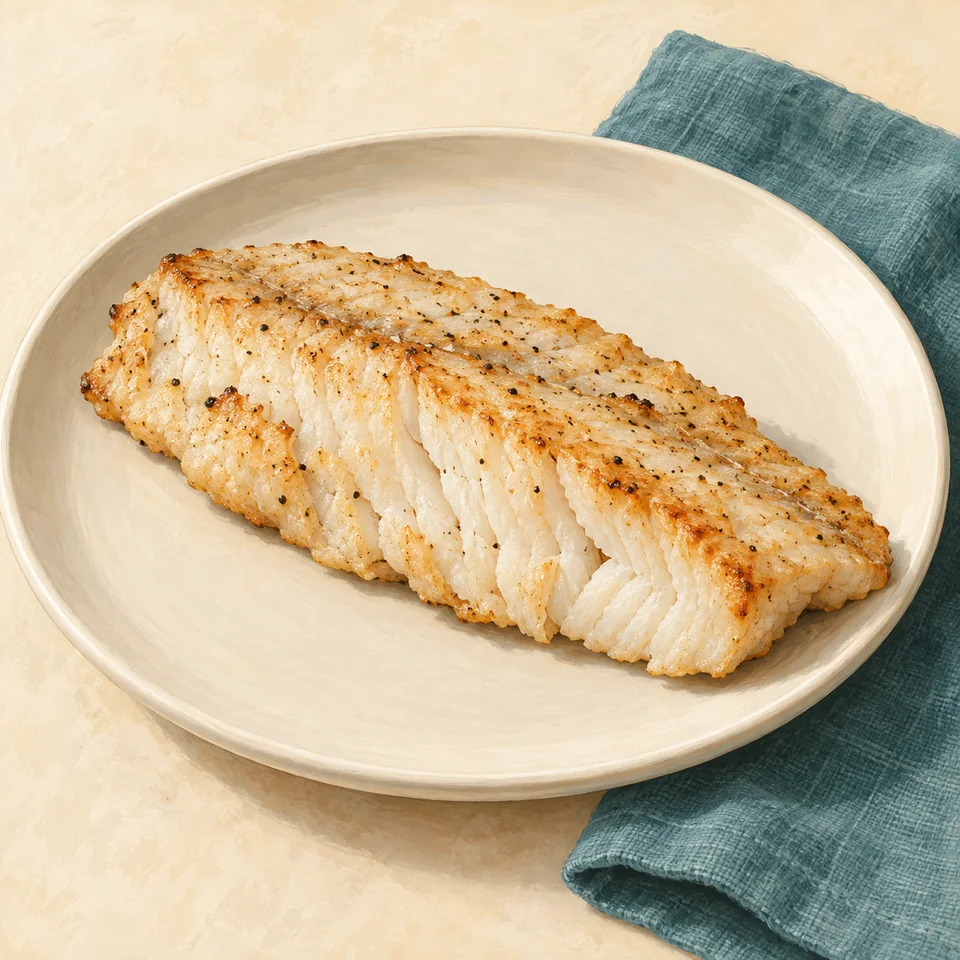
0.103 mg - Channel catfish
Fish, catfish, channel, farmed, cooked, dry heat, exactly as identified by USDA.
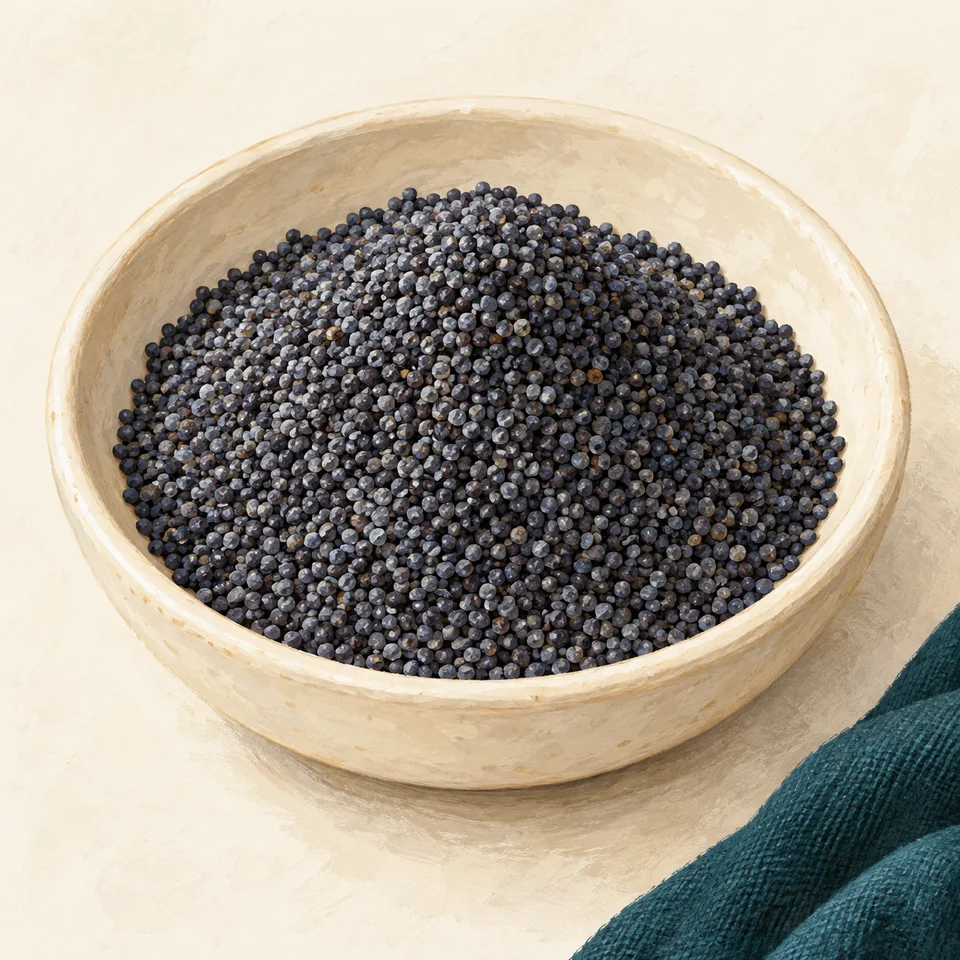
0.1 mg - Poppy seeds
Spices, poppy seed, exactly as identified by USDA.
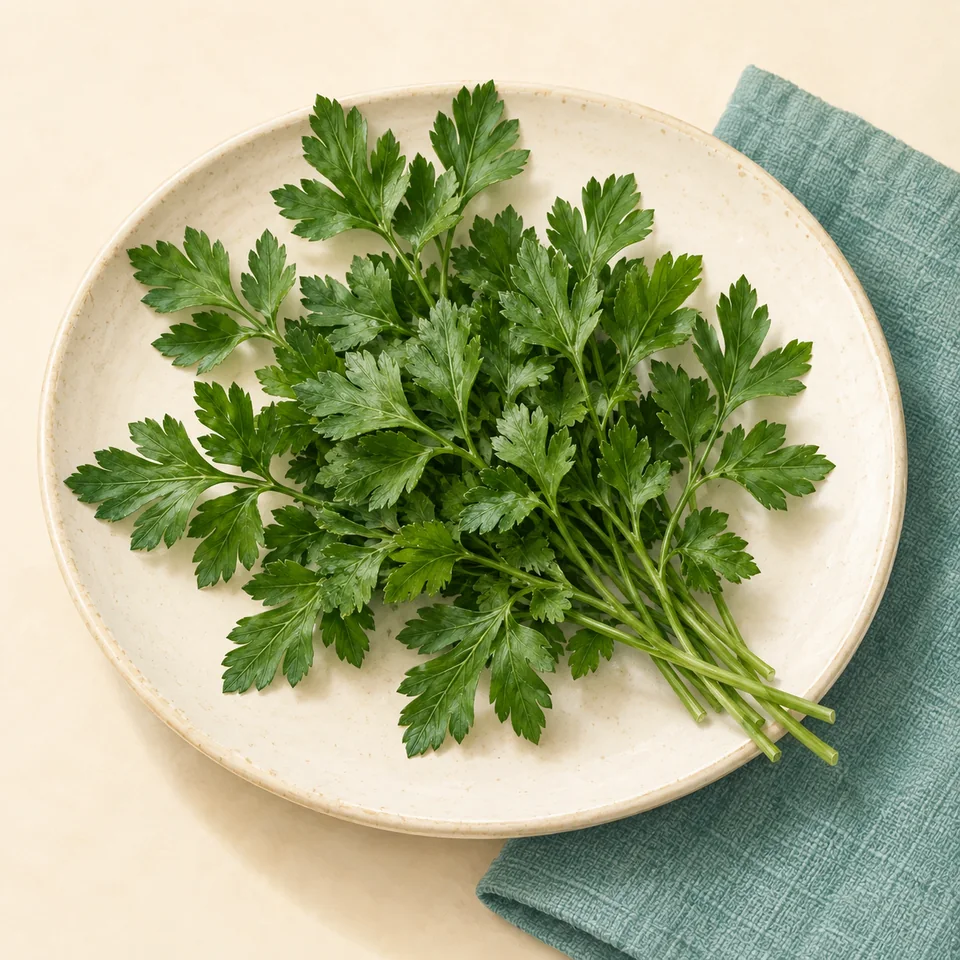
0.1 mg - Parsley
Parsley, fresh, exactly as identified by USDA.
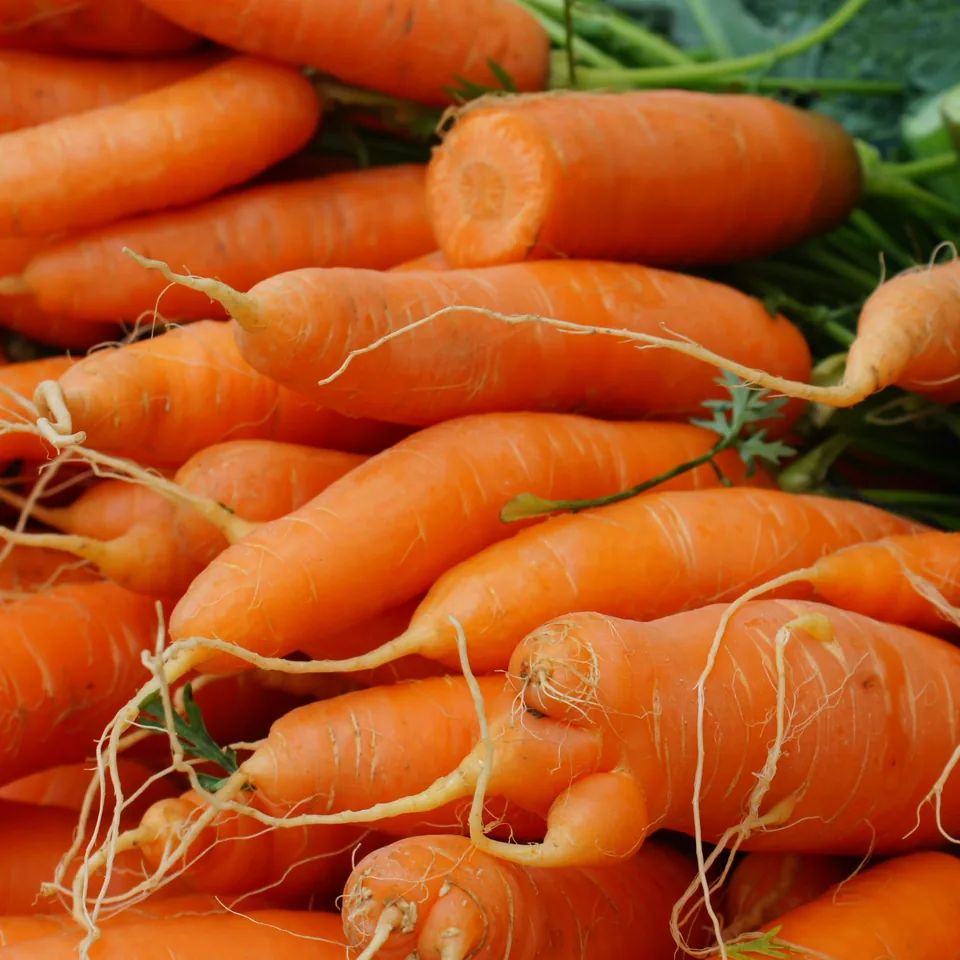
0.098 mg - Carrot
Mature carrot, raw.
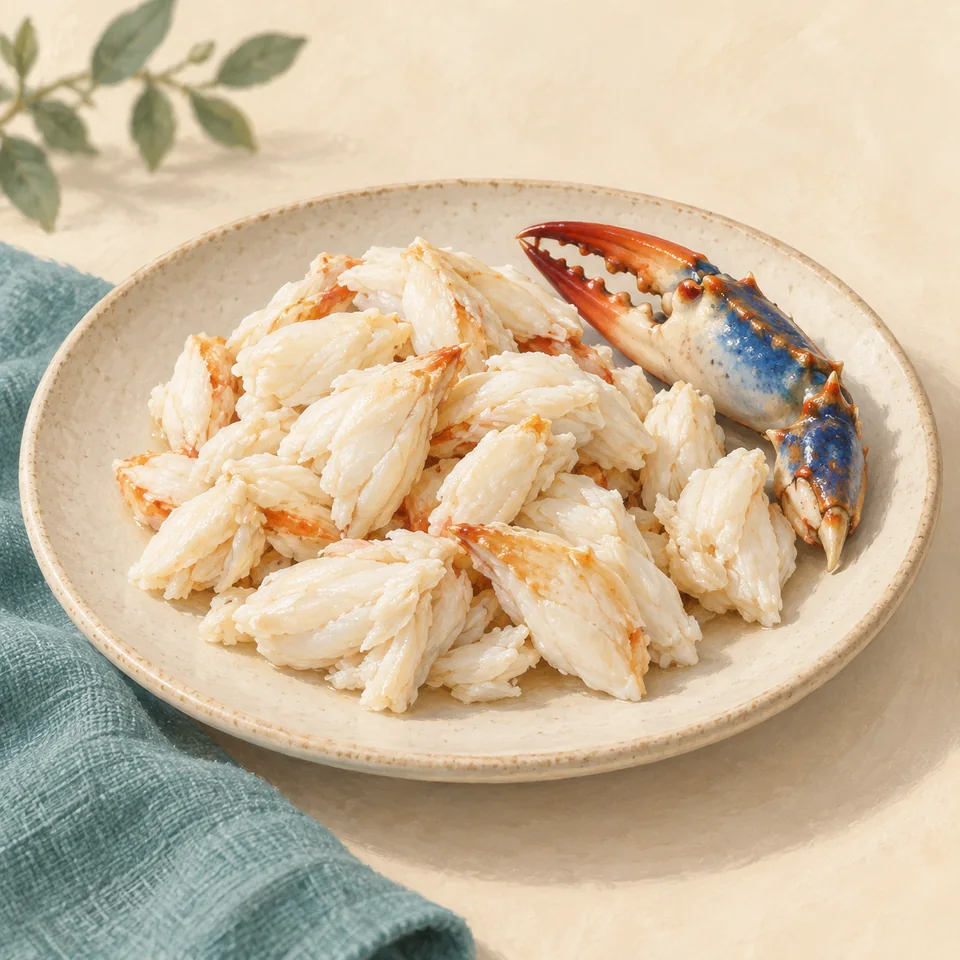
0.095 mg - Blue crab
Crustaceans, crab, blue, cooked, moist heat, exactly as identified by USDA.
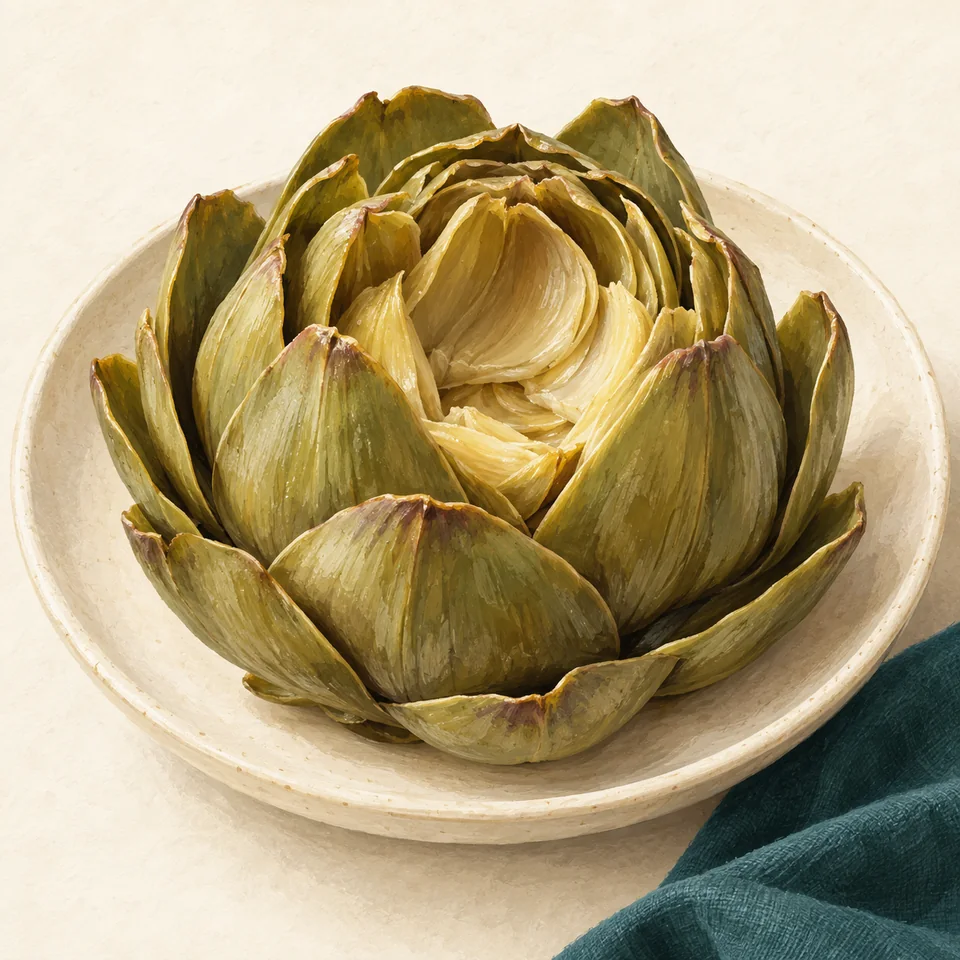
0.093 mg - Artichoke
Artichokes, (globe or french), cooked, boiled, drained, without salt, exactly as identified by USDA.
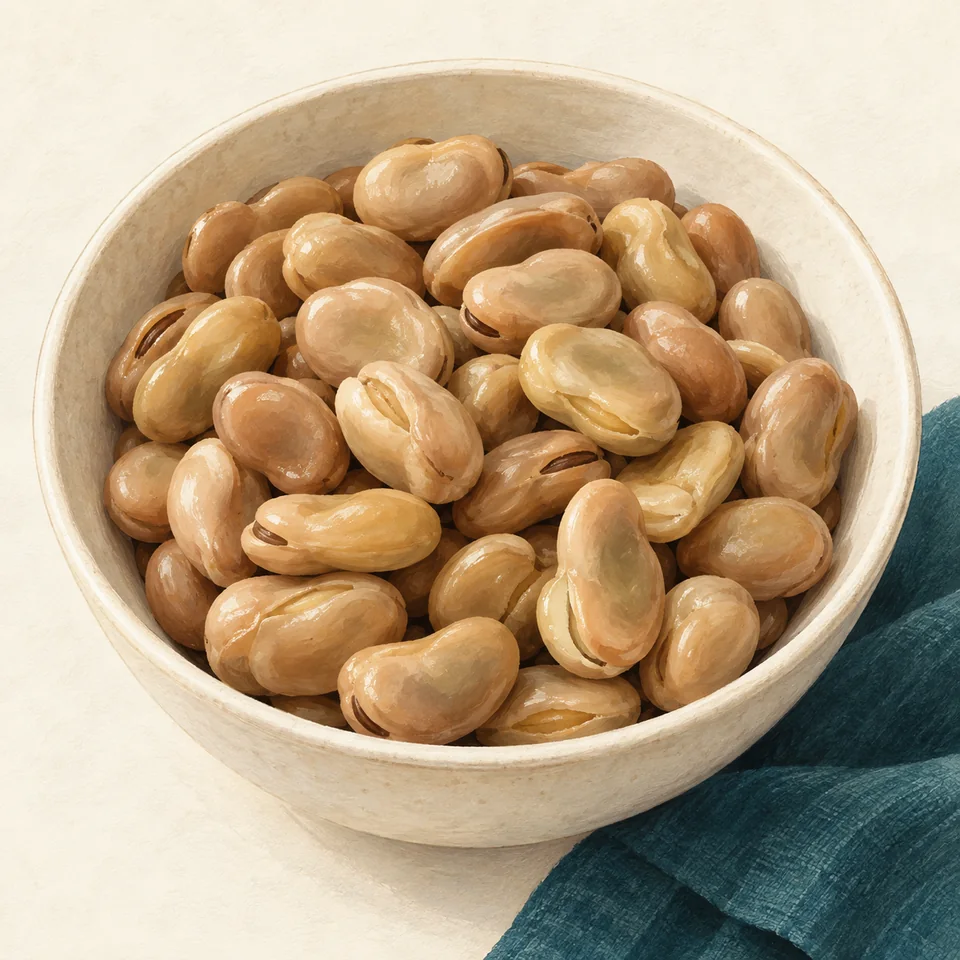
0.089 mg - Fava beans
Broadbeans (fava beans), mature seeds, cooked, boiled, without salt, exactly as identified by USDA.
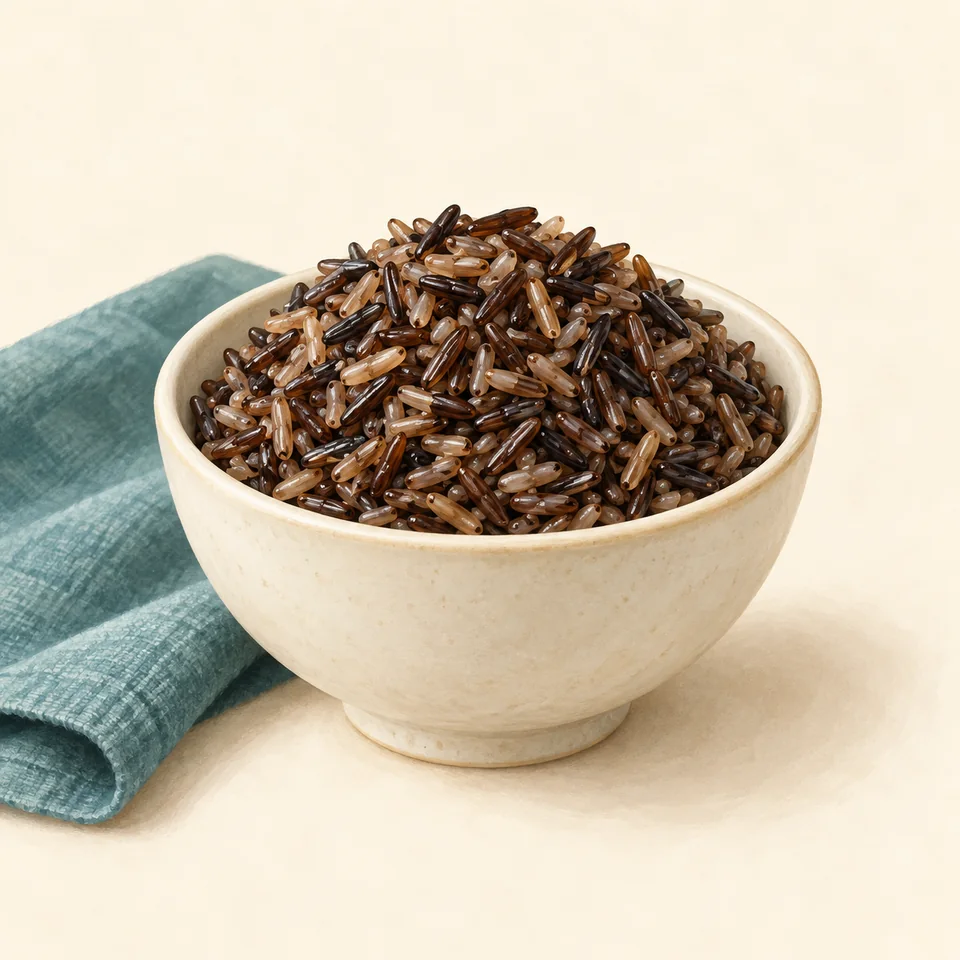
0.089 mg - Wild rice
Wild rice, cooked, exactly as identified by USDA.
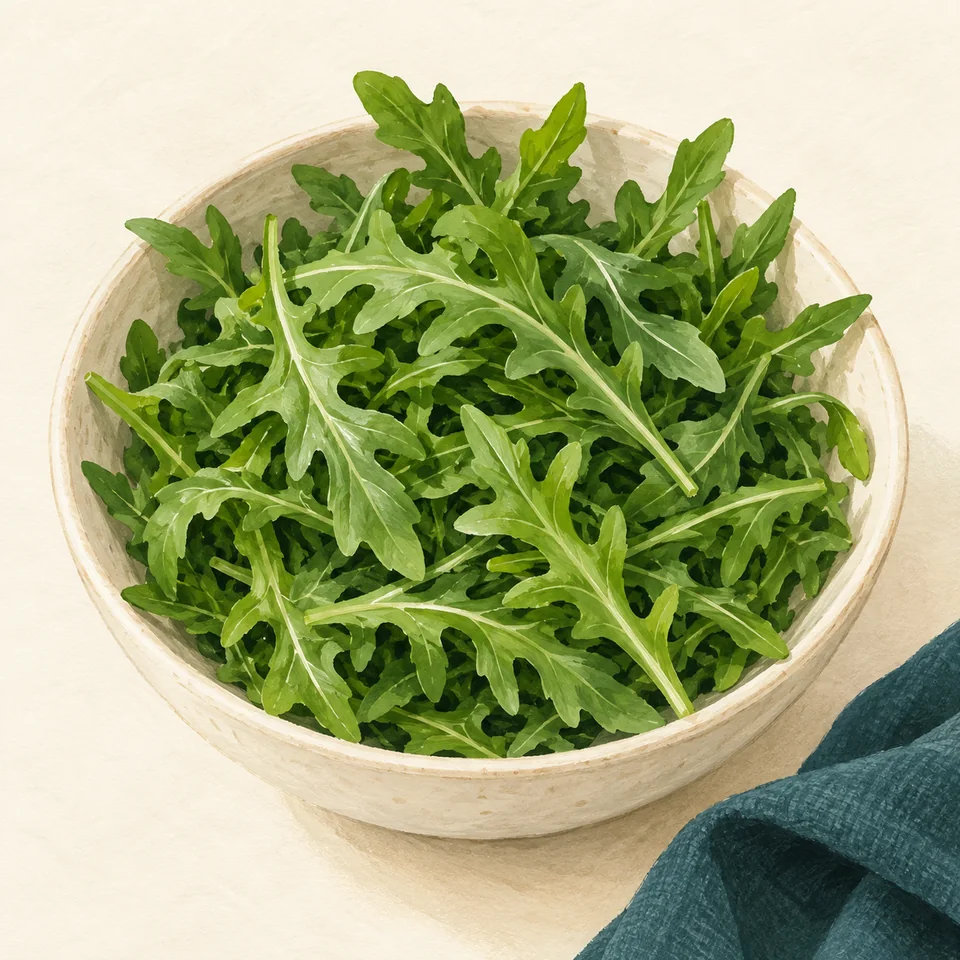
0.087 mg - Arugula
Arugula, raw, exactly as identified by USDA.
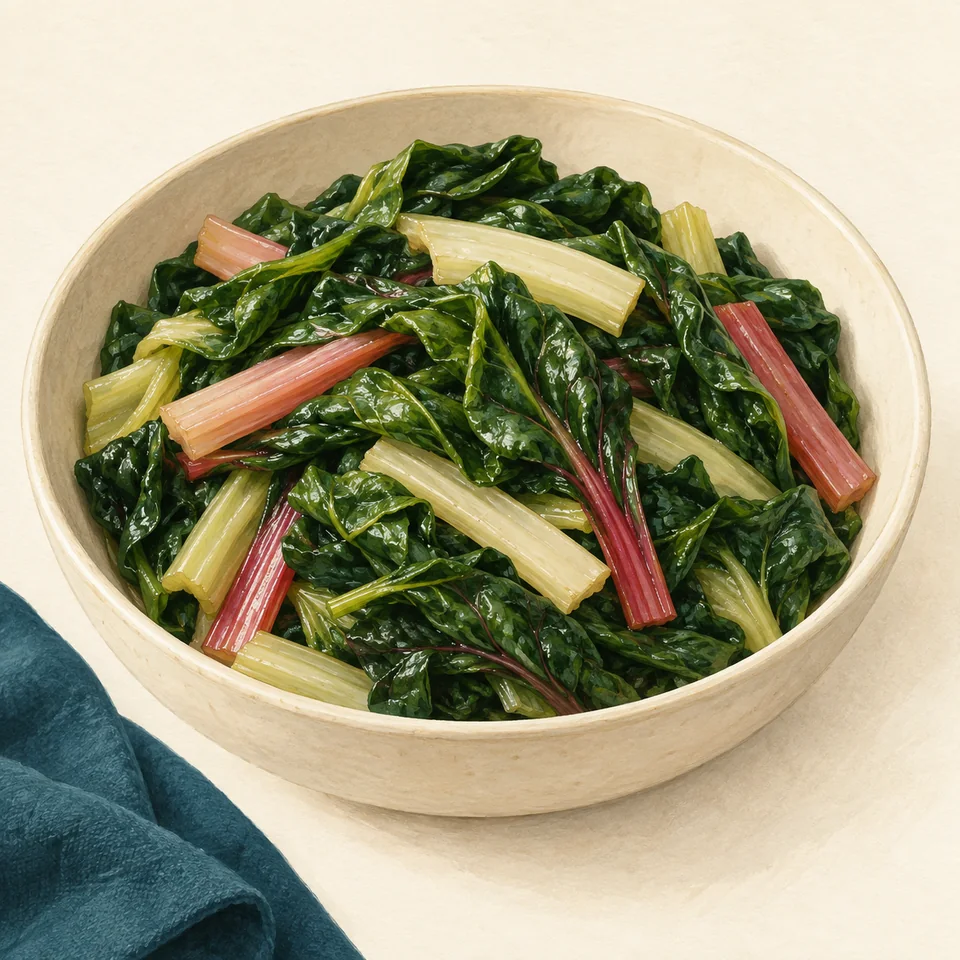
0.086 mg - Swiss chard
Chard, swiss, cooked, boiled, drained, without salt, exactly as identified by USDA.
0.086 mg
All results are sorted before pagination. Bars compare amounts within this search; they do not indicate health benefits. Not reported does not mean zero.
UNDERSTAND THE DATA
The nutrient, in context
How to read this ranking
This page compares Riboflavin (Riboflavin), in mg per 100 g of food.
Chemical forms and measurement methods remain separate. “Not reported” means a value is unavailable, not that the food contains zero. A food’s rank does not determine your individual needs or diagnose a deficiency.
This NIH fact sheet concerns this nutrient. Its recommended amounts describe daily intake for the stated population, not a 100 g food portion. Keep food and supplement exposure separate as the source specifies.
NIH · OFFICE OF DIETARY SUPPLEMENTS
Riboflavin: Fact Sheet for Consumers
Original text published by NIH, including intake tables by age and sex, cautions, and the population context the source states. Bitameans has not performed an independent medical review or adapted these recommendations to your personal circumstances.
What is riboflavin and what does it do?
Riboflavin (also called vitamin B2) is important for the growth, development, and function of the cells in your body. It also helps turn the food you eat into the energy you need.
How much riboflavin do I need?
The amount of riboflavin you need depends on your age and sex. Average daily recommended amounts are listed below in milligrams (mg).
| Life Stage | Recommended Amount |
|---|---|
| Birth to 6 months | 0.3 mg |
| Infants 7–12 months | 0.4 mg |
Identity and structure sources
- PubChem Compound 493570: Riboflavin · Accessed 2026-09-13
- USDA FoodData Central: Foundation Foods Documentation · Accessed 2026-09-13