EXPLORE A NUTRIENT
Protein
Discover how amounts vary across foods, on a shared basis for comparison.
Understand this nutrient ↓What is it?
A total protein estimate, commonly calculated from nitrogen; it is not one molecule. [1]

A conceptual representation, not a molecular structure.
Description, source and attribution
A conceptual grouping, not a molecular structure. This reporting category contains multiple components or represents a calculated quantity.
Original Bitameans conceptual/fallback artwork; not a chemical structure. Source · Reuse terms
Source check:
A COMMON BASIS
Foods, per 100 g
206 foods with data 0 not reported, excluded from ranking
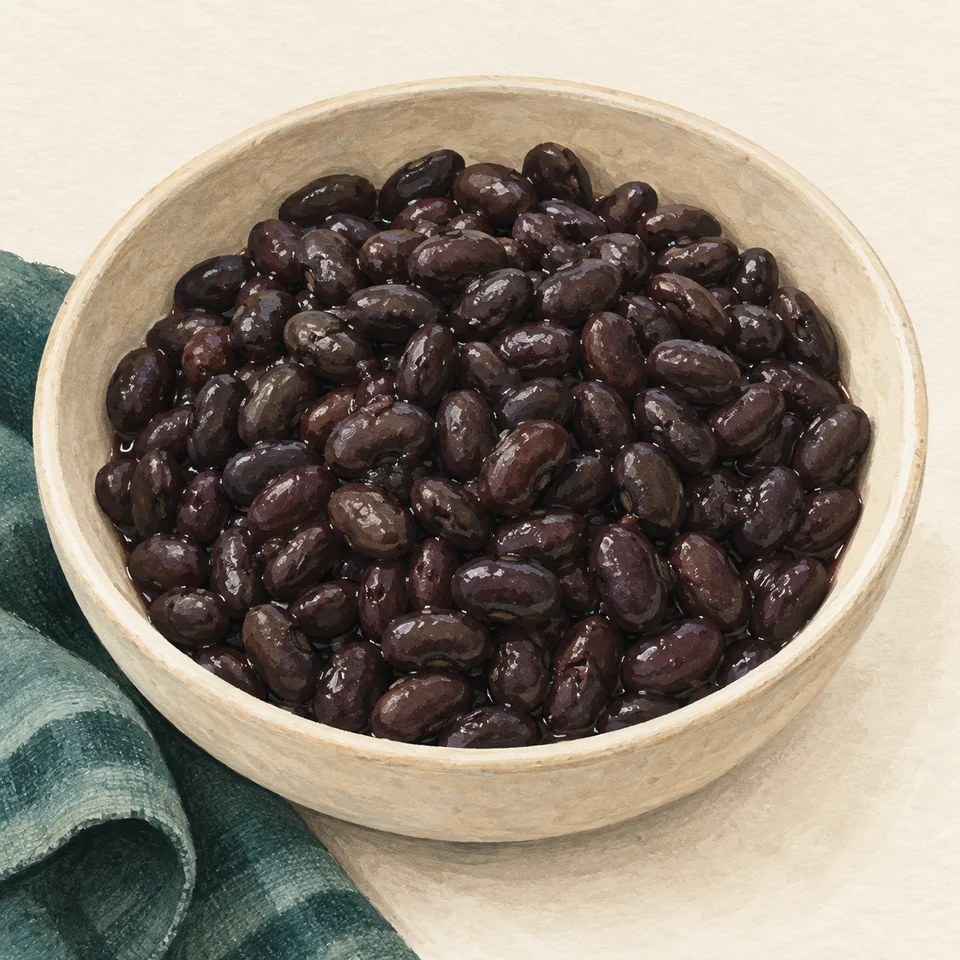
- Black beans
Cooked; boiled; without salt, as stated in the USDA source description.
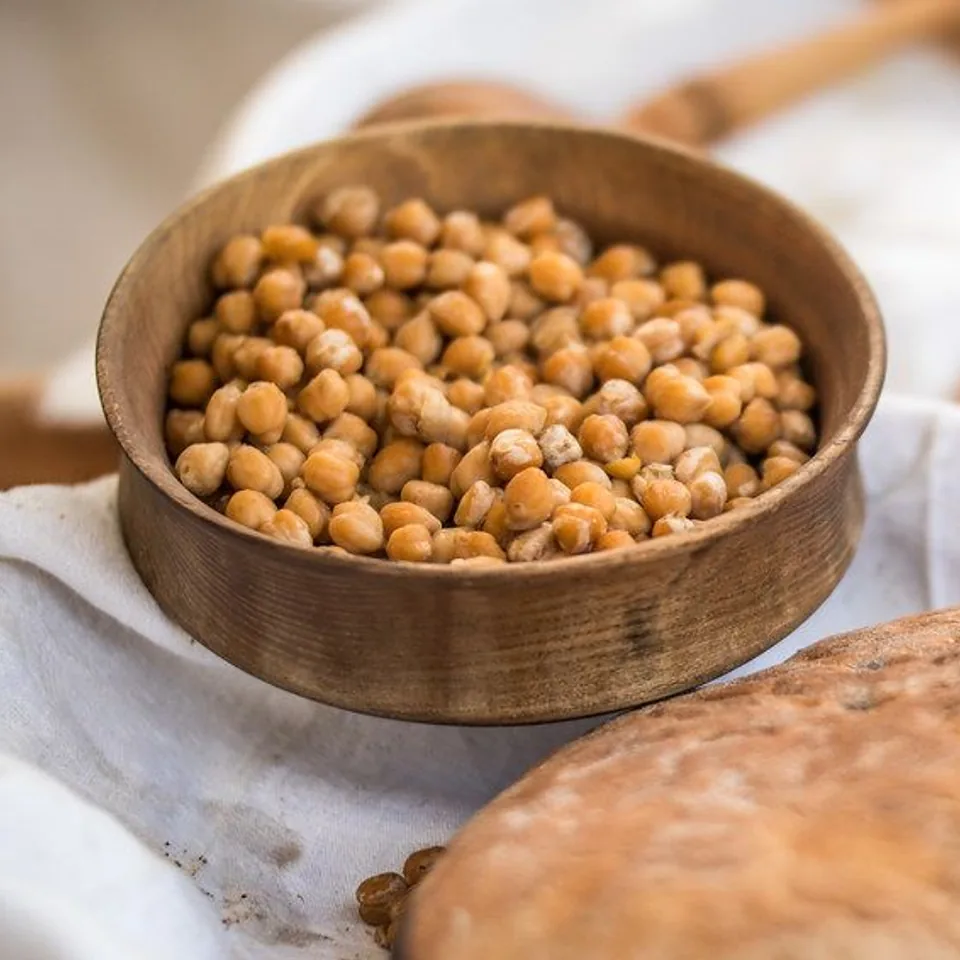
8.86 g - Chickpeas
Mature chickpeas, boiled without salt.
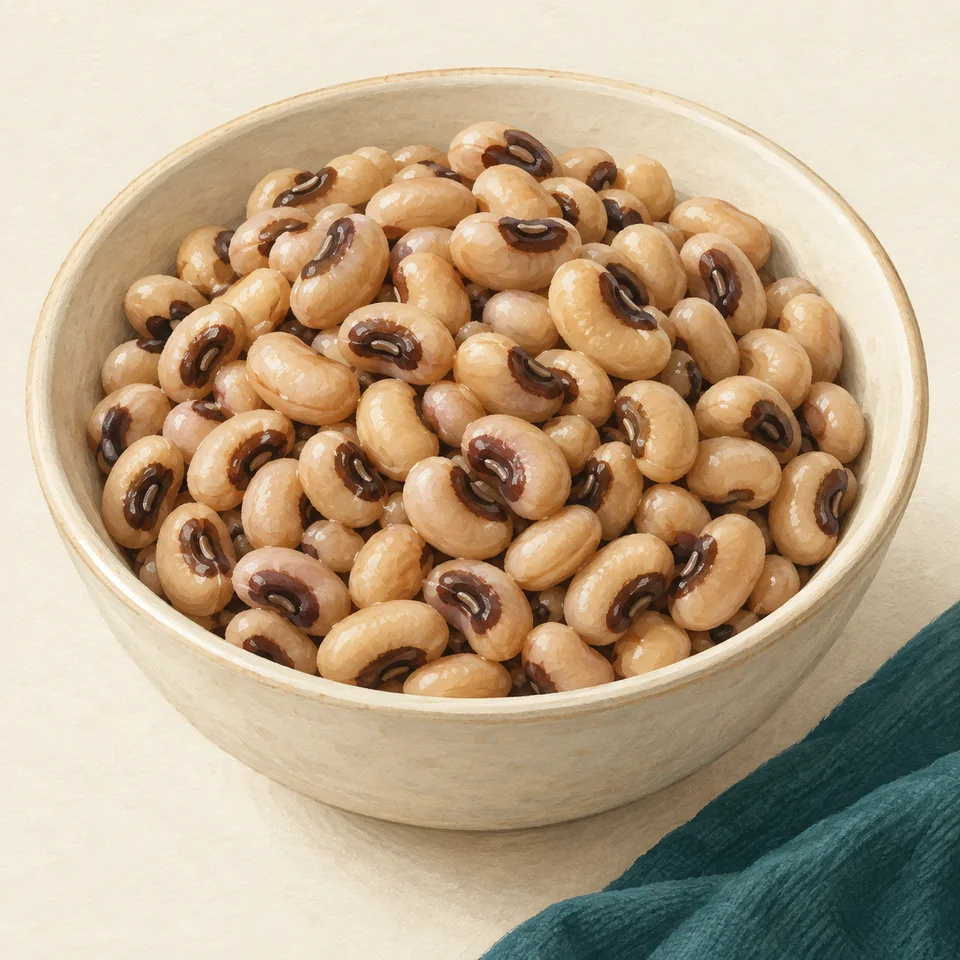
8.86 g - Black-eyed peas
Cowpeas, catjang, mature seeds, cooked, boiled, without salt, exactly as identified by USDA.
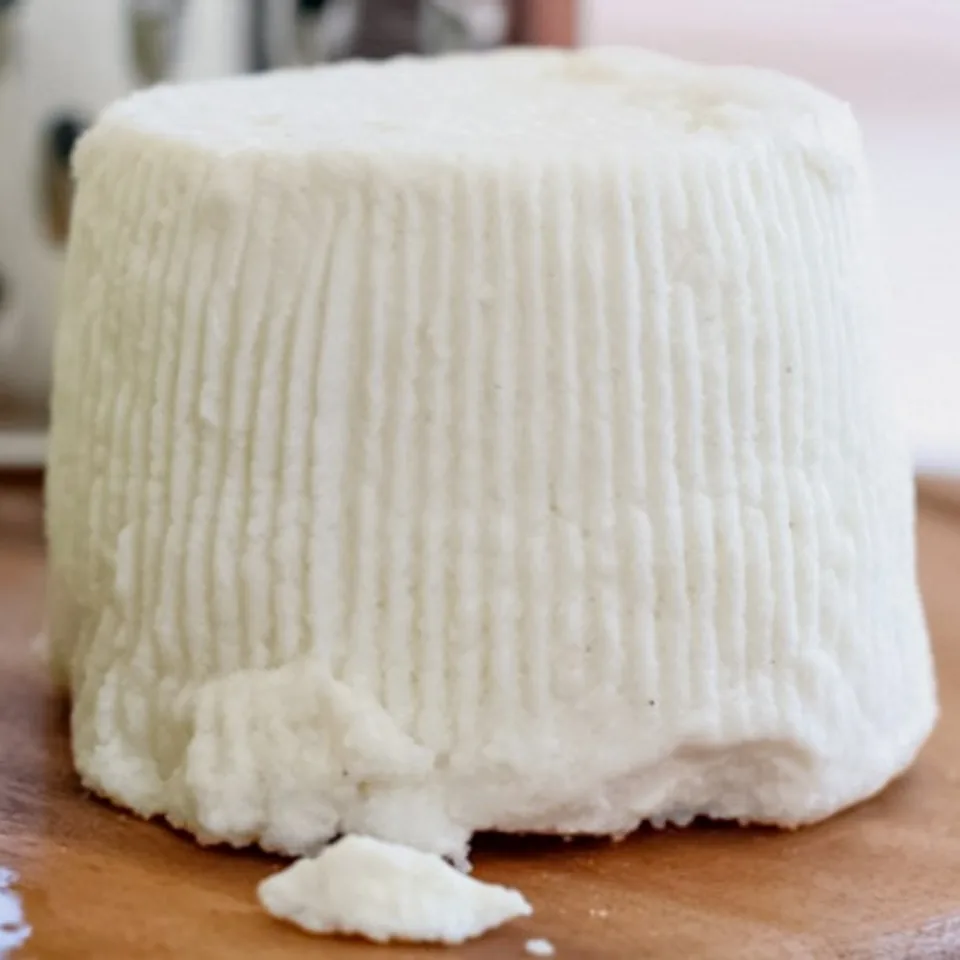
8.13 g - Ricotta cheese
Whole-milk ricotta cheese.
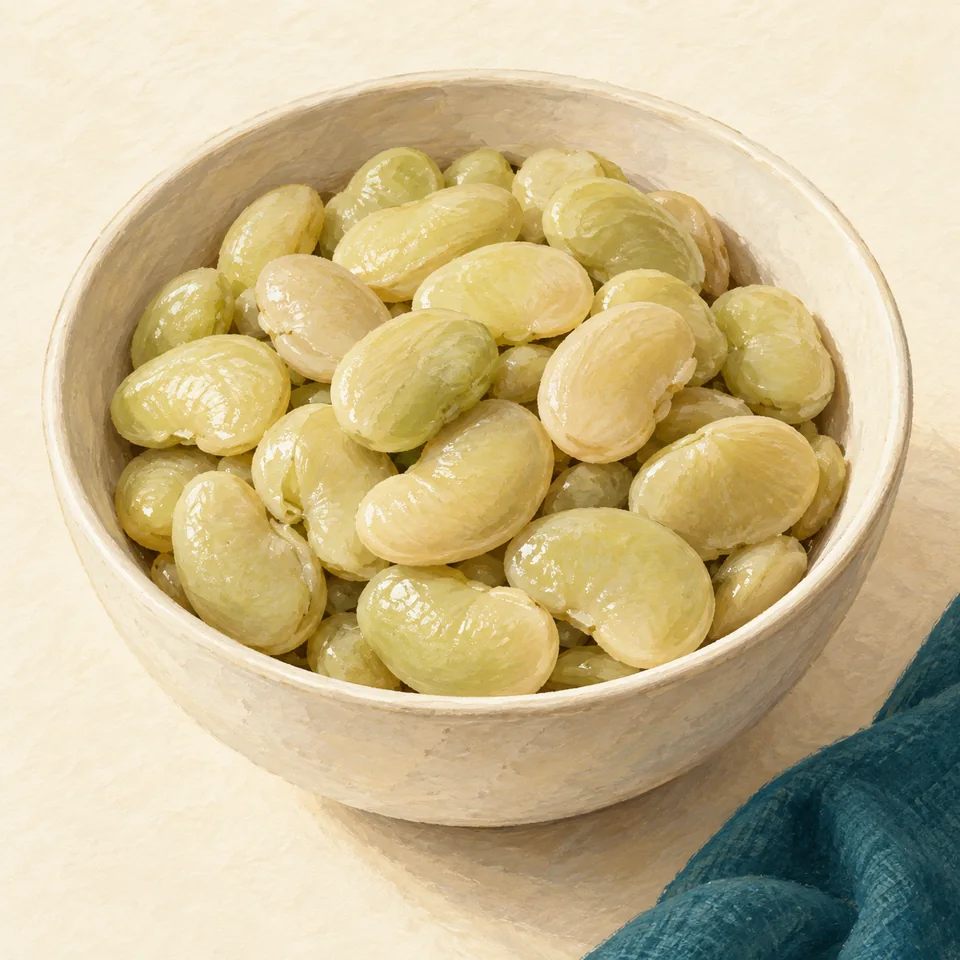
7.81 g - Lima beans
Large mature lima beans, boiled without salt.
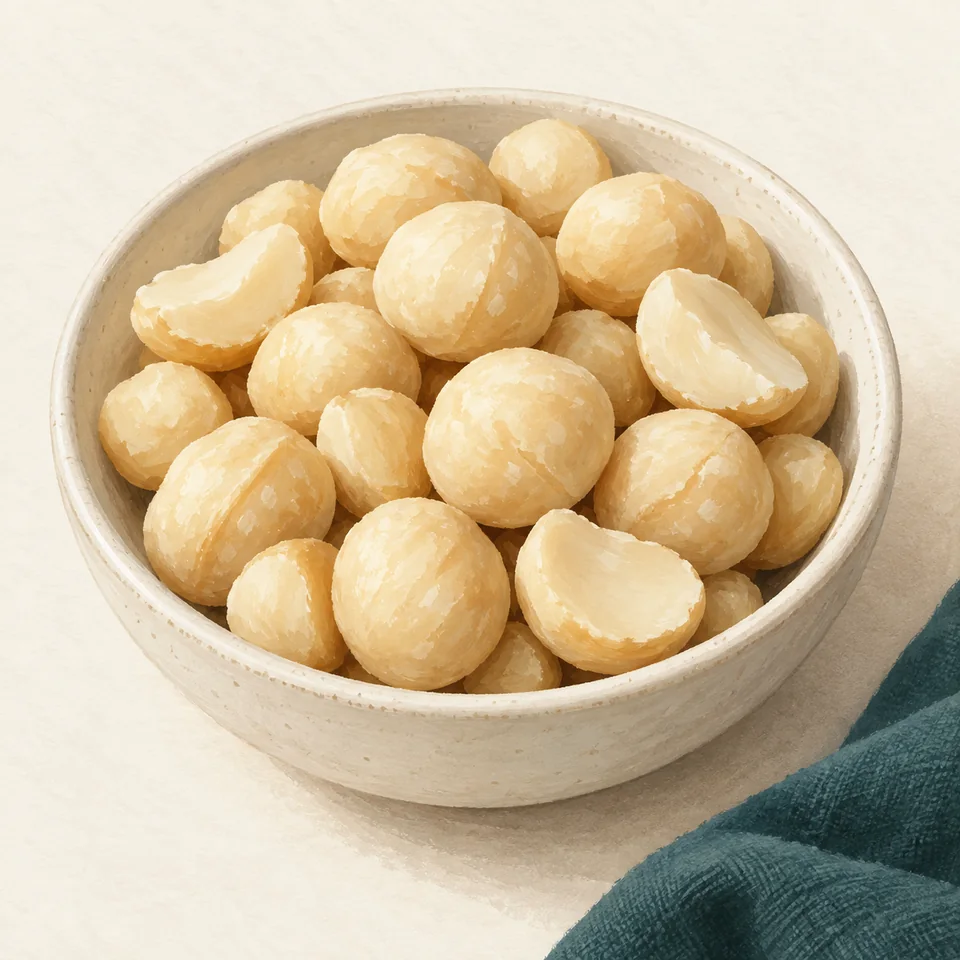
7.8 g - Macadamia nuts
Nuts, macadamia nuts, raw, exactly as identified by USDA.
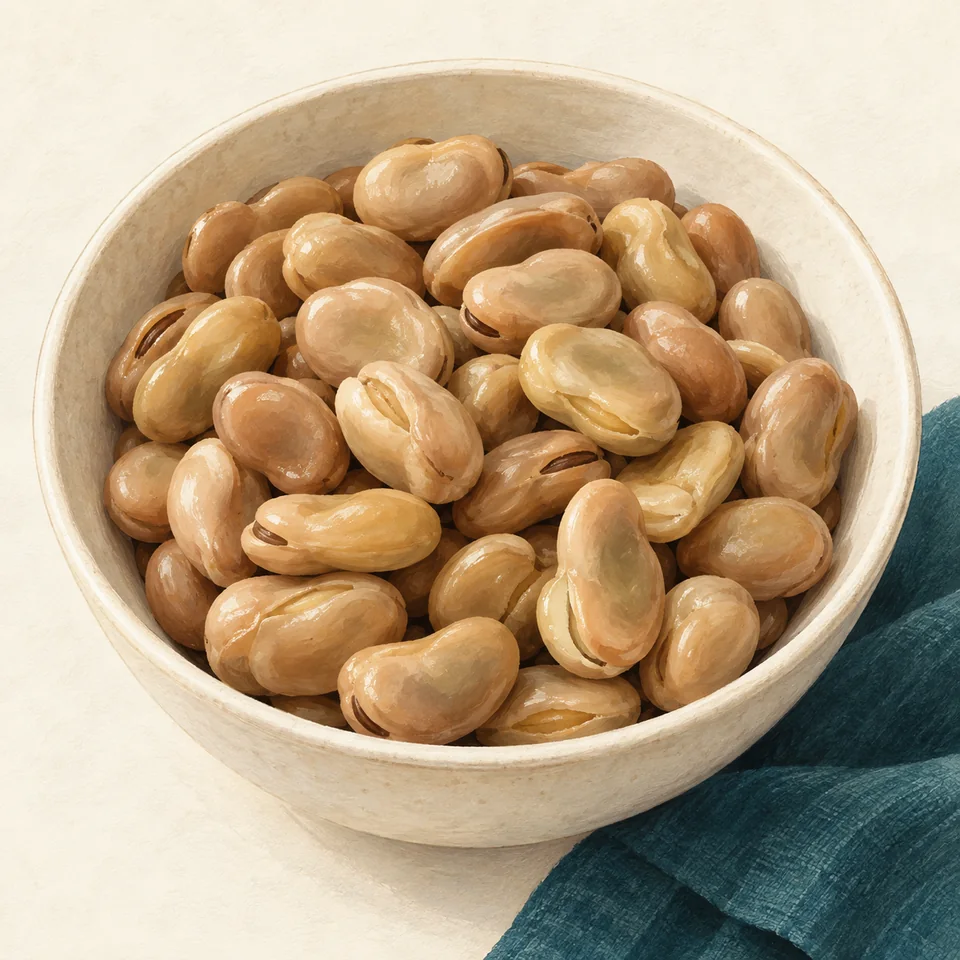
7.7857 g - Fava beans
Broadbeans (fava beans), mature seeds, cooked, boiled, without salt, exactly as identified by USDA.
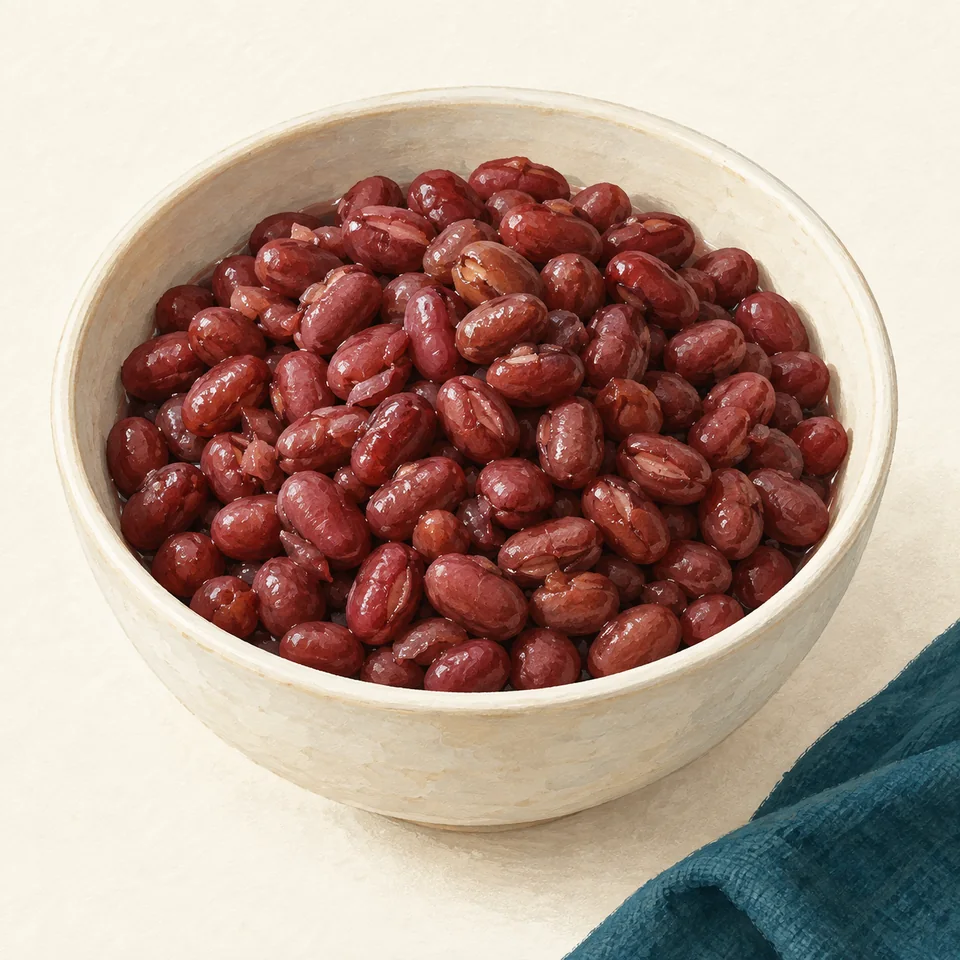
7.6 g - Adzuki beans
Beans, adzuki, mature seeds, cooked, boiled, without salt, exactly as identified by USDA.
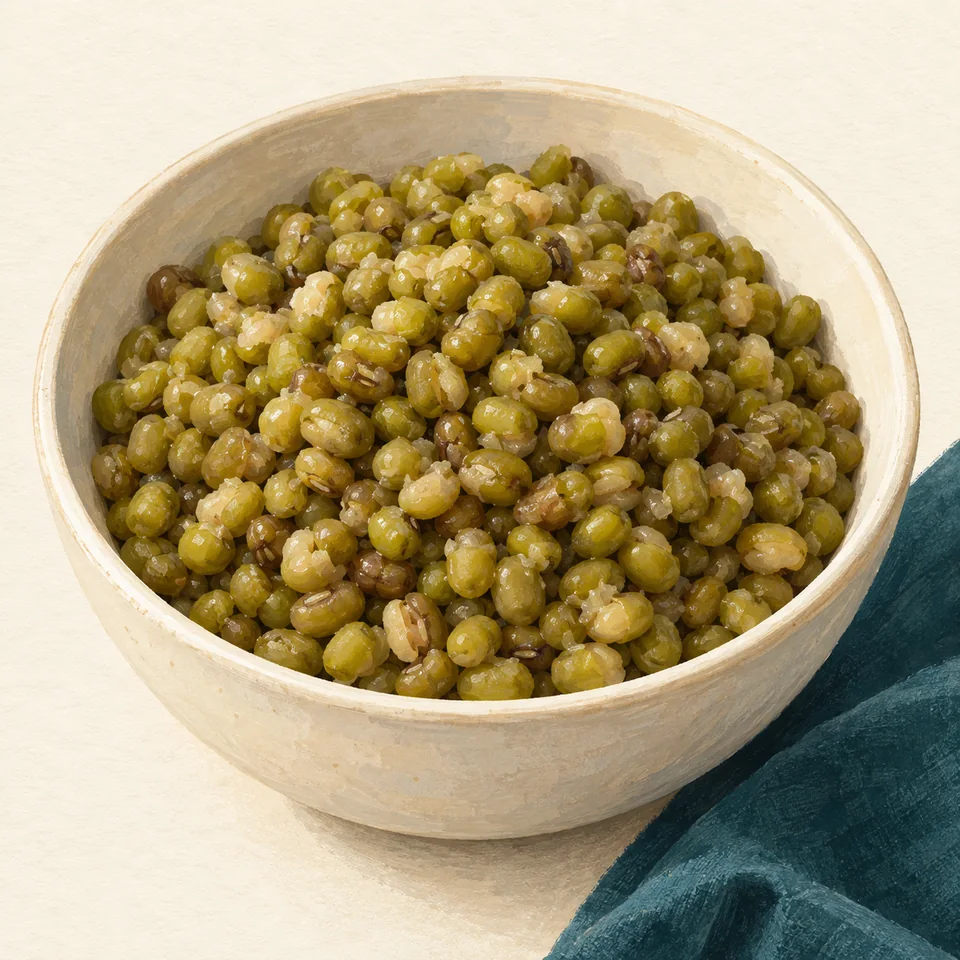
7.52 g - Mung beans
Mung beans, mature seeds, cooked, boiled, without salt, exactly as identified by USDA.
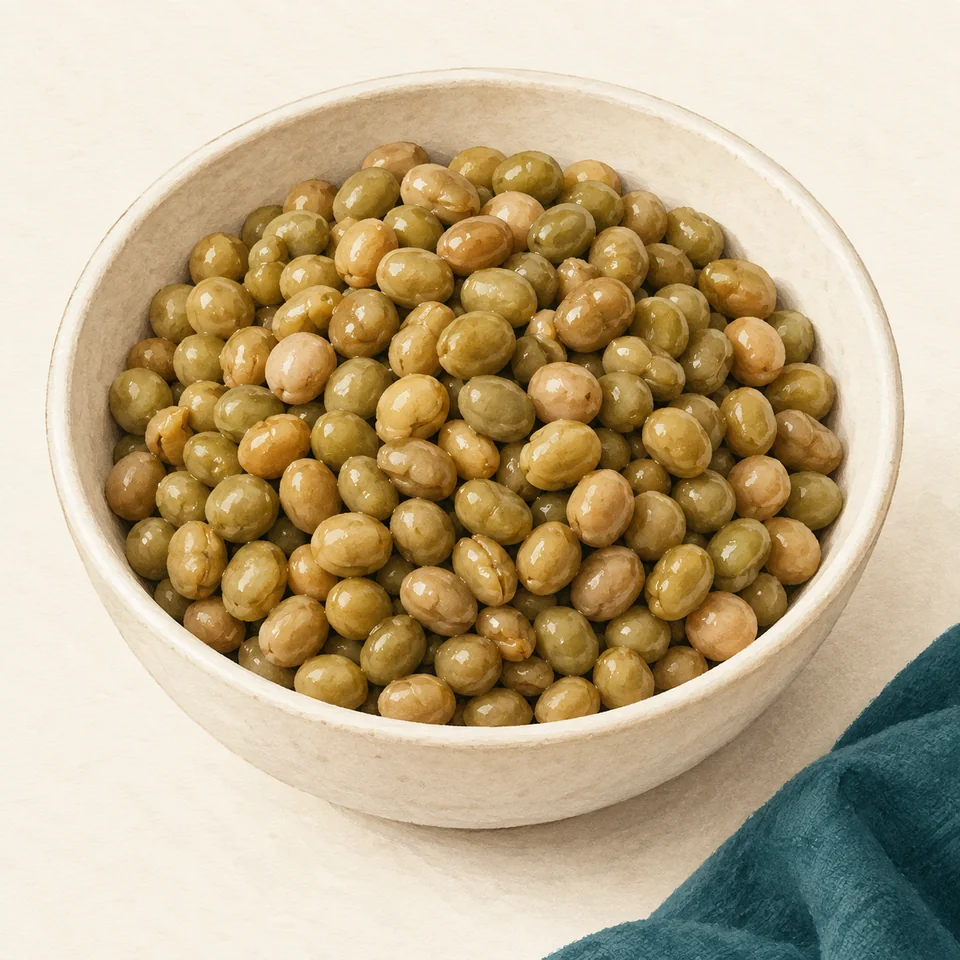
7.02 g - Pigeon peas
Pigeon peas (red gram), mature seeds, cooked, boiled, without salt, exactly as identified by USDA.
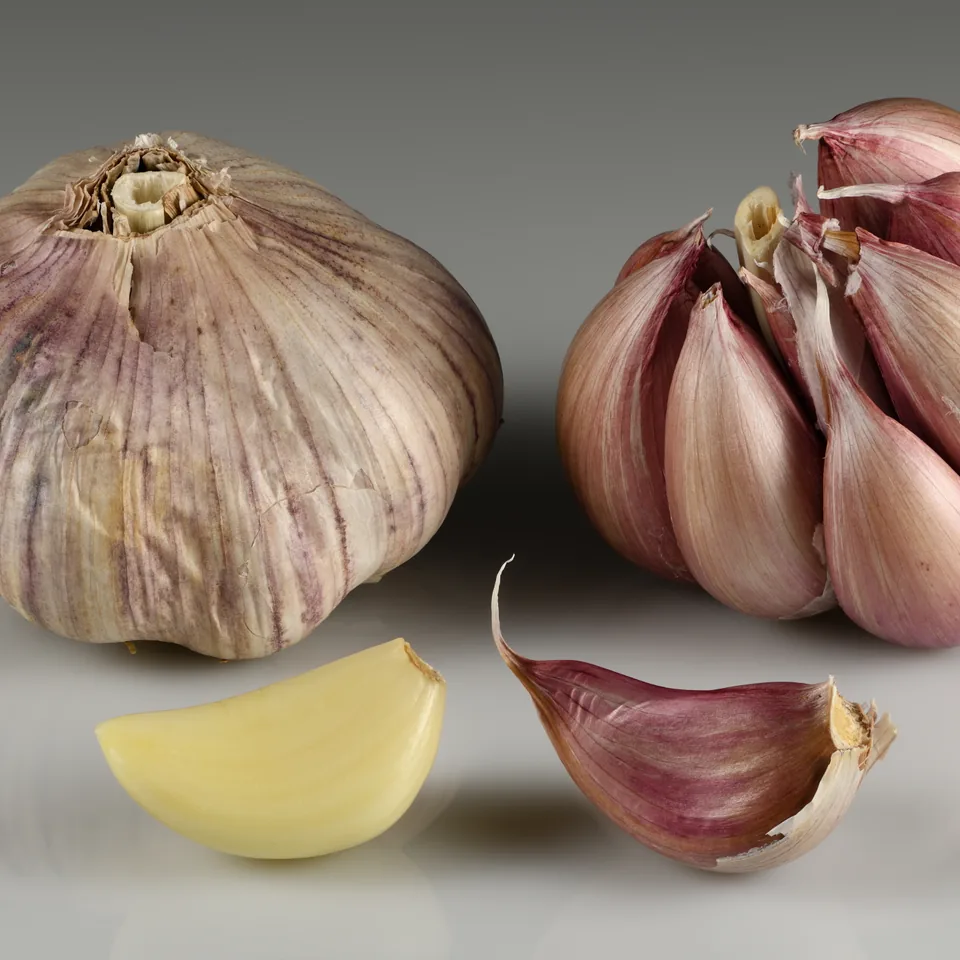
6.76 g - Garlic
Raw garlic.
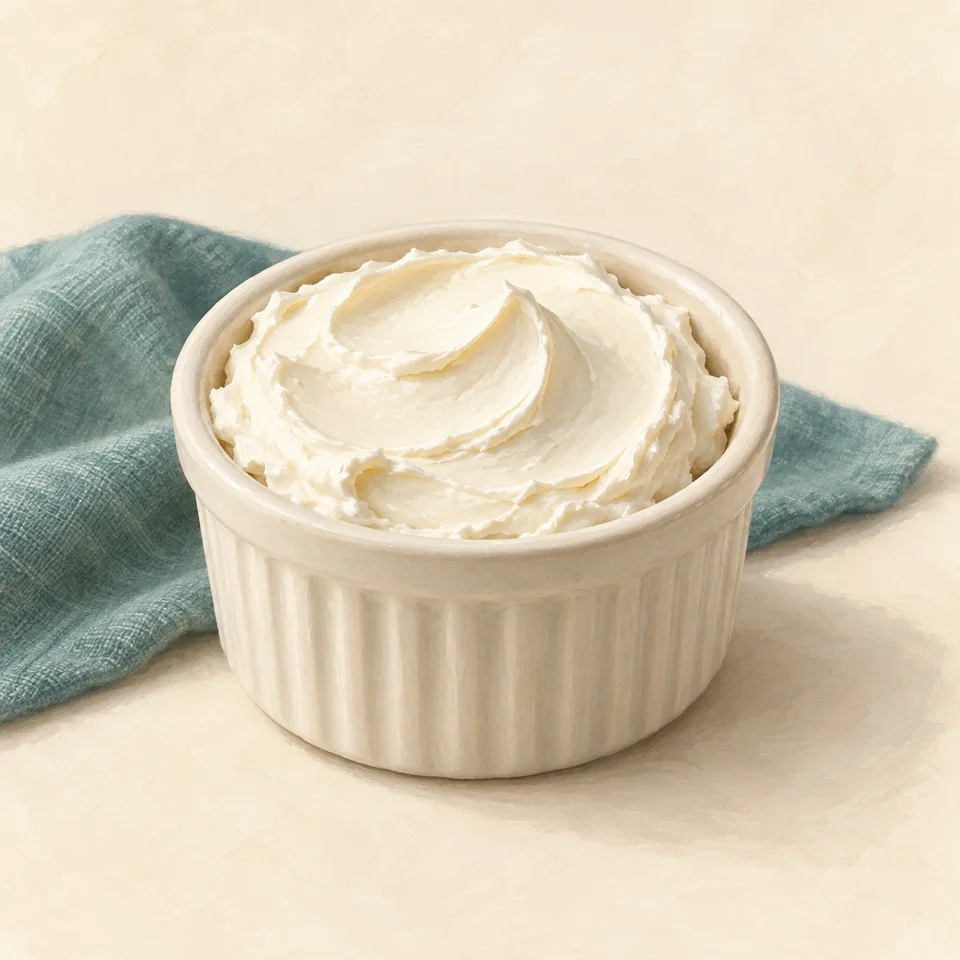
6.62 g - Cream cheese
Cheese, cream, exactly as identified by USDA.
6.15 g
All results are sorted before pagination. Bars compare amounts within this search; they do not indicate health benefits. Not reported does not mean zero.
UNDERSTAND THE DATA
What it means for your diet
This source explains dietary protein. The ranking reports protein in this food preparation; it does not measure protein quality, digestibility or your individual requirement.
Ranking amounts describe foods, not supplement doses. A high rank does not mean you should consume more. Source recommendations and cautions retain their original population and scope.
Dietary Proteins [1]
Source: MedlinePlus, National Library of Medicine. Original health-topic summary, reproduced with attribution.
Protein is in every cell in the body. Our bodies need protein from the foods we eat to build and maintain bones, muscles and skin. We get proteins in our diet from meat, dairy products, nuts, and certain grains and beans. Proteins from meat and other animal products are complete proteins. This means they supply all of the amino acids the body can't make on its own. Most plant proteins are incomplete. You should eat different types of plant proteins every day to get all of the amino acids your body needs.
It is important to get enough dietary protein. You need to eat protein every day, because your body doesn't store it the way it stores fats or carbohydrates. How much you need depends on your age, sex, health, and level of physical activity. Most Americans eat enough protein in their diet.
Explanation bibliography
- Dietary Proteins. MedlinePlus, National Library of Medicine. Last updated July 17, 2024. Accessed: 2026-09-16. .
Identity and structure sources
- USDA FoodData Central: Foundation Foods Documentation · Accessed 2026-09-13