EXPLORE UM NUTRIENTE
Niacina
Veja como as quantidades variam entre alimentos, na mesma base de comparação.
Entenda este nutriente ↓O que é?
Chemical reference: nicotinic acid (C6H5NO2). USDA reports Niacin separately. [1] [2]
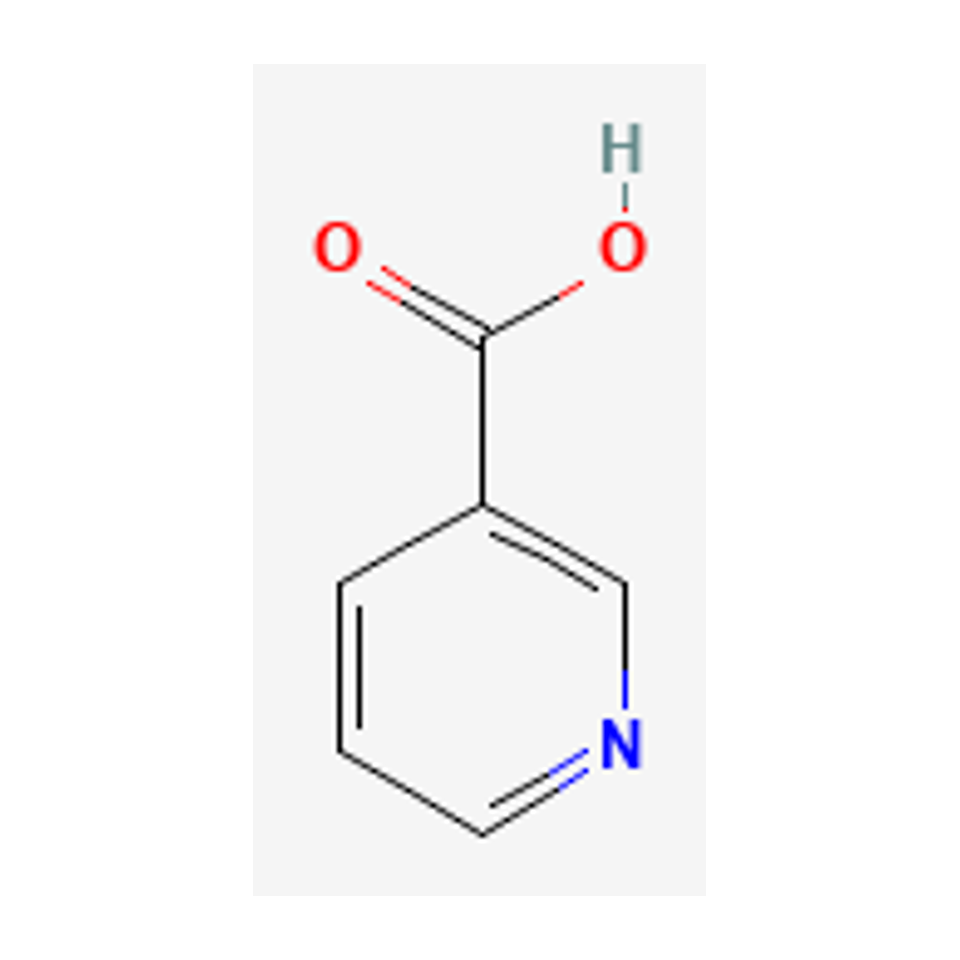
Esta forma de referência não representa todas as formas incluídas na quantidade do USDA.
Descrição, fonte e atribuição
Reference depiction: nicotinic acid. Formula C6H5NO2; PubChem CID 938; charge 0. This specified form does not represent every form or molecule included in the USDA quantity.
PubChem Compound 938, 2D Structure. NCBI / National Library of Medicine. Fonte · Condições de uso
Verificação da fonte:
A COMMON BASIS
Alimentos, por 100 g
188 foods with data 18 not reported, excluded from ranking
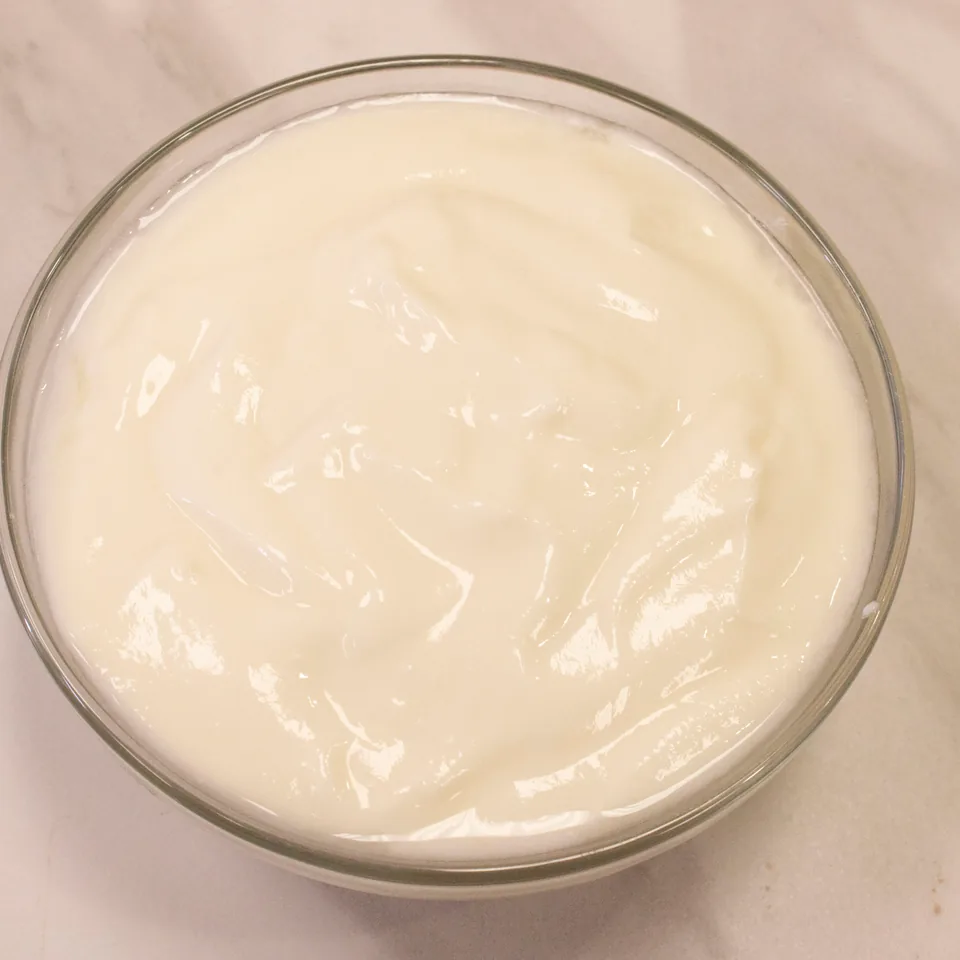
- Iogurte natural
Plain whole-milk yogurt.
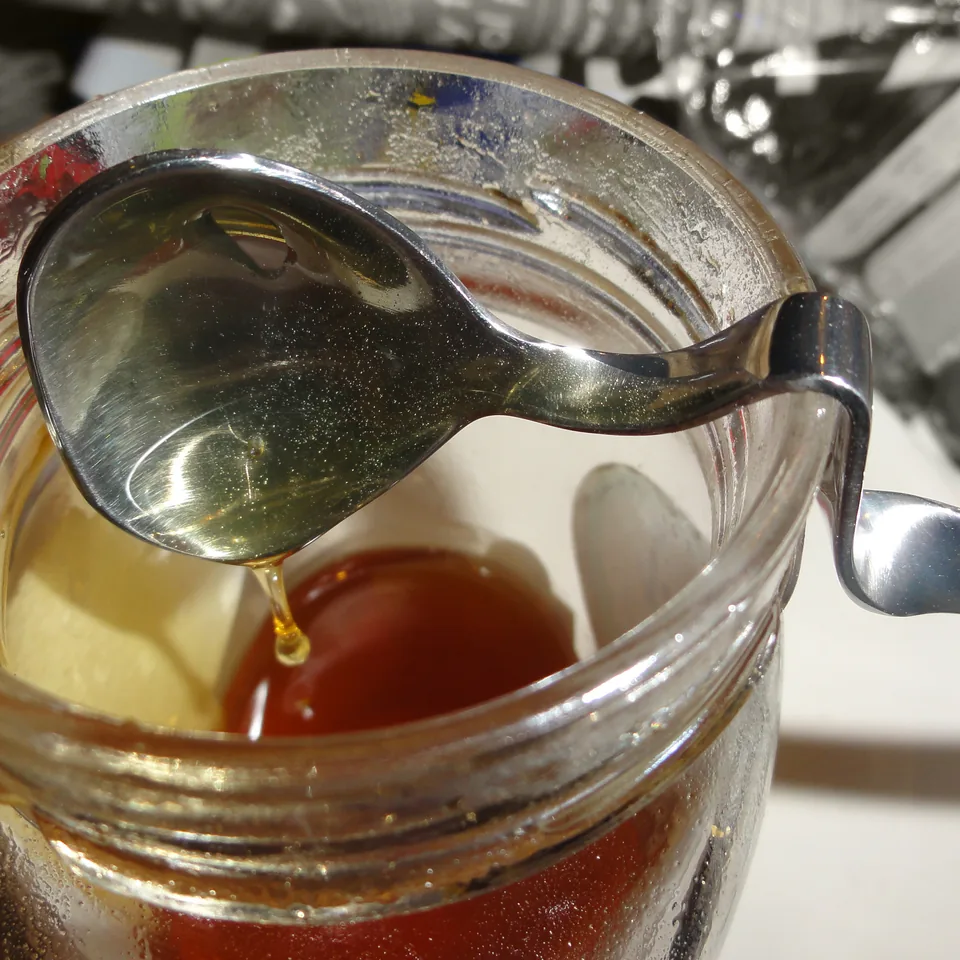
0,135 mg - Mel
Honey; floral source not specified.
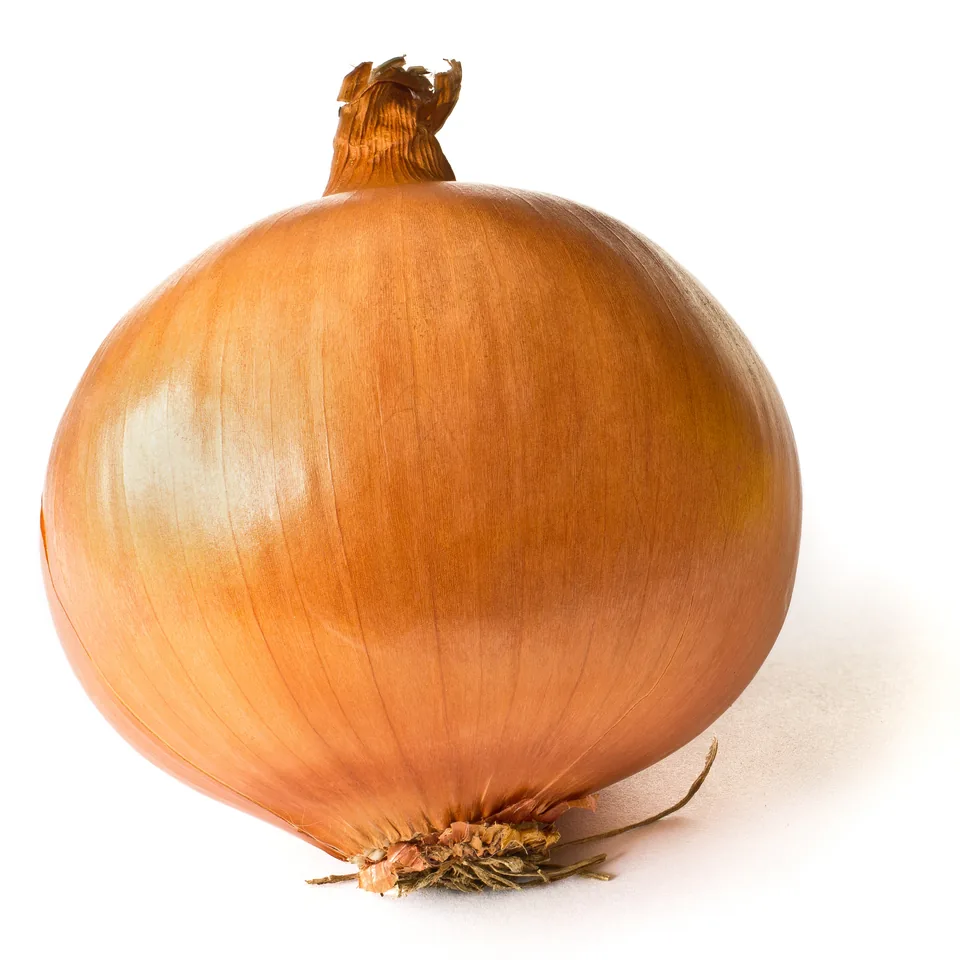
0,121 mg - Cebola
Raw onion; variety not specified.
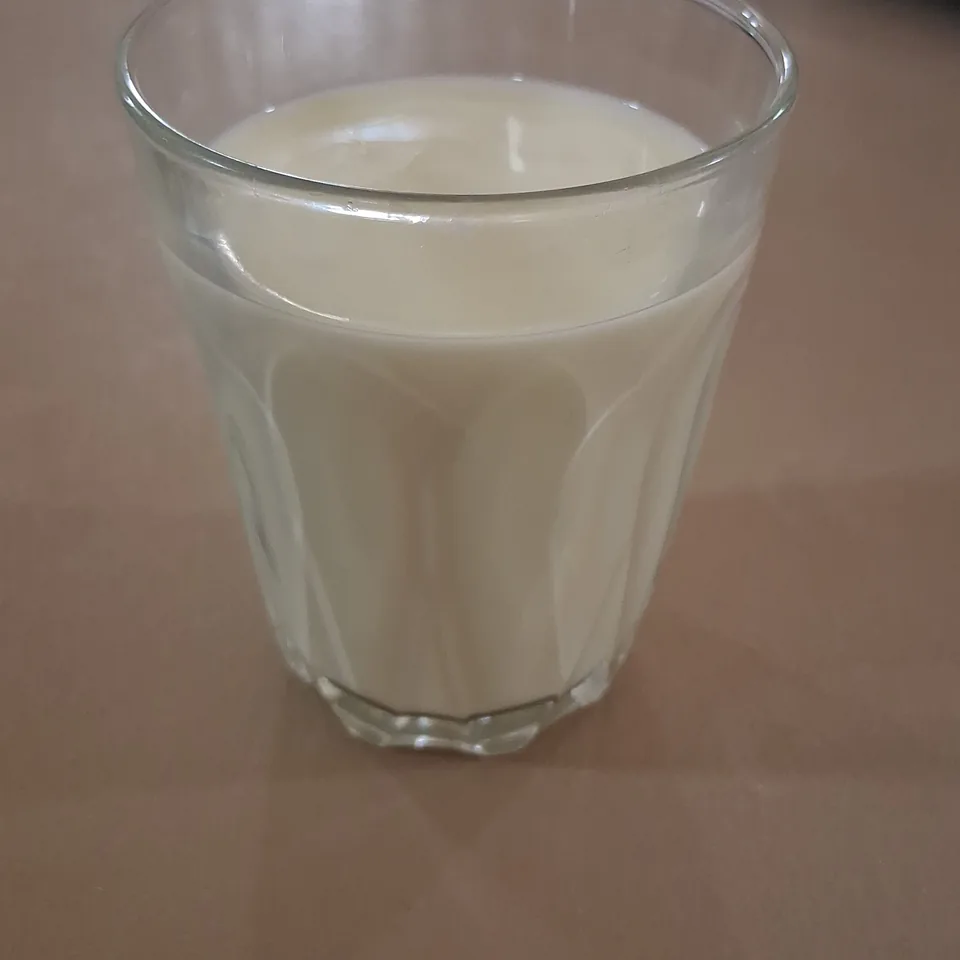
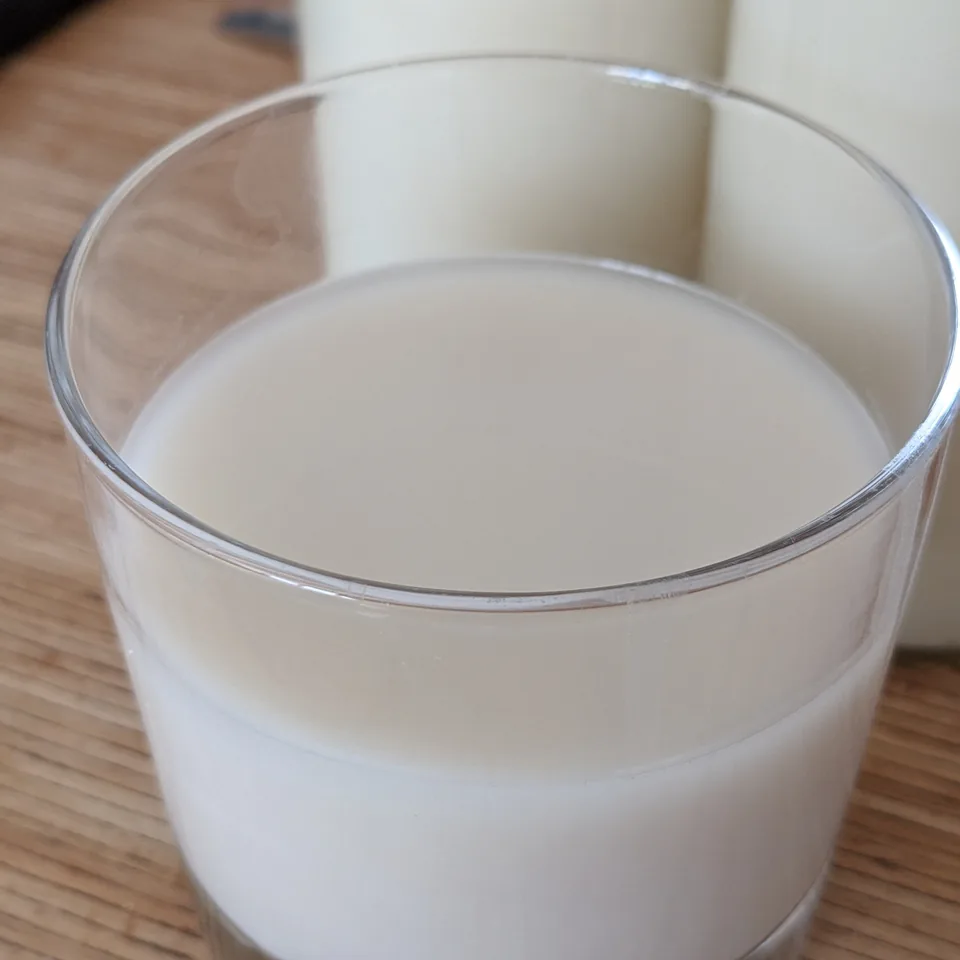
0,116 mg - Leite integral
Whole cow's milk, 3.25% milkfat, with added vitamin D.
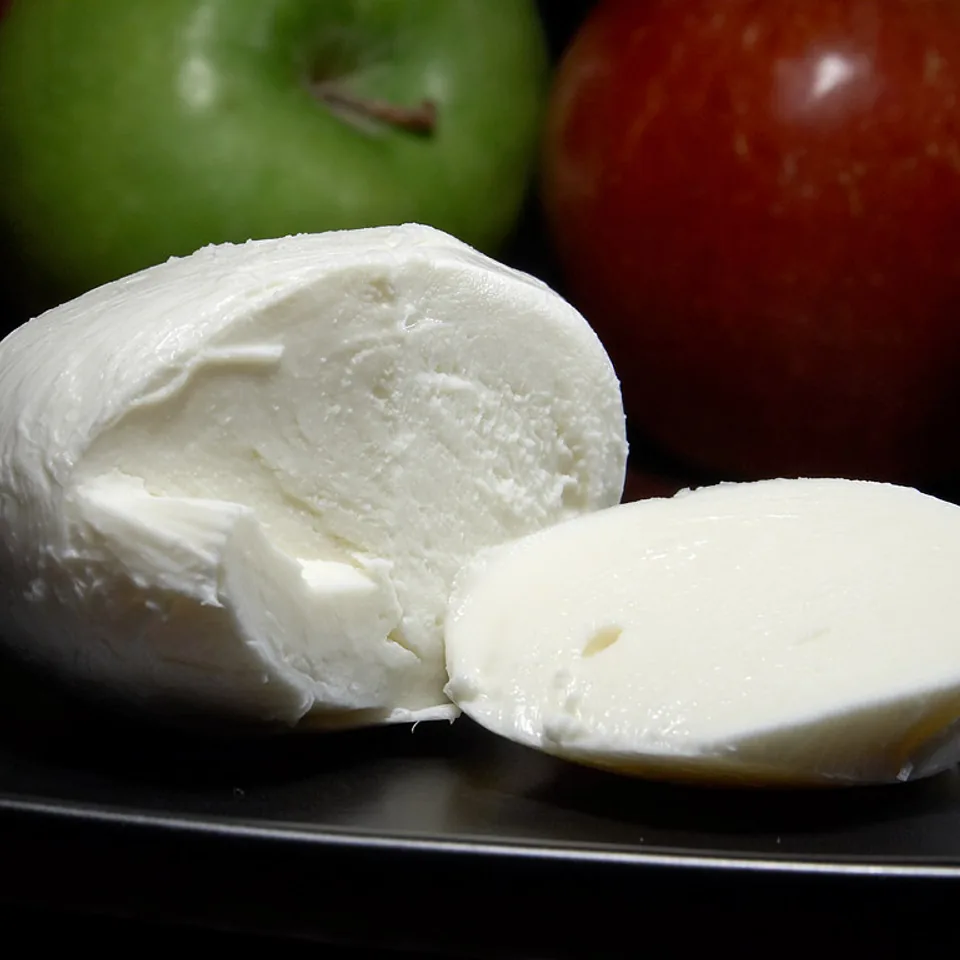
0,105 mg - Queijo mussarela
Whole-milk mozzarella cheese; not the low-moisture entry.
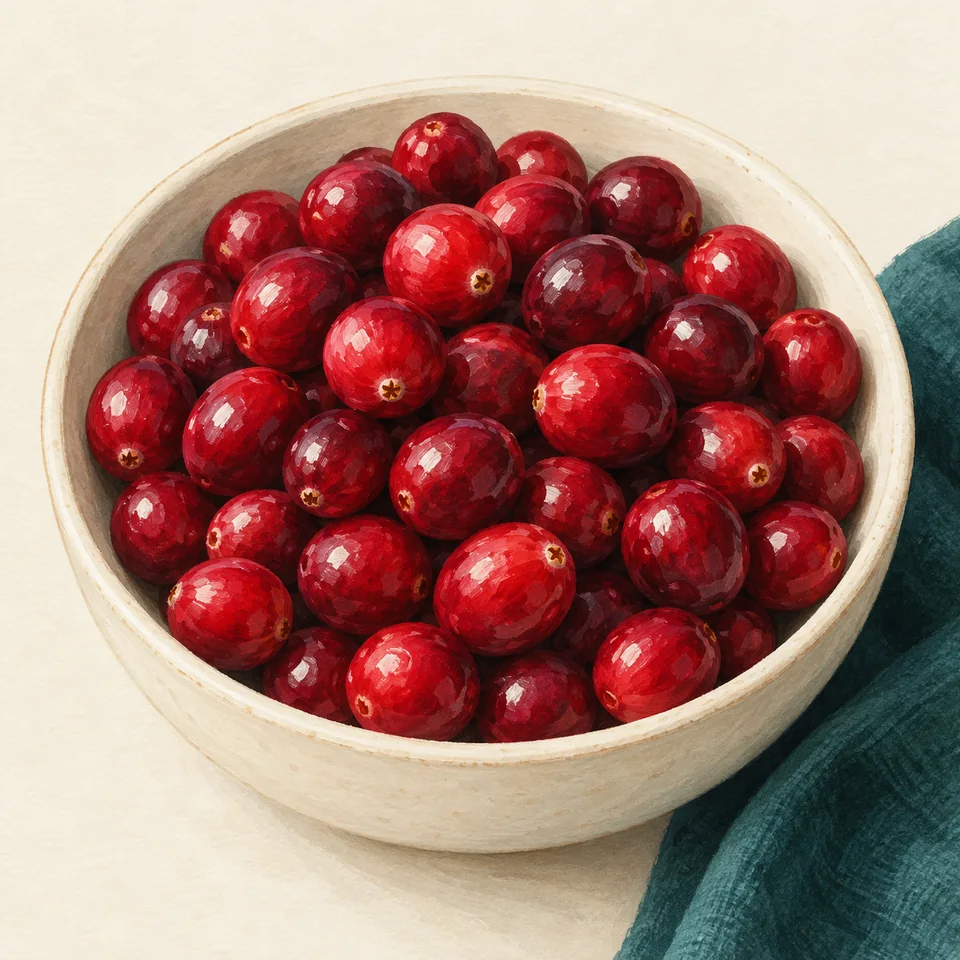
0,104 mg - Cranberries
Cranberries, raw, exactly as identified by USDA.
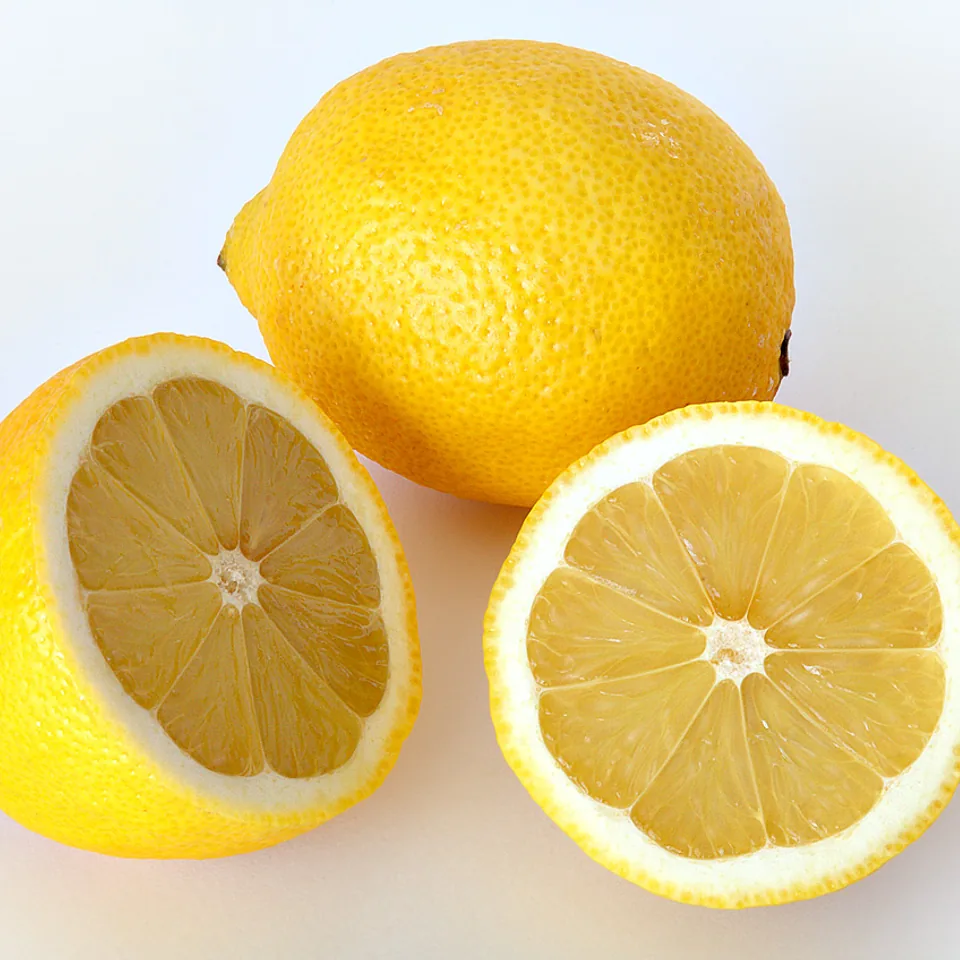
0,101 mg - Limão siciliano
Raw lemon without peel.
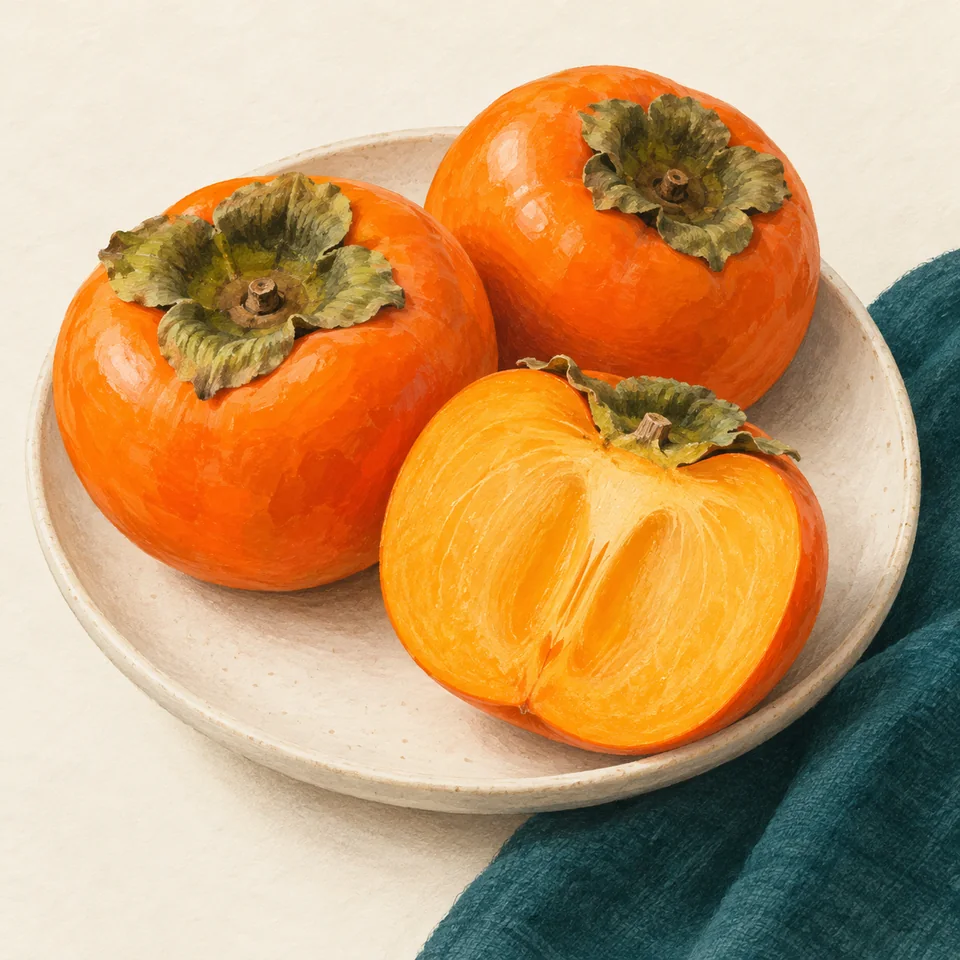
0,1 mg - Persimmon
Persimmons, japanese, raw, exactly as identified by USDA.
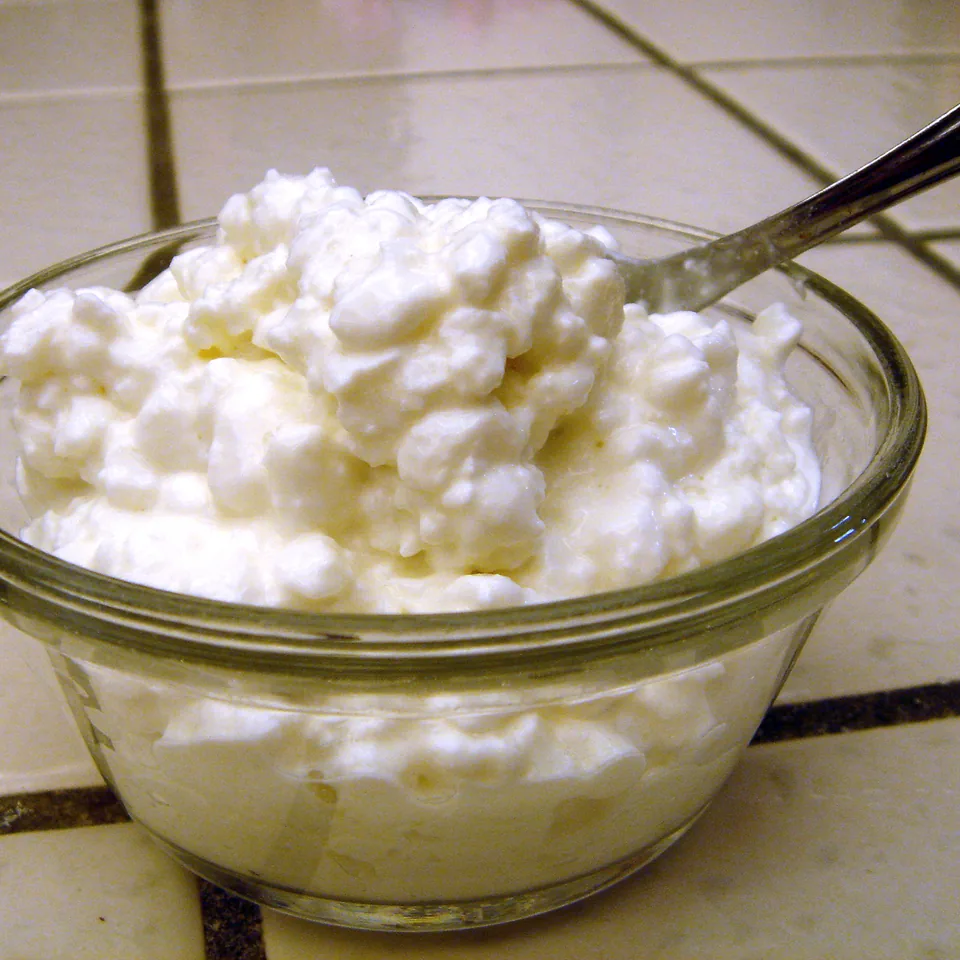
0,1 mg - Queijo cottage
Creamed cottage cheese, large or small curd.
0,099 mg - Bebida de aveia
Unsweetened plain oat beverage, refrigerated.
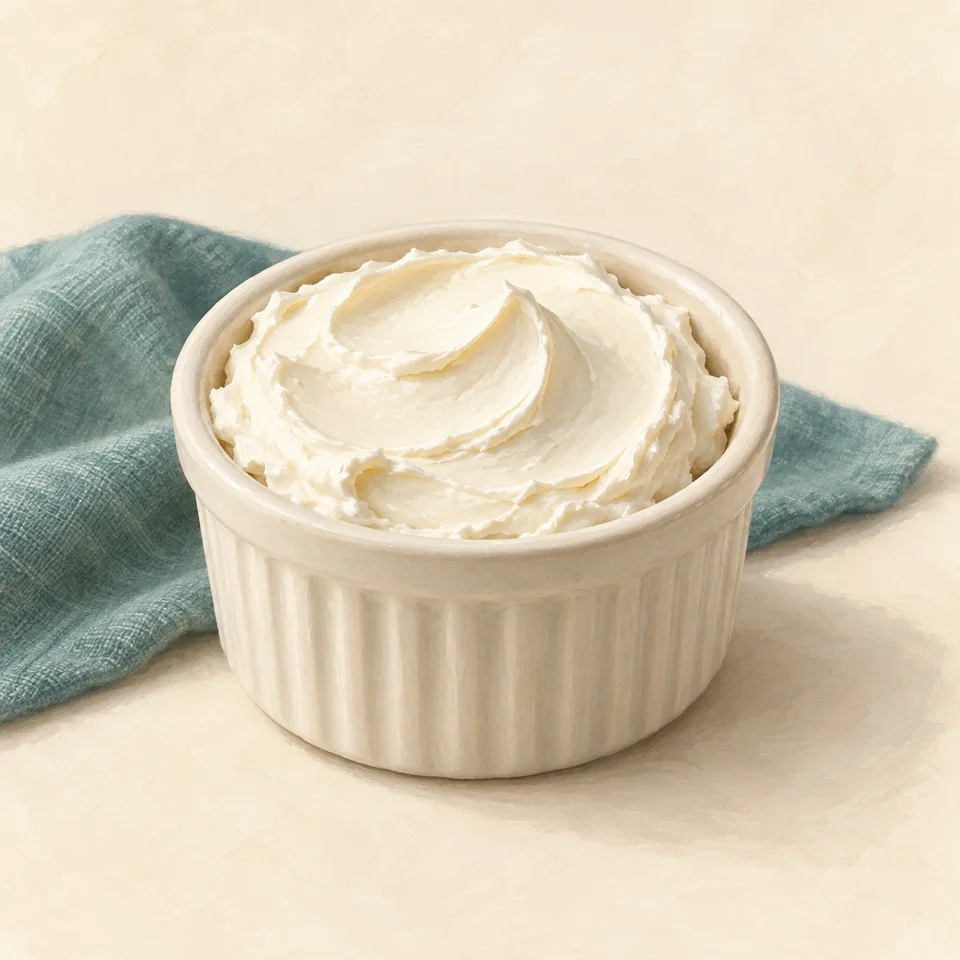
0,09625 mg - Cream cheese
Cheese, cream, exactly as identified by USDA.
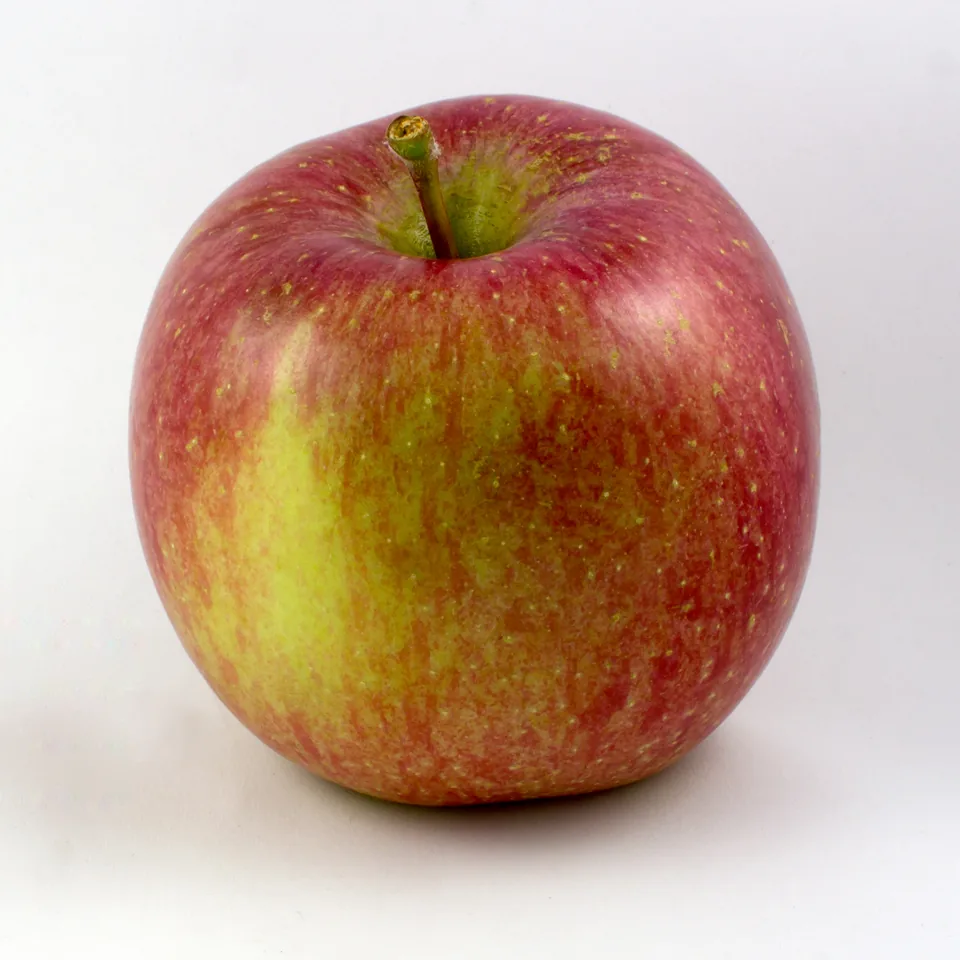
0,091 mg - Maçã Fuji
Fuji apple, with skin, raw.
0,09063 mg
All results are sorted before pagination. Bars compare amounts within this search; they do not indicate health benefits. Not reported does not mean zero.
ENTENDER OS DADOS
O nutriente, em contexto
Como ler esta classificação
Esta página compara Niacin (Niacin), em mg por 100 g de alimento.
As formas químicas e os métodos de medição permanecem separados. “Não reportado” significa que não há um valor disponível, não que o alimento contenha zero. A posição na classificação não determina as suas necessidades individuais nem diagnostica uma deficiência.
This NIH fact sheet concerns this nutrient. Its recommended amounts describe daily intake for the stated population, not a 100 g food portion. Keep food and supplement exposure separate as the source specifies.
A ficha da NIH ODS abaixo está no idioma original publicado pela fonte (inglês). A NIH não publica esta ficha em português brasileiro; não traduzimos doses nem recomendações.
NIH · OFFICE OF DIETARY SUPPLEMENTS
Niacin: Fact Sheet for Consumers
Texto original publicado pela NIH, com tabelas de ingestão por idade e sexo, precauções e o contexto de população indicado pela fonte. O Bitameans não fez uma revisão médica independente nem adapta estas recomendações à sua situação pessoal.
What is niacin and what does it do?
Niacin (also called vitamin B3) helps turn the food you eat into the energy you need. Niacin is important for the development and function of the cells in your body.
How much niacin do I need?
The amount of niacin you need depends on your age and sex. Average daily recommended amounts are listed below in milligrams (mg) of niacin equivalents (NE) (except for infants in their first 6 months).
The mg NE measure is used because your body can also make niacin from tryptophan, an amino acid in proteins. For example, when you eat turkey, which is high in tryptophan, some of this amino acid is converted to niacin in your liver. Using mg NE accounts for both the niacin you consume and the niacin your body makes from tryptophan. Infants in their first 6 months do not make much niacin from tryptophan.
Fontes de identidade e estrutura
- PubChem Compound 938: Nicotinic Acid · Consultado 2026-09-13
- USDA FoodData Central: Foundation Foods Documentation · Consultado 2026-09-13