EXPLORE UM NUTRIENTE
Sódio
Veja como as quantidades variam entre alimentos, na mesma base de comparação.
Entenda este nutriente ↓O que é?
The element Na is reported in mg; its amount does not identify a particular compound. [1] [2]
Referência de identidade; não representa a aparência do alimento.
Descrição, fonte e atribuição
Element Na, atomic number 11. The graphic does not assign an oxidation state or compound to the food measurement.
Original Bitameans element graphic; symbol and atomic number from PubChem. Fonte · Condições de uso
Verificação da fonte:
A COMMON BASIS
Alimentos, por 100 g
183 foods with data 23 not reported, excluded from ranking
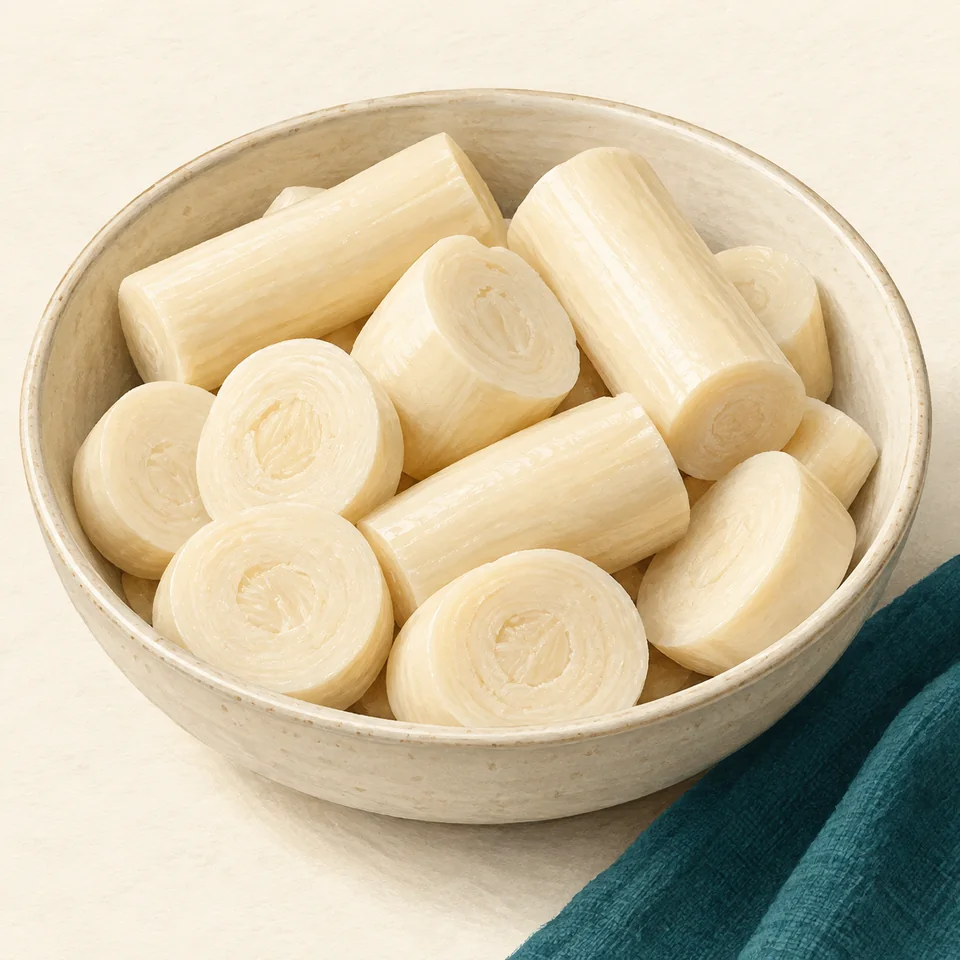
- Hearts of palm
Hearts of palm, canned, exactly as identified by USDA.
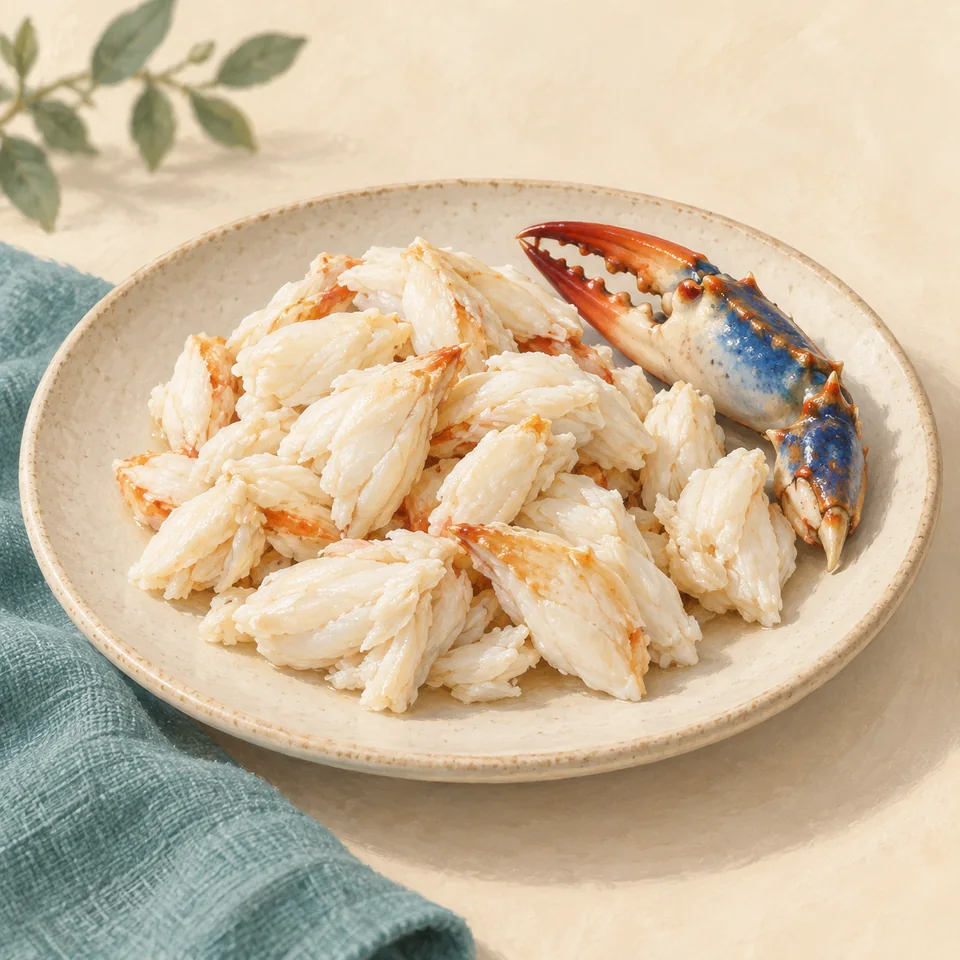
426 mg - Blue crab
Crustaceans, crab, blue, cooked, moist heat, exactly as identified by USDA.
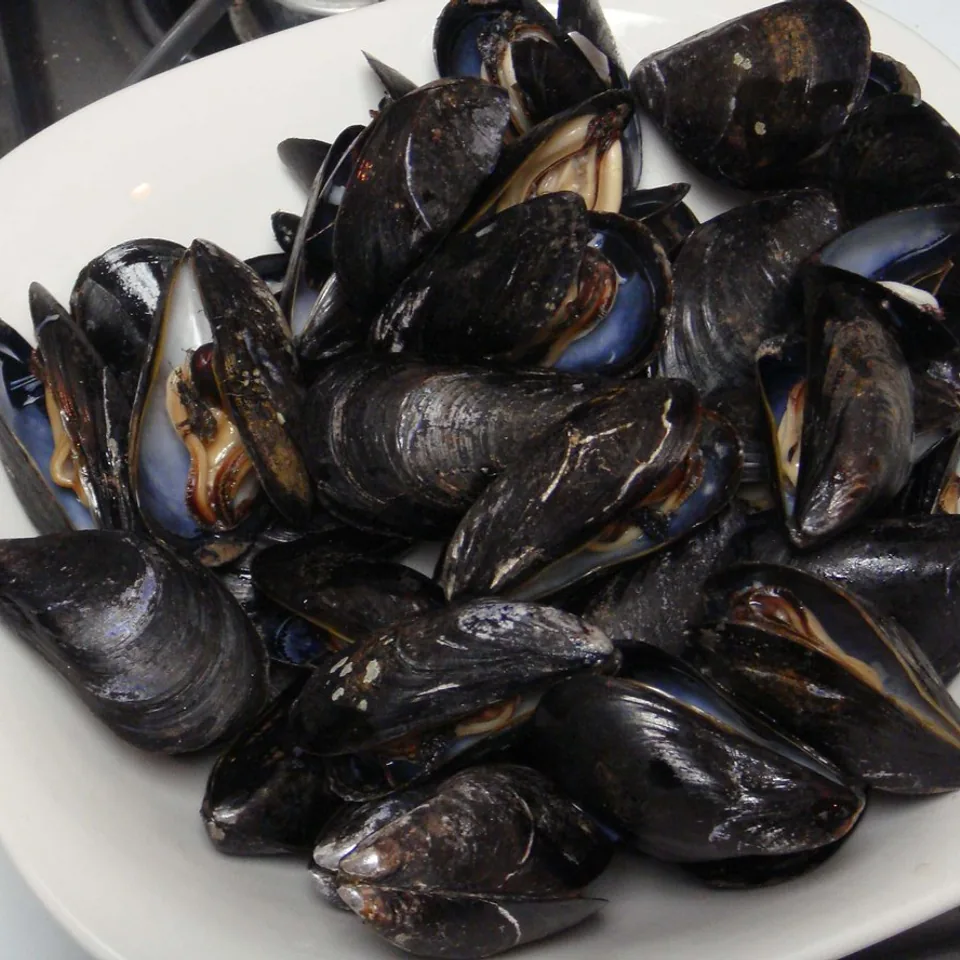
395 mg - Mexilhões azuis
Blue mussels, cooked with moist heat.
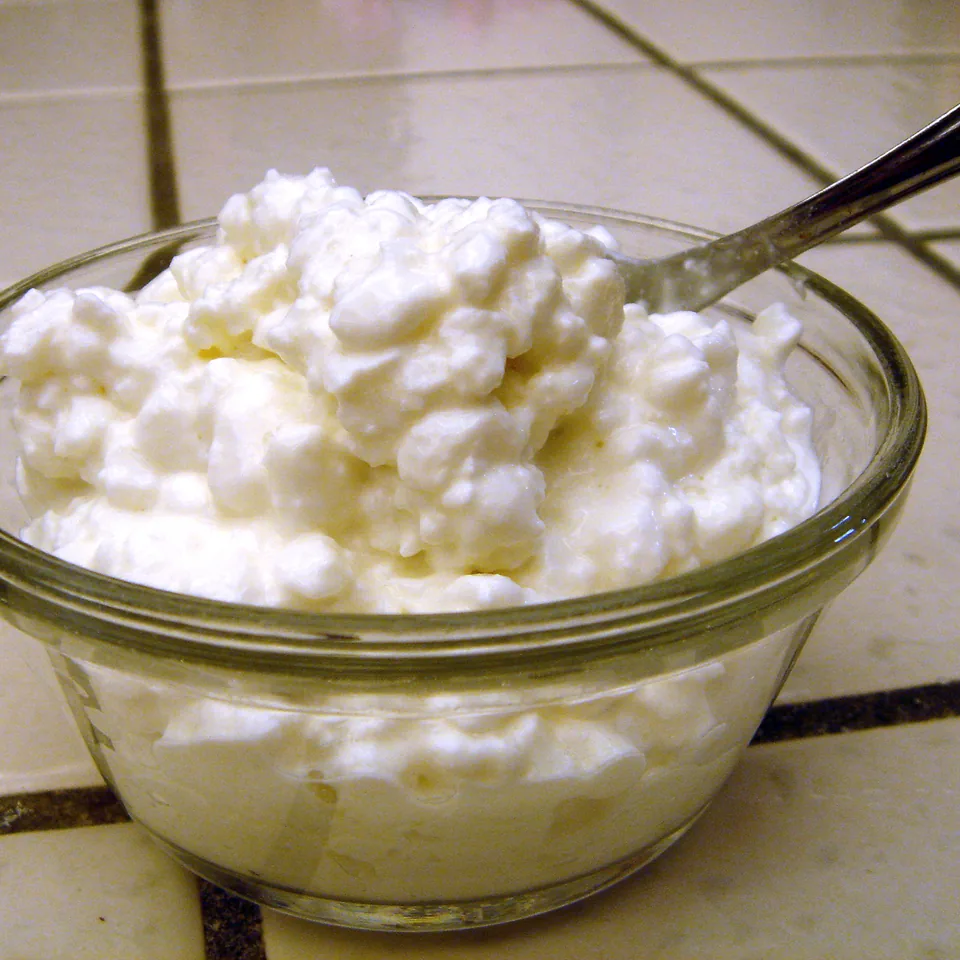
369 mg - Queijo cottage
Creamed cottage cheese, large or small curd.
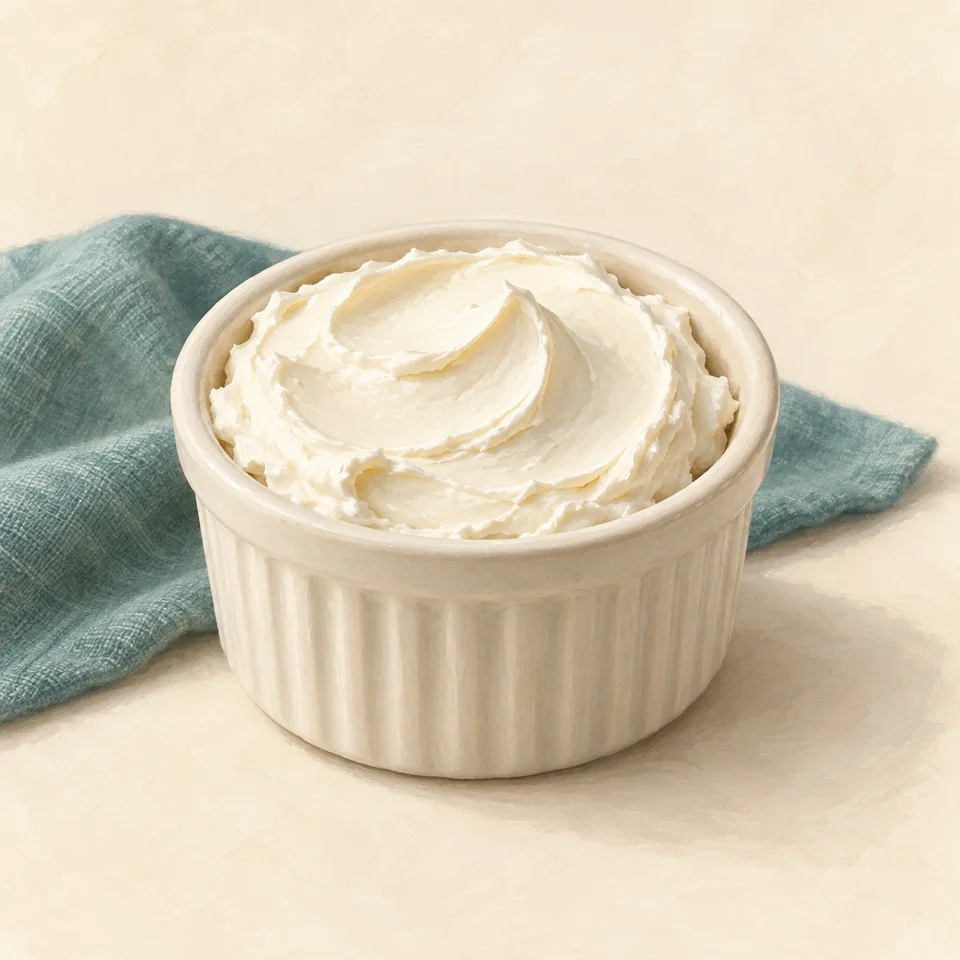
315 mg - Cream cheese
Cheese, cream, exactly as identified by USDA.
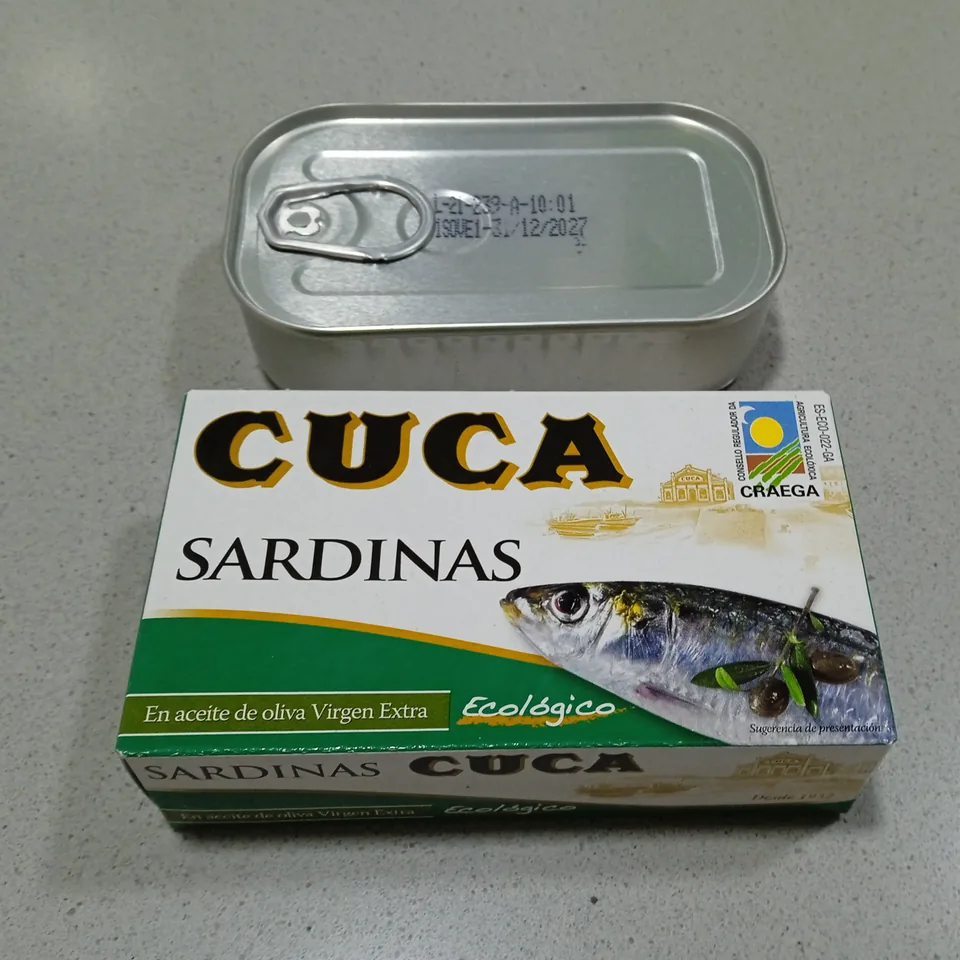
314 mg - Sardinhas em lata
Atlantic sardines canned in oil, drained solids with bone.
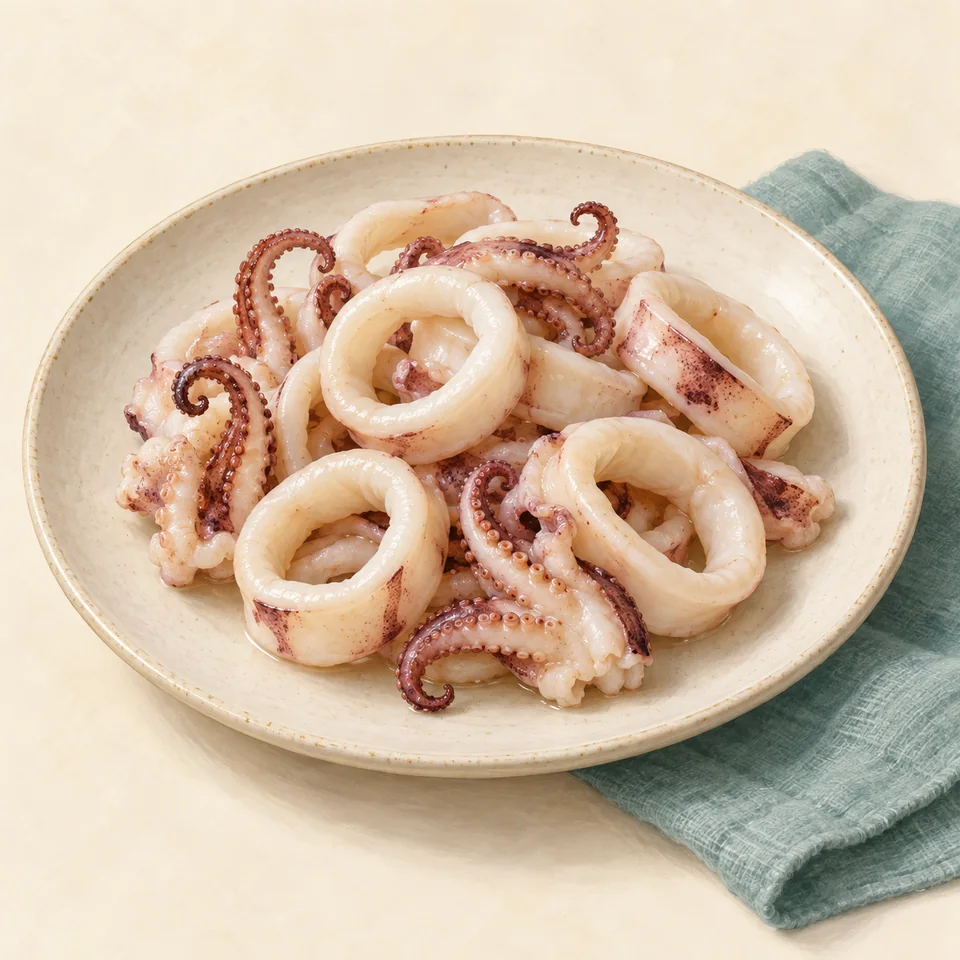
307 mg - Squid
Mollusks, squid, mixed species, cooked, fried, exactly as identified by USDA.
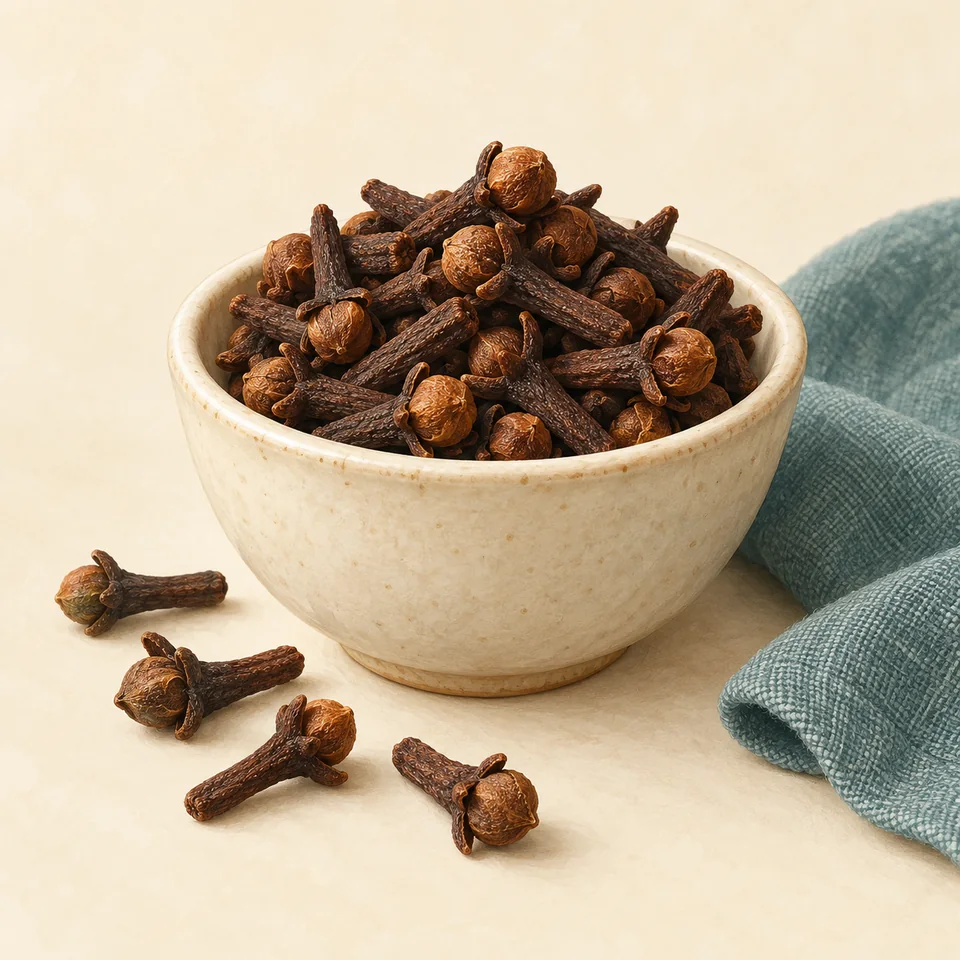
306 mg - Cloves
Spices, cloves, ground, exactly as identified by USDA.
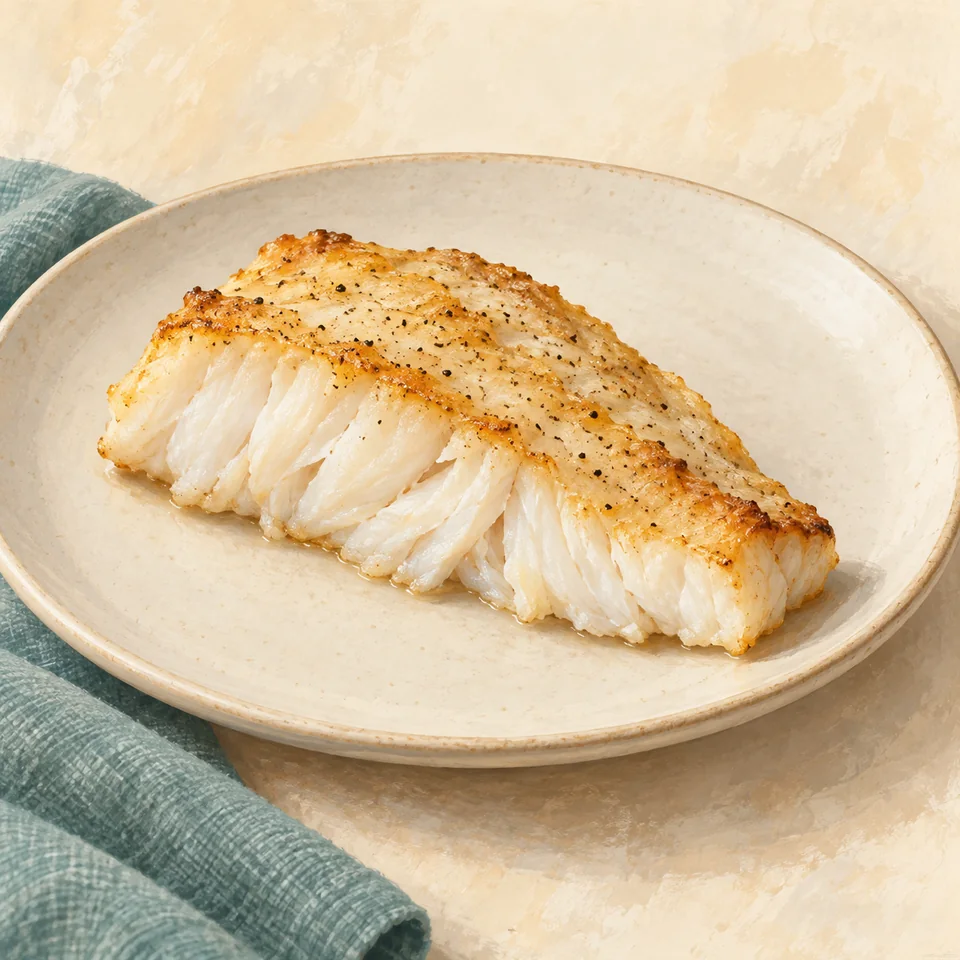
277 mg - Haddock
Fish, haddock, cooked, dry heat, exactly as identified by USDA.
261 mg - Atum claro em lata
Light tuna canned in water, drained solids; not specified as no-salt-added.
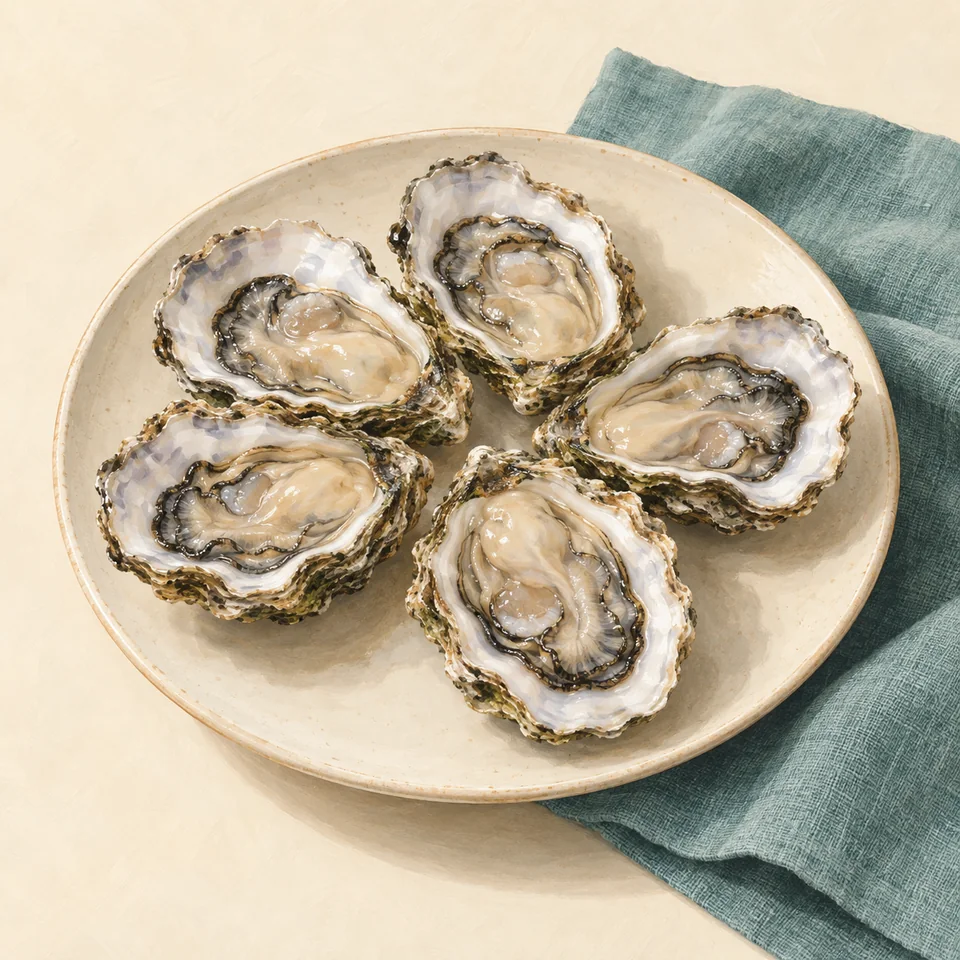
219 mg - Oysters
Mollusks, oyster, Pacific, cooked, moist heat, exactly as identified by USDA.
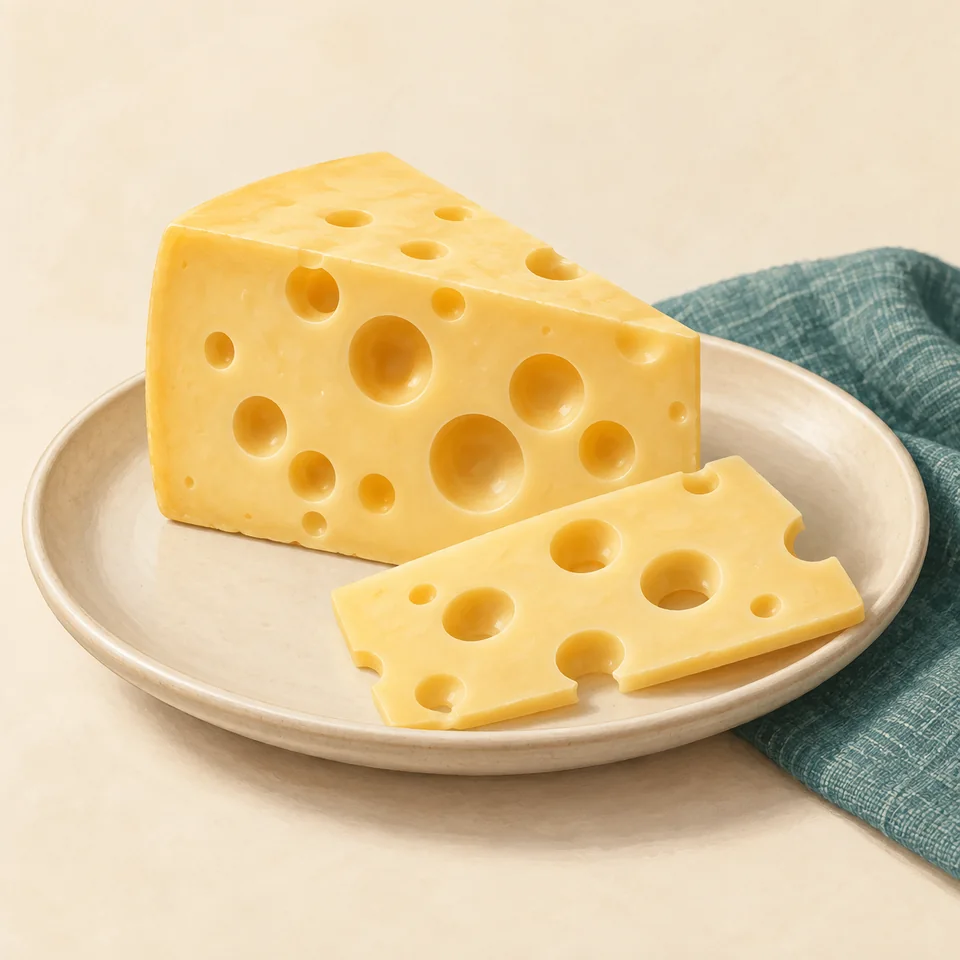
212 mg - Swiss cheese
Cheese, swiss, exactly as identified by USDA.
185 mg
All results are sorted before pagination. Bars compare amounts within this search; they do not indicate health benefits. Not reported does not mean zero.
UNDERSTAND THE DATA
What it means for your diet
The ranking measures sodium, not the weight of table salt or a blood sodium concentration. These sources discuss dietary sodium and fluid balance; the source population and clinical context matter. A high food ranking is not a reason to increase salt for low blood pressure.
Ranking amounts describe foods, not supplement doses. A high rank does not mean you should consume more. Source recommendations and cautions retain their original population and scope.
Os textos da fonte abaixo estão em inglês. Não traduzimos automaticamente recomendações ou doses.
Sodium [1]
Source: MedlinePlus, National Library of Medicine. Original health-topic summary, reproduced with attribution.
Table salt is a combination of two minerals - sodium and chloride Your body needs some sodium to work properly. It helps with the function of nerves and muscles. It also helps to keep the right balance of fluids in your body. Your kidneys control how much sodium is in your body. If you have too much and your kidneys can't get rid it, sodium builds up in your blood. This can lead to high blood pressure. High blood pressure can lead to other health problems.
Most people in the U.S. get more sodium in their diets than they need. A key to healthy eating is choosing foods low in sodium. The Dietary Guidelines recommend that most adults eat less than 2.3 grams per day. That equals about 1 teaspoon of table salt a day. Some people are more sensitive to the effects of salt than others and should eat less. This includes people who have high blood pressure, diabetes, or kidney problems, or are African American or over age 50. Reading food labels can help you see how much sodium is in prepared foods.
NIH: National Heart, Lung, and Blood Institute
·
Fontes de identidade e estrutura
- PubChem Periodic Table of Elements · Consultado 2026-09-13
- USDA FoodData Central: Foundation Foods Documentation · Consultado 2026-09-13