EXPLORE UM NUTRIENTE
Calorias
Veja como as quantidades variam entre alimentos, na mesma base de comparação.
Entenda este nutriente ↓O que é?
Food energy reported in kcal; energy is a quantity, not a molecule. [1]

Representação conceitual; não é uma estrutura molecular.
Descrição, fonte e atribuição
A conceptual grouping, not a molecular structure. This reporting category contains multiple components or represents a calculated quantity.
Original Bitameans conceptual/fallback artwork; not a chemical structure. Fonte · Condições de uso
Verificação da fonte:
A COMMON BASIS
Alimentos, por 100 g
175 foods with data 31 not reported, excluded from ranking
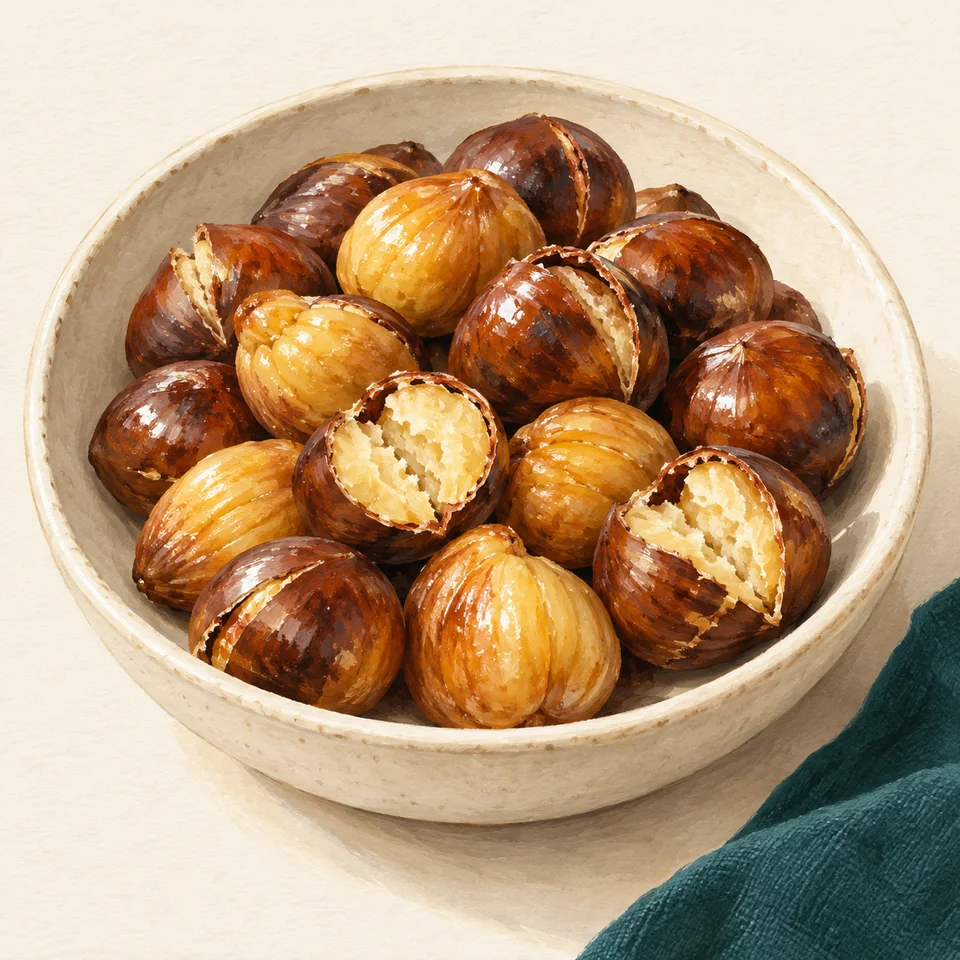
- Chestnuts
Nuts, chestnuts, european, roasted, exactly as identified by USDA.
245 kcal - Tamarindo
Raw tamarind, edible pulp.
239 kcal - Goose
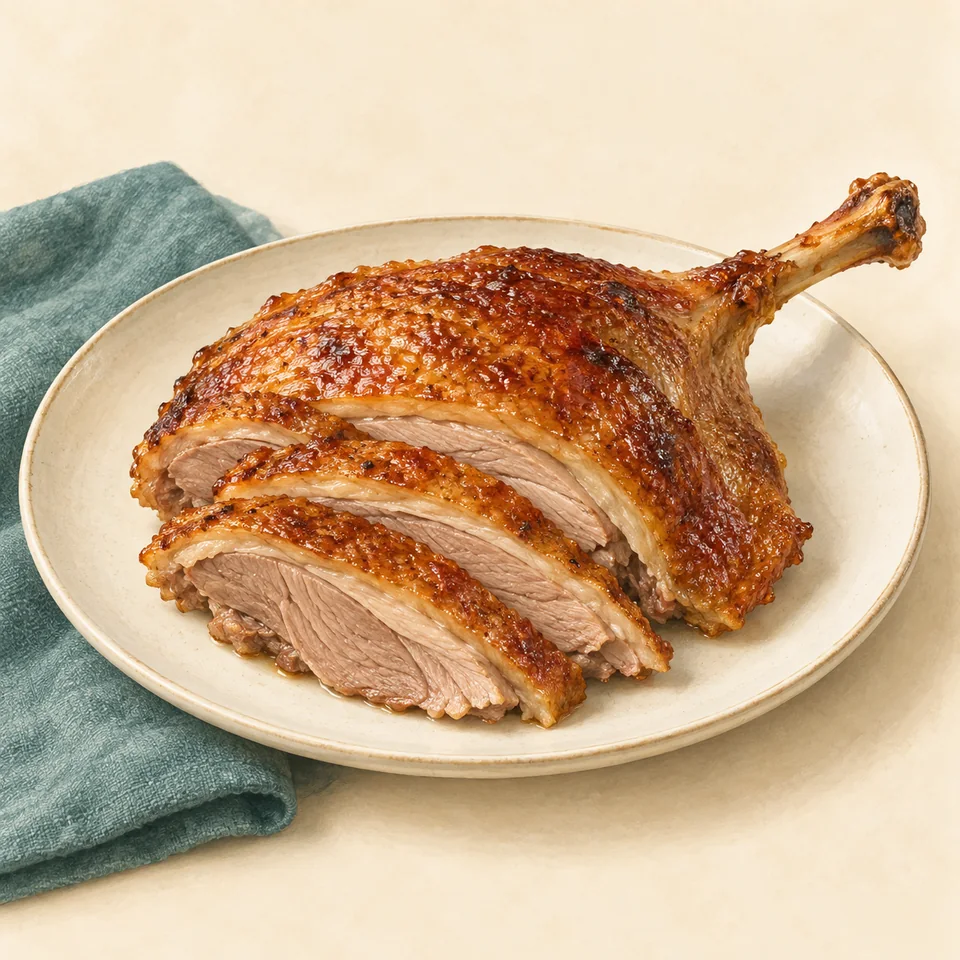
Goose, domesticated, meat only, cooked, roasted, exactly as identified by USDA.
238 kcal - Coconut milk
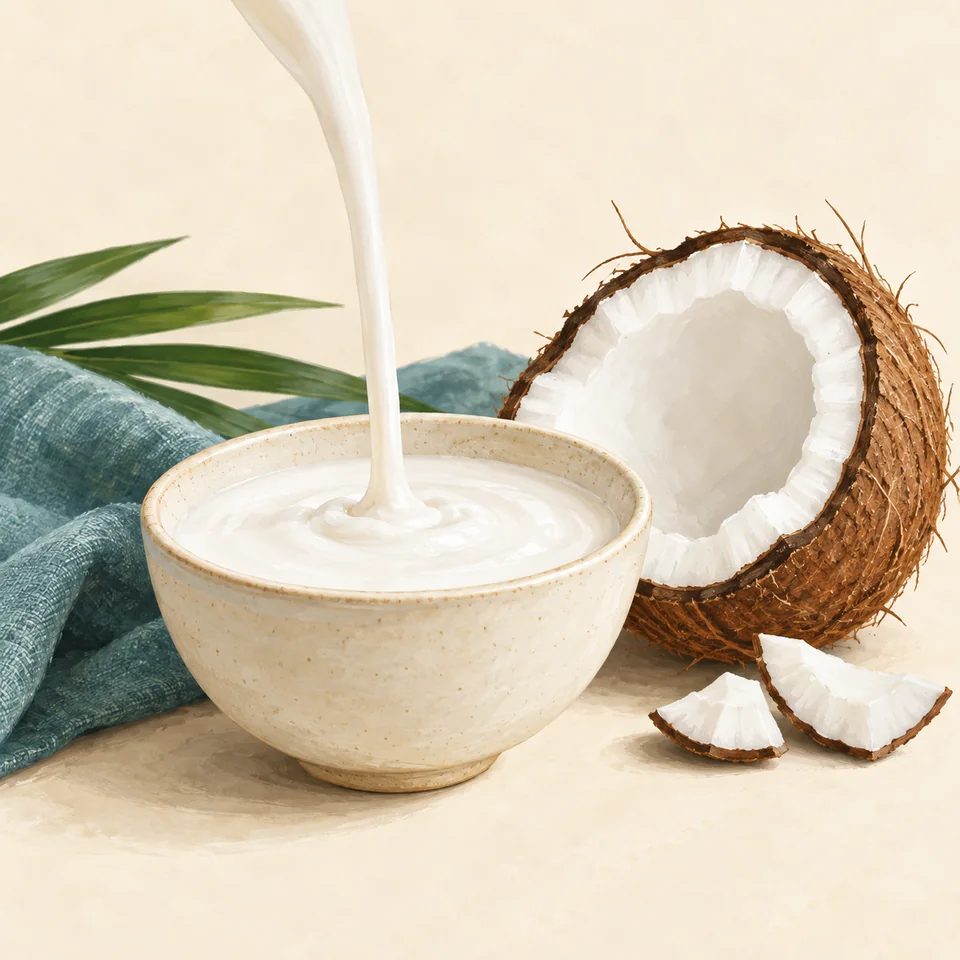
Nuts, coconut milk, raw (liquid expressed from grated meat and water), exactly as identified by USDA.
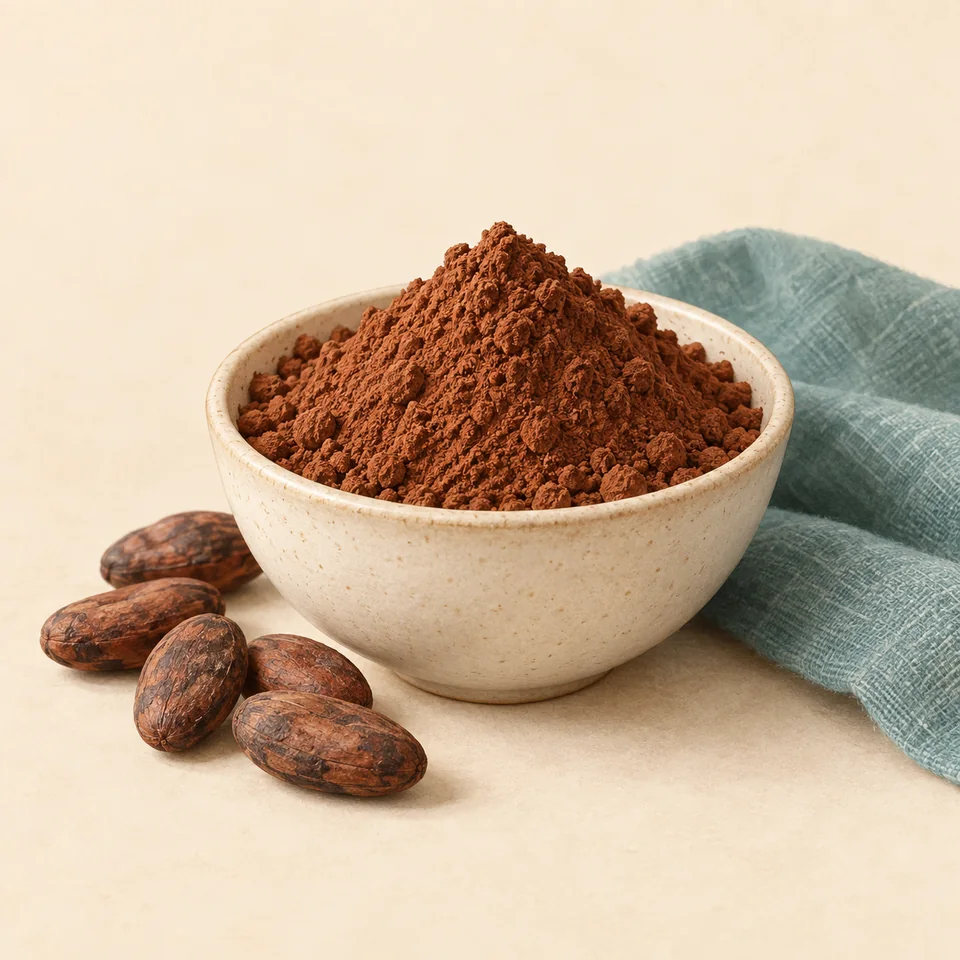
230 kcal - Unsweetened cocoa powder
Cocoa, dry powder, unsweetened, exactly as identified by USDA.
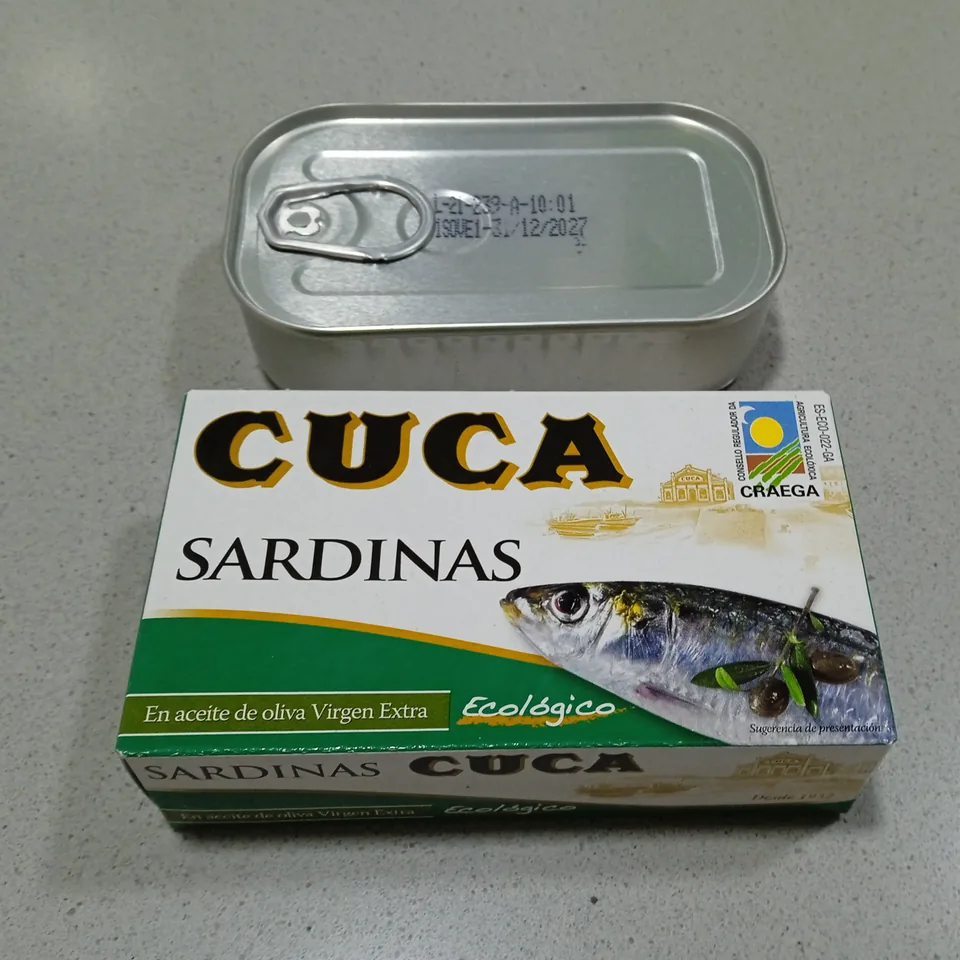
228 kcal - Sardinhas em lata
Atlantic sardines canned in oil, drained solids with bone.
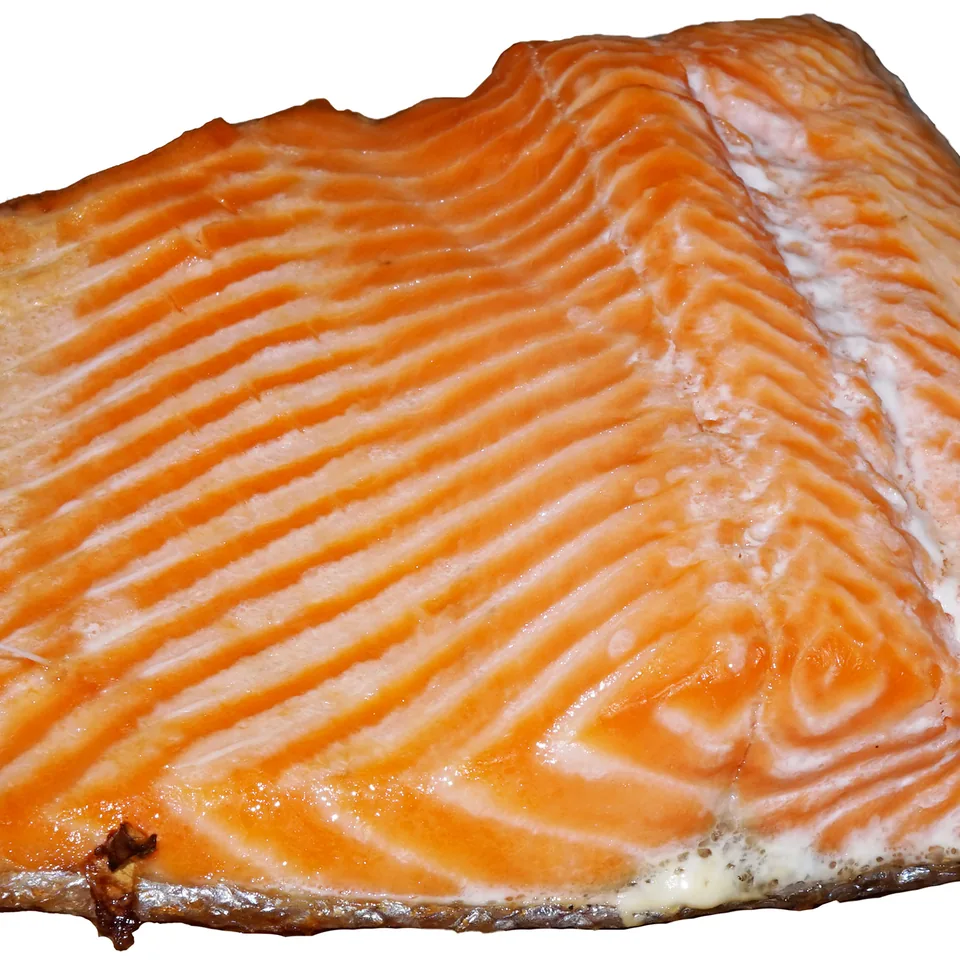
208 kcal - Salmão do Atlântico
Farmed Atlantic salmon, cooked with dry heat.
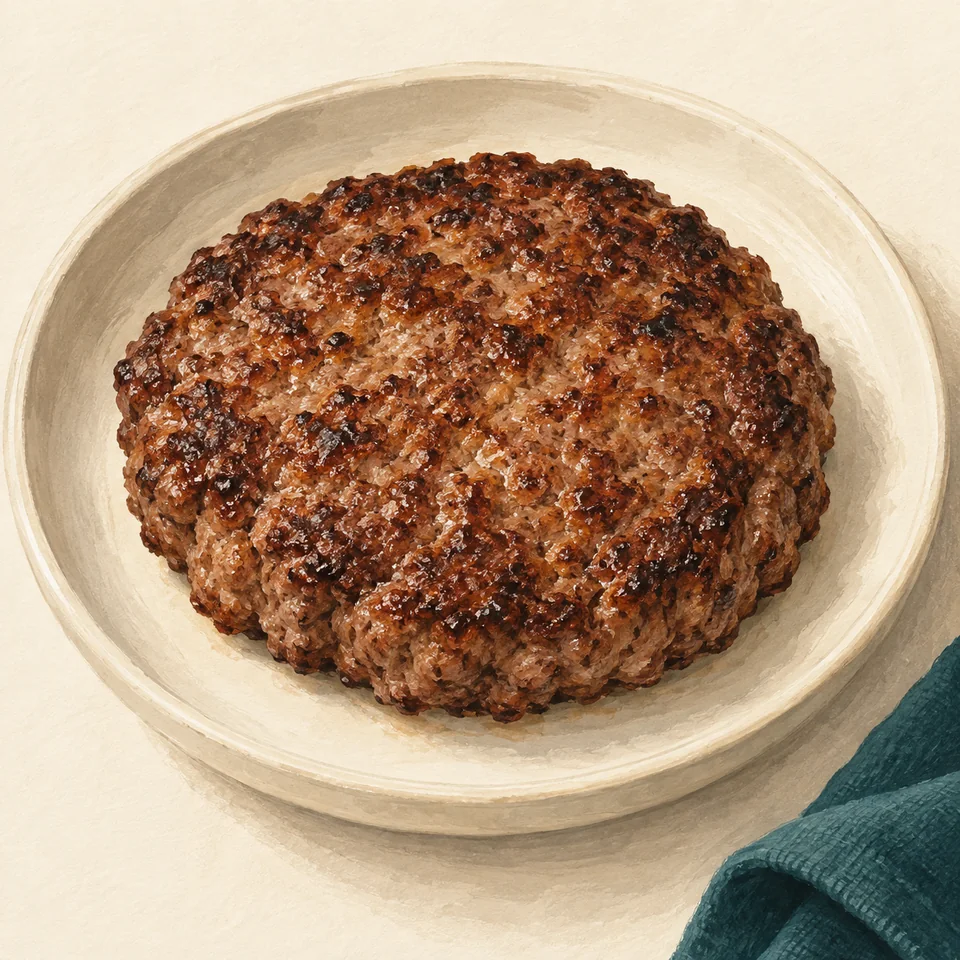
206 kcal - Carne moída bovina 90% magra
Ground beef, 90% lean / 10% fat, cooked as a pan-broiled patty.
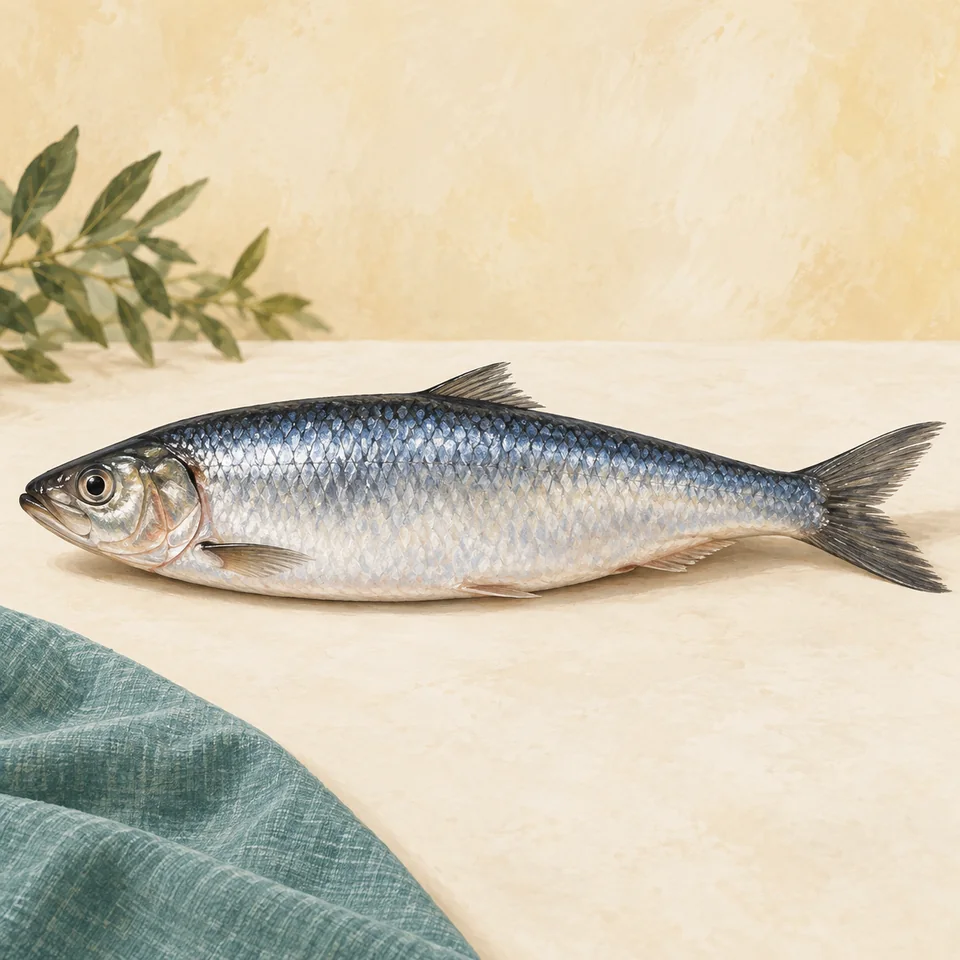
204 kcal - Atlantic herring
Fish, herring, Atlantic, cooked, dry heat, exactly as identified by USDA.
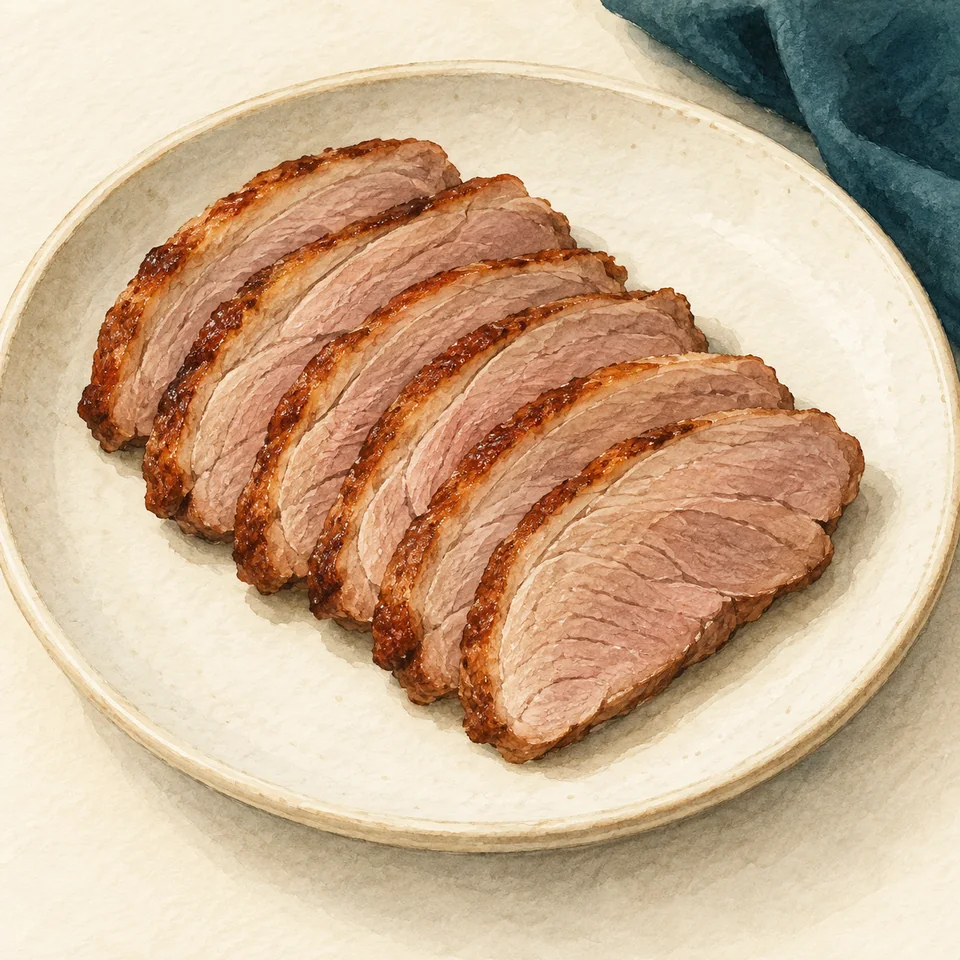
203 kcal - Carne de pato
Domesticated duck, roasted, meat only, without skin.
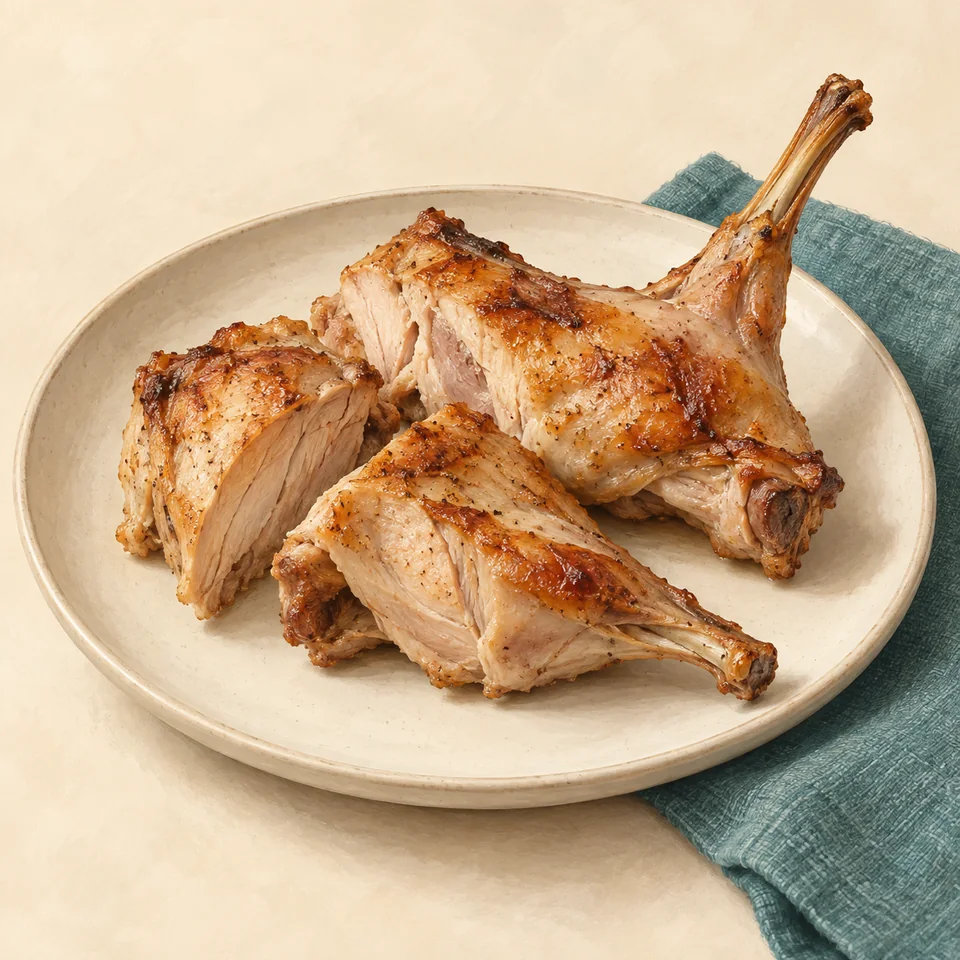
201 kcal - Rabbit
Game meat, rabbit, domesticated, composite of cuts, cooked, roasted, exactly as identified by USDA.
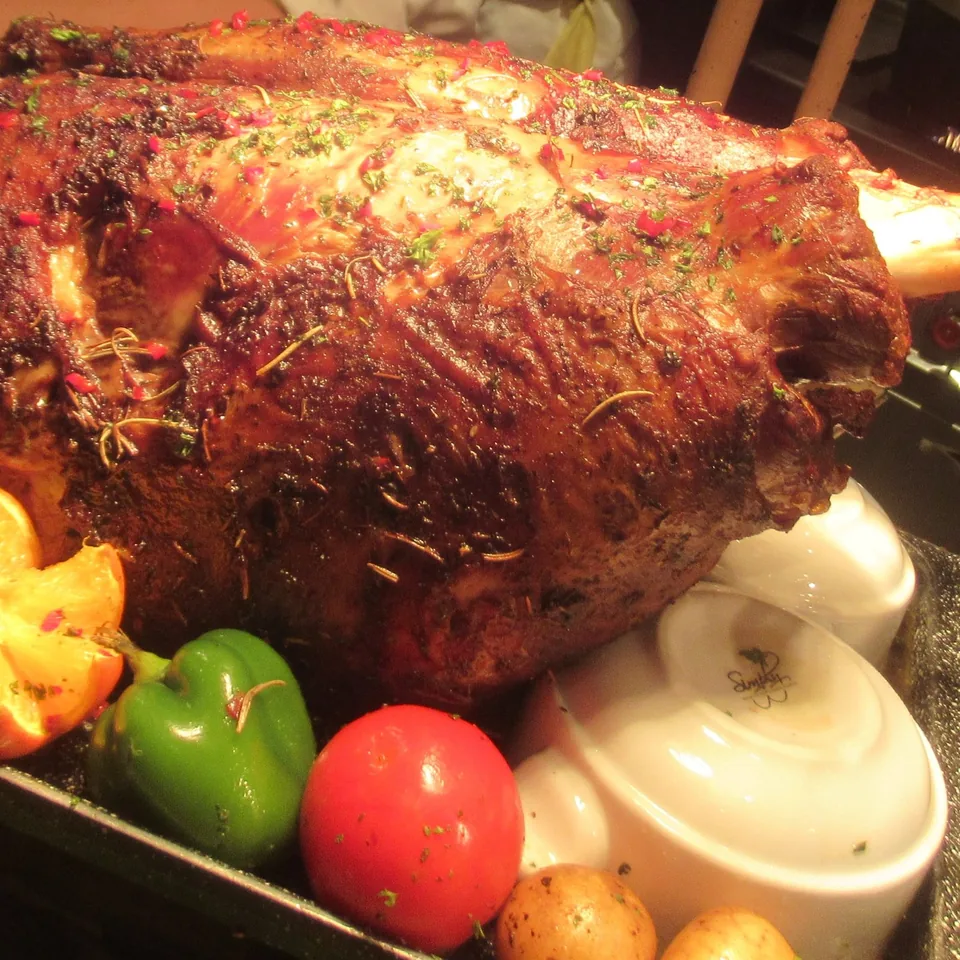
197 kcal - Pernil de cordeiro
Roasted lamb whole leg, shank and sirloin, separable lean only, choice, trimmed to 1/4 inch fat.
191 kcal
All results are sorted before pagination. Bars compare amounts within this search; they do not indicate health benefits. Not reported does not mean zero.
UNDERSTAND THE DATA
What it means for your diet
The exact USDA entry here is Energy. The source below gives general nutrition context only; it does not establish a deficiency syndrome, benefit, supplement dose or safe upper limit for this individual measurement. Energy methods, organic acids and other analytical components must not be treated as interchangeable nutrients.
Ranking amounts describe foods, not supplement doses. A high rank does not mean you should consume more. Source recommendations and cautions retain their original population and scope.
Os textos da fonte abaixo estão em inglês. Não traduzimos automaticamente recomendações ou doses.
Nutrition [1]
Source: MedlinePlus, National Library of Medicine. Original health-topic summary, reproduced with attribution.
Good nutrition is important in keeping people healthy throughout their lives - when they are babies, toddlers, children, adults, and then older adults. It can help people live longer and lower their risk of health problems like heart disease, type 2 diabetes, obesity, and more.
Good nutrition is about healthy eating. This means regularly choosing healthy foods and beverages. A healthy eating plan should give your body the energy and nutrients that you need every day. Nutrients include proteins, carbohydrates, , , , and . The plan should also take into account your preferences, cultural traditions, and budget.
Fontes de identidade e estrutura
- USDA FoodData Central: Foundation Foods Documentation · Consultado 2026-09-13