EXPLORE A NUTRIENT
PUFA 18:3 n-3 c,c,c (ALA)
Discover how amounts vary across foods, on a shared basis for comparison.
Understand this nutrient ↓What is it?
Fatty-acid notation 18:3 specifies 18 carbons and 3 double bonds. Listed forms remain separate. [1] [2]
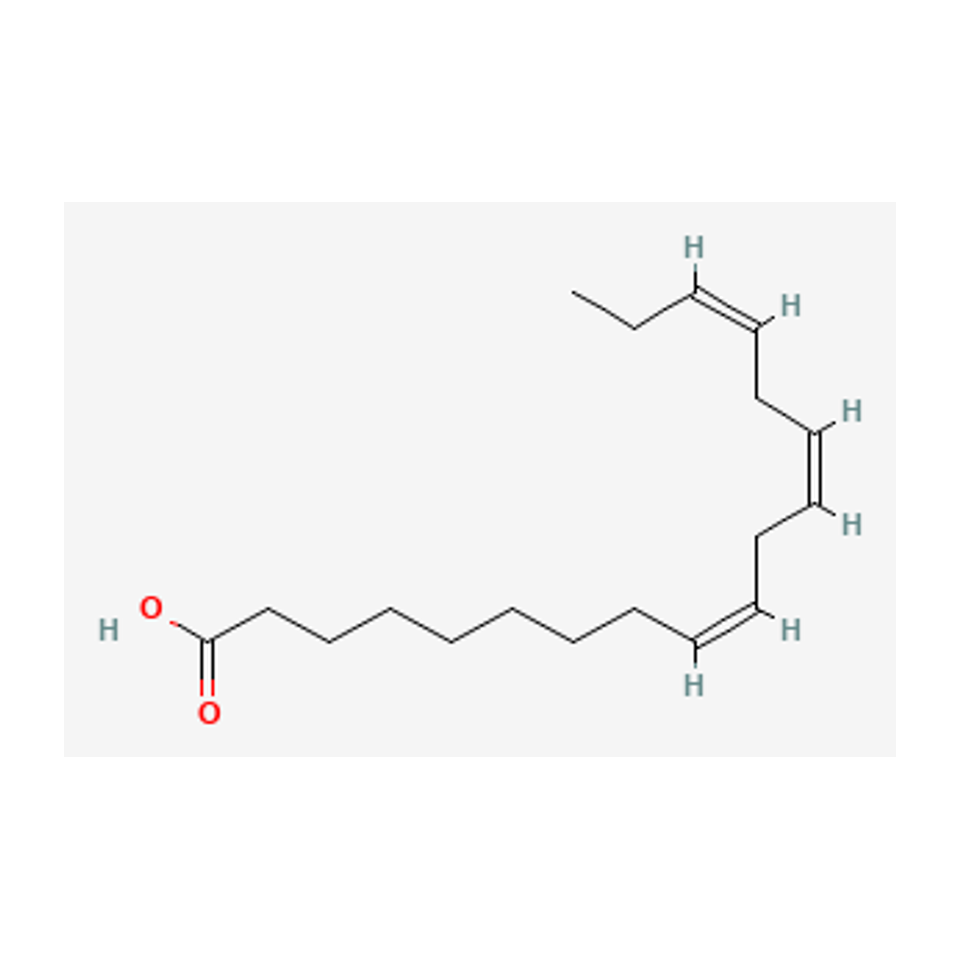
This reference form does not represent every form included in the USDA quantity.
Description, source and attribution
Reference depiction: alpha-linolenic acid. Formula C18H30O2; PubChem CID 5280934; charge 0. This specified form does not represent every form or molecule included in the USDA quantity. The free-acid reference does not imply that food fatty acids are unesterified.
PubChem Compound 5280934, 2D Structure. NCBI / National Library of Medicine. Source · Reuse terms
Source check:
A COMMON BASIS
Foods, per 100 g
31 foods with data 175 not reported, excluded from ranking
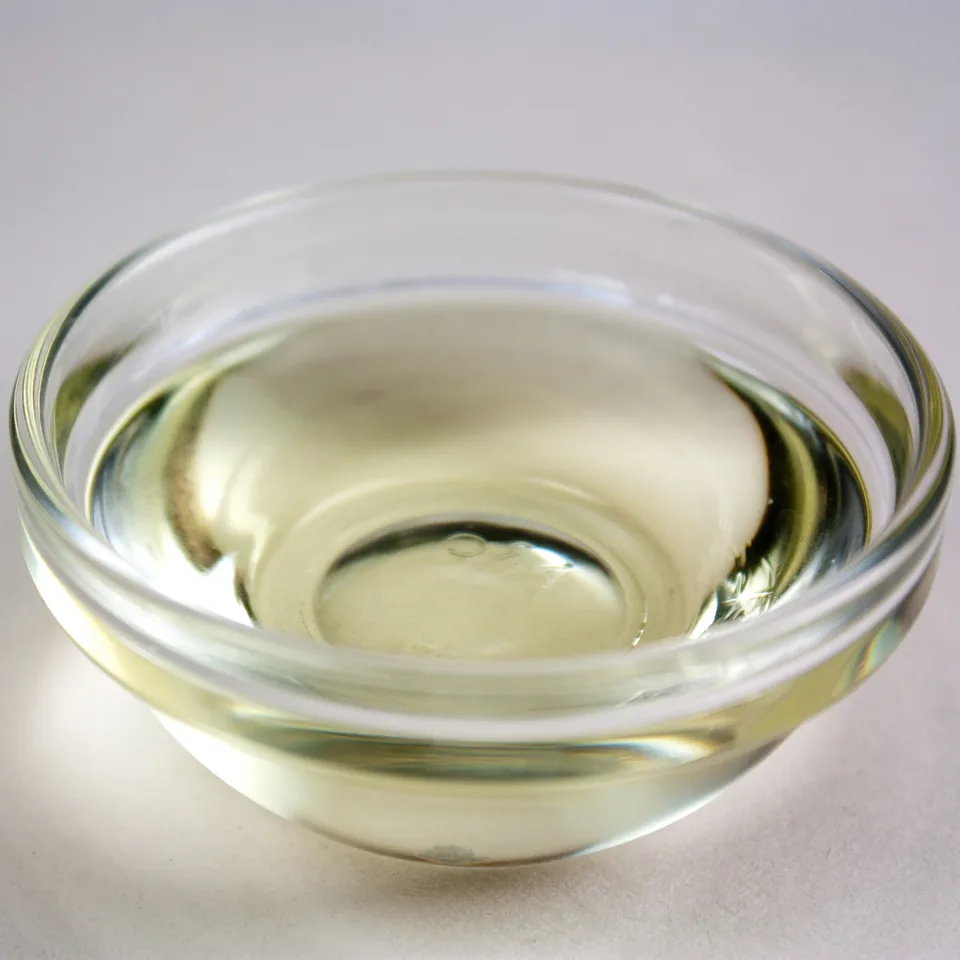
- Canola oil
Canola oil.
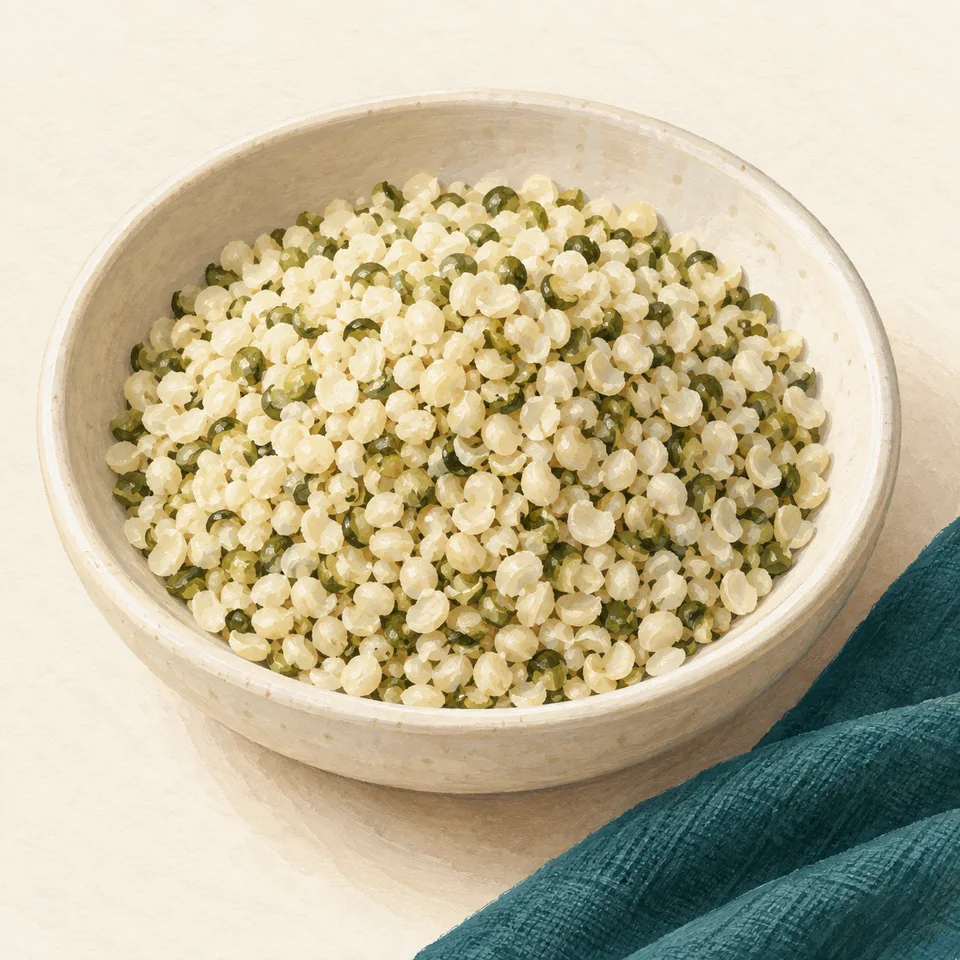
9.137 g - Hulled hemp seeds
Seeds, hemp seed, hulled, exactly as identified by USDA.
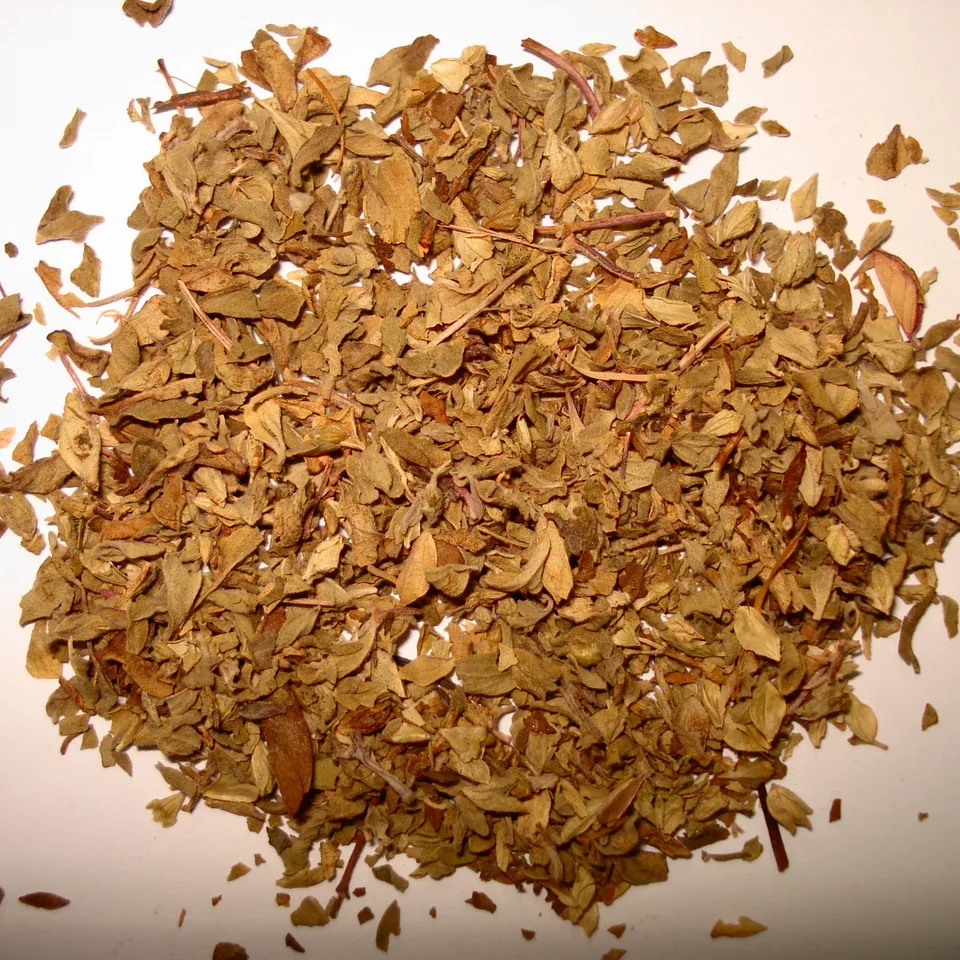
8.684 g - Dried oregano
Dried oregano.
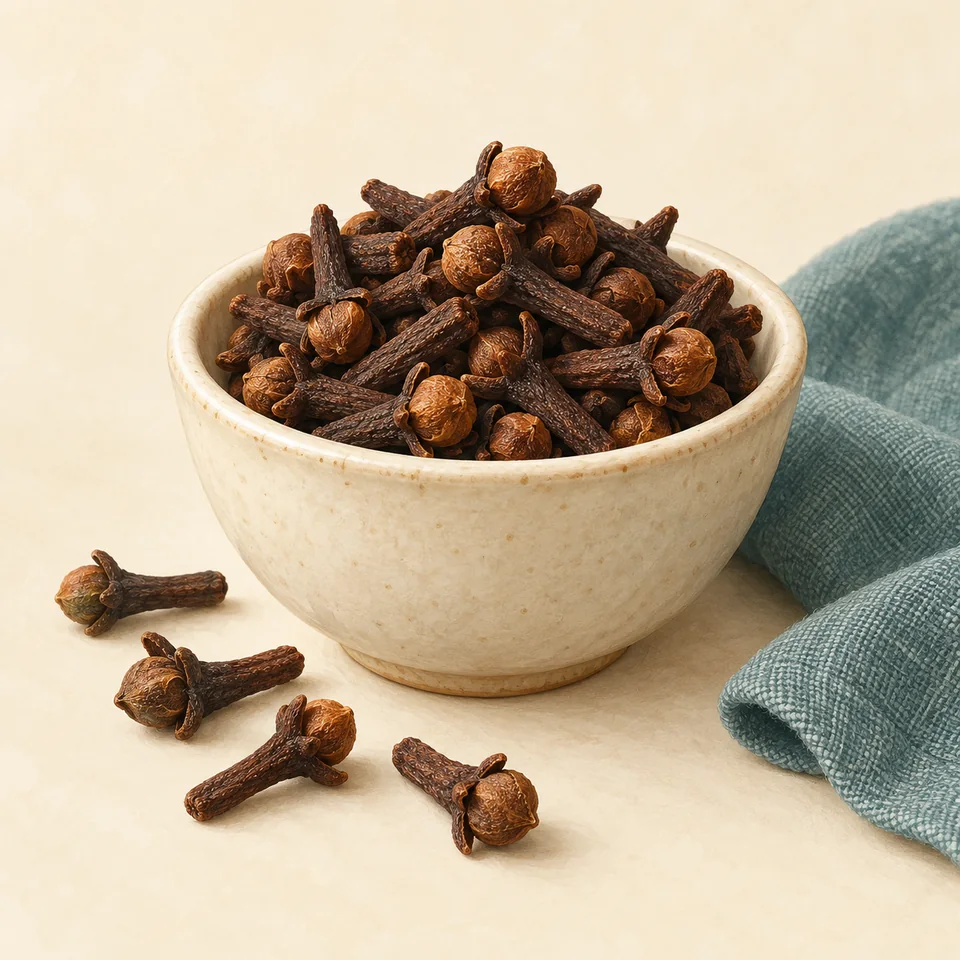
0.621 g - Cloves
Spices, cloves, ground, exactly as identified by USDA.
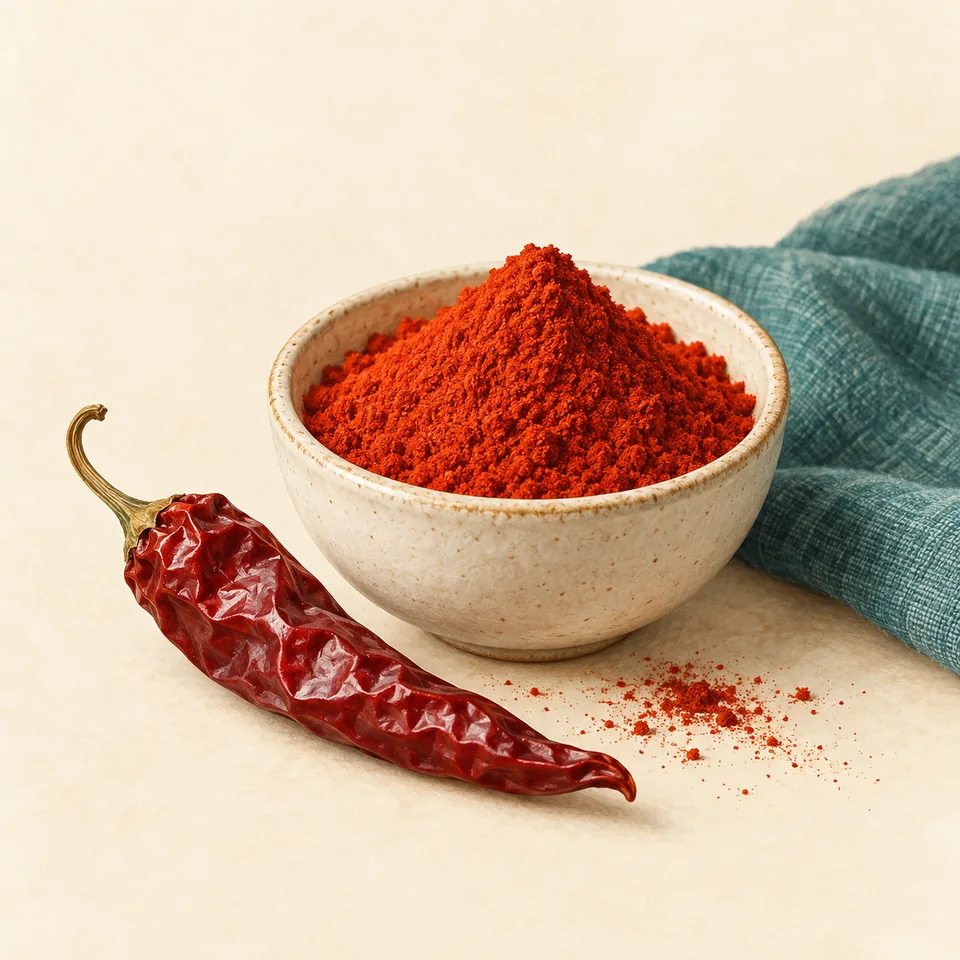
0.585 g - Paprika
Spices, paprika, exactly as identified by USDA.
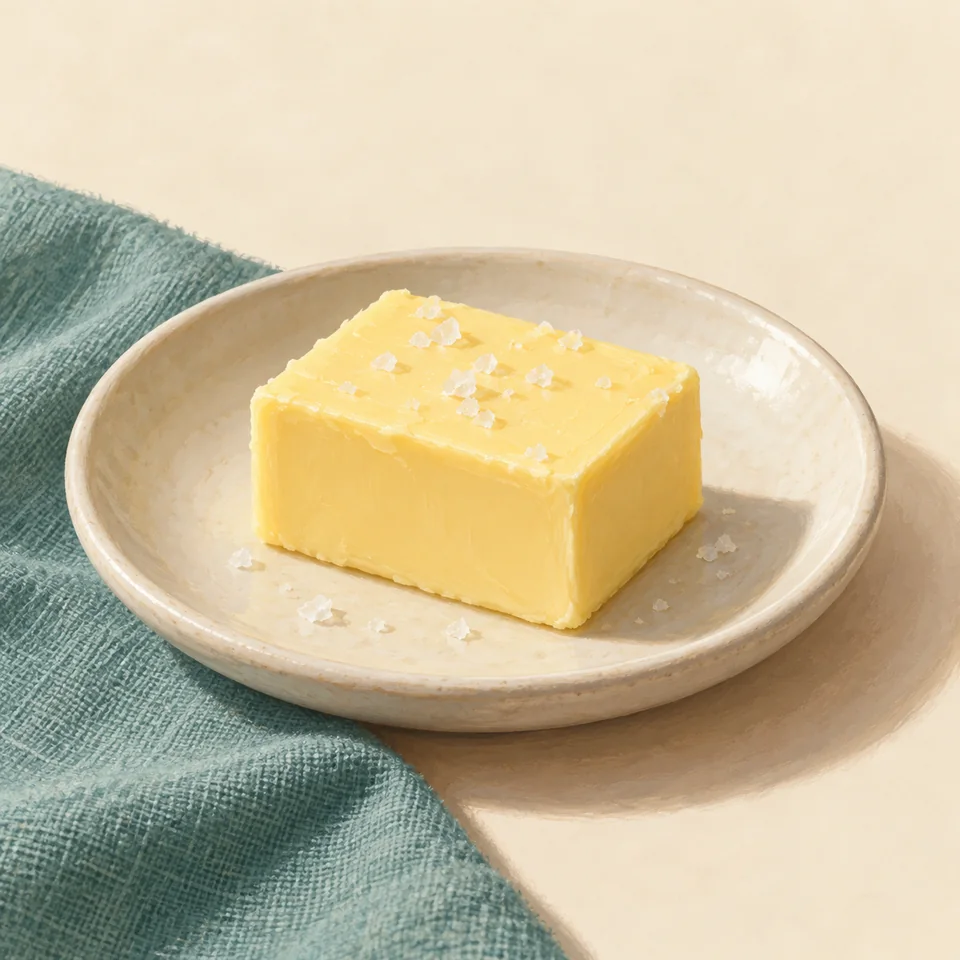
0.453 g - Unsalted butter
Butter, without salt, exactly as identified by USDA.
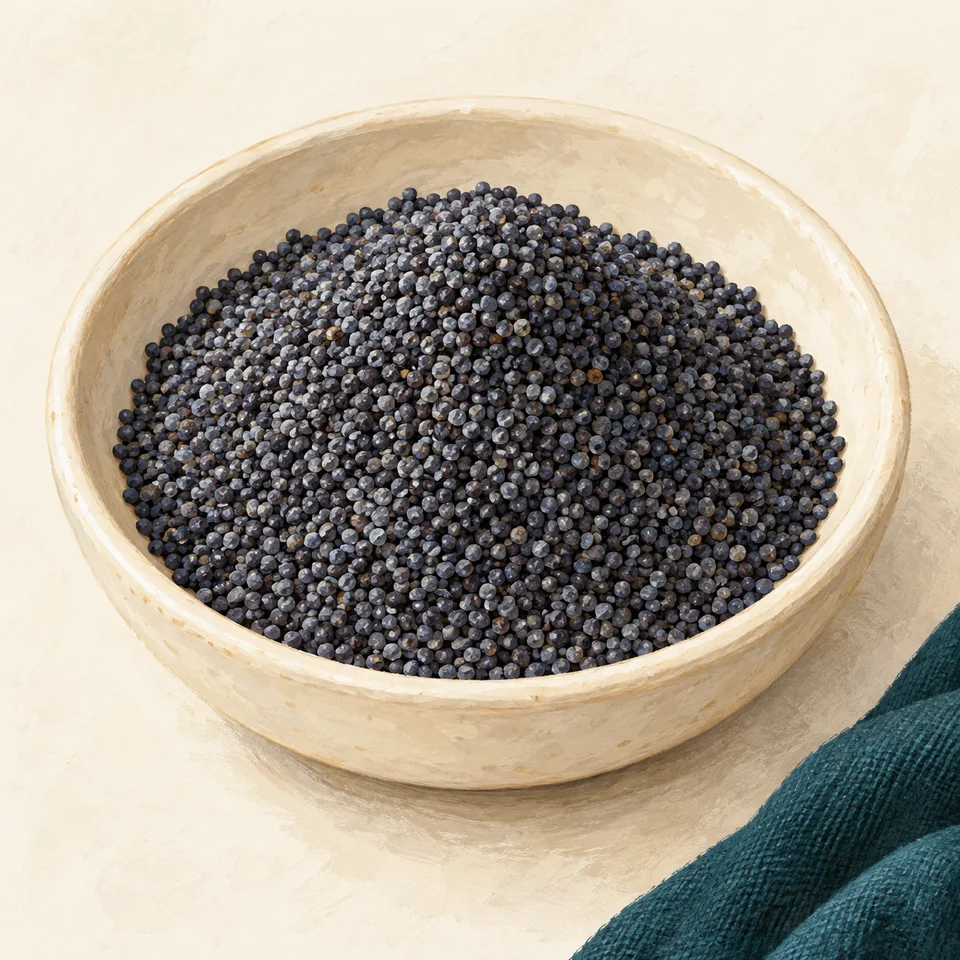
0.315 g - Poppy seeds
Spices, poppy seed, exactly as identified by USDA.
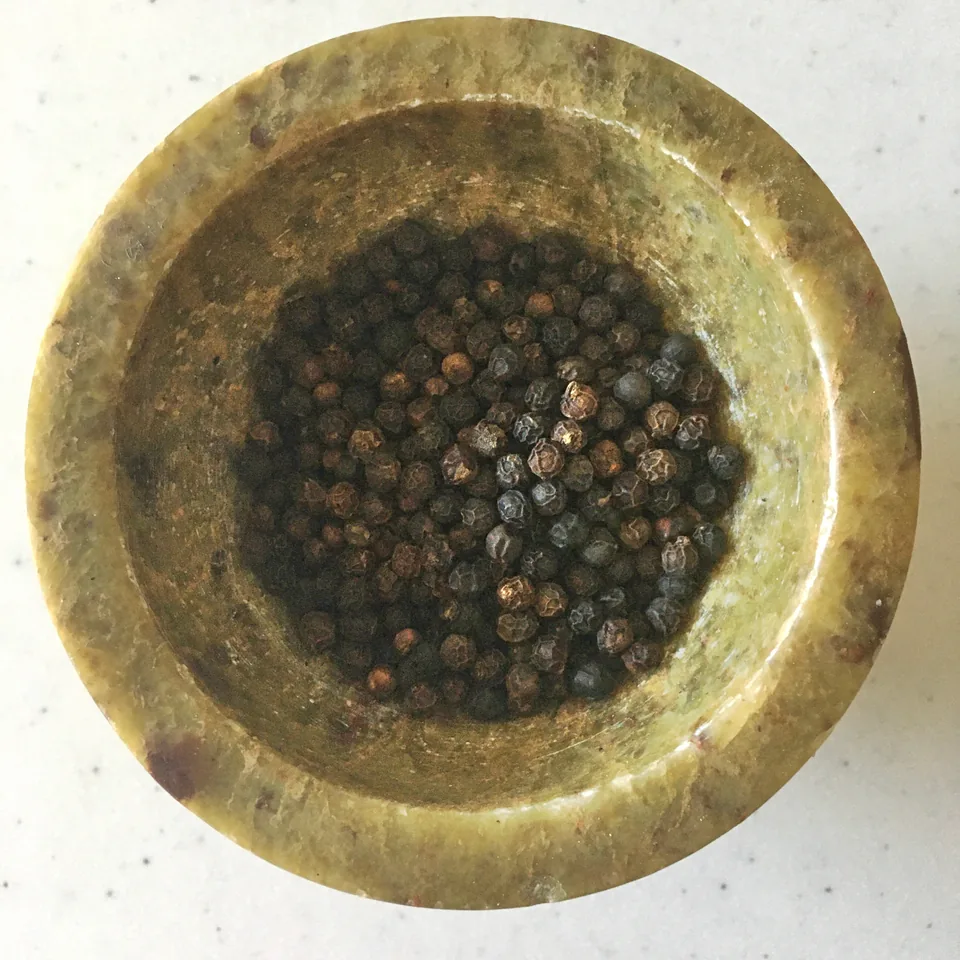
0.273 g - Black pepper
Black pepper spice.
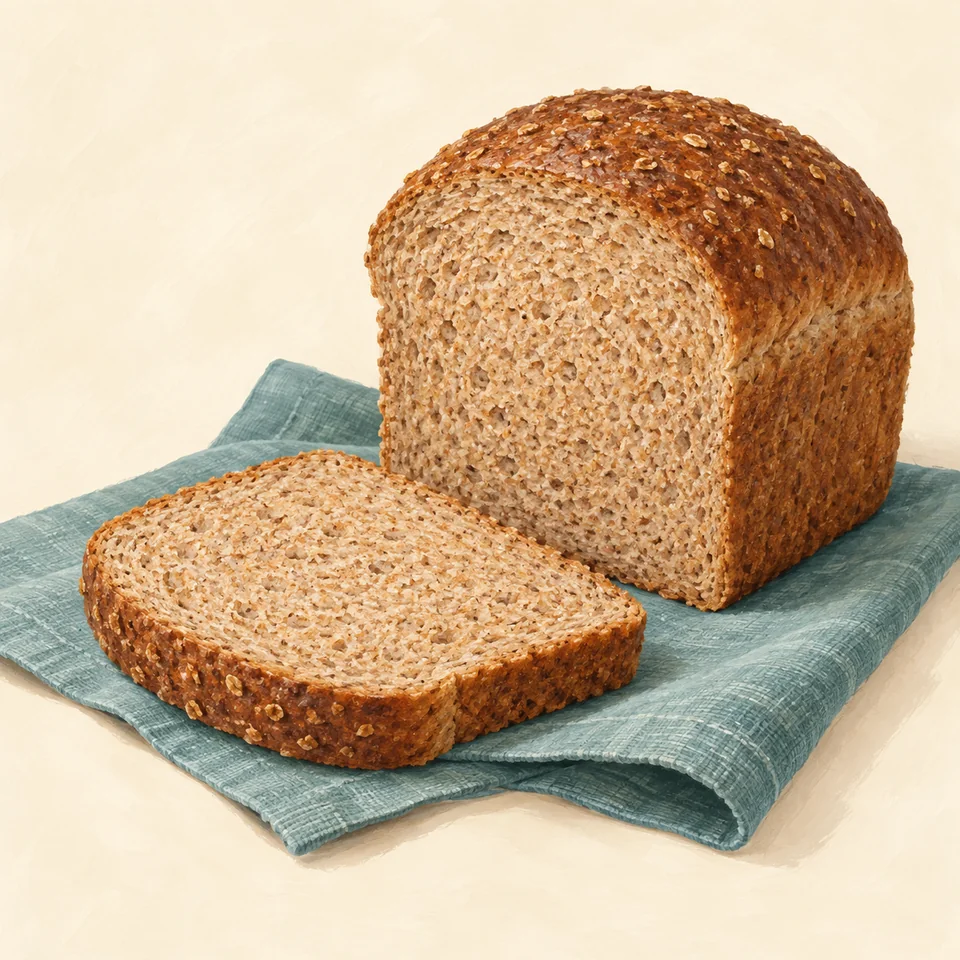
0.152 g - Whole-wheat bread
Bread, whole-wheat, commercially prepared, exactly as identified by USDA.
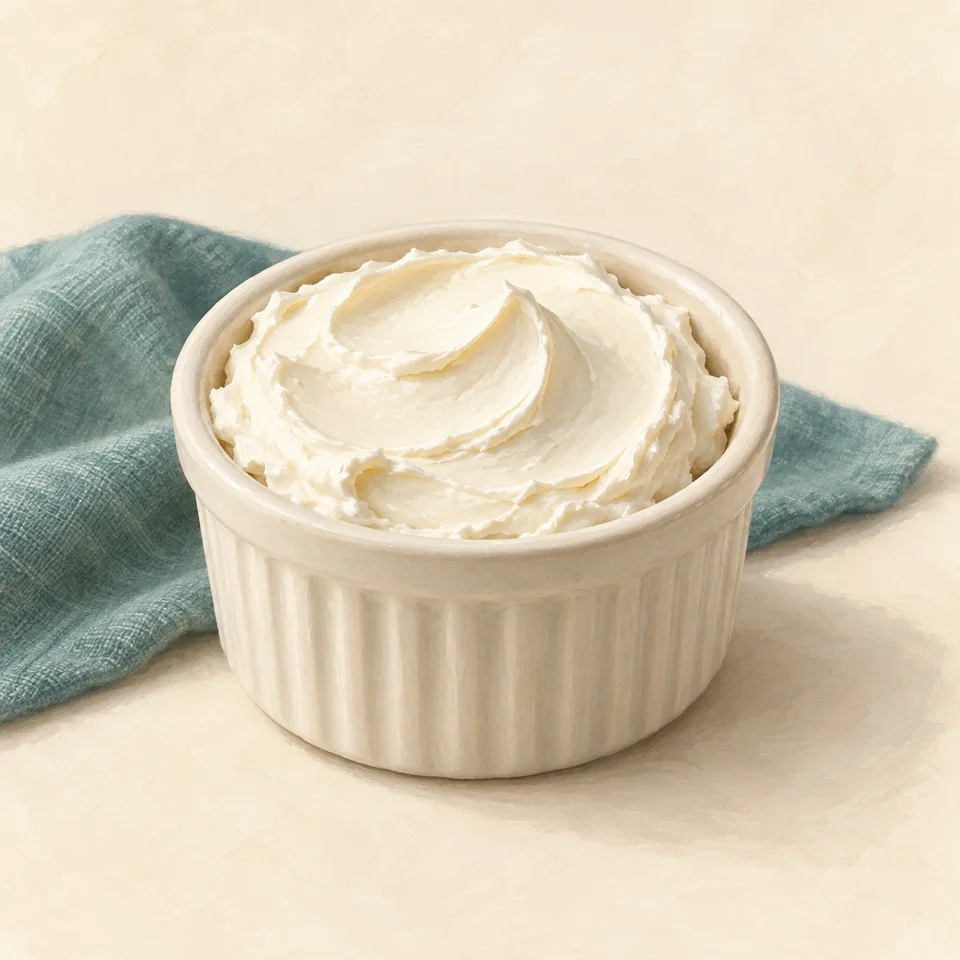
0.137 g - Cream cheese
Cheese, cream, exactly as identified by USDA.
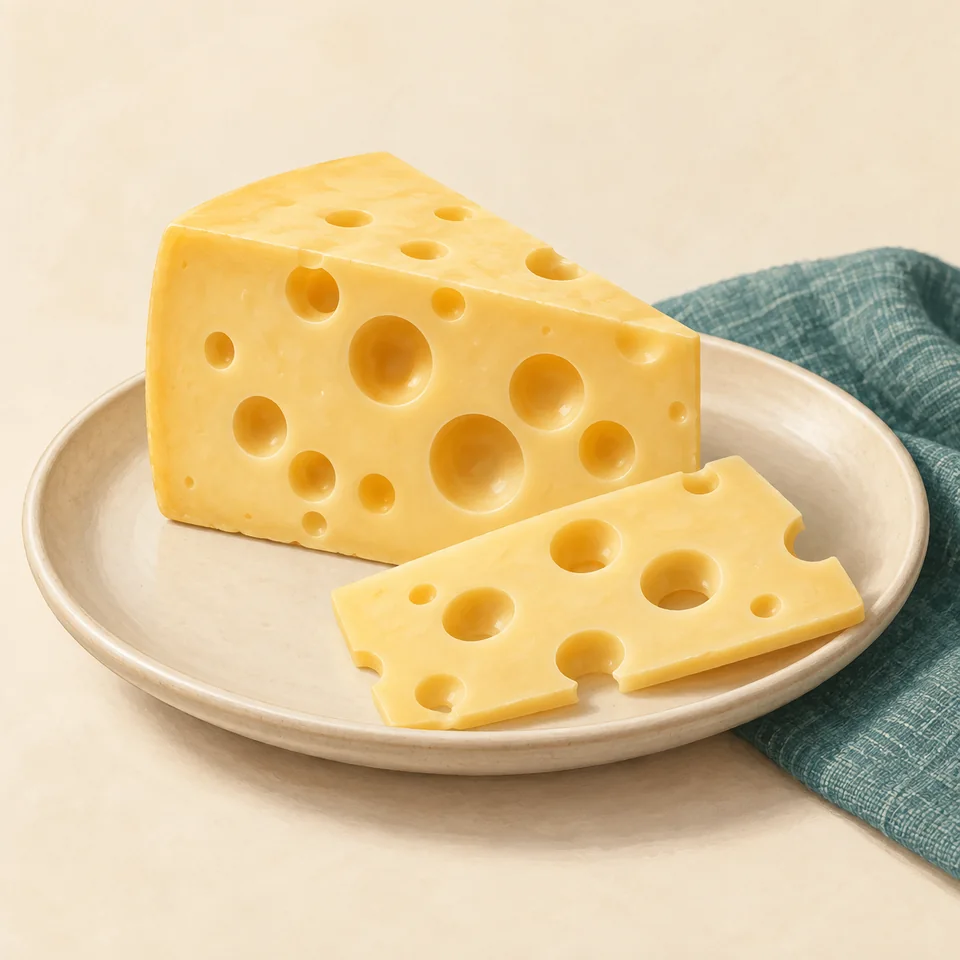
0.125 g - Swiss cheese
Cheese, swiss, exactly as identified by USDA.
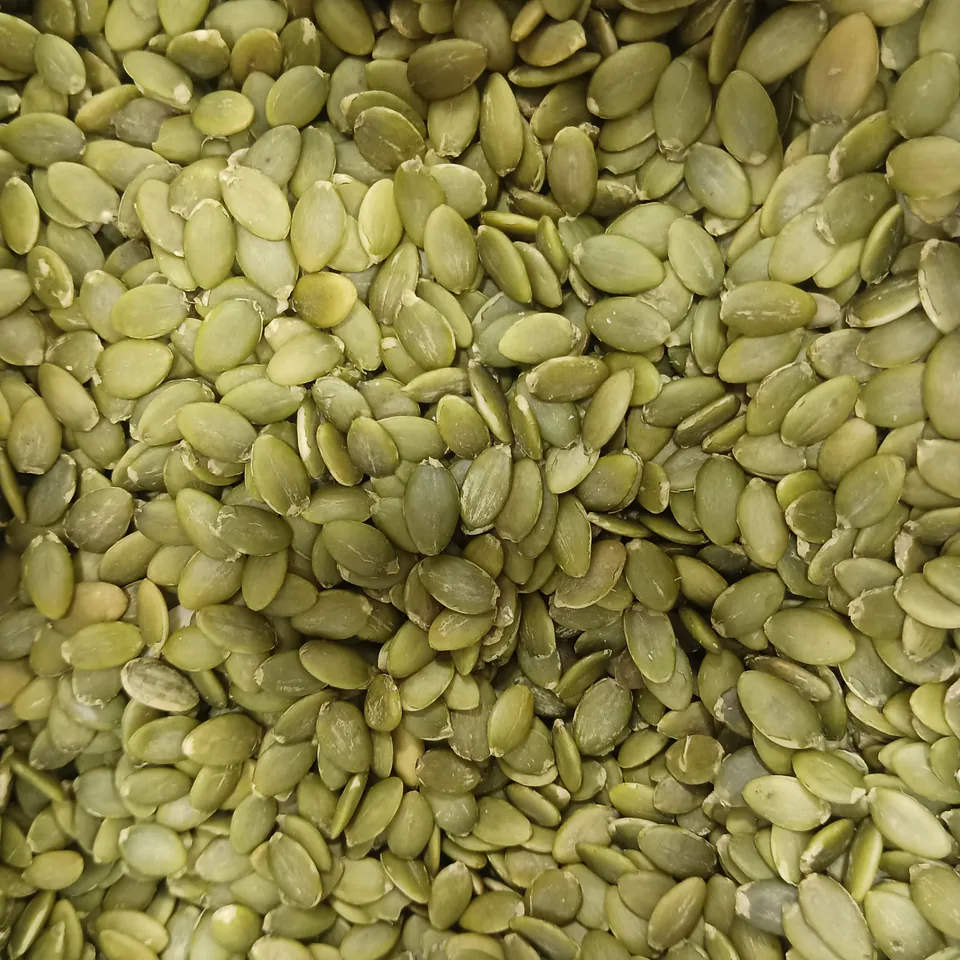
0.125 g - Pumpkin seeds
Dried pumpkin/squash seed kernels, without shells.
0.12 g
All results are sorted before pagination. Bars compare amounts within this search; they do not indicate health benefits. Not reported does not mean zero.
UNDERSTAND THE DATA
The nutrient, in context
How to read this ranking
This page compares PUFA 18:3 n-3 c,c,c (ALA) (PUFA 18:3 n-3 c,c,c (ALA)), in g per 100 g of food.
Chemical forms and measurement methods remain separate. “Not reported” means a value is unavailable, not that the food contains zero. A food’s rank does not determine your individual needs or diagnose a deficiency.
This NIH fact sheet discusses the nutrient family. PUFA 18:3 n-3 c,c,c (ALA) is the specific USDA measurement on this page. Do not apply family intake recommendations directly to this form or unit; use the definitions, population groups, and food/supplement distinctions in the source.
NIH · OFFICE OF DIETARY SUPPLEMENTS
Omega-3 Fatty Acids: Fact Sheet for Consumers
Original text published by NIH, including intake tables by age and sex, cautions, and the population context the source states. Bitameans has not performed an independent medical review or adapted these recommendations to your personal circumstances.
What are omega-3 fatty acids and what do they do?
Omega-3 fatty acids are found in foods, such as fish and flaxseed, and in dietary supplements, such as fish oil.
The three main omega-3 fatty acids are alpha-linolenic acid (ALA), eicosapentaenoic acid (EPA), and docosahexaenoic acid (DHA). ALA is found mainly in plant oils such as flaxseed, soybean, and canola oils. DHA and EPA are found in fish and other seafood.
ALA is an essential fatty acid, meaning that your body can’t make it, so you must get it from the foods and beverages you consume. Your body can convert some ALA into EPA and then to DHA, but only in very small amounts. Therefore, getting EPA and DHA from foods (and dietary supplements if you take them) is the only practical way to increase levels of these omega-3 fatty acids in your body.
Omega-3s are important components of the membranes that surround each cell in your body. DHA levels are especially high in retina (eye), brain, and sperm cells. Omega-3s also provide calories to give your body energy and have many functions in your heart, blood vessels, lungs, immune system, and endocrine system (the network of hormone-producing glands).
·
Identity and structure sources
- PubChem Compound 5280934: Linolenic Acid · Accessed 2026-09-13
- USDA FoodData Central: Foundation Foods Documentation · Accessed 2026-09-13