EXPLORE A NUTRIENT
Folate, food
Discover how amounts vary across foods, on a shared basis for comparison.
Understand this nutrient ↓What is it?
USDA reporting category: Folate, food. The category is not represented by a single verified structure. [1]
A conceptual representation, not a molecular structure.
Description, source and attribution
A conceptual grouping, not a molecular structure. This reporting category contains multiple components or represents a calculated quantity.
Original Bitameans conceptual/fallback artwork; not a chemical structure. Source · Reuse terms
Source check:
A COMMON BASIS
Foods, per 100 g
162 foods with data 44 not reported, excluded from ranking
- Atlantic cod
Atlantic cod, cooked with dry heat.
8 µg - Lime
Raw lime, edible portion.
8 µg - Persimmon
Persimmons, japanese, raw, exactly as identified by USDA.
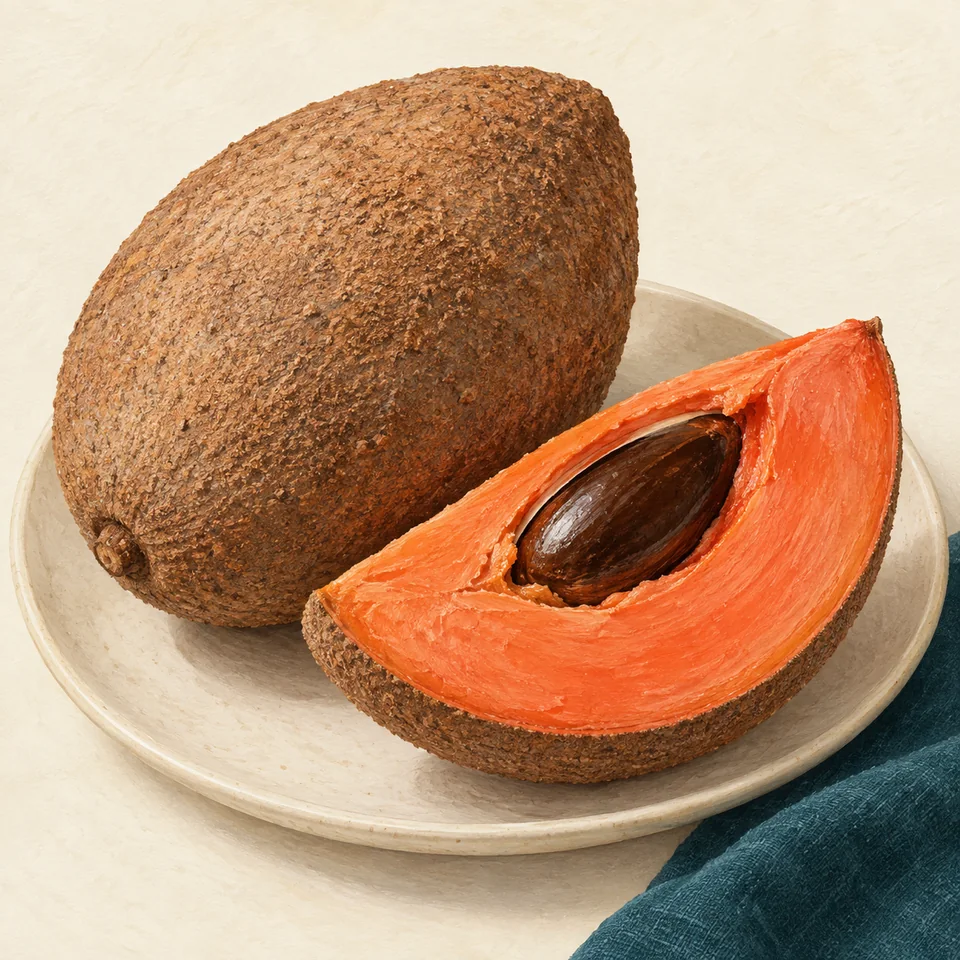
8 µg - Mamey sapote
Sapote, mamey, raw, exactly as identified by USDA.
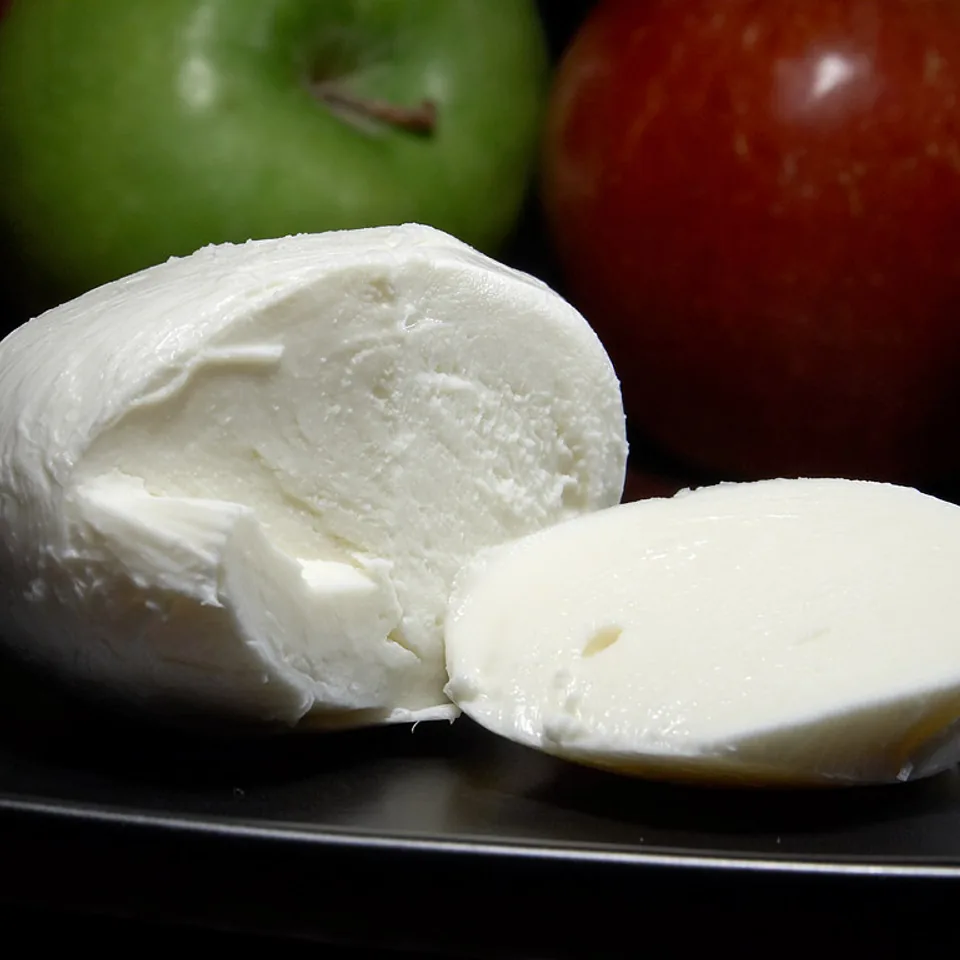
7 µg - Mozzarella cheese
Whole-milk mozzarella cheese; not the low-moisture entry.
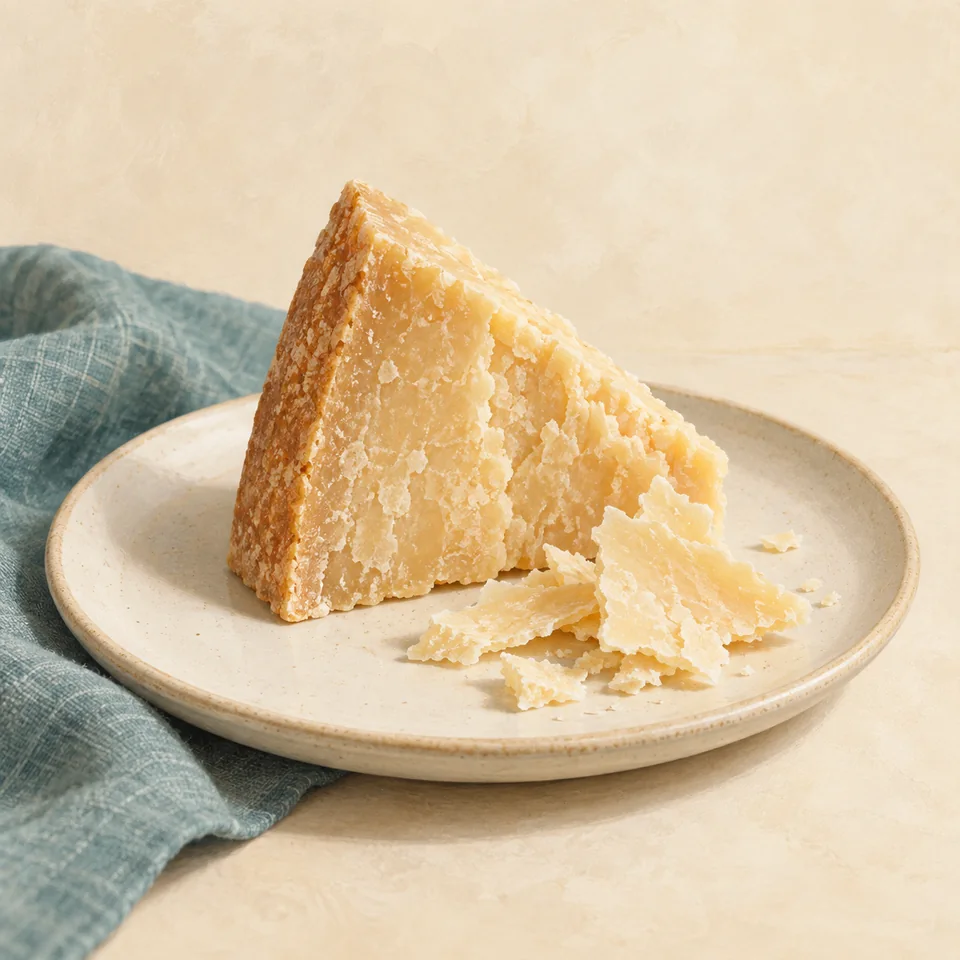
7 µg - Parmesan cheese
Cheese, parmesan, hard, exactly as identified by USDA.
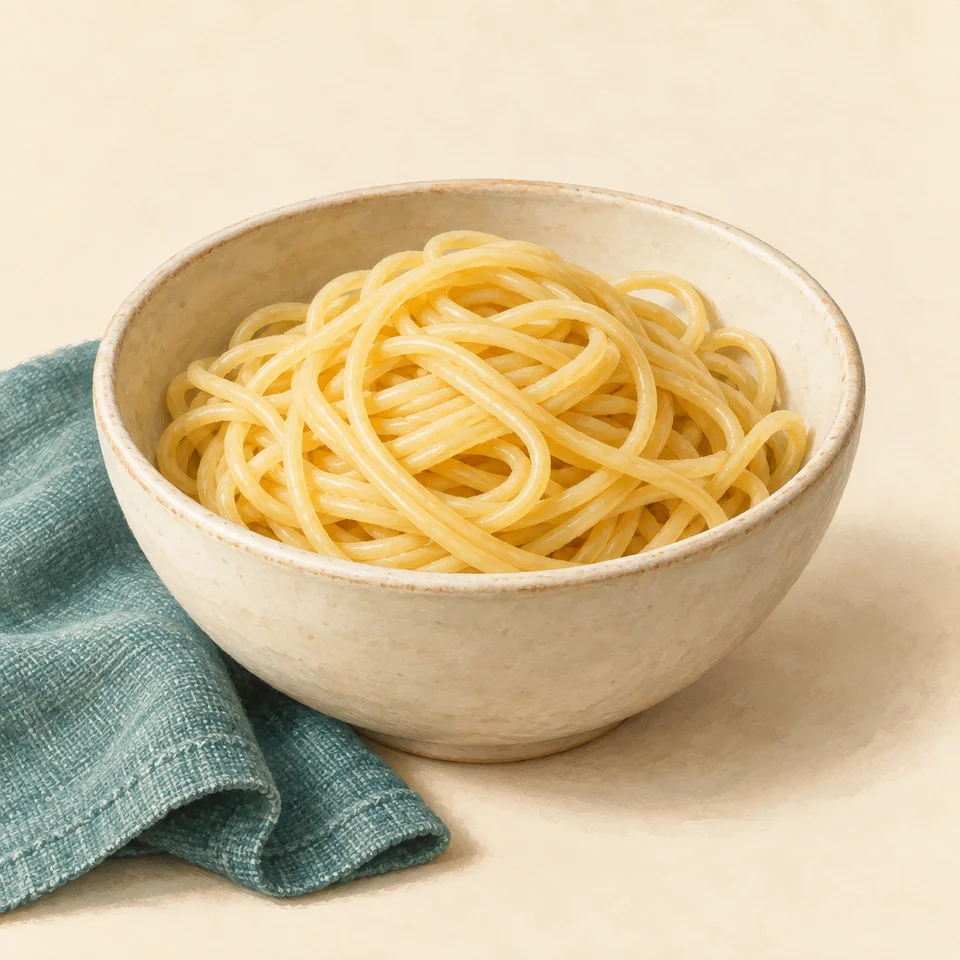
7 µg - Enriched pasta
Pasta, cooked, enriched, without added salt, exactly as identified by USDA.
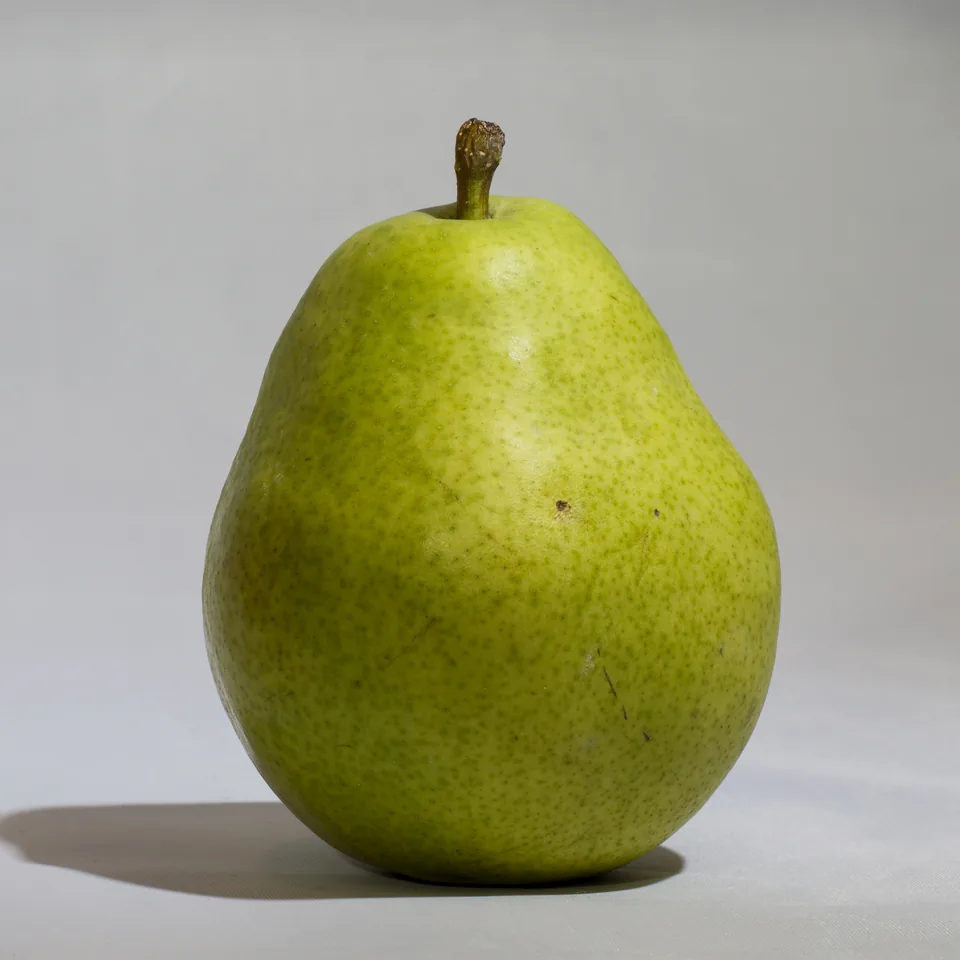
7 µg - Pear
Raw pear; variety not specified.
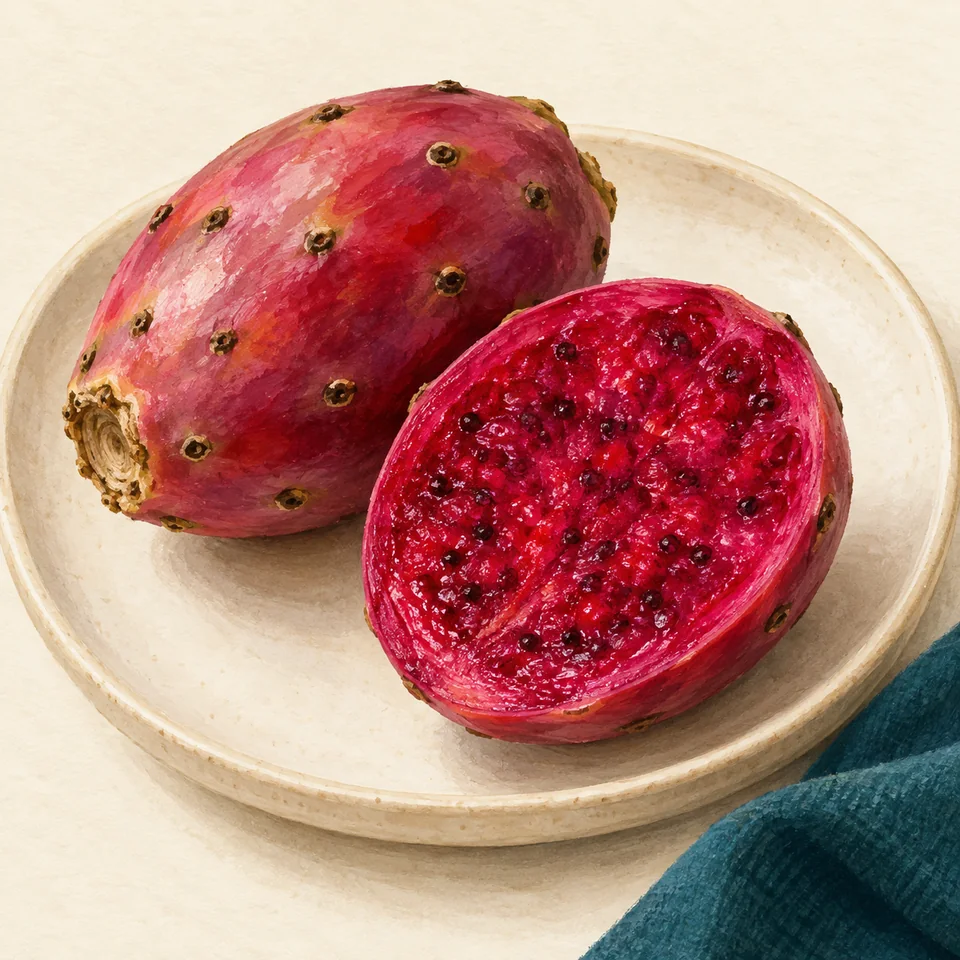
7 µg - Prickly pear
Prickly pears, raw, exactly as identified by USDA.
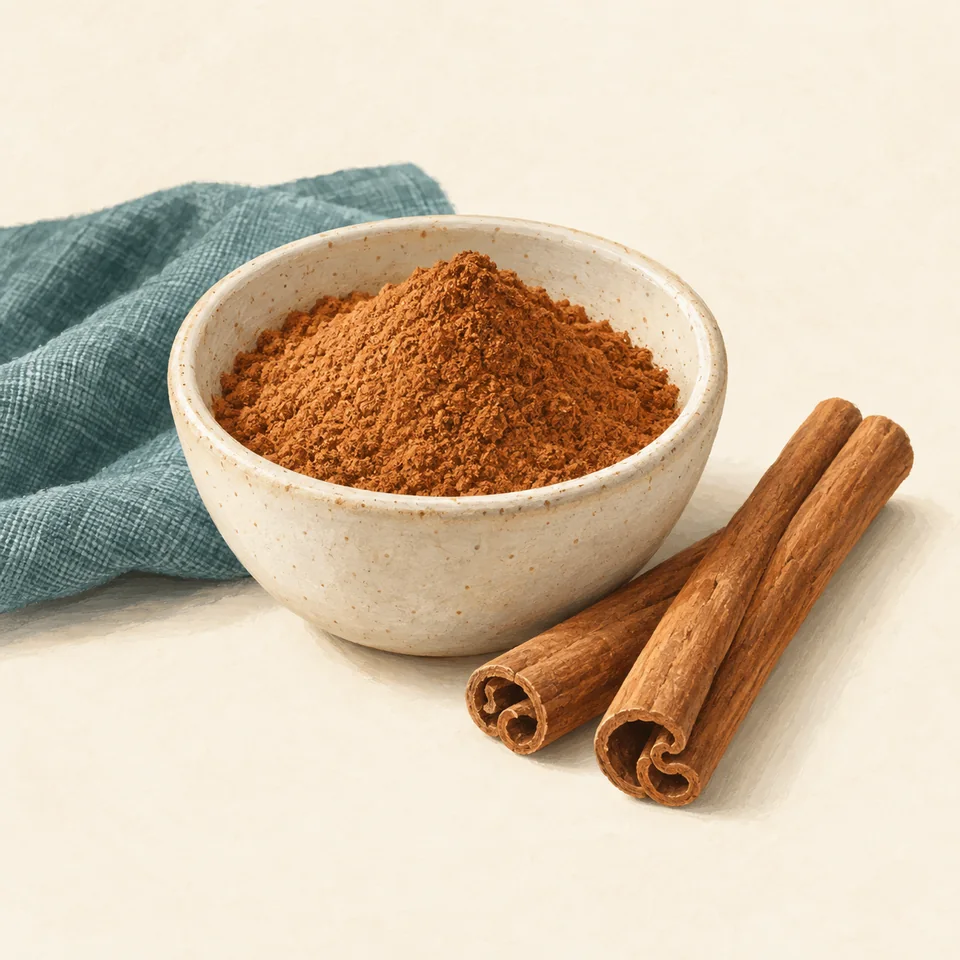
6 µg - Cinnamon
Spices, cinnamon, ground, exactly as identified by USDA.
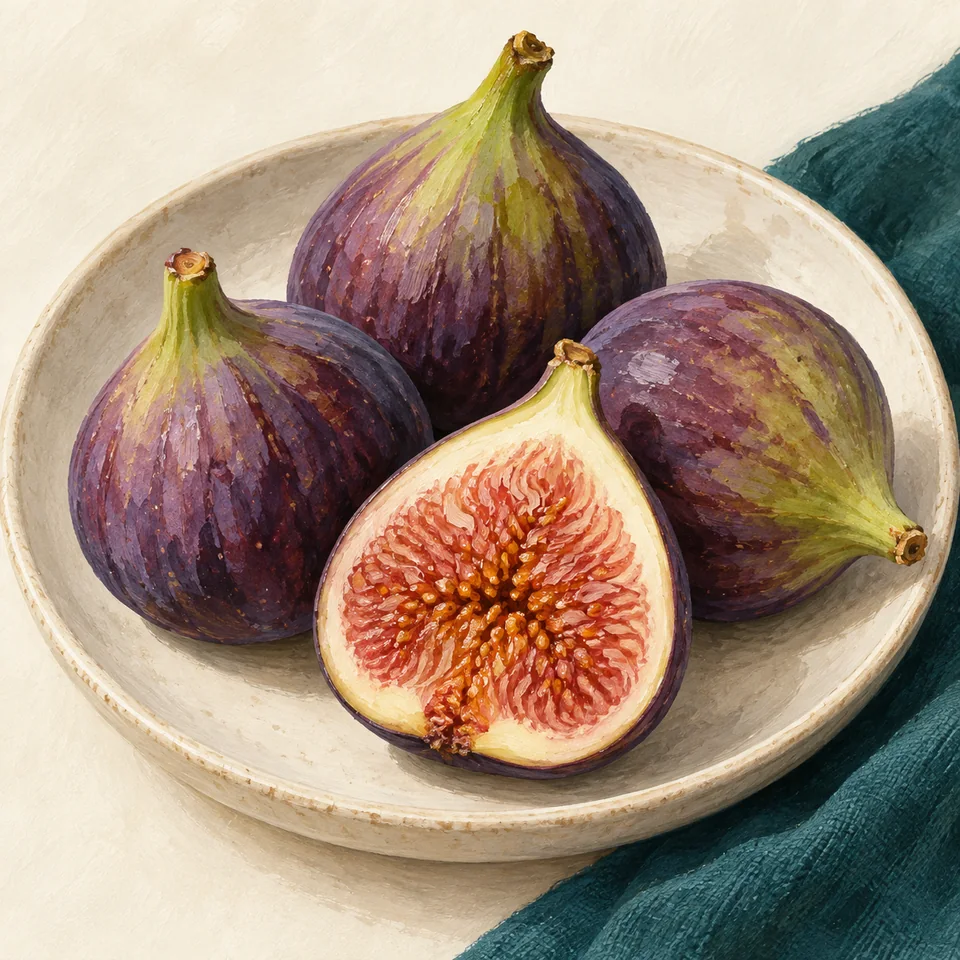
6 µg - Fig
Figs, raw, exactly as identified by USDA.
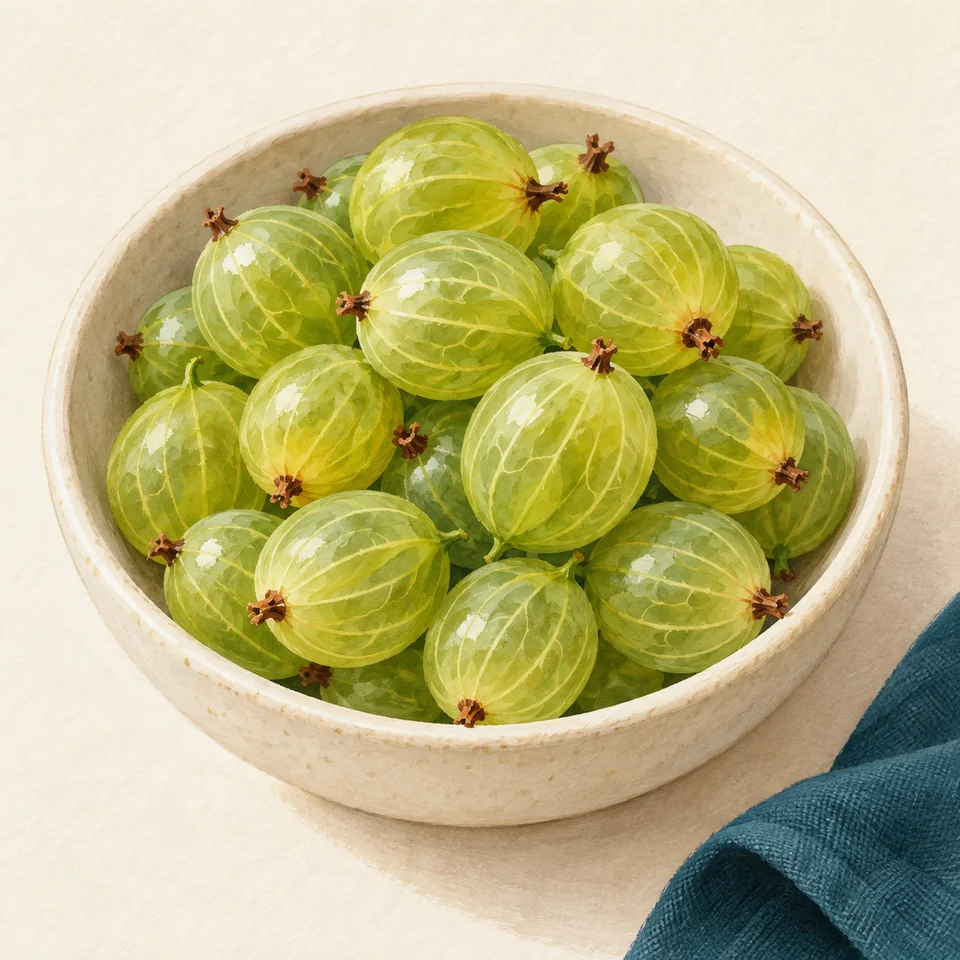
6 µg - Gooseberry
Gooseberries, raw, exactly as identified by USDA.
6 µg
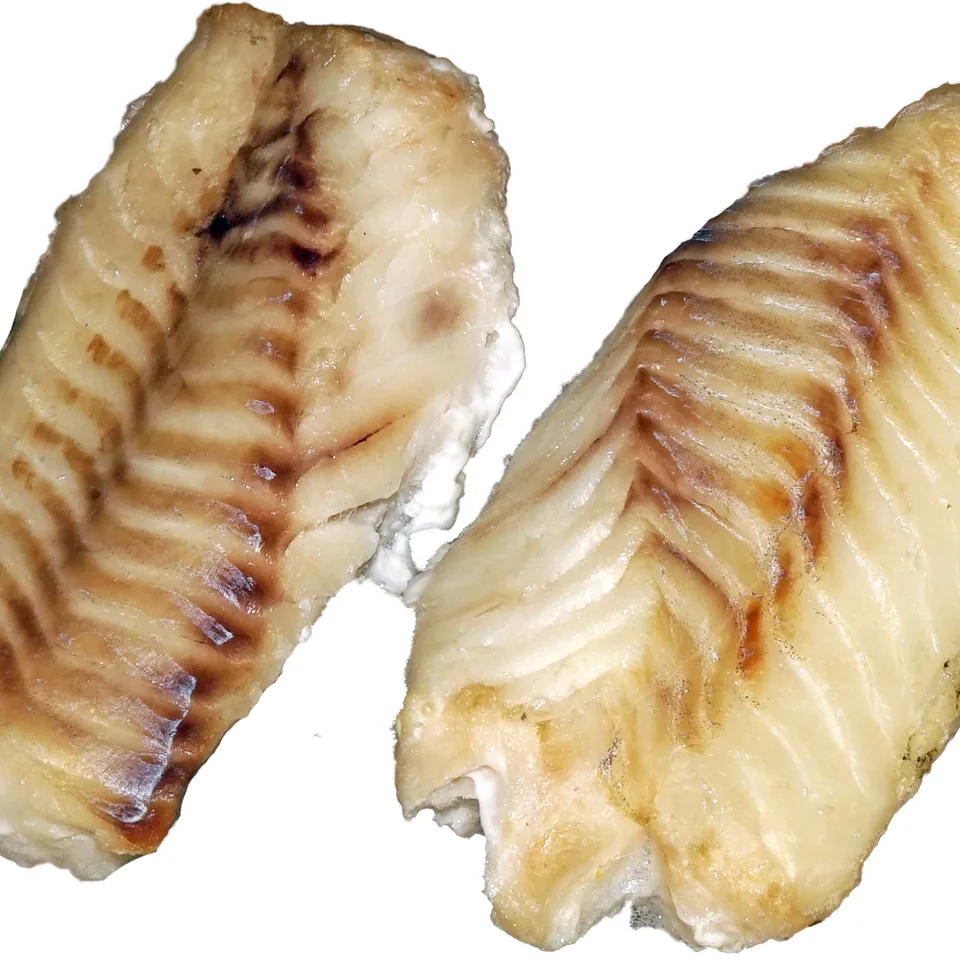
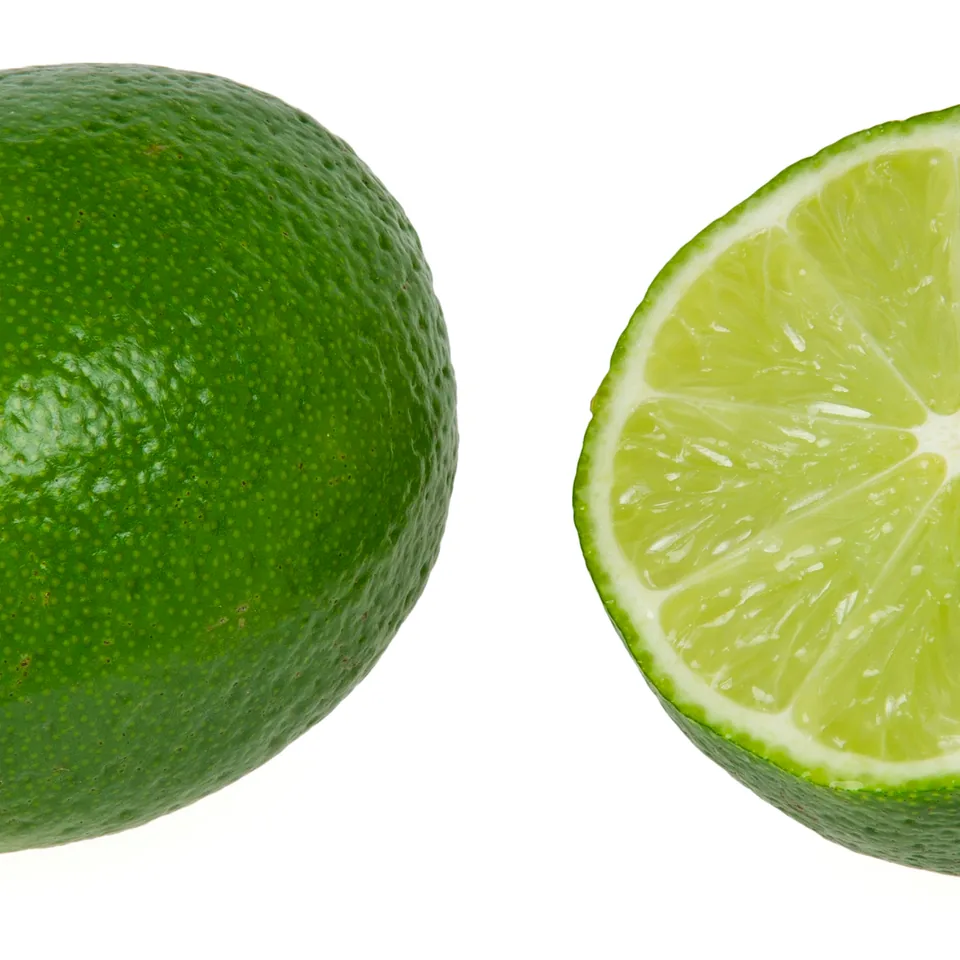
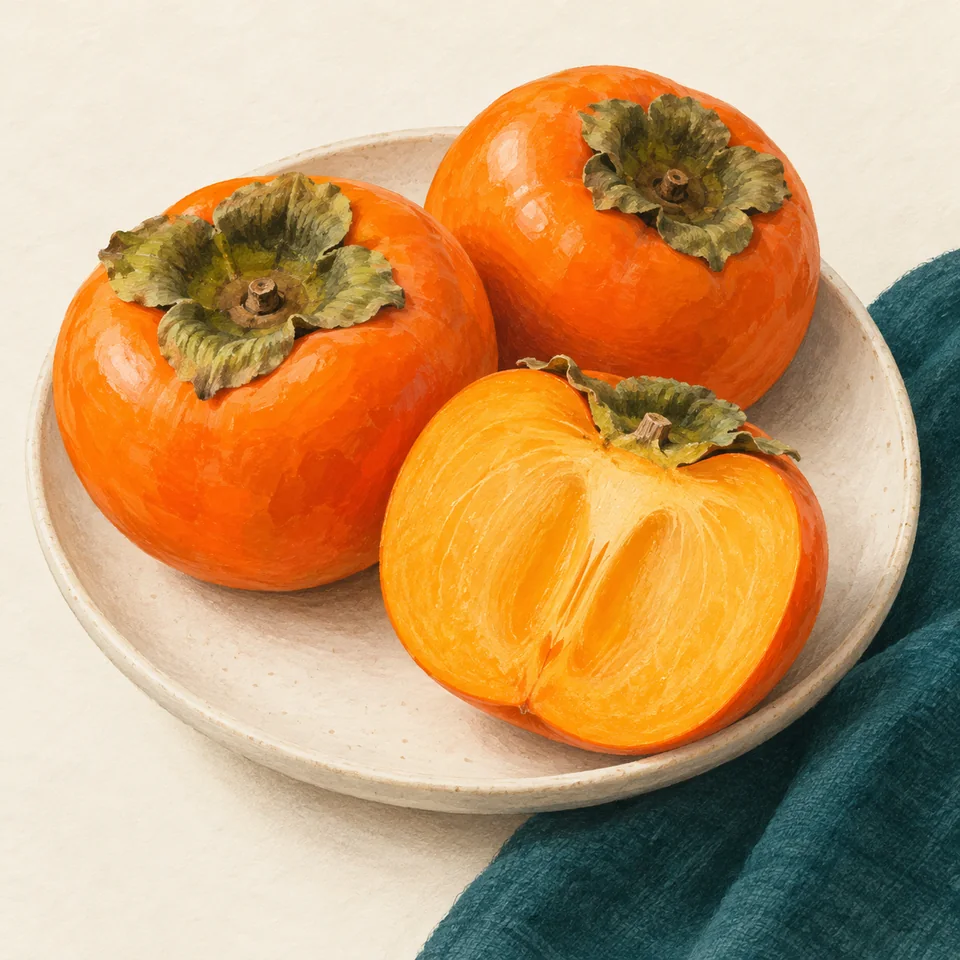
All results are sorted before pagination. Bars compare amounts within this search; they do not indicate health benefits. Not reported does not mean zero.
UNDERSTAND THE DATA
The nutrient, in context
How to read this ranking
This page compares Folate, food (Folate, food), in µg per 100 g of food.
Chemical forms and measurement methods remain separate. “Not reported” means a value is unavailable, not that the food contains zero. A food’s rank does not determine your individual needs or diagnose a deficiency.
This NIH fact sheet discusses the nutrient family. Folate, food is the specific USDA measurement on this page. Do not apply family intake recommendations directly to this form or unit; use the definitions, population groups, and food/supplement distinctions in the source.
NIH · OFFICE OF DIETARY SUPPLEMENTS
Folate: Fact Sheet for Consumers
Original text published by NIH, including intake tables by age and sex, cautions, and the population context the source states. Bitameans has not performed an independent medical review or adapted these recommendations to your personal circumstances.
What is folate and what does it do?
Folate is a B-vitamin that is naturally present in many foods. Your body needs folate to make DNA and other genetic material. Your body also needs folate for your cells to divide. A form of folate, called folic acid, is used in fortified foods and most dietary supplements.
How much folate do I need?
The amount of folate you need depends on your age. Average daily recommended amounts are listed below in micrograms (mcg) of dietary folate equivalents (DFEs).
| Life Stage | Recommended Amount |
|---|---|
Identity and structure sources
- USDA FoodData Central: Foundation Foods Documentation · Accessed 2026-09-13