EXPLORE UM NUTRIENTE
Vitamina C
Veja como as quantidades variam entre alimentos, na mesma base de comparação.
Entenda este nutriente ↓O que é?
Chemical reference: L-ascorbic acid (C6H8O6). USDA reports Vitamin C separately. [1] [2]
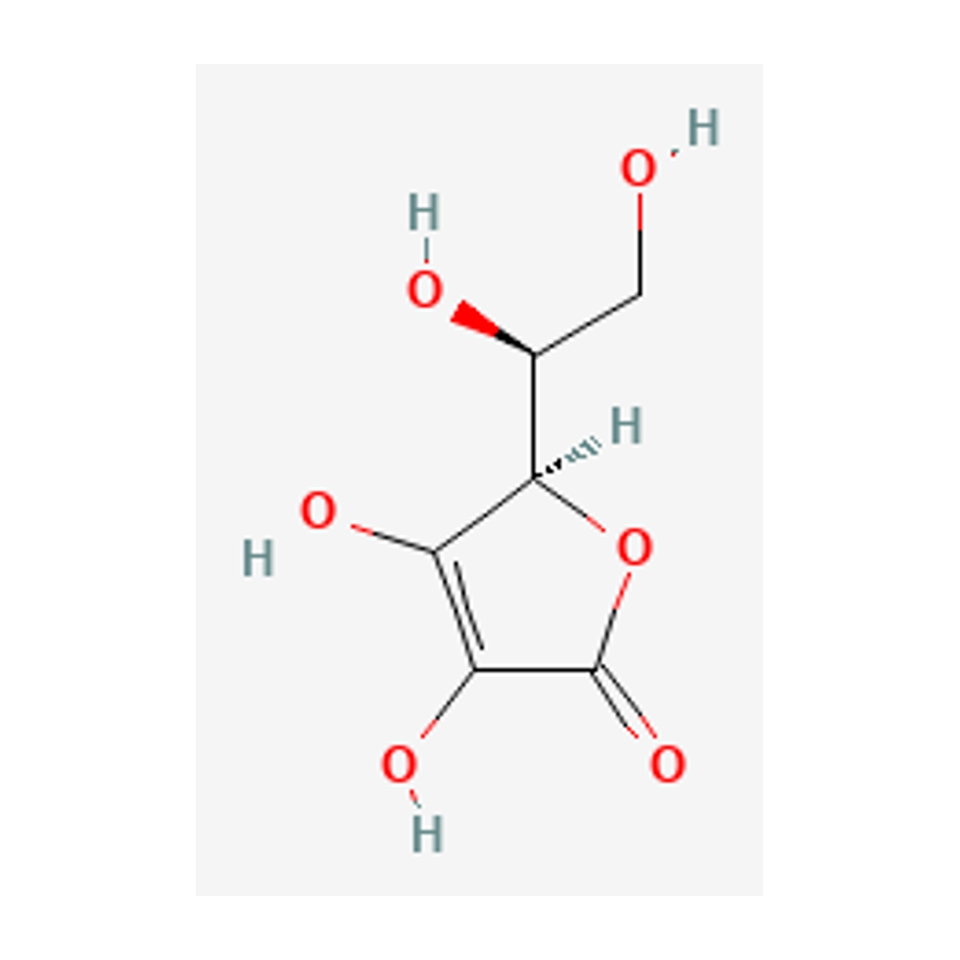
Esta forma de referência não representa todas as formas incluídas na quantidade do USDA.
Descrição, fonte e atribuição
Reference depiction: L-ascorbic acid. Formula C6H8O6; PubChem CID 54670067; charge 0. This specified form does not represent every form or molecule included in the USDA quantity.
PubChem Compound 54670067, 2D Structure. NCBI / National Library of Medicine. Fonte · Condições de uso
Verificação da fonte:
A COMMON BASIS
Alimentos, por 100 g
178 foods with data 28 not reported, excluded from ranking
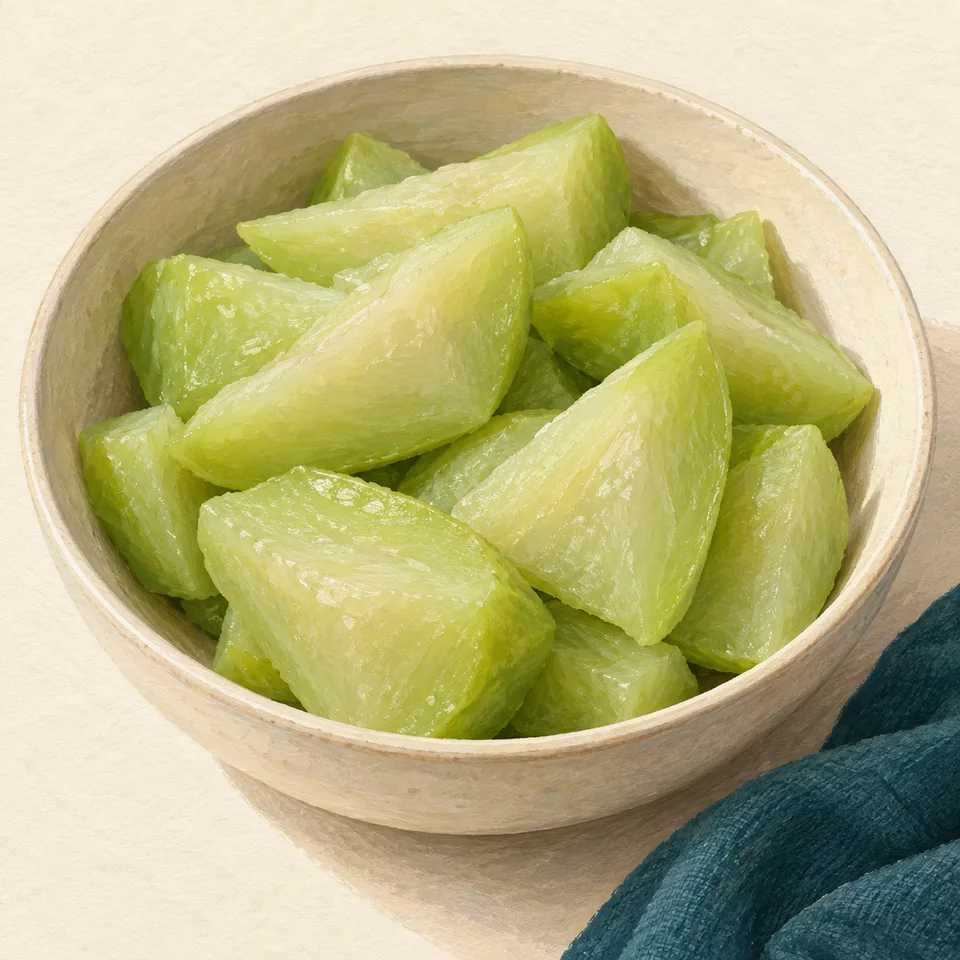
- Chuchu
Chayote fruit, boiled, drained, without salt.
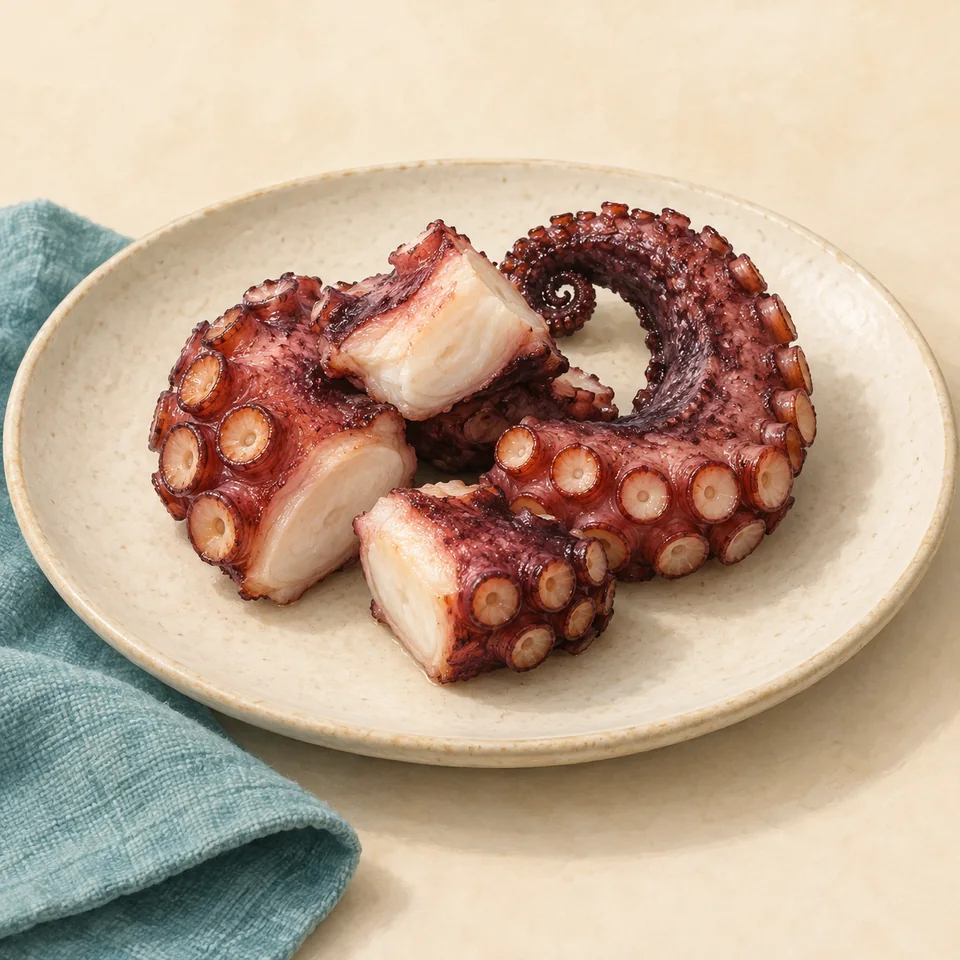
8 mg - Octopus
Mollusks, octopus, common, cooked, moist heat, exactly as identified by USDA.
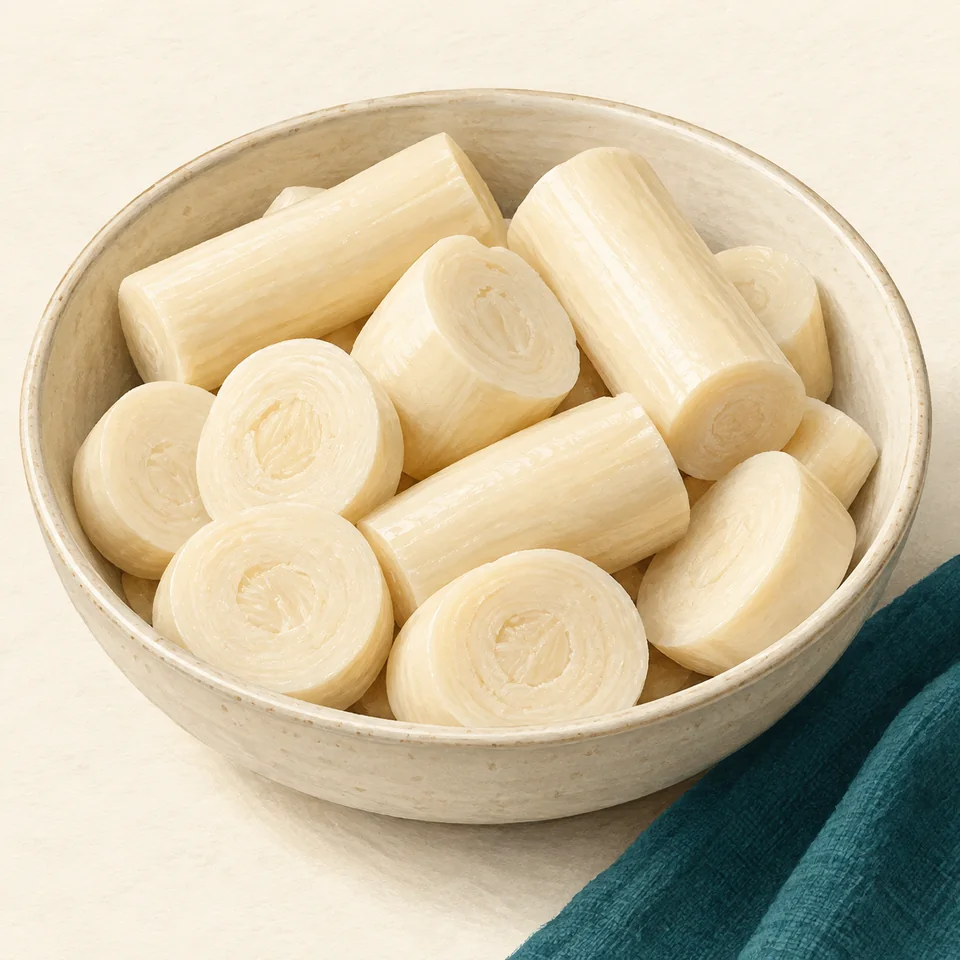
8 mg - Hearts of palm
Hearts of palm, canned, exactly as identified by USDA.
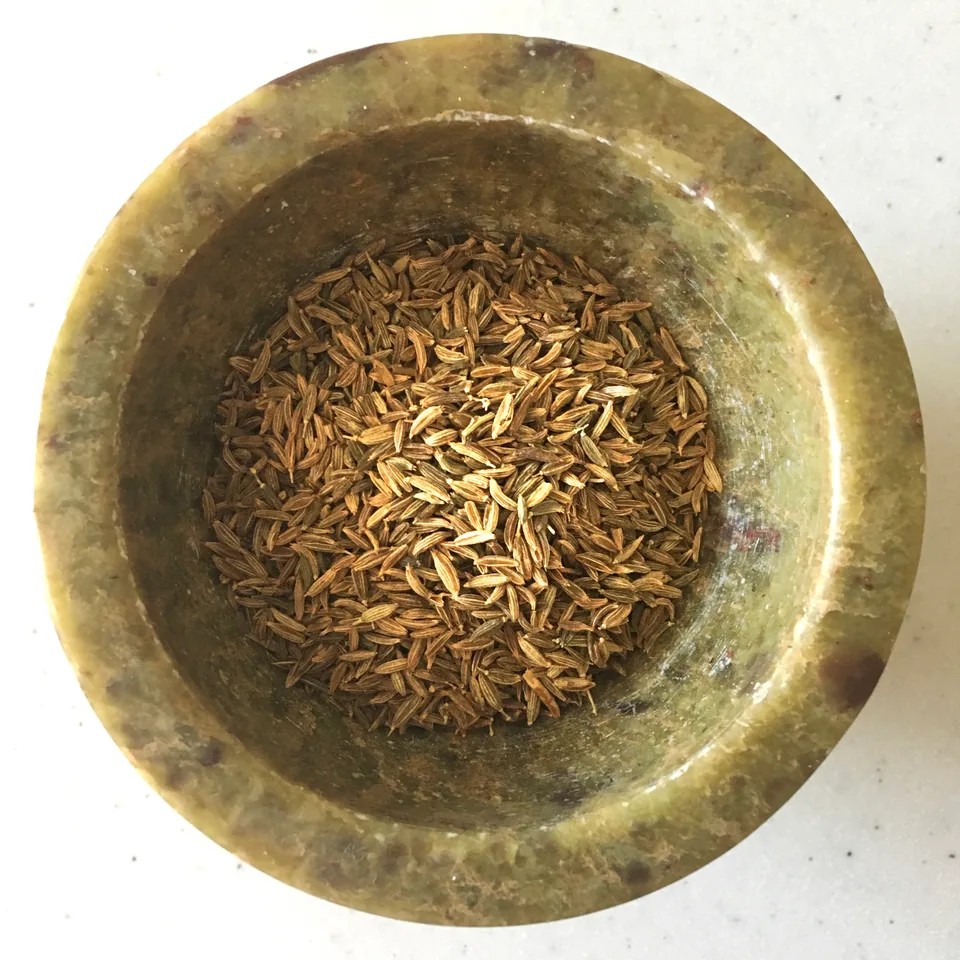
7,9 mg - Cominho
Cumin seed spice.
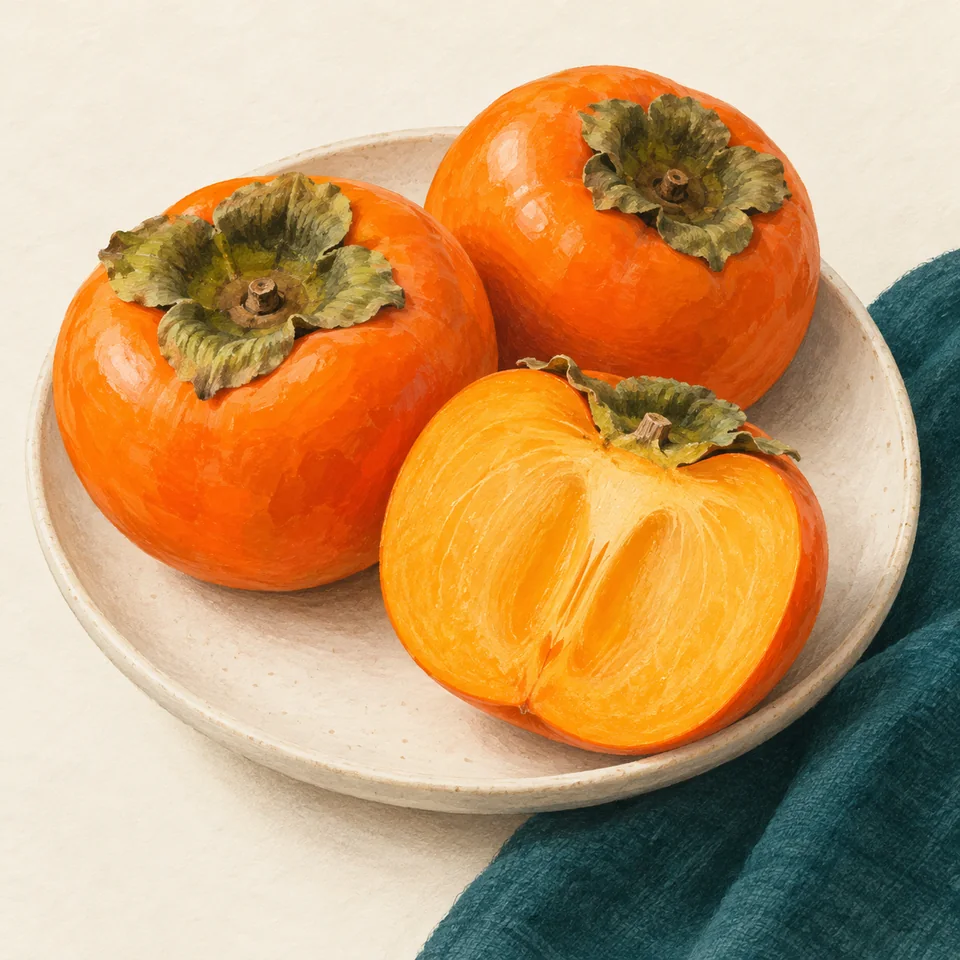
7,7 mg - Persimmon
Persimmons, japanese, raw, exactly as identified by USDA.
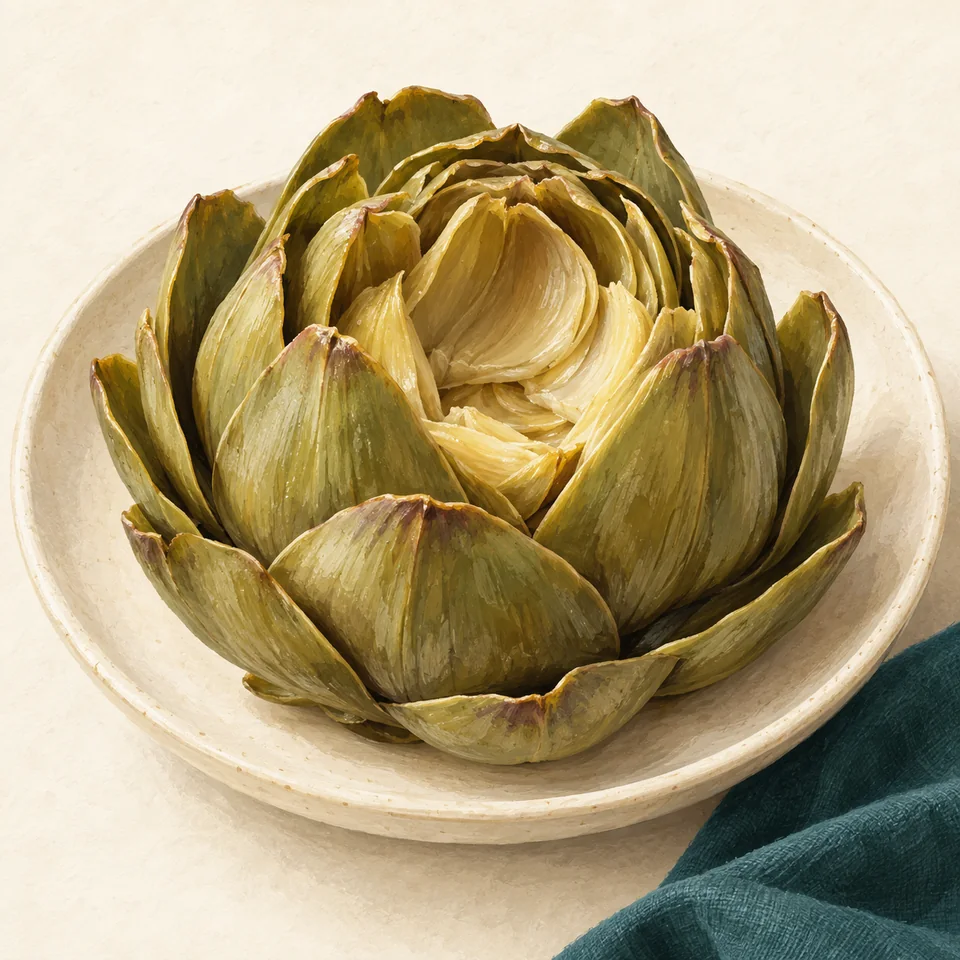
7,5 mg - Artichoke
Artichokes, (globe or french), cooked, boiled, drained, without salt, exactly as identified by USDA.
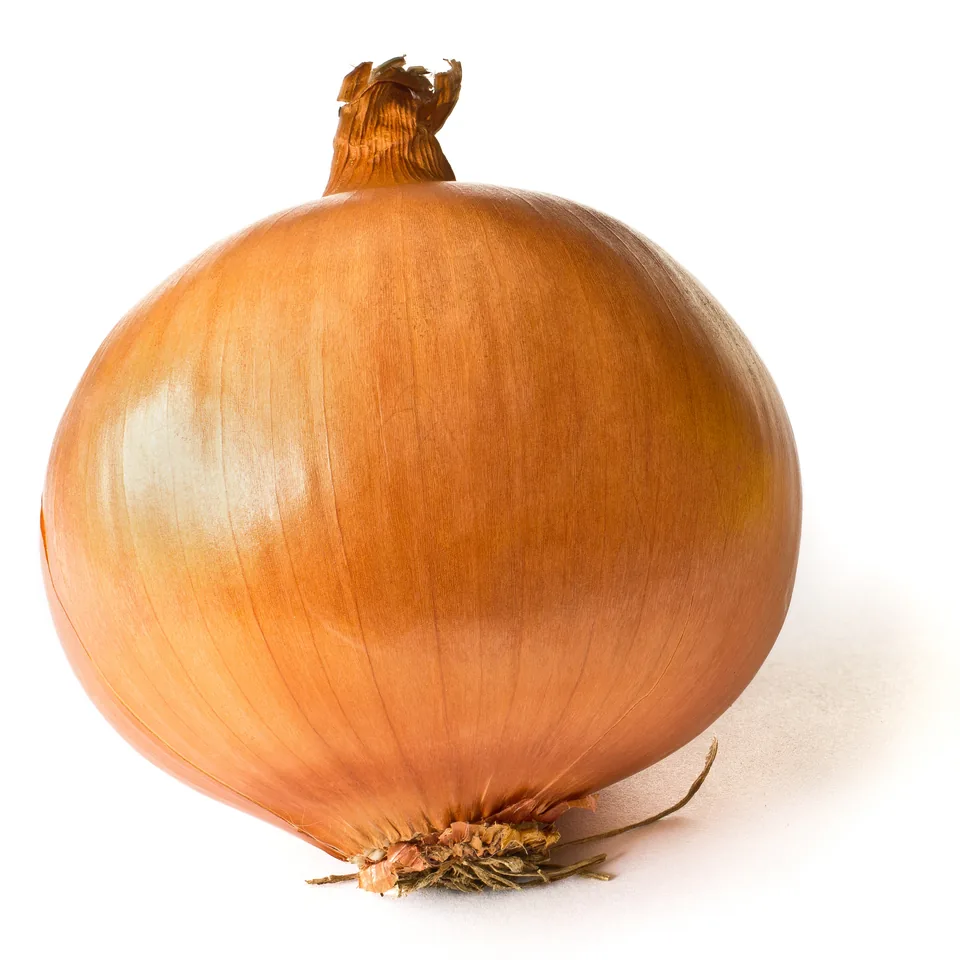
7,4 mg - Cebola
Raw onion; variety not specified.
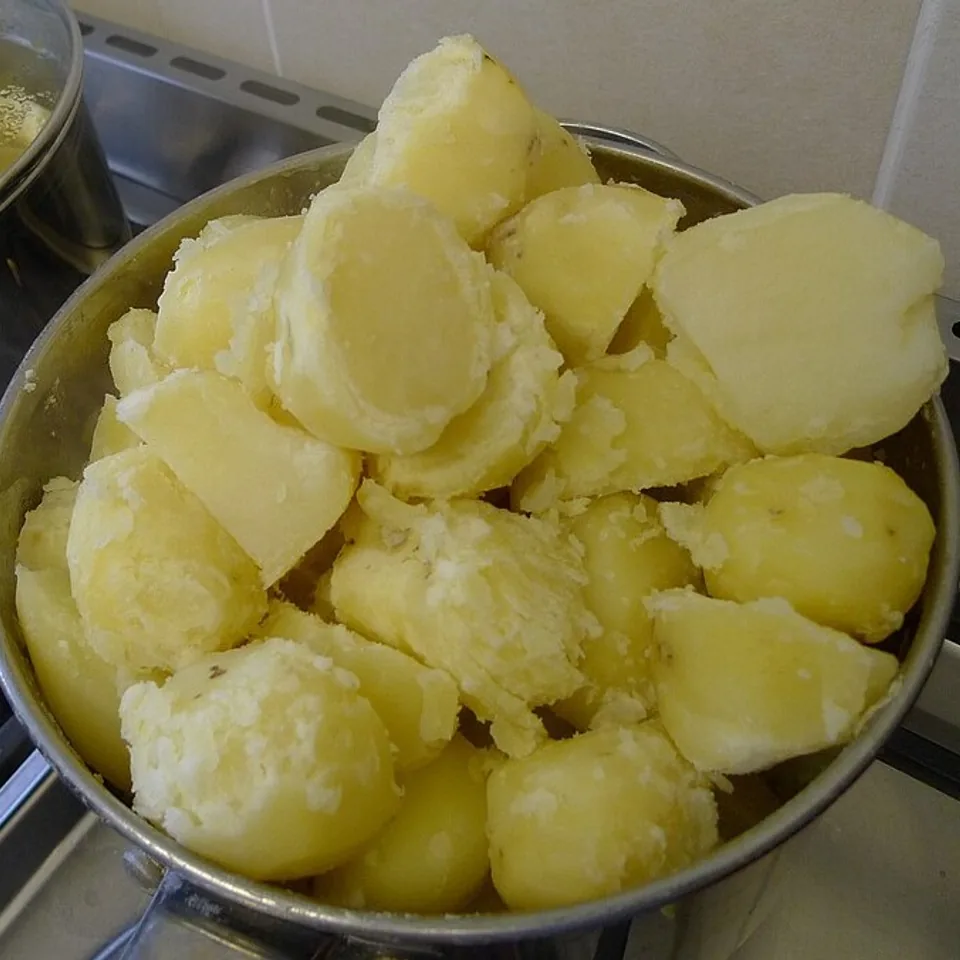
7,4 mg - Batata
Boiled potato flesh, cooked without skin, without salt.
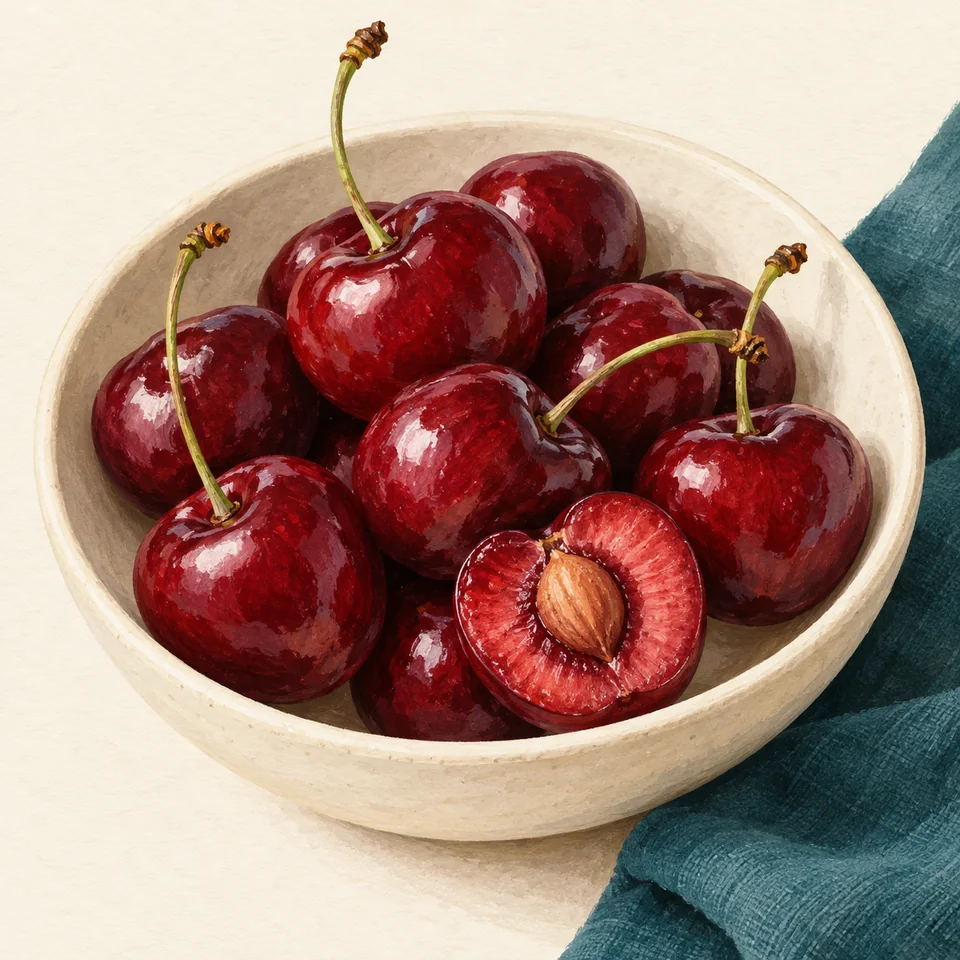
7,4 mg - Sweet cherries
Cherries, sweet, raw, exactly as identified by USDA.
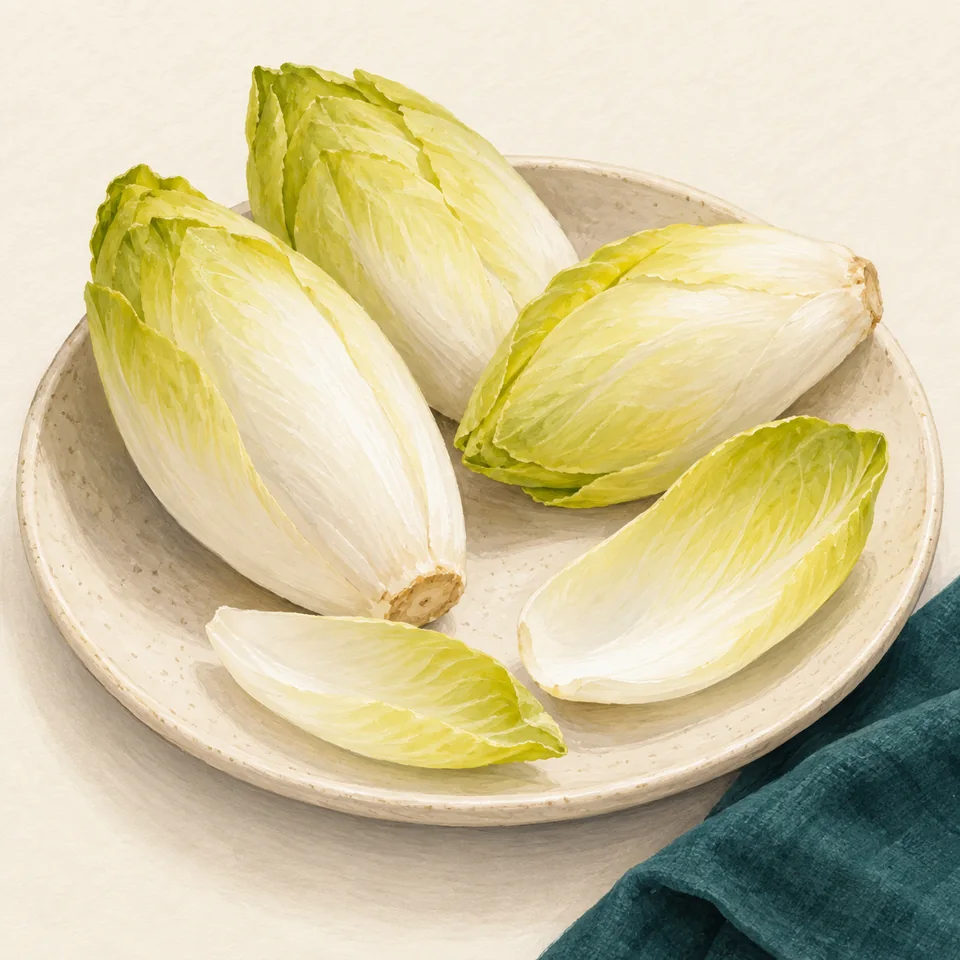
7 mg - Endive
Endive, raw, exactly as identified by USDA.
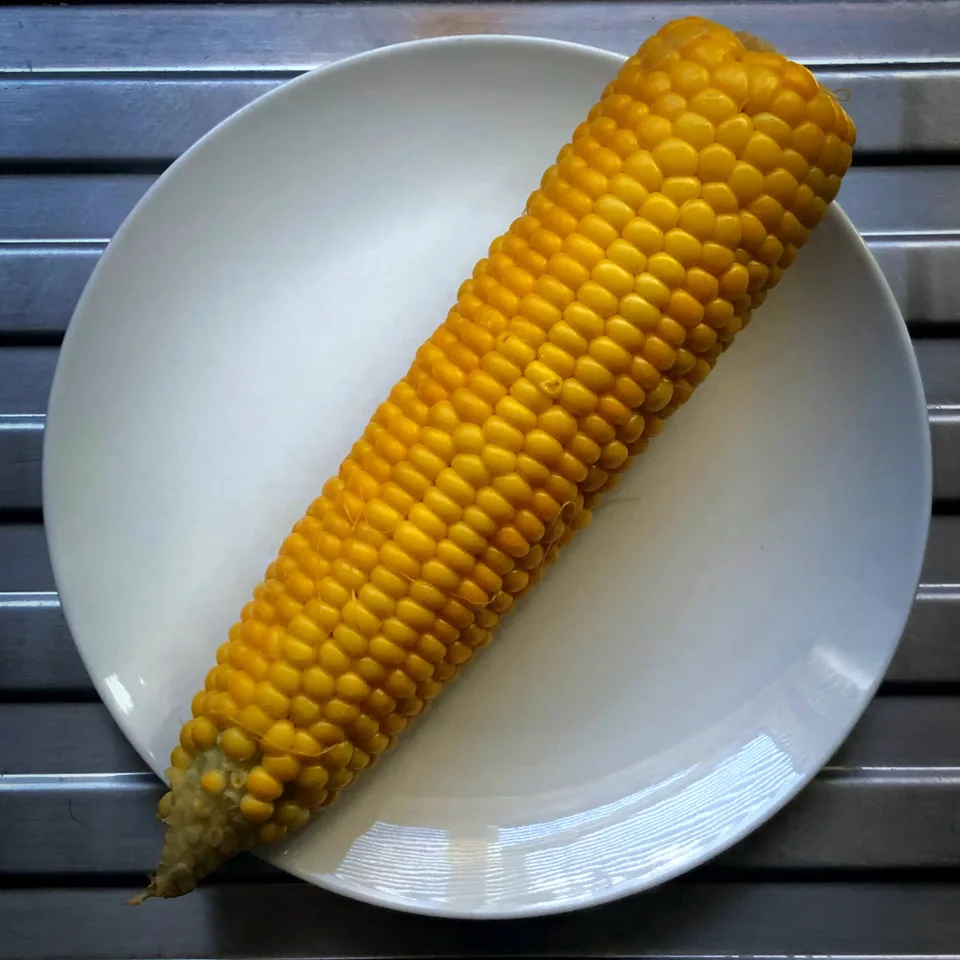
6,5 mg - Milho-verde
Yellow sweet corn, boiled, drained, without salt.
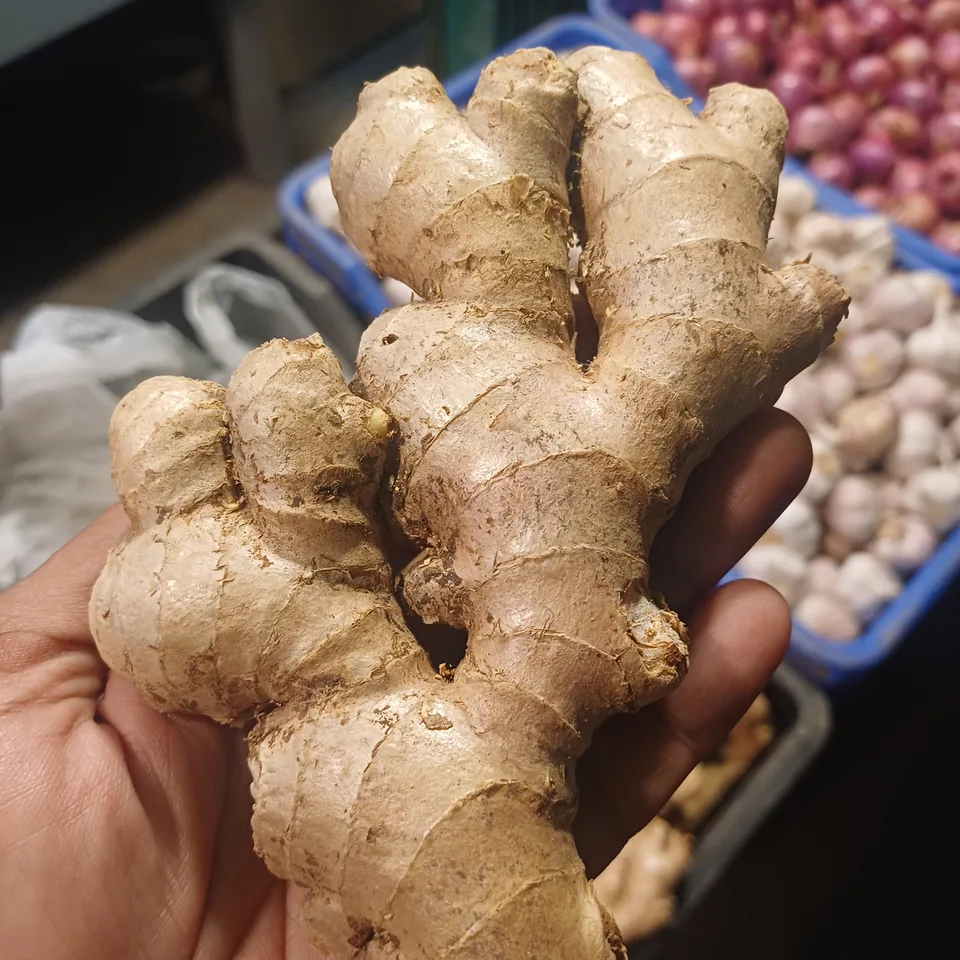
5,5 mg - Gengibre
Raw ginger root.
5 mg
All results are sorted before pagination. Bars compare amounts within this search; they do not indicate health benefits. Not reported does not mean zero.
ENTENDER OS DADOS
O nutriente, em contexto
Como ler esta classificação
Esta página compara Vitamin C (Vitamin C, total ascorbic acid), em mg por 100 g de alimento.
As formas químicas e os métodos de medição permanecem separados. “Não reportado” significa que não há um valor disponível, não que o alimento contenha zero. A posição na classificação não determina as suas necessidades individuais nem diagnostica uma deficiência.
This NIH fact sheet concerns this nutrient. Its recommended amounts describe daily intake for the stated population, not a 100 g food portion. Keep food and supplement exposure separate as the source specifies.
A ficha da NIH ODS abaixo está no idioma original publicado pela fonte (inglês). A NIH não publica esta ficha em português brasileiro; não traduzimos doses nem recomendações.
NIH · OFFICE OF DIETARY SUPPLEMENTS
Vitamin C: Fact Sheet for Consumers
Texto original publicado pela NIH, com tabelas de ingestão por idade e sexo, precauções e o contexto de população indicado pela fonte. O Bitameans não fez uma revisão médica independente nem adapta estas recomendações à sua situação pessoal.
What is vitamin C and what does it do?
Vitamin C, also known as ascorbic acid, is a water-soluble nutrient found in some foods. In the body, it acts as an antioxidant, helping to protect cells from the damage caused by free radicals. Free radicals are compounds formed when our bodies convert the food we eat into energy. People are also exposed to free radicals in the environment from cigarette smoke, air pollution, and ultraviolet light from the sun.
The body also needs vitamin C to make collagen, a protein required to help wounds heal. In addition, vitamin C improves the absorption of iron from plant-based foods and helps the immune system work properly to protect the body from disease.
How much vitamin C do I need?
Fontes de identidade e estrutura
- PubChem Compound 54670067: L-Ascorbic Acid · Consultado 2026-09-13
- USDA FoodData Central: Foundation Foods Documentation · Consultado 2026-09-13