EXPLORE UM NUTRIENTE
Vitamina A
Veja como as quantidades variam entre alimentos, na mesma base de comparação.
Entenda este nutriente ↓O que é?
Retinol activity equivalents express vitamin A activity; they are not a single chemical form. [1]

Representação conceitual; não é uma estrutura molecular.
Descrição, fonte e atribuição
A conceptual grouping, not a molecular structure. This reporting category contains multiple components or represents a calculated quantity.
Original Bitameans conceptual/fallback artwork; not a chemical structure. Fonte · Condições de uso
Verificação da fonte:
A COMMON BASIS
Alimentos, por 100 g
169 foods with data 37 not reported, excluded from ranking
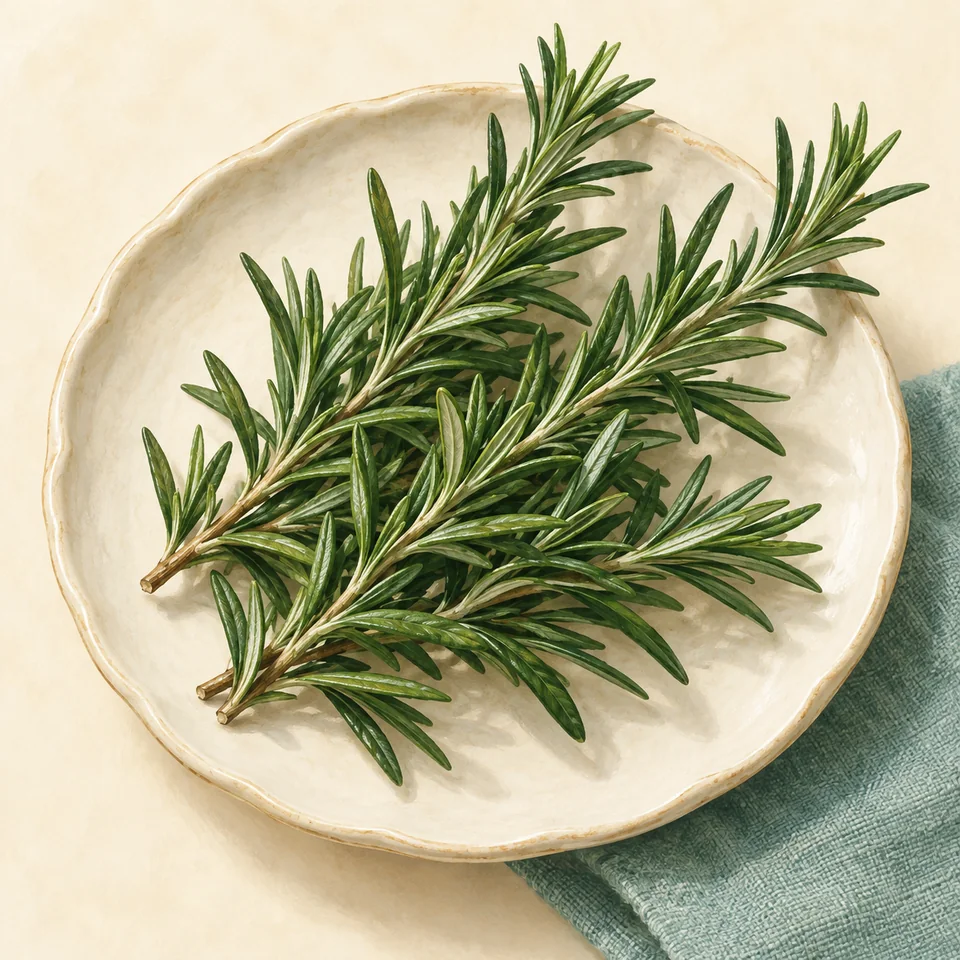
- Dried rosemary
Spices, rosemary, dried, exactly as identified by USDA.
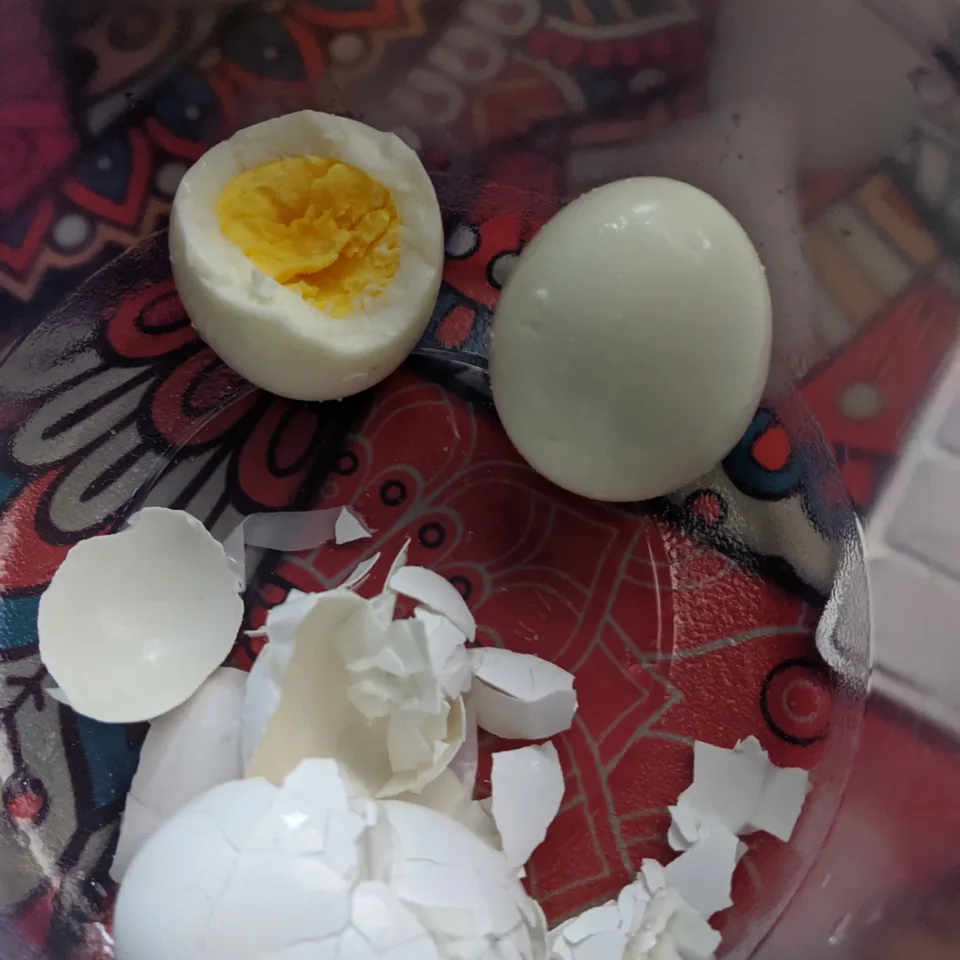
156 µg - Ovo
Whole egg, hard-boiled.
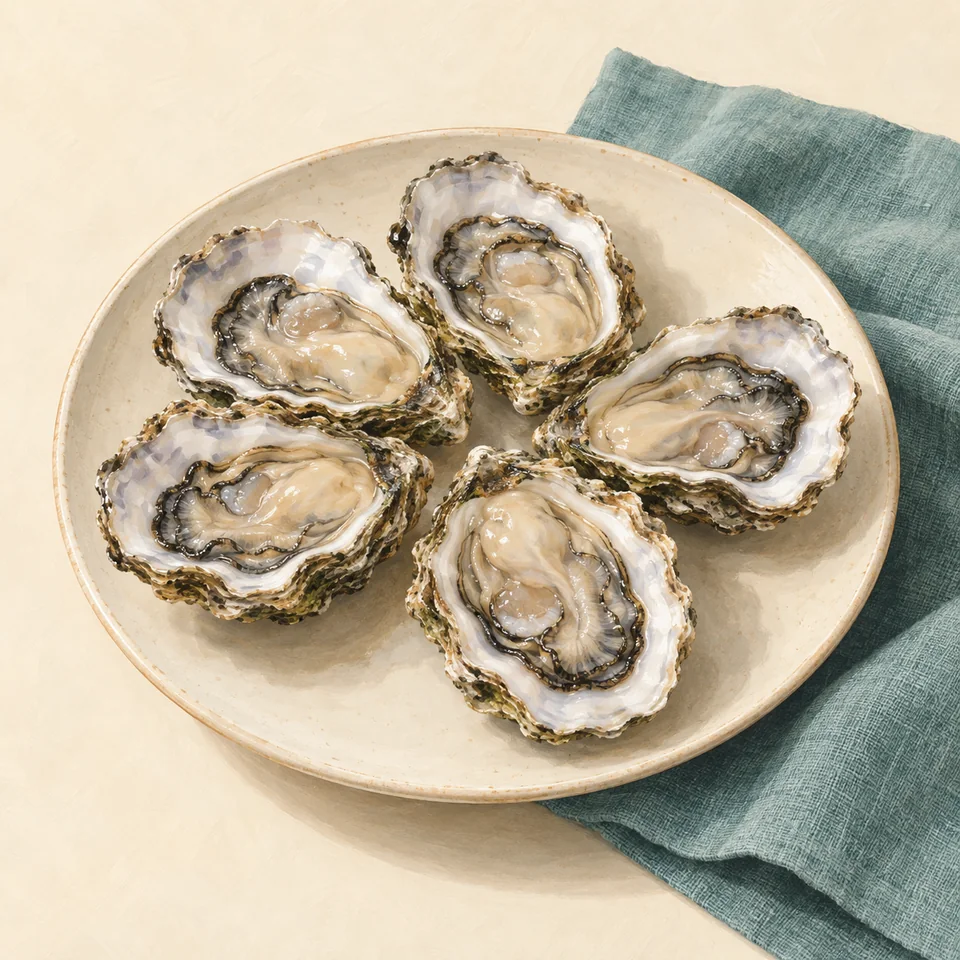
149 µg - Oysters
Mollusks, oyster, Pacific, cooked, moist heat, exactly as identified by USDA.
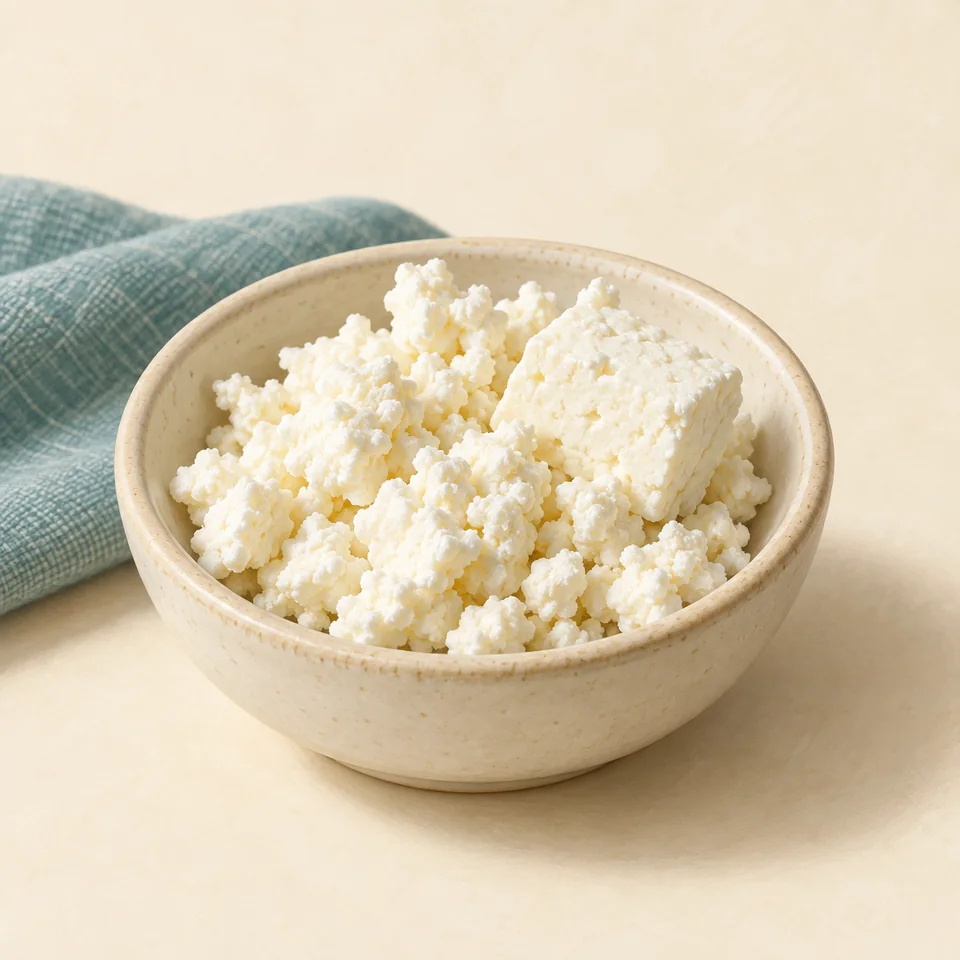
146 µg - Queijo ricota
Whole-milk ricotta cheese.
127 µg - Feta cheese
Cheese, feta, exactly as identified by USDA.
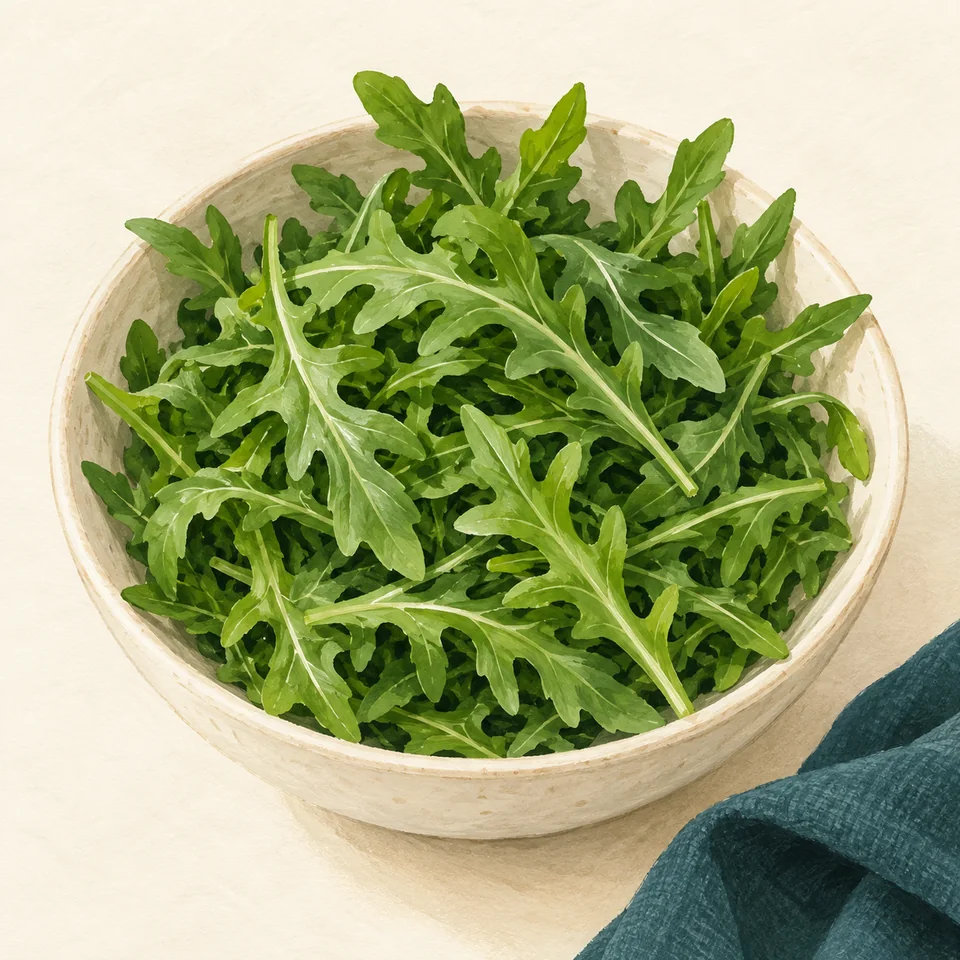
125 µg - Arugula
Arugula, raw, exactly as identified by USDA.
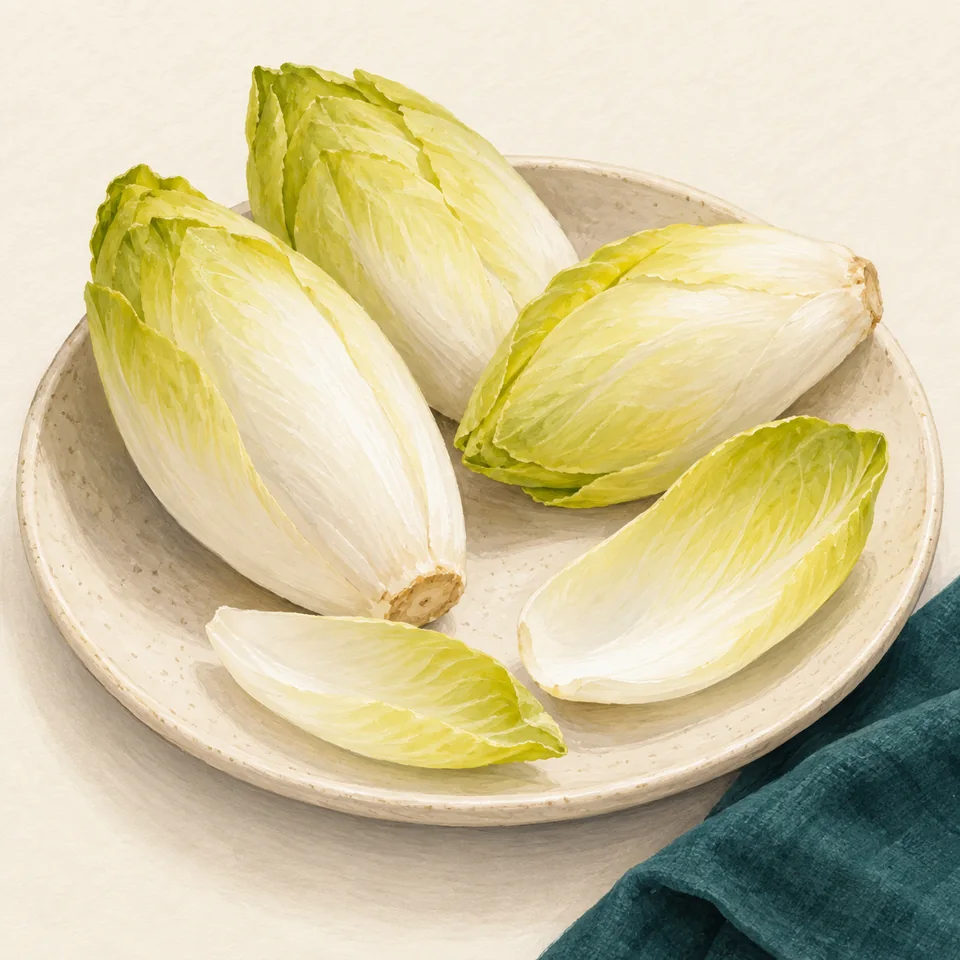
119 µg - Endive
Endive, raw, exactly as identified by USDA.
108 µg - Truta-arco-íris
Farmed rainbow trout, cooked with dry heat.
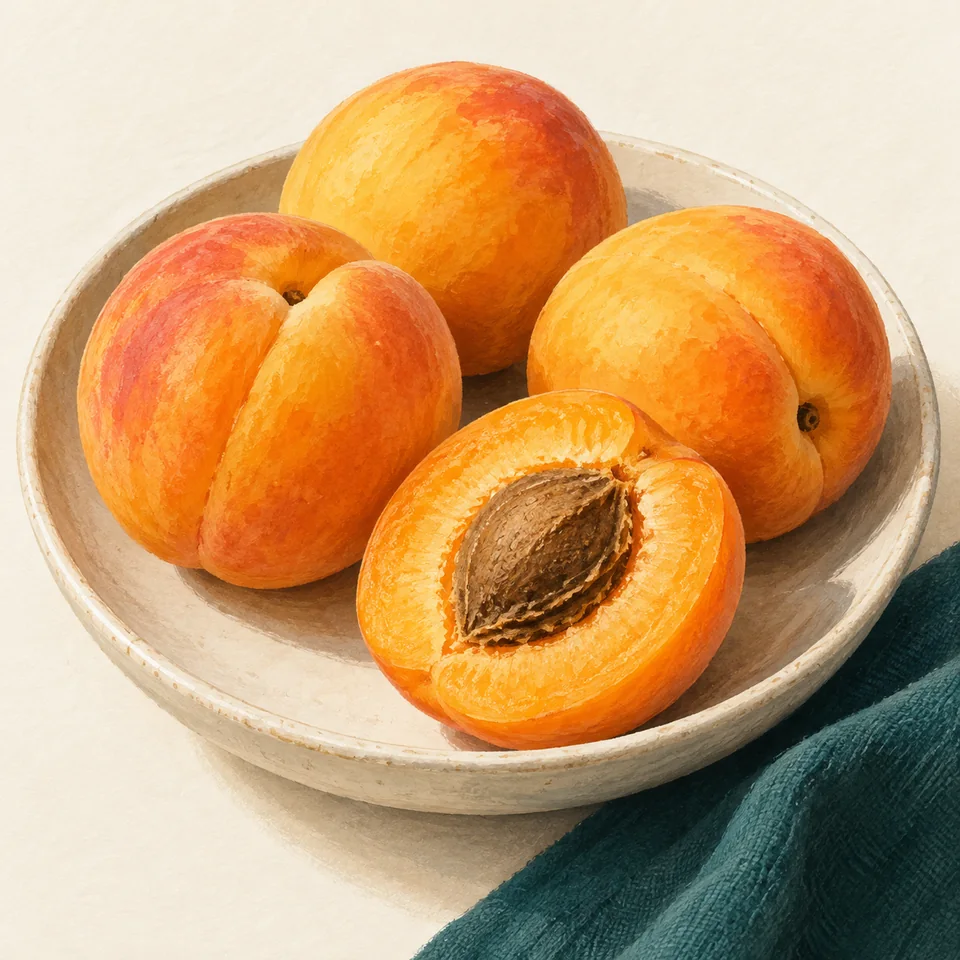
100 µg - Apricot
Apricots, raw, exactly as identified by USDA.
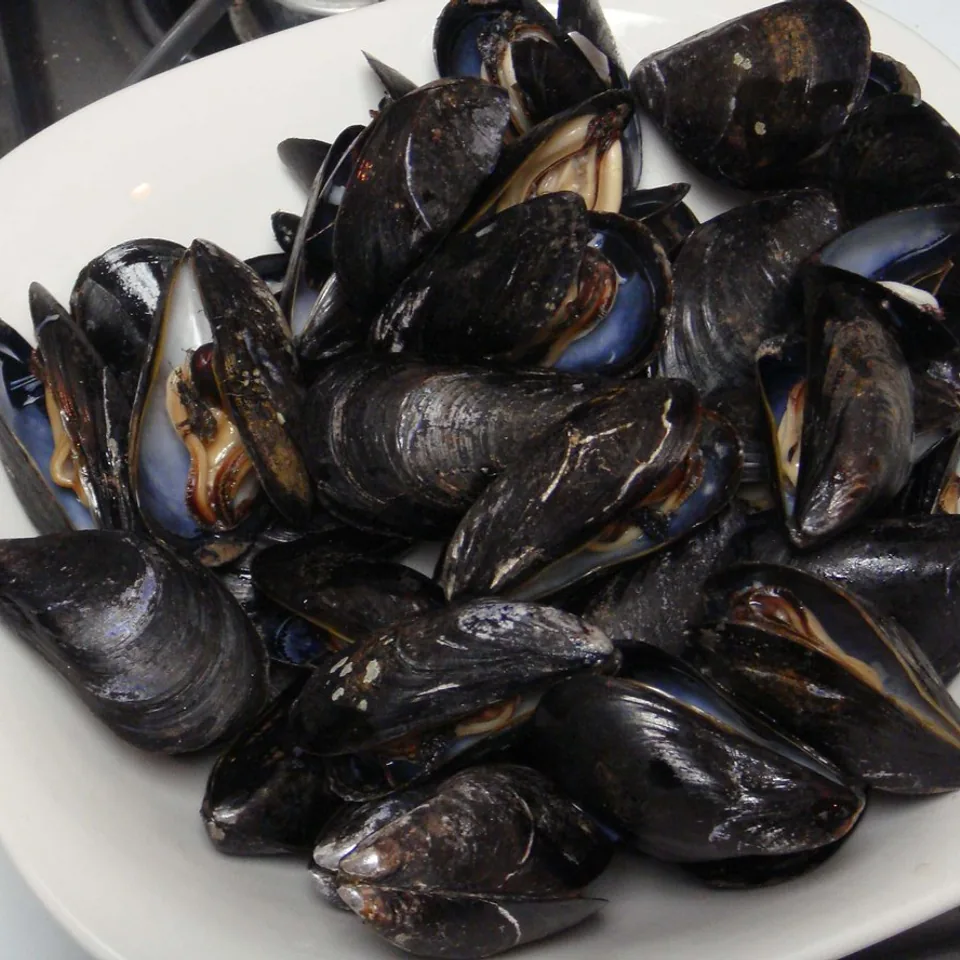
96 µg - Mexilhões azuis
Blue mussels, cooked with moist heat.
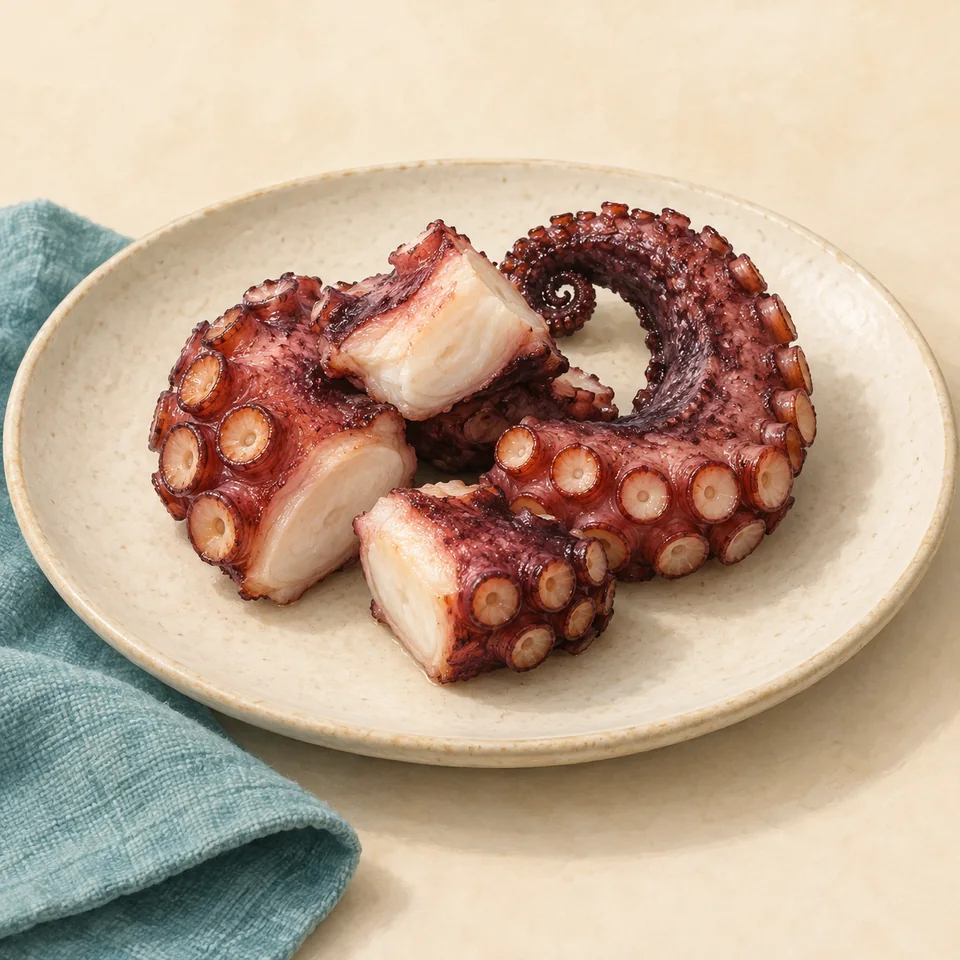
91 µg - Octopus
Mollusks, octopus, common, cooked, moist heat, exactly as identified by USDA.
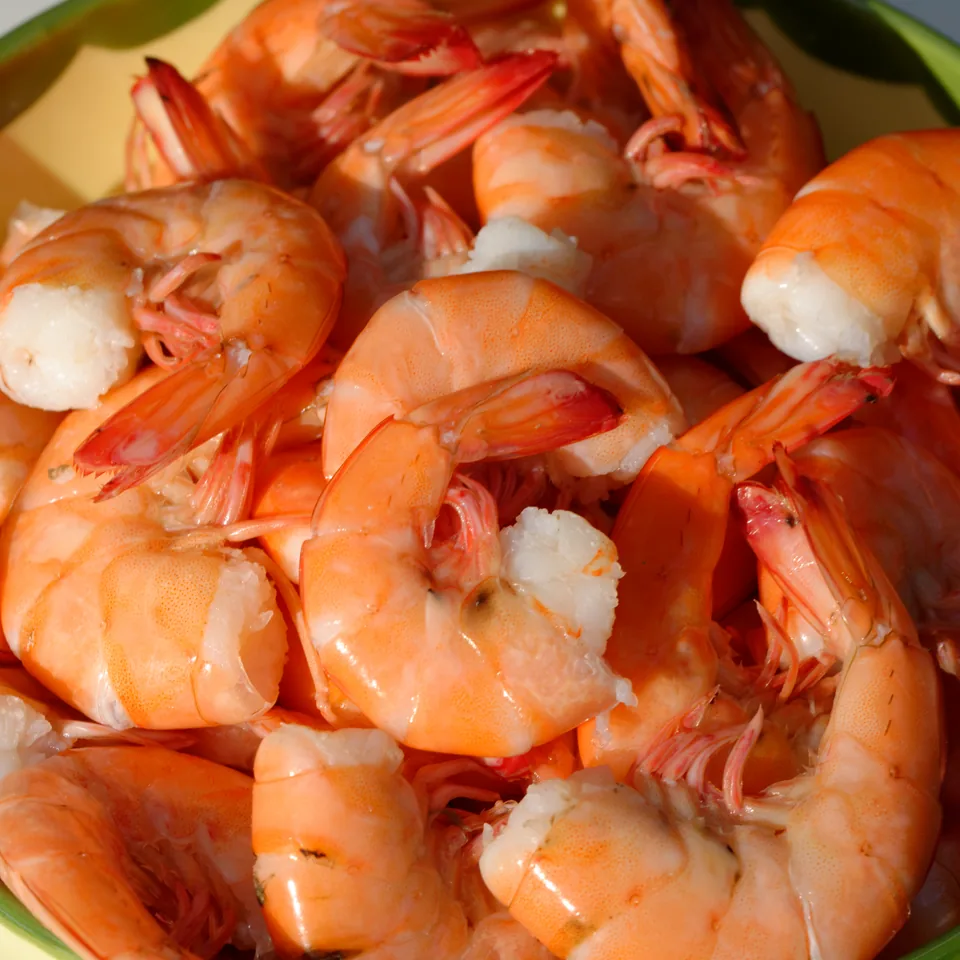
90 µg - Camarão
Mixed-species shrimp, cooked with moist heat; may contain moisture-retention additives.
90 µg
All results are sorted before pagination. Bars compare amounts within this search; they do not indicate health benefits. Not reported does not mean zero.
ENTENDER OS DADOS
O nutriente, em contexto
Como ler esta classificação
Esta página compara Vitamin A (Vitamin A, RAE), em µg por 100 g de alimento.
As formas químicas e os métodos de medição permanecem separados. “Não reportado” significa que não há um valor disponível, não que o alimento contenha zero. A posição na classificação não determina as suas necessidades individuais nem diagnostica uma deficiência.
This NIH fact sheet discusses the nutrient family. Vitamin A, RAE is the specific USDA measurement on this page. Do not apply family intake recommendations directly to this form or unit; use the definitions, population groups, and food/supplement distinctions in the source.
A ficha da NIH ODS abaixo está no idioma original publicado pela fonte (inglês). A NIH não publica esta ficha em português brasileiro; não traduzimos doses nem recomendações.
NIH · OFFICE OF DIETARY SUPPLEMENTS
Vitamin A and Carotenoids: Fact Sheet for Consumers
Texto original publicado pela NIH, com tabelas de ingestão por idade e sexo, precauções e o contexto de população indicado pela fonte. O Bitameans não fez uma revisão médica independente nem adapta estas recomendações à sua situação pessoal.
What are vitamin A and carotenoids and what do they do?
Vitamin A is a fat-soluble vitamin that is naturally present in many foods. Vitamin A is important for normal vision, the immune system, reproduction, and growth and development. Vitamin A also helps your heart, lungs, and other organs work properly. Carotenoids are pigments that give yellow, orange, and red fruits and vegetables their color. Your body is able to convert some carotenoids into vitamin A.
There are two different sources for vitamin A:
- Preformed vitamin A is found in fish, organ meats (such as liver), dairy products, and eggs.
- Provitamin A carotenoids are turned into vitamin A by your body. They are found in fruits, vegetables, and other plant-based products. The most common provitamin A carotenoid in foods and dietary supplements is beta-carotene.
·
Fontes de identidade e estrutura
- USDA FoodData Central: Foundation Foods Documentation · Consultado 2026-09-13