EXPLORE UM NUTRIENTE
Fibra
Veja como as quantidades variam entre alimentos, na mesma base de comparação.
Entenda este nutriente ↓O que é?
A dietary-fiber fraction defined by its reported analytical category; it contains multiple molecules. [1]

Representação conceitual; não é uma estrutura molecular.
Descrição, fonte e atribuição
A conceptual grouping, not a molecular structure. This reporting category contains multiple components or represents a calculated quantity.
Original Bitameans conceptual/fallback artwork; not a chemical structure. Fonte · Condições de uso
Verificação da fonte:
A COMMON BASIS
Alimentos, por 100 g
186 foods with data 20 not reported, excluded from ranking
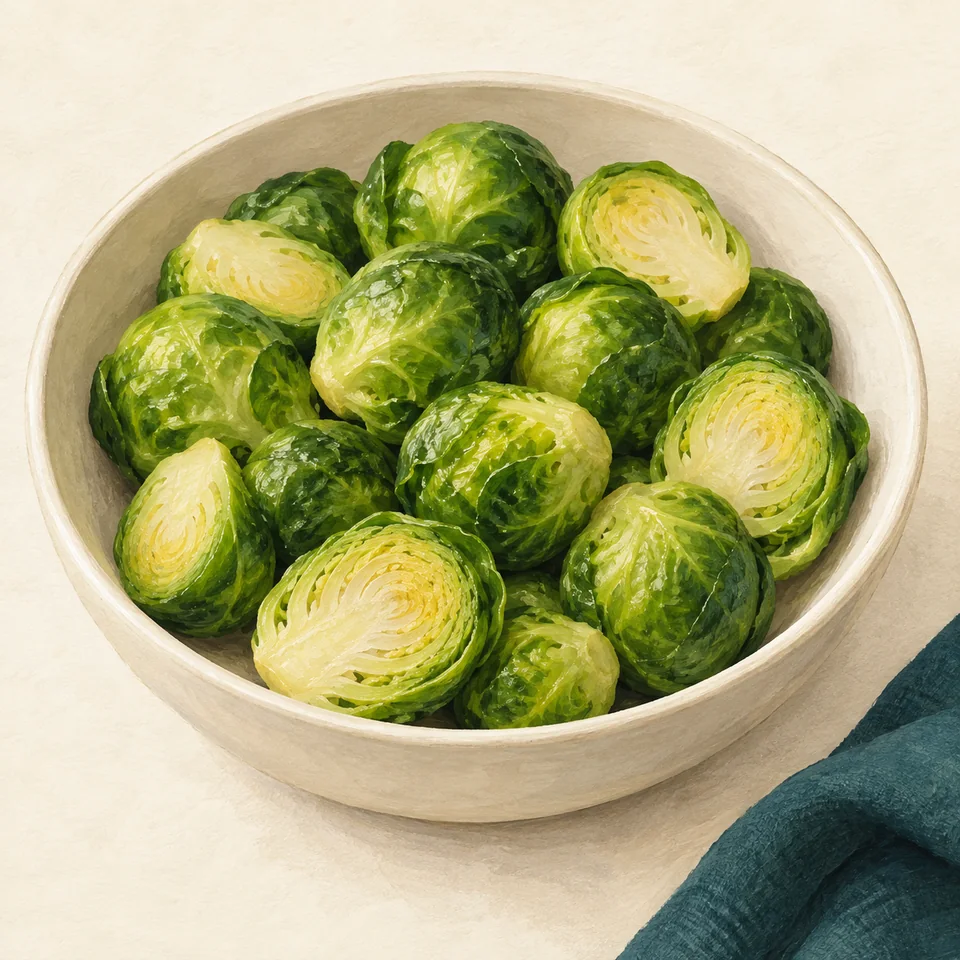
- Brussels sprouts
Brussels sprouts, cooked, boiled, drained, without salt, exactly as identified by USDA.
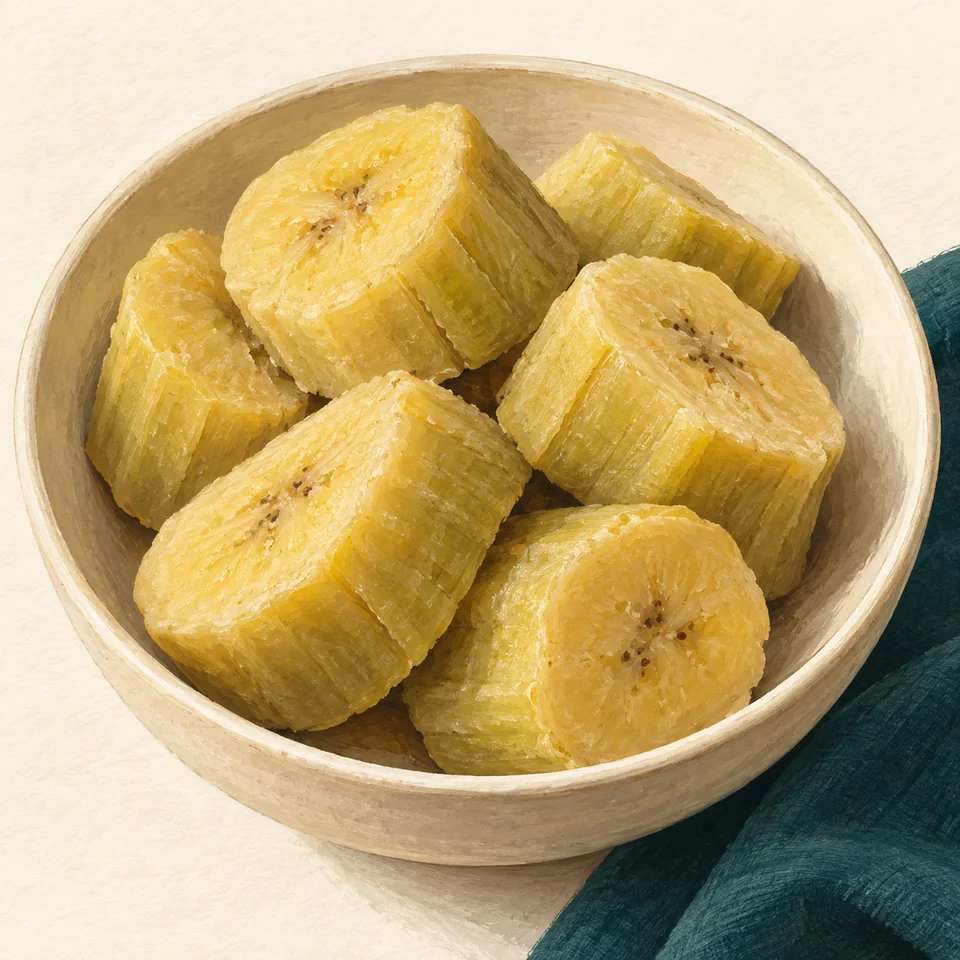
2,6 g - Banana-da-terra verde
Green plantain, boiled; added salt is not stated in the source description.
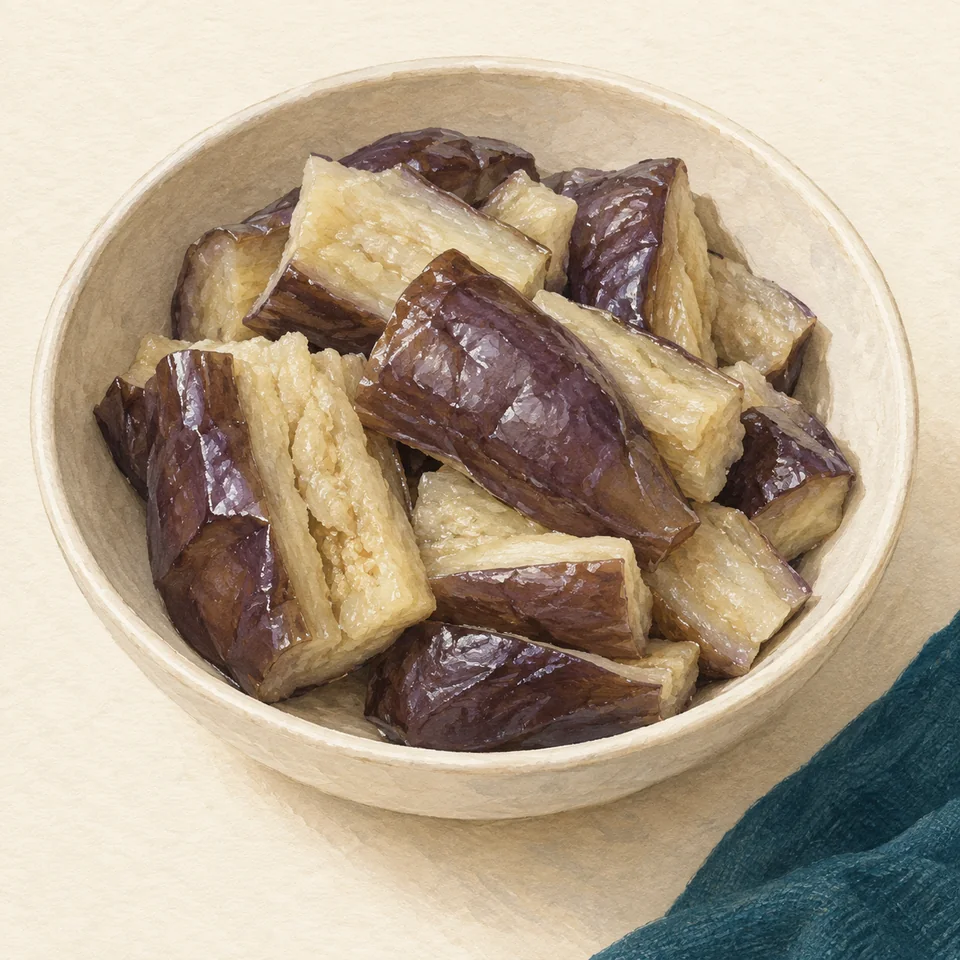
2,6 g - Berinjela
Eggplant, boiled, drained, without salt.
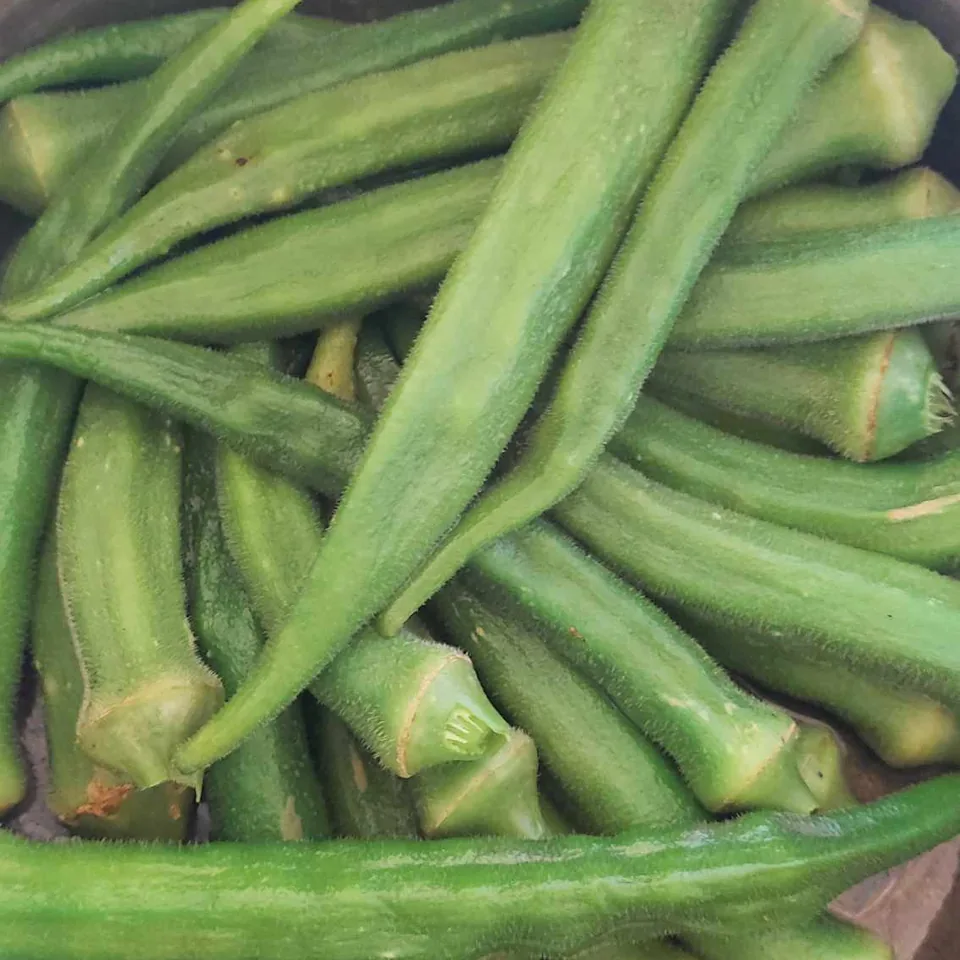
2,5 g - Quiabo
Okra, boiled, drained, without salt.
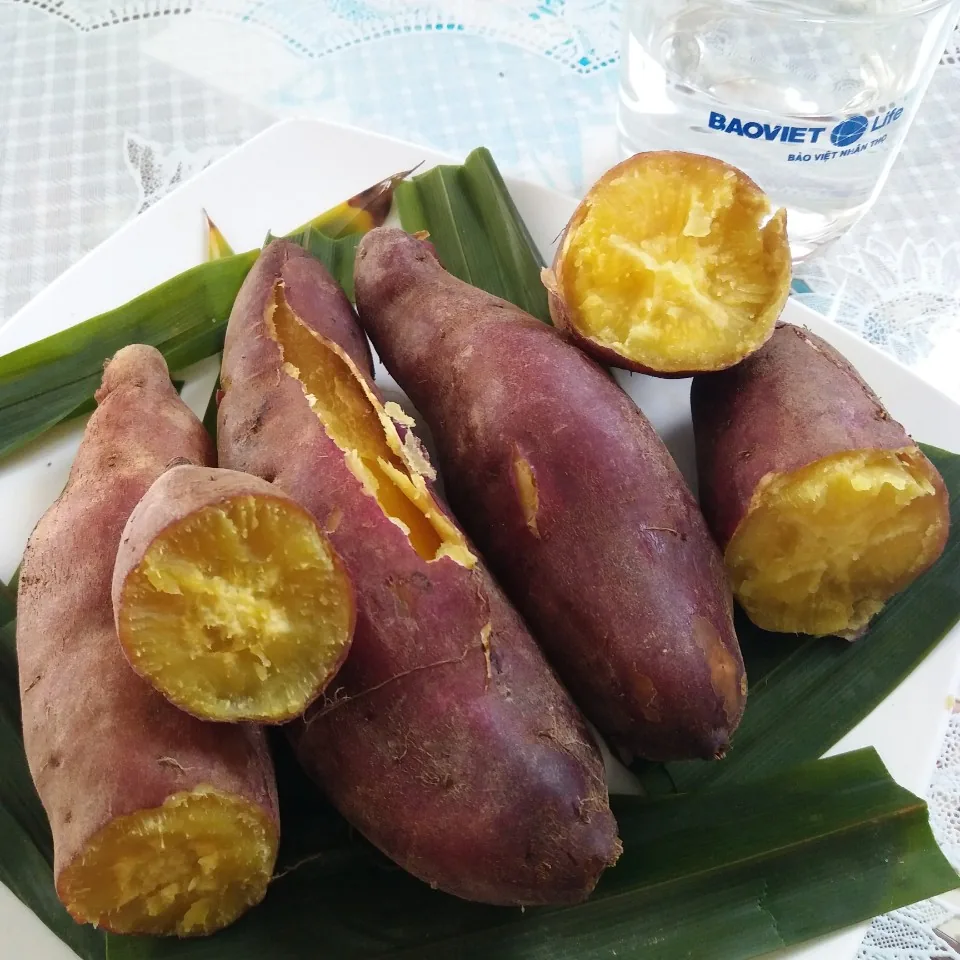
2,5 g - Batata-doce
Sweet potato, boiled without skin; added salt is not stated in the source description.
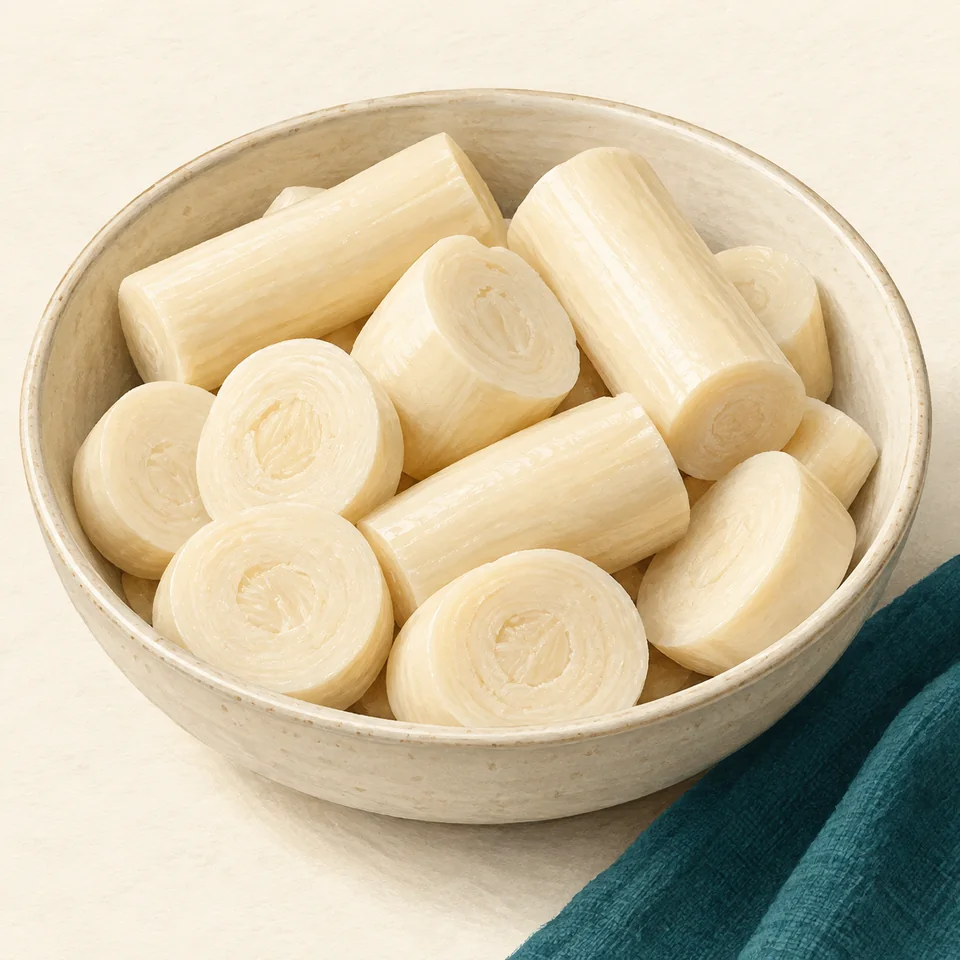
2,5 g - Hearts of palm
Hearts of palm, canned, exactly as identified by USDA.
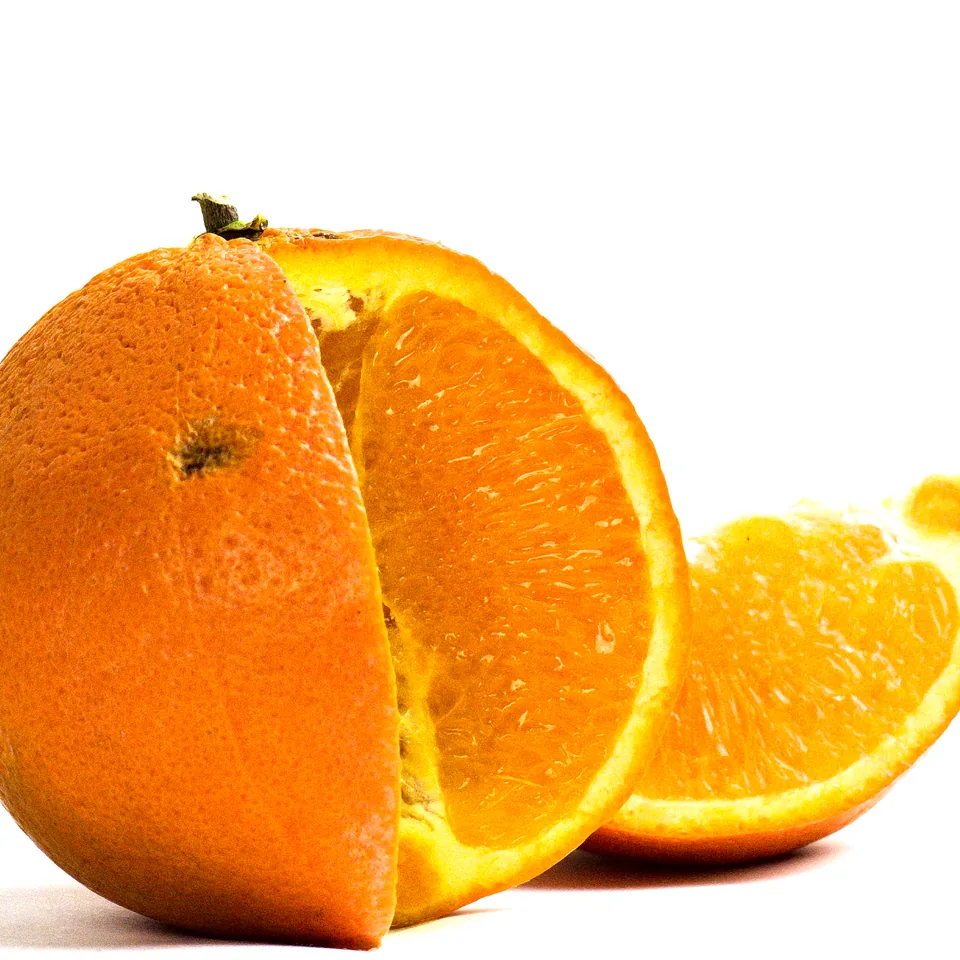
2,4 g - Laranja
Raw orange, all commercial varieties; edible flesh.
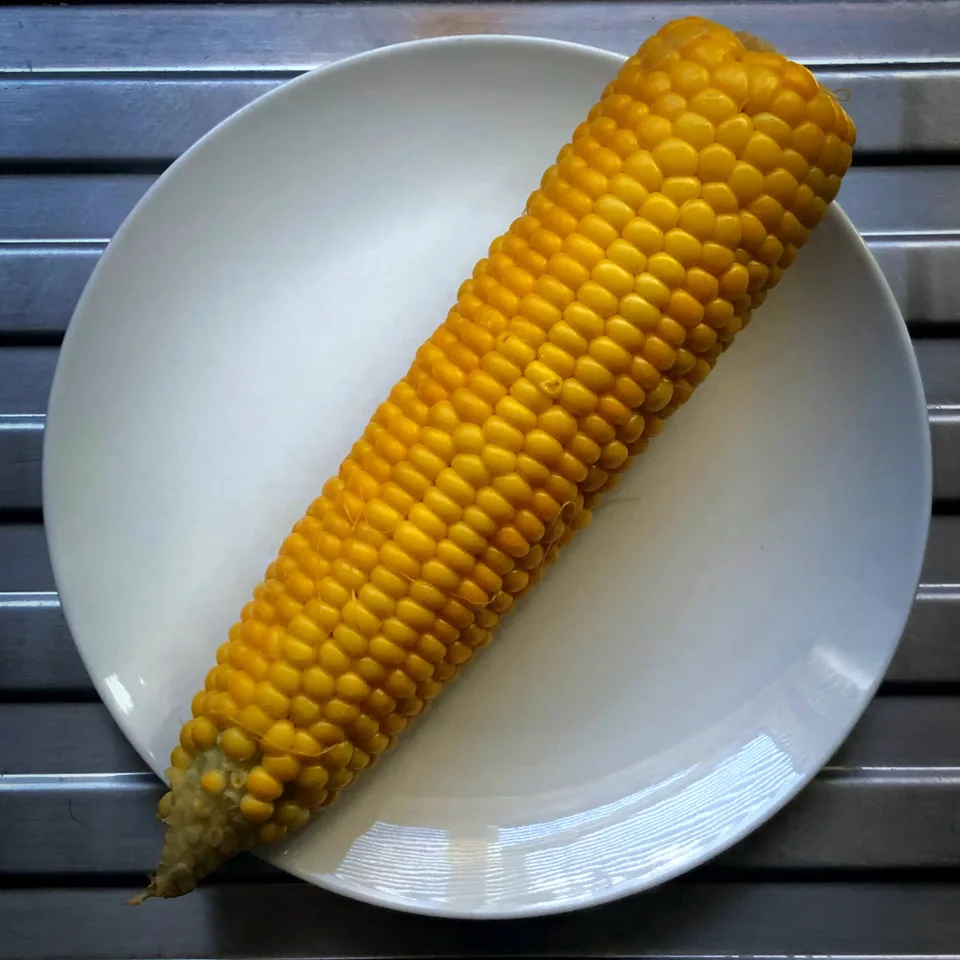
2,4 g - Milho-verde
Yellow sweet corn, boiled, drained, without salt.
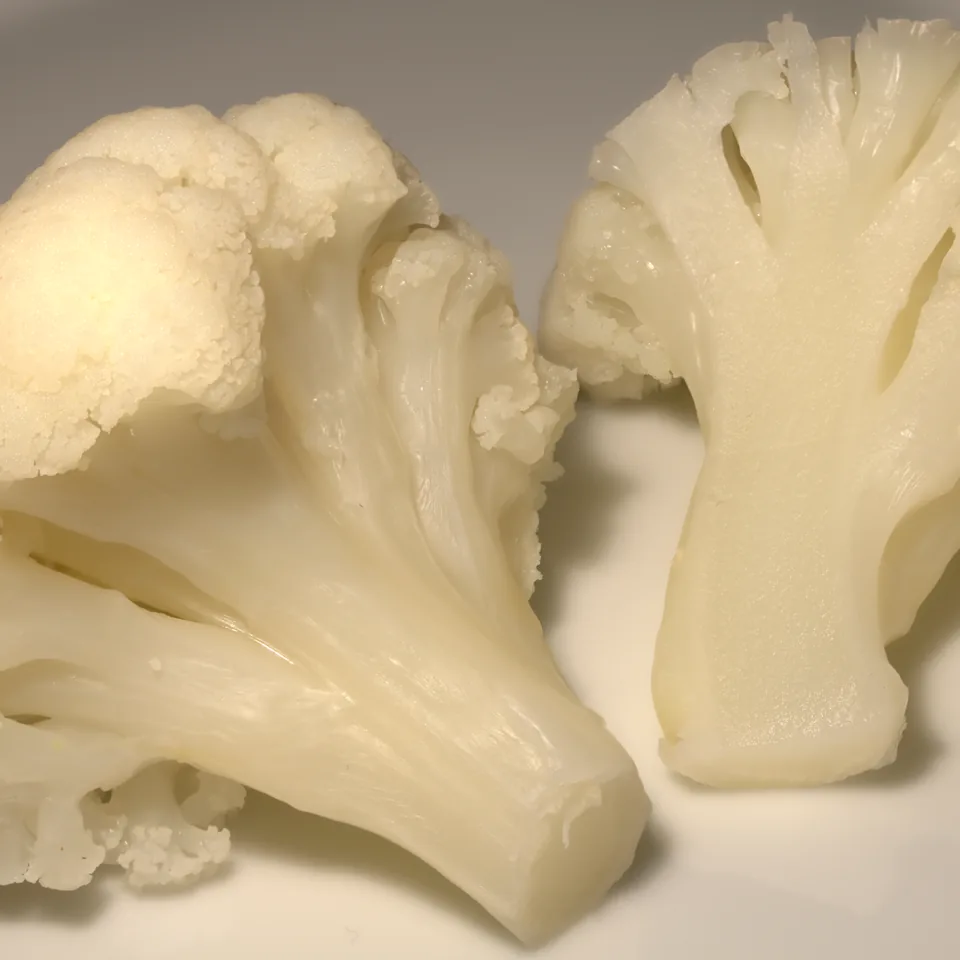
2,4 g - Couve-flor
Cauliflower, boiled, drained, without salt.
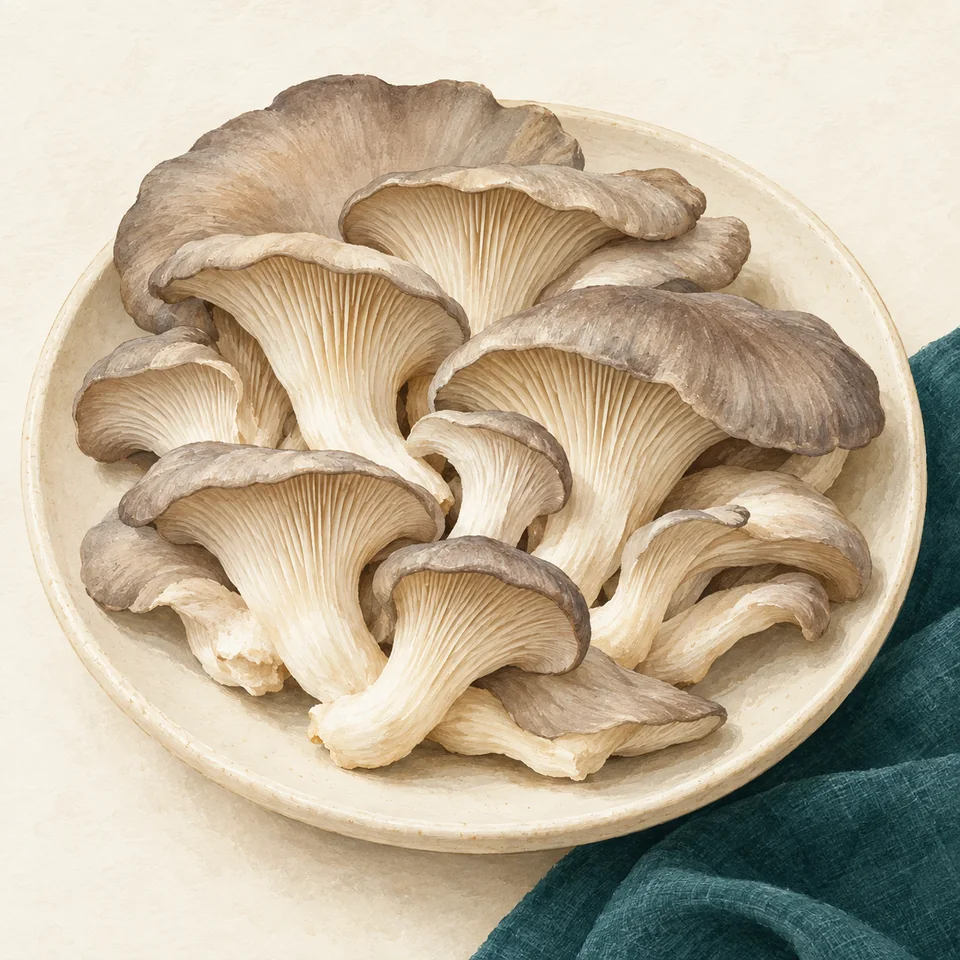
2,3 g - Oyster mushrooms
Mushrooms, oyster, raw, exactly as identified by USDA.
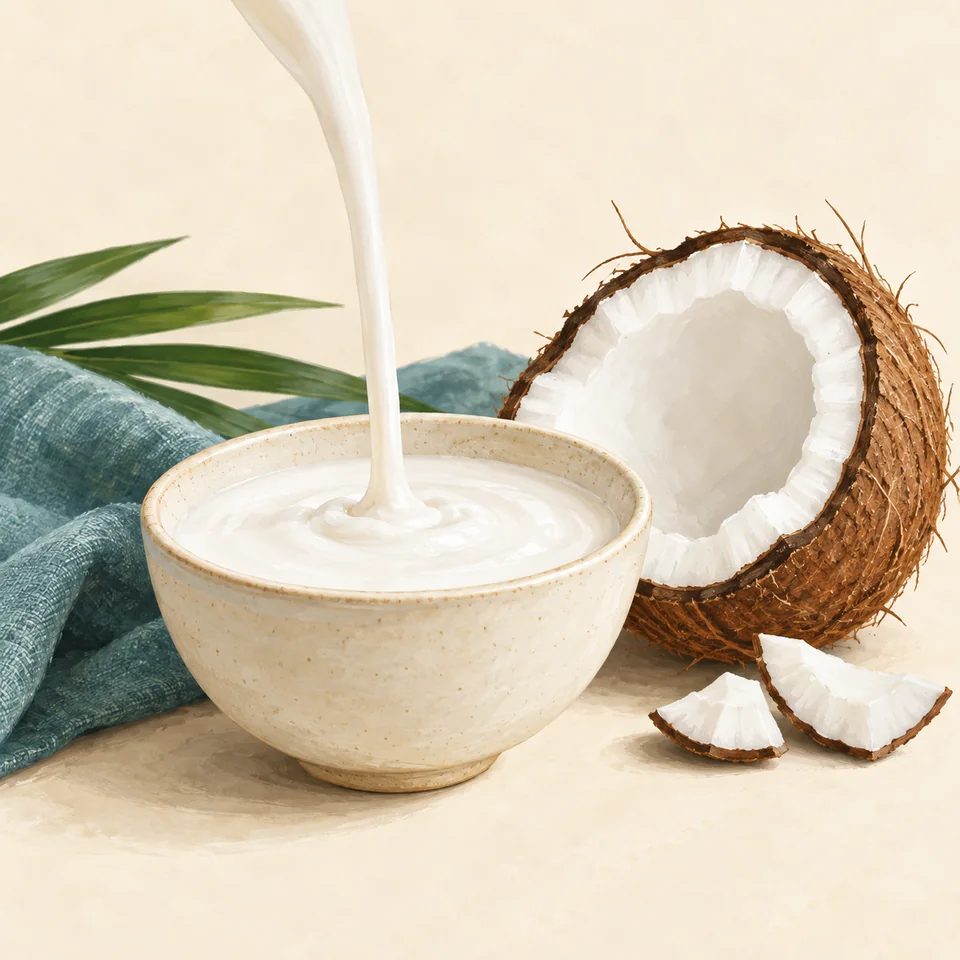
2,3 g - Coconut milk
Nuts, coconut milk, raw (liquid expressed from grated meat and water), exactly as identified by USDA.
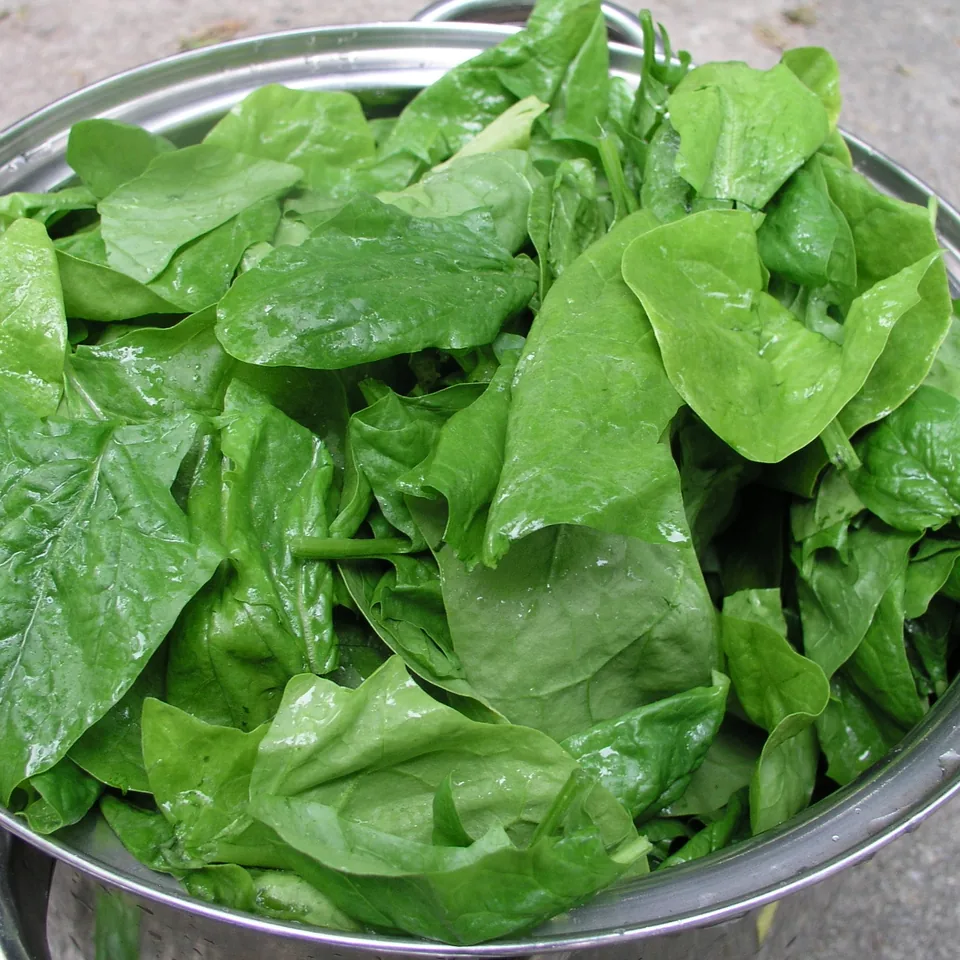
2,2 g - Espinafre
Raw spinach.
2,2 g
All results are sorted before pagination. Bars compare amounts within this search; they do not indicate health benefits. Not reported does not mean zero.
UNDERSTAND THE DATA
What it means for your diet
These sources explain dietary fiber and carbohydrate in foods. Soluble, insoluble, beta-glucan and analytical fiber fractions remain distinct; a benefit described for dietary fiber in general is not proof for every isolated fiber ingredient or dose.
Ranking amounts describe foods, not supplement doses. A high rank does not mean you should consume more. Source recommendations and cautions retain their original population and scope.
Os textos da fonte abaixo estão em inglês. Não traduzimos automaticamente recomendações ou doses.
Dietary Fiber [1]
Source: MedlinePlus, National Library of Medicine. Original health-topic summary, reproduced with attribution.
Fiber is a substance in plants. Dietary fiber is the kind you eat. It's a type of carbohydrate. You may also see it listed on a food label as soluble fiber or insoluble fiber. Both types have important health benefits.
Good sources of dietary fiber include:
- Whole grains
- Nuts and seeds
- Fruit and vegetables
Dietary fiber adds bulk to your diet and makes you feel full faster, helping you control your weight. It helps digestion and helps prevent constipation. Most Americans don't eat enough dietary fiber. But add it to your diet slowly. Increasing dietary fiber too quickly can lead to gas, bloating, and cramps.
Centers for Disease Control and Prevention
Fontes de identidade e estrutura
- USDA FoodData Central: Foundation Foods Documentation · Consultado 2026-09-13