EXPLORE UM NUTRIENTE
Água
Veja como as quantidades variam entre alimentos, na mesma base de comparação.
Entenda este nutriente ↓O que é?
Water content is the moisture component reported in food composition. [1] [2]
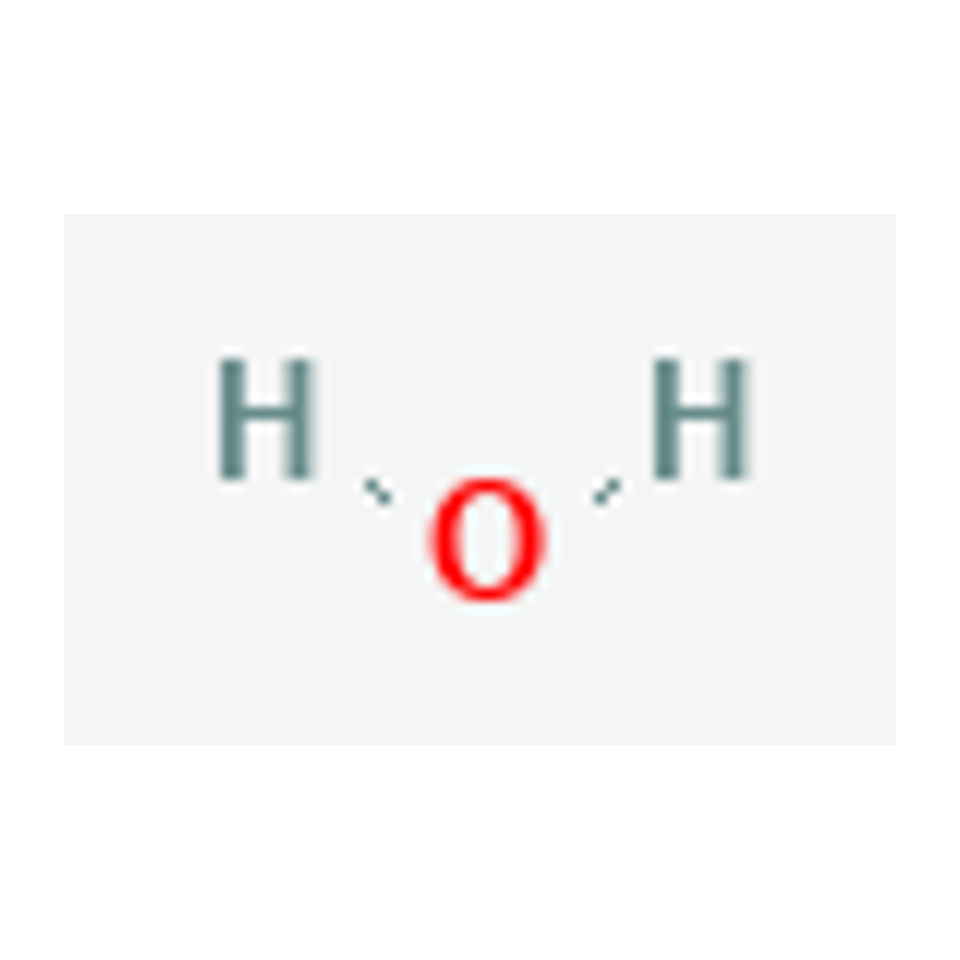
Referência de identidade; não representa a aparência do alimento.
Descrição, fonte e atribuição
Reference depiction: water. Formula H2O; PubChem CID 962; charge 0. This is a chemical reference, not a depiction of its physical appearance in food.
PubChem Compound 962, 2D Structure. NCBI / National Library of Medicine. Fonte · Condições de uso
Verificação da fonte:
A COMMON BASIS
Alimentos, por 100 g
206 foods with data 0 not reported, excluded from ranking
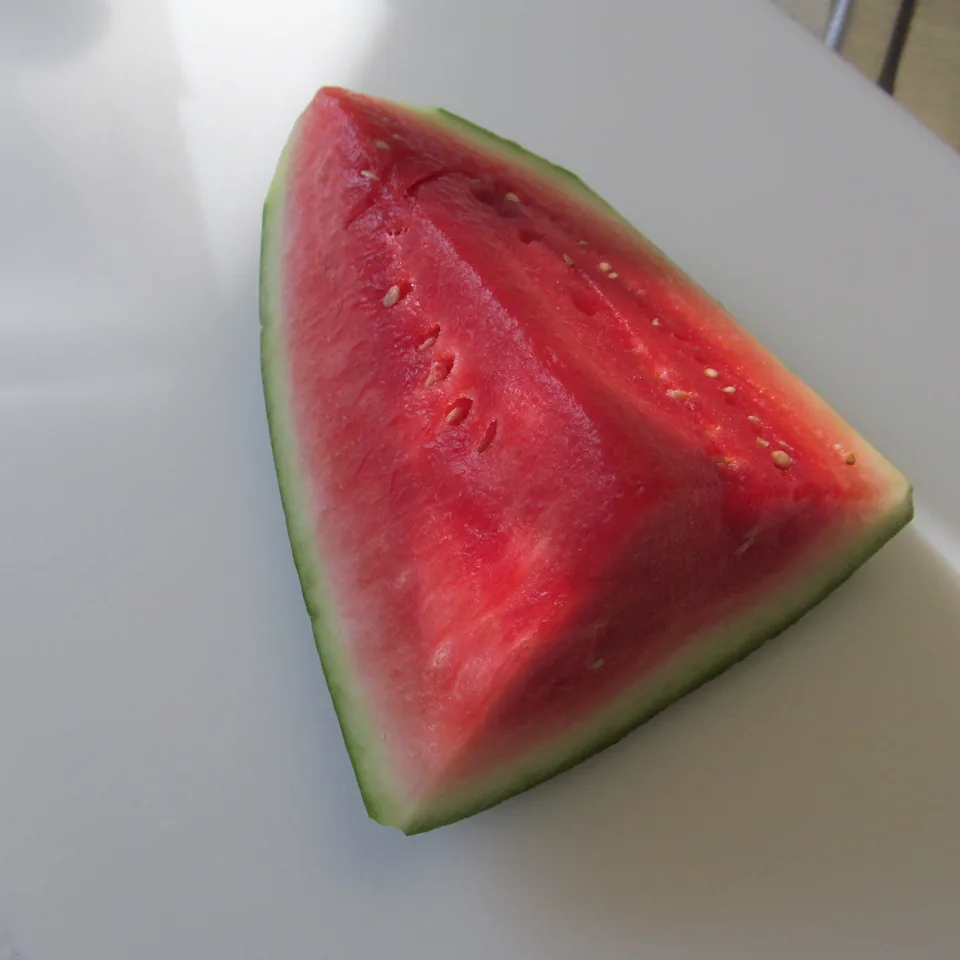
- Melancia
Raw watermelon, edible portion; seedless status not specified.
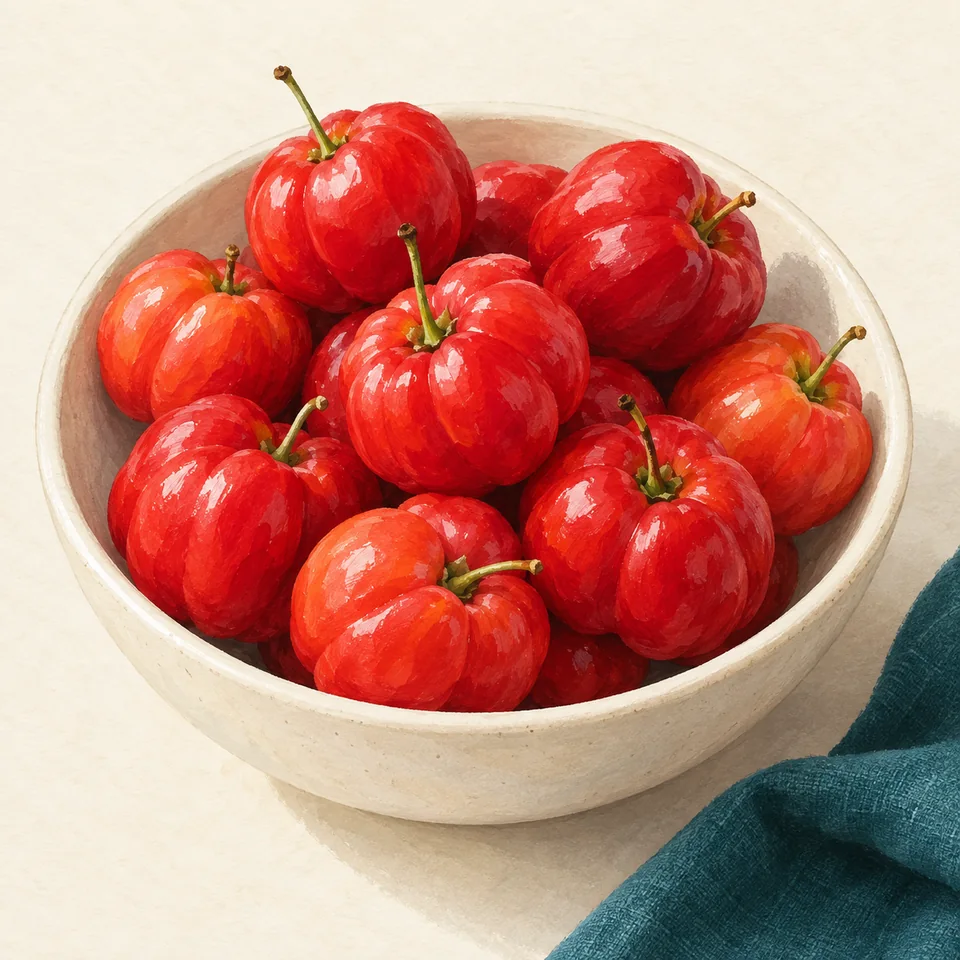
91,45 g - Acerola
Acerola, (west indian cherry), raw, exactly as identified by USDA.
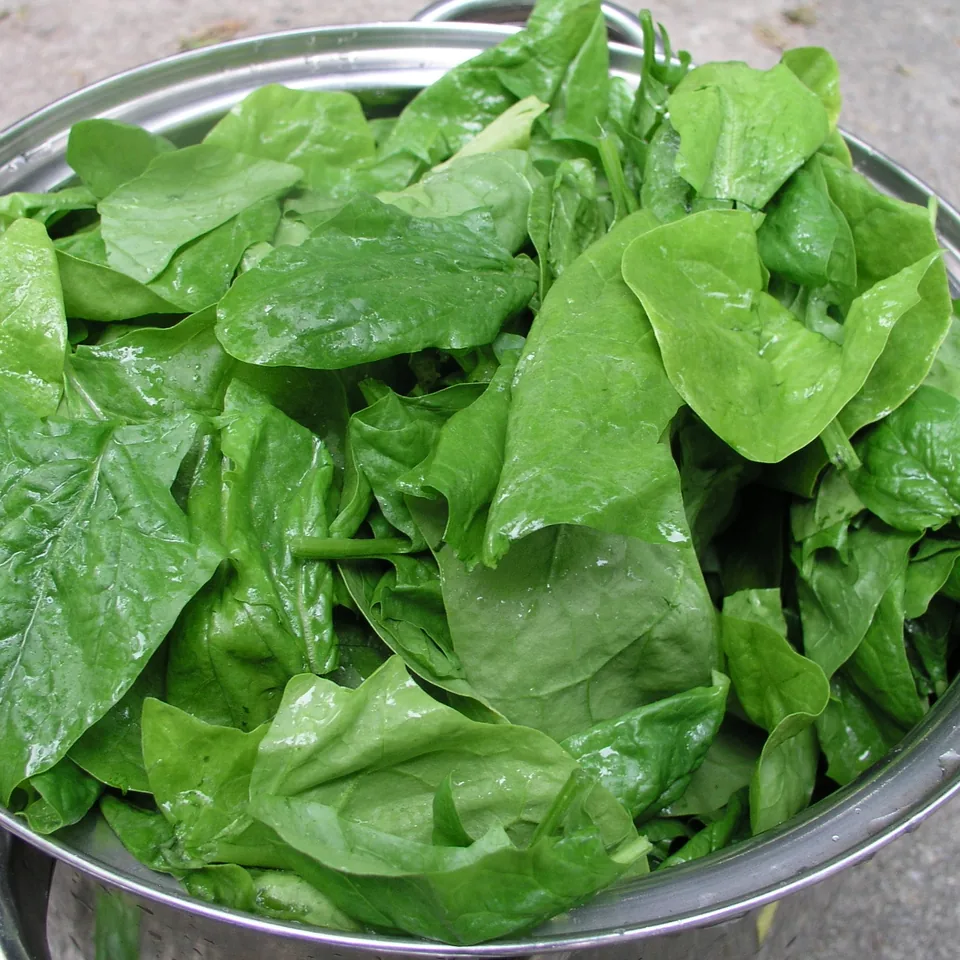
91,41 g - Espinafre
Raw spinach.
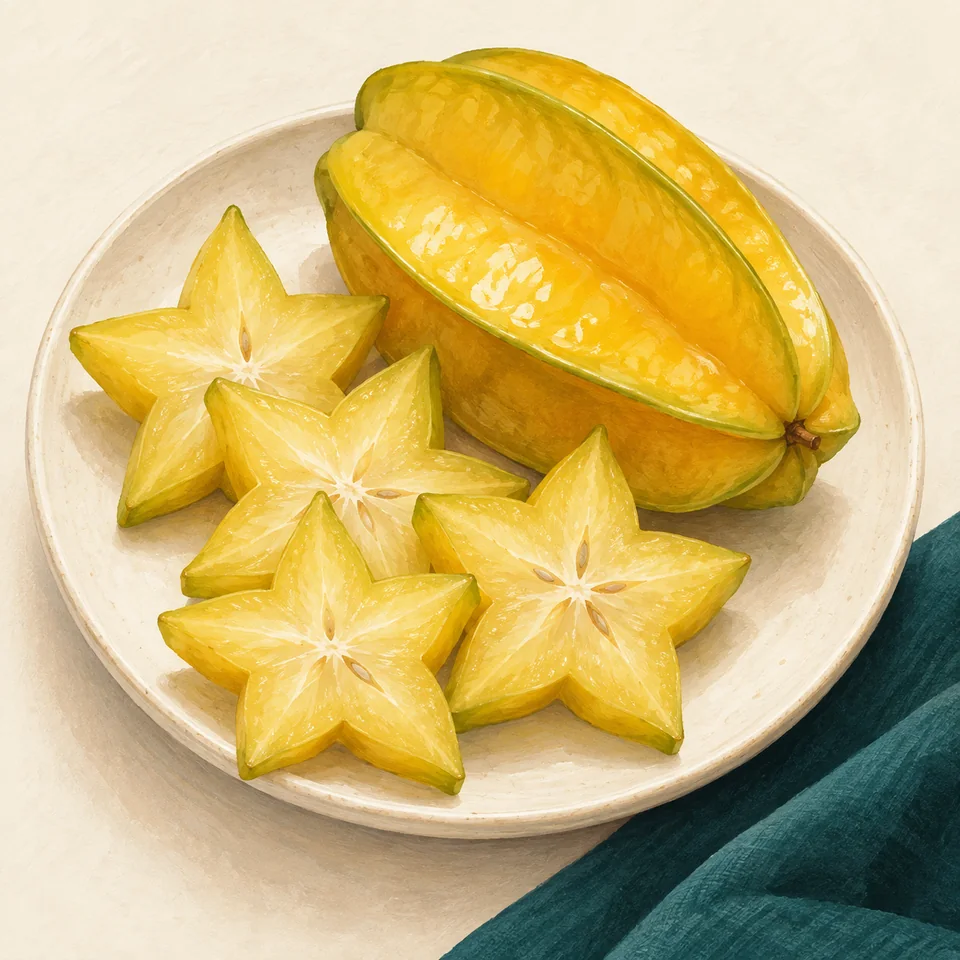
91,4 g - Starfruit
Carambola, (starfruit), raw, exactly as identified by USDA.
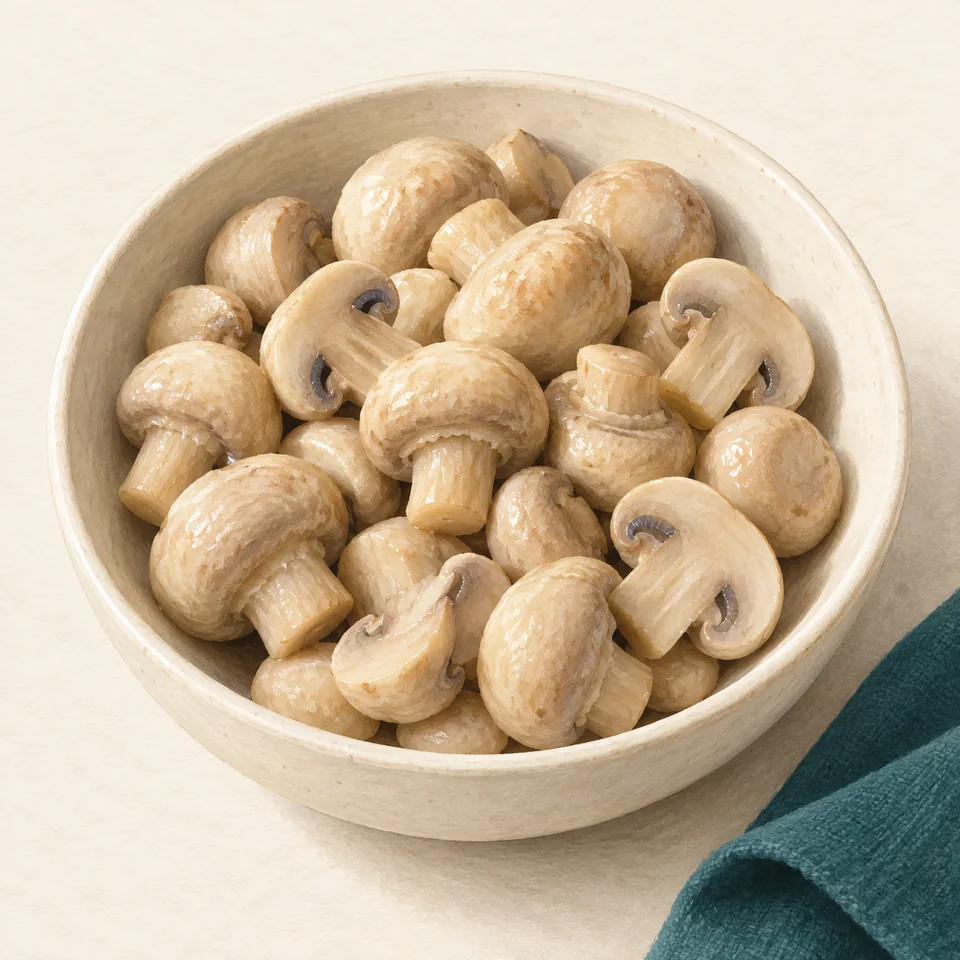
91,38 g - White mushrooms
Mushrooms, white, cooked, boiled, drained, without salt, exactly as identified by USDA.
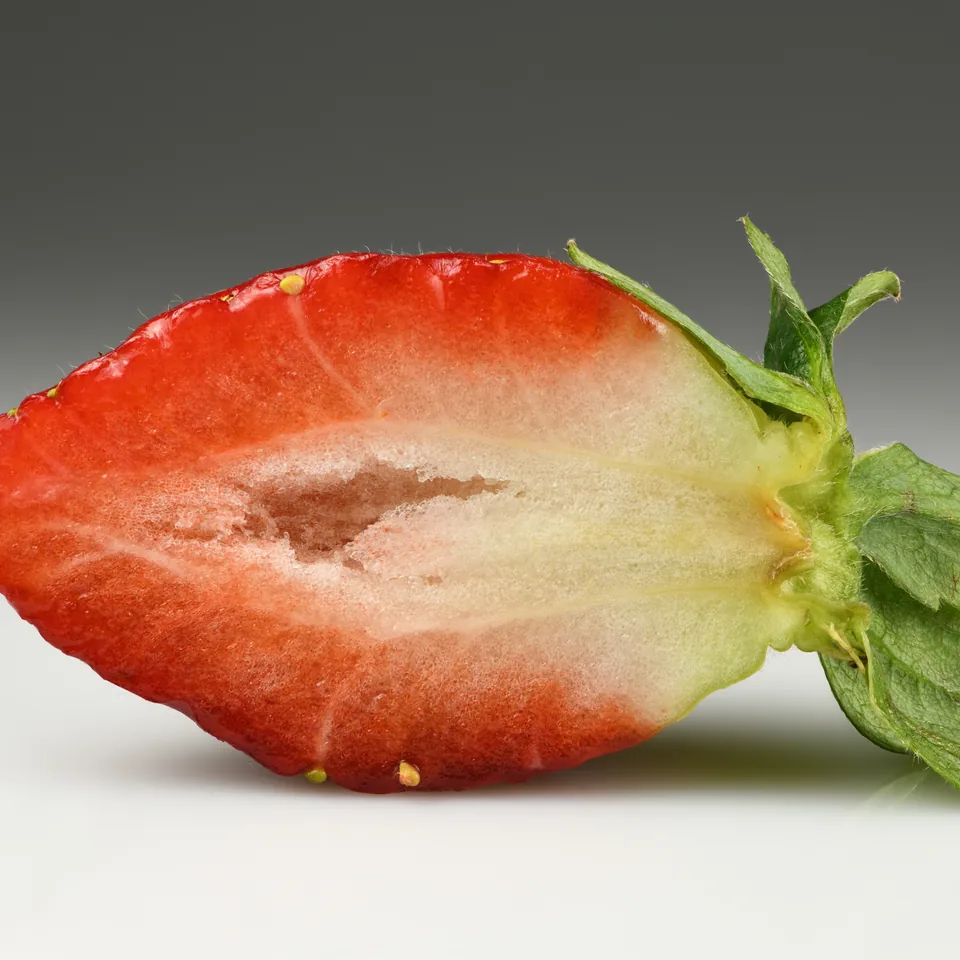
91,08 g - Morango
Raw strawberries.
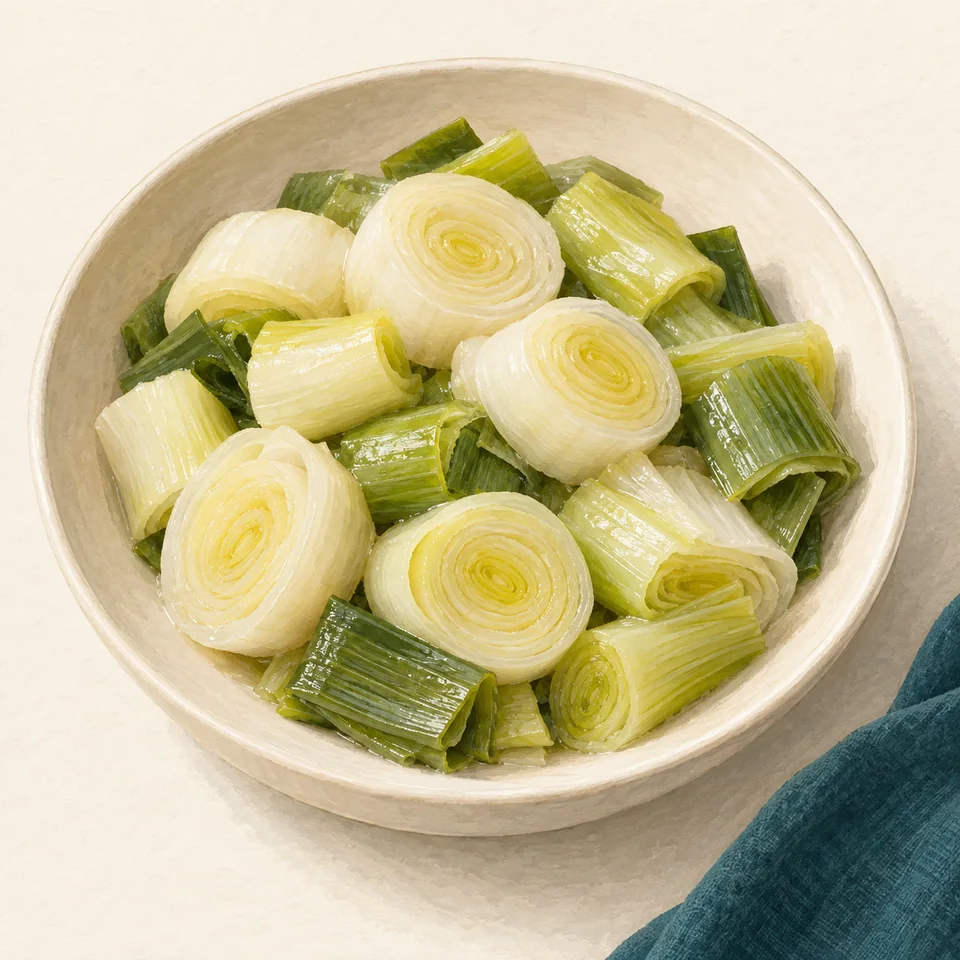
90,83 g - Leek
Leeks, (bulb and lower leaf-portion), cooked, boiled, drained, without salt, exactly as identified by USDA.
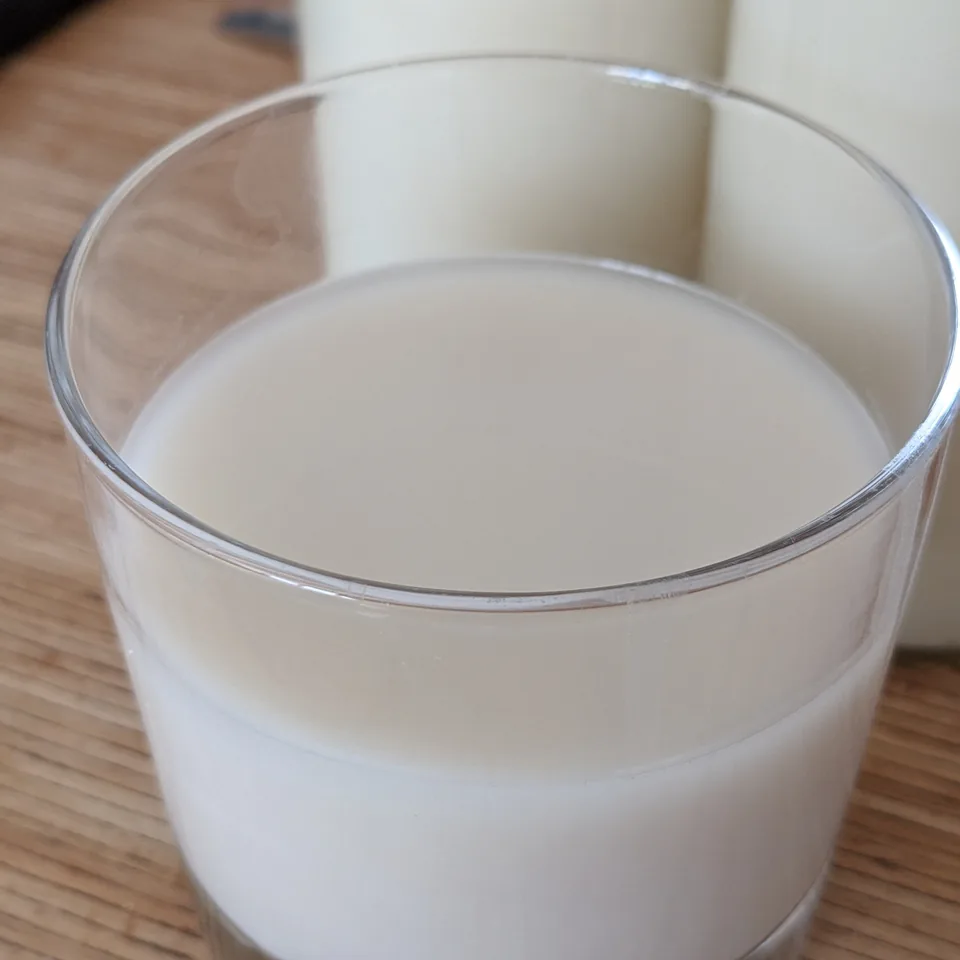
90,8 g - Bebida de aveia
Unsweetened plain oat beverage, refrigerated.
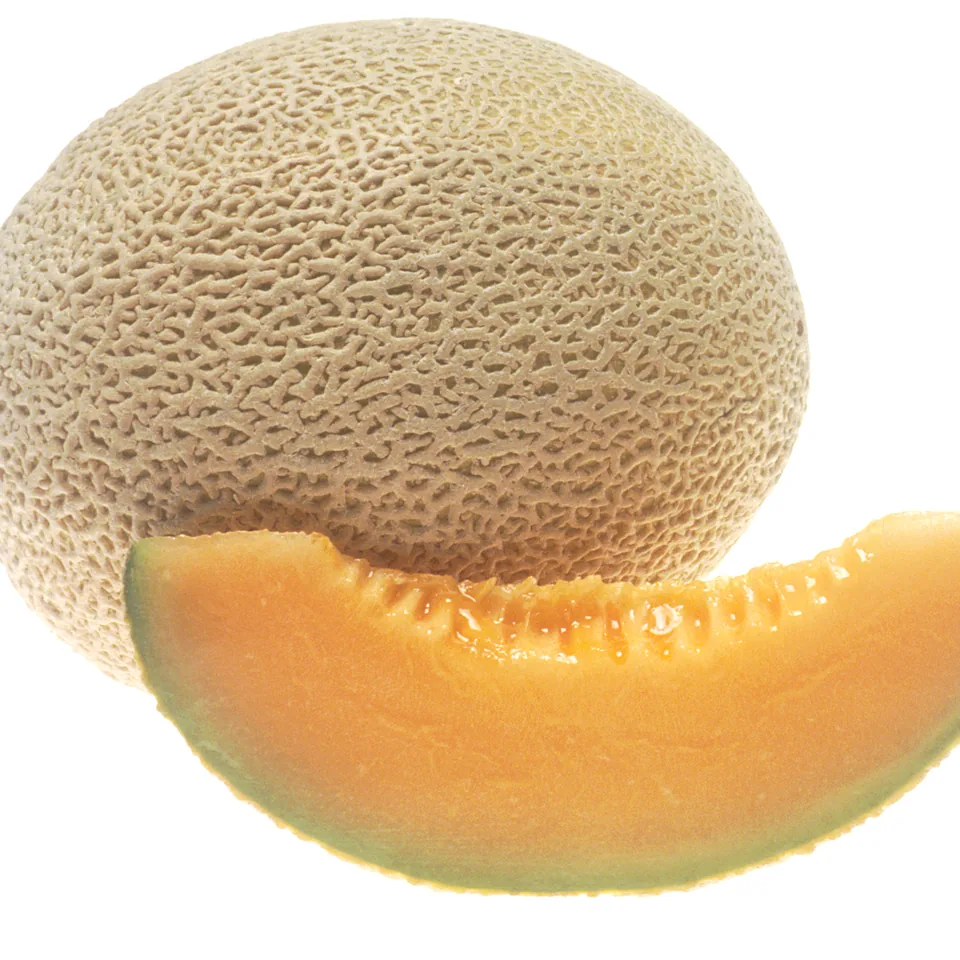
90,56 g - Melão cantaloupe
Raw cantaloupe melon, edible portion.
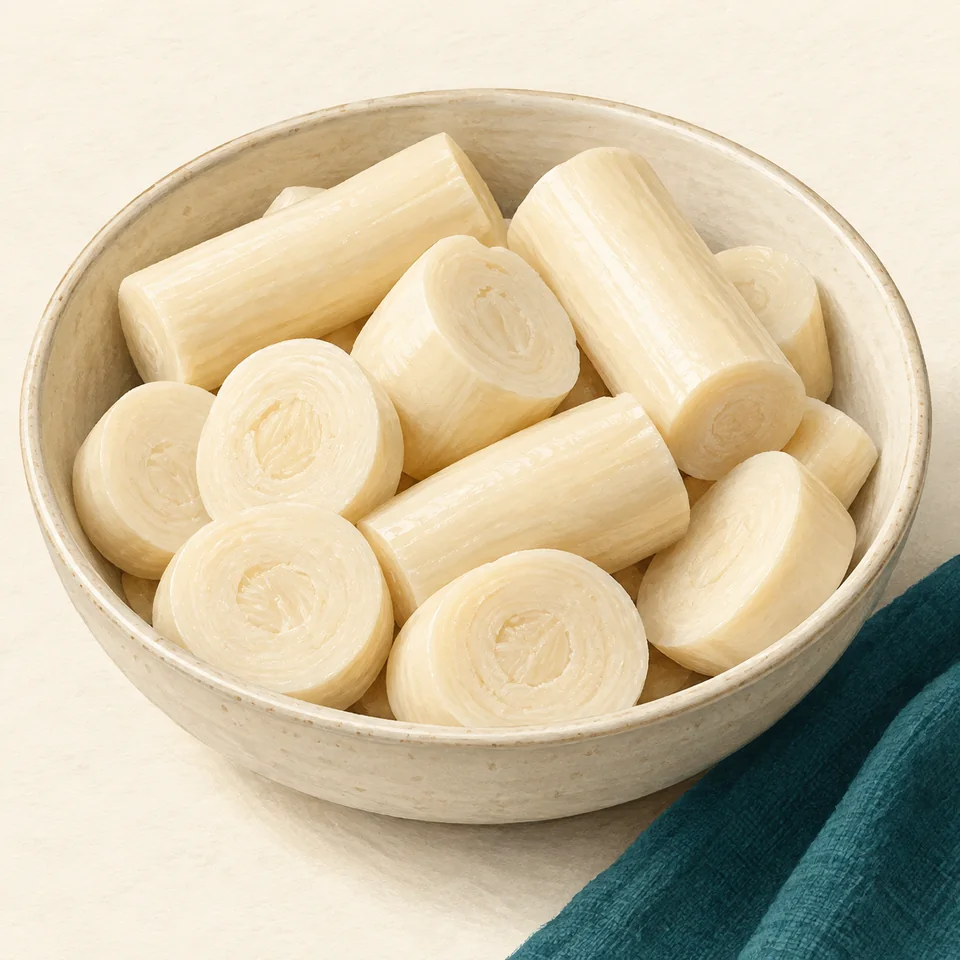
90,2 g - Hearts of palm
Hearts of palm, canned, exactly as identified by USDA.
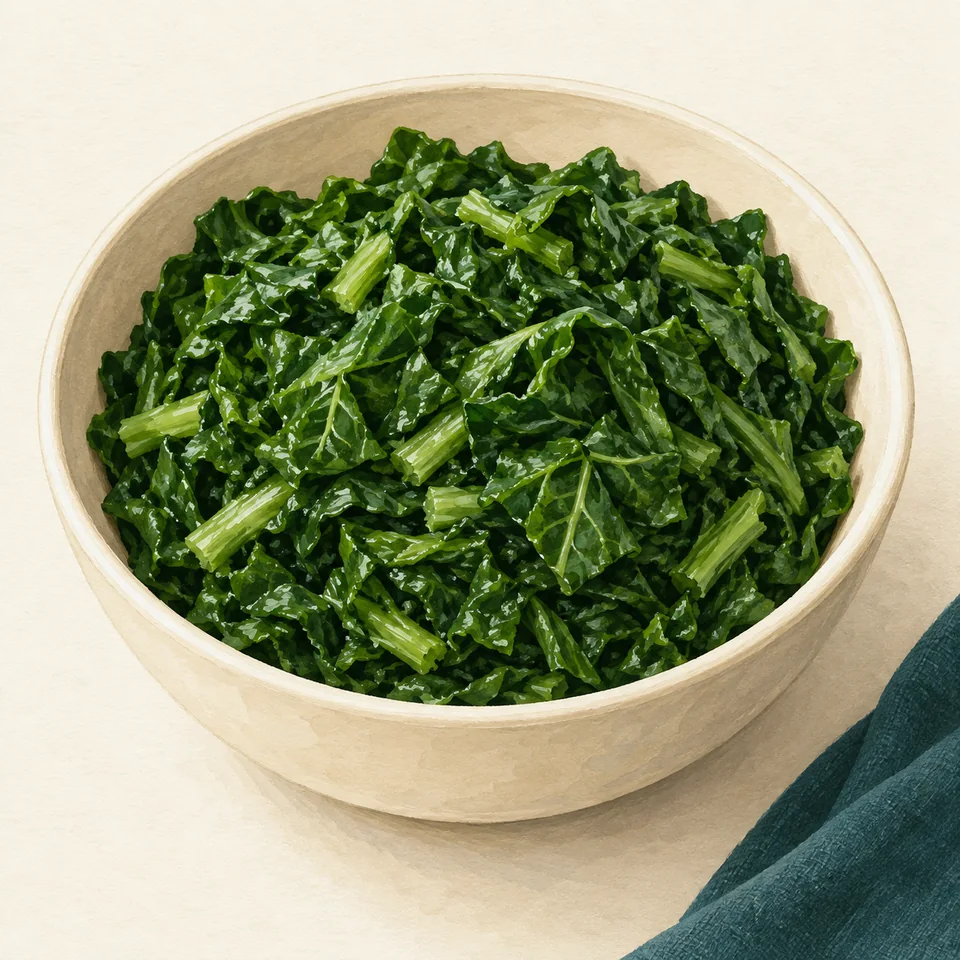
90,2 g - Collard greens
Collards, cooked, boiled, drained, without salt, exactly as identified by USDA.
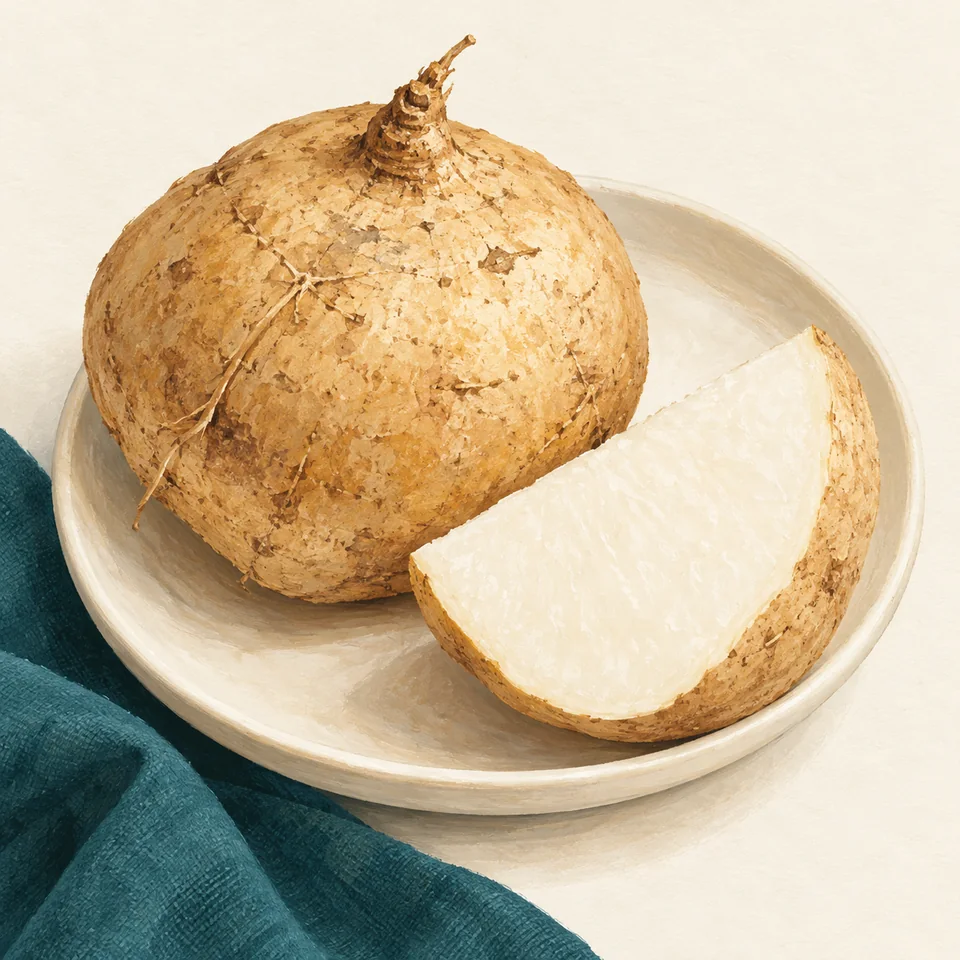
90,18 g - Jicama
Yambean (jicama), raw, exactly as identified by USDA.
90,07 g
All results are sorted before pagination. Bars compare amounts within this search; they do not indicate health benefits. Not reported does not mean zero.
UNDERSTAND THE DATA
What it means for your diet
The ranking measures water already present in foods. The source explains fluid balance, including too little and too much fluid; it does not give everyone the same plain-water target. Food water, total fluids and blood electrolyte measurements are different quantities. Follow any prescribed fluid restriction.
Ranking amounts describe foods, not supplement doses. A high rank does not mean you should consume more. Source recommendations and cautions retain their original population and scope.
Os textos da fonte abaixo estão em inglês. Não traduzimos automaticamente recomendações ou doses.
Fluid and Electrolyte Balance [1]
Source: MedlinePlus, National Library of Medicine. Original health-topic summary, reproduced with attribution.
What are electrolytes?
Electrolytes are minerals that have an electric charge when they are dissolved in water or body fluids, including blood. The electric charge can be positive or negative. You have electrolytes in your blood, urine (pee), tissues, and other body fluids.
Electrolytes are important because they help:
- Balance the amount of water in your body
- Balance your body's acid/base (pH) level
- Move nutrients into your cells
- Move wastes out of your cells
- Support your muscle and nerve function
- Keep your heart rate and rhythm steady
- Keep your blood pressure stable
- Keep your bones and teeth healthy
What are the different types of electrolytes in your body?
Fontes de identidade e estrutura
- PubChem Compound 962: Water · Consultado 2026-09-13
- USDA FoodData Central: Foundation Foods Documentation · Consultado 2026-09-13