EXPLORE UM NUTRIENTE
PUFA 18:3 n-3 c,c,c (ALA)
Veja como as quantidades variam entre alimentos, na mesma base de comparação.
Entenda este nutriente ↓O que é?
Fatty-acid notation 18:3 specifies 18 carbons and 3 double bonds. Listed forms remain separate. [1] [2]
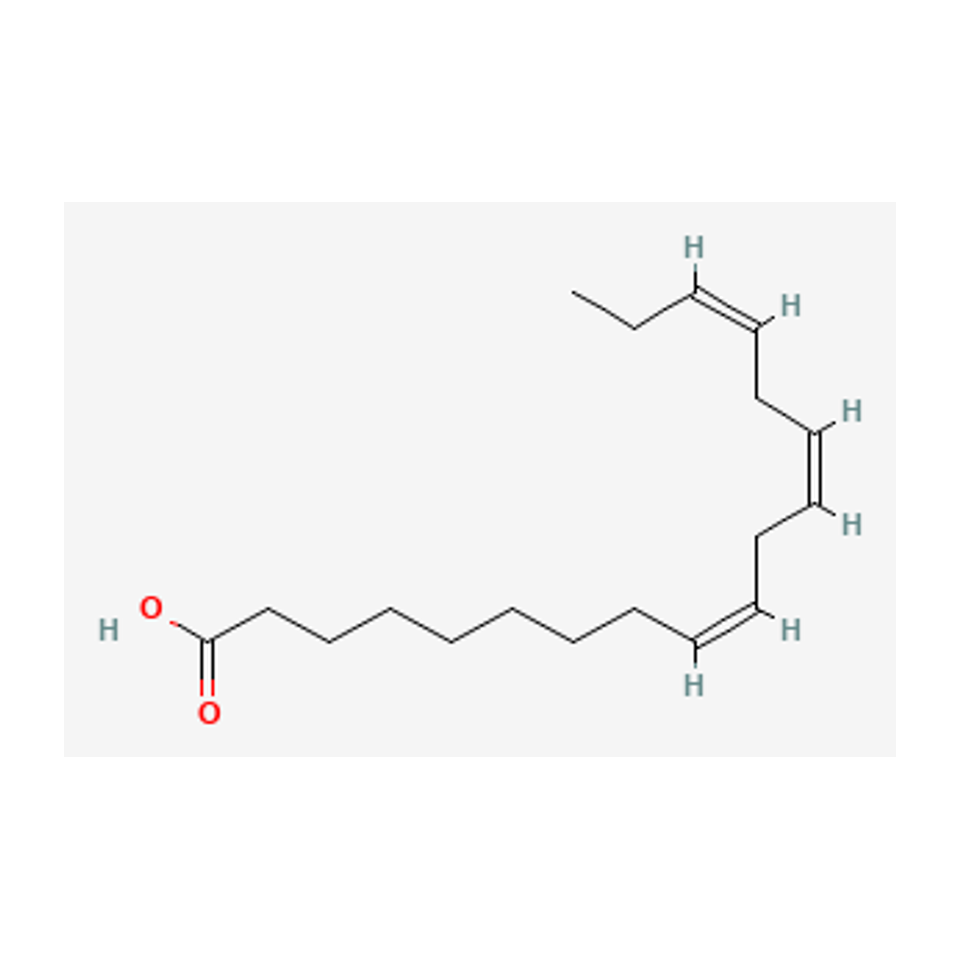
Esta forma de referência não representa todas as formas incluídas na quantidade do USDA.
Descrição, fonte e atribuição
Reference depiction: alpha-linolenic acid. Formula C18H30O2; PubChem CID 5280934; charge 0. This specified form does not represent every form or molecule included in the USDA quantity. The free-acid reference does not imply that food fatty acids are unesterified.
PubChem Compound 5280934, 2D Structure. NCBI / National Library of Medicine. Fonte · Condições de uso
Verificação da fonte:
A COMMON BASIS
Alimentos, por 100 g
31 foods with data 175 not reported, excluded from ranking
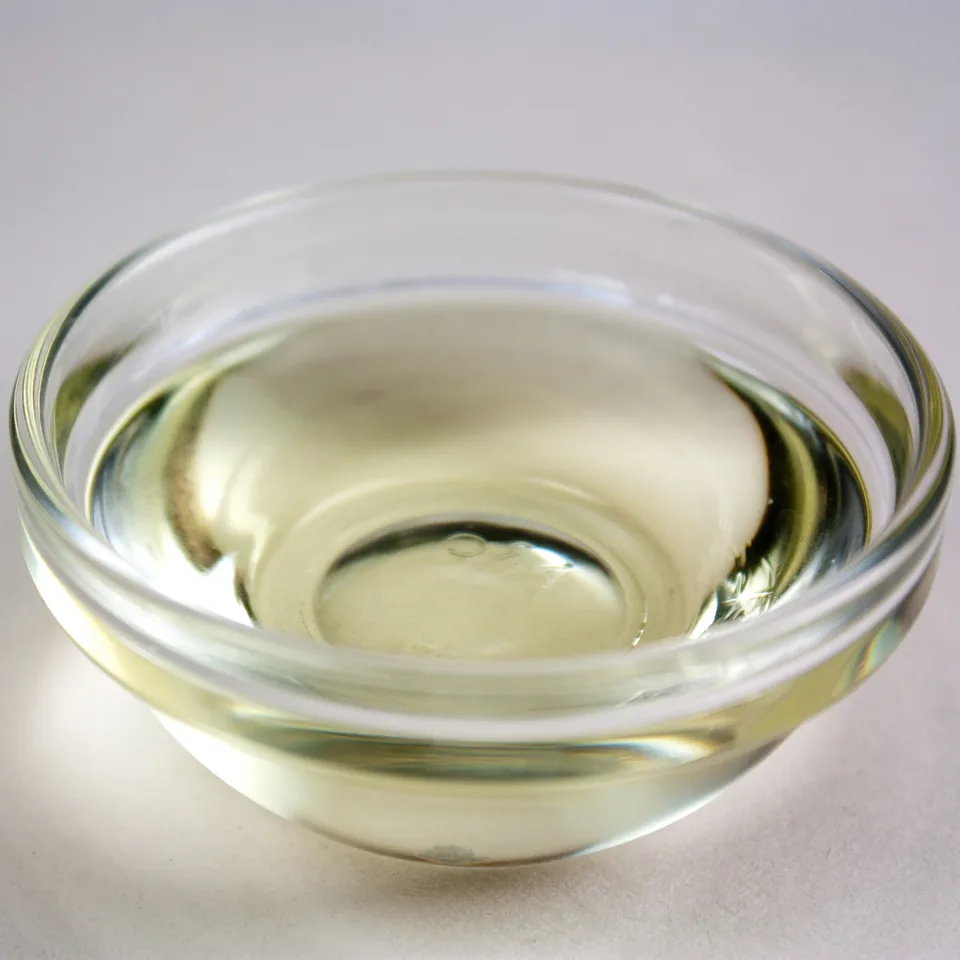
- Óleo de canola
Canola oil.
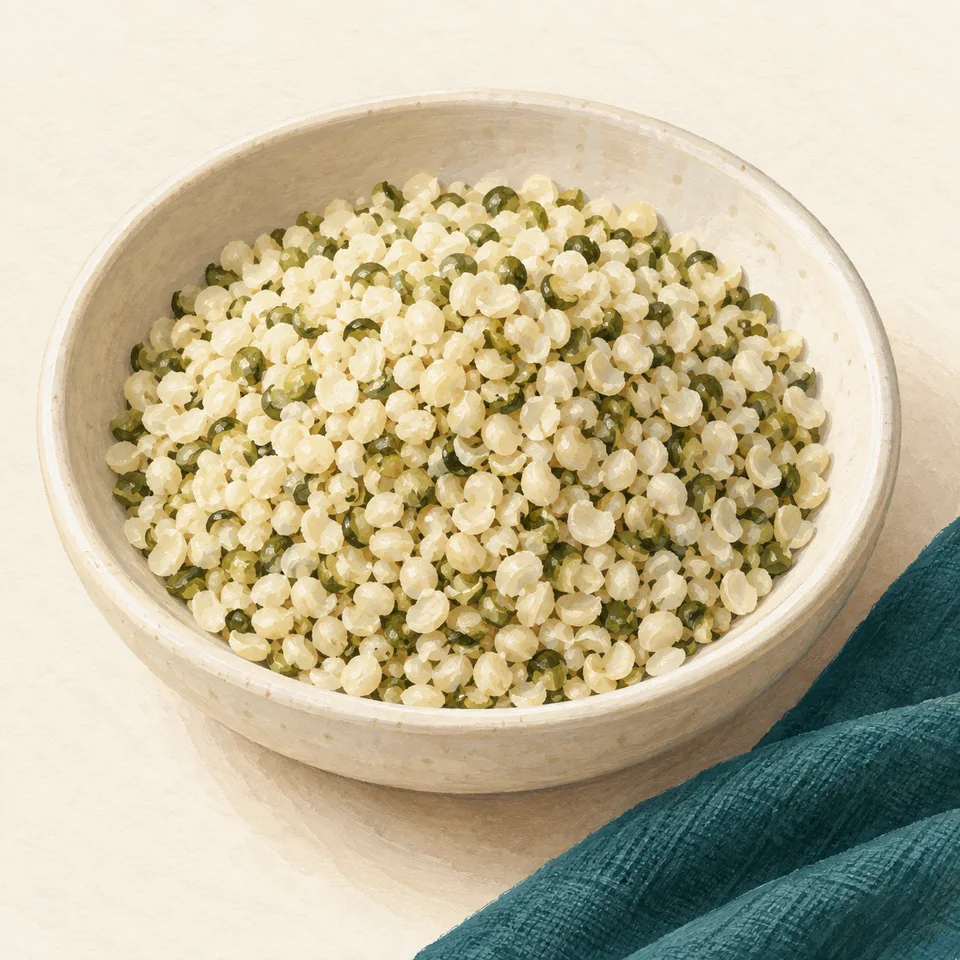
9,137 g - Hulled hemp seeds
Seeds, hemp seed, hulled, exactly as identified by USDA.
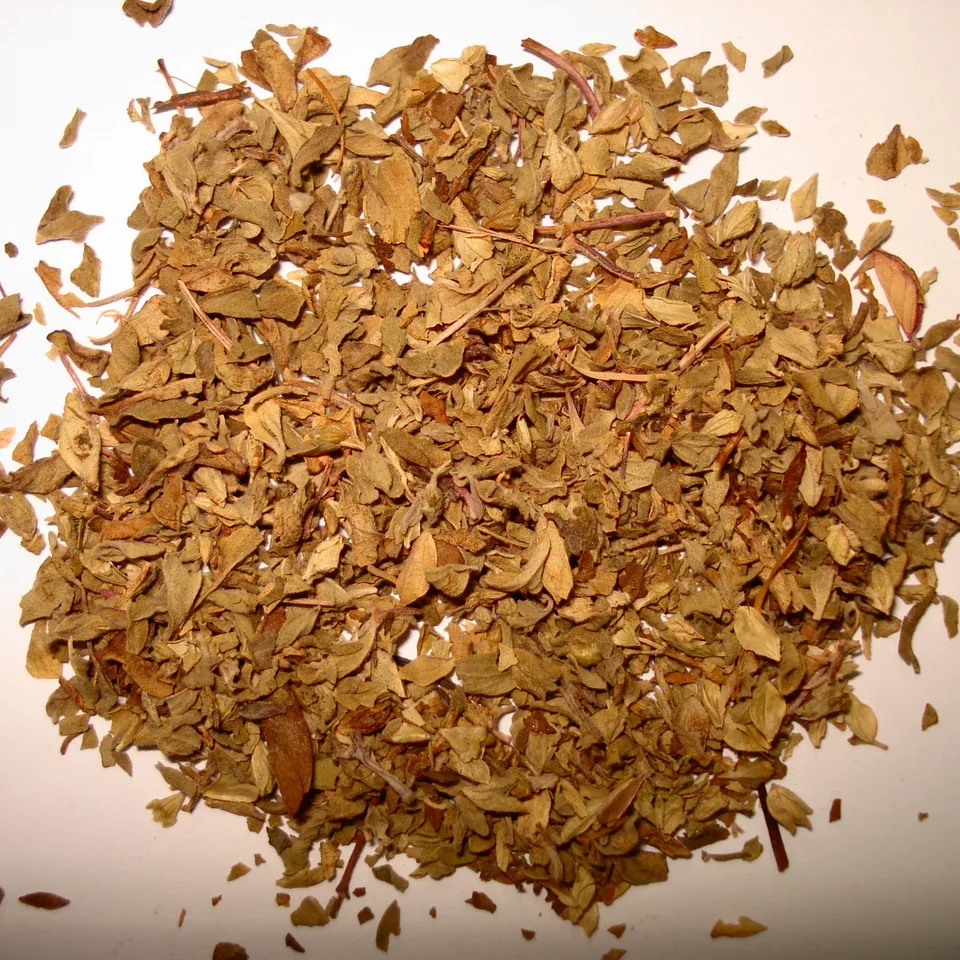
8,684 g - Orégano seco
Dried oregano.
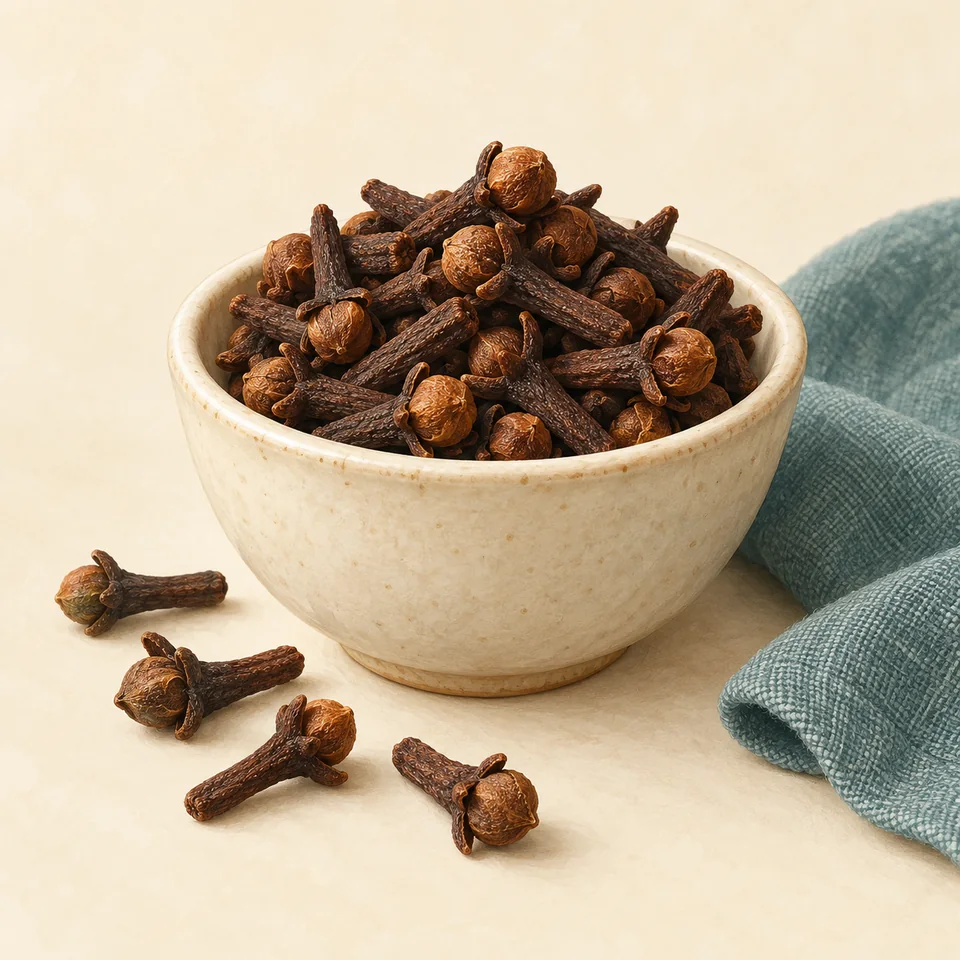
0,621 g - Cloves
Spices, cloves, ground, exactly as identified by USDA.
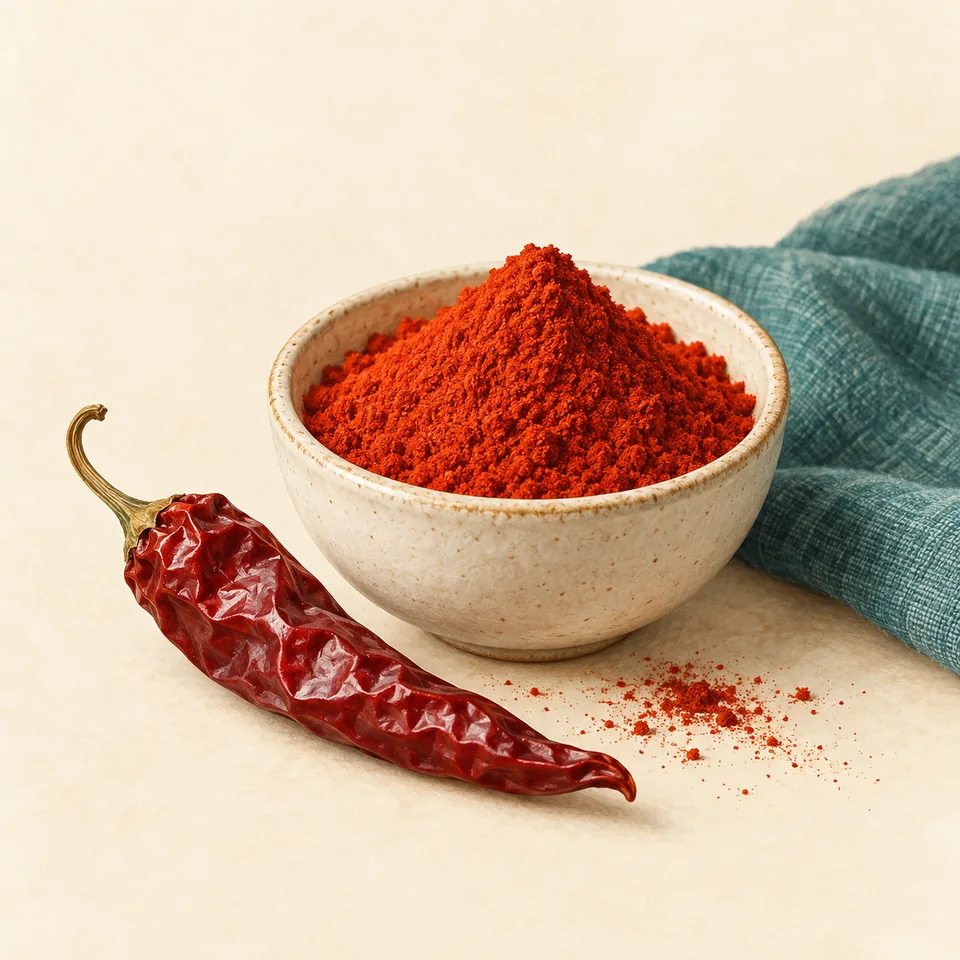
0,585 g - Paprika
Spices, paprika, exactly as identified by USDA.
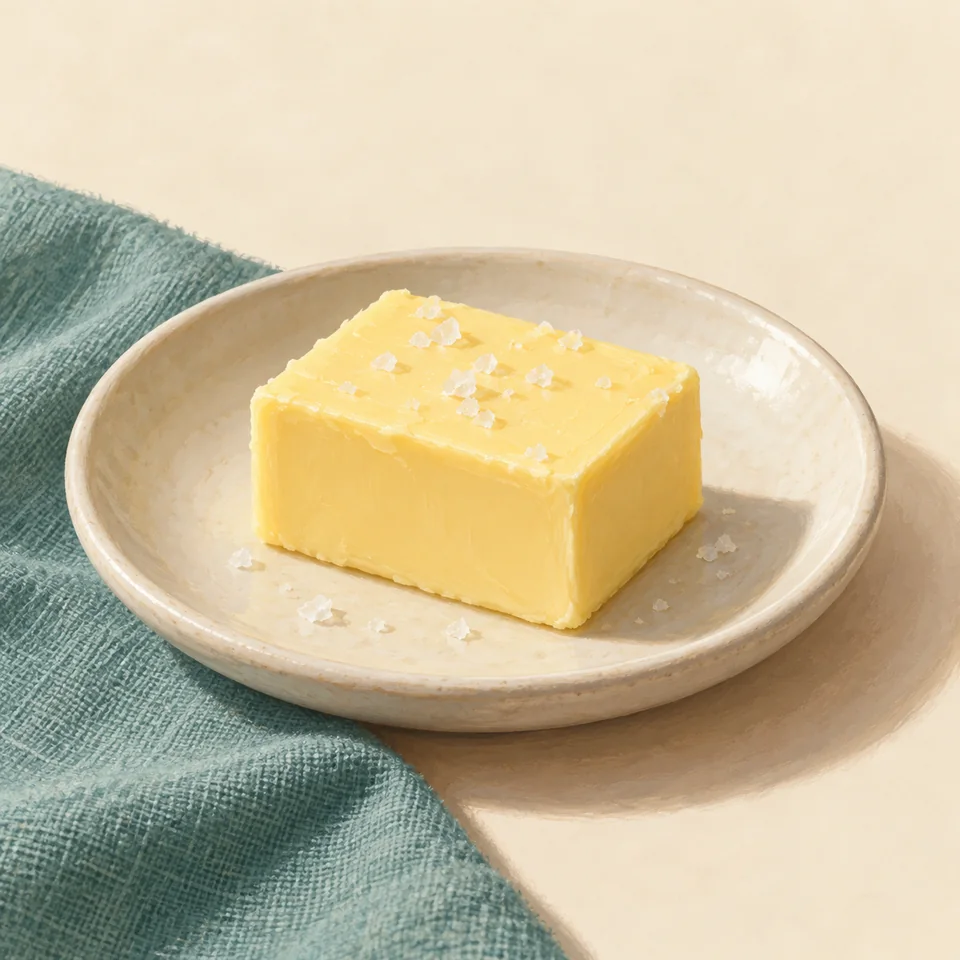
0,453 g - Unsalted butter
Butter, without salt, exactly as identified by USDA.
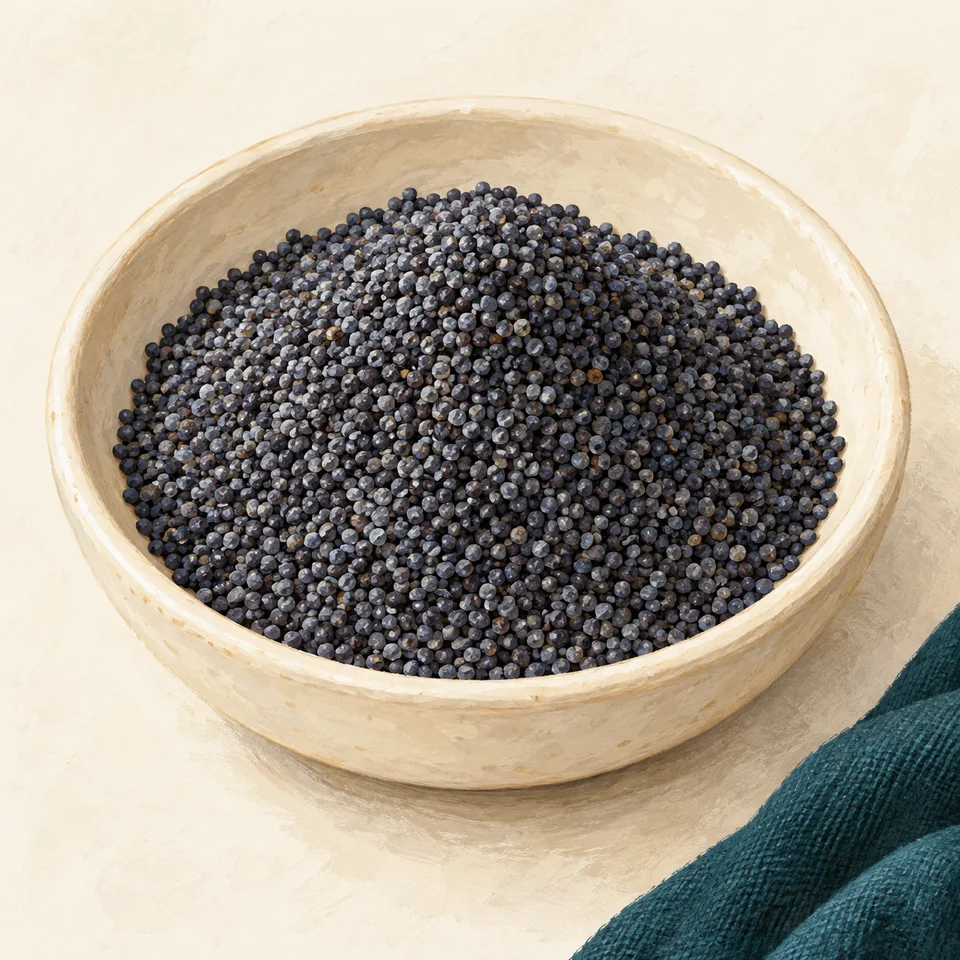
0,315 g - Poppy seeds
Spices, poppy seed, exactly as identified by USDA.
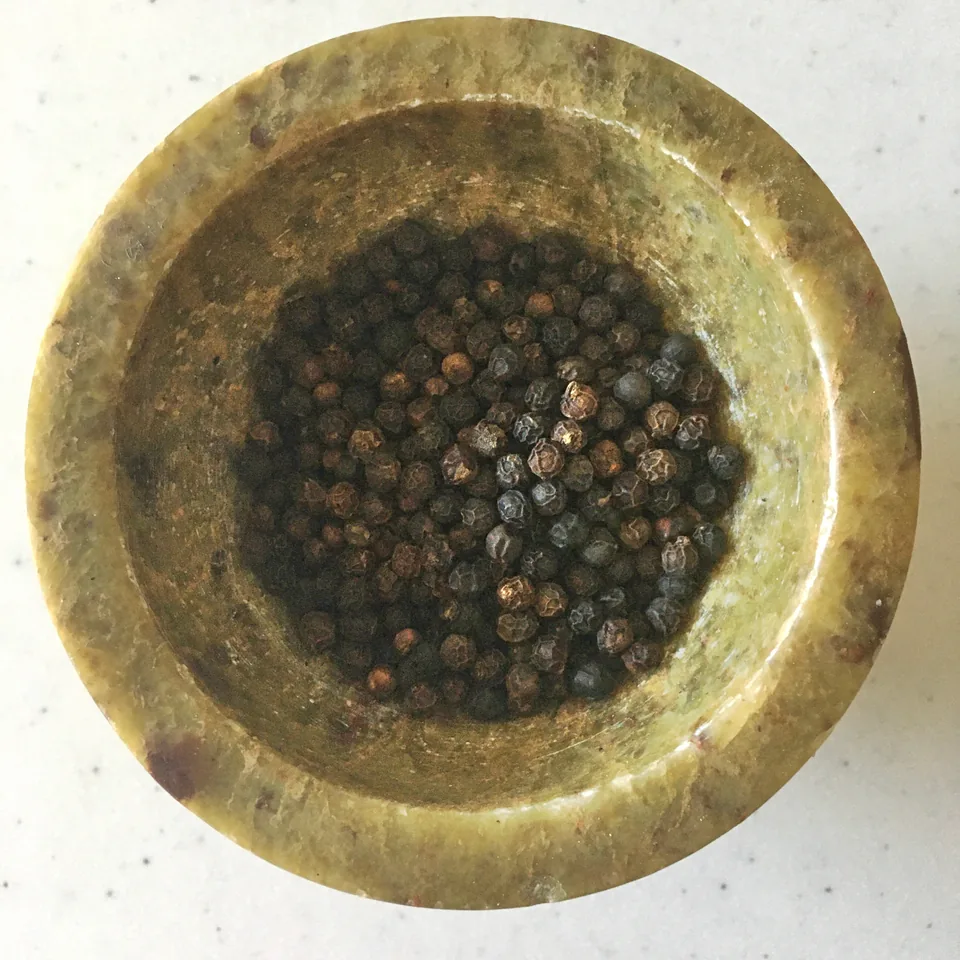
0,273 g - Pimenta-do-reino
Black pepper spice.
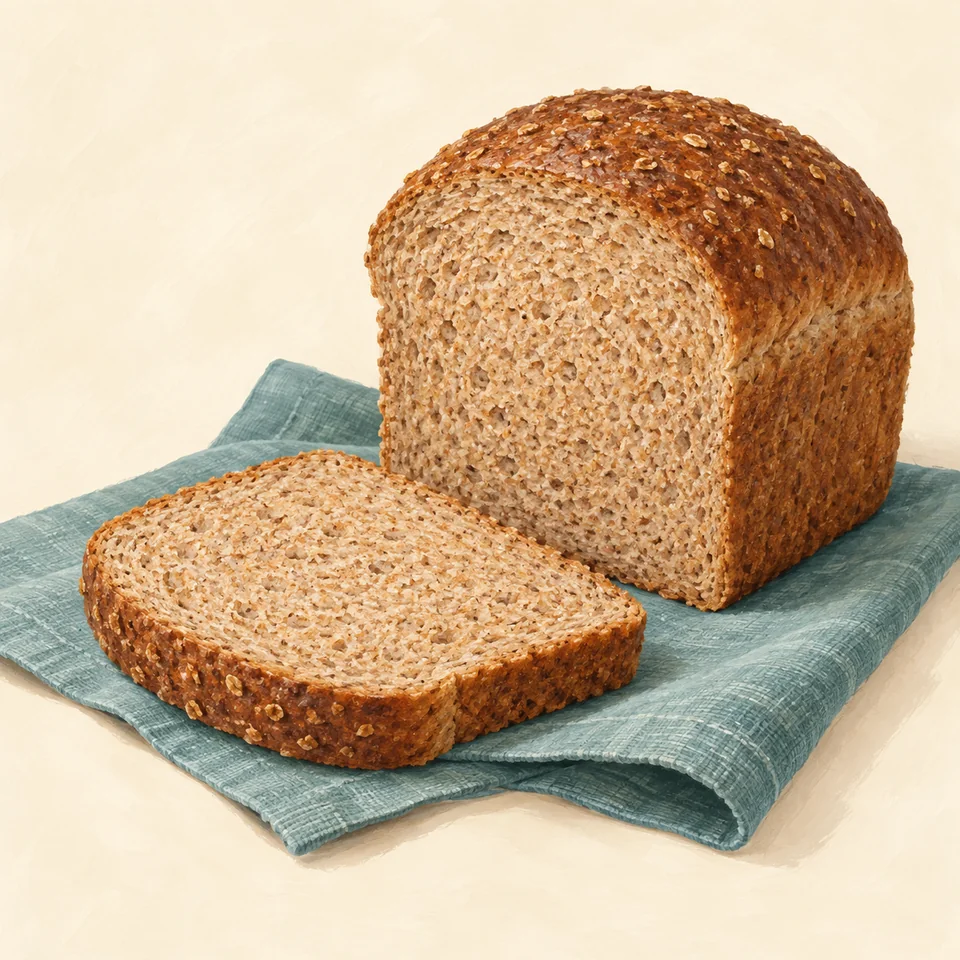
0,152 g - Whole-wheat bread
Bread, whole-wheat, commercially prepared, exactly as identified by USDA.
0,137 g - Cream cheese
Cheese, cream, exactly as identified by USDA.
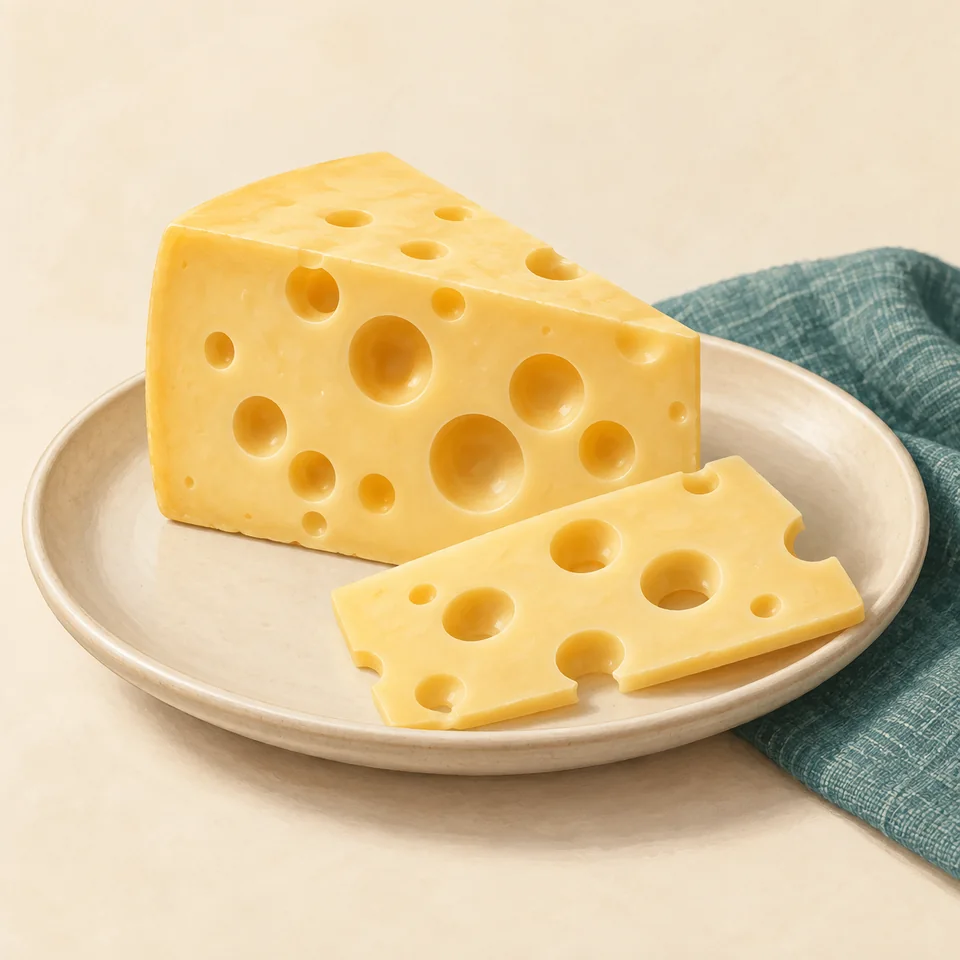
0,125 g - Swiss cheese
Cheese, swiss, exactly as identified by USDA.
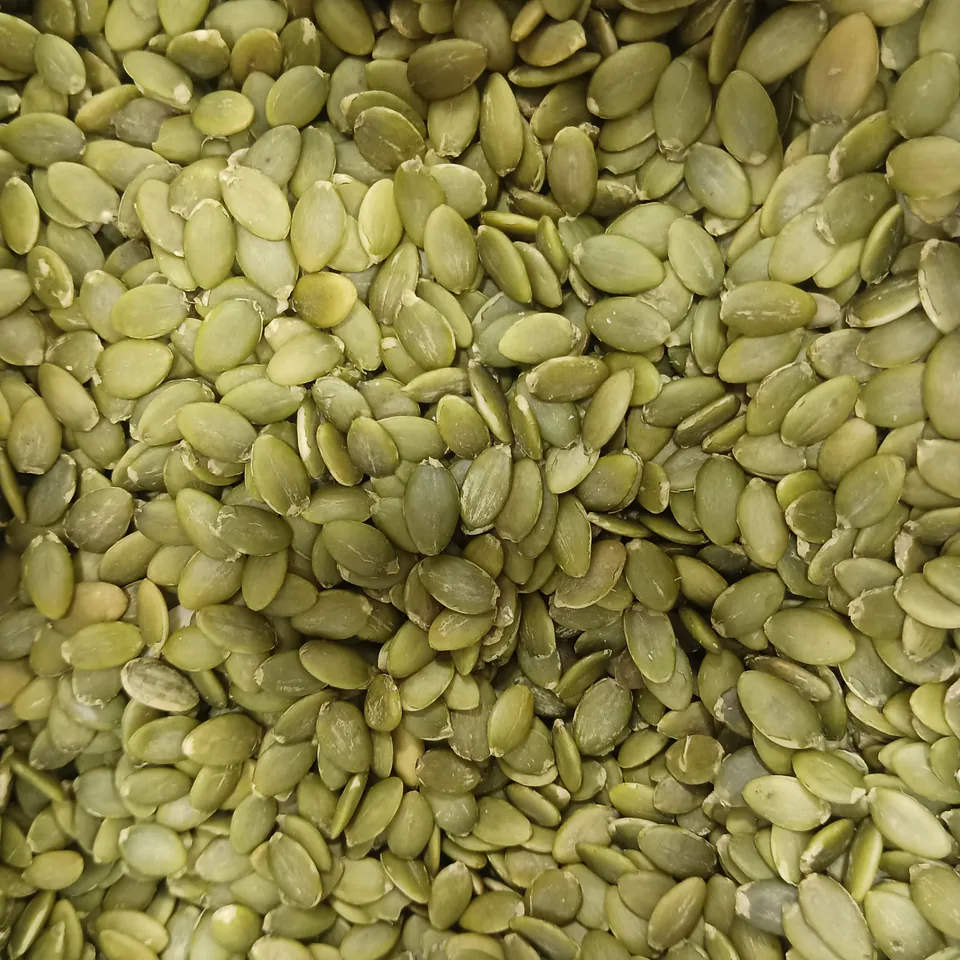
0,125 g - Sementes de abóbora
Dried pumpkin/squash seed kernels, without shells.
0,12 g

All results are sorted before pagination. Bars compare amounts within this search; they do not indicate health benefits. Not reported does not mean zero.
ENTENDER OS DADOS
O nutriente, em contexto
Como ler esta classificação
Esta página compara PUFA 18:3 n-3 c,c,c (ALA) (PUFA 18:3 n-3 c,c,c (ALA)), em g por 100 g de alimento.
As formas químicas e os métodos de medição permanecem separados. “Não reportado” significa que não há um valor disponível, não que o alimento contenha zero. A posição na classificação não determina as suas necessidades individuais nem diagnostica uma deficiência.
This NIH fact sheet discusses the nutrient family. PUFA 18:3 n-3 c,c,c (ALA) is the specific USDA measurement on this page. Do not apply family intake recommendations directly to this form or unit; use the definitions, population groups, and food/supplement distinctions in the source.
A ficha da NIH ODS abaixo está no idioma original publicado pela fonte (inglês). A NIH não publica esta ficha em português brasileiro; não traduzimos doses nem recomendações.
NIH · OFFICE OF DIETARY SUPPLEMENTS
Omega-3 Fatty Acids: Fact Sheet for Consumers
Texto original publicado pela NIH, com tabelas de ingestão por idade e sexo, precauções e o contexto de população indicado pela fonte. O Bitameans não fez uma revisão médica independente nem adapta estas recomendações à sua situação pessoal.
What are omega-3 fatty acids and what do they do?
Omega-3 fatty acids are found in foods, such as fish and flaxseed, and in dietary supplements, such as fish oil.
The three main omega-3 fatty acids are alpha-linolenic acid (ALA), eicosapentaenoic acid (EPA), and docosahexaenoic acid (DHA). ALA is found mainly in plant oils such as flaxseed, soybean, and canola oils. DHA and EPA are found in fish and other seafood.
ALA is an essential fatty acid, meaning that your body can’t make it, so you must get it from the foods and beverages you consume. Your body can convert some ALA into EPA and then to DHA, but only in very small amounts. Therefore, getting EPA and DHA from foods (and dietary supplements if you take them) is the only practical way to increase levels of these omega-3 fatty acids in your body.
Omega-3s are important components of the membranes that surround each cell in your body. DHA levels are especially high in retina (eye), brain, and sperm cells. Omega-3s also provide calories to give your body energy and have many functions in your heart, blood vessels, lungs, immune system, and endocrine system (the network of hormone-producing glands).
Fontes de identidade e estrutura
- PubChem Compound 5280934: Linolenic Acid · Consultado 2026-09-13
- USDA FoodData Central: Foundation Foods Documentation · Consultado 2026-09-13