EXPLORE UM NUTRIENTE
Vitamina K (Dihydrophylloquinone)
Veja como as quantidades variam entre alimentos, na mesma base de comparação.
Entenda este nutriente ↓O que é?
USDA reporting category: Vitamin K (Dihydrophylloquinone). The category is not represented by a single verified structure. [1]
Representação conceitual; não é uma estrutura molecular.
Descrição, fonte e atribuição
A labeled illustration of this USDA reporting identity and its unit per 100 g. The ruler is conceptual, not a nutrient amount. No exact molecular structure is implied; position, geometry and stereochemistry have not been inferred.
Original Q8pass Society measurement illustration; USDA reporting identity. Fonte · Condições de uso
Verificação da fonte:
A COMMON BASIS
Alimentos, por 100 g
58 foods with data 148 not reported, excluded from ranking
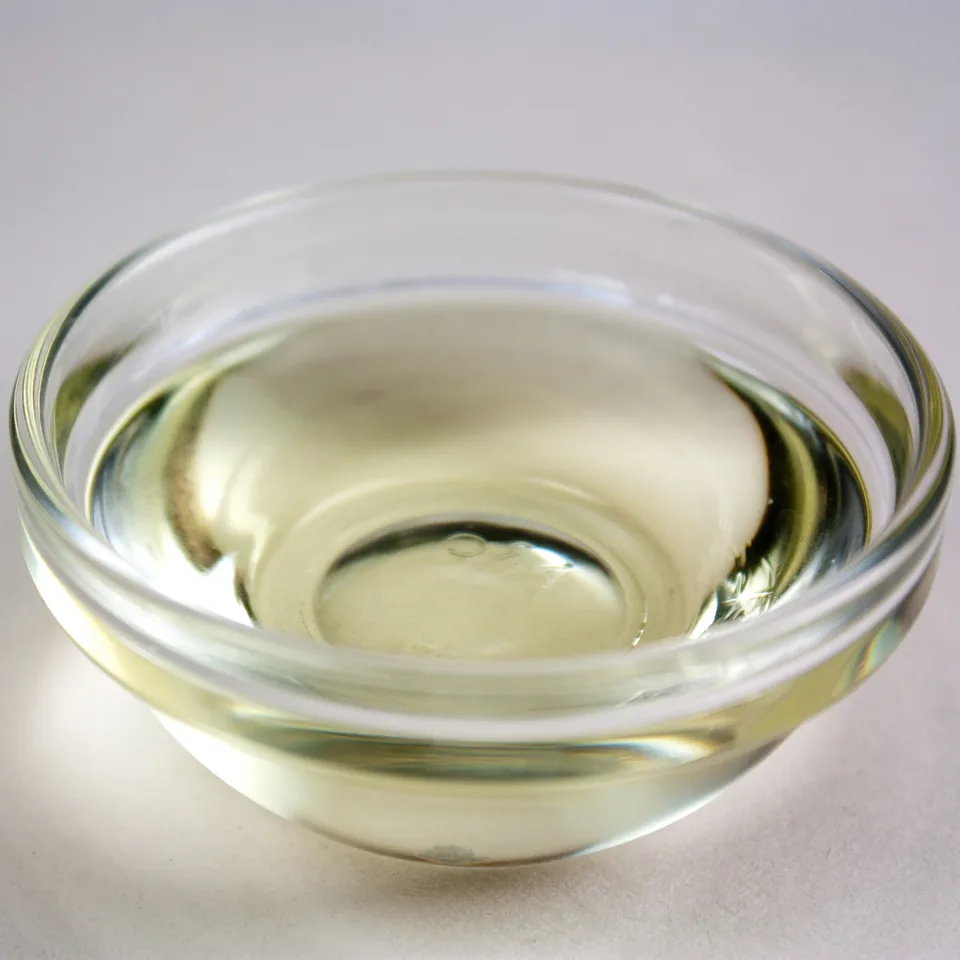
- Óleo de canola
Canola oil.
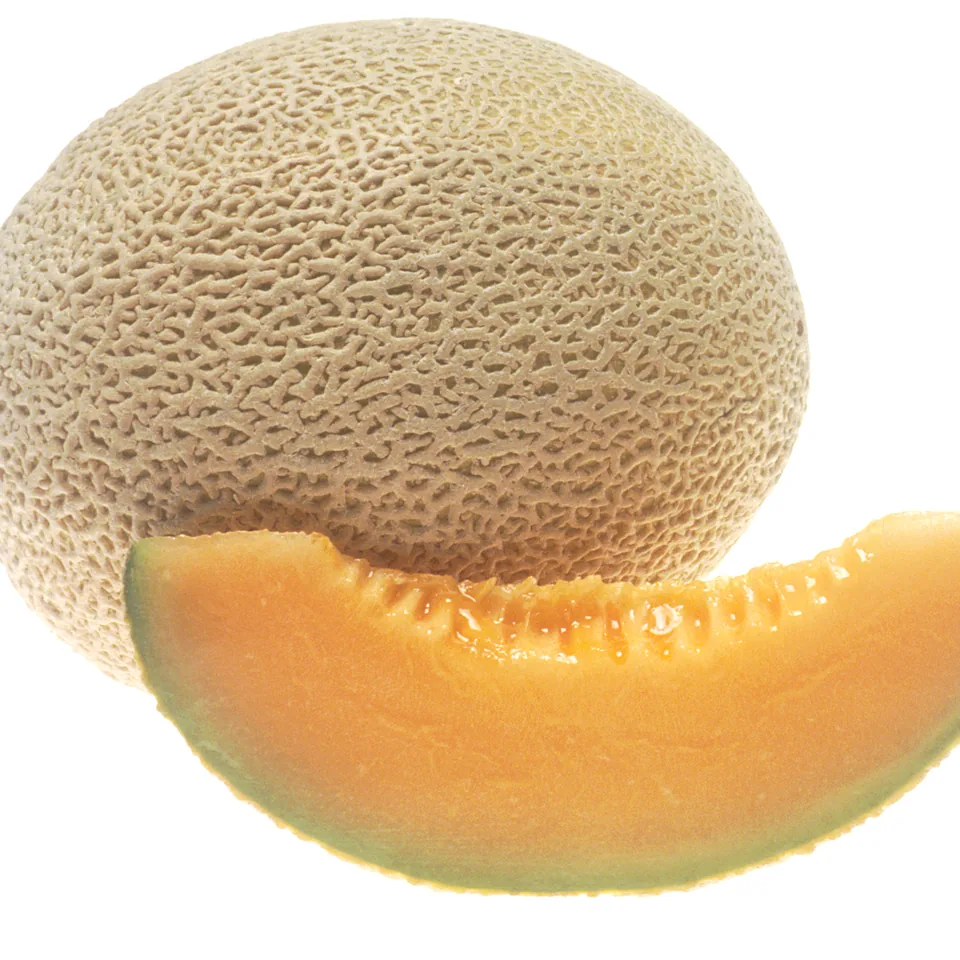
0 µg - Melão cantaloupe
Raw cantaloupe melon, edible portion.
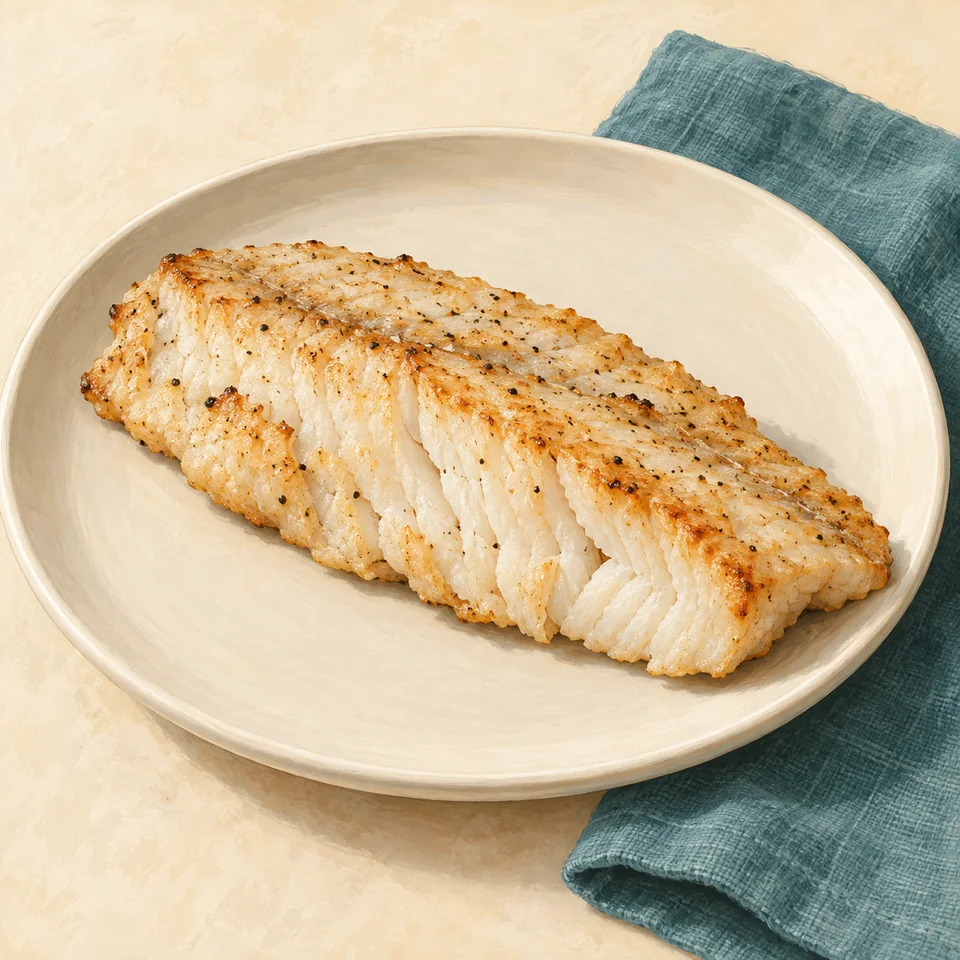
0 µg - Channel catfish
Fish, catfish, channel, farmed, cooked, dry heat, exactly as identified by USDA.
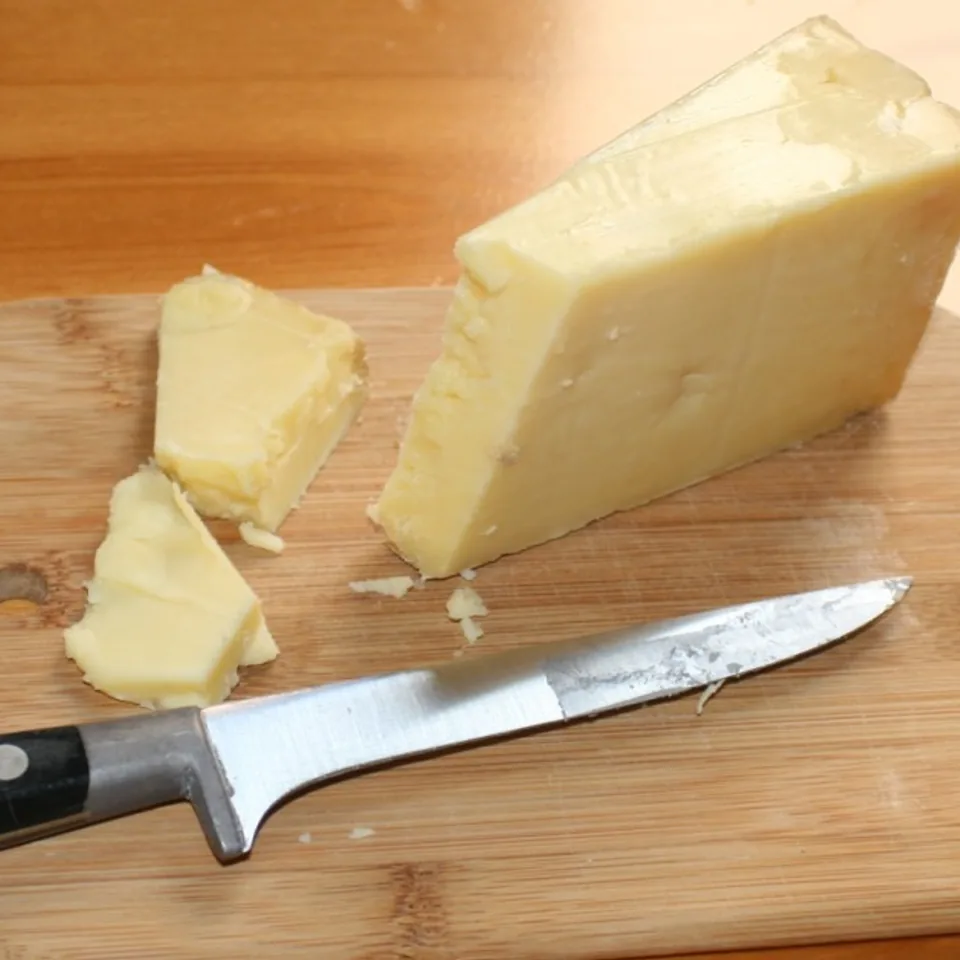
0 µg - Queijo cheddar
Cheddar cheese; sodium reflects the source product.
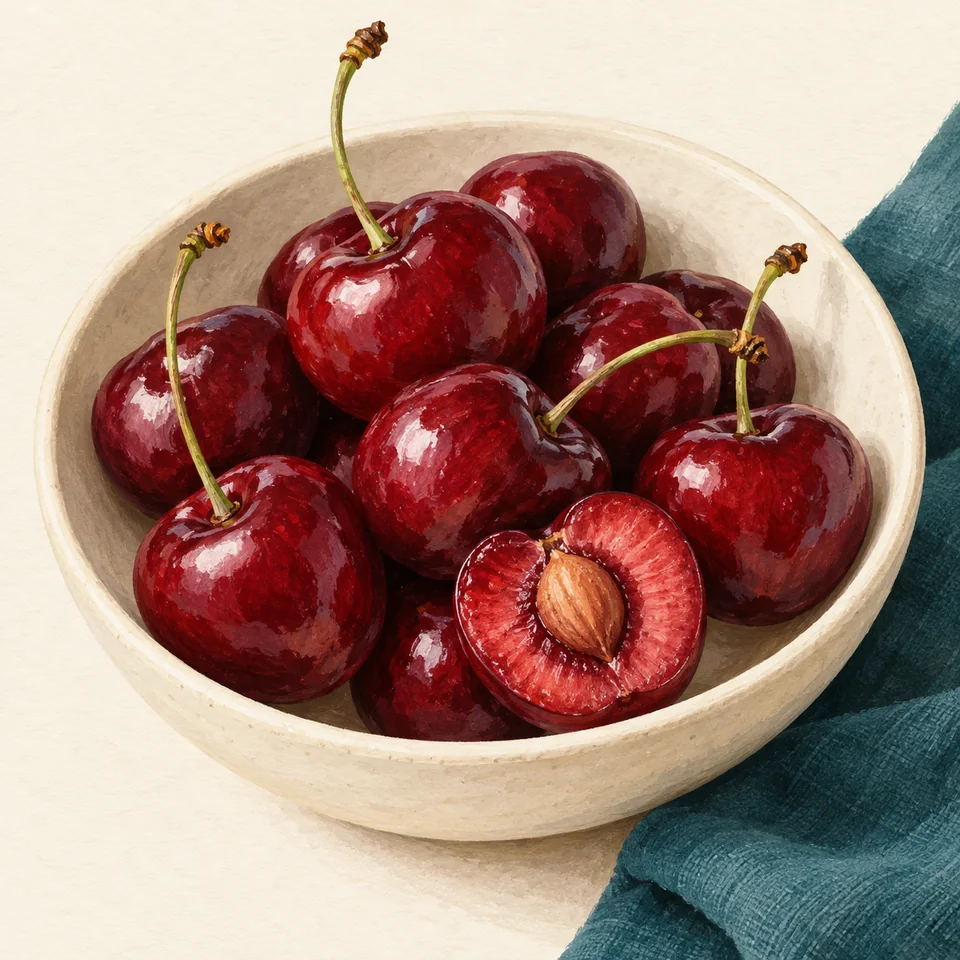
0 µg - Sweet cherries
Cherries, sweet, raw, exactly as identified by USDA.
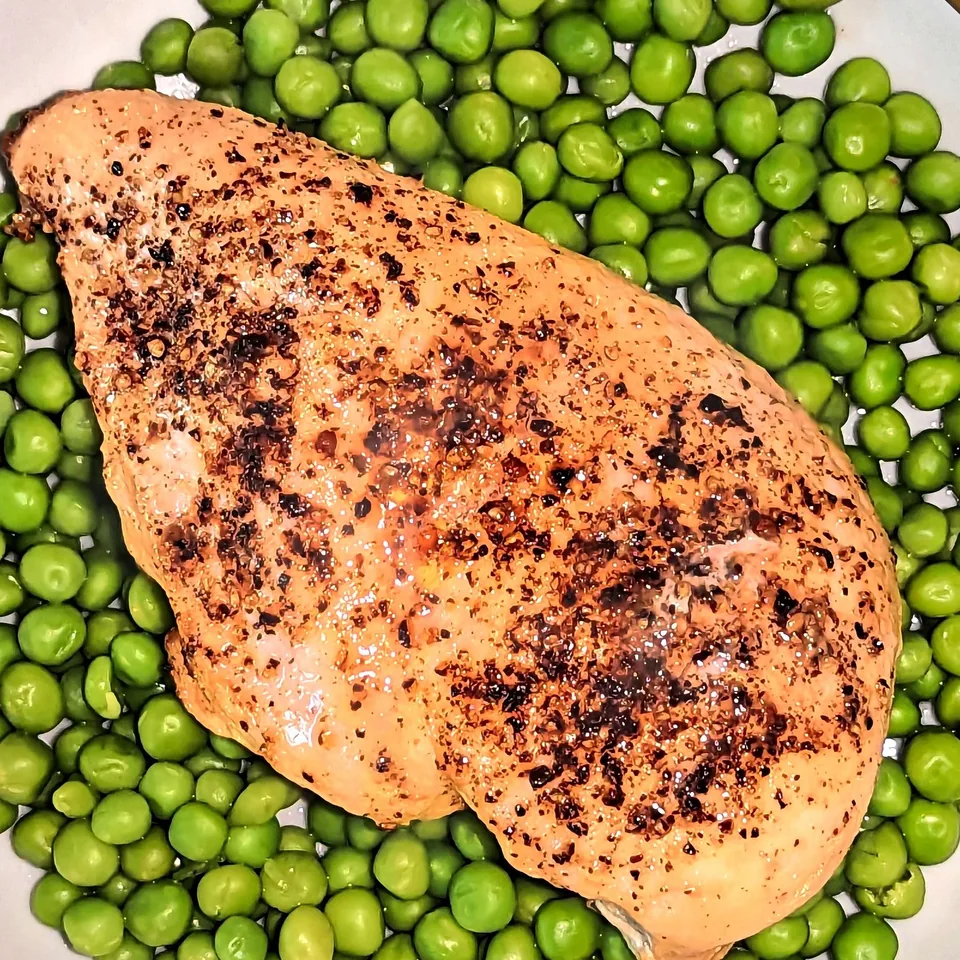
0 µg - Peito de frango
Roasted chicken breast, meat only, without skin; seasoning not specified.
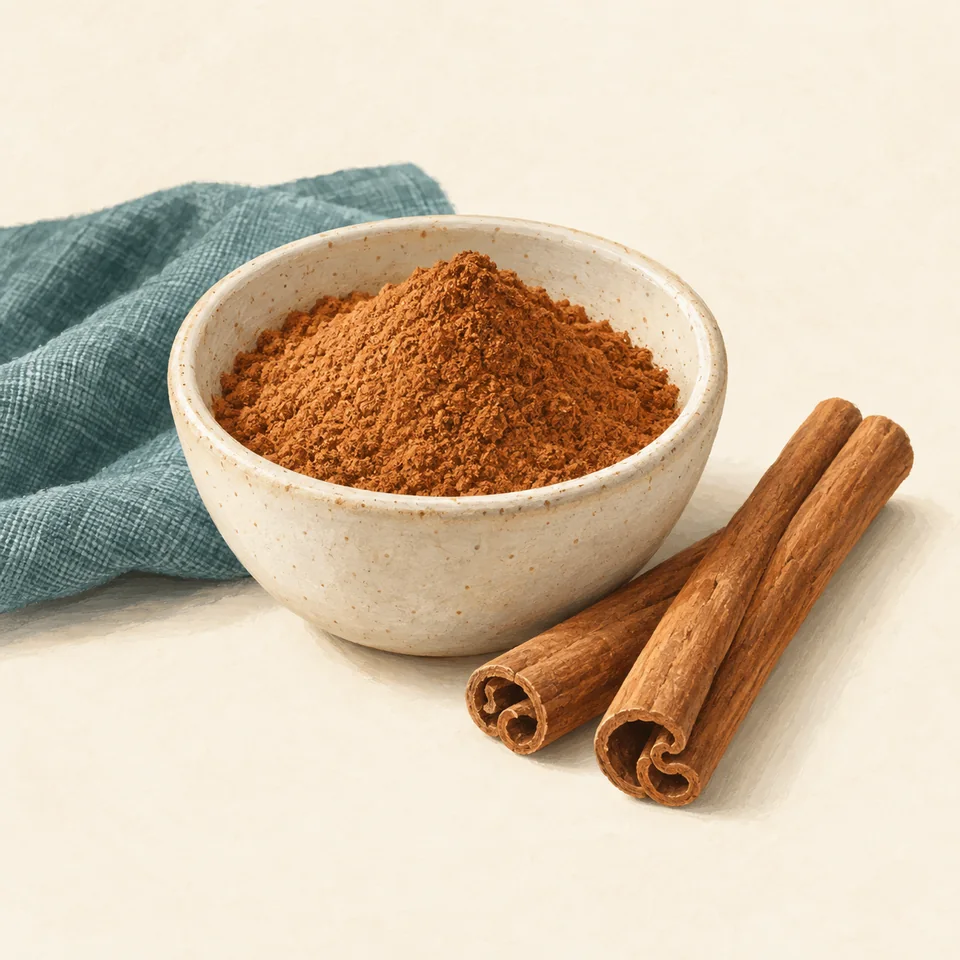
0 µg - Cinnamon
Spices, cinnamon, ground, exactly as identified by USDA.
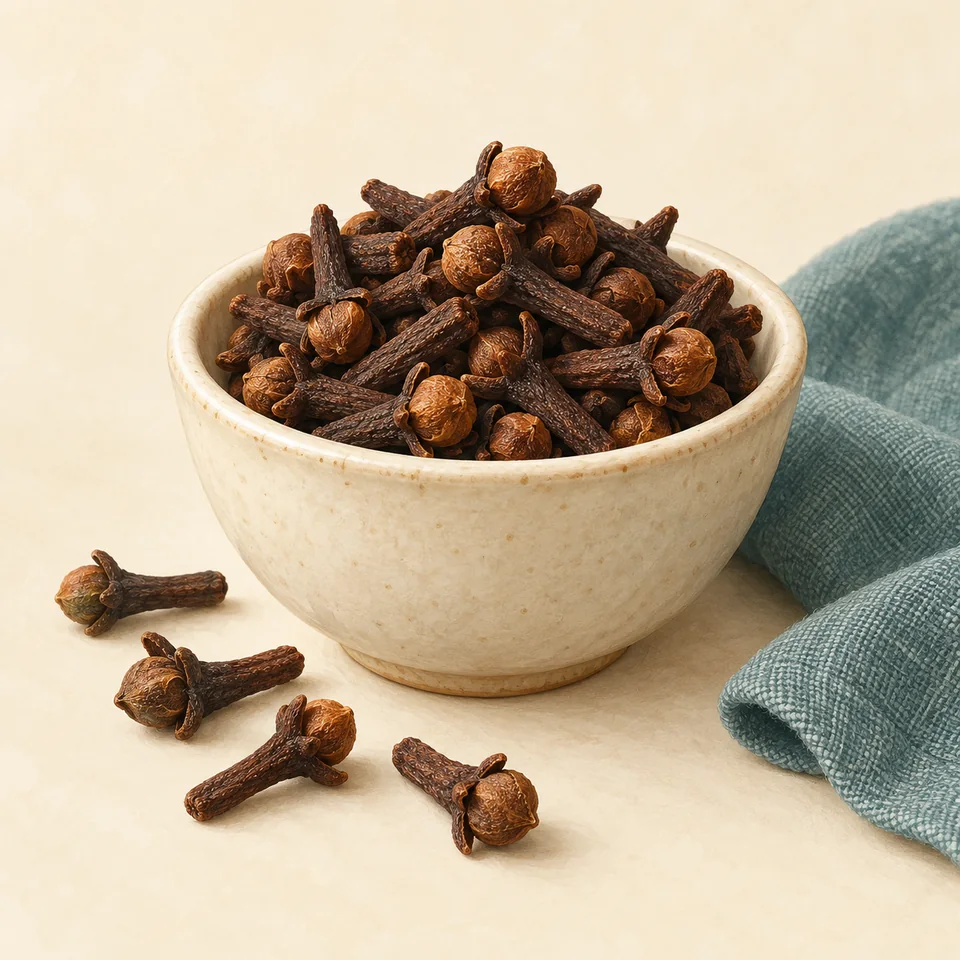
0 µg - Cloves
Spices, cloves, ground, exactly as identified by USDA.
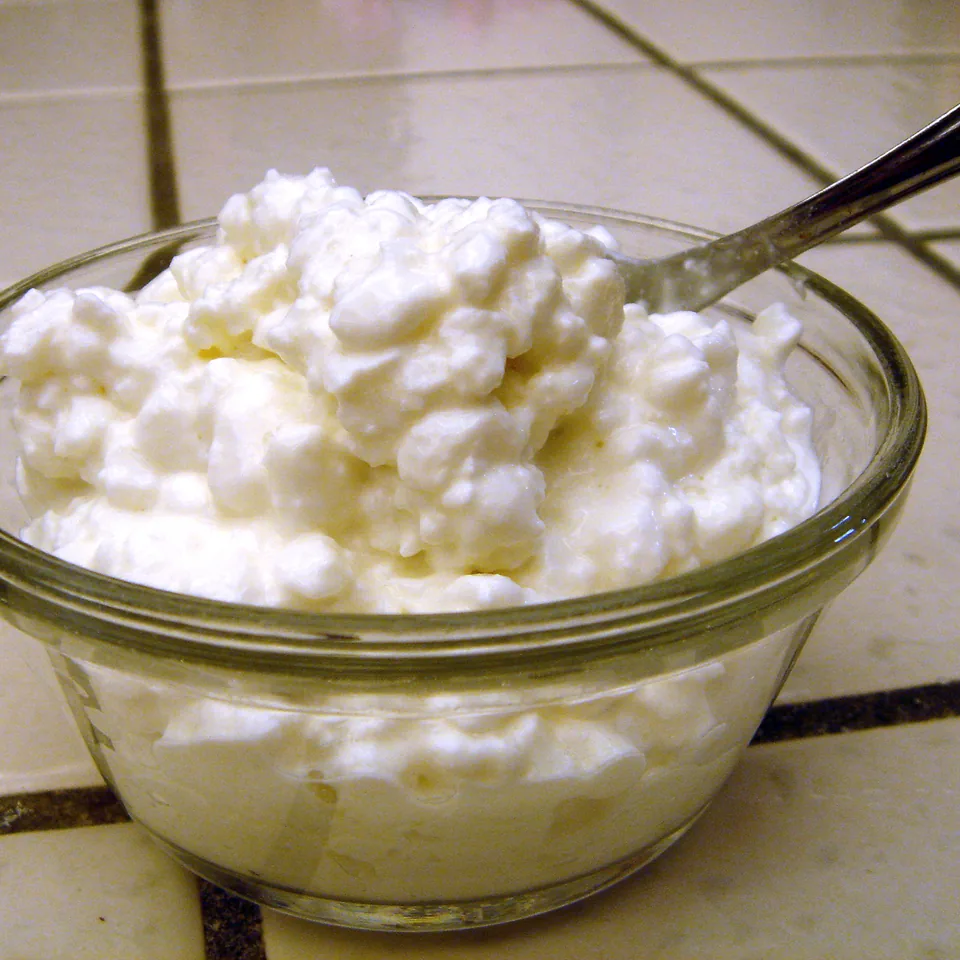
0 µg - Queijo cottage
Creamed cottage cheese, large or small curd.
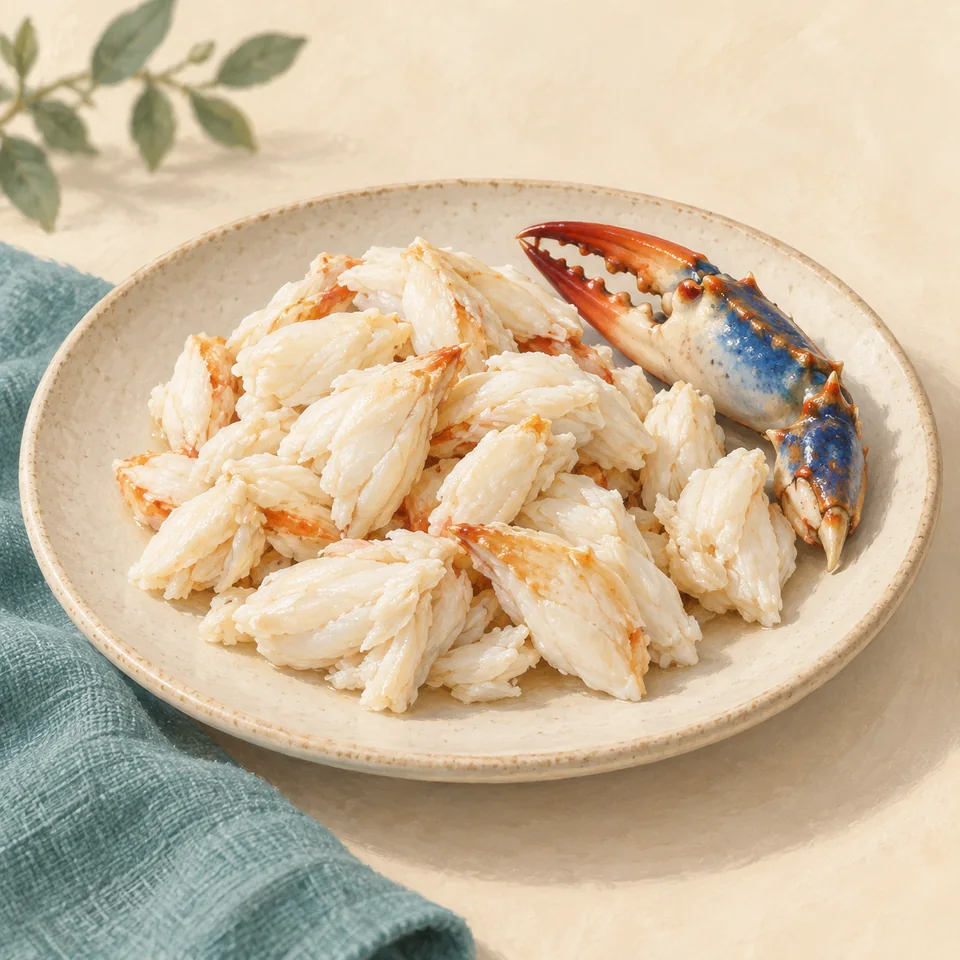
0 µg - Blue crab
Crustaceans, crab, blue, cooked, moist heat, exactly as identified by USDA.
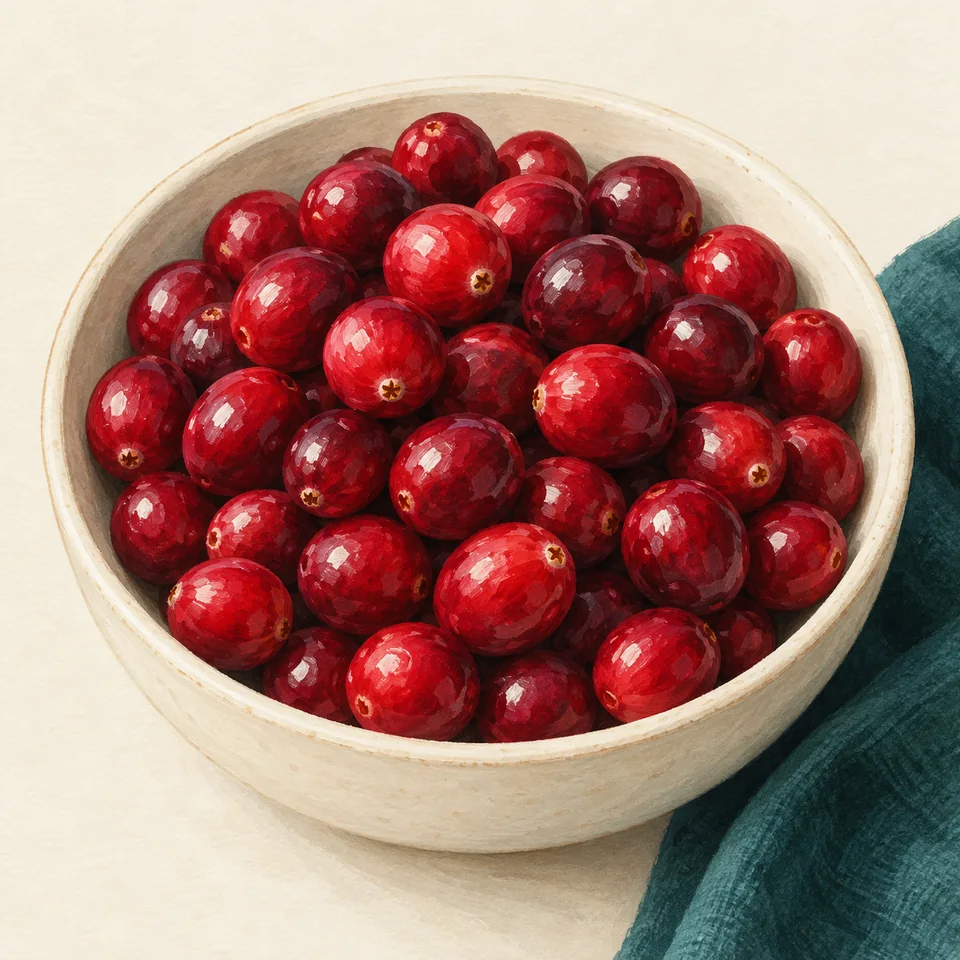
0 µg - Cranberries
Cranberries, raw, exactly as identified by USDA.
0 µg - Cream cheese
Cheese, cream, exactly as identified by USDA.
0 µg
All results are sorted before pagination. Bars compare amounts within this search; they do not indicate health benefits. Not reported does not mean zero.
ENTENDER OS DADOS
O nutriente, em contexto
Como ler esta classificação
Esta página compara Vitamin K (Dihydrophylloquinone) (Vitamin K (Dihydrophylloquinone)), em µg por 100 g de alimento.
As formas químicas e os métodos de medição permanecem separados. “Não reportado” significa que não há um valor disponível, não que o alimento contenha zero. A posição na classificação não determina as suas necessidades individuais nem diagnostica uma deficiência.
This NIH fact sheet discusses the nutrient family. Vitamin K (Dihydrophylloquinone) is the specific USDA measurement on this page. Do not apply family intake recommendations directly to this form or unit; use the definitions, population groups, and food/supplement distinctions in the source.
A ficha da NIH ODS abaixo está no idioma original publicado pela fonte (inglês). A NIH não publica esta ficha em português brasileiro; não traduzimos doses nem recomendações.
NIH · OFFICE OF DIETARY SUPPLEMENTS
Vitamin K: Fact Sheet for Consumers
Texto original publicado pela NIH, com tabelas de ingestão por idade e sexo, precauções e o contexto de população indicado pela fonte. O Bitameans não fez uma revisão médica independente nem adapta estas recomendações à sua situação pessoal.
What is vitamin K and what does it do?
Vitamin K is a nutrient that the body needs to stay healthy. It’s important for blood clotting and healthy bones and also has other functions in the body. If you are taking a blood thinner such as warfarin (Coumadin), it's very important to get about the same amount of vitamin K each day.
How much vitamin K do I need?
The amount of vitamin K you need depends on your age and sex. Average daily recommended amounts are listed below in micrograms (mcg).
Fontes de identidade e estrutura
- USDA FoodData Central: Foundation Foods Documentation · Consultado 2026-09-13