EXPLORE UM NUTRIENTE
Cryptoxanthin, beta
Veja como as quantidades variam entre alimentos, na mesma base de comparação.
Entenda este nutriente ↓O que é?
Chemical reference: beta-cryptoxanthin (C40H56O). USDA reports Cryptoxanthin, beta separately. [1] [2]
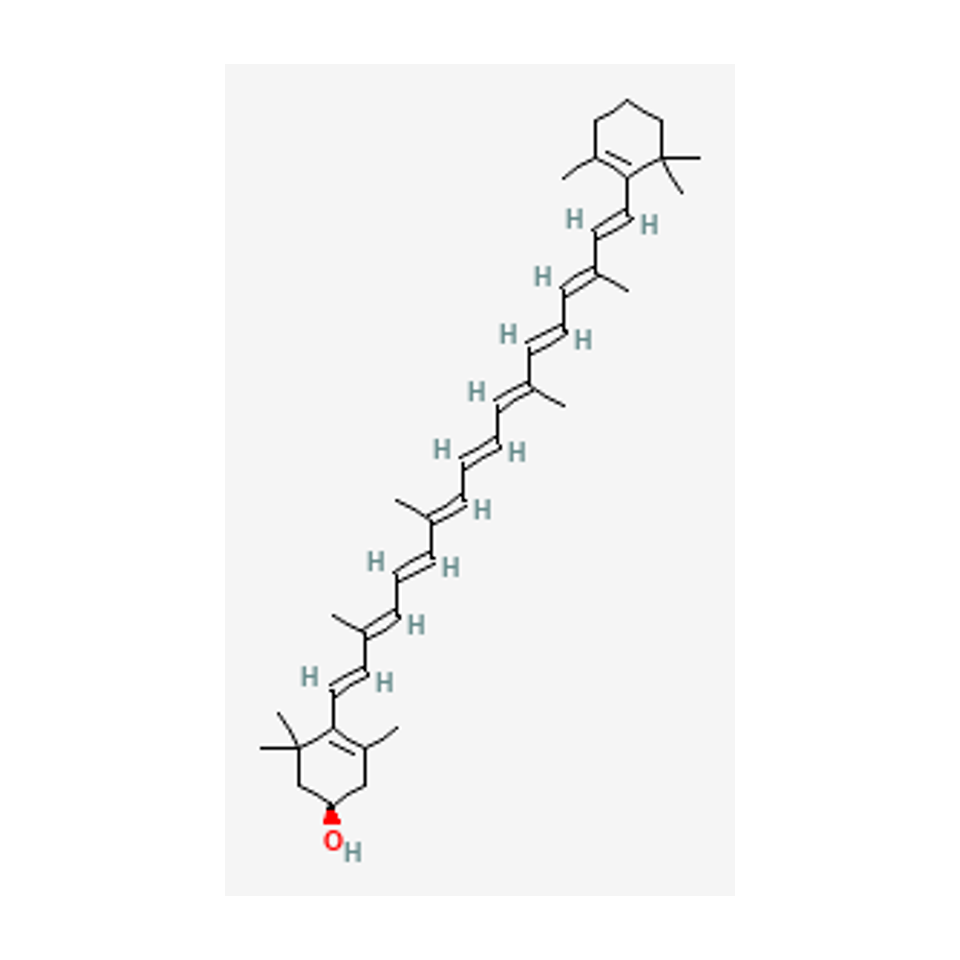
Esta forma de referência não representa todas as formas incluídas na quantidade do USDA.
Descrição, fonte e atribuição
Reference depiction: beta-cryptoxanthin. Formula C40H56O; PubChem CID 5281235; charge 0. This specified form does not represent every form or molecule included in the USDA quantity.
PubChem Compound 5281235, 2D Structure. NCBI / National Library of Medicine. Fonte · Condições de uso
Verificação da fonte:
A COMMON BASIS
Alimentos, por 100 g
143 foods with data 63 not reported, excluded from ranking
- Paprika
Spices, paprika, exactly as identified by USDA.
6.186 µg - Abóbora butternut
Butternut winter squash, baked without salt.
3.116 µg - Persimmon
Persimmons, japanese, raw, exactly as identified by USDA.
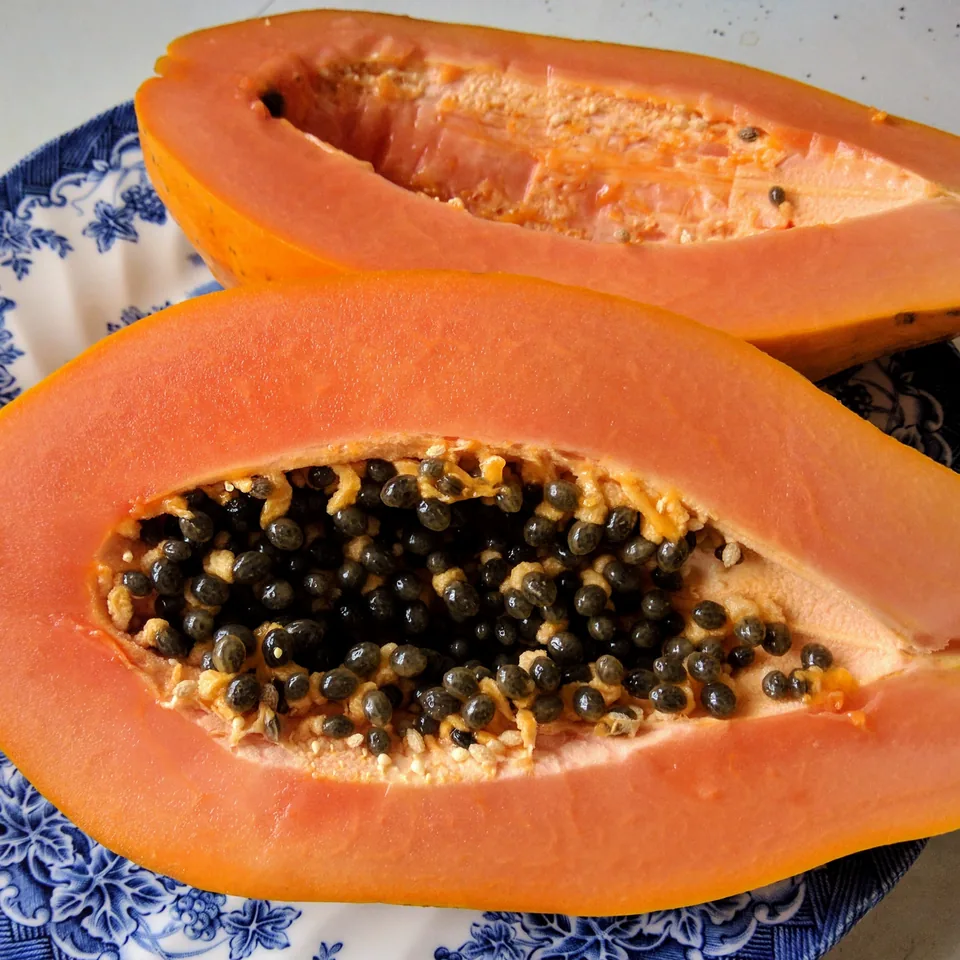
1.447 µg - Mamão
Raw papaya, edible portion.
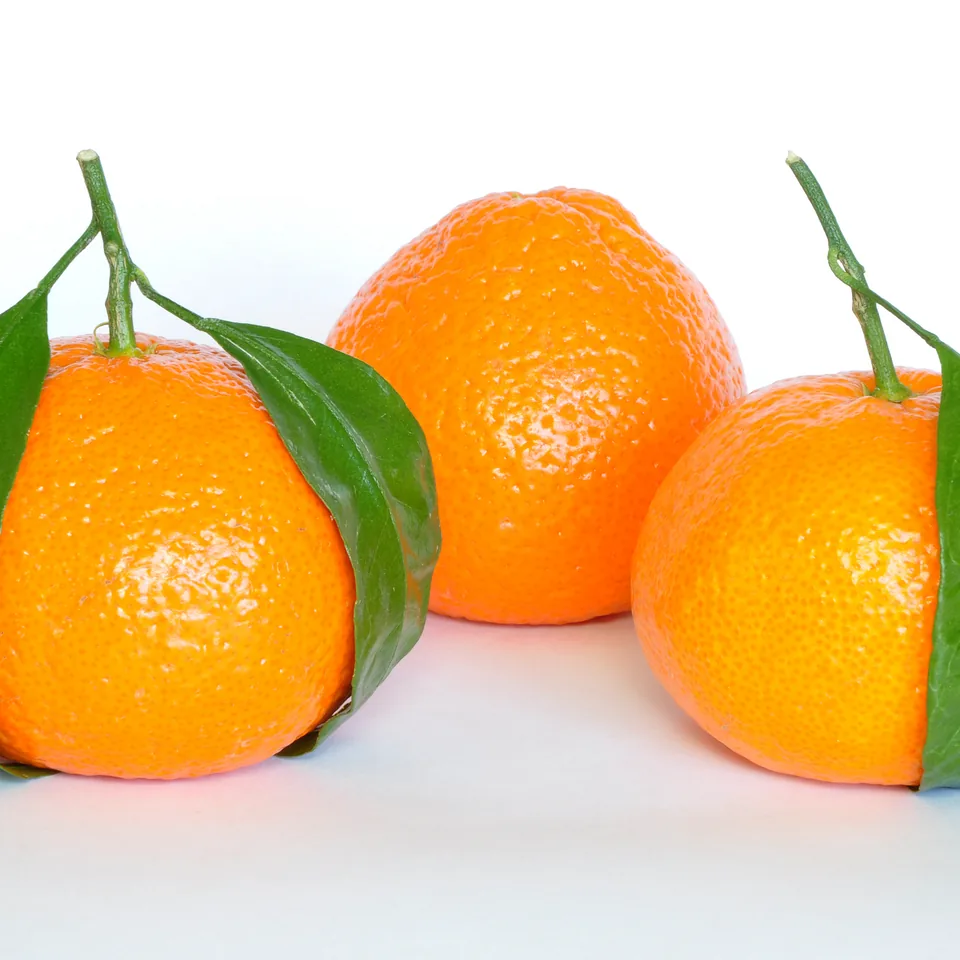
589 µg - Tangerina
Raw mandarin/tangerine, edible portion.
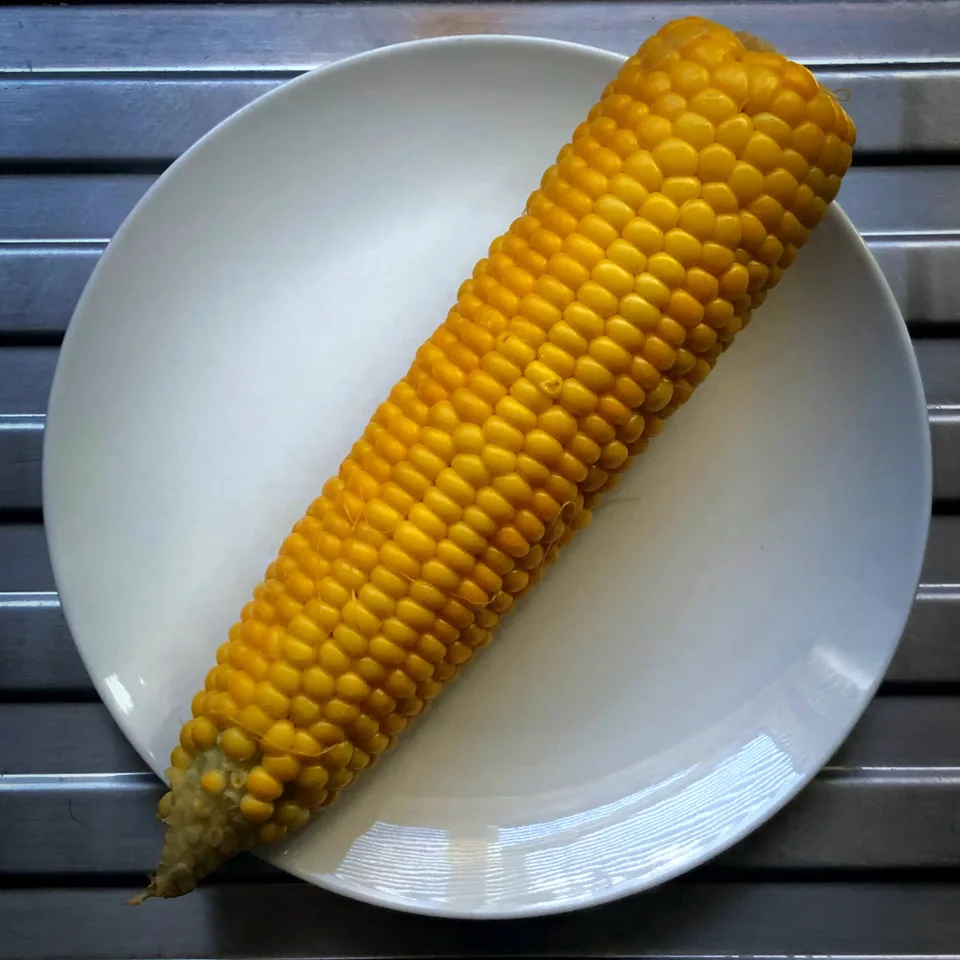
407 µg - Milho-verde
Yellow sweet corn, boiled, drained, without salt.
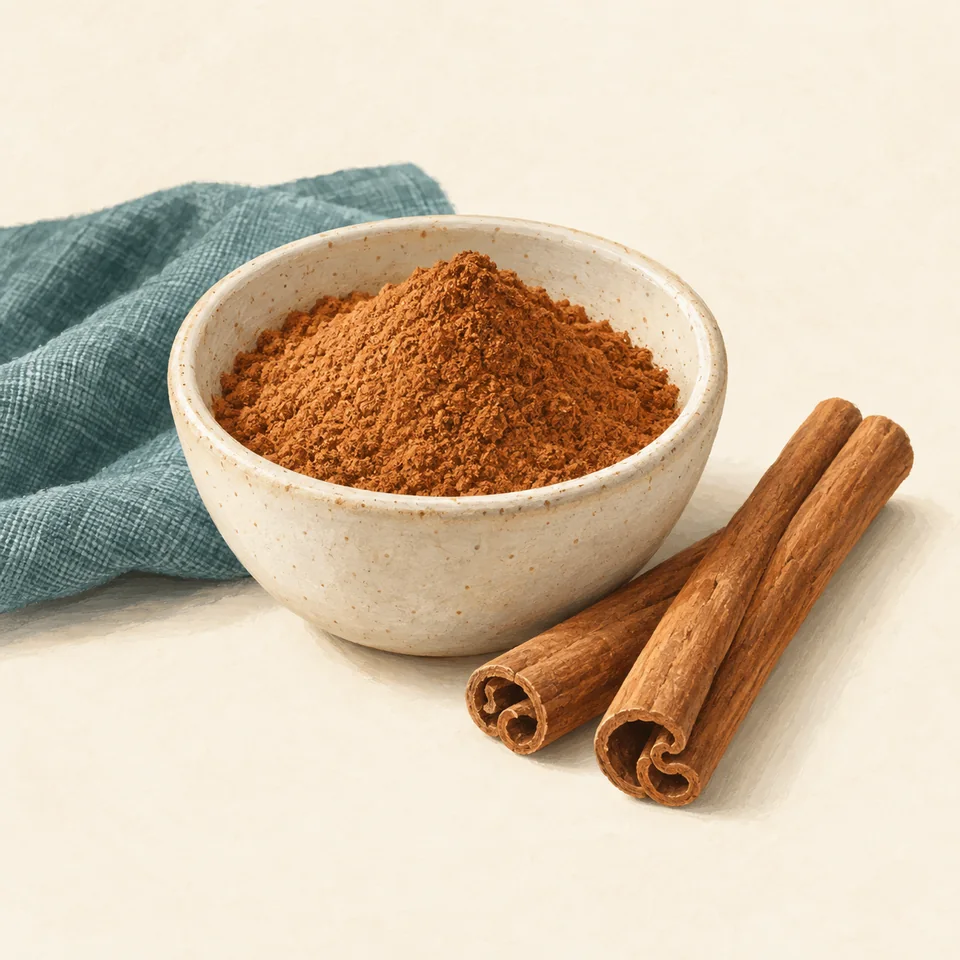
161 µg - Cinnamon
Spices, cinnamon, ground, exactly as identified by USDA.
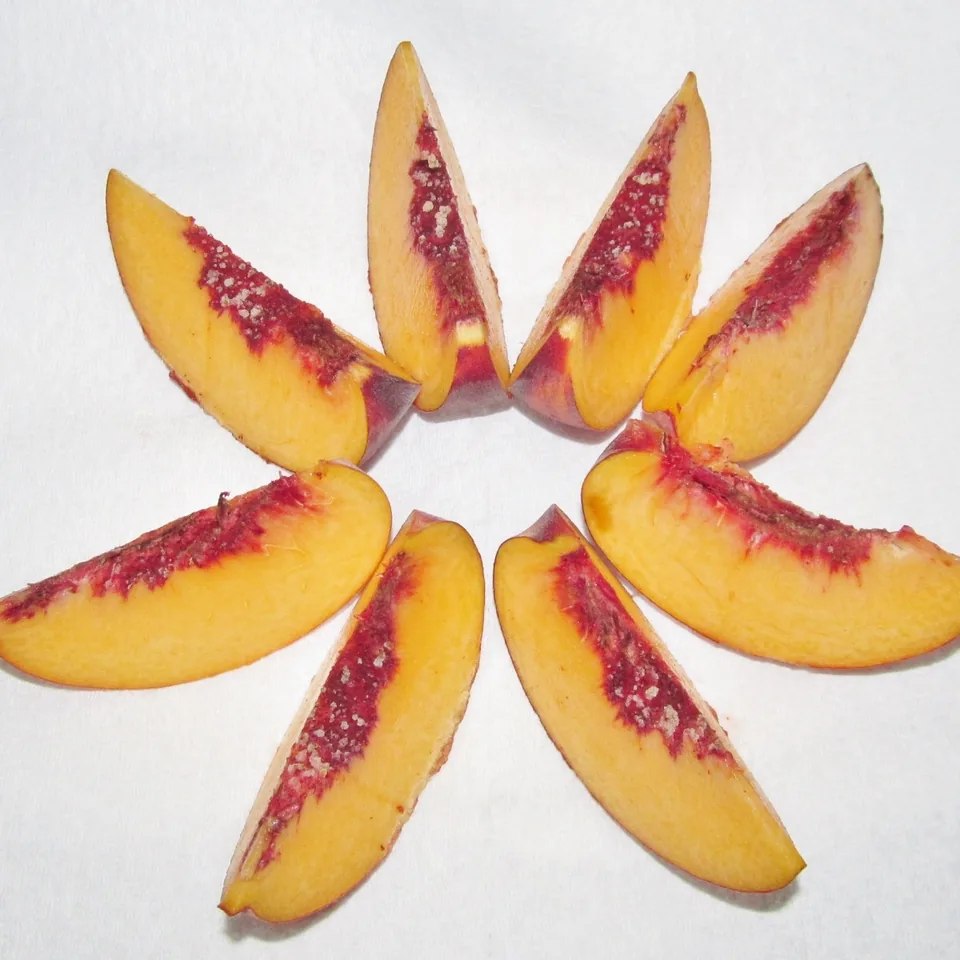
129 µg - Pêssego
Yellow peach, raw.
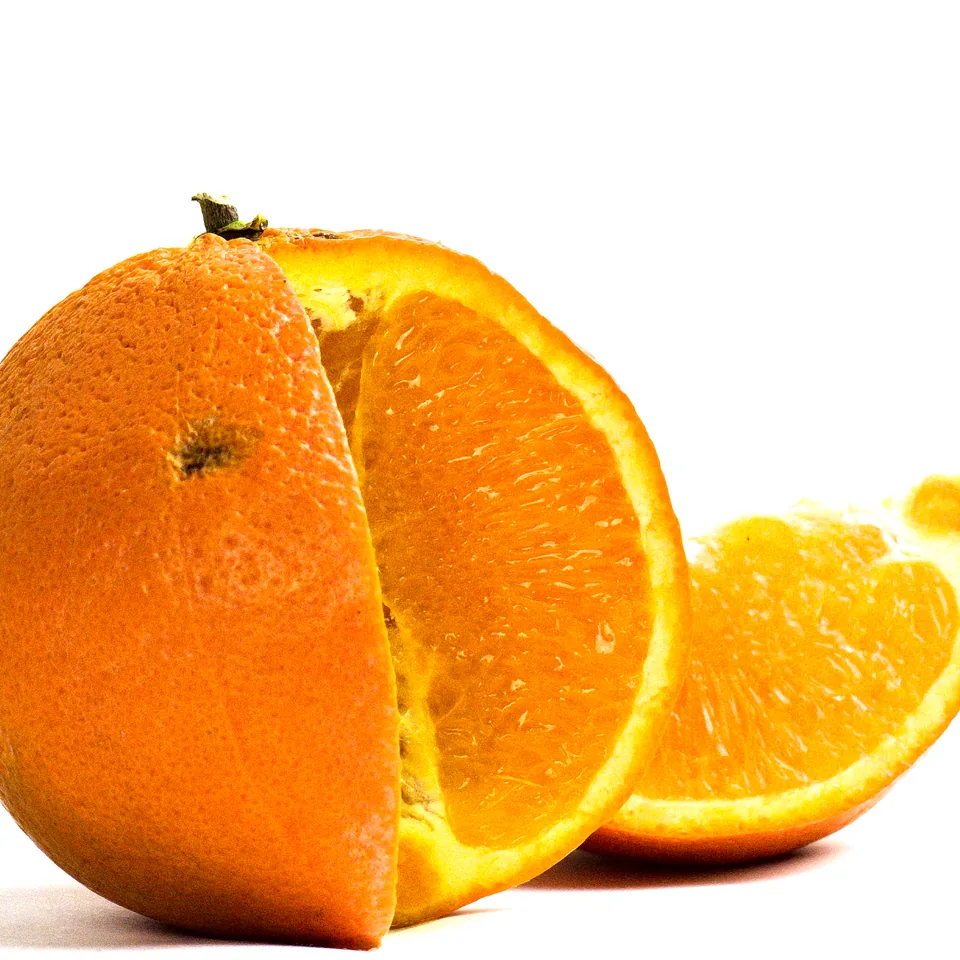
117 µg - Laranja
Raw orange, all commercial varieties; edible flesh.
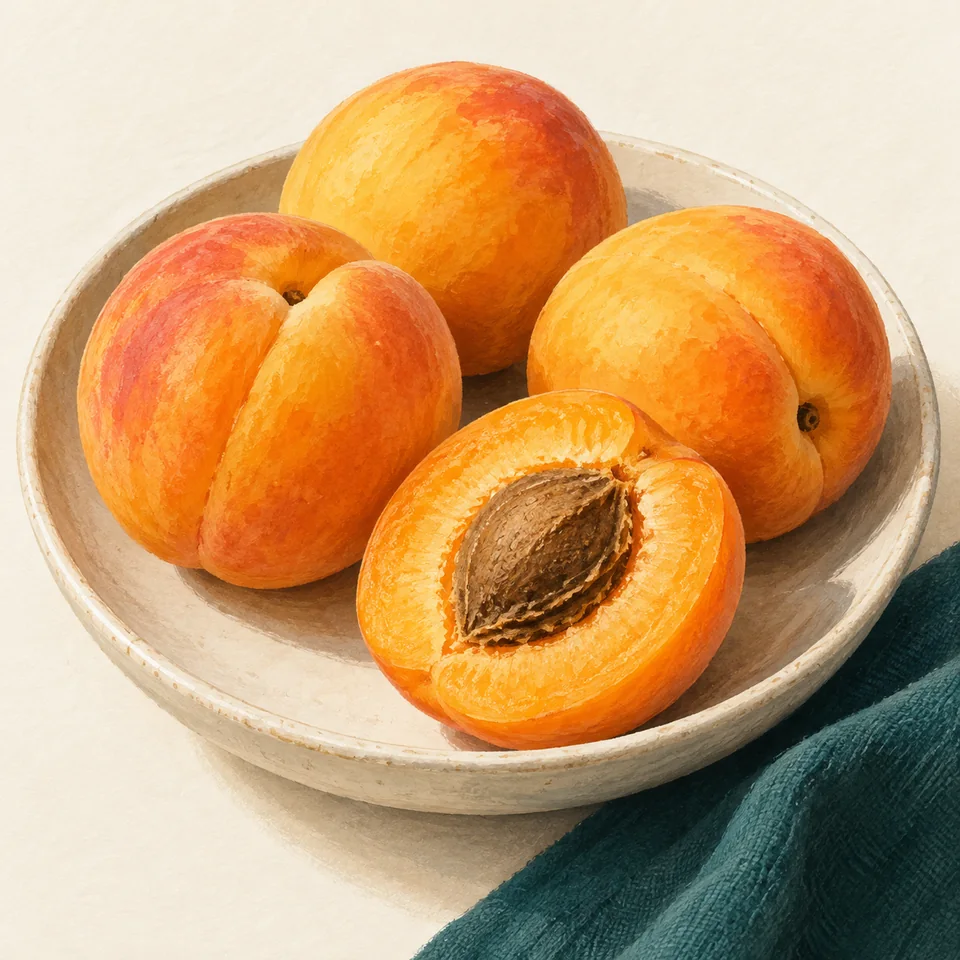
116 µg - Apricot
Apricots, raw, exactly as identified by USDA.
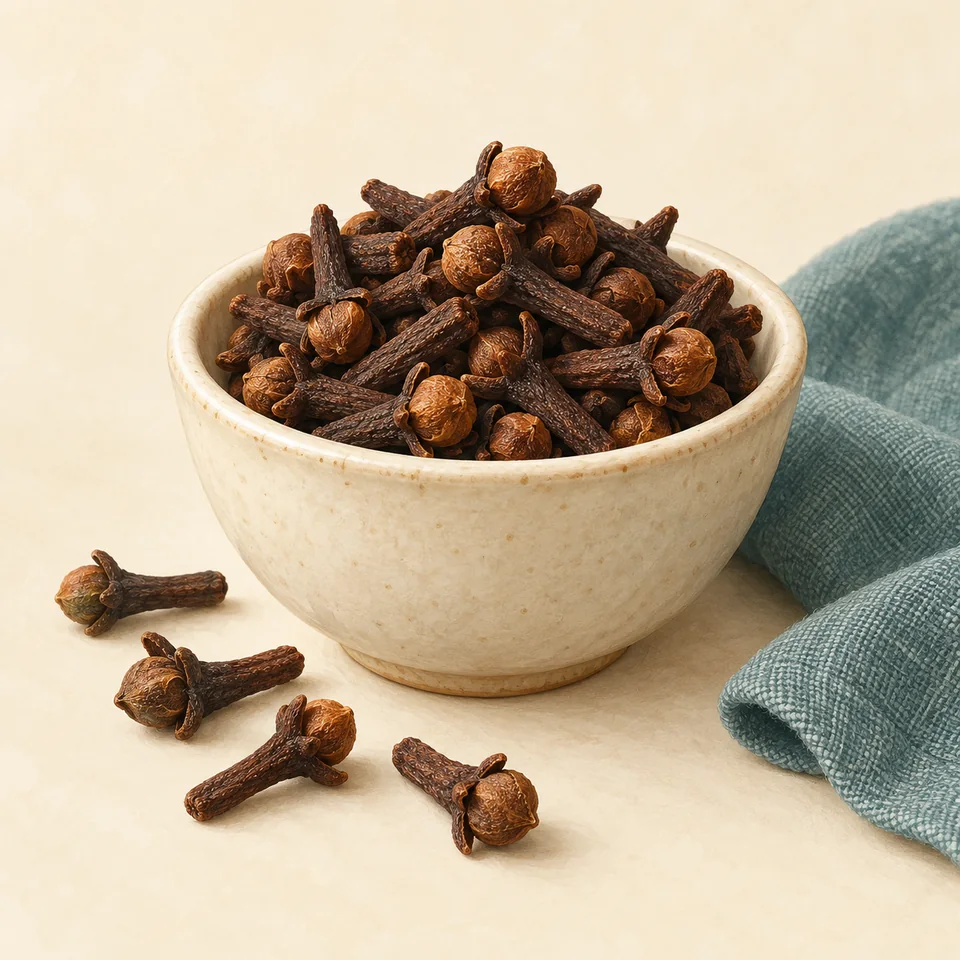
104 µg - Cloves
Spices, cloves, ground, exactly as identified by USDA.
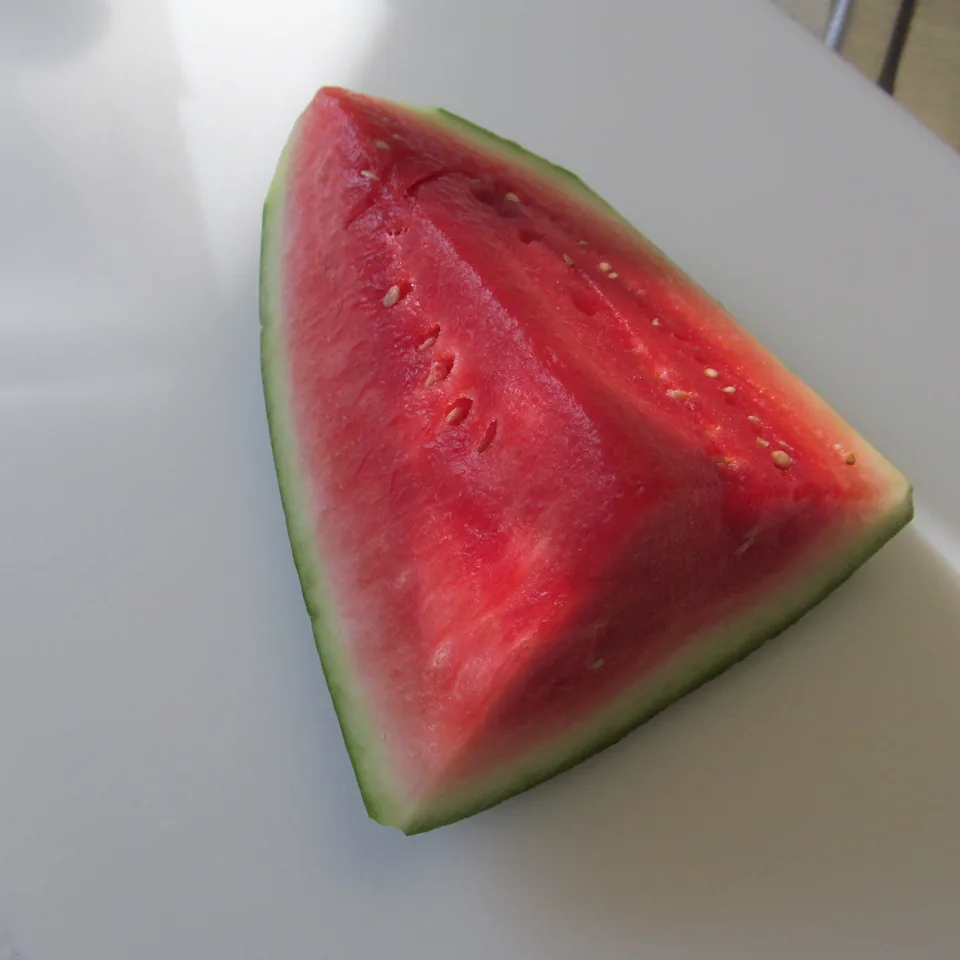
103 µg - Melancia
Raw watermelon, edible portion; seedless status not specified.
78 µg
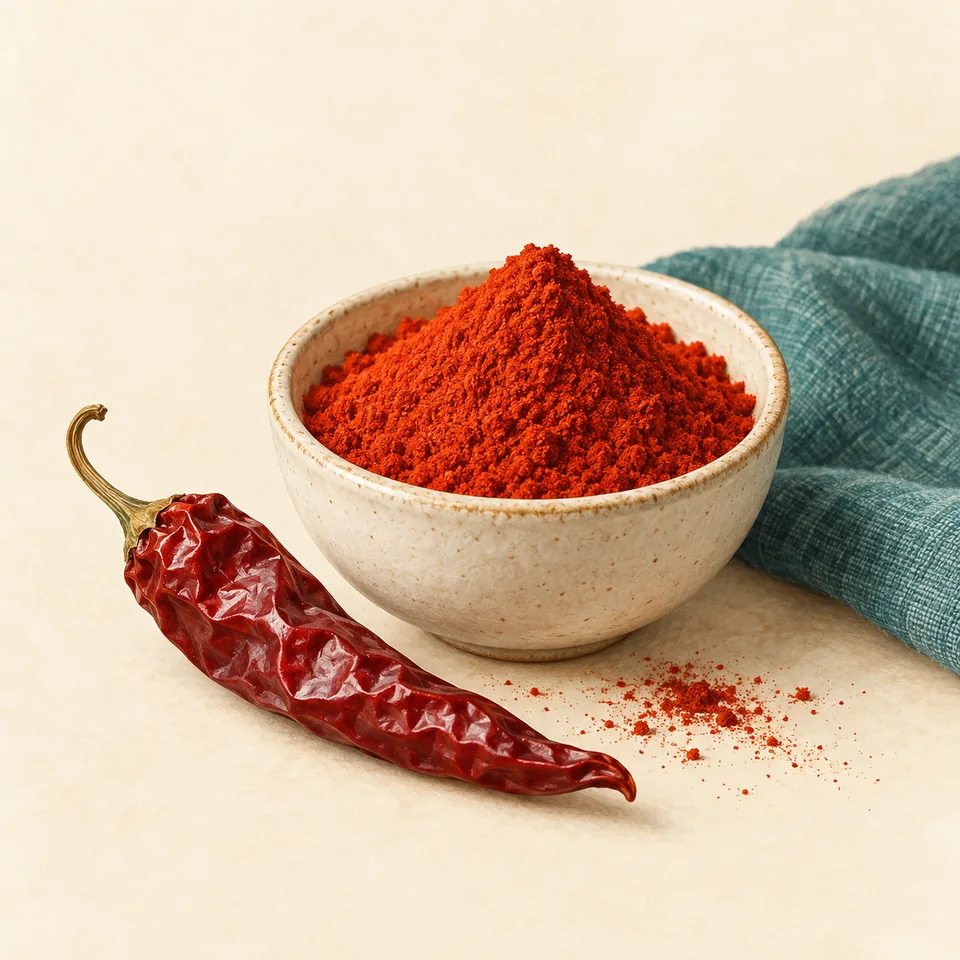
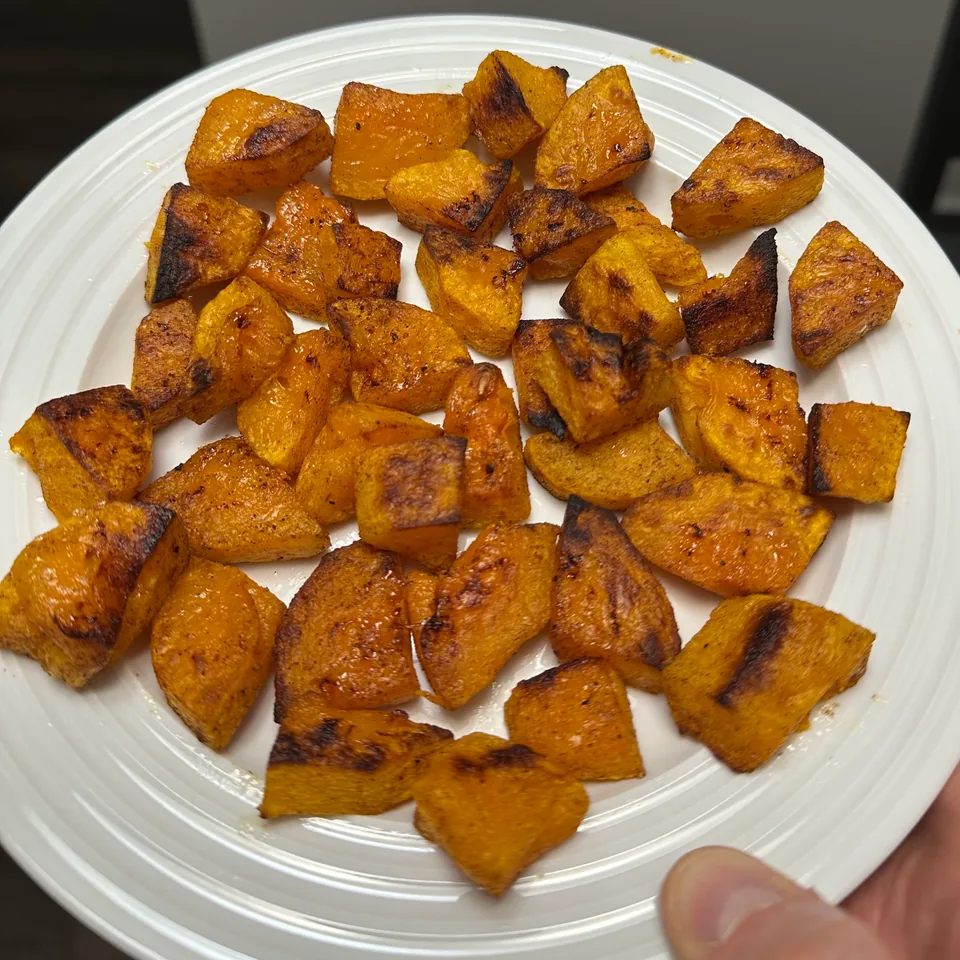
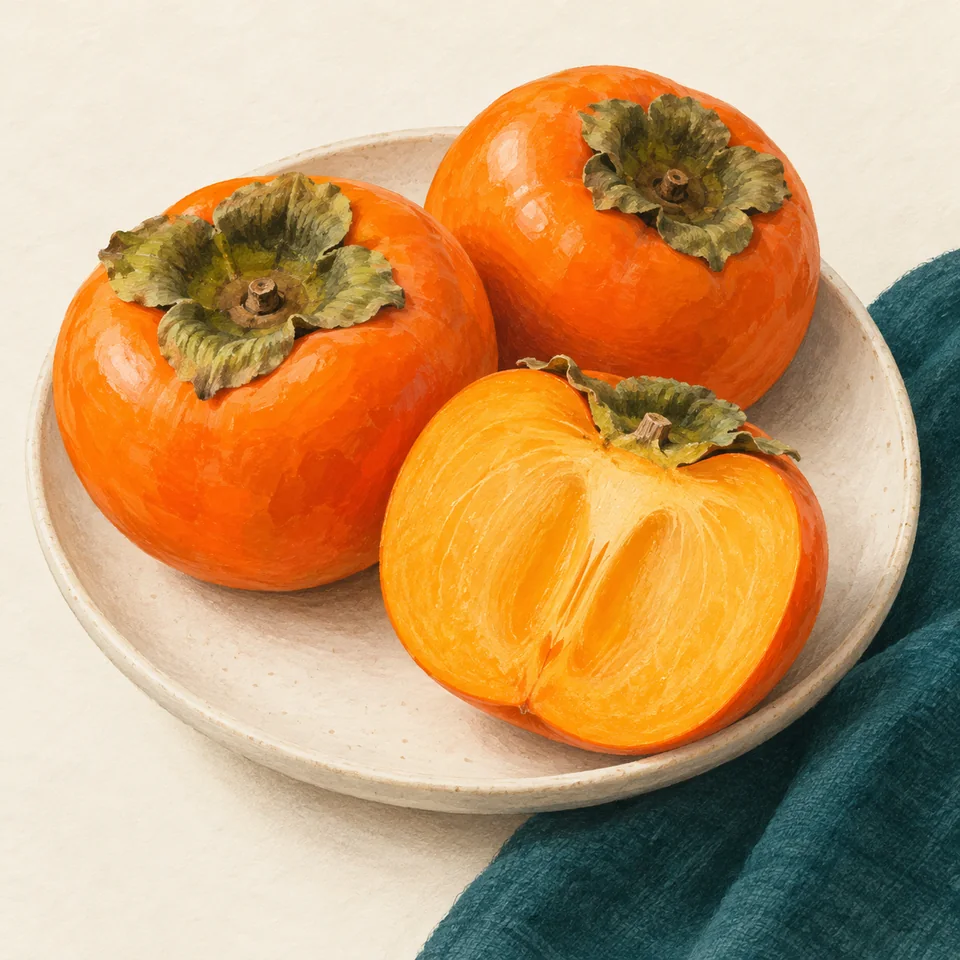
All results are sorted before pagination. Bars compare amounts within this search; they do not indicate health benefits. Not reported does not mean zero.
ENTENDER OS DADOS
O nutriente, em contexto
Como ler esta classificação
Esta página compara Cryptoxanthin, beta (Cryptoxanthin, beta), em µg por 100 g de alimento.
As formas químicas e os métodos de medição permanecem separados. “Não reportado” significa que não há um valor disponível, não que o alimento contenha zero. A posição na classificação não determina as suas necessidades individuais nem diagnostica uma deficiência.
This NIH fact sheet discusses the nutrient family. Cryptoxanthin, beta is the specific USDA measurement on this page. Do not apply family intake recommendations directly to this form or unit; use the definitions, population groups, and food/supplement distinctions in the source.
A ficha da NIH ODS abaixo está no idioma original publicado pela fonte (inglês). A NIH não publica esta ficha em português brasileiro; não traduzimos doses nem recomendações.
NIH · OFFICE OF DIETARY SUPPLEMENTS
Vitamin A and Carotenoids: Fact Sheet for Consumers
Texto original publicado pela NIH, com tabelas de ingestão por idade e sexo, precauções e o contexto de população indicado pela fonte. O Bitameans não fez uma revisão médica independente nem adapta estas recomendações à sua situação pessoal.
What are vitamin A and carotenoids and what do they do?
Vitamin A is a fat-soluble vitamin that is naturally present in many foods. Vitamin A is important for normal vision, the immune system, reproduction, and growth and development. Vitamin A also helps your heart, lungs, and other organs work properly. Carotenoids are pigments that give yellow, orange, and red fruits and vegetables their color. Your body is able to convert some carotenoids into vitamin A.
There are two different sources for vitamin A:
- Preformed vitamin A is found in fish, organ meats (such as liver), dairy products, and eggs.
- Provitamin A carotenoids are turned into vitamin A by your body. They are found in fruits, vegetables, and other plant-based products. The most common provitamin A carotenoid in foods and dietary supplements is beta-carotene.
·
Fontes de identidade e estrutura
- PubChem Compound 5281235: Cryptoxanthin · Consultado 2026-09-13
- USDA FoodData Central: Foundation Foods Documentation · Consultado 2026-09-13