Segurança dos alimentos
Natural food toxins: the hazards worth recognizing
Este artigo ainda não tem tradução em português brasileiro. Mostramos o texto original em inglês; não inventamos uma tradução.
Some risks depend on variety, storage, processing, or identification. This is a guide to safer decisions, not a list of foods to fear.
Q8pass Society
Publicado · Atualizado · v1
≈ 3 min de leituraO que sabemos e o que não4 fontes
“Natural” is not a safety certificate
A useful food-safety question names the hazard and the exposure. WHO describes natural toxins from plants, molds, and aquatic organisms. Some survive ordinary cooking. Their presence somewhere in a food category does not mean that every normal serving is dangerous; sourcing and preparation change the question. A nutrition table alone cannot certify safety. [1]
Do not use this article, an illustration, or a comparison photo to identify an unknown mushroom or wild plant. Visual resemblance is not verification. A source describing an identified species cannot establish what is on your plate. If identification is uncertain, the missing information is decisive—not an invitation to taste a small amount.
Potatoes and beans need different decisions
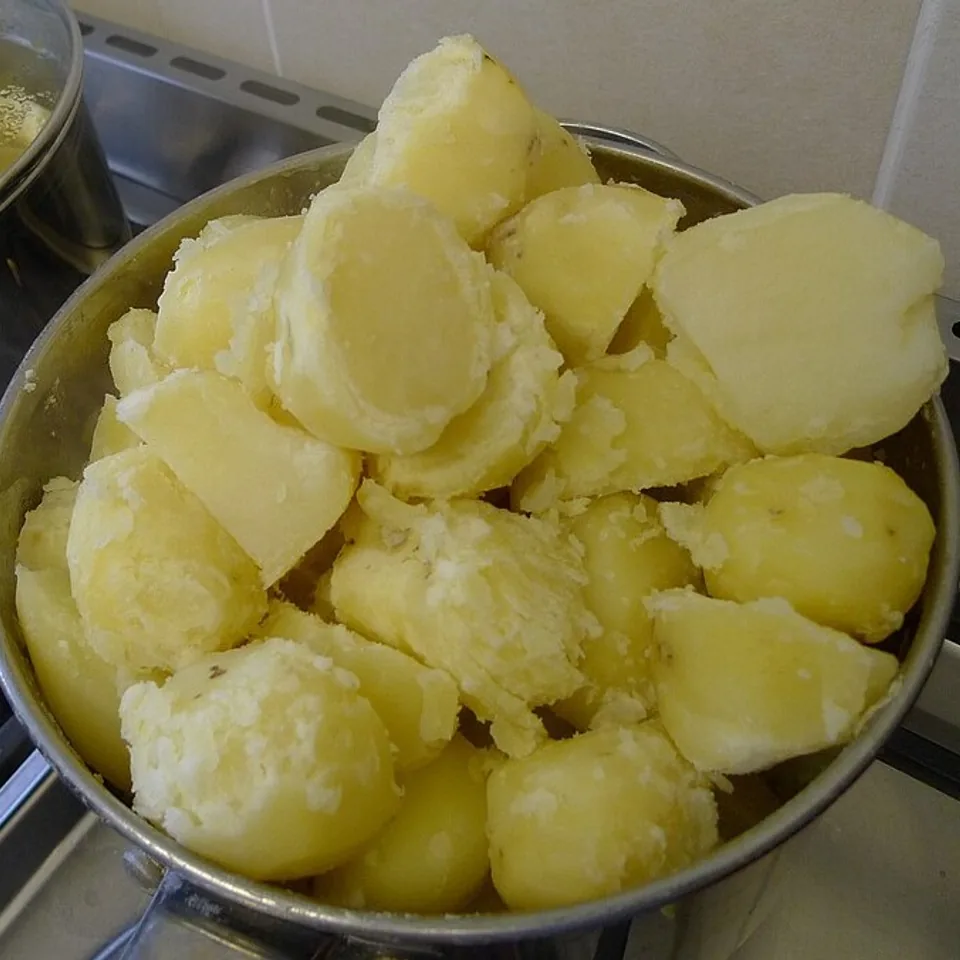
EFSA’s assessment links potato glycoalkaloids with acute digestive symptoms and highlights higher exposure relative to body weight in young children. Peeling and cooking can reduce levels by variable amounts, not guarantee a uniformly safe final concentration. A percentage reduction from a study is not a household safety test. [2]
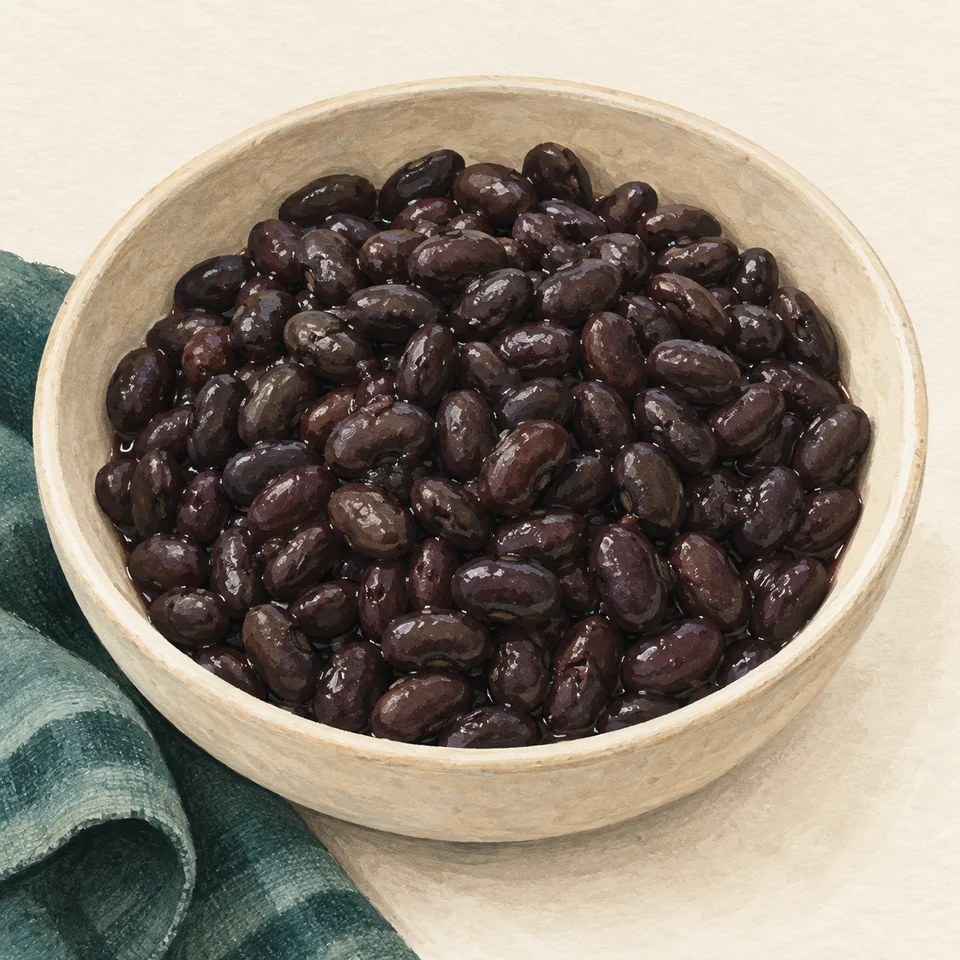
FDA distinguishes raw or undercooked beans containing phytohaemagglutinin from properly cooked or canned kidney beans. Do not use that hazard to conclude that all cooked legumes are harmful. Preparation is part of the identity. Follow reliable instructions for the actual product rather than assuming that any low-temperature warming process is adequate. [3]
Heat cannot solve every hazard
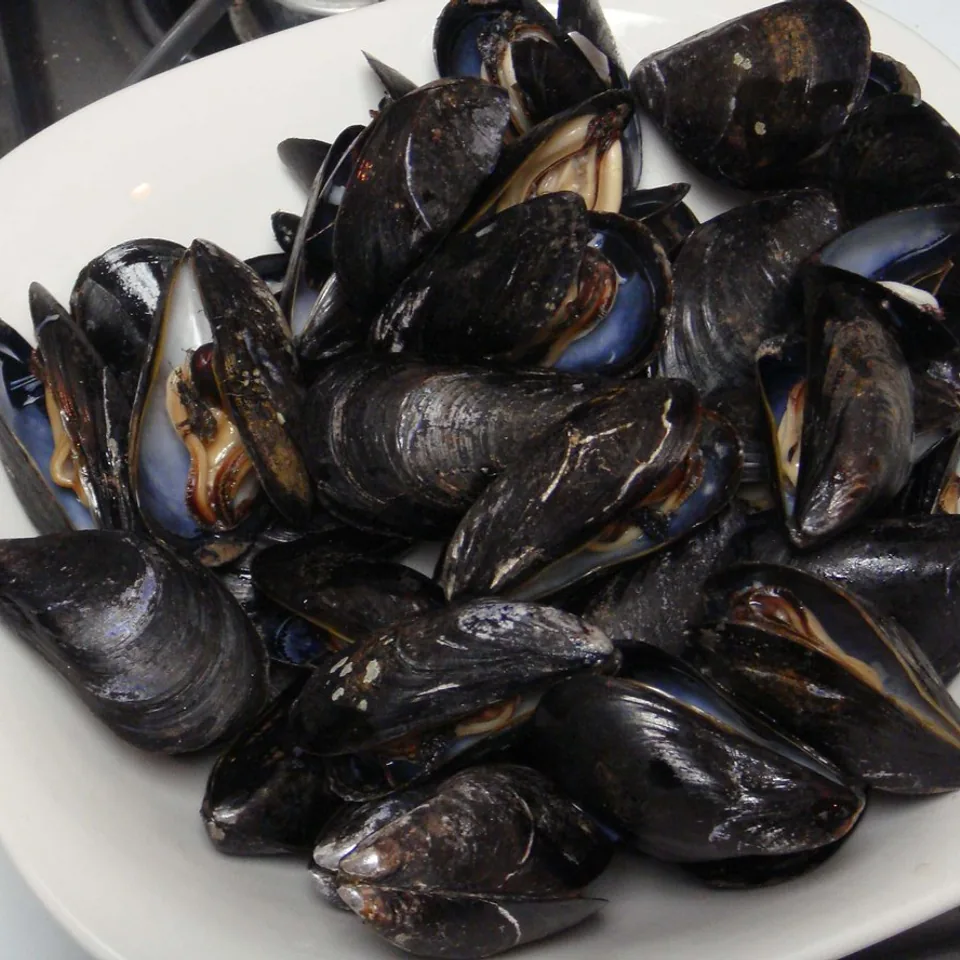
WHO notes that some marine toxins and mushroom toxins resist cooking. Wild mushrooms require reliable identification; seafood should come through controlled, reputable sources. Smell and taste cannot establish the absence of every toxin. This differs from hazards that an appropriate preparation process can reduce. [1]
A CDC investigation of cassava-flour poisoning illustrates the product-specific problem: a heated dish was linked to a contaminated batch. It is evidence from one outbreak, not a claim that all cassava is unsafe. We discuss cassava separately because a universal soaking or boiling recipe would hide important differences between roots, leaves, flour, and cultivars. [4]
Respond to uncertainty before eating
Keep the product label and follow local food-safety advice, recalls, and preparation instructions. Do not experiment with unfamiliar plant material or try to rescue an unidentified food using a social-media trick. Unknown safety is not the same as confirmed danger, but it is also not a reason to claim a food is safe.
If suspected poisoning causes sudden illness, breathing difficulty, confusion, or severe symptoms, seek urgent medical help and retain product information for professionals. Do not delay care to search for a home antidote or assume everyone who ate the food will react identically. The purpose of this discussion is to recognize the limits of a general article before they become a kitchen experiment.
Resumo da evidência
Achados estabelecidos
Incerteza
- Processing reductions and appearance cannot certify every product’s final toxin content. [2]
Associações observacionais
- An outbreak can identify a specific exposure without estimating the risk from every meal in that food category. [4]
Implicações práticas
- Use verified identification and product-specific guidance; suspected severe poisoning needs urgent care. [1]
Leituras relacionadas
Bibliografia
As fontes foram conferidas na preparação, algumas em nível de resumo. A interpretação dos textos completos e as correções ligadas ainda aguardam revisão editorial.
- Natural toxins in food · World Health Organization · Publicado: 2023-03-10 · Consultado: 2026-09-11
- Glycoalkaloids in potatoes: public health risks assessed · European Food Safety Authority · Publicado: 2020-08-11 · Consultado: 2026-09-13
- Natural Toxins in Food · U.S. Food and Drug Administration · Atualizado: 2024-09-26 · Consultado: 2026-09-13
- Outbreak of Cyanide Poisoning Caused by Consumption of Cassava Flour — Kasese District, Uganda, September 2017 · Alitubeera PH, Eyu P, Kwesiga B, Ario AR, Zhu B · Publicado: 2019-04-05 · DOI: 10.15585/mmwr.mm6813a3 · Consultado: 2026-09-11
Keep the conversation going.
Everyone can like an article. A functional cookie remembers your choice in this browser, with no advertising or cross-site tracking.
Loading conversation…
Comments
Only signed-in members with verified payment can comment. Comments are checked before appearing; they are not evidence or medical advice.
Checking access…
Leituras no seu ritmo
Siga os nossos artigos
RSS
Adicione o link ao seu leitor RSS. Não precisa de conta nem e-mail: só aparecem artigos publicados. O canal pode estar vazio enquanto os primeiros artigos são revisados.
Abrir RSS em português →Por e-mail
Email subscriptions are not available yet. We do not collect email addresses here. You can follow articles through RSS.
Seguir artigos ou permitir cookies não garante que o Bitameans apareça no Google Discover ou SmartNews. Cada plataforma decide o que mostrar.